Tag: Lucasfilm

  • The Cost of a Bad Room – Olivia Cooke’s Failed Audition for Star Wars

    The Cost of a Bad Room – Olivia Cooke’s Failed Audition for Star Wars

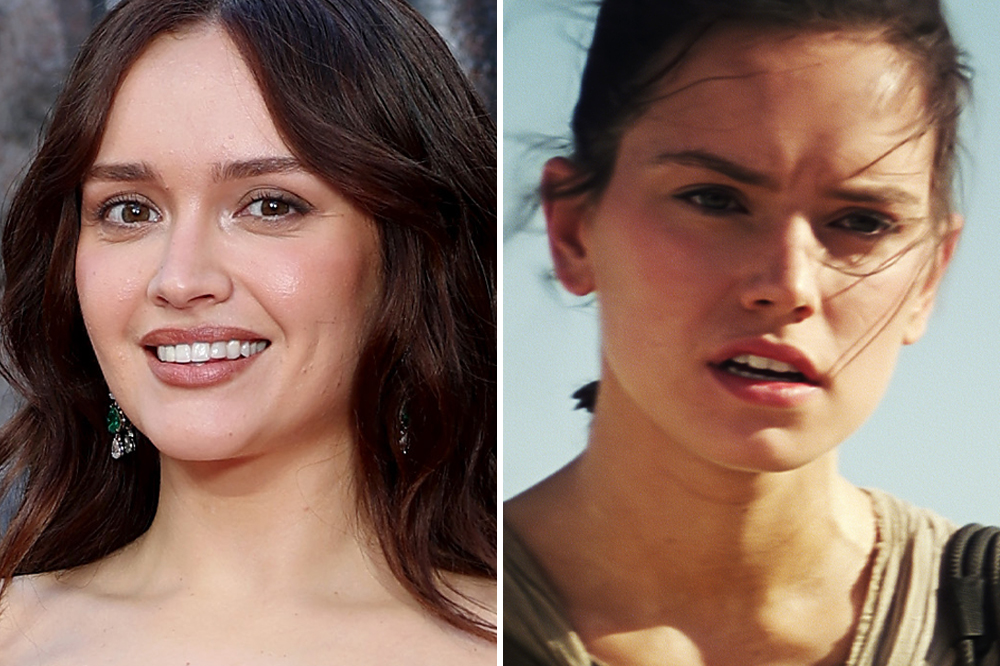
    Olivia Cooke auditioned for the role of Rey in the 2015 blockbuster Star Wars: The Force Awakens but ultimately delivered what she now describes as a “really bad” performance. The House of the Dragon star recently revealed the misstep, admitting she “was s, ” during the high-stakes reading for Lucasfilm. The confession pulls back the curtain on the secretive, high-pressure machinery of franchise casting.

    Hollywood operates on a hidden economy of near-misses. Every iconic role carries a shadow cast of actors who walked into a room, read the lines, and failed. Cooke is now part of that shadow history for the Star Wars sequel trilogy.

    In many ways, the admission offers a rare glimpse into the vulnerability of the working actor. The polished PR machine of modern entertainment rarely allows for stories of outright failure. But Cooke’s willingness to own her disastrous read highlights a shifting cultural appetite for authenticity.

    What looks like a missed opportunity actually reveals the complex, sliding-doors nature of the entertainment industry. A bad day in a casting office closed the door to a galaxy far, far away. It eventually opened a door to Westeros.

    The Lucasfilm Mandate of 2013

    The search for Rey began under unprecedented industry pressure. In October 2012, The Walt Disney Company acquired Lucasfilm from George Lucas for $4.05 billion. The immediate mandate was clear. Disney needed a new trilogy. They needed a new generation of heroes.

    Director J.J. Abrams and Lucasfilm President Kathleen Kennedy launched a global casting search in 2013. The directive was specific. They wanted relative unknowns to anchor the new films, mirroring the casting strategy Lucas used for Mark Hamill, Carrie Fisher, and Harrison Ford in 1977.

    The character of Rey was the linchpin of the new narrative. She was an orphaned scavenger on the desert planet Jakku. She needed to convey vulnerability, physical capability, and a latent connection to the Force. The casting call went out across London, Los Angeles, and beyond. Thousands of young women submitted tapes. Hundreds were brought in to read.

    Olivia Cooke was among them. At the time, Cooke was a rising talent. She was gaining recognition for her role as Emma Decody on the A&E thriller series Bates Motel. She had the requisite industry momentum to secure a room with the Star Wars casting directors. Getting the room is the first hurdle. Surviving the room is the second.

    The Pressure of the Room

    Auditioning for a property like Star Wars is not a standard acting exercise. It is an exercise in extreme secrecy and high-stakes imagination.

    Actors are rarely given the actual script. They are given “dummy sides”, fake scenes written specifically for the audition to prevent plot leaks. The scenes are often stripped of context. An actor might be asked to talk about repairing a generic engine while reacting to an invisible alien threat. They must generate absolute emotional reality inside a sterile casting office in Santa Monica or Soho.

    Cooke walked into this environment. By her own admission, the alchemy did not work. The connection to the material failed to materialize. The performance flatlined.

    She did not sugarcoat the memory. Her blunt assessment, “I was s, “, strips away the usual diplomatic language actors use to describe lost roles. There is no claim of “creative differences.” There is no mention of “scheduling conflicts.” There is only the raw reality of choking under pressure.

    The Daisy Ridley Variable

    While Cooke struggled in the room, another young British actress found the exact frequency J.J. Abrams was looking for.

    Daisy Ridley was a true unknown at the time. Her resume consisted of minor guest spots on British television shows like Casualty and Silent Witness. When Ridley walked into the audition room, she was handed a scene involving a brutal interrogation. Abrams asked her to access a deep, terrifying vulnerability. She was asked to cry on command.

    The behind-the-scenes footage of Ridley’s audition has since become a famous piece of Star Wars lore. She delivered a raw, tear-streaked performance that instantly secured her the role. She understood the assignment. She became Rey.

    Star Wars: The Force Awakens premiered in December 2015. It shattered box office records, eventually grossing over $2.07 billion worldwide. Ridley was instantly catapulted from total obscurity to global superstardom. Her face was printed on action figures, lunchboxes, and billboards across the globe.

    For an actor who missed out on the role, watching that level of cultural saturation can be a complex psychological burden. Cooke had to watch the movie she failed to book become the biggest cinematic event of the decade.

    The Road to Westeros

    A failed audition is rarely fatal. For Cooke, the Star Wars rejection was simply a data point on a longer trajectory.

    She continued to build a formidable resume. She starred in the 2015 indie hit Me and Earl and the Dying Girl. She caught the eye of Steven Spielberg, who cast her as Art3mis in the 2018 science fiction blockbuster Ready Player One. She proved she could handle heavy visual effects, massive budgets, and intense fandom scrutiny.

    Then came the call from HBO.

    Following the controversial conclusion of Game of Thrones, HBO needed a massive hit to justify its continued investment in George R.R. Martin’s fantasy universe. Showrunner Ryan Condal was developing House of the Dragon, a prequel series focused on the bloody civil war of the Targaryen dynasty.

    The show needed an anchor. It needed an actress who could play Queen Alicent Hightower, a complex, politically ruthless, deeply traumatized monarch. The role required immense subtlety. Alicent is not a clear-cut hero like Rey. She is a woman navigating a violently patriarchal system, making terrible compromises for the sake of her family’s survival.

    Cooke landed the part. When House of the Dragon premiered in August 2022, it was a massive critical and commercial success. Cooke’s portrayal of the adult Alicent Hightower was universally praised. She brought a rigid, suffocating tension to the character. She became the face of the “Green” faction in the show’s central conflict.

    The Star Wars miss had paved the way for a darker, more complex triumph. If Cooke had spent 2015 to 2019 locked into the grueling production schedule of the Star Wars sequel trilogy, her availability for the early development of House of the Dragon would have been non-existent.

    The Currency of Celebrity Vulnerability

    Cooke’s decision to share this story in 2026 speaks to a broader shift in how celebrities manage their public narratives.

    In previous decades, the Hollywood publicity machine demanded perfection. Actors were presented as infallible artists who only ever made the right choices. Rejections were hidden. Failures were buried. The narrative was always one of inevitable ascent.

    The modern audience rejects this pristine image. Social media has accelerated the demand for relatability. Audiences want to know that the people on their screens experience the same crushing self-doubt, the same embarrassing failures, and the same bad days at work that they do.

    When Cooke admits she gave a “really bad” audition, she generates a powerful sense of schadenfreude. There is a dark, human comfort in knowing that even a famous, wealthy, successful actress can walk into a room and completely choke.

    But the schadenfreude quickly gives way to empathy. Everyone has bombed a job interview. Everyone has walked out of a room knowing they failed to present the best version of themselves. Cooke’s Star Wars story bridges the gap between the untouchable elite and the everyday worker.

    It also reframes her current success. Her performance as Alicent Hightower is not the result of inevitable, effortless genius. It is the result of an actor who learned how to survive the brutal, rejection-heavy reality of the industry. She took the hits. She improved. She found the right room.

    The Shadow Casts of Hollywood

    Cooke is not alone in the shadow cast of the Star Wars sequel trilogy. Hollywood history is littered with famous near-misses.

    Tom Selleck famously had to turn down the role of Indiana Jones because of his commitment to Magnum, P.I. Will Smith turned down the role of Neo in The Matrix to star in the critical disaster Wild Wild West. John Krasinski made it all the way to a screen test in the Captain America suit before realizing he was not right for the Marvel Cinematic Universe.

    These stories endure because they highlight the chaotic, unpredictable nature of success. Talent is required, but timing is everything. A career is defined just as much by the roles an actor does not get as by the roles they do.

    For Olivia Cooke, the Star Wars audition remains a humorous, humbling footnote. She does not need the lightsaber. She has the Iron Throne.

    Scripts were printed. NDAs were signed. Actors walked into the room.

    Some found a galaxy far, far away. Others found a different kind of throne.

    Failure.
  • The Maker Speaks: George Lucas Joins the Cast of ‘Minions & Monsters’

    The Maker Speaks: George Lucas Joins the Cast of ‘Minions & Monsters’

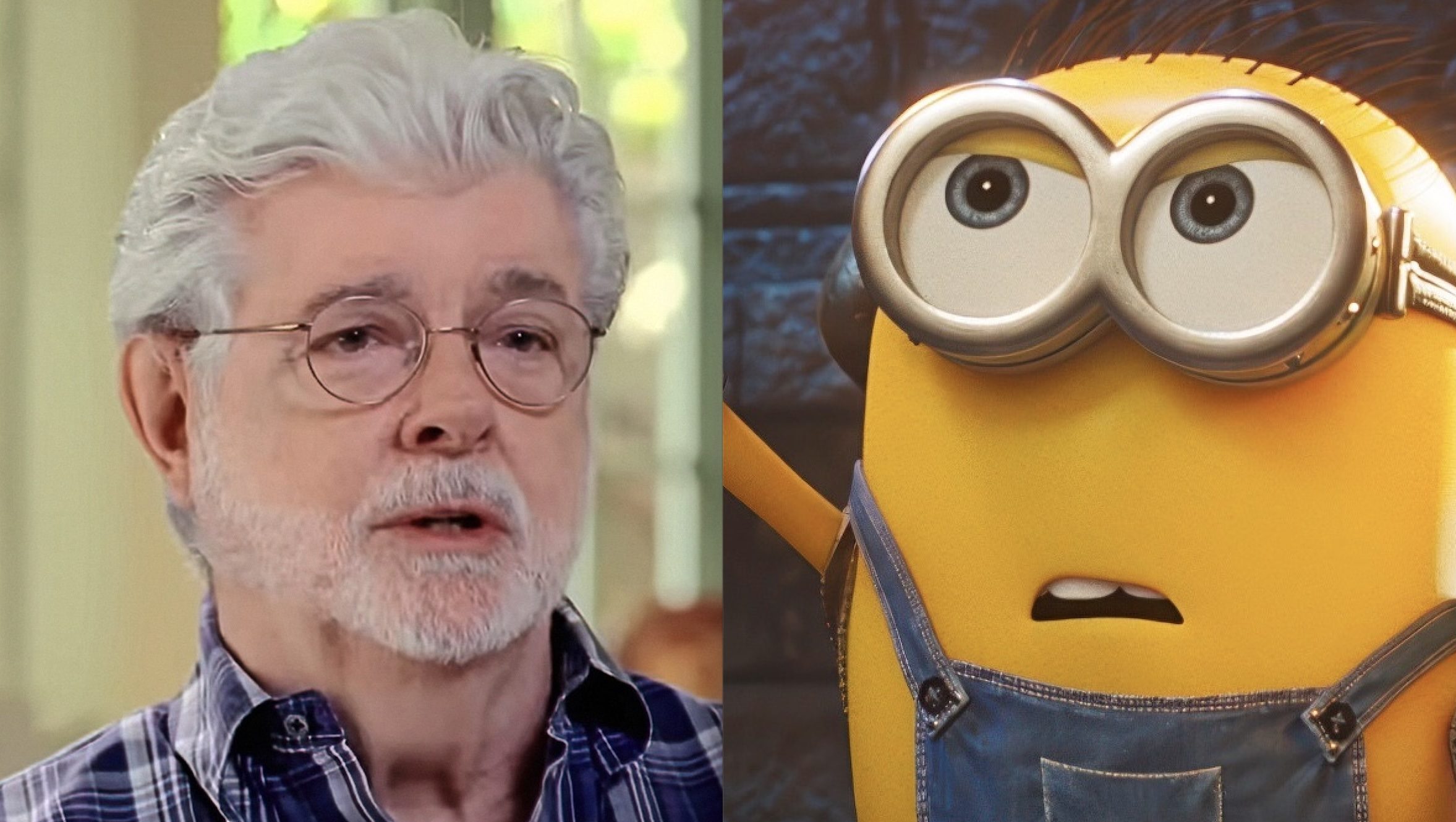
    George Lucas is returning to Hollywood in an unexpected capacity. The 82-year-old creator of Star Wars and Indiana Jones has signed on to provide voice work for the upcoming animated feature Minions & Monsters. Deadline confirmed the casting on June 21, 2026. The announcement marks Lucas’s first official billed role in a major studio project since he sold his empire to The Walt Disney Company in 2012. For a filmmaker who spent his career building cinematic universes from behind the camera, the decision to step into the vocal booth represents a fascinating late-career pivot.

    The implicit question surrounding this news is simple. Why now? Lucas has spent fourteen years entirely divorced from the machinery of the modern blockbuster. He has watched his creations evolve under the stewardship of Bob Iger and Kathleen Kennedy. He has directed his vast fortune toward philanthropy and fine art. Yet, the appeal of a lighthearted, low-stakes animated role has drawn him back into the fold.

    What looks like a simple casting announcement actually reflects a broader trend in 2026 Hollywood. Legacy filmmakers are finding new ways to interact with pop culture. They are bypassing the grueling schedules of live-action production. They are choosing projects that offer maximum cultural resonance with minimal physical strain. Minions & Monsters is the latest beneficiary of this shift.

    A Rare Return to the Studio System

    The timeline of George Lucas’s departure from Hollywood is well-documented. On October 30, 2012, Lucas sold Lucasfilm to Disney for $4.05 billion. The deal included the rights to Star Wars, Indiana Jones, and the revolutionary technology companies Industrial Light & Magic and Skywalker Sound. Lucas stepped away. He handed over his treatments for a sequel trilogy. He retreated to his home in Marin County, California.

    Since that sale, Lucas has maintained a strict distance from the day-to-day operations of the film industry. He has visited the sets of projects like The Mandalorian to offer advice to Jon Favreau and Dave Filoni. He has attended premieres. He has occasionally offered brief, diplomatic reviews of new Star Wars installments. But he has not worked for a major studio. He has not taken a paycheck to perform a service for a Hollywood conglomerate.

    This makes his involvement in Minions & Monsters highly unusual. Universal Pictures and Illumination Entertainment, the studios behind the project, have managed to secure a name that carries immense historical weight. Illumination CEO Chris Meledandri has built a billion-dollar empire on the backs of the Despicable Me franchise and the Minions. Bringing Lucas into that ecosystem bridges the gap between classic cinematic history and modern, hyper-kinetic animation.

    The Scope of Minions & Monsters

    The animation landscape in 2026 is dominated by established intellectual property. Minions & Monsters represents a continuation of Illumination’s core strategy. The studio excels at pairing its globally recognized yellow mascots with new, high-concept scenarios. While plot details remain heavily guarded, the title suggests a classic monster-movie homage filtered through the slapstick lens of the Minions universe.

    Casting Lucas in this specific environment is a masterstroke of four-quadrant marketing. The primary audience for a Minions film is Gen Alpha and younger Gen Z viewers. These demographics engage with the physical comedy and bright visuals. The secondary audience consists of the parents and grandparents buying the tickets. The name George Lucas on a marquee or a poster instantly commands the attention of Gen X and Baby Boomer audiences.

    The specific character Lucas will voice remains undisclosed. Industry analysts speculate he will portray an elder statesman, a mad scientist, or a creator figure within the monster universe. Illumination has a history of tailoring animated avatars to match the real-world personas of their celebrity voice actors. Whatever the role, the studio will likely lean into Lucas’s legacy as a world-builder.

    The Maker on the Mic: A Brief History

    This is not the first time George Lucas has recorded lines for a film. However, his previous vocal performances have been strictly relegated to the realm of Easter eggs. In 2005, Lucas made a brief on-screen cameo in Star Wars: Episode III – Revenge of the Sith. He played Baron Papanoida, a blue-skinned Pantoran dignitary standing outside the Coruscant opera house.

    Five years later, in 2010, the character of Baron Papanoida was expanded in the Star Wars: The Clone Wars animated television series. Lucas briefly provided the voice for the character in the episode “Sphere of Influence.” His performance was heavily modulated, blending into the dense audio mix of the series. He also provided uncredited breathing sounds for General Grievous in Revenge of the Sith.

    Minions & Monsters is different. This is not a hidden cameo in his own universe. This is a contracted, billed performance in a competing studio’s flagship franchise. It requires a different level of public engagement and promotional visibility.

    The $4 Billion Sabbatical

    To understand the weight of this return, one must look at what Lucas has been doing since 2012. He has not been idle. In 2013, he married Mellody Hobson, the co-CEO of Ariel Investments and former chairwoman of DreamWorks Animation. The couple welcomed a daughter later that year. Lucas shifted his focus from running a production company to managing a massive philanthropic portfolio.

    His primary endeavor has been the Lucas Museum of Narrative Art. Funded entirely by a $1 billion endowment from Lucas himself, the museum represents his ultimate legacy project. After facing zoning and political hurdles in San Francisco and Chicago, the museum finally broke ground in Los Angeles’s Exposition Park. The futuristic, Ma Yansong-designed building is dedicated to the history of visual storytelling.

    The museum’s collection houses everything from Norman Rockwell paintings to original cinematic props. It is a serious, academic institution designed to elevate narrative art to the level of fine art. The contrast between this monumental, billion-dollar cultural institution and a voice role in Minions & Monsters is stark. It suggests a man who, having secured his serious legacy, is finally allowing himself to simply have fun.

    The Philosophy of Sound

    Lucas’s pivot to voice acting is less surprising when viewed through the lens of his filmmaking philosophy. Lucas famously stated that sound is fifty percent of the moviegoing experience. He revolutionized cinematic audio in the 1970s. He hired sound designer Ben Burtt to create the organic, lived-in soundscape of the original Star Wars. He founded Skywalker Sound. He pushed the industry standard forward with the creation of the THX certification system.

    For Lucas, the audio booth is just as important as the camera lens. He spent thousands of hours in mixing rooms at Skywalker Ranch in Marin County. He understands the technical requirements of ADR (Automated Dialogue Replacement). He knows how a single vocal inflection can change the emotional trajectory of a scene.

    By stepping into the booth for Minions & Monsters, Lucas is returning to an environment where he has always felt comfortable. He does not have to worry about lighting, blocking, or weather conditions. He only has to focus on the pure delivery of narrative through sound. It is a distillation of the filmmaking process down to its most fundamental auditory elements.

    The Tradition of the Auteur Voice

    Lucas is joining a long and eccentric tradition of legendary directors taking unexpected voice acting roles. The history of animation is dotted with these bizarre, delightful crossovers. Filmmakers who spend their lives dictating the actions of others often find a strange liberation in simply reading lines for someone else.

    In 1986, Orson Welles provided the voice of the planet-eating robot Unicron in The Transformers: The Movie. It was his final film role. In 2004, Martin Scorsese voiced the hyper-active pufferfish Sykes in DreamWorks Animation’s Shark Tale. Werner Herzog, the uncompromising German auteur, has lent his distinctive, chilling cadence to episodes of Rick and Morty and The Simpsons. David Lynch voiced a recurring character on The Cleveland Show.

    Directors make excellent voice actors. They understand the mechanics of a scene. They know what the editor needs. They understand timing, rhythm, and pacing. When Universal Pictures puts George Lucas in a recording booth, they are not just getting a famous name. They are getting a master of cinematic rhythm who knows exactly how to deliver a line to make it cut together perfectly in post-production.

    The Mechanics of Modern Animation Casting

    The practical realities of voice acting in 2026 make it the ideal medium for an 82-year-old billionaire. Live-action filmmaking is a grueling physical endurance test. It requires fourteen-hour days. It demands early morning makeup calls. It involves standing in the harsh desert sun of Tunisia or the freezing snow of Norway. Lucas left that world behind for a reason.

    Voice acting requires none of that. A modern animated performance can be recorded almost anywhere. Universal Pictures can send a high-end recording rig directly to Skywalker Ranch. Lucas can record his lines in a climate-controlled studio over the course of a few afternoons. If the director needs a different read, Lucas can hop on a secure video call and record a pickup line in ten minutes.

    This ease of production is why animation continues to attract high-profile talent who would otherwise decline live-action roles. It offers the cultural impact of a major theatrical release with the time commitment of a minor hobby. For Lucas, it is the perfect balance. He gets to participate in the magic of moviemaking without the crushing responsibility of being the Maker.

    The Nostalgia Economy in 2026

    The Deadline announcement of Lucas joining Minions & Monsters immediately triggered a wave of online discourse. This reaction is the currency of the modern nostalgia economy. Studios know that casting a legacy figure generates free marketing. The news cycle sustains itself on the sheer novelty of the pairing.

    In 2026, the entertainment industry relies heavily on these cross-generational touchstones. The original Star Wars generation is aging. The prequel generation is now in their thirties and forties. To these audiences, George Lucas is more than a director. He is a mythological figure. He is the architect of their childhood imaginations.

    Hearing his voice in a new context provides a sudden, unexpected jolt of recognition. It bridges the gap between the monumental epics of the twentieth century and the fast-paced digital entertainment of the twenty-first. Minions & Monsters will benefit from this collision of eras. The film gains an immediate layer of prestige, simply by association.

    Ultimately, this casting news serves as a reminder of Lucas’s enduring presence in the cultural consciousness. He does not need to direct another film to remain relevant. He does not need to write another script. His legacy is entirely secure, housed in the archives of Lucasfilm and the halls of his Los Angeles museum. This new venture is not about building an empire. It is about enjoying the medium he helped revolutionize.

    The industry shifts. The technology evolves. The audiences change. The cameras stop rolling. The scripts are archived. The museum doors open. The Maker speaks.

  • The Price of a Sith Lord: Why Darth Maul’s Voice Actor Questioned George Lucas Over Pay

    The Price of a Sith Lord: Why Darth Maul’s Voice Actor Questioned George Lucas Over Pay

    When Peter Serafinowicz entered the recording booth to give voice to Darth Maul in the 1999 blockbuster Star Wars: Episode I – The Phantom Menace, the expectation was clear. He was told, directly, that he was the “new James Earl Jones.” The comparison was monumental. It promised a legacy. It suggested a permanent place in the pantheon of cinematic villains. But the reality of the compensation offered by George Lucas and Lucasfilm told a starkly different story. Serafinowicz’s subsequent reaction, “Then why are you paying me such shit money, George Lucas?”, captures a fundamental tension at the heart of franchise filmmaking. The cultural value of a character rarely matches the initial financial investment in the actor who creates it.

    The gap between the promise of a role and the reality of the paycheck is a recurring theme in Hollywood. It is particularly acute in the realm of voice acting and physical performance splits. The Darth Maul situation is a textbook example. It reveals the mechanics of how value is assigned, and withheld, in the creation of global intellectual property.

    The Anatomy of a Sith Lord

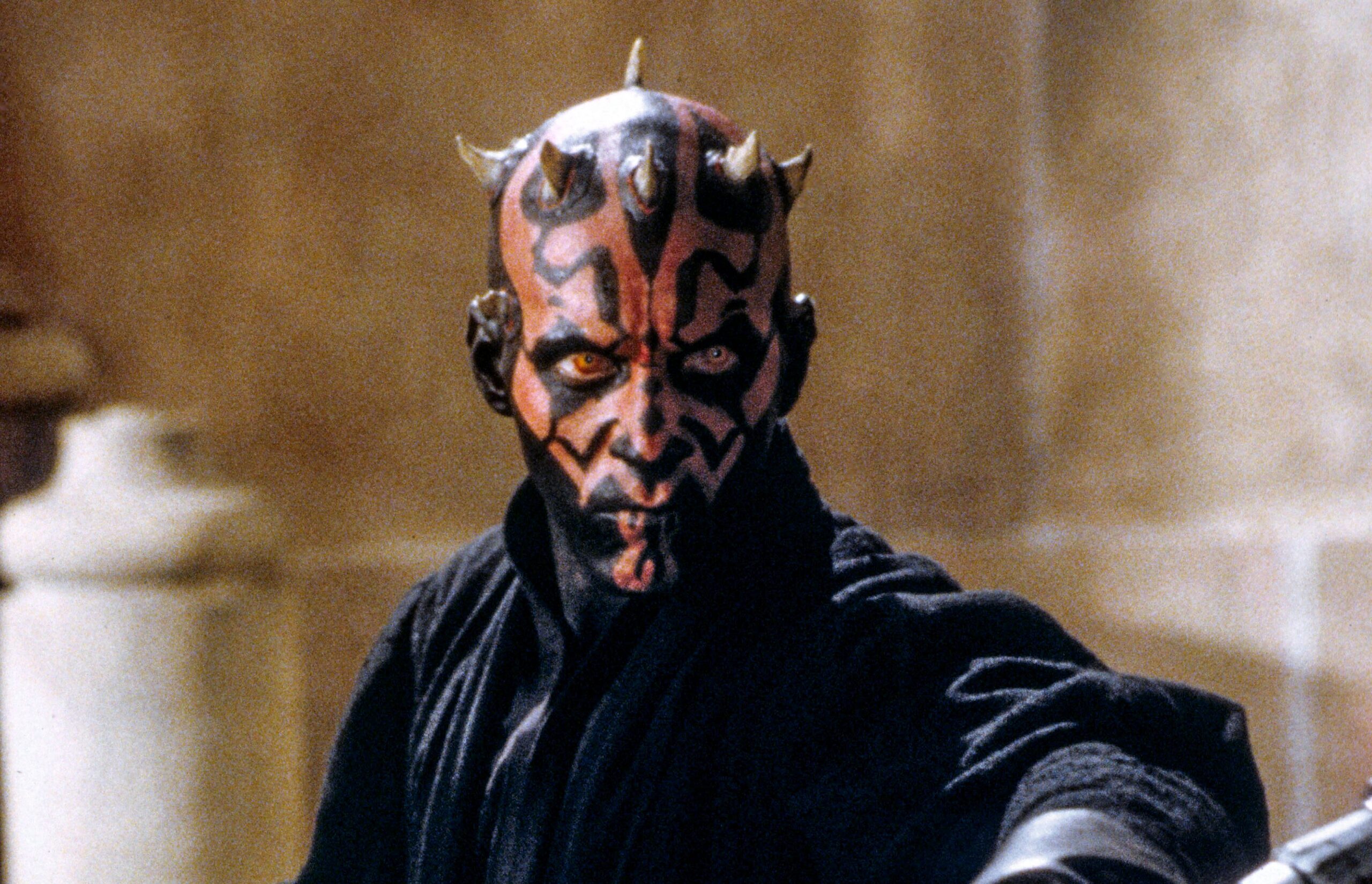
    Darth Maul was engineered to be an icon. The visual design, featuring red and black facial tattoos and a crown of horns, was instantly arresting. The physical performance, executed by martial artist Ray Park, brought a kinetic energy previously unseen in Star Wars lightsaber duels. But the character needed a voice. It needed a vocal presence that could carry the weight of the dark side.

    Peter Serafinowicz, a British actor and comedian, was brought in to provide that voice. The task was specific. He needed to deliver a few lines, but those lines had to resonate. They had to establish Maul not just as a physical threat, but as a menacing intelligence.

    The recording process was brief. The lines were few. But the context provided to Serafinowicz was immense. Being compared to James Earl Jones, the voice of Darth Vader, arguably the most famous cinematic villain of the 20th century, set an expectation of value. It framed the contribution not as a minor voice-over gig, but as a foundational element of the new Star Wars trilogy.

    The Reality of the Paycheck

    The disconnect occurred when the compensation was finalized. While specific dollar amounts have not been publicly detailed in this recent revelation, Serafinowicz’s blunt assessment makes the scale clear. The pay was, in his words, “shit money.”

    This discrepancy is not unique to Serafinowicz or to Lucasfilm. It is a structural feature of how studios manage risk and control costs, particularly with actors who are not yet established box office draws. The studio holds the leverage. The intellectual property, the Star Wars brand, is the primary draw. The actors, especially in roles where the face is hidden or the performance is split, are often treated as replaceable components.

    George Lucas built an empire by maintaining tight control over the Star Wars property. This included aggressive management of production budgets and merchandising rights. The strategy was highly effective for Lucasfilm, maximizing profitability. But it often left the individual contributors feeling undervalued, especially when the characters they helped create generated billions in revenue.

    The Franchise Machine and the Value of Voice

    The Serafinowicz revelation highlights a specific vulnerability for voice actors. Their contribution is essential, yet it is often invisible. When a character becomes a global phenomenon, the financial rewards flow to the studio, the producers, and the merchandising partners. The voice actor, typically paid a flat fee or scale, rarely sees a proportional share of the ongoing profits.

    Darth Maul is a prime example of this dynamic. The character was ostensibly killed off at the end of The Phantom Menace. Yet, the striking visual design and the menacing presence ensured Maul’s survival in the broader Star Wars ecosystem. Maul returned in animated series like The Clone Wars and Rebels, in comic books, in video games, and eventually in a live-action cameo in Solo: A Star Wars Story.

    • Merchandising Power: Darth Maul action figures, lightsabers, and apparel have generated massive revenue since 1999.
    • Expanded Universe: The character’s lore was expanded significantly in novels and comics, driving further sales.
    • Animated Revival: The return of Maul in The Clone Wars (voiced by Sam Witwer) solidified the character’s enduring popularity.

    The initial investment in the character, including the payments to Park and Serafinowicz, was a fraction of the value Maul eventually generated. This is the business model of franchise filmmaking. It relies on acquiring talent at a low cost before the value of the specific character is proven in the marketplace.

    The James Earl Jones Precedent

    The comparison to James Earl Jones is particularly telling. Jones famously requested to be left uncredited for his work as Darth Vader in the original 1977 Star Wars film. He viewed his contribution as merely “special effects” and was paid a relatively small sum, reportedly $7,000, for his time.

    It was only later, as Darth Vader became a cultural monolith, that Jones’s contribution was fully recognized and compensated. The promise made to Serafinowicz, that he was the “new James Earl Jones”, carried the implicit suggestion of that massive cultural weight. But it did not carry the financial weight that Jones eventually commanded.

    The studio system often uses the promise of exposure and the prestige of a franchise as a substitute for upfront compensation. The opportunity to be part of Star Wars is presented as a reward in itself. For many actors, this is a compelling argument. But when the dust settles, and the merchandise sales are tallied, the initial flat fee can feel profoundly inadequate.

    The Evolution of Actor Leverage

    The landscape of actor compensation in franchise films has shifted since 1999. The rise of the Marvel Cinematic Universe and the continued expansion of Star Wars under Disney have formalized the process of locking actors into multi-picture deals. These deals often include escalating pay scales and, for top-tier stars, backend participation.

    However, the dynamic remains challenging for actors in secondary roles, voice-over positions, or physical performance suits. The leverage still heavily favors the studio. The intellectual property is the star. The actor is the vessel.

    The recent strikes by the Screen Actors Guild (SAG-AFTRA) highlighted these ongoing tensions. The core issues included residual payments for streaming and the protection of actors’ likenesses and voices from artificial intelligence. The underlying theme is the same: the struggle for fair compensation in an industry where the value of a performance can be endlessly replicated and monetized by the studio.

    Serafinowicz’s story is a historical footnote, but it is a resonant one. It strips away the mythology of the filmmaking process and exposes the raw economics of the franchise machine. It is a reminder that behind every iconic character, there is a negotiation. And in those negotiations, the house usually wins.

    “Then why are you paying me such shit money, George Lucas?”

    The question is rhetorical, but the answer is embedded in the business model of Hollywood. The pay was low because the studio had the power to set the price. The character was essential; the specific actor was deemed replaceable until proven otherwise. The legacy of Darth Maul is undeniable. The legacy of the compensation is a stark reminder of where the power truly lies in the creation of modern myths.

    The recording booth. The promise of legacy. The reality of the ledger. The franchise.

  • The Peabody Rebellion: How Jimmy Kimmel and Tony Gilroy Turned an Award Show into a Political Battleground

    The Peabody Rebellion: How Jimmy Kimmel and Tony Gilroy Turned an Award Show into a Political Battleground

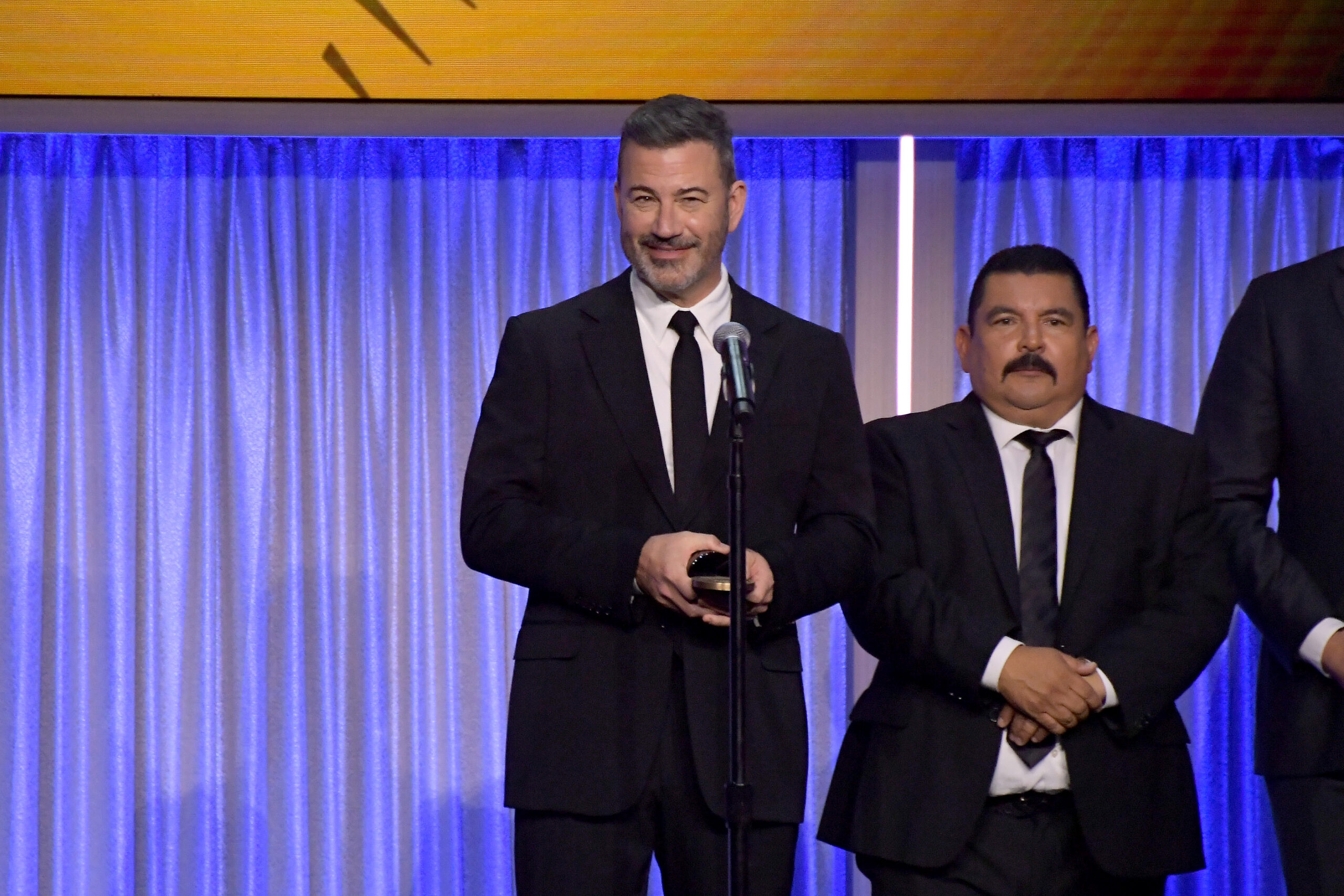
    Jimmy Kimmel accepted a Peabody Award by thanking Donald Trump, referring to the President as “Pumpkin McPornhumper,” while Andor creator Tony Gilroy used the exact same stage to urge the public to fight fascism, ending his speech with a blunt “F— the Empire.” The event transformed a traditional media ceremony into a dual-pronged political rally. The Beverly Wilshire Hotel ballroom became a broadcast tower for cultural defense. Two different genres of television—late-night comedy and prestige science fiction—collided in a shared warning about the state of American politics.

    The Intersection of Prestige and Politics

    The Peabody Awards do not operate like the Emmys or the Oscars. There are no technical categories. There are no awards for best lighting or best sound mixing. The Board of Jurors at the University of Georgia selects winners based entirely on cultural impact and storytelling excellence. Winning a Peabody signals that a piece of media has touched the nerve of the American public. When the winners take the podium, the expectations are different. The speeches are rarely about thanking agents or managers. The speeches are about the work. And in this era, the work is inherently political.

    The ceremony provided a unique platform. The audience consisted of journalists, showrunners, network executives, and cultural critics. The cameras captured the moments not for a live television broadcast, but for viral distribution. The speeches were engineered for the internet. They were designed to be clipped, shared, and debated across social media platforms. The strategy worked. Within hours, the quotes dominated entertainment news cycles and political commentary feeds.

    Jimmy Kimmel’s Late-Night Monologue Moves to the Podium

    Jimmy Kimmel did not pivot to politics by accident. The host of Jimmy Kimmel Live! spent the first decade of his late-night career avoiding partisan warfare. He focused on viral pranks, celebrity interviews, and pop culture commentary. That changed in May 2017. Kimmel delivered an emotional monologue about his newborn son, Billy, who required open-heart surgery at Cedars-Sinai Medical Center. That monologue transitioned into a plea for the Affordable Care Act. It marked a permanent shift in Kimmel’s public persona. He became a primary antagonist to the Republican party and, specifically, Donald Trump.

    At the Peabody Awards, Kimmel leaned into this established dynamic. He did not deliver a standard acceptance speech. He delivered a targeted strike. By thanking “Pumpkin McPornhumper” for his award, Kimmel achieved two objectives. First, he generated an immediate laugh from the room. Second, he guaranteed the quote would become a headline. The insult was highly specific. It referenced both Trump’s physical appearance and his ongoing legal entanglements involving adult film stars. It was a calculated piece of rhetoric designed to provoke a reaction from Truth Social and cable news networks.

    The Evolution of the Late-Night Desk

    Historically, late-night television served as neutral ground. Johnny Carson famously avoided revealing his political leanings on The Tonight Show. Carson believed that alienating half the country was bad for ratings and bad for business. That paradigm no longer exists. The fragmentation of the media landscape means that late-night hosts no longer need to appeal to a universal audience. They only need to appeal to a dedicated, passionate base. Jon Stewart pioneered this model on The Daily Show. Stephen Colbert perfected it on The Late Show. Kimmel has fully embraced it on ABC.

    This shift reflects broader changes in American consumer habits. Audiences now seek out media that aligns with their existing worldview. A late-night host who refuses to take a stand is often viewed as irrelevant. By attacking Trump at a prestigious event like the Peabody Awards, Kimmel reinforced his brand. He signaled to his audience that he remains on the front lines of the cultural conflict. The Disney-owned ABC network supports this strategy because it generates consistent engagement and reliable advertising revenue.

    Tony Gilroy and the Rebellion of ‘Andor’

    If Jimmy Kimmel provided the comedic attack, Tony Gilroy provided the dramatic warning. Gilroy is the creator and showrunner of Andor, a prequel series to the Star Wars film Rogue One. Under the umbrella of Lucasfilm and the Walt Disney Company, Star Wars is a $4 billion intellectual property traditionally focused on space wizards, laser swords, and toy sales. Gilroy changed the formula. He turned a $250 million streaming series into a gritty, methodical study of how authoritarian regimes take power, and how ordinary people are radicalized into rebellion.

    Gilroy’s Peabody speech reflected the core themes of his show. He did not speak in metaphors. He directly addressed the concept of creeping authoritarianism. He urged the crowd to take on fascism before it becomes too entrenched to defeat. The creator drew a straight line between the fictional Galactic Empire and modern political movements. He ended his speech with a clear, aggressive directive: “F— the Empire.”

    The Anatomy of a Sci-Fi Warning

    Andor resonates because it avoids the fantastical elements of its parent franchise. There are no Jedi in the first season. The villains are not masked monsters. They are mid-level bureaucrats working in the Imperial Security Bureau. They are concerned with quotas, jurisdictional disputes, and climbing the corporate ladder. The show illustrates how evil operates through mundane administrative processes. It shows how a society slowly loses its freedom not through a single catastrophic event, but through a series of small, unchecked compromises.

    The character of Cassian Andor, played by Diego Luna, begins as a cynical thief. He has no interest in politics. He only wants to survive. The narrative forces him to realize that neutrality is impossible under a fascist regime. The arc of the season, particularly the episodes set in the Narkina 5 prison labor camp, highlights the brutal reality of an unchecked state apparatus. When Gilroy stood at the Peabody podium and warned about fascism, he was speaking directly to the themes he spent two years writing and producing for Disney+.

    The Peabody Awards as a Cultural Barometer

    The George Foster Peabody Awards were established in 1940. They were created by a committee of broadcasters and the University of Georgia’s Henry W. Grady College of Journalism and Mass Communication. The original goal was to create a broadcasting equivalent to the Pulitzer Prize. Over the decades, the Peabody Board has consistently recognized programming that addresses pressing social issues. They awarded Edward R. Murrow. They awarded Sesame Street. They awarded The Wire.

    By honoring both Kimmel’s late-night commentary and Gilroy’s science fiction drama in the same year, the Peabody Board made a definitive statement. They signaled that the most vital storytelling currently happening on television is rooted in political resistance. The awards validate the creators’ choices to embed activism into their art. It provides academic and institutional backing to what might otherwise be dismissed as mere entertainment.

    The Mechanics of the Modern Viral Moment

    The speeches by Kimmel and Gilroy were not spontaneous outbursts. They were crafted moments of cultural defense. In the modern media ecosystem, an award show is merely a content generation engine. The actual presentation of the physical trophy is secondary. The primary goal is to create a moment that will be dissected by commentators, aggregated by news outlets, and shared by millions of users on smartphones.

    This requires a specific type of rhetoric. It requires soundbites. “Pumpkin McPornhumper” is a soundbite. “F— the Empire” is a soundbite. These phrases are easily digestible. They fit neatly into a headline. They trigger algorithms that prioritize high-emotion, high-engagement content. The creators know exactly what they are doing. They are using the machinery of the attention economy to broadcast their ideological warnings.

    The Echo Chamber vs. The Megaphone

    The impact of these moments remains a subject of debate among media analysts. Do political speeches at award shows change the minds of voters? The empirical evidence suggests they do not. Political polarization in the United States is deeply entrenched. A voter who supports Donald Trump is unlikely to be swayed by an insult from Jimmy Kimmel. A viewer who leans toward authoritarian policies is unlikely to reconsider their stance because of a speech by a Hollywood showrunner.

    However, changing minds is rarely the actual objective. The objective is mobilization. The objective is to energize the existing base. When Kimmel mocks Trump, he provides catharsis for his audience. When Gilroy warns about fascism, he provides validation for viewers who feel anxious about the political climate. These speeches act as a megaphone for the cultural defense of specific values. They remind the audience that they are not alone in their concerns.

    The Financial Realities of Political Art

    There is also a stark financial reality beneath the rhetoric. Controversy generates cash. When Jimmy Kimmel trends on social media, ABC benefits from the increased visibility. When clips of Tony Gilroy’s speech circulate online, they drive subscriptions and viewership to Disney+. The Walt Disney Company, which owns both ABC and Lucasfilm, profits directly from the cultural friction.

    This is the paradox of modern political entertainment. Anti-establishment messages are distributed by some of the largest corporate conglomerates on the planet. The rebellion is monetized. The resistance is sponsored. This does not invalidate the sincerity of the creators. Tony Gilroy is undoubtedly passionate about the themes of Andor. Jimmy Kimmel is undoubtedly sincere in his disdain for Donald Trump. But their messages are amplified because they align with the financial imperatives of their parent companies.

    The Future of the Broadcast Podium

    The Peabody Awards ceremony serves as a blueprint for the future of entertainment gatherings. The era of the apolitical celebrity is over. The expectation of silence has been replaced by the demand for advocacy. Creators, actors, and hosts are now expected to leverage their platforms for cultural defense. Those who refuse to participate risk being marginalized by an audience that demands ideological alignment.

    As the political climate remains volatile, the rhetoric will likely escalate. The insults will become sharper. The warnings will become more dire. The lines between entertainment, news, and political campaigning will continue to blur until they disappear entirely. The stage is no longer just a place to accept a trophy. It is a trench in a much larger conflict.

    The comedians joked. The writers warned. The cameras rolled. Broadcast.