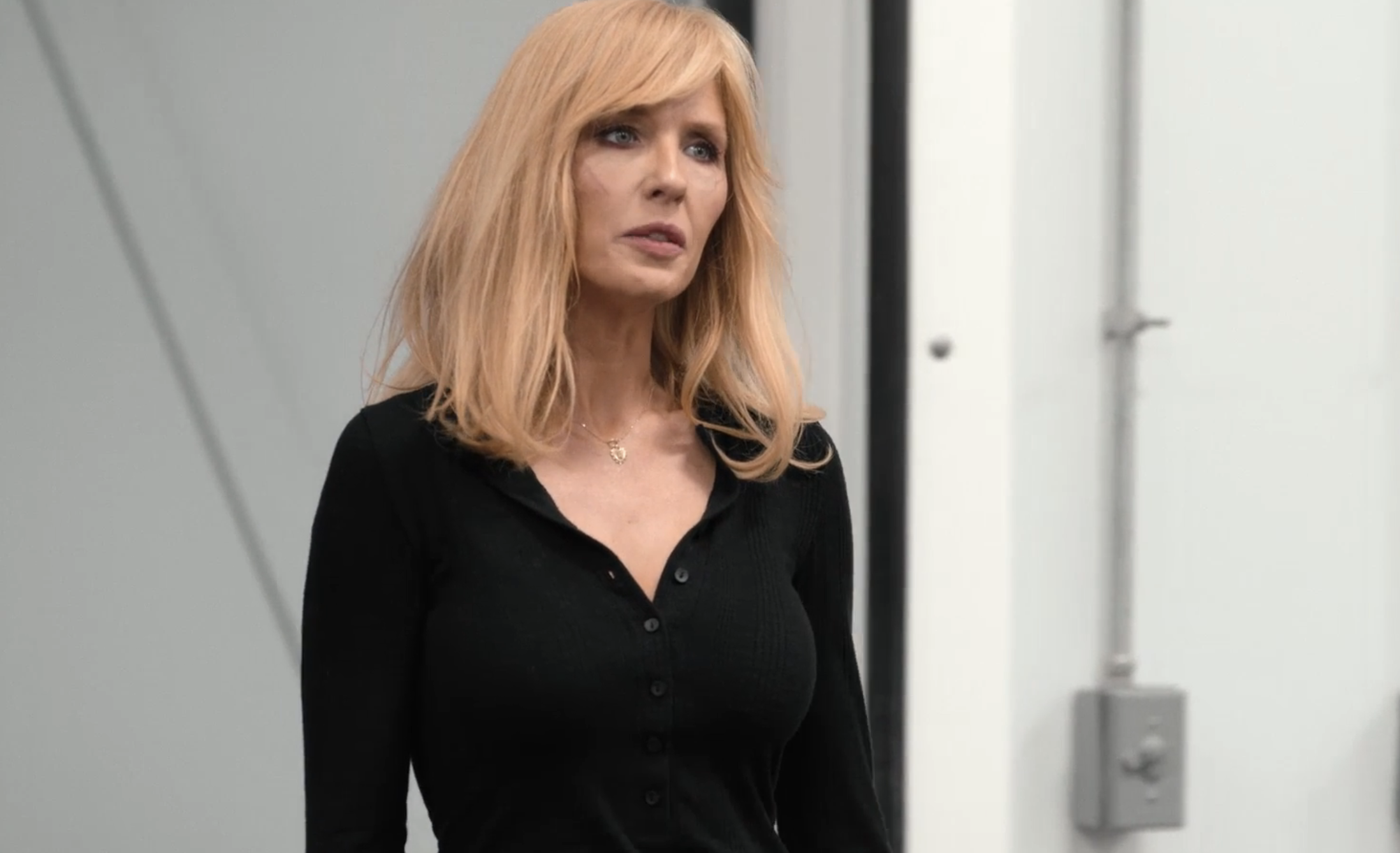
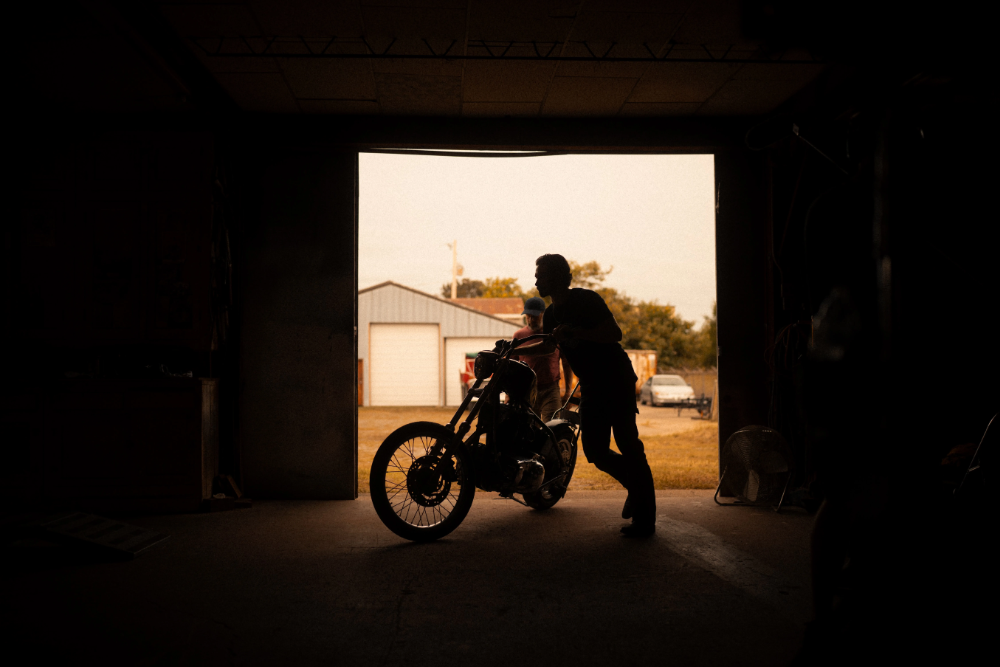
Joseph Zentil and Dylan Arnold are collaborating on ‘Born to Lose,’ a new film project set to explore and champion American biker culture. This production aims to offer an authentic and nuanced portrayal of a frequently misunderstood subculture. The film features Sarah Pidgeon, who gained acclaim for her role in ‘Love Story,’ in a significant capacity.
The creative partnership between Zentil and Arnold signals a commitment to narratives that delve into specific cultural identities. ‘Born to Lose’ is positioned to foster a deeper understanding and connection among its target audience. This initiative aligns with a broader industry trend of media projects focusing on distinct American communities.
What is ‘Born to Lose’ About?
‘Born to Lose’ is conceived as a feature film that transcends typical genre classifications to become a cultural commentary. The project’s creators intend to dismantle prevalent stereotypes associated with biker culture. Instead, they seek to illuminate the community’s core values, established traditions, and complex social hierarchies.
Zentil and Arnold share a collective vision for authenticity in their storytelling approach. This vision extends to the intricate development of characters and their motivations within the biker world. The film is expected to showcase the profound camaraderie, inherent sense of freedom, and unique challenges integral to this lifestyle.
The title, ‘Born to Lose,’ itself carries significant symbolic weight, evoking themes of rebellion, defiance, and resilience. This sentiment is often foundational to the ethos embraced by many motorcycle clubs and their members. The filmmakers are exploring how this potent concept manifests in the lives of their fictional subjects.
Crafting Authentic Narratives for the Screen
Achieving a genuine sense of authenticity in film requires extensive research and deep immersion into the subject matter. The production team behind ‘Born to Lose’ has reportedly dedicated substantial time to understanding the intricacies of biker culture. This process includes direct consultation with individuals who are active participants within the community.
The overarching goal is to present a narrative that feels both grounded and respectful. This approach stands in direct contrast to the sensationalized or superficial depictions sometimes found in mainstream media. The focus remains steadfastly on humanizing the individuals who comprise this distinct subculture.
Sarah Pidgeon’s involvement further enhances the project’s artistic credibility. Her recent success in ‘Love Story’ established her as a talent capable of delivering complex and emotionally resonant performances. Her role in ‘Born to Lose’ is anticipated to be central to conveying the film’s nuanced message and thematic depth.
Joseph Zentil’s Impact on Independent Cinema
Joseph Zentil has meticulously carved a distinct niche within independent cinema through his diverse and impactful roles. His career trajectory reflects a consistent commitment to projects that offer fresh and unique perspectives. Zentil’s involvement in ‘Born to Lose’ is a natural extension of his established history of supporting culturally rich and meaningful storytelling.
His previous works have frequently explored profound themes of identity, belonging, and community formation. This extensive background positions him as an ideal creative force to navigate the inherent complexities of biker culture. Zentil’s directorial and acting approach typically involves a deep, psychological dive into character development.
He is widely recognized for his collaborative spirit, a trait clearly evident in his ongoing partnership with Dylan Arnold. This synergistic relationship is crucial for projects that aim to challenge existing narratives and societal preconceptions. Zentil’s artistic choices consistently prioritize substantive content over mere spectacle, fostering a more thoughtful cinematic experience.
The Actor’s Journey and Strategic Project Selection
Zentil’s journey within the film industry has been characterized by a highly selective approach to the roles he undertakes. He consistently gravitates towards scripts that offer profound social commentary or significant artistic merit. ‘Born to Lose’ represents a clear continuation of this discerning pattern in his filmography.
His profound interest in subcultures and their accurate representation is a recurring and defining element across his body of work. This suggests a deep, personal connection to the thematic explorations central to the biker project. Zentil views the medium of cinema as an exceptionally powerful tool for cultural investigation and understanding.
The development of ‘Born to Lose’ under his significant influence underscores a robust directorial and creative vision. He is actively engaged in shaping both the narrative arc and the aesthetic qualities of the film. This hands-on, immersive approach is a hallmark characteristic of independent filmmaking, ensuring a unique artistic stamp on the final product.
Dylan Arnold: From ‘Halloween’ Franchise to Indie Drama
Dylan Arnold achieved widespread recognition for his prominent role within the highly successful ‘Halloween’ franchise. His work in these horror films vividly demonstrated his versatility as an actor and his ability to connect effectively with a broad audience base. His transition to a project like ‘Born to Lose’ powerfully showcases his expansive range and artistic ambition as a performer.
Arnold’s participation in ‘Born to Lose’ signals a deliberate and strategic move towards character-driven dramas and independent productions. This project provides him with a rich opportunity to delve into a distinct genre and explore more intricate human dynamics and emotional landscapes. His established fame from the ‘Halloween’ series offers a valuable platform to draw significant attention to this compelling new venture.
The stark contrast between a mainstream, high-budget horror franchise and an independent film focusing on a specific subculture is particularly notable. It reflects a profound desire within Arnold to pursue diverse and challenging artistic experiences. His performance in ‘Born to Lose’ is widely anticipated to reveal new, previously unseen facets of his considerable acting prowess and depth.
Collaborative Chemistry and the Creative Partnership
The collaboration between Dylan Arnold and Joseph Zentil is widely reported to be a strong and highly effective creative partnership. Their shared artistic objectives and complementary visions are the driving forces behind the ongoing development of ‘Born to Lose.’ This palpable chemistry is absolutely vital for bringing a cohesive and compelling artistic vision to the screen, ensuring a unified aesthetic and narrative.
Arnold’s extensive experience in high-profile productions brings invaluable insight and strategic understanding to the independent film landscape. His nuanced understanding of audience engagement and market appeal can significantly inform the project’s overall reach and resonance. This rich blend of diverse experiences profoundly enriches the entire creative process, fostering innovation and strategic decision-making.
The dynamic interplay between these two accomplished artists is expected to translate into an exceptionally compelling and memorable on-screen product. Their combined efforts are strategically aimed at elevating the narrative and thematic depth of ‘Born to Lose.’ This powerful partnership represents a significant and influential force within the contemporary landscape of independent storytelling, promising a unique cinematic contribution.
Sarah Pidgeon’s Rising Star and ‘Love Story’ Success
Sarah Pidgeon achieved widespread critical and popular acclaim for her breakout role in the recently released ‘Love Story.’ Her captivating performance garnered significant attention from both audiences and critics, firmly establishing her as one of the industry’s most promising rising stars. Her involvement in ‘Born to Lose’ serves as a testament to her rapidly growing influence and discerning taste within the entertainment industry.
‘Love Story’ provided Pidgeon with an exceptional platform to demonstrate her remarkable emotional depth, nuanced acting capabilities, and undeniable screen presence. This profound success has afforded her the luxury and opportunity to be highly selective about her subsequent projects. ‘Born to Lose’ represents a conscious and deliberate choice to engage with a project of significant cultural resonance and artistic merit, reflecting her commitment to meaningful work.
Her role in ‘Born to Lose’ is anticipated to be markedly different from her previous work, offering a fresh opportunity for Pidgeon to showcase her remarkable versatility as an actress. The film undeniably benefits from her rapidly expanding fan base and her consistent critical recognition, which will help attract a wider audience. Pidgeon’s presence adds significant weight and artistic credibility to the production, enhancing its overall appeal and potential impact.
The Strategic Importance of Casting Chemistry
The success of any ensemble film often hinges on the palpable chemistry between its lead actors. In ‘Born to Lose,’ the casting choices appear to be meticulously made to ensure a dynamic and believable interplay between characters. The collaboration of Joseph Zentil, Dylan Arnold, and Sarah Pidgeon brings together diverse acting backgrounds and energies.
This blend is crucial for authentically portraying the complex relationships and inherent tensions within the biker community. The filmmakers are leveraging the individual strengths of each actor to build a cohesive and compelling narrative. The synergy expected from this trio is a key element in the project’s artistic ambition.
Pidgeon’s ability to convey deep emotion and vulnerability will likely complement the more rugged or rebellious portrayals from Zentil and Arnold. This balance is vital for a story that aims to humanize its subjects. The careful curation of the cast underscores the commitment to a high-quality, authentic production.
Beyond the Road: Themes Explored in ‘Born to Lose’
‘Born to Lose’ is poised to delve into a rich tapestry of themes that extend far beyond the superficial image of motorcycles and open roads. The film aims to explore the deep-seated motivations, personal philosophies, and societal interactions that define the American biker subculture. It seeks to uncover the ‘why’ behind the lifestyle, not just the ‘what.’
One central theme is likely to be freedom versus societal constraints. Biker culture often embodies a rejection of conventional norms and a pursuit of personal autonomy. The film will explore how individuals navigate this desire for freedom within a structured, albeit unconventional, community.
Another significant aspect will be the concept of chosen family and loyalty. Many biker groups operate with a strong sense of brotherhood and sisterhood, offering a support system often absent in their members’ traditional lives. ‘Born to Lose’ will examine the bonds that form and the sacrifices made in the name of this loyalty.
Rebellion, Identity, and Belonging
The film will also likely tackle themes of rebellion and the search for identity. For many, joining a biker club is an act of rebellion against mainstream society or a way to forge a new identity. The narrative will explore how this rebellion shapes individual characters and the group dynamic.
The sense of belonging is a powerful draw for those who feel marginalized or misunderstood by conventional society. ‘Born to Lose’ will illustrate how the biker community provides a sanctuary and a sense of purpose. This exploration will highlight the psychological and emotional needs fulfilled by such subcultures.
Furthermore, the film may touch upon the historical evolution of biker culture, from its post-World War II origins to its contemporary manifestations. This historical context can provide a deeper understanding of the subculture’s enduring appeal and its place in American social history. The filmmakers are committed to presenting a holistic view.
The Production Journey: Bringing ‘Born to Lose’ to Life
The journey of bringing ‘Born to Lose’ to the screen involves a meticulous and collaborative production process. From script development to principal photography, every stage is being approached with a commitment to authenticity and artistic integrity. This independent production relies heavily on the shared vision of its creators.
Early development phases focused on extensive research and script refinement. This ensured that the narrative accurately reflected the nuances of biker culture while crafting a compelling story. The input from individuals within the community has been invaluable during this stage.
Pre-production has involved careful planning of locations, casting, and crew assembly. The visual aesthetic of the film is being designed to evoke the raw, untamed spirit often associated with the biker lifestyle. Every detail, from costume design to cinematography, aims to contribute to this authentic portrayal.
Filming Locations and Visual Storytelling
The selection of filming locations is crucial for establishing the film’s atmosphere and grounding it in reality. ‘Born to Lose’ is expected to utilize authentic settings that reflect the environments frequented by biker communities. This choice enhances the visual storytelling and immerses the audience in the world of the film.
Cinematography will play a vital role in capturing the dynamic energy of motorcycle culture. Shots are likely to emphasize the sense of movement, freedom, and the open road. The visual language of the film will aim to be as impactful as its narrative.
Post-production will involve editing, sound design, and scoring to further shape the film’s emotional landscape. The musical score, in particular, will be integral to conveying the rebellious spirit and camaraderie central to ‘Born to Lose.’ The entire production team is working towards a cohesive and powerful cinematic experience.
Filmmakers gathered. Actors rehearsed. Crews prepared. Audiences waited. ‘Born to Lose’ emerged.