Tag: Lorne Michaels

  • Chloe Fineman Departs ‘Saturday Night Live’ After Seven Seasons

    Chloe Fineman Departs ‘Saturday Night Live’ After Seven Seasons

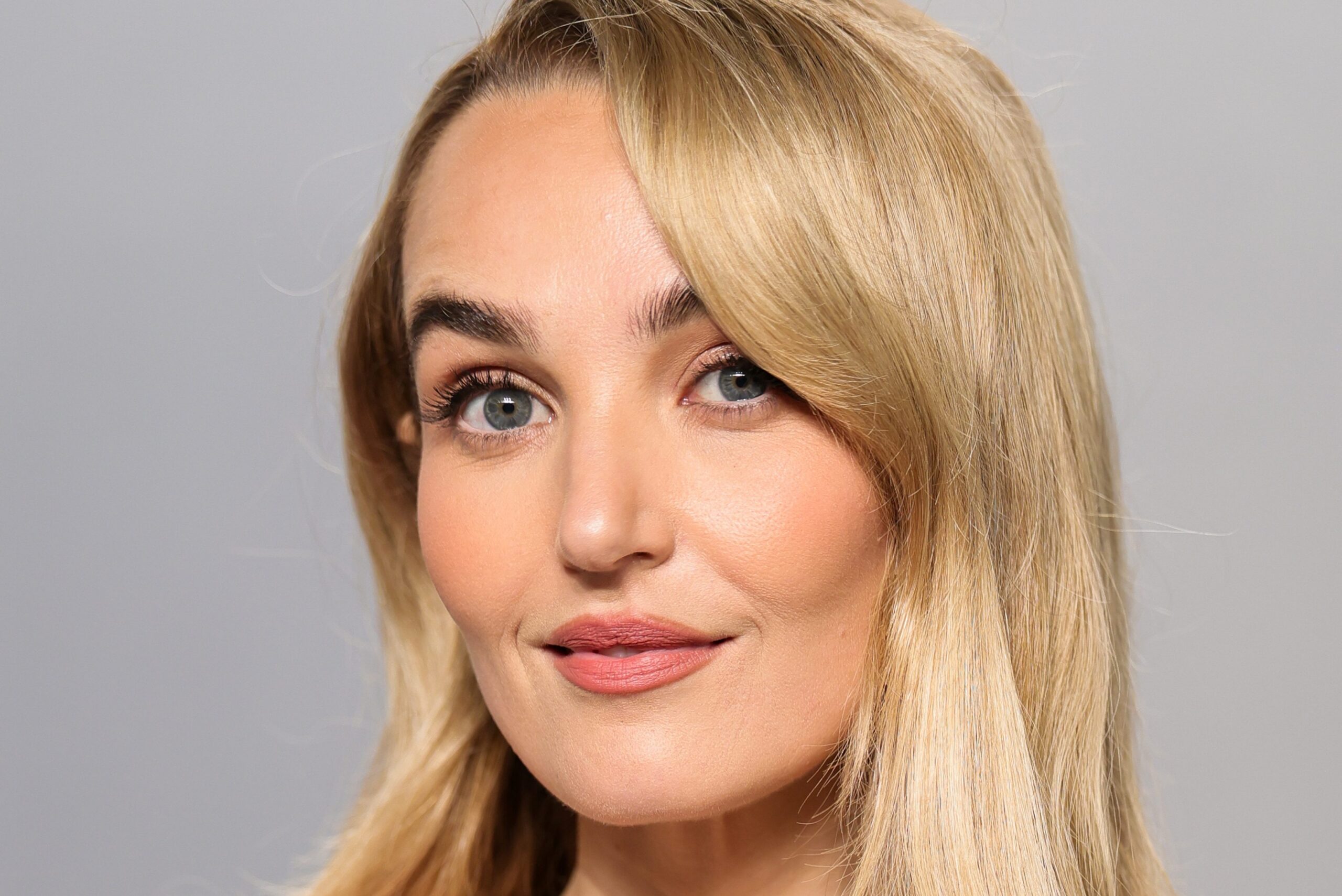
    Chloe Fineman has officially announced her departure from NBC’s ‘Saturday Night Live’ after a seven-season run. The announcement, made on 2026-07-16, marks a significant career transition for the comedian and actress, who joined the iconic sketch comedy series in 2019.

    Fineman’s tenure on ‘SNL’ was characterized by her versatile comedic talent and a remarkable ability to embody a wide range of public figures. Her impressions became a staple of the show, earning her considerable recognition.

    Fineman’s Journey to ‘Saturday Night Live’

    Chloe Fineman’s path to ‘Saturday Night Live’ began long before her 2019 debut. Born in Berkeley, California, Fineman developed an early interest in performance. She attended New York University’s Tisch School of the Arts, where she honed her acting skills.

    Before joining ‘SNL’, Fineman built a significant following through her viral impression videos on social media platforms. These videos showcased her uncanny ability to mimic celebrities, a talent that would later become a hallmark of her ‘SNL’ performances.

    Her early career included work with The Groundlings improv theater in Los Angeles. This experience provided a foundational understanding of sketch comedy and character development. The Groundlings has historically served as a pipeline for ‘SNL’ talent, fostering many successful comedians.

    Fineman’s unique blend of physical comedy, vocal mimicry, and character work made her a standout. Her online presence quickly translated into industry attention, leading to her eventual audition for the venerable late-night show.

    Seven Seasons of Impressions and Original Characters

    Fineman joined ‘Saturday Night Live’ as a featured player for its 45th season, which premiered in September 2019. She was promoted to a full repertory player in 2021, a testament to her impact and consistency.

    Her initial season saw her quickly establishing herself with memorable impressions. She brought to life figures like Drew Barrymore, Nicole Kidman, and Carole Baskin from ‘Tiger King’. These early performances garnered critical acclaim and audience engagement.

    Over her seven seasons, Fineman expanded her repertoire significantly. She famously portrayed Timothée Chalamet, particularly in sketches poking fun at his public persona and film roles. Other notable impressions included Britney Spears, Reese Witherspoon, and Elizabeth Holmes.

    Beyond impressions, Fineman also contributed original characters to the ‘SNL’ landscape. These characters often displayed a quirky, offbeat sensibility, showcasing her range beyond direct mimicry. Her ability to pivot between celebrity takeoffs and unique comedic creations underscored her value to the ensemble cast.

    She frequently appeared in recurring sketches and played pivotal roles in many cold opens and Weekend Update segments. Her presence became a reliable source of laughter for viewers.

    The Legacy of an ‘SNL’ Performer

    ‘Saturday Night Live’ has a long history of cast members who leave a lasting impression. Fineman’s seven seasons place her among a significant group of performers who have dedicated a substantial portion of their careers to the show. Her tenure is longer than many ‘SNL’ alumni, indicating a sustained period of contribution.

    The show, created by Lorne Michaels, has been a launching pad for countless comedic and acting careers since its debut in 1975. Departures from ‘SNL’ are often viewed as a natural progression, signaling an artist’s readiness to explore new creative avenues.

    Past cast members who have gone on to successful careers in film and television include Kristen Wiig, Bill Hader, and Kate McKinnon, all of whom also spent significant time on the show. Fineman’s departure follows this established pattern of ‘SNL’ talent transitioning to other projects.

    Her work on ‘SNL’ has undoubtedly raised her profile, opening doors for future endeavors in comedy, film, and television. The experience of performing live sketch comedy for a national audience provides invaluable training and exposure.

    What’s Next for Chloe Fineman?

    While the specific details of Chloe Fineman’s next projects have not been fully disclosed as of 2026-07-16, her departure from ‘Saturday Night Live’ typically suggests a pursuit of other opportunities.

    Many ‘SNL’ alumni transition into film roles, television series, or stand-up comedy tours. Fineman’s strong comedic voice and proven acting ability make her a strong candidate for a variety of roles across different media.

    Given her talent for impressions, it is plausible she might explore projects that allow her to continue showcasing this skill, perhaps in animated features or narrative comedies. Her social media presence remains a platform for her unique brand of humor.

    The entertainment industry often looks to ‘SNL’ for new talent, and Fineman’s established fan base and critical recognition position her well for future success. Her journey will be closely watched by fans and industry observers alike.

    The end of an ‘SNL’ chapter often marks the beginning of several new ones for its performers. Fineman’s announcement creates anticipation for her next creative ventures.

    The Impact on ‘Saturday Night Live’

    The departure of a long-standing cast member like Chloe Fineman inevitably leads to shifts within the ‘Saturday Night Live’ ensemble. The show’s producers, led by Lorne Michaels, consistently adapt to cast changes by promoting existing talent or introducing new featured players.

    Fineman’s unique contributions, particularly her distinctive impressions, will create a void that the show will need to address. This often provides opportunities for other cast members to step into new roles or for new talent to emerge with their own signature performances.

    ‘SNL’ has a history of successfully navigating these transitions, maintaining its cultural relevance for decades. The show’s strength lies in its ability to continually reinvent itself with fresh comedic voices.

    The upcoming season, following Fineman’s departure, will likely see new cast announcements and strategic shifts in writing and performance focus. This ongoing evolution is a core part of ‘Saturday Night Live’s’ enduring appeal.

    The show will continue its tradition of reflecting current events and pop culture through its comedic lens, even as its roster of performers changes.

    Impressions. Characters. Laughter. Seven seasons of comedic contributions. A new chapter begins. The stage awaits. The audience watches.

    Hollywood.

  • Chloe Fineman Departs ‘SNL’ for Netflix’s ‘Myron Bolitar’ Series

    Chloe Fineman Departs ‘SNL’ for Netflix’s ‘Myron Bolitar’ Series

    Chloe Fineman, a cast member on NBC’s long-running sketch comedy series ‘Saturday Night Live’ for seven seasons, is departing the show to pursue a starring role in the upcoming Netflix drama series ‘Myron Bolitar.’ This career move, confirmed on July 16, 2026, positions Fineman in a leading capacity for a major streaming production.

    Her transition from the weekly demands of live television to a serialized drama marks a significant shift in her professional trajectory. The ‘Myron Bolitar’ series is based on the popular mystery novels by author Harlan Coben.

    Fineman’s Tenure on ‘Saturday Night Live’

    Chloe Fineman joined ‘Saturday Night Live’ as a featured player in 2019. She quickly became known for her impressions of various celebrities and public figures. Her ability to mimic distinct vocal patterns and mannerisms earned her a dedicated following.

    During her seven seasons on the show, Fineman portrayed a wide range of characters. Her impressions included figures such as Britney Spears, Drew Barrymore, and Elizabeth Holmes. These performances often went viral, contributing to her rising profile.

    She was promoted to a repertory player in 2021. This promotion reflected her increasing presence and importance within the ensemble cast. Her final appearance on ‘Saturday Night Live’ concluded with the show’s 2025-2026 season.

    Notable Impressions and Sketches

    Fineman’s work on ‘SNL’ frequently involved timely and popular culture references. Her take on figures like Carole Baskin from ‘Tiger King’ garnered significant attention during the COVID-19 pandemic. She also contributed to numerous original sketches, showcasing her versatility beyond impressions.

    Her comedic timing and commitment to character were hallmarks of her performances. The ‘SNL’ stage provided a national platform for her talents. It allowed her to develop a broad audience base.

    The show, created by Lorne Michaels, has been a launching pad for many comedic actors. Fineman’s seven-season tenure places her among a cohort of long-serving cast members who have used the show as a springboard for further career opportunities.

    The ‘Myron Bolitar’ Series on Netflix

    The Netflix drama series ‘Myron Bolitar’ is an adaptation of Harlan Coben’s best-selling mystery novels. Coben is known for his intricate plots and suspenseful narratives. Several of his works have previously been adapted into successful Netflix series, including ‘The Stranger’ and ‘Stay Close.’

    Fineman’s role in ‘Myron Bolitar’ is expected to be a central character. The series focuses on the titular sports agent who often finds himself entangled in complex investigations involving his clients. Specific details regarding Fineman’s character have not yet been publicly disclosed.

    Production on ‘Myron Bolitar’ is anticipated to begin later in 2026. Netflix has not yet announced a release date for the series. The move to a streaming platform provides a different creative environment compared to network television.

    Harlan Coben’s Track Record with Netflix

    Harlan Coben signed a multi-year, multi-project deal with Netflix in 2018. This deal has led to numerous adaptations of his novels for the streaming service. The success of these previous adaptations suggests a strong potential audience for ‘Myron Bolitar.’

    Coben’s stories are characterized by twists and turns, often exploring themes of identity, secrets, and betrayal. His established presence on Netflix aligns with the platform’s strategy of delivering high-quality, binge-worthy content to its global subscriber base.

    The ‘Myron Bolitar’ series introduces a new set of characters and mysteries to the Netflix lineup. Fineman’s casting indicates a deliberate choice to bring established talent to the dramatic lead roles.

    Career Trajectory Beyond Sketch Comedy

    Fineman’s transition to a dramatic role on Netflix highlights a common career path for ‘Saturday Night Live’ alumni. Many former cast members have successfully moved into film and television dramas, showcasing their range beyond comedy.

    Actors like Bill Hader, Kristen Wiig, and Adam Sandler have all made significant transitions into dramatic work after their time on ‘SNL.’ This trajectory allows performers to explore different facets of their acting abilities.

    The demands of a serialized drama differ significantly from the weekly production cycle of ‘SNL.’ Drama often requires sustained character development and a more nuanced approach to performance. Fineman’s move is a strategic step to broaden her acting portfolio.

    The Appeal of Streaming Platforms

    Netflix, as a global streaming giant, offers actors a vast international audience. Projects on streaming platforms often benefit from higher production values and longer narrative arcs compared to traditional network television. This can be an attractive prospect for actors seeking new creative challenges.

    The ‘Myron Bolitar’ series represents a significant investment by Netflix. Securing a lead role in such a project is a testament to Fineman’s growing reputation and perceived versatility. The streaming landscape continues to evolve, offering diverse opportunities for talent.

    Actors frequently seek roles that allow for deeper character exploration. The episodic nature of a drama series provides this opportunity. It allows for a more sustained engagement with a single character over multiple episodes or seasons.

    Impact on ‘Saturday Night Live’

    Fineman’s departure will create a vacancy in the ‘Saturday Night Live’ cast. The show frequently experiences cast changes, with performers moving on to other projects. These departures often lead to new talent being brought into the ensemble.

    Lorne Michaels and the ‘SNL’ production team routinely scout for new comedic talent. The show has a history of identifying and developing future stars. The 2026-2027 season will likely see new additions to the cast to fill the void.

    The show’s format allows for a constant refresh of its comedic voices. While individual cast members become popular, the ensemble nature of ‘SNL’ ensures its continuity. The focus shifts to the next generation of performers.

    The Enduring Legacy of ‘SNL’

    ‘Saturday Night Live’ has been a cultural institution since its debut in 1975. Its ability to adapt to changing comedic styles and political landscapes has contributed to its longevity. The show remains a significant platform for emerging and established comedic actors.

    The departure of a popular cast member is a regular occurrence in the show’s history. Each departure marks the end of one era and the beginning of another for the cast. The show’s influence on comedy and popular culture remains undiminished.

    Fineman’s time on ‘SNL’ has left its mark on the show’s recent history. Her contributions to the show’s comedic output will be remembered by fans. The show continues its legacy of launching careers.

    The Future for Chloe Fineman

    The ‘Myron Bolitar’ series represents a pivotal moment in Chloe Fineman’s career. It offers her the opportunity to demonstrate her dramatic acting capabilities to a global audience. The success of the series could open doors to further dramatic roles in film and television.

    Her move from comedy to drama is a calculated risk. It is a common strategy for actors looking to avoid typecasting. The transition allows for a broader range of artistic expression.

    The entertainment industry increasingly values versatility in its performers. Fineman’s decision to embrace a new genre positions her for long-term success. She joins a long list of performers who have successfully navigated the transition from sketch comedy to dramatic acting.

    A new chapter begins. A new role awaits. A new audience anticipates.

    Netflix.

  • The Mechanics of Mockery – How Alec Baldwin and Dana Carvey Built SNL’s Commanders-in-Chief

    The Mechanics of Mockery – How Alec Baldwin and Dana Carvey Built SNL’s Commanders-in-Chief

    The Anatomy of a Presidential Caricature

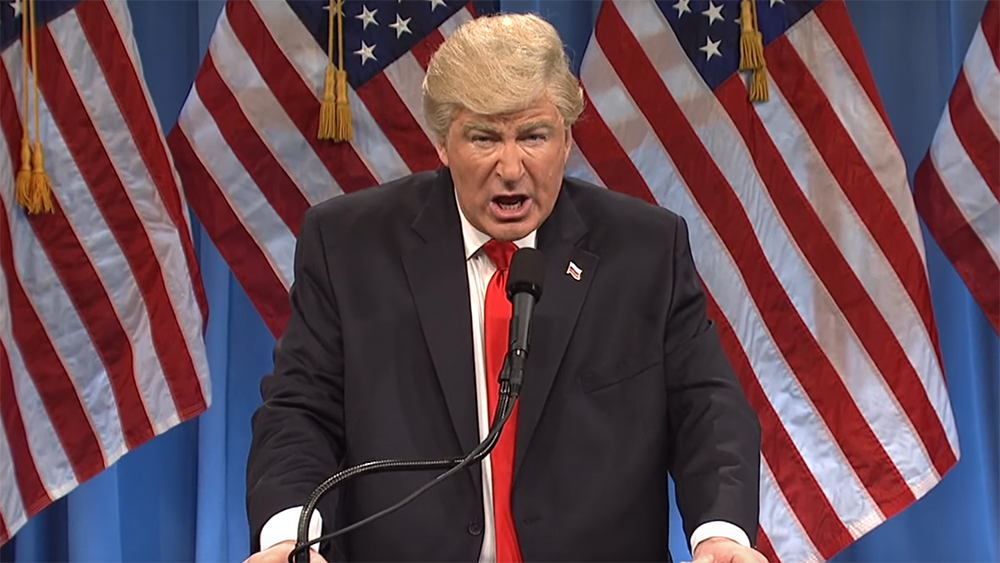
    Alec Baldwin and Dana Carvey recently convened to deconstruct the exact mechanics of impersonating American presidents, revealing how Carvey built his rhythmic versions of George H.W. Bush and Joe Biden, while Baldwin engineered his Emmy-winning, aggressively mean and nasty portrayal of Donald Trump for NBC’s Saturday Night Live. The exchange offered a rare masterclass in political satire. It detailed how comedians isolate vocal cadences, physical tics, and psychological profiles to turn sitting executives into late-night caricatures. The conversation bridged two distinct eras of Studio 8H. Carvey dominated the late 1980s and early 1990s. Baldwin defined the late 2010s. Together, they mapped the evolution of the presidential impression.

    It is no longer just about looking the part. It is about capturing the cultural anxiety surrounding the Oval Office. For forty-nine years, Lorne Michaels has used the cold open of Saturday Night Live as a national pressure valve. The actor chosen to play the commander-in-chief holds a unique power. They do not just mock the president. Often, they replace the president in the public memory.

    Baldwin and Carvey approach this responsibility from entirely different theatrical disciplines. Carvey is a technical mimic. He looks for the musicality in a politician’s voice. He searches for the physical rhythm. Baldwin is a dramatic actor. He looks for the psychological weight. He searches for the underlying intent. When these two methodologies collide, the result is a comprehensive blueprint for how television dismantles power.

    Dana Carvey and the Rhythmic Deconstruction of George H.W. Bush

    The modern era of the SNL presidential impression began in 1988. Dana Carvey was tasked with playing Vice President George H.W. Bush. The real Bush was patrician, measured, and notoriously difficult to parody. He lacked the booming theatricality of Ronald Reagan. He lacked the tragic physical comedy of Gerald Ford. Carvey had to invent a hook.

    He found it in the rhythm. Carvey noticed that Bush spoke in halting, staccato bursts. The vice president would start a sentence, pause, and pivot. Carvey exaggerated this cadence until it became a bizarre, almost musical rhythm. He introduced choppy, rigid hand gestures. He weaponized the phrase “thousand points of light.” He manufactured catchphrases that the real Bush never actually said, most notably the nasal, dismissive “Na ga da” (not going to do it) and “Wouldn’t be prudent.”

    The Affectionate Satire

    Carvey’s Bush was fundamentally affectionate. It was a caricature, not an assassination. The impression was so popular, and so devoid of genuine malice, that the real George H.W. Bush eventually embraced it. Following his defeat in the 1992 presidential election, Bush invited Carvey to the White House. The comedian performed the impression for the outgoing president’s staff. It was a moment of shared cultural levity. The satire was viewed as part of the political game.

    This era of late-night comedy relied on a shared national reality. The audience, the comedian, and the politician all understood the boundaries of the joke. Carvey’s Bush was a goofy, out-of-touch, but ultimately well-meaning patriarch. It was a reflection of a political climate that, while contentious, still valued institutional decorum.

    Alec Baldwin and the Heavy Armor of Donald Trump

    By the time Alec Baldwin stepped onto the stage of Studio 8H on October 1, 2016, the rules of political satire had shattered. Donald Trump was the Republican nominee. The political climate was entirely fractured. Lorne Michaels needed a Trump who could match the unprecedented volume of the 2016 election. He called Baldwin.

    Baldwin initially resisted. He did not want to spend his Saturday nights buried in orange makeup and a blonde wig. Michaels persisted. When Baldwin finally agreed, he made a distinct creative choice. He would not play Trump for lighthearted laughs. He would play him as a menace. Baldwin explicitly engineered his impression to be “mean and nasty.”

    The mechanics of Baldwin’s Trump were heavy. He pushed his lower jaw forward. He pursed his lips into a permanent, aggressive pout. He dropped his voice into a raspy, breathy register, emphasizing the sharp consonants. Unlike Carvey’s bouncy, kinetic Bush, Baldwin’s Trump was static. He stood rigidly at the podium, projecting a wall of immovable ego.

    The Psychological Toll and the Twitter War

    The impact was immediate. Baldwin’s debut as Trump shattered SNL ratings records. The show enjoyed its most-watched season in twenty-three years. Baldwin won a Primetime Emmy Award for Outstanding Supporting Actor in a Comedy Series in 2017. He was paid a nominal fee of $1,400 per episode, but the cultural capital he generated was immeasurable.

    However, the affectionate dynamic of the Carvey-Bush era was entirely gone. The real Donald Trump did not invite Baldwin to the White House. Instead, Trump attacked Baldwin on Twitter. The President of the United States routinely criticized the late-night sketch show, calling it unwatchable and biased. Baldwin and Trump entered a bizarre, real-time feud.

    Baldwin later admitted the psychological toll of the role. Playing a figure he fundamentally opposed, week after week, became exhausting. The comedy felt less like a pressure valve and more like trench warfare. The “mean and nasty” approach was highly effective, but it was also heavy armor to wear on live television.

    The Joe Biden Puzzle: Finding the Hook in 2024

    The conversation between the two comedians naturally drifted to the current occupant of the Oval Office. Joe Biden presents a unique challenge for late-night mimics. Over the years, several actors have attempted to capture Biden on SNL. Jason Sudeikis played him as a grinning, aviator-wearing uncle. Woody Harrelson played him with a manic, toothy energy. Jim Carrey played him with aggressive, almost unhinged intensity.

    Dana Carvey’s approach to Biden is entirely mechanical. He views the current president as a man operating with two distinct, malfunctioning gears. Carvey breaks the impression down into a sudden, jarring contrast of volume.

    The Whisper and the Shout

    First, Carvey establishes the whisper. He leans into the microphone, drops his voice to a raspy, intimate level, and delivers nonsensical, folksy anecdotes. He squints his eyes. He projects an image of fragile, quiet contemplation. Then, without warning, Carvey violently shifts gears. He snaps his head back, opens his eyes wide, and shouts a completely unrelated phrase. “No joke!” “Come on, man!”

    This aggressive oscillation between the whisper and the shout is the core of Carvey’s Biden. It captures the public’s perception of a politician struggling to maintain a consistent narrative rhythm. It is less mean-spirited than Baldwin’s Trump, but more pointed than Carvey’s own Bush. It sits precisely in the middle of the modern satirical spectrum.

    When Satire Becomes the Political Record

    The exchange between Baldwin and Carvey underscores a massive shift in American media. Late-night television is no longer just a reflection of the political news cycle. It is an active participant in it. Millions of voters consume their political reality through the filter of Studio 8H. The caricatures built by comedians often become more recognizable than the politicians themselves.

    When Carvey created George H.W. Bush, he was building a cartoon. When Baldwin created Donald Trump, he was building an indictment. The mechanics of the impersonation changed because the mechanics of American politics changed. The stakes are higher. The audience is fractured. The comedians are forced to adapt.

    The wigs are styled. The prosthetics are applied. The cue cards are written. The cameras roll. The audience laughs. The politicians react. The comedians reset.

    History.

    Next in the Series: The Economics of Late-Night Politics

    We will examine the exact financial windfall NBC experienced during the 2016 election cycle, detailing the ad revenue surges tied directly to Alec Baldwin’s political cold opens.