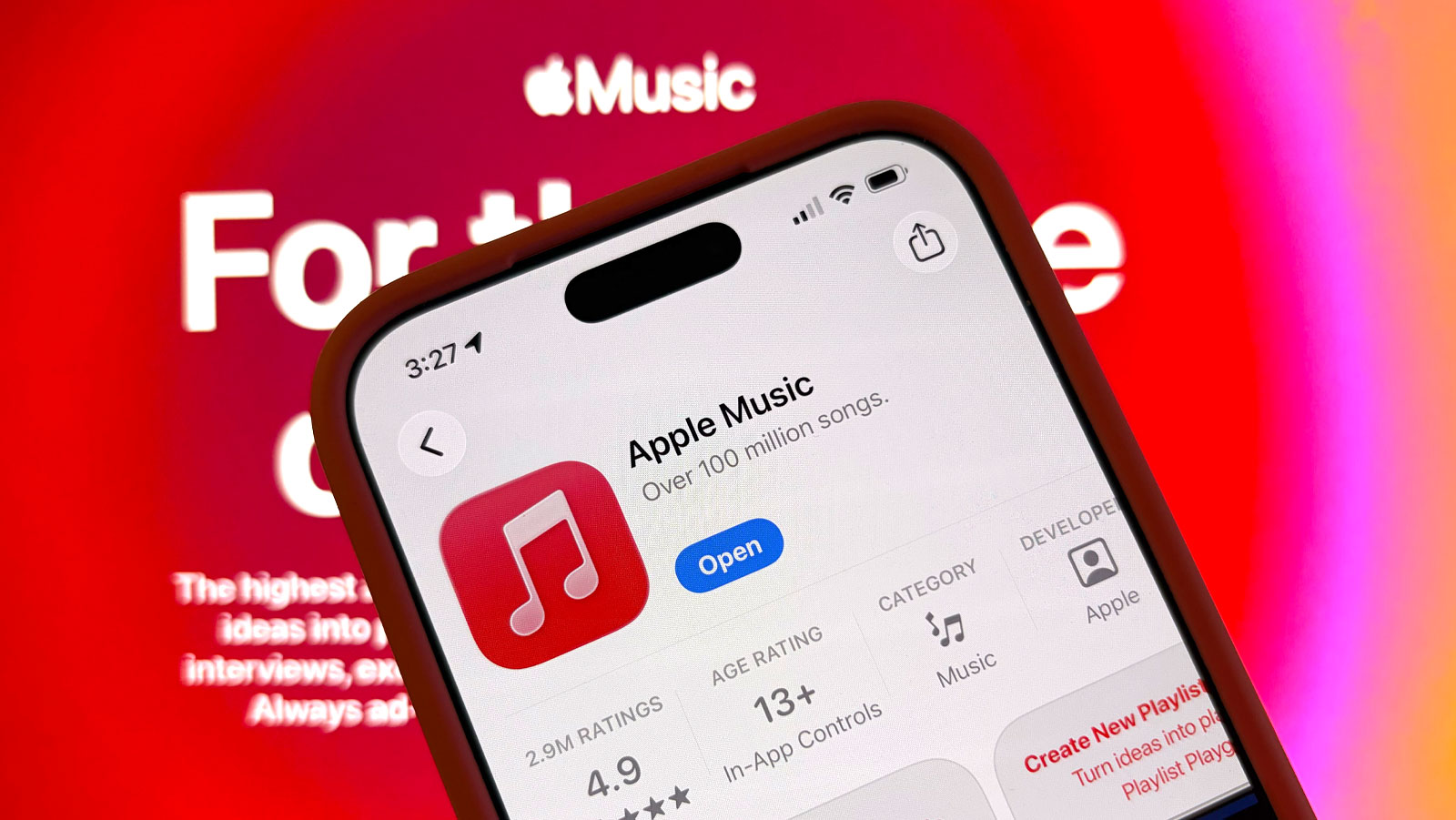
Apple announced price increases for its Apple Music and Apple One subscription services in July 2026, citing rising licensing costs as the primary reason for the adjustment. This decision impacts a global user base reliant on these platforms for music streaming and bundled digital services.
The technology company communicated these changes to subscribers through email notifications and updates on its official support pages. The new pricing structure took effect immediately for new subscribers and will be rolled out to existing subscribers on their next billing cycle.
The Core Reason: Rising Licensing Costs
Apple explicitly stated that the price increases were a direct consequence of rising licensing costs. These costs are a critical component of operating a music streaming service.
Licensing fees are paid to record labels, music publishers, and artists for the right to stream their music catalogues. These agreements are complex and often renegotiated periodically.
Industry analysts suggest that the competition among streaming services, coupled with increasing demands from rights holders, has driven up the cost of content acquisition. Major labels, including Universal Music Group, Sony Music Entertainment, and Warner Music Group, hold significant leverage in these negotiations.
The cost of securing global rights for extensive music libraries continues to be a major operational expense for all streaming platforms, including Apple Music.
Impact on Apple Music Subscribers
The individual Apple Music subscription plans experienced specific price adjustments. The standard individual plan, previously priced at $10.99 per month, saw an increase.
The family plan, which allows up to six users, also underwent a price revision. Student plans, typically offered at a reduced rate, were similarly affected by the new pricing structure.
These changes mark the latest in a series of price adjustments for Apple Music since its launch in 2015. The service has consistently positioned itself as a premium offering with an extensive catalogue and features like Spatial Audio.
Subscribers received detailed information regarding their new monthly or annual charges. Apple emphasized that the price adjustments were necessary to continue providing a high-quality service and compensating artists and rights holders fairly.
Changes to Apple One Bundles
Apple One, the company’s comprehensive subscription bundle, also saw its pricing revised. Apple One combines several Apple services into a single monthly payment, offering a cost-saving alternative to subscribing to each service individually.
The Apple One individual plan, which includes Apple Music, Apple TV+, Apple Arcade, and iCloud+ with 50GB storage, increased in price. The family plan, offering 200GB of iCloud+ storage and sharing across up to six people, also saw an increase.
The Premier plan, the most extensive bundle including Apple Music, Apple TV+, Apple Arcade, iCloud+ with 2TB storage, Apple News+, and Apple Fitness+, also had its price adjusted. This plan caters to users deeply embedded in the Apple ecosystem.
The value proposition of Apple One remains significant for users who utilize multiple Apple services. The price increases, however, diminish some of the perceived savings compared to previous pricing tiers.
Industry Context: A Trend of Price Hikes
Apple’s price increase is not an isolated event within the streaming industry. Several major streaming platforms have implemented similar price adjustments over the past two years.
Spotify, Amazon Music, and YouTube Music have all raised their subscription fees in various markets. These companies have also cited increasing content costs, inflation, and the need to achieve profitability as key drivers.
The competitive landscape of music streaming remains intense, with companies vying for market share and subscriber loyalty. Price adjustments are a delicate balance between revenue generation and subscriber retention.
The digital content market continues to evolve, with content creators and distributors seeking sustainable revenue models. This often translates to higher costs for the end consumer.
Consumer Reaction and Market Implications
Consumer reaction to the price increases has been mixed, with some subscribers expressing frustration on social media platforms. Many users highlighted the cumulative effect of multiple subscription price hikes across various services.
Despite potential short-term churn, analysts predict that the impact on Apple’s overall subscriber numbers may be limited. Apple Music benefits from its integration within the broader Apple ecosystem, making it a sticky service for many iPhone and Mac users.
The decision to raise prices also reflects Apple’s confidence in the value proposition of its services. The company continues to invest in exclusive content, high-fidelity audio, and user experience enhancements.
Long-term implications for the streaming market include a potential consolidation of services or a greater emphasis on ad-supported tiers. The current trend suggests that premium ad-free streaming will continue to command higher prices.
The Economics of Music Streaming
The economics of music streaming are complex, involving a vast network of artists, labels, publishers, and platforms. Royalty payments to artists and rights holders constitute the largest portion of a streaming service’s expenses.
These payments are typically calculated based on a percentage of revenue or per-stream rates, varying significantly by agreement. The global nature of music licensing adds further layers of complexity, with different rates and regulations in various territories.
Operating costs, including server infrastructure, software development, marketing, and customer support, also contribute to the overall expense structure. Achieving profitability in the streaming sector has been a challenge for many companies.
Apple’s move to raise prices can be seen as an effort to improve the profitability of its services segment. This segment has become an increasingly important revenue driver for the company, diversifying its income beyond hardware sales.
Future Outlook for Apple Services
Apple’s services division, which includes Apple Music, iCloud, the App Store, Apple TV+, and others, has shown consistent growth. The company continues to expand its offerings and integrate them more deeply into its hardware products.
The price adjustments for Apple Music and Apple One are part of a broader strategy to ensure the long-term sustainability and profitability of these services. This strategy includes continuous investment in new features, original content for Apple TV+, and expanded cloud storage options.
Competition from other tech giants and specialized media companies will continue to shape Apple’s approach. The company’s ability to retain and attract subscribers will depend on the perceived value of its services relative to their cost.
The streaming industry is expected to continue its growth trajectory, albeit with increasing pressure on pricing and profitability. Apple’s position as a premium provider will likely mean it will continue to adjust prices as market conditions and licensing costs evolve.
A Global Adjustment
The price increases were not limited to a single region. Apple implemented these adjustments across multiple international markets, reflecting the global nature of its licensing agreements and operational costs.
The specific percentage of increase varied by country, influenced by local economic conditions, currency exchange rates, and regional licensing agreements. Subscribers in the United States, Europe, and Asia-Pacific regions were among those affected.
Apple’s global reach means that any significant change to its service pricing has widespread implications. The company’s strategy often involves a coordinated global rollout of pricing adjustments to maintain consistency and manage expectations.
Local regulations and taxes also play a role in the final pricing presented to consumers in different territories. Apple navigates these complexities to ensure compliance and competitive positioning.
Consumers gathered. Analysts gathered. Rights holders gathered. Apple.