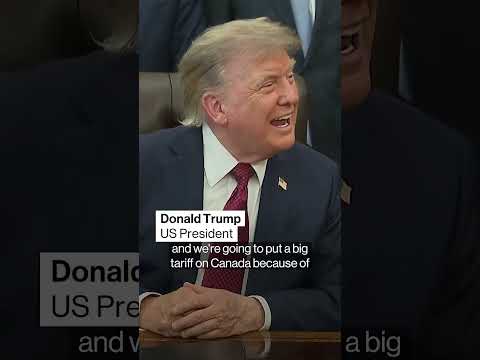
President Trump Considers Tariffs on Mexico Over Lettuce Contamination
President Donald Trump has publicly threatened to impose tariffs on imports from Mexico, specifically citing concerns about lettuce originating from the country causing diarrhea among consumers. This declaration, reported on July 27, 2026, from a Bloomberg Television feed, signals a potential escalation in trade relations between the two nations, driven by public health and food safety issues.
The threat of tariffs represents a significant policy tool. It can alter economic dynamics between trading partners. For Mexico, a major agricultural exporter to the United States, such tariffs could have substantial economic repercussions.
The Nexus of Food Safety and Trade Policy
Food safety remains a critical public health issue. Contamination in produce, particularly leafy greens, has been a recurring concern for health authorities in the United States. Bacterial outbreaks linked to imported foods can lead to widespread illness and significant economic losses for affected industries.
President Trump’s administration has previously utilized tariffs as a key component of its trade strategy. These measures are often employed to exert pressure on other nations to comply with specific demands or to address perceived economic imbalances. The current threat against Mexico over lettuce contamination follows this established pattern.
Previous Food Safety Incidents and Their Impact
Concerns about foodborne illnesses linked to produce are not new. In recent years, several outbreaks of E. coli and Salmonella have been traced to various types of fresh produce, including romaine lettuce. These incidents have prompted increased scrutiny of agricultural practices and supply chain management, both domestically and internationally.
For example, in 2018, a widespread E. coli outbreak linked to romaine lettuce grown in Yuma, Arizona, sickened over 200 people across 36 states and resulted in five deaths. This event led to significant recalls and public health advisories. Such incidents underscore the gravity of food safety concerns and the potential for severe public health consequences.
The Food and Drug Administration (FDA) and the Centers for Disease Control and Prevention (CDC) are primary federal agencies responsible for monitoring and responding to foodborne illness outbreaks. Their investigations often involve tracing contaminated products back to their source farms or processing facilities, a process that can be complex and time-consuming, especially with international supply chains.
Agricultural Imports from Mexico: A Significant Volume
Mexico is a leading supplier of fresh produce to the United States. A wide variety of fruits and vegetables, including tomatoes, avocados, and leafy greens, are imported across the southern border daily. This trade relationship is vital for both economies, supporting agricultural industries and providing consumers with diverse food options.
In 2025, agricultural imports from Mexico to the United States exceeded tens of billions of dollars. Leafy greens, such as lettuce, constitute a significant portion of these imports. Any disruption to this trade, such as the imposition of tariffs, could affect consumer prices and the availability of certain produce items in American supermarkets.
Economic Implications of Tariffs
The imposition of tariffs on Mexican agricultural products, particularly lettuce, would have multifaceted economic consequences. For Mexican farmers and exporters, it would mean increased costs and reduced competitiveness in the U.S. market, potentially leading to financial hardship and job losses.
In the United States, consumers might face higher prices for fresh produce. Retailers and food service providers would also need to adjust their sourcing strategies, potentially seeking alternative suppliers or absorbing increased costs. The economic ripple effects could extend throughout the agricultural supply chain.
Economists often debate the effectiveness of tariffs as a policy tool. While proponents argue they can protect domestic industries or compel foreign governments to change policies, critics point to potential negative impacts on consumers, international relations, and global trade stability. The current threat from President Trump reignites these debates.
The Role of International Regulations and Standards
International trade agreements often include provisions related to food safety and phytosanitary standards. These agreements aim to ensure that imported foods meet the health and safety requirements of the importing country while facilitating trade. Disputes over these standards can become contentious issues in bilateral and multilateral relations.
The United States and Mexico are parties to the United States-Mexico-Canada Agreement (USMCA), which replaced NAFTA in 2020. USMCA includes chapters on sanitary and phytosanitary measures, outlining principles for food safety regulations and dispute resolution mechanisms. Any tariff action based on food safety concerns would likely be scrutinized under the terms of this agreement.
Stakeholder Reactions and Future Steps
Various stakeholders are monitoring this situation closely. Agricultural industry groups in both the United States and Mexico would likely express concerns over potential tariffs, advocating for solutions that do not disrupt trade flows. Consumer advocacy groups, on the other hand, might emphasize the importance of robust food safety measures.
Government agencies, including the Department of Agriculture (USDA) and the Office of the U.S. Trade Representative (USTR), would be involved in assessing the feasibility and implications of such tariffs. Their analyses would consider economic data, trade agreements, and public health objectives.
The precise nature and scope of any potential tariffs remain to be seen. President Trump’s statements often serve as negotiating tactics, indicating a strong stance that may or may not culminate in immediate action. However, the explicit mention of lettuce and diarrhea points to a specific and pressing concern for the administration.
The Broader Context of U.S.-Mexico Relations
Trade relations between the United States and Mexico have been a consistent theme throughout President Trump’s presidency. Issues such as border security, immigration, and manufacturing have frequently shaped the bilateral agenda. Food safety now adds another layer to this complex relationship.
The interdependence of the two economies means that actions taken by one nation often have direct consequences for the other. This latest development underscores the interconnectedness of their agricultural sectors and the shared interest in ensuring safe and efficient cross-border trade.
Ultimately, the resolution of this issue will likely involve diplomatic negotiations, scientific assessments of food safety protocols, and economic considerations. The threat of tariffs serves as a powerful signal, intended to prompt action and attention to the stated concerns.
Addressing Food Safety in Global Supply Chains
Ensuring food safety in global supply chains is a complex challenge. It requires collaboration between governments, industry, and international organizations. Harmonizing standards, improving traceability, and investing in advanced testing technologies are all crucial components of a robust food safety system.
The current discussion about Mexican lettuce highlights the need for continuous vigilance. It also emphasizes the importance of clear communication channels between regulatory bodies in different countries. These channels are essential for quickly identifying and mitigating risks.
Agricultural practices, from farm to fork, play a pivotal role. Adherence to Good Agricultural Practices (GAPs) and Good Manufacturing Practices (GMPs) helps minimize contamination risks. These practices are often voluntary but are increasingly becoming standard expectations for producers supplying international markets.
Consumer Confidence and Public Health
Public confidence in the safety of the food supply is paramount. When outbreaks occur, consumer trust can erode rapidly. This erosion can lead to decreased demand for certain products and significant losses for businesses. Therefore, governments and industries have a strong incentive to prevent foodborne illnesses.
Educational campaigns for consumers about safe food handling and preparation are also important. While much of the responsibility lies with producers and regulators, informed consumers can further reduce risks in their own homes. This multi-pronged approach strengthens the overall food safety framework.
The dialogue surrounding tariffs on Mexican lettuce underscores these broader themes. It brings to the forefront the challenges of managing a global food system. It also highlights the constant need to balance economic interests with public health imperatives.
Looking Ahead: Potential Outcomes
Several outcomes are possible regarding President Trump’s tariff threat. Mexico may implement stricter inspection protocols for its lettuce exports. The United States could increase its own inspection efforts at the border. Diplomatic discussions could lead to a mutual agreement on enhanced food safety cooperation.
Alternatively, tariffs could be imposed, leading to trade disputes and economic disruptions. The situation remains fluid. It will require careful monitoring by all parties involved. The ultimate goal for both nations is to ensure the safety of food consumed by their populations while maintaining a productive trade relationship.
Consumers watch. Industries watch. Governments watch.
Washington.
FAQ Section
- What is President Trump’s reason for threatening tariffs on Mexico?
President Trump has threatened tariffs on Mexico due to concerns about imported lettuce causing diarrhea. This indicates a focus on food safety within the broader context of trade relations.
- How would tariffs on Mexican lettuce impact the U.S. economy?
Tariffs on Mexican lettuce could lead to higher prices for consumers in the United States and may require retailers to seek alternative, potentially more expensive, suppliers. It could also disrupt established supply chains for fresh produce.
- What government agencies are involved in addressing food safety concerns in imported produce?
The Food and Drug Administration (FDA) and the Centers for Disease Control and Prevention (CDC) are key U.S. government agencies involved in monitoring foodborne illnesses and ensuring the safety of imported produce. The Department of Agriculture (USDA) also plays a role in agricultural trade and standards.
- Has the U.S. previously imposed tariffs on Mexico for similar reasons?
While President Trump’s administration has previously used tariffs as a trade tool against Mexico for various reasons, including immigration and economic leverage, this specific threat linked directly to food safety concerns about produce contamination is a distinct application of the policy.
- What measures can be taken to ensure the safety of imported lettuce?
Ensuring the safety of imported lettuce involves implementing stringent agricultural practices, enhancing inspection and testing protocols at various points in the supply chain, and fostering international cooperation on food safety standards between exporting and importing nations.
