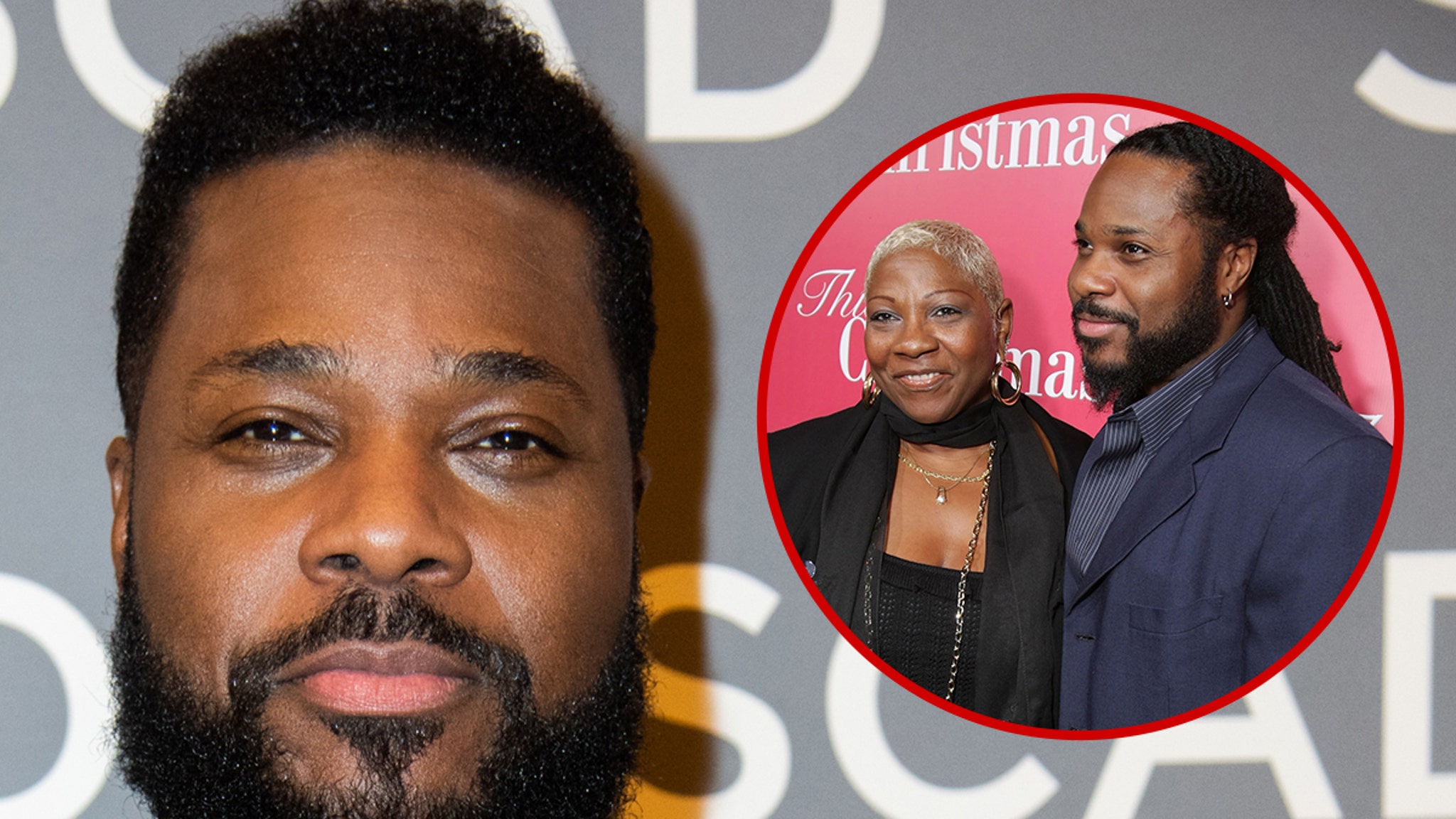
The administration of estates, particularly those involving significant assets, can become a complex legal and emotional landscape. While recent unsubstantiated reports circulated in July 2026 regarding a purported lawsuit involving actor Malcolm-Jamal Warner’s family and a trust, the underlying issues surrounding family trusts and potential disputes are highly relevant. These situations often highlight the intricacies of estate planning, the responsibilities of trustees, and the unique pressures faced by families of public figures.
Estate disputes, regardless of the individuals involved, frequently center on the interpretation of legal documents, the distribution of assets, and the fulfillment of fiduciary duties. The public profile of celebrities adds an additional layer of scrutiny, making such legal battles highly visible.
The Nature of Family Trusts in Estate Planning
A family trust serves as a legal mechanism designed to hold and manage assets for the benefit of designated beneficiaries. These trusts are commonly established to provide long-term financial security for family members, minimize tax liabilities, and often bypass the public and sometimes lengthy probate process.
For individuals with substantial earnings, such as those in the entertainment industry, a family trust can be a crucial component of estate planning. It allows for a structured approach to asset distribution, often outlining specific conditions and timelines for beneficiaries to receive funds.
The trustee, who is typically a trusted family member or a professional, is endowed with significant responsibility. Their role is to administer the trust’s assets strictly according to the terms set forth in the trust document, acting always in the best interests of all beneficiaries.
Key Components of a Trust Document
A comprehensive trust document details several critical elements. It identifies the grantor (the person who creates the trust), the trustee (the person or entity managing the trust), and the beneficiaries (those who will receive benefits from the trust).
The document also specifies the assets included in the trust, the conditions under which distributions are to be made, and how the trust should be managed. Clear language in these documents is paramount to preventing future disagreements and ensuring the grantor’s wishes are honored.
Ambiguities or omissions in trust documents can often be the root cause of legal challenges, as different parties may interpret provisions in ways that benefit their own interests.
Understanding Fiduciary Duty and Its Implications
Central to the concept of a trust is the fiduciary duty owed by the trustee to the beneficiaries. This is a legal and ethical obligation requiring the trustee to act solely in the best interests of the beneficiaries, prioritizing their welfare above their own.
This duty encompasses several key responsibilities: loyalty, prudence, and impartiality. A trustee must manage the trust’s assets with the same care and skill a prudent person would use in managing their own affairs, avoid conflicts of interest, and treat all beneficiaries fairly without favoring one over another.
Allegations of a breach of fiduciary duty are a common basis for estate litigation. Such a breach can occur through various actions, including mismanagement of funds, self-dealing, failure to provide accurate accounting, or disregard for the explicit terms of the trust.
Consequences of a Breach
If a court determines that a trustee has breached their fiduciary duty, the consequences can be severe. The trustee may be removed from their position, compelled to repay misappropriated funds or compensate the trust for losses incurred due to their actions, and in some cases, face punitive damages.
Litigation involving breach of fiduciary duty requires careful examination of financial records, trust documents, and communications. The burden of proof typically lies with the party alleging the breach, who must demonstrate that the trustee’s actions deviated from their legal obligations.
The Public Dimension of Celebrity Estates
The estates of public figures, including actors, musicians, and athletes, often attract significant media attention. This increased visibility means that any legal disputes or family disagreements can become widely reported, adding a layer of pressure to already emotionally charged situations.
Malcolm-Jamal Warner, known for his iconic role as Theo Huxtable on The Cosby Show, has maintained a visible presence in television and film for decades. While he is very much alive and actively working as of July 2026, the hypothetical scenario of his estate becoming subject to public dispute illustrates the unique challenges faced by celebrity families.
The public’s interest in the personal lives and financial affairs of well-known personalities can transform private family matters into headline news, potentially complicating legal proceedings and personal relationships.
Historical Context of Celebrity Estate Battles
History is replete with examples of high-profile estate battles. The estates of figures like Prince, Michael Jackson, and even earlier stars like Marilyn Monroe, have faced extensive legal challenges, often involving family members, former spouses, or business associates.
These cases frequently highlight the importance of meticulous estate planning, including clear wills, trusts, and advance directives. Ambiguities or outdated documents can leave estates vulnerable to protracted and costly legal battles.
The legal processes in such cases can be lengthy, costly, and emotionally draining. They often underscore the need for legal counsel specializing in estate law and dispute resolution.
Common Grounds for Estate Disputes
Beyond allegations of fiduciary breach, several other issues commonly lead to disputes over estates. These can include challenges to the validity of a will or trust, claims of undue influence, or disagreements over asset valuation.
Will contests might arise if a family member believes the deceased lacked the mental capacity to create a valid will or was coerced into making certain provisions. Similarly, disputes can emerge over the interpretation of complex trust language, leading to different understandings of how assets should be distributed.
The valuation of assets, particularly unique or illiquid assets like art collections, intellectual property, or private business interests, can also be a significant source of contention among beneficiaries.
Preventive Measures in Estate Planning
Proactive and thorough estate planning is the most effective way to minimize the likelihood of future disputes. This involves not only creating a will and trust but also regularly reviewing and updating these documents to reflect life changes, such as marriages, divorces, births, and deaths.
Clear communication with beneficiaries about the estate plan can also help prevent misunderstandings. Including a ‘no-contest’ clause in a will or trust, which disinherits any beneficiary who challenges the document, can sometimes deter frivolous lawsuits, though the enforceability of such clauses varies by jurisdiction.
Engaging experienced estate planning attorneys ensures that all legal requirements are met and that documents are drafted with precision to reflect the grantor’s true intentions.
Legal Strategies and Resolution Paths
When an estate dispute escalates to litigation, various legal strategies come into play. The plaintiff’s legal team will typically gather evidence, such as financial records, trust documents, and correspondence, to support their claims.
The defendant’s counsel will present arguments to counter these claims, potentially asserting that actions taken were in accordance with legal obligations or that the plaintiff’s interpretation of the trust is flawed. Expert witnesses, such as forensic accountants or trust law specialists, may be called by both sides to provide testimony.
Potential outcomes range from an out-of-court settlement, often facilitated through negotiation or mediation, to a full trial and judicial ruling. The complexity of trust law and family dynamics often means that resolutions can be protracted, taking months or even years to finalize.
The Role of Alternative Dispute Resolution
Alternative Dispute Resolution (ADR) methods, such as mediation and arbitration, offer pathways to resolve estate disputes outside of traditional courtroom litigation. These methods can be less adversarial, more confidential, and potentially quicker and less costly.
Mediation involves a neutral third party who helps facilitate communication and negotiation between the disputing parties, aiming to reach a mutually acceptable settlement. The mediator does not make decisions but guides the process.
Arbitration, conversely, involves a neutral third party hearing evidence and arguments from both sides and then issuing a binding decision. This is similar to a court trial but typically takes place in a less formal setting and is often private.
While litigation is sometimes unavoidable, many families prefer ADR to preserve relationships and avoid the public spectacle that can accompany court battles, especially for those in the public eye.
Impact on Family Relationships
Estate disputes, by their very nature, can exert immense strain on family relationships. The emotional toll can be profound, often exacerbating pre-existing tensions and creating lasting rifts between family members.
The focus on money and legal rights can overshadow the grieving process and lead to feelings of betrayal or resentment. For celebrity families, the added layer of public scrutiny can intensify these emotions and make reconciliation even more challenging.
Navigating these complex legal and emotional landscapes requires not only sound legal advice but also a recognition of the personal impact on all involved. The goal, ideally, is to resolve disputes in a manner that honors the legacy of the deceased while also providing a path forward for the living.
Family members often find themselves in difficult positions when faced with conflicting claims over an estate. The legal process, while designed to resolve disputes, can sometimes exacerbate personal tensions, leading to prolonged distress.
Clear estate planning.
Open communication.
Legal guidance.
Peace of mind.