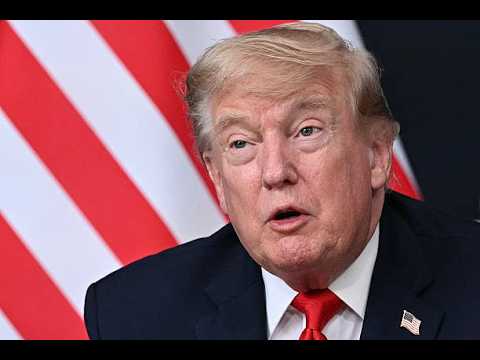
Tag: Lebanon

  • Trump Lifts Direct US Flight Ban to Lebanon – A Shift in Diplomacy

    Trump Lifts Direct US Flight Ban to Lebanon – A Shift in Diplomacy

    President Donald Trump lifted the ban on direct flights between the United States and Lebanon on 2026-07-22. This action reverses a long-standing policy that prohibited direct air travel between the two nations, a measure originally instituted due to significant security concerns. The decision follows a period of reassessment by the Trump administration regarding regional security and diplomatic engagement in the Middle East.

    The policy change is anticipated to have immediate effects on travel and commerce. It promises to simplify transit for the substantial Lebanese diaspora residing in the United States. Furthermore, it opens avenues for enhanced economic and cultural exchanges between the two countries. The announcement from the White House underscores a strategic shift in US foreign policy, indicating a renewed approach to Lebanese relations.

    The Historical Context of the Flight Ban

    The prohibition on direct flights between the United States and Lebanon dates back to a period of heightened instability in the Middle East. Security concerns were paramount during the 1980s. The region experienced a series of geopolitical upheavals.

    In 1985, TWA Flight 847, en route from Athens to Rome, was hijacked by Hezbollah members. This incident led to a 17-day ordeal and the death of one American passenger, US Navy diver Robert Stethem. The hijacking brought international attention to the security risks associated with air travel in the region.

    Following this and other incidents, the US government implemented strict travel advisories and eventually the direct flight ban. The primary aim was to protect American citizens and interests. The ban reflected the perceived inability of Lebanese authorities to guarantee the security of international flights originating from Beirut Rafic Hariri International Airport.

    Over the decades, the ban became a symbol of the complex and often strained relationship between the US and Lebanon. It impacted generations of Lebanese-Americans. They often faced longer, multi-leg journeys to visit family or conduct business.

    The security landscape in Lebanon has evolved significantly since the 1980s. Beirut’s airport has undergone substantial upgrades. International security standards have been implemented. These improvements have been a crucial factor in the recent policy reconsideration.

    Security Assessments and Diplomatic Efforts

    The decision to lift the ban was not made in isolation. It followed a comprehensive review of security protocols at Beirut Rafic Hariri International Airport. US aviation security experts conducted detailed assessments. These evaluations focused on passenger screening, baggage handling, and overall airport perimeter security.

    Reports from the Department of Homeland Security and the Federal Aviation Administration (FAA) played a critical role. These reports indicated that significant improvements had been made. Lebanon’s commitment to international aviation security standards was a key finding.

    Diplomatic channels were also highly active. For several years, Lebanese government officials have advocated for the lifting of the ban. They consistently highlighted their efforts to enhance airport security. Discussions involved high-level meetings between US and Lebanese representatives. President Trump engaged directly with Lebanese counterparts on this matter.

    The US Department of State also contributed to the review process. They analyzed the broader security environment in Lebanon. Their assessment considered regional stability and the effectiveness of Lebanese security forces. The conclusion was that the risks associated with direct flights had diminished to an acceptable level.

    "The lifting of this ban reflects a renewed confidence in Lebanon’s commitment to global aviation security standards and a strengthened bilateral relationship," stated a White House spokesperson on 2026-07-22.

    This diplomatic push culminated in President Trump’s announcement. It signifies a trust in Lebanon’s ability to manage its airport security effectively. It also indicates a willingness to engage more directly with the Lebanese government.

    Economic and Social Implications

    The lifting of the direct flight ban carries substantial economic benefits for both the United States and Lebanon. For Lebanon, the immediate impact is expected to be a boost to its tourism sector. Direct flights will make the country more accessible to American tourists and business travelers. This influx of visitors can stimulate local economies, supporting hotels, restaurants, and other service industries.

    Trade relations are also poised for improvement. Easier travel facilitates face-to-face business meetings and investments. Lebanese businesses may find it simpler to connect with American partners. Conversely, US companies might explore new opportunities in the Lebanese market.

    The Lebanese diaspora in the United States is a significant demographic. Estimates place the Lebanese-American population at over half a million. Many have maintained strong ties to their homeland. The ban had complicated family visits and cultural exchanges. Direct flights will reduce travel times and costs, making it easier for families to reunite.

    This policy change also holds social and cultural significance. It can foster greater understanding and connection between the two nations. Increased travel often leads to enhanced cultural dialogue and educational exchanges. Universities and cultural institutions in both countries could see renewed interest in partnerships.

    Aviation industries in both countries stand to gain. American carriers may consider routes to Beirut. Middle Eastern airlines, including Lebanon’s Middle East Airlines (MEA), could expand their services to US cities. This competition could lead to more affordable travel options for consumers.

    The announcement has been met with enthusiasm within the Lebanese-American community. Organizations representing this group have long advocated for the ban’s removal. They view it as a step towards normalizing relations and supporting their community’s connections.

    Regional Geopolitical Impact

    President Trump’s decision to lift the flight ban has broader geopolitical implications for the Middle East. It signals a nuanced approach to US engagement in a complex region. Lebanon borders Israel and Syria, two countries central to Middle Eastern stability.

    The move could be interpreted as a gesture of support for the Lebanese state. It might empower moderate factions within Lebanon. It could also provide a counterweight to regional influences, such as those from Iran. The US has historically sought to bolster Lebanon’s sovereignty and independence.

    However, the region remains volatile. The presence of Hezbollah, a powerful political and militant group, continues to be a factor in Lebanese politics. The US government maintains sanctions against Hezbollah. The lifting of the flight ban does not alter this stance. The decision reflects a distinction between the Lebanese government and non-state actors.

    Analysts suggest that this policy could be part of a broader strategy. The Trump administration has focused on recalibrating alliances and challenging existing paradigms. Engaging directly with Lebanon, a nation often caught between regional powers, aligns with this approach.

    Other regional actors will be observing this development closely. Saudi Arabia, the United Arab Emirates, and other Gulf states maintain significant interests in Lebanon. Their reactions could influence future diplomatic alignments. Israel also monitors developments in Lebanon due to ongoing security concerns along its northern border.

    The lifting of the ban could facilitate increased intelligence sharing and cooperation on counterterrorism efforts. A more stable and economically viable Lebanon serves US interests in combating extremism. The move is a calculated risk, balancing security concerns with diplomatic objectives.

    Future Outlook and Challenges

    While the lifting of the direct flight ban marks a significant step, future challenges remain. The stability of Lebanon is subject to internal political dynamics and regional tensions. Economic reforms are still critical for the country’s long-term prosperity. The US will likely continue to monitor these developments.

    The implementation of new flight routes will require coordination between aviation authorities. Airlines will need to assess the commercial viability of direct services. This process could take several months. It involves regulatory approvals, slot allocations, and marketing strategies.

    Security measures at Beirut Rafic Hariri International Airport will remain under scrutiny. US authorities will likely conduct ongoing audits and assessments. Maintaining high security standards will be crucial for the sustainability of direct flights.

    The political landscape in Lebanon is often fragmented. The government faces challenges in implementing consistent policies. Regional conflicts, particularly the ongoing situation in Syria, continue to affect Lebanon’s internal stability. The US policy aims to support a sovereign and stable Lebanon, but external factors are influential.

    The decision could open doors for further diplomatic initiatives. It might encourage broader regional dialogue. The Trump administration’s foreign policy approach prioritizes direct engagement. This move with Lebanon exemplifies that strategy. It suggests a willingness to adjust long-standing policies in response to evolving realities.

    Ultimately, the success of this policy shift depends on several factors. These include sustained security cooperation, continued diplomatic efforts, and Lebanon’s internal stability. The lifting of the ban is a beginning, not an end, to a renewed chapter in US-Lebanon relations.

    Immediate Reactions and Political Context

    The announcement from President Trump has generated immediate reactions from various stakeholders. Lebanese officials have welcomed the decision as a testament to their efforts to improve security and strengthen bilateral ties. Many view it as a long-overdue rectification of a punitive measure.

    In the United States, responses have been mixed, largely falling along partisan lines. Supporters of President Trump have lauded the move as a demonstration of effective diplomacy and a pragmatic approach to foreign policy. They emphasize the economic benefits and the support for the Lebanese-American community.

    Critics, however, have raised concerns about potential security risks. They question whether the improvements at Beirut Airport are sufficient to guarantee the safety of direct flights. Some also express apprehension about the broader implications for US policy towards Hezbollah, despite assurances from the administration.

    The decision comes within President Trump’s second term, a period marked by continued focus on re-evaluating US commitments and engagements globally. His administration has often prioritized direct negotiations and transactional diplomacy. This approach contrasts with more traditional multilateral foreign policy strategies.

    The timing of the announcement may also be strategic. It could aim to project an image of active and effective foreign policy ahead of future diplomatic initiatives. It also serves as a concrete achievement in a region where US policy is often scrutinized.

    The media coverage of this event, particularly from outlets like Bloomberg Television, highlights the significant global interest. The focus is on how this action shapes perceptions of President Trump’s leadership and US influence. It taps into broader discussions about national interest and international relations.

    This policy shift represents a tangible outcome of sustained diplomatic and security efforts. It also reflects the dynamic nature of international relations under the current US administration. The world watches to see the full impact of this change.

    A long-standing restriction lifted. New avenues for travel and commerce. A shift in diplomatic strategy.

    Engagement.

    Why Was the US Flight Ban to Lebanon Imposed?

    The US flight ban to Lebanon was primarily imposed due to severe security concerns during the 1980s. This period saw significant instability in the Middle East, including the 1985 hijacking of TWA Flight 847 by Hezbollah, which resulted in the death of an American citizen. The US government enacted the ban to protect American lives and interests, citing insufficient security measures at Beirut’s airport at the time.

    What are the Main Benefits of Lifting the Ban?

    Lifting the ban is expected to bring several key benefits. Economically, it should boost Lebanon’s tourism sector and facilitate trade between the two countries. Socially, it will ease travel for the large Lebanese-American diaspora, enabling easier family visits and cultural exchanges. Diplomatically, it signals renewed US confidence in Lebanon’s security capabilities and strengthens bilateral relations.

    How Did Lebanon Improve its Airport Security?

    Lebanon undertook substantial efforts to improve security at Beirut Rafic Hariri International Airport. These improvements included upgrading passenger screening technologies, enhancing baggage inspection systems, and bolstering overall perimeter security. US aviation security experts, including those from the Department of Homeland Security and the FAA, conducted multiple assessments and confirmed that these measures meet international standards.

    What are the Geopolitical Implications of This Decision?

    The geopolitical implications are significant. The decision signals US support for the Lebanese state, potentially strengthening moderate elements and countering regional influences. It could also facilitate increased intelligence sharing and cooperation on counterterrorism. While Hezbollah remains a concern, the move distinguishes between the Lebanese government and non-state actors, aiming to foster stability in a volatile region.

    When Will Direct Flights Between the US and Lebanon Resume?

    While the ban has been lifted, the resumption of direct flights will not be immediate. Airlines will need time to assess the commercial viability of new routes, secure regulatory approvals, allocate slots, and implement operational logistics. This process typically takes several months, so direct flights are expected to resume gradually in the coming months following the 2026-07-22 announcement.
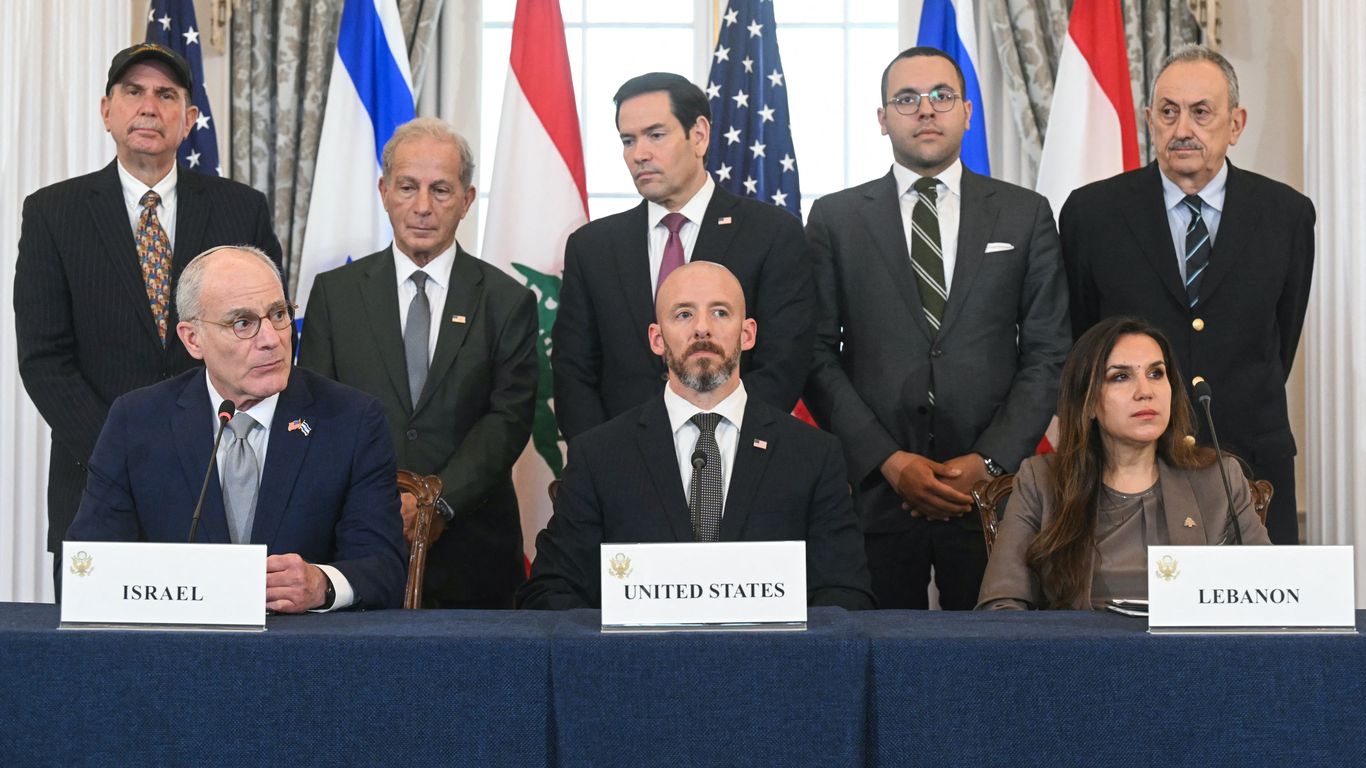

  • Israel-Lebanon Security Deal – How Shared Fear of Iran Forged a Pact

    Israel-Lebanon Security Deal – How Shared Fear of Iran Forged a Pact

    A new security agreement between Israel and Lebanon, announced in late June 2026, was primarily motivated by a mutual concern over Iran’s expanding regional influence and the increasing military capabilities of Hezbollah. This pact represents a strategic effort by both nations to stabilize their shared northern border and mitigate potential escalations stemming from broader geopolitical shifts in the Middle East.

    The agreement signifies a rare instance of direct security cooperation between two countries that have historically maintained an official state of war. Diplomatic channels, often indirect, facilitated the months-long negotiations that culminated in this unexpected accord. The outcome reflects a pragmatic recognition of shared threats, particularly those posed by non-state actors operating with external support.

    The Shared Threat of Iranian Influence

    Iran’s regional activities have been a consistent source of instability in the Middle East for decades. Its support for various proxy groups, including Hezbollah in Lebanon, Hamas in Gaza, and Houthi rebels in Yemen, has extended its geopolitical reach. This expansion has generated alarm in both Jerusalem and Beirut.

    For Israel, Iran’s nuclear program and its advanced missile capabilities represent existential threats. The presence of a heavily armed Hezbollah on its northern border, supplied and trained by Iran, adds a critical dimension to these security concerns. Hezbollah’s arsenal, estimated to include tens of thousands of rockets and missiles, poses a direct threat to Israeli civilian centers and infrastructure.

    Lebanon, in contrast, faces a different set of challenges from Iranian influence. The Lebanese government struggles with internal political divisions and a severe economic crisis. Hezbollah, a powerful political and military force within Lebanon, often operates outside the state’s direct control. This dynamic compromises Lebanese sovereignty and risks drawing the nation into regional conflicts against its will.

    The Lebanese state has long sought to assert its authority over all armed groups within its borders. Hezbollah’s independent military infrastructure, however, remains a significant obstacle to this objective. The recent agreement provides a framework for the Lebanese government to potentially reassert some control over its territory and prevent it from becoming a launchpad for regional hostilities.

    Hezbollah’s Evolving Role and Capabilities

    Hezbollah, founded in the early 1980s, has evolved from a militia focused on resisting Israeli occupation into a sophisticated military and political organization. Its substantial military wing, equipped with advanced weaponry from Iran, operates largely independently of the Lebanese Armed Forces. This dual nature presents a complex challenge for both regional stability and Lebanese internal governance.

    In recent years, Hezbollah has gained combat experience in other regional conflicts, notably in Syria, where its fighters supported the Syrian government. This involvement further enhanced its military capabilities and deepened its strategic ties with Iran. The group’s presence along the Israeli-Lebanese border has been a consistent flashpoint, leading to numerous skirmishes and heightened tensions.

    The Israeli intelligence community has consistently monitored Hezbollah’s activities, including its efforts to establish precision-guided missile factories in Lebanon. These developments represent a qualitative shift in Hezbollah’s threat profile, prompting Israel to seek new strategies for deterrence and defense. The 2026 security agreement reflects a part of this evolving strategy.

    The Diplomatic Path to Agreement

    The path to the 2026 security agreement was protracted and complex, involving multiple rounds of indirect negotiations. These discussions often took place through intermediaries, including the United States and other international actors. These third parties played a crucial role in bridging the communication gap between Israel and Lebanon.

    Key figures in these negotiations included U.S. Assistant Secretary of State for Near Eastern Affairs Barbara Leaf and French Special Envoy for Lebanon Jean-Yves Le Drian. Their persistent diplomatic efforts helped maintain momentum despite numerous setbacks. The negotiations focused on practical security arrangements along the Blue Line, the demarcation line between Lebanon and Israel established by the United Nations in 2000.

    Specific points of discussion included mechanisms for de-escalation, intelligence sharing regarding non-state actors, and protocols for managing border incidents. The agreement does not constitute a full peace treaty, but rather a limited security understanding aimed at preventing unintended escalation. It builds upon previous informal understandings and UN resolutions, most notably UN Security Council Resolution 1701, which ended the 2006 Lebanon War.

    Implications for Regional Stability

    The Israel-Lebanon security agreement carries significant implications for broader regional stability. It demonstrates that even in the absence of full diplomatic recognition, shared security interests can compel adversarial nations to cooperate. This pragmatic approach could serve as a model for addressing other intractable conflicts in the Middle East.

    For Israel, the agreement offers a potential reduction in immediate border tensions and a framework for managing Hezbollah’s activities. It allows Israel to focus its security resources on other strategic challenges, including Iran’s direct nuclear ambitions. The deal also provides a measure of legitimacy for Israel’s security concerns on the international stage.

    For Lebanon, the agreement provides a crucial opportunity to reassert state sovereignty and potentially curb Hezbollah’s independent military actions. It could also encourage international investment and aid by signaling a degree of stability and a commitment to de-escalation. The economic benefits of a calmer border could be substantial for the struggling Lebanese economy.

    However, challenges remain. The implementation of the agreement will require continuous vigilance and good faith from all parties. Hezbollah’s internal dynamics and its relationship with Iran will be critical factors in determining the long-term success of the pact. The agreement’s effectiveness will ultimately depend on its ability to withstand future geopolitical shocks and internal pressures within Lebanon.

    The Role of International Actors

    International actors, particularly the United States and France, played indispensable roles in facilitating this agreement. Their persistent engagement underscored the global interest in preventing another major conflict in the Levant. These powers provided crucial mediation, technical expertise, and assurances to both sides.

    The United States, through its diplomatic missions, worked to ensure that the agreement aligned with broader U.S. foreign policy objectives in the region, which include countering Iranian influence and promoting regional stability. French involvement, rooted in its historical ties to Lebanon, focused on supporting Lebanese sovereignty and preventing its further destabilization.

    United Nations peacekeeping forces, specifically the United Nations Interim Force in Lebanon (UNIFIL), will likely play an even more critical role in monitoring the implementation of the agreement. UNIFIL’s presence along the Blue Line provides a neutral observer and a communication channel for incident reporting and de-escalation efforts. The agreement could enhance UNIFIL’s mandate and effectiveness.

    Looking Ahead: Challenges and Opportunities

    The 2026 Israel-Lebanon security agreement is a testament to the complex and often counterintuitive nature of Middle Eastern diplomacy. It emerges not from a newfound friendship, but from a shared recognition of pressing security threats. The deal is a pragmatic arrangement designed to manage immediate risks and create a modicum of stability.

    The primary opportunity lies in the potential for reduced cross-border violence and a greater focus on economic recovery in Lebanon. For Israel, it offers a chance to mitigate a significant security threat on its northern flank. However, the agreement’s durability will depend on several factors, including the political will of both governments, the continued engagement of international mediators, and the evolving regional landscape.

    The shadow of Iran’s regional ambitions will continue to loom large. Hezbollah’s future actions, its internal cohesion, and its relationship with the Lebanese state will also dictate the agreement’s long-term viability. This pact is a step, not a solution.

    Governments negotiated. Diplomats mediated. Security concerns converged.

    Stability.

  • The Lebanon Ultimatum – How Trump Linked Iran’s Proxy War to the Nuclear Table

    The Lebanon Ultimatum – How Trump Linked Iran’s Proxy War to the Nuclear Table

    President Donald Trump has explicitly threatened to collapse ongoing nuclear negotiations with Iran if Tehran does not immediately halt its military support and weapons transfers to Hezbollah forces in Lebanon. The ultimatum, delivered as diplomatic talks reached a fragile stage on June 21, 2026, formally links America’s nuclear diplomacy to Iran’s proxy warfare on the Israeli-Lebanese border. The message was delivered without ambiguity. Washington will not separate the nuclear file from the regional map.

    In many ways, this represents a return to the maximum pressure architecture of the previous decade. But the geopolitical board has fractured. What looks like a standard diplomatic standoff is actually a high-stakes recalibration of Middle Eastern power dynamics. The administration is forcing Tehran to choose between vital sanctions relief and its most valuable regional proxy.

    The Architecture of an Ultimatum

    For years, Western diplomats attempted to compartmentalize the Middle East. The nuclear threat sat on one table. Regional terrorism sat on another. That era of diplomatic firewalling is over. The Trump administration has formally merged the dockets.

    The shift was triggered by a surge in intelligence. Throughout the spring of 2026, U.S. and Israeli surveillance tracked an unprecedented volume of precision-guided munitions moving from the Islamic Revolutionary Guard Corps (IRGC) into the Bekaa Valley. These weapons were destined for Hezbollah, the heavily armed Shiite militant group that controls southern Lebanon. The transfers included advanced guidance kits designed to upgrade Hezbollah’s existing stockpile of 150,000 unguided rockets.

    The administration viewed the transfers as a direct provocation. Negotiating a freeze on uranium enrichment while Iran simultaneously armed a proxy force on Israel’s northern border was deemed politically and strategically untenable. The ultimatum was drafted. The message was passed through backchannels in the Swiss embassy in Tehran and directly to negotiators in the Gulf.

    “We will not fund the destruction of our allies by lifting sanctions while the IRGC arms the Levant. The nuclear talks end if the weapons to Lebanon do not.”

    The directive fundamentally altered the negotiations. It placed the supreme leadership in Tehran in an impossible position. Abandoning Hezbollah means surrendering forty years of forward-defense strategy. Abandoning the nuclear talks means embracing economic ruin.

    The Shadow War in the Levant

    To understand the ultimatum, one must look at the Blue Line. The United Nations-demarcated border between Israel and Lebanon has been a powder keg since the brutal skirmishes of late 2024 and 2025. Hezbollah operates as a state within a state. It is the crown jewel of Iran’s “Axis of Resistance.”

    Hezbollah is not merely a militia. It is a highly trained, battle-hardened army. Iran provides the group with an estimated $700 million annually in financial support, alongside a steady stream of military hardware. This arsenal is positioned aggressively south of the Litani River, in direct violation of UN Security Council Resolution 1701.

    The Trump administration’s intelligence briefings highlight a specific threat: the proliferation of Fateh-110 ballistic missiles. These weapons possess the range and accuracy to strike critical infrastructure deep inside Israel, including the port of Haifa and the Ben Gurion Airport in Tel Aviv. By threatening the nuclear talks over these specific weapons, Washington is attempting to defuse a regional war before it detonates.

    The Centrifuges of Fordow

    While the focus shifts to Beirut, the centrifuges continue to spin in Iran. The nuclear reality of 2026 is vastly more dangerous than the landscape of 2018, when the United States first exited the Joint Comprehensive Plan of Action (JCPOA).

    Today, Iran is a threshold nuclear state. The International Atomic Energy Agency (IAEA), led by Director General Rafael Grossi, reports that Tehran is enriching uranium to 60 percent purity at its heavily fortified underground facilities at Fordow and Natanz. This is a technical hairsbreadth away from the 90 percent purity required for weapons-grade material.

    The backchannel talks in Muscat, Oman, were designed to halt this progress. The proposed framework was a “freeze-for-freeze” agreement. Iran would cap its enrichment at 60 percent and dilute a portion of its stockpile. In exchange, the United States would unfreeze approximately $15 billion in Iranian assets held in restricted accounts in South Korea and Iraq. The funds were strictly earmarked for humanitarian use.

    Trump’s Lebanon ultimatum has frozen the freeze. State Department negotiators have been instructed to walk away from the table in Oman if the IRGC Quds Force, commanded by Esmail Qaani, does not cease its logistical flights into Beirut-Rafic Hariri International Airport.

    The Economic Vice

    The alternative to diplomacy is a return to total economic warfare. The Trump administration has prepared a sweeping package of secondary sanctions designed to target the shadow fleet of oil tankers that keep the Iranian economy afloat.

    • Targeting the Teapots: New sanctions will directly penalize the independent Chinese refineries, known as “teapots,” that purchase millions of barrels of heavily discounted Iranian crude every month.
    • Financial Blacklisting: The Treasury Department has drawn up lists of front companies in the United Arab Emirates and Malaysia that facilitate Iranian money laundering.
    • Maritime Interdiction: The U.S. Navy’s Fifth Fleet, based in Bahrain, is preparing for enhanced interdiction operations to seize illicit oil shipments in the Strait of Hormuz.

    Iran’s economy is fragile. Inflation hovers above 40 percent. The national currency, the rial, trades at historic lows on the unregulated open market. The $100 billion shadow economy orchestrated by the IRGC is the only mechanism keeping the state solvent. The administration believes this economic desperation is its ultimate leverage.

    The Israeli Calculus

    Looming over the diplomatic standoff is the shadow of Jerusalem. Prime Minister Benjamin Netanyahu and the Israeli defense establishment have made their position clear. Israel will not tolerate a nuclear Iran. Israel will not tolerate a precision-guided Hezbollah.

    The Israel Defense Forces (IDF) Northern Command is fully mobilized. Contingency plans for a preemptive strike on Hezbollah’s missile depots in the Bekaa Valley are updated weekly. The Israeli Air Force routinely conducts simulated strike missions over the Mediterranean, practicing the complex refueling and evasion maneuvers required to penetrate Iranian airspace.

    Trump’s ultimatum is, in part, an effort to restrain Israel. By taking a hardline stance on Lebanon and linking it to the nuclear file, Washington is signaling to Jerusalem that America will handle the threat diplomatically and economically. If the talks collapse, however, the U.S. may step aside and allow Israel to act militarily.

    The Tehran Dilemma

    Supreme Leader Ali Khamenei faces a historic choice. The 87-year-old cleric has spent his entire tenure building the “Axis of Resistance” as an insurance policy against Western regime change. Hezbollah is the ultimate deterrent. If Israel or the United States strikes Iran’s nuclear facilities, Hezbollah is designed to unleash hell on Tel Aviv.

    To stop arming Hezbollah is to dismantle the deterrent. But to continue arming Hezbollah is to invite the collapse of the nuclear talks, the triggering of catastrophic new sanctions, and the potential for direct military conflict with the United States.

    President Masoud Pezeshkian, who campaigned in 2024 on a platform of sanctions relief and economic pragmatism, is pushing for a compromise. The IRGC hardliners are pushing for defiance. The internal power struggle in Tehran will determine the fate of the Middle East.

    The Final Move

    The board is set. The pieces are locked in place. The diplomatic firewall has been burned to the ground. The United States has demanded a total surrender of Iran’s regional strategy in exchange for nuclear stabilization.

    Diplomats gather in quiet rooms in Oman. Soldiers mass along the Litani River. Centrifuges spin in the underground bunkers of Fordow.

    Midnight.

    Next in the Series: The Shadow Fleet

    Next in the Series: How the IRGC uses a fleet of aging, uninsured oil tankers to bypass Western sanctions and fund its proxy wars across the Middle East.

  • Trump’s Diplomatic Pivot, The G7 Critique of Israel Over Lebanon

    Trump’s Diplomatic Pivot, The G7 Critique of Israel Over Lebanon

    During the Group of Seven (G7) Summit hosted in France, former United States President Donald Trump openly criticized Israel regarding its geopolitical and military approach toward Lebanon. The remarks, delivered on a global diplomatic stage, marked a rare public divergence from Washington’s historically unconditional support for Israeli operations along its northern border. By questioning the strategic efficacy and regional risks of Israel’s actions in Lebanese territory, Trump signaled a transactional shift in Middle Eastern diplomacy, prioritizing immediate regional stability over traditional alliance protocols. The statement forced international observers to recalibrate their understanding of the United States-Israel relationship.

    Summits of this magnitude rarely produce accidental soundbites. The G7 gathers the leaders of the world’s most advanced economies. They meet to discuss trade. They meet to discuss security. They meet to project unity. When the American commander-in-chief uses this specific platform to address a localized Middle Eastern conflict, the message carries weight far beyond the immediate news cycle. The location matters. The timing matters. The specific entities named matter.

    The Global Stage at the G7 Summit

    France offers a distinct backdrop for international diplomacy. As the host nation for the G7 Summit, French President Emmanuel Macron shaped the agenda. The coastal setting provided a picturesque contrast to the heavy geopolitical maneuvering occurring behind closed doors. Leaders from Canada, Germany, Italy, Japan, the United Kingdom, and the United States converged to address a fracturing global order.

    Trump arrived at the summit with a well-documented history of disrupting diplomatic norms. His approach to foreign policy often bypassed the State Department’s carefully crafted talking points. He preferred direct, unvarnished assessments. The G7 provided the ultimate microphone. The press corps of seven nations stood ready to broadcast every syllable.

    The discussion turned to the Middle East. The region remains a perpetual focal point for global economic stability. Oil markets react to every border skirmish. Defense contractors monitor every deployment. When the topic of Lebanon surfaced, expectations dictated a standard reiteration of support for Israel’s right to self-defense. Instead, Trump offered a critique. He questioned the strategic logic of Israel’s posture. He highlighted the destabilizing effects on the broader region. The room took notice.

    Breaking the Diplomatic Shield

    For decades, the United States maintained a strict public posture regarding Israel. The alliance stood as a cornerstone of American foreign policy in the Middle East. Disputes occurred. Disagreements happened. But they happened behind closed doors in Washington D.C. or Jerusalem. Publicly, the alliance remained seamless. American presidents rarely utilized international summits to air grievances against Israeli leadership.

    Trump’s critique shattered this protocol. He demonstrated a willingness to treat Israel not as an untouchable ally, but as a sovereign nation subject to the same transactional evaluations as any other state. This approach aligned with his broader “America First” doctrine. If an ally’s actions threatened to draw the United States into an unwanted conflict, that ally would face public scrutiny.

    Benjamin Netanyahu, the Israeli Prime Minister, built his political brand on his ability to manage Washington. Netanyahu cultivated deep ties with the American political establishment. Trump’s remarks at the G7 introduced a volatile variable into Netanyahu’s calculus. The unshakeable shield of American public support showed a crack. Diplomatic cables flew between embassies. Analysts parsed the language. The message was clear. The blank check carried conditions.

    The Flashpoint of Southern Lebanon

    To understand the weight of the critique, one must understand the geography. The border separating Israel and Lebanon remains one of the most heavily militarized zones in the world. The United Nations demarcated the Blue Line in the year 2000 following the withdrawal of the Israel Defense Forces (IDF) from southern Lebanon. Peace never truly took root. The line serves as a volatile frontier.

    On the northern side of the Blue Line sits Hezbollah. The Iran-backed militant group and political party wields immense power within Lebanon. Hezbollah maintains a vast arsenal of rockets pointed south. On the southern side sits the IDF, operating under a doctrine of preemptive deterrence. Skirmishes occur frequently. Drones cross the airspace. Artillery fire echoes through the valleys.

    Lebanon itself teeters on the edge of state failure. The economy in Beirut collapsed. The currency lost its value. The government struggles to provide basic services. Amidst this domestic chaos, the southern border remains a powder keg. Any escalation between Israel and Hezbollah threatens to ignite a broader regional war. Trump’s critique recognized this fragility. By calling out Israel’s actions, he signaled an American desire to keep the powder keg from detonating.

    The French Mandate and Macron’s Influence

    France holds a unique position in this diplomatic triangle. The historical ties between Paris and Beirut run deep, dating back to the French Mandate for Syria and the Lebanon established after World War I. French influence permeates Lebanese culture, politics, and economics. Emmanuel Macron views Lebanon as a critical sphere of French diplomatic interest.

    Hosting the G7 allowed Macron to center issues important to Paris. Stability in Lebanon ranks high on that list. France consistently advocates for international support to stabilize the Lebanese state and constrain Hezbollah through political rather than purely military means. Macron’s diplomatic framework often clashes with the more aggressive posture favored by Israel.

    Trump’s critique of Israel over Lebanon, delivered on French soil, offered an implicit nod to Macron’s concerns. It demonstrated a moment of alignment between Washington and Paris regarding the Eastern Mediterranean. European leaders, often at odds with Trump over trade and climate policy, found common ground on the necessity of de-escalation in the Levant. The G7 summit transformed from a stage of transatlantic tension into a forum for unexpected consensus.

    Economic Undercurrents in the Eastern Mediterranean

    Geopolitics rarely operate without financial stakes. The Eastern Mediterranean holds vast reserves of natural gas. The discovery of these energy resources transformed the region’s economic landscape. Israel moved quickly to develop offshore fields like Tamar and Leviathan. These fields provide energy independence and lucrative export contracts.

    Lebanon also claims rights to offshore gas reserves. For years, a maritime border dispute between Israel and Lebanon prevented Beirut from exploring its territorial waters. The dispute required delicate mediation. The United States stepped in to facilitate negotiations. Washington understood that a financially stable Lebanon served American interests better than a collapsed state reliant on Iranian patronage.

    Military escalation jeopardizes these economic prospects. Rockets flying across the Blue Line deter international energy companies from investing in offshore drilling. Trump’s critique must be viewed through this economic lens. An “America First” foreign policy values open markets and stable energy supplies. Conflict disrupts both. By pressuring Israel to moderate its approach toward Lebanon, the United States sought to protect the broader economic architecture of the Eastern Mediterranean.

    The America First Calculus

    Trump’s foreign policy doctrine consistently disrupted established norms. The “America First” platform prioritized domestic advantage over foreign entanglement. It viewed international relations as a series of bilateral transactions rather than a web of moral obligations. This worldview fundamentally altered how the White House interacted with traditional allies.

    In the Middle East, this translated to a desire to withdraw American troops and avoid new conflicts. The administration brokered the Abraham Accords, normalizing relations between Israel and several Arab states. This diplomatic breakthrough aimed to create a regional security architecture that required less direct American intervention.

    However, this strategy required regional players to maintain stability. If Israel’s actions in Lebanon threatened to trigger a war that might pull the United States back into the region, Trump viewed those actions as contrary to American interests. The G7 critique served as a public warning. The United States would support its allies, but it would not underwrite endless escalation. The transactional nature of the alliance demanded a return on investment, and that return was regional quiet.

    The Ripple Effect Across the Middle East

    Regional players watch Washington closely. Every statement is analyzed. Every gesture is cataloged. When a United States President publicly critiques Israel, the geopolitical calculus shifts in capitals across the Middle East. Tehran interprets the remarks as a sign of division between Washington and Jerusalem. Damascus views it as an opportunity. Riyadh takes notes.

    For Hezbollah, the critique provided a propaganda victory. The group routinely frames Israel as an unchecked aggressor. Public pushback from the American president validates that narrative within the Lebanese domestic sphere. It complicates the efforts of Lebanese political factions trying to disarm the militant group.

    For Israel, the moment required strategic patience. The defense establishment understands the necessity of American diplomatic cover at the United Nations and in global forums. A public rift with the White House emboldens adversaries. The IDF had to weigh the tactical benefits of operations in Lebanon against the strategic cost of alienating the American commander-in-chief. The G7 summit proved that even the tightest alliances require constant maintenance.

    The Evolution of Summit Diplomacy

    The G7 Summit in France will be remembered for its disruptions. It highlighted the changing nature of international diplomacy in the twenty-first century. Formal communiqués matter less than unscripted remarks. The traditional boundaries between domestic politics and foreign policy have dissolved.

    Trump utilized the summit exactly as he intended. He dominated the news cycle. He forced a conversation on his terms. He signaled to his domestic base that he placed American interests above foreign entanglements. He signaled to the international community that the old rules no longer applied.

    The critique of Israel over Lebanon stands as a defining example of this era. It merged localized conflict with global economics. It challenged historic alliances. It leveraged the platform of the G7 to broadcast a new diplomatic reality. The world watched. The markets reacted. The geopolitical tectonic plates shifted.

    The Terminal Drop

    The summit ended. The press corps packed their cameras. The diplomats drafted their final memos. The leaders boarded their specialized aircraft. The blue waters of the Atlantic crashed against the French coast. Thousands of miles away, the reality on the ground remained unchanged. The Blue Line remained tense. The artillery remained loaded. The drones continued to circle. Lebanon waited. Israel watched. Washington pivoted.

  • Trump’s Warning to Netanyahu: Calling for Responsibility in Lebanon

    Trump’s Warning to Netanyahu: Calling for Responsibility in Lebanon

    Former President Donald Trump publicly stated that Israeli Prime Minister Benjamin Netanyahu should exhibit greater responsibility in his dealings with Lebanon. The comments, made during an interview, focused on the potential for regional escalation and referenced past conflicts. Trump’s remarks signify a notable divergence in public discourse from historical U.S. support for Israeli policy, particularly concerning actions along its northern border.

    This assertion by a former U.S. head of state introduces a complex dimension to international relations. It suggests a critical perspective on leadership decisions in a highly volatile geopolitical landscape. The implications extend beyond rhetoric, touching upon strategic alliances and the pursuit of regional stability.

    The Context of Trump’s Remarks

    Donald Trump’s statements emerged amidst heightened tensions in the Middle East. The region has experienced significant instability, particularly following recent events involving Israel and its neighbors. Observers note that such public admonishments are uncommon from former U.S. presidents regarding Israeli leadership.

    The specific reference to the 2006 Israel-Lebanon conflict served as a cautionary tale. That 34-day military confrontation resulted in significant casualties and infrastructure damage on both sides. Trump’s invocation of this history implies a concern that current strategies might lead to a similar, or even more severe, outcome.

    The 2006 Israel-Lebanon Conflict

    The 2006 conflict began on July 12, 2006, with a cross-border raid by Hezbollah. Two Israeli soldiers were captured, and eight were killed. Israel responded with extensive air strikes and a ground invasion of southern Lebanon. Hezbollah, a Lebanese Shi’a Islamist political party and militant group, retaliated with rocket attacks into northern Israel.

    The conflict lasted until August 14, 2006, when a United Nations-brokered ceasefire went into effect. Resolution 1701 of the UN Security Council called for a full cessation of hostilities. Estimates of fatalities varied, but Lebanese sources reported over 1,100 Lebanese deaths, mostly civilians, and Israeli sources reported 165 Israeli deaths, including 44 civilians.

    The war caused widespread destruction in Lebanon, particularly in the south and parts of Beirut. It also led to significant displacement of populations. The economic impact was substantial, with reconstruction efforts costing billions of dollars.

    Netanyahu’s Role and Historical Perspective

    Benjamin Netanyahu has served multiple terms as Israel’s Prime Minister, first from 1996 to 1999, and then continuously since 2009, making him the longest-serving prime minister in Israeli history. His tenure has been marked by a consistent focus on national security. This includes confronting threats from various regional actors, including Hezbollah in Lebanon.

    Netanyahu’s approach to national security is often characterized by a strong stance against perceived threats. His political career has been defined by a commitment to protecting Israeli borders and citizens. This perspective frequently leads to robust military responses to aggression.

    U.S. Presidential Relations with Netanyahu

    Relations between U.S. presidents and Benjamin Netanyahu have been varied. Historically, U.S. administrations have maintained a strong alliance with Israel, providing significant military and financial aid. However, disagreements have emerged at different points.

    During the Obama administration, tensions arose over the Iran nuclear deal, which Netanyahu strongly opposed. President Obama and Netanyahu had a famously strained relationship. Conversely, the Trump administration saw a period of close alignment, with significant policy shifts such as the relocation of the U.S. embassy to Jerusalem in 2018 and the recognition of Israeli sovereignty over the Golan Heights in 2019.

    Trump’s recent comments therefore represent a shift from his own previous public posture toward Netanyahu. This shift suggests a re-evaluation of regional strategy or a desire to project a more balanced approach to the intricate conflicts of the Middle East.

    The Broader Implications of Escalation

    An escalation of conflict between Israel and Lebanon carries significant regional and international implications. The Middle East is a geopolitical flashpoint, with numerous state and non-state actors vying for influence. A full-scale war could draw in other nations, leading to a wider regional conflagration.

    Such a conflict would inevitably impact global energy markets. The region is a major oil producer, and disruptions could lead to spikes in crude oil prices, affecting economies worldwide. Furthermore, humanitarian crises, including mass displacement and refugee flows, would likely intensify.

    International Responses and Diplomacy

    International bodies, such as the United Nations, consistently advocate for de-escalation and peaceful resolution. Various diplomatic efforts have been deployed over decades to manage the Israel-Lebanon border. The UN Interim Force in Lebanon (UNIFIL) has been stationed in southern Lebanon since 1978, tasked with monitoring the border and ensuring the cessation of hostilities.

    The prospect of renewed conflict often triggers swift diplomatic interventions from major global powers. These interventions typically aim to prevent a full-blown war through negotiation, sanctions, or the deployment of peacekeeping forces. The United States, due to its historical ties and strategic interests, often plays a central role in these diplomatic endeavors.

    Domestic Political Considerations in the U.S.

    Donald Trump’s comments also carry domestic political weight within the United States. Foreign policy statements by presidential candidates or former presidents often resonate with specific voter bases. These remarks can influence public opinion on international affairs and the role of the U.S. abroad.

    For some, Trump’s call for responsibility might be seen as a pragmatic approach to foreign policy, prioritizing de-escalation. For others, it could be viewed as a departure from traditional Republican support for Israel. The comments will likely fuel debate among foreign policy experts and political commentators.

    The Role of Presidential Rhetoric

    Presidential rhetoric, whether from an incumbent or a former officeholder, significantly shapes national and international perceptions. Such statements are analyzed for their potential impact on diplomatic relations, military strategies, and economic stability. When a former president criticizes a key ally, it can send ripples through global diplomatic circles.

    The words of a former U.S. President are often interpreted as reflecting a potential future policy direction, especially if that individual is considering another presidential run. This adds a layer of scrutiny to any public pronouncements on sensitive international issues.

    The Future of Israel-Lebanon Relations

    The relationship between Israel and Lebanon remains highly volatile. The two nations are technically still at war, with no formal peace agreement. The presence of Hezbollah, a powerful non-state actor with significant military capabilities, complicates any efforts toward lasting peace.

    Hezbollah’s influence in Lebanese politics and its military arsenal, largely supplied by Iran, pose a continuous challenge to Israeli security. Any future conflict could involve advanced weaponry and tactics, potentially leading to a more destructive outcome than previous engagements.

    Paths to De-escalation

    De-escalation efforts typically involve multiple pathways. These include direct or indirect negotiations facilitated by international mediators, confidence-building measures, and clear communication channels to prevent misunderstandings. Economic incentives and disincentives can also play a role in influencing regional actors.

    The international community consistently seeks to reinforce the authority of the Lebanese state. This is seen as crucial for controlling non-state actors and ensuring adherence to international resolutions. However, Lebanon’s internal political and economic fragilities often complicate these efforts.

    Farmers gathered. Soldiers gathered. Diplomats gathered. Leaders gathered. The world watched. The tension built. A former president spoke. Responsibility.

    FAQ Section

    • What did Donald Trump say about Benjamin Netanyahu and Lebanon?
      Donald Trump stated that Israeli Prime Minister Benjamin Netanyahu should be more responsible in his approach to Lebanon, referencing the 2006 Israel-Lebanon conflict as a mistake that should not be repeated.

    • Why did Trump reference the 2006 Israel-Lebanon conflict?
      Trump referenced the 2006 conflict to illustrate the potential negative consequences of military escalation in the region, suggesting that a similar outcome would be undesirable and could lead to wider instability.

    • What are the potential implications of renewed conflict between Israel and Lebanon?
      Renewed conflict between Israel and Lebanon could lead to significant regional instability, humanitarian crises, and disruptions to global energy markets, potentially drawing in other state and non-state actors.

    • How has Benjamin Netanyahu’s relationship with U.S. presidents evolved?
      Benjamin Netanyahu has experienced varied relationships with U.S. presidents, including strained periods with Barack Obama and close alignment with Donald Trump, though Trump’s recent comments indicate a shift in public rhetoric.

    • What is the role of Hezbollah in the Israel-Lebanon dynamic?
      Hezbollah is a powerful Lebanese Shi’a Islamist political party and militant group that significantly influences Lebanese politics and poses a continuous security challenge to Israel due to its military capabilities, often complicating de-escalation efforts.