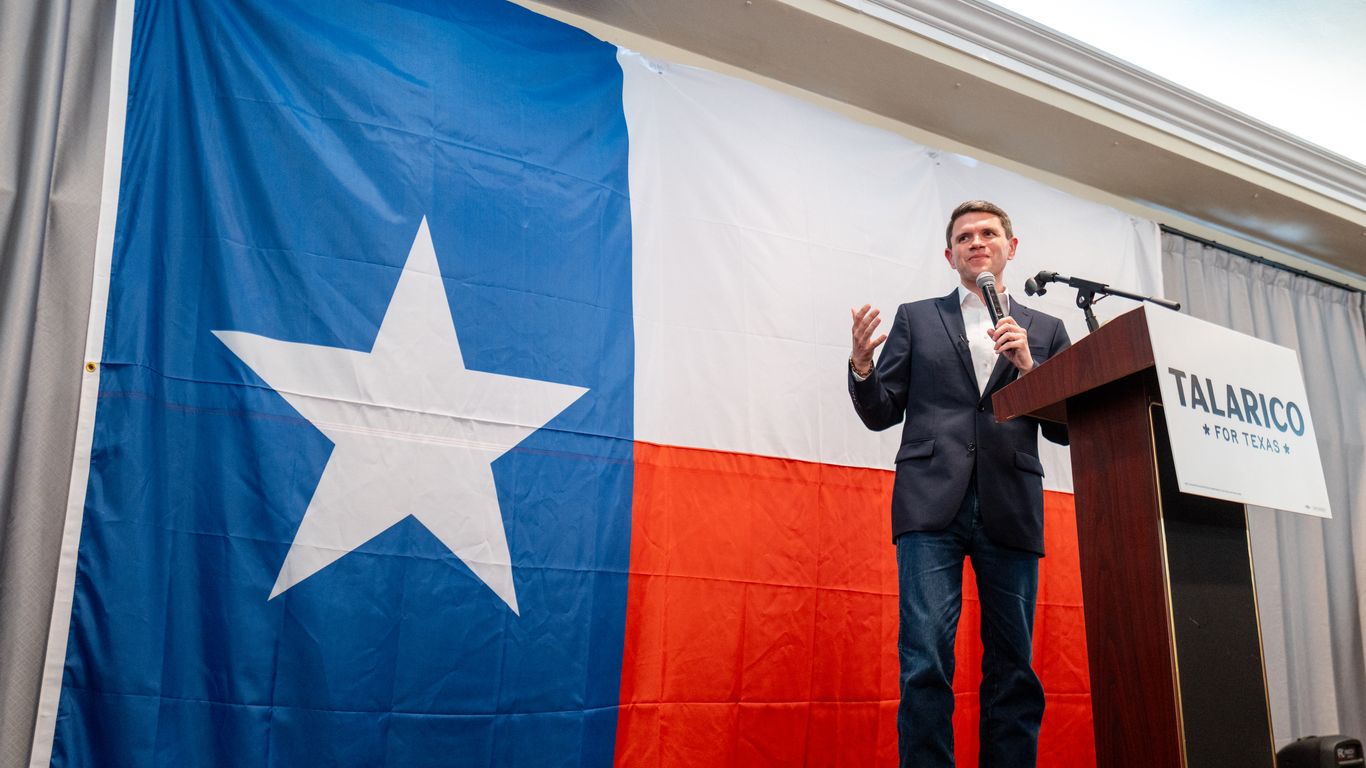
A new political survey reveals a razor-thin margin in the high-stakes race for the United States Senate in Texas. Democratic challenger James Talarico holds a narrow lead over Republican stalwart Ken Paxton. The numbers point toward an intensely competitive cycle in a state traditionally anchored by conservative infrastructure.
Political analysts and campaign strategists are closely monitoring the shift. The matchup highlights evolving voter demographics and shifting political fault lines across major Texas metro areas and rural counties alike.
The Anatomy of a Texas Senate Battle
Texas has long served as a stronghold for the Republican party, anchored by statewide officials who command deep loyalty among conservative bases. Yet, shifting populations in urban hubs such as Austin, Dallas, Houston, and San Antonio continue to alter the electoral math. James Talarico has positioned his campaign around populist economic themes and public education advocacy, drawing considerable media attention across the state.
Ken Paxton brings decades of statewide name recognition to the ballot. Having served multiple terms as the Texas Attorney General, Paxton maintains a dedicated network of grassroots conservative supporters who prioritize judicial conservatism, border enforcement, and fiscal restraint. The collision between these two distinct political brands guarantees an expensive and fiercely contested campaign trail leading up to November.
Polling Data and Voter Realignment
The latest numbers indicate that undecided voters will ultimately dictate the outcome of the race. While Talarico’s slim lead demonstrates enthusiasm among anti-establishment and progressive blocks, historical trends in Texas suggest that late-breaking conservative voters often consolidate behind the Republican nominee.
- Polling period conducted across major Texas media markets in late July and early August 2026.
- Sample size represents registered voters likely to cast ballots in the upcoming general election.
- Key issues driving voter motivation include economic inflation, property taxes, border security, and energy policy.
Campaign finance reports reveal heavy fundraising activity from both camps. Outside political action committees have also begun deploying millions of dollars in television and digital ad buys across the state, ensuring that the electorate will face a relentless stream of campaign messaging.
What Happens Next on the Campaign Trail?
Both campaigns face the challenge of expanding their coalitions beyond core supporters. Talarico must sustain momentum in suburban counties that have trended purple in recent election cycles. Paxton must unify traditional conservative factions and drive high voter turnout in rural Texas precincts where Republican margins have historically decided statewide outcomes.
Voters gathered in auditoriums. Donors gathered at private fundraisers. Pollsters monitored every shifting percentage point. Texas.