Tag: Lawsuits

  • Paramount-WBD Merger: Legal Battles and Supreme Court Appeal Ahead

    Paramount-WBD Merger: Legal Battles and Supreme Court Appeal Ahead

    The Merging Titans: Paramount and Warner Bros. Discovery

    Paramount Global’s legal team anticipates the company’s merger with Warner Bros. Discovery (WBD) will close on schedule, despite a series of lawsuits and the possibility of a Supreme Court appeal. This confidence underscores the determination of the involved parties to finalize one of the most significant media consolidations of 2026. The legal challenges reflect broader concerns about market concentration and antitrust implications within the entertainment industry.

    The proposed merger aims to create a new media powerhouse, combining Paramount’s extensive content library and distribution networks with WBD’s diverse portfolio. Both companies have been navigating a rapidly evolving media landscape, marked by intense competition from streaming services and shifting consumer habits. The strategic rationale behind the merger centers on achieving greater scale and efficiency in a highly competitive global market.

    The Legal Landscape: Multiple Fronts

    The path to merger completion has been complicated by multiple legal challenges. These lawsuits generally allege that the merger could harm competition or that the terms of the deal are not in the best interest of shareholders. Such legal actions are not uncommon in large-scale corporate mergers, particularly in sectors with significant public interest and regulatory oversight.

    Shareholder groups and consumer advocacy organizations often initiate these lawsuits. They seek to either block the merger or secure better terms for affected parties. The details of these specific lawsuits against the Paramount-WBD merger remain under judicial review in various courts. Each case adds a layer of complexity to the overall transaction timeline.

    Antitrust Concerns and Regulatory Scrutiny

    Antitrust regulators across different jurisdictions have also scrutinized the Paramount-WBD merger. Their primary concern is preventing monopolies or undue market dominance that could stifle innovation and harm consumers. The media industry has seen several large mergers in recent years, each drawing similar regulatory attention.

    The Department of Justice (DOJ) in the United States, alongside regulatory bodies in the European Union and other key markets, has been evaluating the potential impact of the combined entity. These reviews can result in conditions being imposed on the merger, such as the divestiture of certain assets, to ensure fair competition. The ongoing dialogue with these regulatory bodies is a critical component of the merger’s progression.

    The Supreme Court Appeal: A Potential Hurdle

    The possibility of an appeal reaching the Supreme Court introduces a significant, albeit less common, element to the merger’s legal trajectory. Supreme Court involvement typically occurs when lower court decisions raise fundamental questions of law or constitutional interpretation. Such an appeal would elevate the legal stakes considerably.

    A Supreme Court review could either affirm or overturn previous rulings, potentially altering the course of the merger. While the exact grounds for a Supreme Court appeal in this context are not publicly detailed, they would likely revolve around significant legal disagreements stemming from the lower court cases. The involvement of the nation’s highest court would undeniably extend the timeline and increase the scrutiny on the merger’s legal underpinnings.

    Precedent and Impact on Future Mergers

    Any Supreme Court decision regarding the Paramount-WBD merger would set a significant precedent. This precedent could influence how future large-scale media mergers are evaluated and litigated. The judicial interpretation of antitrust laws and corporate governance in this case would have lasting implications for the industry.

    Legal experts are closely watching the developments, recognizing the broader implications for corporate law and media consolidation. The outcome could either embolden or deter future merger activities in a sector already prone to rapid transformation. The legal battles are not just about Paramount and WBD; they are about the future structure of global entertainment.

    Paramount’s Stance: Confidence Amidst Adversity

    Despite the legal challenges and the potential for a Supreme Court appeal, Paramount’s legal counsel maintains a confident outlook. This confidence suggests that the company believes its legal arguments are robust and that the merger’s terms are defensible. Corporate legal strategies often involve preparing for multiple eventualities, including protracted litigation.

    The expectation of an on-time closure indicates that the legal team has factored in these challenges. They likely have developed strategies to navigate them without significantly delaying the integration process. This proactive approach is crucial in large transactions where delays can lead to increased costs and market uncertainty.

    Strategic Rationale for the Merger

    The strategic benefits driving the Paramount-WBD merger are substantial. A combined entity would possess a vast array of intellectual property, including iconic film franchises, popular television series, and extensive news and sports programming. This scale could provide a competitive edge against other major players like Disney, Netflix, and Amazon.

    Furthermore, the merger is expected to generate significant synergies, leading to cost efficiencies in operations, content production, and distribution. These financial advantages are often a primary motivator for such large-scale corporate unions. The companies aim to enhance their streaming offerings and global reach, adapting to changing consumption patterns.

    The Future of Media Consolidation

    The Paramount-WBD merger represents a continuing trend of consolidation within the media industry. Companies are seeking to achieve greater scale, diversify revenue streams, and enhance their competitive positions. This trend is driven by technological advancements, evolving consumer preferences, and the global race for content dominance.

    The outcome of the legal battles surrounding this merger will provide insights into the regulatory and judicial appetite for further consolidation. It will test the boundaries of existing antitrust frameworks in a digital age. The industry watches closely to understand the future landscape of media ownership and content distribution.

    Lawsuits challenge. Regulatory bodies scrutinize. Appeals loom. The industry waits.

    Consolidation.
  • Supreme Court Blocks Lawsuits Over Chemical Risks – A Blow to Consumer Protection

    Supreme Court Blocks Lawsuits Over Chemical Risks – A Blow to Consumer Protection

    The Supreme Court’s Decision on Chemical Risks

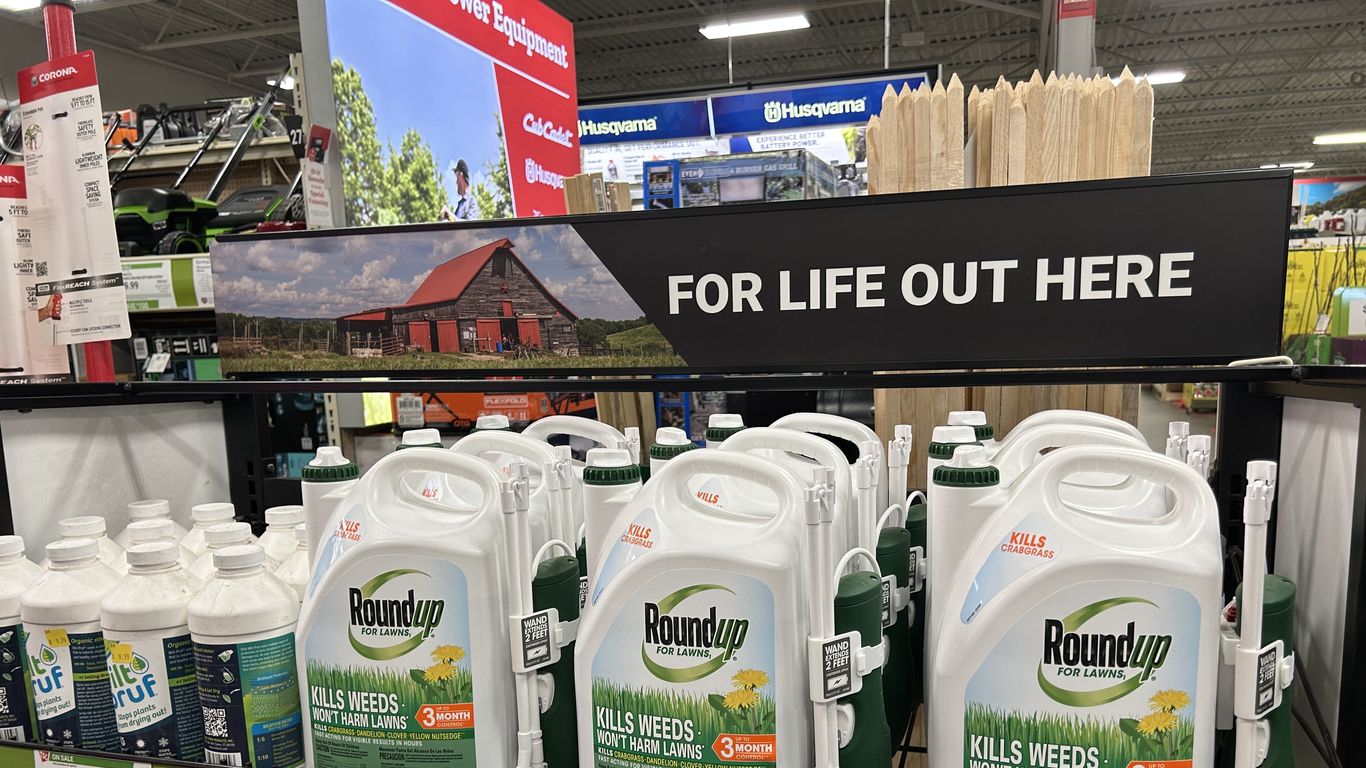
    On June 25, 2026, the U.S. Supreme Court issued a ruling that effectively blocked lawsuits related to chemical risks. This decision carries significant implications for both corporate accountability and consumer protection, potentially narrowing the pathways for individuals to seek legal redress for harm caused by exposure to hazardous chemicals.

    The ruling stems from a complex legal landscape involving federal statutes, state tort laws, and the principle of preemption. This concept dictates when federal law overrides state law, often at the heart of disputes between industry and public interest groups.

    Background of the Case

    The case, which originated in lower federal courts, involved multiple plaintiffs who alleged various health complications due to prolonged exposure to specific industrial chemicals. These chemicals were widely used in manufacturing processes and consumer products across several states.

    The plaintiffs contended that manufacturers failed to adequately warn consumers about the inherent dangers of their products. They sought compensation for medical expenses, lost wages, and pain and suffering, relying on state-level product liability laws.

    Industry defendants argued that their products complied with federal regulations established by agencies such as the Environmental Protection Agency (EPA) and the Food and Drug Administration (FDA). They asserted that these federal standards should preempt, or override, state-level claims, thereby shielding them from additional liability.

    The Legal Arguments Presented

    Arguments before the Supreme Court focused heavily on the interpretation of federal statutes like the Toxic Substances Control Act (TSCA) and the Federal Insecticide, Fungicide, and Rodenticide Act (FIFRA). These acts grant federal agencies the authority to regulate chemical substances and their labeling.

    Attorneys for the chemical manufacturers argued that Congress intended these federal laws to establish a comprehensive regulatory framework. This framework, they maintained, should preclude states from imposing different or more stringent requirements through litigation.

    Conversely, counsel for the plaintiffs argued that federal regulations set a floor, not a ceiling, for safety standards. They contended that state common law claims serve as a crucial complementary mechanism for protecting citizens and ensuring corporate responsibility, especially when federal oversight might be insufficient.

    Amicus curiae briefs were filed by a wide array of organizations. These included industry trade groups like the American Chemistry Council, advocating for preemption, and consumer advocacy groups such as Public Citizen, arguing against it.

    The Court’s Majority Opinion

    The majority opinion, delivered by Justice Alito, emphasized the principle of federal uniformity in regulating complex industries. The Court found that certain federal statutes, particularly those governing chemical safety, were intended by Congress to be sufficiently comprehensive to preempt state-level tort claims.

    The opinion highlighted the potential for a patchwork of state laws to create undue burdens on interstate commerce and undermine the consistent application of federal policy. It suggested that allowing state lawsuits in these specific circumstances would intrude upon the regulatory authority delegated to federal agencies.

    The Court’s reasoning centered on the idea that federal agencies possess the scientific expertise and resources to balance economic benefits with public health risks. This balance, the majority concluded, should not be subject to re-evaluation by individual state juries.

    This interpretation marks a significant shift in the balance of power between federal regulatory authority and state common law remedies in the context of environmental and product liability.

    Dissenting Views and Concerns

    Justice Sotomayor authored a vigorous dissent, joined by Justices Kagan and Jackson. The dissent argued that the majority’s interpretation of federal preemption was overly broad and would leave injured individuals without adequate recourse.

    The dissenting justices emphasized the historical role of state tort law in holding corporations accountable for harm. They argued that federal regulations often represent minimum standards, and that state lawsuits provide an essential incentive for manufacturers to exceed those minimums.

    The dissent also raised concerns about the practical implications for public health. It suggested that blocking these lawsuits would reduce corporate incentives to invest in safer product designs and more transparent risk disclosures. This could lead to a decrease in overall product safety, potentially increasing public exposure to dangerous chemicals.

    Environmental justice advocates specifically noted that communities already disproportionately affected by pollution might bear an even greater burden. They warned that the ruling could exacerbate existing health disparities.

    Impact on Corporate Accountability

    The Supreme Court’s decision is expected to have a substantial impact on corporate accountability, particularly within the chemical manufacturing sector. Companies may face fewer lawsuits related to chemical exposure, potentially reducing their legal defense costs and liability payouts.

    This ruling could embolden manufacturers to rely more heavily on federal compliance as a shield against state-level claims. It may also influence how companies approach product development, risk assessment, and public disclosure of chemical hazards.

    Critics of the decision argue that it weakens the deterrent effect of litigation. They contend that the threat of lawsuits often compels companies to prioritize safety beyond what federal regulations explicitly mandate.

    Conversely, industry proponents argue that the decision provides much-needed regulatory certainty. This certainty, they claim, will foster innovation and investment in the chemical sector by reducing unpredictable legal risks.

    Implications for Consumer Protection

    For consumers, the ruling presents a more challenging landscape for seeking compensation for injuries caused by chemical exposure. The avenues for legal recourse may become significantly narrower, particularly in cases where federal regulations were met.

    Consumer protection advocates expressed deep concern that this decision could leave individuals vulnerable to harm without effective means of redress. They argue that it places a greater burden on federal agencies, which are often under-resourced, to police chemical safety effectively.

    The decision might also shift the focus of advocacy efforts. Instead of pursuing litigation, consumer groups may intensify their lobbying for stronger federal regulations and increased funding for agencies like the EPA and FDA.

    Individuals seeking compensation for harm may now need to demonstrate that a manufacturer violated specific federal standards, a higher bar than proving negligence under state common law.

    Future of Environmental Litigation

    The Supreme Court’s ruling on June 25, 2026, is poised to reshape the future of environmental litigation in the United States. It signals a judiciary increasingly inclined to favor federal preemption in areas involving complex industrial regulation.

    Legal scholars predict a potential decrease in the number of state-level product liability lawsuits against chemical companies. This shift could lead to a re-evaluation of litigation strategies by environmental law firms and public interest organizations.

    The decision may also spur new legislative efforts at both federal and state levels. Advocates for stronger environmental protections might push Congress to amend existing statutes to explicitly preserve state tort remedies.

    Conversely, industry groups may lobby for further preemption language in future legislation. The battle over the balance between federal and state authority in environmental matters is likely to continue in both the courts and legislative chambers.

    Reactions from Stakeholders

    Public health organizations, including the American Public Health Association, released statements expressing alarm. They highlighted the potential for increased public health risks and reduced corporate accountability.

    Environmental advocacy groups, such as the Sierra Club and the Environmental Working Group, condemned the ruling. They called it a significant setback for environmental protection and individual rights.

    Industry associations, including the National Association of Manufacturers, lauded the decision. They characterized it as a victory for regulatory clarity and economic competitiveness, reducing the burden of what they often describe as frivolous lawsuits.

    Legal experts across various universities offered mixed reactions. Some supported the Court’s emphasis on federal uniformity, while others criticized what they perceived as an erosion of state sovereignty and citizen protections.

    The Path Forward

    The implications of this Supreme Court decision will unfold over the coming months and years. It will influence legal strategies, corporate practices, and public policy debates.

    Individuals harmed by chemical exposure will need to explore new legal avenues or rely more heavily on federal regulatory enforcement. Legal challenges may now focus more intensely on proving violations of specific federal statutes rather than broader common law principles.

    Activists will likely intensify their efforts to influence legislative bodies, advocating for statutory changes that explicitly protect the right to sue for chemical-related injuries. The political arena may become the primary battleground for these issues.

    The regulatory agencies themselves, like the EPA and FDA, will face increased scrutiny and pressure to ensure their oversight effectively protects public health in the absence of robust state-level litigation.

    Citizens will continue to organize. Advocates will continue to educate. Legislators will continue to debate.

    The courts will continue to interpret.

    Chemicals.

  • The Kennedy Center Battle: From Trump Removal to ‘Lifeless Husk’

    The Kennedy Center Battle: From Trump Removal to ‘Lifeless Husk’

    The battle over the John F. Kennedy Center for the Performing Arts has entered a new and contentious phase. The same Democratic operative who previously launched a legal campaign to remove Donald Trump’s name from the institution’s donor walls is now fighting a different war. In a fresh legal dispute, this individual claims the iconic Washington, D.C., venue is rapidly deteriorating into a “lifeless husk.” The conflict underscores a growing crisis regarding the politicization, management, and cultural vitality of America’s premier national monuments.

    The Kennedy Center stands as a monument to both American arts and political legacy. Located on the banks of the Potomac River, it serves as a living memorial to the 35th president. It is also a complex financial entity. The center receives significant federal funding but relies heavily on private philanthropy to maintain its programming and facilities. This dual structure makes every decision, from programming choices to donor recognition, a matter of intense public scrutiny.

    For years, the center has navigated the delicate balance between artistic expression and political neutrality. But recent events suggest that balance is failing. The institution finds itself caught in the crossfire of America’s broader cultural wars. The fight over Trump’s name was just the opening salvo. The current dispute strikes at the very heart of what the Kennedy Center is supposed to be.

    The Initial Fight: Erasing a Name

    The controversy began with a name etched in stone. Donald Trump, long before his presidency, was a significant donor to various cultural and civic institutions. The Kennedy Center was among them. His contributions earned him a place on the center’s donor recognition walls. For decades, this was a non-issue. It was simply a factual record of financial support.

    That changed as the political climate intensified. A Democratic operative, whose identity has been central to these legal maneuvers, filed a lawsuit demanding the removal of Trump’s name. The argument centered on the assertion that the former president’s presence on the wall was incompatible with the values the center purported to uphold. It was a push for retroactive curation of the institution’s history.

    The lawsuit sparked immediate debate. Critics viewed it as a dangerous precedent. They argued that erasing a donor’s name based on subsequent political disagreements threatens the foundation of philanthropic giving. If a name can be removed because the political winds shift, what guarantee does any donor have? Supporters of the lawsuit, however, maintained that institutions have a moral obligation to distance themselves from figures they deem controversial.

    The Kennedy Center leadership found itself in an impossible position. To remove the name would alienate a segment of the public and potentially chill future donations. To keep it would invite ongoing protests and legal challenges. The institution’s response was measured, reflecting a desire to avoid setting a broad precedent while managing immediate public relations pressures. But the damage to the center’s reputation as a neutral arbiter of culture was already done.

    The New Claim: A “Lifeless Husk”

    Now, the narrative has shifted dramatically. The same individual who fought to sanitize the donor walls is leveling a far more existential critique. The claim that the Kennedy Center is becoming a “lifeless husk” suggests a profound failure of leadership and vision. It is a striking indictment from someone who previously sought to protect the institution’s moral purity.

    What does “lifeless husk” mean in the context of a performing arts center? It points to a perceived decline in vibrancy, relevance, and artistic courage. It suggests an institution that is merely going through the motions, prioritizing safety and administrative survival over bold cultural engagement. The phrase evokes an image of a grand building hollowed out from within.

    Several factors may contribute to this perception. The ongoing politicization of the center’s operations has undoubtedly taken a toll. When an institution becomes a battleground for partisan disputes, its core mission often suffers. Energy is diverted from artistic programming to crisis management. The focus shifts from what happens on the stages to what is written on the walls.

    Furthermore, the financial realities of running a massive cultural complex in Washington, D.C., are daunting. The center must constantly balance its budget, often relying on proven, safe programming to ensure ticket sales and appease conservative donors. This financial pressure can stifle innovation and lead to a homogenization of the artistic offerings. If the programming becomes predictable and uninspiring, the “lifeless husk” critique gains traction.

    The Role of Federal Funding and Oversight

    The Kennedy Center’s unique status as a federally supported institution complicates matters further. It receives millions of dollars annually from the federal government for maintenance and operations. This funding comes with strings attached, including congressional oversight and public accountability.

    When the center becomes embroiled in controversy, lawmakers take notice. The politicization of the venue can lead to threats of funding cuts or increased scrutiny of its operations. This creates a chilling effect on the center’s leadership. They must constantly weigh the artistic merits of their decisions against the potential political fallout. It is a recipe for institutional paralysis.

    The federal connection also means that the center is viewed as a reflection of the nation itself. When the center is perceived as failing, it is seen as a broader failure of American cultural ambition. The “lifeless husk” accusation is not just a critique of a building; it is a critique of the state of national arts funding and administration.

    The Broader Cultural Implications

    The situation at the Kennedy Center is a microcosm of a larger national trend. Across the country, cultural institutions are grappling with similar challenges. Museums, universities, and performing arts centers are facing intense pressure to align with specific political or ideological viewpoints. The demand for purity tests and retroactive cancellations is growing.

    This trend threatens the very purpose of these institutions. Cultural centers are supposed to be spaces for exploration, debate, and the free exchange of ideas. They should challenge audiences, not merely affirm their pre-existing beliefs. When institutions prioritize political safety over artistic risk, they lose their vitality. They become echoes of the prevailing orthodoxy rather than engines of cultural progress.

    The fight over the Kennedy Center highlights the dangers of this approach. By focusing on erasing names and policing the political affiliations of donors, the institution has distracted from its core mission. The energy spent on these battles could have been directed toward fostering new talent, commissioning groundbreaking works, and engaging diverse audiences. Instead, the center is mired in legal disputes and accusations of decline.

    The Future of Philanthropy

    The controversy also raises serious questions about the future of philanthropy in the arts. Major cultural institutions rely heavily on the generosity of wealthy individuals. These donors often expect recognition for their contributions, typically in the form of naming rights or prominent placement on donor walls.

    If the Kennedy Center precedent holds, donors may become increasingly hesitant to attach their names to public institutions. The fear of future cancellation or retroactive removal could chill giving. Why donate millions of dollars if your legacy can be erased by a future political shift? This uncertainty threatens the financial stability of the entire cultural sector.

    Institutions must find a way to navigate these waters without alienating the benefactors they depend on. They need clear, consistent policies regarding donor recognition that are insulated from short-term political pressures. Without such policies, the arts will suffer, and the institutions that support them will continue to erode.

    A Warning for National Monuments

    The transformation of the Kennedy Center from a symbol of national pride to a battleground of cultural warfare is a warning. It demonstrates how quickly an institution can lose its way when it allows politics to dictate its operations. The “lifeless husk” critique is a symptom of a deeper malaise.

    The center was designed to be a living memorial, a place where the American spirit could find expression through the arts. If it is reduced to a hollow shell, it will be a profound loss for the nation. The ongoing legal fights and public controversies are distracting from the urgent need to revitalize the institution.

    The solution requires a renewed commitment to the center’s original mission. It requires leadership that is willing to defend artistic freedom and resist the pressure to conform to political demands. It requires a recognition that cultural institutions must serve the entire nation, not just a specific ideological faction. The path forward is difficult, but the alternative is unacceptable.

    The lawsuits continue. The accusations fly. The building stands.

    The future remains uncertain.

    The Kennedy Center.

  • The Collapse of E3 Chophouse – Why Jason Aldean and Luke Bryan Are Facing Legal Action

    The Collapse of E3 Chophouse – Why Jason Aldean and Luke Bryan Are Facing Legal Action

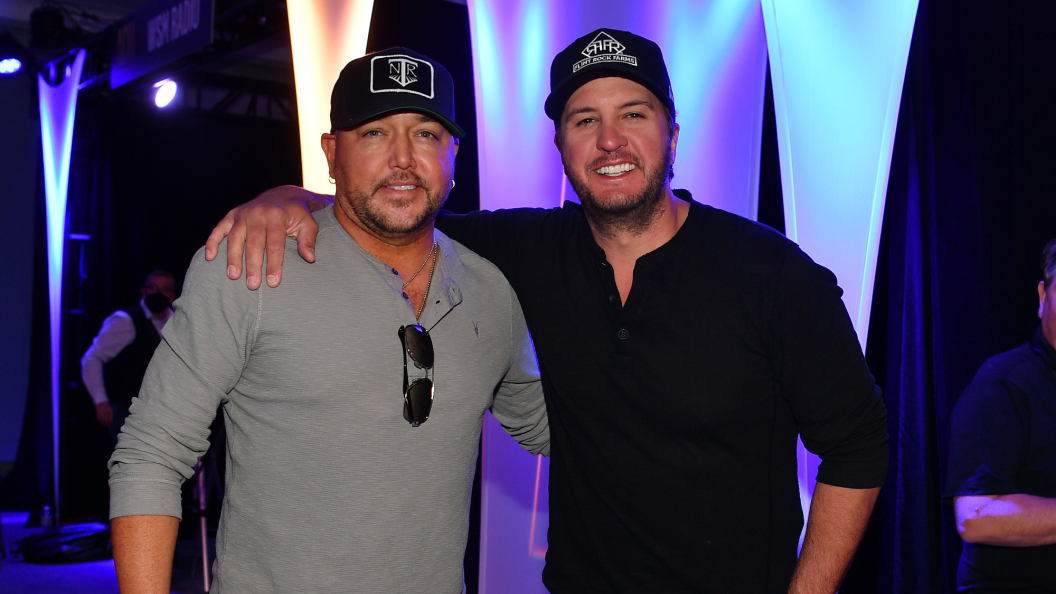
    Jason Aldean and Luke Bryan are facing legal action following the sudden closure of E3 Chophouse, their high-end Nashville restaurant partnership with former Major League Baseball player Adam LaRoche. The lawsuits, stemming from the restaurant’s abrupt shutdown, center on allegations of unpaid debts, breach of contract, and financial mismanagement. The legal fallout highlights the stark financial realities behind celebrity-backed hospitality ventures in Music City.

    The story of Nashville’s celebrity bars is usually one of endless expansion. Millions of tourists pour onto Lower Broadway every year. They drink under neon signs bearing the names of country music’s biggest stars. The money flows in a predictable, high-volume current.

    But E3 Chophouse was different. It was not a honky-tonk. It was not on Broadway. It was a luxury dining experience built on a specific agricultural promise. And now, it is a legal battleground.

    The Vision for a Music City Chophouse

    The concept began in Fort Scott, Kansas. Adam LaRoche owned the E3 Ranch. He raised hormone-free, antibiotic-free Black Angus cattle. He wanted to bring that beef directly to consumers. He opened the first E3 Chophouse in Steamboat Springs, Colorado.

    Then he looked to Nashville.

    LaRoche partnered with his close friends, country superstars Jason Aldean and Luke Bryan. They envisioned a flagship location in the heart of Tennessee. In 2019, they opened the doors at 1628 21st Avenue South. The location was deliberate. They chose Hillsboro Village, a trendy neighborhood near Vanderbilt University, far removed from the bachelorette party chaos of Lower Broadway.

    The building was a statement. It spanned 4,700 square feet across three stories. It featured a rooftop patio, private VIP dining rooms, and an aesthetic that blended rustic ranch elements with modern luxury. The menu was unapologetically high-end. Steaks commanded premium prices. The wine list was extensive.

    For a brief moment, it worked. The star power drew initial crowds. The quality of the E3 Ranch beef earned positive reviews. But a restaurant is a machine. It requires constant momentum to survive.

    The Geography of Nashville Hospitality

    To understand the failure of E3 Chophouse, one must understand the geography of Nashville’s hospitality industry. Location dictates the business model.

    Lower Broadway is a volume game. Venues like Jason Aldean’s Kitchen + Rooftop Bar and Luke’s 32 Bridge operate on massive foot traffic. They sell thousands of beers and well drinks every night. The margins on alcohol are immense. More importantly, those bars are operated by TC Restaurant Group. The celebrities license their names and likenesses, but hospitality professionals manage the day-to-day operations, the payroll, and the supply chain.

    E3 Chophouse was an independent venture. It relied on destination dining. Customers had to seek it out. They had to make reservations. They had to commit to a high-ticket meal.

    A steakhouse operates on razor-thin margins. The cost of goods sold is exceptionally high. Premium beef is expensive to raise, expensive to transport, and expensive to prepare. When food costs rise, a steakhouse cannot easily pivot to cheaper ingredients without destroying its brand identity.

    The Economics of High-End Beef

    The timing of the Nashville expansion proved disastrous. E3 Chophouse opened in late 2019. Months later, the global pandemic shattered the hospitality industry. Fine dining was hit the hardest.

    Even as Nashville recovered, the economic landscape had permanently shifted. Inflation drove up the cost of everything. The supply chain from Fort Scott, Kansas to Nashville, Tennessee became more expensive to maintain. Labor costs in Davidson County surged as restaurants competed for a shrinking pool of experienced kitchen staff.

    A honky-tonk can survive inflation by raising the price of a domestic beer by one dollar. A high-end chophouse cannot easily pass a thirty percent increase in beef costs onto the consumer. There is a ceiling to what diners will pay for a ribeye, even one backed by Luke Bryan and Jason Aldean.

    The math stopped working. The revenue could no longer cover the fixed costs of a three-story commercial lease in Hillsboro Village, the premium payroll, and the expensive agricultural supply chain.

    The Abrupt Shutdown

    The end came quietly, then all at once. In May 2024, E3 Chophouse locked its doors. There was no grand farewell. There was no press release explaining the decision.

    The restaurant’s social media accounts went dark. The reservation system was deactivated. Employees arrived to find the business closed. Vendors who delivered fresh produce and premium goods were left holding unpaid invoices.

    In the restaurant industry, an abrupt shutdown is rarely a clean break. It is usually the first domino in a long chain of financial and legal consequences. When a business stops generating cash flow, the existing debts immediately become toxic.

    The Lawsuits and Legal Mechanics

    The silence did not last long. Lawsuits quickly followed the closure. Creditors, vendors, and business partners began seeking restitution.

    The legal actions center on breach of contract and unpaid debts. When a commercial entity like an LLC fails, creditors look for assets to liquidate. They look for unpaid capital commitments. They look for any avenue to recover their losses.

    This is where the celebrity involvement becomes complicated. Businesses like E3 Chophouse are structured as Limited Liability Companies (LLCs). The primary purpose of an LLC is to shield the personal assets of the owners from the debts of the business. If the restaurant fails, the LLC goes bankrupt, but the owners’ personal bank accounts remain untouched.

    However, creditors will often attempt to “pierce the corporate veil.” They will look for instances where personal and business funds were commingled. They will look for personal guarantees signed by the owners to secure commercial leases or vendor credit lines. If a celebrity owner signed a personal guarantee to secure a prime piece of real estate, they can be held personally liable for the remaining lease payments.

    The Financial Firewall

    For Jason Aldean and Luke Bryan, the legal strategy is containment. They have massive personal portfolios. They have touring revenue, publishing catalogs, and highly successful licensing deals with TC Restaurant Group on Lower Broadway.

    The goal of their legal representation will be to keep the E3 Chophouse fallout isolated. They will argue that the LLC is a distinct entity. They will likely push for settlements that quietly resolve the vendor disputes without exposing their broader financial empires to discovery or liability.

    The public relations strategy is silence. Neither artist has issued a substantive public statement regarding the lawsuits. In the modern media landscape, acknowledging a business failure often draws more attention to it. The Natural Observer notes that silence is a standard tactic in celebrity litigation. You do not argue the case in the press. You argue it in Davidson County Chancery Court.

    The Broader Celebrity Restaurant Curse

    E3 Chophouse is not an anomaly. It is part of a long tradition of celebrity restaurant failures. The hospitality graveyard is full of vanity projects.

    Toby Keith’s I Love This Bar & Grill chain faced massive closures and lawsuits over unpaid rent and taxes. Jimmy Buffett’s Margaritaville empire is the exception, not the rule, and it succeeded because it prioritized merchandise and licensing over culinary ambition.

    A famous name can generate initial buzz. It can secure a favorable lease. It can attract early investors. But a famous name cannot cook a steak. A famous name cannot manage a kitchen schedule. A famous name cannot balance a weekly ledger.

    When the initial hype fades, the restaurant must survive on its own merits as a business. If the margins are wrong, if the location is slightly off, if the supply chain is too expensive, the business will fail. Celebrity only delays the inevitable.

    The Future of the E3 Space

    The building at 1628 21st Avenue South sits empty. It is a prime piece of commercial real estate in one of Nashville’s most desirable neighborhoods. Eventually, the courts will untangle the lease.

    The custom fixtures will be liquidated. The kitchen equipment will be sold at auction. A new tenant will sign a new lease. They will likely paint over the rustic ranch aesthetic. They will build a new concept.

    The lawsuits will drag on for months, perhaps years. Lawyers will file motions. Mediators will propose settlements. The financial reality of the closure will be reduced to line items on legal documents.

    Down on Lower Broadway, the neon lights still burn. The tourists still arrive. The music still plays. The branding machine still turns.

    But in Hillsboro Village, the doors stay locked. The lawyers draft the filings. The ledger remains unbalanced. Silence.