Tag: Lawsuit

  • Simon Leviev Settles Lawsuit with Leviev Diamond Family

    Simon Leviev Settles Lawsuit with Leviev Diamond Family

    Simon Leviev, internationally recognized as ‘The Tinder Swindler’, has formally settled the high-profile lawsuit initiated against him by the Leviev diamond family. The agreement, finalized on July 10, 2026, concludes a legal battle that commenced in March 2022. The terms of the settlement remain undisclosed.

    This resolution addresses the claims made by the prominent diamond dynasty, which accused Leviev of falsely presenting himself as a member of their family. The lawsuit sought to prevent him from continuing to use the Leviev surname and to obtain financial compensation for the alleged damages.

    The Origins of the Legal Battle

    The Leviev diamond family, a globally recognized entity in the luxury diamond trade, filed a lawsuit against Simon Leviev in March 2022. The suit was lodged in the Tel Aviv Magistrate’s Court in Israel. This legal action followed the widespread attention garnered by the Netflix documentary, ‘The Tinder Swindler’.

    The documentary detailed how Simon Leviev, whose birth name is Shimon Hayut, allegedly defrauded multiple women across Europe. He reportedly posed as the son of Russian-Israeli diamond mogul Lev Leviev, founder of L.L.D Diamonds. This false identity allowed him to cultivate relationships and subsequently solicit large sums of money from his victims, claiming he needed funds due to security threats against his ‘family’ and business.

    The Leviev family’s lawsuit explicitly stated that Simon Leviev had “falsely represented himself as the son of Lev Leviev and took advantage of his surname to make fraudulent representations.” They sought damages for identity theft, emotional distress, and the significant harm to their family’s reputation and business integrity.

    Allegations of Impersonation and Deception

    The core of the Leviev family’s complaint centered on Simon Leviev’s alleged impersonation. They asserted that he leveraged their renowned name and established reputation within the diamond industry to gain trust and exploit individuals. The family maintained that they had no connection whatsoever to Shimon Hayut, nor did they endorse his activities.

    The lawsuit aimed to secure a court order preventing Simon Leviev from using the Leviev surname. It also sought financial restitution for the various harms inflicted. The family emphasized the distress caused by the association of their legitimate and respected business with Leviev’s fraudulent schemes.

    The Netflix Documentary’s Impact

    The 2022 Netflix documentary ‘The Tinder Swindler’ brought Simon Leviev’s alleged actions to a global audience. The film chronicled the experiences of several women who claimed to have been defrauded by him after meeting on the dating app Tinder. It depicted a pattern of sophisticated manipulation, where Leviev would build intense relationships, then feign financial distress or danger to extract money from his victims.

    The documentary’s release amplified the public’s awareness of Leviev’s activities. It also inadvertently brought increased scrutiny and unwanted association to the legitimate Leviev diamond family. This public exposure was a significant catalyst for the family’s decision to pursue legal action.

    Public Reaction and Media Scrutiny

    The story of ‘The Tinder Swindler’ resonated widely, sparking discussions about online dating safety, financial fraud, and victim shaming. Media outlets extensively covered the documentary and its aftermath. Simon Leviev became a figure of considerable public fascination and condemnation.

    The Leviev family, while uninvolved in Leviev’s schemes, found themselves grappling with the reputational fallout. Their legal action was, in part, an attempt to reclaim their name and dissociate from the individual who had exploited it.

    Details of the Settlement

    The settlement reached on July 10, 2026, officially brings an end to the legal proceedings between Simon Leviev and the Leviev diamond family. While the specific terms of the agreement have not been disclosed, such settlements typically involve a combination of financial compensation and injunctions against future actions.

    It is common in high-profile cases for settlement details to remain confidential. This confidentiality can protect the privacy of the parties involved and prevent further public spectacle. Both sides likely sought a resolution that would allow them to move forward without prolonged litigation.

    Implications for Simon Leviev

    For Simon Leviev, this settlement marks the conclusion of a significant legal challenge. While the financial implications are unknown, it may include an agreement to cease using the Leviev surname in any public or business capacity. This would be a crucial outcome for the diamond family, who sought to protect their brand.

    Leviev has faced numerous legal issues in various countries. He has served prison time for fraud-related offenses. The settlement of this lawsuit does not erase his past legal record but closes one chapter in his ongoing legal saga.

    Implications for the Leviev Family

    For the Leviev diamond family, the settlement provides a measure of closure. It likely includes provisions designed to safeguard their name and reputation moving forward. The family had stated their primary goal was to prevent further misuse of their identity and to clear their name from the association with fraudulent activities.

    The resolution allows the family to focus on their legitimate diamond business, free from the direct legal entanglement with Simon Leviev. Their pursuit of justice aimed to protect a legacy built over decades in the global diamond industry.

    The Broader Context of Identity Theft and Online Fraud

    The case of Simon Leviev highlights the increasing prevalence and sophistication of identity theft and online fraud. His methods, as depicted in the documentary, involved careful cultivation of trust, elaborate staging, and emotional manipulation.

    Such incidents underscore the importance of due diligence in online interactions, particularly those involving financial requests. The digital age has opened new avenues for fraudsters to operate, often leveraging personal information and social engineering tactics.

    Protecting Against Impersonation

    Businesses and individuals alike face challenges in protecting their identities and reputations from impersonation. For established brands like the Leviev diamond family, the misuse of their name can have significant commercial and reputational consequences. Legal action, as demonstrated in this case, can be a necessary step to mitigate such damage.

    For individuals, verifying identities and exercising caution in online relationships are critical. The ‘Tinder Swindler’ case serves as a stark reminder of the potential for deception in digital spaces.

    Moving Forward

    The settlement between Simon Leviev and the Leviev diamond family concludes a highly publicized legal dispute. It underscores the challenges faced by victims of fraud and the complex nature of seeking justice in an interconnected world.

    The family pursued legal avenues. The individual faced consequences. The public observed.

    Justice.

  • U.S. Agency Sues New York Times Over Alleged Discrimination Against White Male Employee

    U.S. Agency Sues New York Times Over Alleged Discrimination Against White Male Employee

    The U.S. Equal Employment Opportunity Commission has sued The New York Times Company, a development stemming from allegations that the newspaper discriminated against a white male employee. This legal maneuver by the prominent media organization indicates a firm stance against the government’s claims, asserting its right to defend its employment practices.

    This action places the long-standing institution in a public legal confrontation over issues of workplace diversity and alleged reverse discrimination. The case draws attention to the complex landscape of employment law and the implementation of equity initiatives within large corporations.

    The Initial Allegations Against The New York Times

    The federal government initially brought claims against The New York Times. These claims centered on accusations of discrimination. Specifically, the government alleged that the newspaper’s employment practices disadvantaged a white male individual.

    The details of these initial allegations have not been fully disclosed in public reports. However, they prompted a significant response from the newspaper. The government’s involvement suggests a perceived violation of federal anti-discrimination statutes.

    These statutes are designed to protect all individuals from discrimination based on race, gender, and other protected characteristics. The case highlights the scrutiny major employers face regarding their hiring, promotion, and termination policies.

    The New York Times’ Countersuit Strategy

    The New York Times’ decision to countersue represents a proactive legal strategy. This move allows the newspaper to challenge the government’s assertions directly. It also provides an opportunity to present its own defense and interpretation of events.

    A countersuit typically aims to dismiss the original claims or to seek damages from the party that initiated the lawsuit. In this context, The New York Times is likely seeking to protect its reputation and financial interests.

    The legal filing would involve detailed arguments regarding the newspaper’s compliance with employment laws. It would also address the specific circumstances surrounding the white male employee’s claims. This type of litigation can be lengthy and complex, involving extensive discovery and potential public testimony.

    Legal Precedents and Workplace Equity

    This case unfolds against a backdrop of evolving legal interpretations regarding workplace equity. Debates surrounding affirmative action and diversity, equity, and inclusion (DEI) initiatives have become more pronounced in recent years.

    Legal scholars and employment law practitioners are closely watching cases that test the boundaries of these policies. The concept of reverse discrimination, where members of historically dominant groups allege discrimination, has gained more attention.

    Courts often examine whether employment decisions are based on legitimate, non-discriminatory reasons. They scrutinize whether policies inadvertently or intentionally create disparate impacts based on protected characteristics.

    The Broader Implications for Media Organizations

    The New York Times is a globally recognized media institution. Its legal battles often attract significant public and industry attention. This countersuit could set precedents or influence practices across the media landscape.

    Other news organizations, facing similar pressures to diversify their workforces, will likely observe the proceedings closely. The outcome could impact how media companies design and implement their internal diversity programs.

    The case also touches upon the public perception of media organizations. Many media entities have publicly committed to increasing diversity within their ranks. Legal challenges to these efforts can generate public discourse and scrutiny.

    Public Discourse on Diversity and Inclusion

    The legal dispute involving The New York Times intersects with a broader national conversation on diversity, equity, and inclusion. Companies across various sectors have adopted DEI initiatives to address historical imbalances and foster more inclusive workplaces.

    These initiatives aim to create environments where individuals from all backgrounds feel valued and have equal opportunities. However, the implementation of such programs has sometimes led to legal challenges, as seen in this case.

    Critics of certain DEI practices argue they can lead to unintended consequences, including reverse discrimination. Supporters contend that these initiatives are necessary to dismantle systemic barriers and promote genuine equality.

    The Role of the U.S. Government in Employment Disputes

    The involvement of the U.S. government in this case is significant. Federal agencies, such as the Equal Employment Opportunity Commission (EEOC), are responsible for enforcing anti-discrimination laws.

    When the government initiates a claim, it suggests a finding of probable cause that discrimination occurred. This adds a layer of official weight to the allegations against The New York Times.

    The government’s role is to ensure compliance with federal statutes like Title VII of the Civil Rights Act of 1964. This act prohibits employment discrimination based on race, color, religion, sex, and national origin.

    Federal Oversight and Corporate Accountability

    Federal oversight of employment practices serves as a mechanism for corporate accountability. It ensures that even large and influential organizations adhere to national standards of fairness and equality in the workplace.

    The government’s decision to pursue a claim against The New York Times indicates a commitment to investigating all forms of alleged discrimination. This includes cases where the complainant belongs to a demographic group not traditionally associated with experiencing workplace bias.

    Such cases underscore the universal application of anti-discrimination laws. These laws are designed to protect all individuals, regardless of their background or perceived majority status.

    Understanding the Legal Process

    The legal process for a countersuit involves several stages. Following the initial filing, there will be a period of discovery. This is when both parties exchange information and evidence relevant to the case.

    Depositions, interrogatories, and requests for documents are common during discovery. These processes allow each side to build their arguments and understand the opposing party’s position.

    After discovery, there may be motions for summary judgment. These motions ask the court to rule on the case without a full trial, based on the undisputed facts. If a settlement is not reached, the case could proceed to trial.

    Potential Outcomes and Resolution

    The potential outcomes of this legal battle are varied. The New York Times could succeed in having the government’s claims dismissed. Alternatively, the government could prevail, leading to potential damages or mandated changes in the newspaper’s practices.

    Settlement is also a common resolution in such cases. Both parties might agree to a confidential settlement to avoid the expense and public scrutiny of a prolonged trial. The specifics of any settlement would likely remain private.

    The final resolution will have implications for both The New York Times and the broader understanding of anti-discrimination law. It will contribute to the ongoing legal dialogue about workplace fairness.

    The Historical Context of Diversity Initiatives

    Diversity initiatives in the workplace have a rich historical context. They emerged from the civil rights movement of the mid-20th century, aiming to correct historical injustices and promote equal opportunity.

    Early efforts focused on affirmative action to increase representation of underrepresented groups. Over time, the focus expanded to include broader concepts of diversity and inclusion, recognizing the value of varied perspectives.

    Many organizations now view diversity not just as a legal obligation but as a strategic asset. Diverse teams are often seen as more innovative and better equipped to understand diverse customer bases.

    Evolving Definitions of Fairness

    The legal and societal definitions of fairness continue to evolve. What constitutes equitable treatment in the workplace is a subject of ongoing discussion and occasional legal challenge.

    The New York Times countersuit is part of this evolving dialogue. It prompts a re-examination of how diversity goals are pursued and how individual rights are protected within those pursuits.

    The case underscores the delicate balance required to foster an inclusive environment while upholding principles of non-discrimination for all employees.

    Looking Ahead: The Path of Litigation

    The litigation process will likely unfold over an extended period. Legal proceedings, especially those involving the federal government and a major corporation, are often protracted.

    Updates on the case will emerge as court filings become public. Legal analysts will scrutinize each development, offering insights into the arguments being made by both sides.

    The resolution of this countersuit will undoubtedly contribute to the legal landscape governing employment discrimination. It will also influence how corporations navigate the complexities of diversity and inclusion in their workforce.

    Allegations surfaced. Government asserted. The New York Times countered.

    Justice.

  • Meta Calls State AGs’ Social Media Safety Damages ‘Untethered From Reality’

    Meta Calls State AGs’ Social Media Safety Damages ‘Untethered From Reality’

    Meta and its CEO, Mark Zuckerberg, have publicly dismissed the financial damages sought by a coalition of state attorneys general in a lawsuit focused on the safety and mental health impact of social media platforms on young users, labeling these demands as “untethered from reality.” This strong rebuttal signals a deepening conflict between the tech industry and government regulators concerning platform accountability and the welfare of minors online.

    The Escalating Legal Battle

    The legal confrontation began in October 2023. A bipartisan group of 33 state attorneys general filed a federal lawsuit against Meta Platforms, Inc. The lawsuit specifically targeted Instagram and Facebook. They alleged that Meta designed its platforms with features that exploit and addict children and teenagers, contributing to a youth mental health crisis.

    This initial filing followed years of public discourse and internal documents surfacing. These documents suggested Meta was aware of the potential harms its products posed to younger users. The legal action sought injunctive relief to change Meta’s business practices and monetary damages.

    Subsequent months have seen additional states join the legal action. The total number of participating states and districts now exceeds 40. This widespread legal challenge indicates a national concern among state leaders.

    The attorneys general argue that Meta prioritized profit over the well-being of its youngest users. They cite features like infinite scroll and notifications designed to maximize engagement. These design choices, they contend, contribute to addictive behaviors and negative psychological outcomes.

    Meta’s Defense Strategy

    Meta’s response has been multifaceted. The company has consistently stated its commitment to youth safety. It points to investments in parental controls, age verification technologies, and mental health resources within its apps.

    Mark Zuckerberg, in past public statements and congressional testimonies, has emphasized the complexity of these issues. He has argued that social media offers significant benefits for connection and community. He also acknowledges the need for ongoing vigilance and improvement in safety measures.

    The current dismissal of the damages sought by the state attorneys general represents a more aggressive stance. Meta’s legal team is signaling its intention to challenge the financial claims vigorously. They contend that the proposed damages lack a basis in evidence or legal precedent.

    This legal strategy aims to portray the attorneys general’s demands as excessive. It seeks to frame them as politically motivated rather than grounded in legitimate harm assessment. The company’s statement suggests a belief that the requested sums are disproportionate to any proven damages.

    The Nature of the Damages Sought

    The exact figures for the damages sought by the state attorneys general have not been publicly detailed in full. However, legal experts suggest these claims often include several components. They can encompass restitution for harms caused, disgorgement of profits obtained through alleged illicit practices, and penalties for violations of consumer protection laws.

    The attorneys general are likely seeking significant financial penalties. These penalties would serve both as punishment and as a deterrent for future corporate behavior. They aim to compel Meta to fundamentally alter its platform designs and business models.

    The legal theory often involves claims of unfair and deceptive trade practices. These practices, they argue, target vulnerable populations, specifically minors. The lawsuits also frequently reference the costs borne by states for addressing youth mental health crises. These crises are allegedly exacerbated by social media use.

    Meta’s characterization of these demands as “untethered from reality” suggests the company views the proposed financial penalties as speculative. They may argue the link between platform design and specific mental health outcomes is not direct or quantifiable in the manner presented.

    Impact on Youth Mental Health

    The core of the lawsuit revolves around the documented rise in youth mental health concerns. Organizations like the American Academy of Pediatrics have published research linking excessive social media use to increased rates of anxiety, depression, and body image issues among adolescents.

    Studies from institutions such as the National Institute of Mental Health also highlight the correlation. They do not always establish direct causation. However, they indicate a strong relationship between time spent on social media and declines in adolescent well-being.

    The attorneys general’s legal argument leverages this growing body of research. They assert that Meta, as the operator of dominant platforms, has a responsibility. This responsibility includes safeguarding young users from known harms.

    Meta, while acknowledging the broader mental health crisis, often contextualizes its role. The company suggests that social media is one factor among many. Other factors include family dynamics, academic pressures, and societal changes. This framing attempts to dilute the direct causal link the plaintiffs are trying to establish.

    Regulatory Landscape and Future Implications

    This lawsuit is part of a larger trend of increased scrutiny on tech companies. Governments worldwide are grappling with how to regulate digital platforms. Concerns range from data privacy to content moderation and market dominance.

    In the United States, several states have passed or are considering legislation aimed at protecting children online. These laws include age verification requirements and restrictions on certain platform features. Federal efforts have also been ongoing, albeit with slower progress.

    The outcome of this particular lawsuit could set significant precedents. A substantial judgment against Meta might encourage more aggressive enforcement actions against other tech companies. It could also influence future legislative efforts at both state and federal levels.

    Conversely, if Meta successfully defends against the damages, it could embolden tech companies. They might feel more confident in resisting government demands for changes to their business models. The legal battle is not just about Meta; it is about defining the boundaries of corporate responsibility in the digital age.

    The case continues to develop in federal courts. Both sides are preparing for protracted litigation. Discovery processes will likely uncover more internal documents and communications. These could further illuminate Meta’s understanding of its platforms’ impact on youth.

    Public opinion also plays a role. Heightened awareness of social media’s potential downsides has shifted public sentiment. This shift creates pressure on both tech companies and elected officials to address the issue.

    Previous Legal Challenges and Settlements

    Meta has faced numerous legal and regulatory challenges in the past. These include antitrust lawsuits, data privacy violations, and content moderation disputes. The company has paid billions in fines and settlements over the years. These settlements often involved agreements to change certain business practices.

    For instance, in 2019, Meta (then Facebook) paid a record $5 billion fine to the Federal Trade Commission. This fine was for privacy violations related to the Cambridge Analytica scandal. The settlement also imposed new oversight requirements on the company.

    More recently, in 2022, Meta reached a $725 million settlement in a class-action lawsuit. This lawsuit alleged privacy breaches related to user data sharing. These past actions demonstrate a history of legal battles and financial penalties for the company.

    However, the current lawsuit differs in its direct focus on youth mental health and platform design. It represents a more direct challenge to the core product offerings and their societal impact. The “untethered from reality” comment reflects the perceived novelty and scale of the damages sought in this specific context.

    The Role of Mark Zuckerberg

    Mark Zuckerberg, as CEO and co-founder of Meta, remains a central figure in these debates. His vision has shaped the company’s trajectory. His public statements often set the tone for Meta’s defense strategy.

    Zuckerberg has consistently argued for the positive aspects of online connection. He has also emphasized Meta’s efforts to build a “responsible metaverse.” His leadership will be critical in navigating this complex legal and public relations challenge.

    The attorneys general often target Zuckerberg directly in their rhetoric. They portray him as ultimately responsible for the design choices and corporate culture. This personalization of the lawsuit adds another layer to the conflict.

    The legal proceedings will likely involve testimony from Zuckerberg and other Meta executives. Their insights into platform development and internal decision-making will be crucial. These testimonies could sway public and judicial opinion.

    The ongoing legal battle is more than a financial dispute. It is a fundamental disagreement over corporate responsibility. It questions the balance between innovation and public welfare. It is a defining moment for the future of social media regulation.

    State attorneys general pressed their case. Tech executives pushed back. Regulators considered new frameworks. The public watched.

    The future of digital platforms.

  • Judge Orders Release of $5.8 Million to E. Jean Carroll After Trump’s Supreme Court Appeal Declined

    Judge Orders Release of $5.8 Million to E. Jean Carroll After Trump’s Supreme Court Appeal Declined

    A federal judge has ordered the release of $5.8 million to E. Jean Carroll. This decision came after the Supreme Court declined to hear President Donald Trump’s appeal in the civil sex abuse and defamation case. The judicial order clears the path for Carroll to receive the substantial sum awarded to her.

    The legal process has involved multiple court levels. Each stage brought new arguments and rulings, drawing significant public and media attention.

    The Supreme Court’s Refusal to Hear Appeal

    The Supreme Court’s refusal to hear President Trump’s appeal was a critical turning point. This action effectively exhausted President Trump’s primary legal avenues for delaying the payment of the judgment. The Supreme Court did not provide a reason for its decision, a common practice in such matters.

    This refusal meant that the lower court rulings against President Trump would stand. The damages awarded to Carroll were thus affirmed.

    Background of the Case: E. Jean Carroll vs. Donald Trump

    E. Jean Carroll, a former magazine columnist, first accused Donald Trump of sexual assault in a 2019 book. She alleged the incident occurred in a Bergdorf Goodman dressing room in the mid-1990s. President Trump denied the allegations, stating he had never met Carroll and that her claims were politically motivated.

    Carroll subsequently filed a defamation lawsuit against President Trump. She argued that his denials and derogatory statements damaged her reputation.

    The legal battle intensified over the following years. Discovery processes and motions took place in federal court.

    First Civil Trial and Verdict

    In May 2023, a jury in New York found President Trump liable for sexually abusing E. Jean Carroll. The jury also found him liable for defaming her. They awarded Carroll $5 million in damages. This verdict did not find President Trump liable for rape, but for sexual abuse.

    The jury’s decision was a significant victory for Carroll. It established a legal precedent for her claims.

    Second Defamation Trial and Increased Damages

    Following the first trial, Carroll filed another defamation lawsuit. This new suit concerned statements President Trump made after the initial verdict. In January 2024, a second jury awarded Carroll an additional $83.3 million in damages. This sum included $7.3 million for emotional harm, $11 million for reputational repair, and $65 million in punitive damages.

    This second verdict brought the total damages awarded to Carroll to over $88 million. President Trump vowed to appeal both judgments.

    President Trump’s Appeals Process

    President Trump’s legal team mounted a series of appeals. They sought to overturn the verdicts and reduce the damages. These appeals moved through various levels of the federal court system.

    His lawyers argued that the trials were unfair and that the damages were excessive. They also challenged the legal interpretations applied in the cases.

    Appeals to the Second Circuit

    President Trump appealed the initial $5 million judgment to the U.S. Court of Appeals for the Second Circuit. He also appealed the subsequent $83.3 million judgment to the same court. The Second Circuit largely upheld the lower court’s findings. They affirmed the liability for both sexual abuse and defamation.

    The appeals court did not find sufficient grounds to overturn the jury’s decisions. This left President Trump with limited options.

    The Supreme Court’s Final Say

    After exhausting options at the Second Circuit, President Trump petitioned the Supreme Court. He requested that they review the case. His petition focused on constitutional questions and the scope of presidential immunity, among other arguments.

    The Supreme Court, however, declined to take up the case. This decision was made public in late June 2026. The refusal marked the end of President Trump’s attempts to challenge the verdicts in federal court.

    The Release of Funds

    With the Supreme Court’s decision, the legal obstacles to Carroll receiving her awarded funds were removed. A federal judge then issued the order for the release of $5.8 million. This specific amount likely pertains to the initial $5 million judgment plus accrued interest, or a portion of the total sum that was previously secured.

    The funds had been held in an escrow account, or a similar financial mechanism, pending the outcome of the appeals. This is standard practice in cases involving large judgments that are under appeal.

    Implications of the Fund Release

    The release of these funds represents a tangible consequence of the legal proceedings. It signifies a definitive step in the execution of the court’s judgment. For E. Jean Carroll, it marks the culmination of a multi-year legal battle.

    For President Trump, it means the financial impact of the verdicts is now being realized. His legal team continues to navigate other ongoing cases and appeals.

    Public and Political Reactions

    The legal saga between E. Jean Carroll and President Trump has consistently drawn significant public attention. Reactions have often divided along political lines. Supporters of Carroll viewed the verdicts as a triumph of justice. They cited the accountability of powerful figures.

    Supporters of President Trump, conversely, often characterized the lawsuits as politically motivated. They argued that the legal system was being used to target him.

    Media coverage has been extensive, detailing each development. The cases have contributed to broader discussions about sexual assault, defamation, and the legal responsibilities of public figures.

    What Happens Next?

    The release of the $5.8 million is one step. The full $88.3 million judgment remains in focus. President Trump’s legal team may explore other avenues regarding the remaining portion of the judgment, though the Supreme Court’s decision severely limits options within the federal judiciary.

    E. Jean Carroll’s legal team has consistently expressed confidence in the verdicts. They have pursued all available legal means to ensure the judgments are satisfied.

    The case continues to be a landmark example in defamation law. It also highlights the complexities of civil litigation against high-profile individuals.

    The Long Shadow of Legal Battles

    The legal confrontations involving President Trump are numerous. They range from civil suits to criminal indictments. The E. Jean Carroll case is one of several significant legal challenges he has faced.

    These cases have drawn considerable resources. They have also shaped public perception. The outcomes often carry implications beyond the immediate parties involved.

    The legal system processes these disputes. The courts make their determinations. The public observes.

    Allegations surfaced. Lawsuits filed. Appeals heard. Funds released. Justice served.

    Frequently Asked Questions About the E. Jean Carroll Case

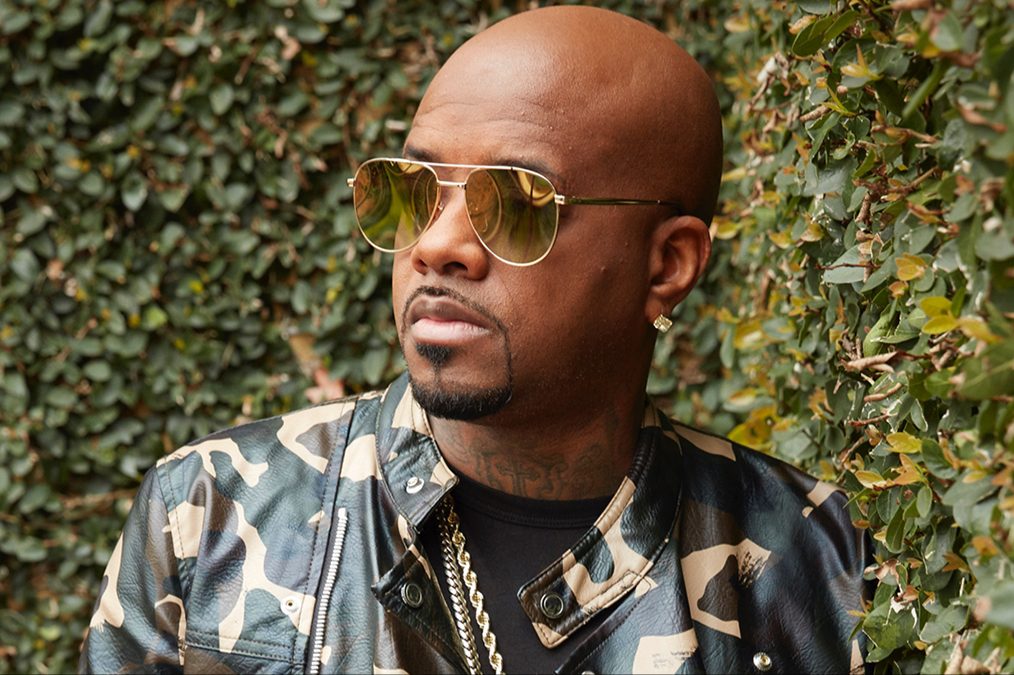
  • Jermaine Dupri Sues Sony Music for $18 Million Over Unpaid Royalties

    Jermaine Dupri Sues Sony Music for $18 Million Over Unpaid Royalties

    Jermaine Dupri, the Grammy Award-winning producer and songwriter, has filed an $18 million lawsuit against Sony Music. The legal action, reported on July 7, 2026, centers on claims of unpaid royalties stemming from his extensive catalog of work with prominent artists, including global superstars Mariah Carey and Usher. This dispute brings to light persistent issues surrounding artist and producer compensation within the major record label system.

    The lawsuit was filed in a United States district court. Specific details of the filing were not immediately made public. Industry observers anticipate a protracted legal battle over contract interpretation and accounting practices.

    The Core of the Dispute: Unpaid Royalties

    The legal complaint from Jermaine Dupri alleges that Sony Music has withheld a substantial amount of royalties. These royalties are reportedly due from his contributions to numerous hit songs and albums. Dupri’s career spans decades, marked by significant creative and commercial success.

    His work with Mariah Carey includes co-writing and producing tracks like “We Belong Together” and “Always Be My Baby.” These songs achieved immense commercial success globally. Dupri also played a pivotal role in Usher’s career, producing chart-topping hits such as “Burn” and “Confessions Part II.”

    The suit claims that despite the commercial success of these records, Dupri has not received his contractually obligated share of earnings. This includes royalties from various revenue streams, such as physical sales, digital downloads, streaming, and licensing.

    A History of Collaboration and Success

    Jermaine Dupri’s relationship with Sony Music and its various imprints has been long-standing. He founded So So Def Recordings in 1993, an imprint distributed by Columbia Records, a subsidiary of Sony Music.

    Through So So Def, Dupri discovered and cultivated talent. Artists like Kris Kross, Xscape, and Bow Wow achieved multi-platinum success under his guidance. His production credits extend beyond his own label roster, encompassing a wide array of artists across different Sony-affiliated labels.

    His collaboration with Mariah Carey intensified in the mid-1990s. Dupri was instrumental in her career resurgence in the 2000s, particularly with her critically acclaimed and commercially successful album The Emancipation of Mimi (2005). This album featured several Dupri productions, including the record-breaking single “We Belong Together.”

    Similarly, Dupri’s work with Usher proved transformational. The album Confessions (2004), largely produced by Dupri and his team, became one of the best-selling albums of the 21st century. It solidified Usher’s status as a global R&B icon.

    Industry Precedent and Producer Rights

    This lawsuit is not an isolated incident within the music industry. Disputes over royalty payments between artists, producers, and labels are common. Many creators allege opaque accounting practices and unfair contractual terms.

    Producers, in particular, often face challenges in securing their due compensation. Their contributions are fundamental to a song’s success. However, their royalty structures can be complex and sometimes less favorable than those of the primary recording artist.

    In recent years, there has been a growing movement among producers and songwriters to advocate for greater transparency and fairer terms. Organizations like the Recording Academy have initiated discussions on these issues. The goal is to ensure creators are properly compensated for their intellectual property.

    The digital age has further complicated royalty calculations. Streaming services, while expanding global reach, have introduced new revenue models. These models require complex allocation of royalties to numerous rights holders.

    The Financial Implications

    The $18 million figure cited in Dupri’s lawsuit represents a substantial claim. It reflects the potential magnitude of alleged underpayments over an extended period. This amount could encompass years of back royalties, interest, and potentially damages.

    For Sony Music, a major player in the global music industry, such a lawsuit carries reputational and financial risks. While multi-million dollar lawsuits are not uncommon for large corporations, this case involves a highly respected and influential producer. His public challenge could encourage other creators to scrutinize their own royalty statements.

    The outcome of this case could set a precedent. It might influence how major labels structure their agreements with producers and artists in the future. It could also lead to increased scrutiny of accounting practices across the industry.

    What Happens Next?

    Following the filing of the lawsuit, Sony Music will likely be served with the legal documents. The company will then have a period to respond to the allegations. This response could involve denying the claims, filing counter-claims, or seeking a settlement.

    Legal proceedings in such cases can be lengthy. They often involve extensive discovery, where both parties exchange information and evidence. Negotiations for an out-of-court settlement are also common. These negotiations aim to avoid the costs and uncertainties of a full trial.

    As of July 7, 2026, Sony Music has not issued a public statement regarding the lawsuit. The music industry will be closely watching the developments of this high-profile case. It highlights the ongoing struggle for equitable compensation in the creative economy.

    The Broader Impact on Music Rights

    This legal action by Jermaine Dupri is part of a larger narrative within the music industry. Creators are increasingly asserting their rights and challenging established norms. The digital transformation of music distribution has shifted power dynamics. Artists and producers now have more tools to track their consumption and revenue.

    The push for greater transparency is a consistent theme. Many artists feel that the complex nature of royalty statements makes it difficult to verify payments. Legal actions like Dupri’s aim to simplify these processes and hold labels accountable.

    Furthermore, the value of catalog music has surged in recent years. Older hits, like those produced by Dupri, continue to generate significant revenue through streaming and sync licensing. Ensuring fair compensation for these evergreen assets is a critical concern for creators.

    The dispute also touches upon the concept of intellectual property ownership. Producers often contribute significantly to the creative and commercial value of a musical work. Their rights to a fair share of the proceeds are central to these legal battles.

    Artists challenged. Producers challenged. Labels challenged. Accountability.

  • Marcellus Wiley Sued For $500K Months Before Domestic Violence Arrest

    Marcellus Wiley Sued For $500K Months Before Domestic Violence Arrest

    Marcellus Wiley, a former NFL player and sports analyst, became the subject of public scrutiny following reports of a $500,000 lawsuit filed against him by a bank. This financial dispute surfaced months prior to his reported arrest on domestic violence charges, as detailed on July 8, 2026.

    The convergence of these two separate legal issues has drawn significant attention. It highlights the complex challenges that can arise in the lives of public figures.

    The Initial Financial Litigation

    Details surrounding the $500,000 lawsuit indicate it originated from a banking institution. The exact nature of the debt or financial obligation remains under wraps in initial reports.

    Such lawsuits typically stem from unpaid loans, credit lines, or other financial agreements. Legal proceedings in civil cases like this often involve extensive documentation and court appearances.

    The lawsuit would have commenced its legal journey months before the more recent domestic violence allegations. This establishes a timeline of ongoing legal entanglements for Wiley.

    Understanding Civil Litigation

    Civil lawsuits, distinct from criminal charges, aim to resolve disputes between individuals or organizations. They often involve monetary damages.

    In this context, the bank sought to recover a specified amount from Wiley. This process typically involves filing a complaint, serving the defendant, and potentially proceeding to discovery and trial.

    Resolution can come through settlement, judgment, or dismissal. The public nature of such proceedings often brings them to light, especially when a high-profile individual is involved.

    The Domestic Violence Arrest

    The more recent development, reported on July 8, 2026, involved Marcellus Wiley’s arrest on domestic violence charges. The specifics of the arrest, including the date and location, were not immediately available in the initial report.

    Domestic violence charges are serious legal matters. They carry significant personal and professional consequences.

    These cases are handled by the criminal justice system. They involve law enforcement investigation, potential prosecution, and penalties if a conviction occurs.

    Legal Ramifications of Domestic Violence Charges

    An arrest for domestic violence initiates a series of legal steps. These include booking, potential bail hearings, and arraignment.

    The legal process can be lengthy. It involves evidence collection, witness testimonies, and court proceedings.

    The outcomes can range from dismissal to probation, fines, or incarceration. Public figures often face heightened media attention throughout this process.

    Timeline of Events

    The sequence of these events is crucial. The $500,000 lawsuit was filed months before the domestic violence arrest.

    This indicates a period where Wiley was already navigating significant legal and financial challenges. The additional burden of criminal charges adds another layer of complexity.

    Public perception often links such disparate events, even if legally distinct. This can lead to broader narratives about an individual’s conduct.

    Preceding Legal Entanglements

    A lawsuit of this magnitude would have demanded considerable attention and resources. Wiley would have been engaged with legal counsel to address the bank’s claims.

    Such financial disputes can be stressful. They can impact an individual’s personal and professional life significantly.

    The timing suggests that these financial pressures were ongoing when the domestic violence incident occurred.

    Marcellus Wiley’s Public Persona

    Marcellus Wiley transitioned from a successful NFL career to a prominent role in sports media. He has been known for his commentary and analysis.

    His public image has been cultivated over years of television appearances and public engagements. This makes any legal challenge particularly impactful.

    Public figures often face increased scrutiny. Their actions are often amplified and dissected by both traditional and social media.

    Impact on Career and Reputation

    Allegations of domestic violence can severely damage a public figure’s reputation. They can also lead to professional repercussions.

    Sports networks and media organizations often take a strong stance on such matters. Contracts can be reviewed, and employment status can be affected.

    The intersection of financial difficulties and criminal charges often creates a challenging environment for maintaining a public career.

    Celebrity Accountability and Public Reaction

    The public reaction to such news often involves discussions about celebrity accountability. There is an expectation for public figures to uphold certain standards of conduct.

    The perception of justice or outrage can vary widely among the public. Some may focus on the legal facts, while others may react to the broader implications.

    Social media platforms often become forums for these discussions. Public opinion can form rapidly and intensely.

    Media Scrutiny and Ethical Considerations

    Media outlets, like TMZ.com, play a significant role in reporting on these events. Their coverage shapes public understanding.

    The balance between reporting facts and respecting privacy is a constant challenge. This is especially true in high-profile cases.

    The ethical considerations for reporting on domestic violence are paramount. The focus often shifts to the legal process and support for victims.

    The Broader Context of Financial Stress and Personal Issues

    Financial difficulties can often exacerbate personal issues. The pressure of a $500,000 lawsuit could contribute to stress.

    While not an excuse for any alleged misconduct, understanding the full context can sometimes provide perspective. This does not diminish the seriousness of the charges.

    Many individuals, regardless of celebrity status, face periods where financial and personal challenges converge. The outcomes, however, differ significantly under public scrutiny.

    Support Systems and Public Figures

    Public figures often have extensive support systems. These can include agents, publicists, and legal teams.

    However, personal struggles can still manifest. The pressure to maintain a public image can be immense.

    The resources available to public figures can be both a benefit and a burden. They can manage crises but also intensify the spotlight.

    Looking Ahead

    The legal processes for both the civil lawsuit and the criminal charges will unfold independently. Each will have its own timeline and potential outcomes.

    Marcellus Wiley will likely continue to navigate these challenges with legal representation. The public and media will continue to monitor developments.

    The resolution of these matters will have lasting implications. They will affect his personal life, professional career, and public standing.

    The Interplay of Legal and Public Spheres

    The legal system operates on specific procedures and evidence. Public opinion, however, often forms outside these strictures.

    The court of public opinion can be swift and unforgiving. It can have immediate consequences for a celebrity’s career.

    The formal legal process, while slower, aims for a definitive resolution based on law. These two spheres often interact in complex ways for public figures.

    Navigating Public Perception

    Managing public perception during such events is a critical task for any public figure. This often involves careful communication strategies.

    Silence, or carefully worded statements, are common approaches. The goal is often to avoid prejudicing legal proceedings or further damaging reputation.

    The ultimate judgment, both legal and public, will determine the long-term impact of these events on Marcellus Wiley.

    A lawsuit filed. Charges brought. Scrutiny mounted. Accountability sought. Public discussed. Wiley.

  • Taylor Swift Prevails: Florida Judge Dismisses Plagiarism Lawsuit With Prejudice

    Taylor Swift Prevails: Florida Judge Dismisses Plagiarism Lawsuit With Prejudice

    A federal judge in Florida has dismissed a plagiarism lawsuit against pop superstar Taylor Swift with prejudice. This ruling effectively ends the legal challenge, preventing the plaintiff, a poet who alleged copyright infringement, from refiling the case in the future. The decision represents a significant legal victory for Swift, reinforcing the boundaries of intellectual property claims against prominent artists.

    What looks like a straightforward legal outcome actually stems from a complex interplay of copyright law, artistic expression, and the burden of proof in plagiarism allegations.

    The Origin of the Allegation

    The lawsuit against Taylor Swift originated from a poet who claimed Swift had plagiarized elements of their work. Details regarding the specific works in question and the exact nature of the alleged similarities were central to the court’s deliberations.

    Plagiarism lawsuits in the music industry are not uncommon. Artists frequently face claims that their original compositions bear too close a resemblance to pre-existing works. Such cases often hinge on whether a substantial similarity exists between two works and if the alleged infringer had access to the original material.

    In this instance, the poet asserted that certain lyrical or thematic components within Swift’s catalog were derived directly from their published poetry. The plaintiff sought damages and recognition for what they described as intellectual property theft.

    Legal Proceedings Unfold in Florida

    The case was filed in a federal district court located in Florida. Federal courts handle copyright infringement cases as they fall under federal law. The judicial process involved initial filings, motions, and responses from both legal teams.

    Swift’s legal representation moved for dismissal, arguing that the plaintiff’s claims lacked merit and failed to establish a plausible case for copyright infringement. Such motions are standard legal strategies to challenge the sufficiency of a complaint before a full trial.

    The court reviewed the arguments presented by both sides. This included comparing the specific works at the heart of the dispute and examining legal precedents related to substantial similarity and independent creation.

    The Judge’s Ruling: Dismissal With Prejudice

    The federal judge presiding over the case ultimately granted the motion to dismiss. The critical aspect of this ruling is the phrase “with prejudice.”

    A dismissal “with prejudice” means the plaintiff is barred from bringing the same claim against the same defendant again. This is a final adjudication on the merits, indicating that the court found fundamental flaws in the plaintiff’s case that cannot be remedied through amendment or refiling.

    Conversely, a dismissal “without prejudice” would allow the plaintiff to correct deficiencies in their complaint and refile the lawsuit. The judge’s decision to dismiss with prejudice underscores the court’s conviction that the poet’s allegations were not legally sustainable.

    Implications for Copyright Law and Artists

    This ruling reinforces established principles of copyright law. To prove copyright infringement, a plaintiff typically must demonstrate two key elements: ownership of a valid copyright and copying of protectable elements of the work.

    Copying can be inferred by showing that the defendant had access to the copyrighted work and that there is substantial similarity between the two works. However, not all similarities constitute infringement. Courts differentiate between unprotectable ideas and protectable expressions.

    The outcome of this case suggests that the poet failed to meet the necessary legal threshold for proving substantial similarity or that any alleged similarities constituted protectable expression rather than common ideas or themes. This provides a measure of protection for artists, preventing frivolous lawsuits from proceeding to lengthy and costly trials.

    Taylor Swift’s History with Legal Challenges

    Taylor Swift has faced various legal challenges throughout her career, a common occurrence for high-profile figures in the entertainment industry. These often involve disputes over songwriting credits, intellectual property, or contractual agreements.

    For example, in 2017, Swift faced a copyright infringement lawsuit over the lyrics “playas gonna play” and “haters gonna hate” from her song “Shake It Off.” That case, brought by songwriters Sean Hall and Nathan Butler, was initially dismissed but later revived by an appeals court before eventually being settled.

    These legal battles highlight the constant scrutiny and potential for litigation that accompanies immense commercial success and cultural impact. Swift’s legal team has consistently defended her creative output and intellectual property rights.

    The Burden of Proof in Plagiarism Cases

    In any plagiarism lawsuit, the burden of proof rests squarely on the plaintiff. They must present compelling evidence to convince the court that their copyrighted work was indeed copied. This often involves detailed textual analysis and expert testimony.

    The legal system aims to balance the protection of original creators with the freedom of artists to draw inspiration from the world around them. Without a high bar for proving infringement, creative expression could be stifled by the constant threat of litigation.

    The Florida court’s decision indicates that the poet’s evidence fell short of establishing a plausible claim that Swift had engaged in unlawful copying. This protects artists from having to defend against claims that lack substantive factual or legal grounding.

    Public Perception and Celebrity Lawsuits

    Celebrity lawsuits, particularly those involving intellectual property, often attract significant public attention. Fans and media outlets closely follow such cases, eager for developments.

    For artists like Taylor Swift, who maintain a meticulously crafted public image and brand, legal victories like this one can reinforce their standing and artistic integrity. Conversely, an unfavorable outcome could have implications for their reputation and future creative endeavors.

    The dismissal of this lawsuit allows Swift to continue her focus on her music and performances without the ongoing distraction of litigation. It also sends a message that courts will rigorously apply copyright standards even when a plaintiff is challenging a globally recognized artist.

    Looking Ahead: The Landscape of Artistic Copyright

    The landscape of artistic copyright continues to evolve, particularly with advancements in technology and the rapid dissemination of creative works. Cases like the one involving Taylor Swift contribute to the body of legal precedent that shapes how intellectual property is protected and contested.

    Artists, songwriters, and poets frequently draw inspiration from a shared cultural lexicon. Distinguishing between genuine infringement and accidental similarity or the use of common tropes remains a perennial challenge for courts.

    The Florida judge’s decision serves as a reminder of the robust legal framework in place to assess these claims. It protects both the rights of creators and the ability of artists to innovate without undue legal encumbrance.

    Claims were made. Evidence was weighed. Arguments were heard. The court ruled.

    Dismissed.

  • Blake Lively’s Legal Battle with Justin Baldoni: Millions in Costs Revealed

    Blake Lively’s Legal Battle with Justin Baldoni: Millions in Costs Revealed

    Actress Blake Lively has publicly stated that her legal dispute with Justin Baldoni has cost her millions of dollars. Lively specifically accused Baldoni’s legal team of employing “scorched-earth litigation tactics designed to drain Lively’s resources.” This information comes from a recent report by Deadline on June 30, 2026, detailing the financial impact on the prominent actress.

    The exact nature of the legal battle between Lively and Baldoni has not been fully disclosed. However, Lively’s statement underscores the significant financial burden associated with prolonged and aggressive legal proceedings. Such tactics, often referred to as “scorched-earth,” involve exhaustive discovery, numerous motions, and a general strategy of overwhelming the opposing party with legal expenses.

    The report indicates that these costs represent a substantial outlay for Lively. The term “millions” suggests a considerable portion of her personal wealth or income has been directed towards defending herself in this case. This situation brings to light the potential financial vulnerabilities even high-net-worth individuals can face when engaged in complex legal disputes.

    Justin Baldoni, known for his work as an actor, director, and filmmaker, has not yet publicly responded to Lively’s allegations regarding the litigation costs or tactics. The legal proceedings are ongoing, and further details are expected to emerge as the case progresses. Public interest will likely focus on the specifics of the dispute and the eventual resolution.

    This is a developing story. Information regarding the core issues of the legal battle and the precise financial figures continues to unfold. The implications of such high-cost litigation, particularly for public figures, often extend beyond the courtroom, impacting reputations and public perception. The legal community frequently debates the ethics and efficacy of “scorched-earth” strategies, weighing their effectiveness against the financial and emotional toll they inflict.

  • Directors Guild Pension Plan Sues MGM Pictures Over Alleged Self-Dealing

    Directors Guild Pension Plan Sues MGM Pictures Over Alleged Self-Dealing

    The Directors Guild of America Producer Pension Plan has initiated a lawsuit against MGM Pictures, alleging that the studio engaged in self-dealing and breached its fiduciary duties. These accusations are specifically tied to the 2021 acquisition of MGM by Amazon, a transaction valued at approximately $8.5 billion. The pension plan contends that actions taken by MGM’s leadership during this period disadvantaged the fund and its beneficiaries.

    This legal action represents a significant challenge to the corporate practices surrounding major studio acquisitions. It brings into focus the responsibilities of company executives and board members to various stakeholders, including employee pension funds.

    The Core Allegations Against MGM

    The lawsuit filed by the Directors Guild of America Producer Pension Plan details several key allegations. Central among these is the claim of self-dealing. The pension plan asserts that certain MGM executives and board members prioritized their own financial interests or the interests of controlling shareholders over the financial well-being of the pension fund.

    Specifically, the suit points to decisions made during the negotiation and execution of the Amazon acquisition. The pension plan held a minority stake in MGM, and it alleges that the terms of the sale were structured in a way that undervalued its shares or otherwise diluted its rightful proceeds. This alleged undervaluation directly impacted the assets of the pension fund, which relies on such investments to provide benefits to retired and current directors.

    Breaches of fiduciary duty are also central to the complaint. Fiduciary duty requires those in positions of trust, such as corporate directors and officers, to act in the best interests of the entities and beneficiaries they serve. The pension plan argues that MGM’s leadership failed to uphold this standard, leading to financial detriment for the fund.

    The 2021 Amazon Acquisition Context

    The acquisition of MGM by Amazon was a landmark deal in the entertainment industry. Announced in May 2021 and finalized in March 2022, the transaction saw Amazon acquire the legendary studio for approximately $8.5 billion. This move was intended to bolster Amazon’s content library for its Prime Video streaming service, adding iconic franchises like James Bond and Rocky, along with a vast catalog of films and television shows.

    At the time of the acquisition, MGM was owned by a consortium of hedge funds and investment firms, including Anchorage Capital Group, Highland Capital Management, and Solus Alternative Asset Management. These firms had taken control of the studio after its 2010 bankruptcy. The sale to Amazon was seen as a significant exit for these investors, potentially yielding substantial returns.

    The Directors Guild of America Producer Pension Plan, as a minority shareholder, was among the many entities affected by this change in ownership. Its stake in MGM represented a portion of the retirement savings for thousands of directors working in the film and television industry.

    Impact on Pension Plan Beneficiaries

    Pension plans are critical financial instruments designed to provide retirement security for workers. The Directors Guild of America Producer Pension Plan serves a large number of directors, associate directors, and stage managers. Any alleged financial mismanagement or self-dealing that diminishes the value of the plan’s assets can have far-reaching consequences for its beneficiaries.

    The lawsuit seeks to recover funds that the pension plan believes it was unfairly denied. The ultimate goal is to ensure the plan’s financial health and its ability to meet its obligations to retirees and future retirees. This legal battle highlights the importance of rigorous oversight in corporate transactions, especially when employee benefits are tied to the financial performance of the involved companies.

    The case also serves as a reminder of the complex interplay between corporate finance, mergers and acquisitions, and the financial well-being of workers. Stakeholders often have divergent interests, and legal frameworks exist to protect the most vulnerable among them.

    Legal Precedents and Future Implications

    Cases involving allegations of self-dealing and breaches of fiduciary duty are not uncommon in corporate law. Courts often examine whether executives and board members acted with due diligence and in good faith, free from conflicts of interest. The outcome of such cases can set important precedents for future corporate transactions.

    Should the Directors Guild of America Producer Pension Plan prevail, it could embolden other minority shareholders or pension funds to scrutinize major corporate sales more closely. It could also lead to increased demands for transparency and independent oversight in the deal-making process. Conversely, if MGM successfully defends against the claims, it could reinforce the existing corporate governance structures.

    The entertainment industry, characterized by large-scale mergers and acquisitions, is particularly susceptible to these types of disputes. The high stakes involved, coupled with complex ownership structures, often create environments where conflicts of interest can arise. This lawsuit will likely be watched closely by other industry pension funds and investment groups.

    The Defense Perspective

    MGM Pictures, now an Amazon subsidiary, will likely mount a robust defense against the allegations. Corporate defendants in such cases typically argue that all actions were taken in accordance with legal and ethical standards, and that the transaction terms were fair to all shareholders. They may contend that the valuation of the company was appropriate given market conditions at the time and that the board acted in the best interests of the company as a whole.

    The defense will likely focus on demonstrating that proper procedures were followed, independent financial advice was sought, and that no self-serving motives influenced the decisions made regarding the sale to Amazon. They may also challenge the pension plan’s standing or the specifics of its financial claims.

    The legal process for such a complex case can be lengthy, involving extensive discovery, expert testimony, and potentially a trial. The resolution could take years, with significant legal costs for both parties involved.

    The Broader Industry Context

    This lawsuit against MGM Pictures operates within a broader industry context of increasing scrutiny over corporate accountability. In the 2020s, there has been a growing emphasis on environmental, social, and governance (ESG) factors in investment decisions. This includes how companies treat their employees, manage their finances, and conduct their business ethically.

    Pension funds, as institutional investors, are often at the forefront of demanding greater corporate responsibility. They manage significant capital and have a vested interest in the long-term sustainability and ethical conduct of the companies in which they invest. This case can be seen as part of a larger trend where institutional investors are more actively asserting their rights and challenging corporate actions they deem detrimental.

    The outcome could influence how major studios and media conglomerates structure future deals. It may lead to more stringent independent valuations, enhanced disclosure requirements, and greater representation for minority shareholders or employee benefit plans in transaction negotiations.

    The Directors Guild of America Producer Pension Plan filed its lawsuit. MGM Pictures prepares its defense. The legal system will now weigh the claims of self-dealing and fiduciary breach. Stakeholders watch. The future of corporate governance in Hollywood hangs in the balance.

    The industry awaits.

  • Migration Lawsuit: Idea Theft Claims Against Illumination and Mike White

    Migration Lawsuit: Idea Theft Claims Against Illumination and Mike White

    A lawsuit has been initiated against animation studio Illumination and screenwriter Mike White, alleging the theft of ideas for their 2023 animated film, Migration. This legal action contends that the core concept and narrative elements of the Universal Pictures-distributed movie were appropriated from another party’s original intellectual property without proper attribution or compensation.

    The legal claim highlights the ongoing complexities and disputes surrounding intellectual property in the entertainment industry. Such cases often hinge on the nuanced distinction between inspiration, coincidence, and direct infringement. The outcome could set precedents for future creative development processes.

    The Allegations Against Illumination and Mike White

    The lawsuit specifically targets Illumination, a major animation studio responsible for successful franchises like Despicable Me and Minions. Mike White, known for his work on television series such as The White Lotus, is credited as the screenwriter for Migration.

    The plaintiffs in the case assert that they presented their original concept to parties associated with Illumination or Mike White prior to the development of Migration. They claim that significant similarities exist between their submitted work and the finished film, which they argue goes beyond mere thematic overlap or general genre conventions.

    Details of the alleged similarities include specific plot points, character arcs, and unique narrative devices. The lawsuit seeks to establish that these elements constitute a direct appropriation of their creative work.

    What is Idea Theft in Hollywood?

    Idea theft, or intellectual property infringement, in Hollywood typically involves claims that a film, television show, or other creative project has copied or derived its core elements from another person’s original work without permission or credit. These cases are often challenging to prove due to the subjective nature of creative ideas and the frequent appearance of similar concepts in popular culture.

    Plaintiffs must generally demonstrate two key points: first, that they had access to the defendants, meaning the defendants had a reasonable opportunity to view or hear their original work; and second, that there is substantial similarity between their work and the defendants’ work, beyond unprotectable ideas.

    Proving substantial similarity often requires expert testimony and detailed comparisons of specific creative elements. The legal system distinguishes between unprotectable ideas, such as the general concept of a family of ducks migrating, and protectable expressions, such as specific character details, unique plot developments, or distinct visual styles.

    The Film Migration: A Brief Overview

    Migration, released in 2023, tells the story of a family of mallard ducks who embark on their first family vacation, flying south for the winter. Their journey takes an unexpected turn, leading them on an adventure through various new environments, including New York City.

    The film features a voice cast that includes Kumail Nanjiani, Elizabeth Banks, Awkwafina, Keegan-Michael Key, and Danny DeVito. It was directed by Benjamin Renner and co-directed by Guylo Homsy.

    Commercially, Migration performed well at the box office, grossing over $290 million worldwide. Critical reception was generally positive, with praise for its animation quality, humor, and family-friendly themes.

    Illumination’s History of Success

    Illumination, founded by Chris Meledandri in 2007, has established itself as a powerhouse in animated filmmaking. The studio is renowned for its distinctive animation style and its ability to create globally successful franchises. Its most notable properties include:

    • Despicable Me series: Launched in 2010, this franchise introduced Gru and the Minions, becoming a massive commercial success and cultural phenomenon.
    • Minions series: A spin-off from Despicable Me, focusing solely on the popular yellow characters.
    • The Secret Life of Pets series: Exploring what pets do when their owners are away.
    • Sing series: Featuring anthropomorphic animals competing in a singing competition.
    • The Super Mario Bros. Movie: A highly successful adaptation of the iconic Nintendo video game, released in 2023.

    The studio’s consistent track record of box office success and family entertainment makes any legal challenge to its creative originality a significant event within the industry.

    Mike White’s Creative Trajectory

    Mike White is a multifaceted talent in Hollywood, recognized as a screenwriter, director, and actor. His career has been marked by projects that often blend humor with sharp social commentary.

    White gained significant acclaim for creating, writing, and directing the HBO series The White Lotus, which premiered in 2021. The show, a satirical look at wealthy vacationers and hotel staff, garnered multiple Emmy Awards and critical praise for its writing and performances.

    His previous credits include writing films such as School of Rock (2003) and Nacho Libre (2006). He also created and starred in the HBO series Enlightened (2011-2013).

    White’s involvement in Migration represented a foray into mainstream animated feature film writing, a departure from his more adult-oriented, character-driven projects. The lawsuit now places his creative process under scrutiny.

    Legal Precedents and Industry Impact

    The entertainment industry has a long history of intellectual property lawsuits. Notable cases include disputes over films like The Matrix, Avatar, and various popular songs.

    These cases often highlight the challenges of protecting original ideas in a collaborative and competitive creative environment. The legal system aims to balance the protection of creators’ rights with the promotion of new artistic expression.

    The outcome of the Migration lawsuit could have implications for how studios and writers manage submissions and develop new projects. It may lead to stricter protocols for documenting creative origins and clearer guidelines for distinguishing original work from potentially infringing material.

    The financial stakes in such cases can be substantial, involving potential damages for lost profits, legal fees, and reputational harm. For major studios like Universal and Illumination, and prominent creators like Mike White, these lawsuits can be costly regardless of the final verdict.

    The Future of the Case

    As of June 29, 2026, the lawsuit against Illumination and Mike White is in its early stages. Both parties will likely engage in discovery, exchanging evidence and depositions to build their respective cases.

    The legal process can be lengthy, often spanning several years through various motions, hearings, and potentially a trial. Settlements outside of court are also common in intellectual property disputes, as they can mitigate legal costs and risks for all involved parties.

    The plaintiffs will need to present compelling evidence of access and substantial similarity to succeed. The defense will likely argue that any resemblances are coincidental, that the ideas are generic and unprotectable, or that their creative process was independent.

    Hollywood watches these cases closely. The protection of creative output is paramount for the industry’s continued innovation. The legal system, in turn, attempts to uphold the rights of creators.

    Claims are made. Evidence is gathered. Arguments are presented. A verdict is sought.

    Justice.