Tag: Latin America

  • McGregor-Holloway Rematch: UFC Draws 6.5M Viewers Across US & Latin America

    McGregor-Holloway Rematch: UFC Draws 6.5M Viewers Across US & Latin America

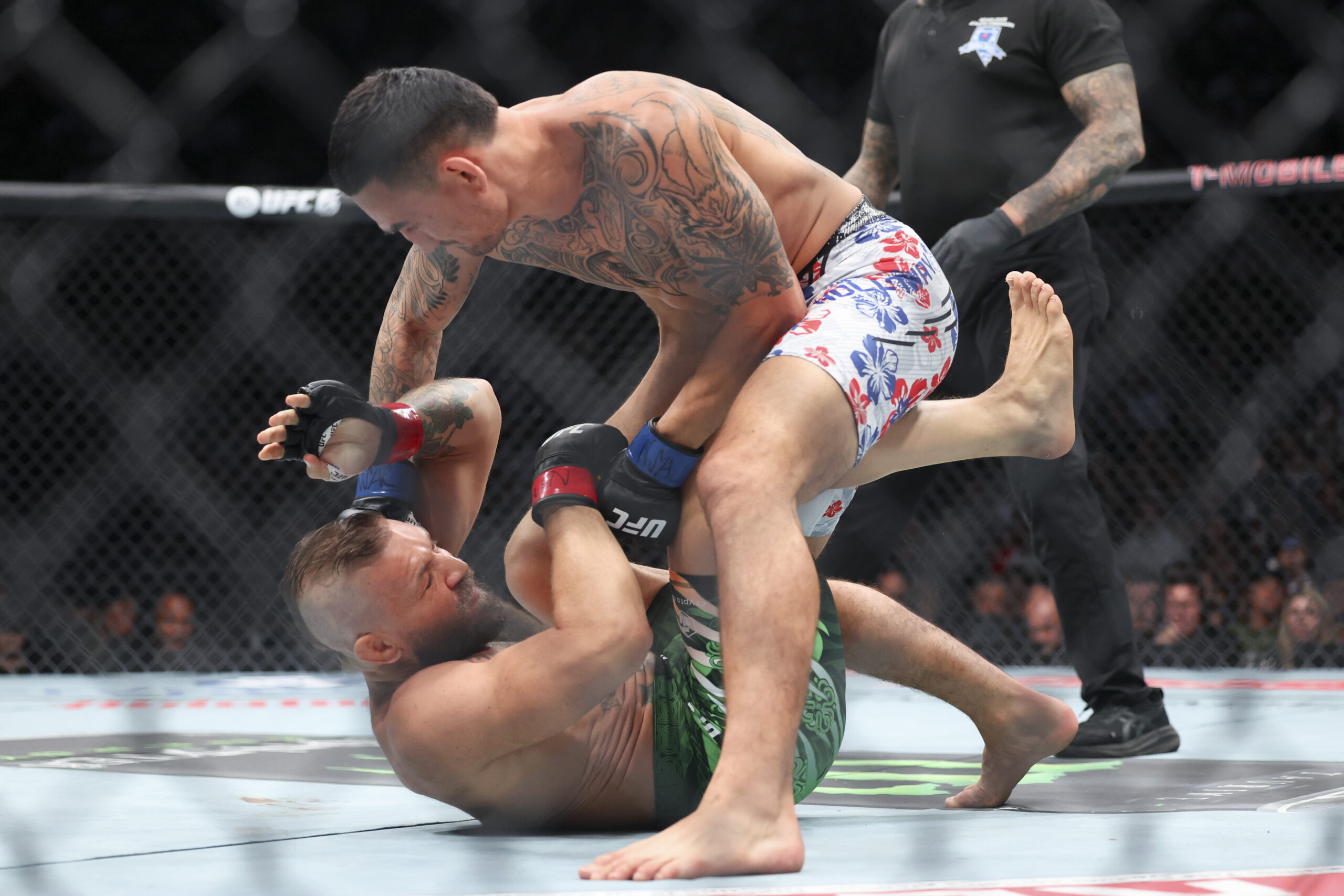
    The Ultimate Fighting Championship (UFC) rematch between Conor McGregor and Max Holloway achieved a substantial viewership of 6.5 million across the United States and Latin America. This figure underscores the significant and growing audience for mixed martial arts, particularly when marquee fighters are involved in highly anticipated bouts. The event was broadcast by Paramount, reaching a broad demographic and solidifying the UFC’s position as a major player in global sports entertainment.

    The Legacy of Two Fighters

    Conor McGregor, often referred to as ‘The Notorious,’ is an Irish professional mixed martial artist and boxer. He is a former Ultimate Fighting Championship (UFC) featherweight and lightweight double-champion. His career has been marked by explosive performances and charismatic promotion. McGregor’s ability to draw massive audiences has been a consistent factor throughout his time in the UFC.

    Max Holloway, known as ‘Blessed,’ is an American professional mixed martial artist. He is a former UFC Featherweight Champion. Holloway’s fighting style, characterized by relentless pressure and high volume striking, has earned him a dedicated fanbase. His journey through the featherweight division has established him as one of the sport’s most respected competitors.

    The first encounter between McGregor and Holloway occurred in August 2013. At UFC Fight Night 26, McGregor secured a unanimous decision victory over Holloway. This early career bout laid the groundwork for their future trajectories, both fighters going on to achieve championship status.

    The Road to Rematch

    Years passed between their initial meeting and the recent rematch. Both fighters cultivated extensive résumés, accumulating significant victories and experiencing high-profile defeats. McGregor ascended to unprecedented heights, becoming the first UFC fighter to hold two divisional titles simultaneously. Holloway dominated the featherweight division for an extended period, defending his title multiple times.

    The clamor for a rematch grew steadily among fans and pundits. The narrative of two elite athletes, who first met as rising prospects, now clashing as seasoned legends, held immense appeal. This narrative played a crucial role in building anticipation for the recent event.

    Negotiations for such a high-profile fight involve numerous complexities. Financial terms, fight locations, and timing all contribute to the lengthy process of bringing two stars back into the octagon. The UFC’s matchmakers strategize to maximize both athletic competition and commercial success.

    Paramount’s Broadcast Strategy

    Paramount served as the broadcasting partner for the McGregor-Holloway rematch. This partnership allowed the event to reach a vast audience across multiple regions. Paramount’s investment in sports programming reflects a broader trend among media companies to secure live content that drives subscriptions and viewership.

    The decision to feature the fight on Paramount’s platforms was a strategic move. It leveraged the existing subscriber base and marketing capabilities of a major media conglomerate. This ensured maximum exposure for one of the UFC’s most anticipated events of 2026.

    The broadcast included extensive pre-fight and post-fight coverage. This comprehensive approach enhances the viewer experience and provides additional content for fans. Analysts, interviews, and behind-the-scenes access contribute to the overall spectacle of a UFC fight night.

    The Role of Latin America in Viewership

    The 6.5 million viewership figure included significant contributions from Latin America. This region has emerged as a crucial market for mixed martial arts. The UFC has actively expanded its presence in Latin American countries, recognizing the passion for combat sports in these territories.

    Events held in cities like Mexico City and São Paulo have demonstrated the strong fanbase. Fighters from Latin America, such as Brandon Moreno and Charles Oliveira, have become major stars, further fueling regional interest. This growth trajectory indicates a sustained commitment from the UFC to this demographic.

    Language-specific broadcasts and localized marketing efforts are integral to securing high viewership in diverse regions. Paramount’s ability to deliver content tailored to Latin American audiences played a key role in the overall success of the McGregor-Holloway rematch’s viewership numbers.

    The Cultural Impact of UFC

    The UFC has transcended its origins as a niche sport to become a global cultural phenomenon. Its events are not merely athletic competitions; they are spectacles that blend sport, entertainment, and personal narratives. This blend contributes to its widespread appeal.

    The concept of a ‘cultural defense moment’ suggests that events like the McGregor-Holloway rematch resonate beyond traditional sports fandom. They can evoke feelings of national pride, individual resilience, and the pursuit of excellence. These themes tap into broader societal values.

    For many, watching a UFC fight is an immersive experience. The intensity of the competition, the stories of the athletes, and the raw emotion involved create a powerful connection with the audience. This connection is a significant driver of viewership and engagement.

    Economic Implications of High Viewership

    A viewership of 6.5 million translates into substantial economic impact for the UFC and its partners. Advertising revenue, sponsorship deals, and pay-per-view buys (where applicable) all benefit from such large audiences. This financial success allows for continued investment in fighter development and event production.

    The careers of fighters like McGregor and Holloway are directly impacted by their ability to draw viewers. High-profile fights lead to increased compensation and greater opportunities for endorsements. This incentivizes top talent to remain within the UFC’s ecosystem.

    Beyond the immediate financial gains, high viewership also bolsters the UFC’s brand equity. It reinforces its position as a leading global sports organization, attracting new fans and solidifying its standing in the competitive sports landscape. This long-term brand building is crucial for sustained growth.

    The Future of UFC and Combat Sports

    The success of the McGregor-Holloway rematch points to a robust future for the UFC. The organization continues to expand its global footprint, explore new media partnerships, and cultivate emerging talent. The demand for high-quality combat sports content remains strong.

    Innovation in broadcast technology and fan engagement strategies will likely play an increasing role. Virtual reality, interactive viewing experiences, and personalized content streams could further enhance how fans consume UFC events. The goal is to make every fight a unique and memorable experience.

    The athletic landscape of mixed martial arts is constantly evolving. New techniques, training methodologies, and strategic approaches emerge regularly. This dynamic nature keeps the sport fresh and ensures a continuous supply of compelling matchups for audiences worldwide.

    What Defines a Marquee Matchup?

    Several factors contribute to a UFC fight achieving ‘marquee’ status. The reputation of the fighters involved is paramount. Champions, former champions, and highly ranked contenders naturally draw more attention. Their past performances and established rivalries often fuel fan interest.

    The narrative surrounding a fight also plays a critical role. A comeback story, a grudge match, or a clash of styles can elevate a bout beyond a simple athletic contest. The personal stories and motivations of the fighters add layers of drama and intrigue.

    Promotional efforts by the UFC and the fighters themselves are essential. Press conferences, social media engagement, and documentary features build anticipation and hype. Effective marketing ensures that potential viewers are aware of the event and its significance.

    Finally, the stakes of the fight, whether a championship title is on the line, or if it’s a pivotal moment in a fighter’s career, add to its importance. High stakes translate to high drama, which in turn attracts a larger audience.

    The McGregor-Holloway rematch exemplified many of these elements. It brought together two of the sport’s biggest names, built upon a long-standing history, and was promoted extensively, culminating in significant viewership numbers.

    Fighters trained. Promoters strategized. Broadcasters prepared. Audiences watched. UFC.

  • Venezuela’s Economic Collapse – A Firsthand Warning from Exile

    Venezuela’s Economic Collapse – A Firsthand Warning from Exile

    A Venezuelan exile has publicly articulated a warning concerning the potential consequences of certain economic and political policies, drawing directly from their experiences within Venezuela’s socialist system. This testimony underscores the severe economic collapse, widespread social disruption, and the gradual erosion of democratic freedoms that have defined Venezuela’s recent history.

    The individual’s account serves as a cautionary narrative. It emphasizes the tangible effects of government overreach, the nationalization of industries, and unchecked inflation on the daily lives of citizens. This firsthand perspective illuminates the profound challenges faced by millions who have either remained in Venezuela or sought refuge abroad.

    The Trajectory of Chavismo: From Promise to Crisis

    The modern trajectory of Venezuela’s socialist experiment commenced with the election of Hugo Chávez in December 1998. Chávez, a former military officer, campaigned on a platform promising social justice, anti-imperialism, and a significant redistribution of wealth. His political movement, known as Chavismo, rapidly consolidated power and began implementing substantial structural changes to the Venezuelan economy and its governance.

    Early Reforms and Nationalization

    Early in his presidency, Chávez initiated a series of land reforms and nationalization efforts. These targeted key industries, including oil, telecommunications, and electricity. Petróleos de Venezuela, S.A. (PDVSA), the state-owned oil company, transformed into a primary vehicle for funding extensive social programs and consolidating political control. During periods of high global oil prices, significant oil revenues financed initiatives in housing, healthcare, and education.

    The government also promulgated a new constitution in December 1999. This constitution expanded presidential powers and established a unicameral National Assembly. These changes were presented as mechanisms to empower the populace and dismantle what Chávez characterized as a corrupt oligarchy. However, critics argued that these actions progressively undermined democratic institutions and centralized authority within the executive branch.

    Consolidation of Power Under Chávez

    Chávez’s tenure saw the continuous expansion of state control over the economy and political landscape. His administration initiated various ‘missions’ (misiones), social programs designed to address poverty and inequality. While these programs initially garnered significant popular support, their long-term sustainability and efficiency were often questioned.

    The government also exerted increasing influence over the media and judiciary. This led to concerns about freedom of expression and the rule of law. By the time of his death in March 2013, Chávez had fundamentally reshaped Venezuela’s political and economic structures, setting the stage for the subsequent crisis.

    Economic Deterioration: Hyperinflation and Resource Depletion

    Despite possessing the world’s largest proven oil reserves, Venezuela’s economy began a precipitous decline in the mid-2010s. This downturn was severely exacerbated by a sharp drop in global oil prices and years of economic mismanagement. Under President Nicolás Maduro, who assumed office in April 2013 following Chávez’s death, the crisis intensified dramatically.

    The Onset of Hyperinflation

    Hyperinflation became a defining and devastating characteristic of the Venezuelan economy. By 2018, the International Monetary Fund (IMF) projected that inflation could reach 1,000,000 percent, a figure that was ultimately surpassed. The national currency, the Bolívar, underwent multiple devaluations and re-denominations, rendering it virtually worthless. Citizens increasingly resorted to using foreign currencies, primarily the U.S. dollar, for everyday transactions, or engaging in barter for goods and services.

    The economic policies implemented, such as excessive money printing and price controls, contributed significantly to this inflationary spiral. These measures failed to address fundamental economic imbalances and discouraged production, further deepening the crisis.

    Collapse of the Oil Industry

    The collapse of PDVSA, once a robust economic engine, played a critical role in the broader crisis. Mismanagement, widespread corruption, and a severe lack of investment led to a drastic reduction in oil production. Production plummeted from over 3 million barrels per day in 1998 to less than 500,000 barrels per day by 2020. This precipitous decline crippled the government’s primary source of revenue, severely limiting its ability to import essential goods and fund public services.

    The decline of PDVSA also had ripple effects throughout the Venezuelan economy, impacting employment, infrastructure, and the availability of foreign exchange. The country, once a major oil exporter, struggled to meet its own energy needs and lost its primary source of global economic leverage.

    Humanitarian Crisis: Scarcity and Social Breakdown

    The economic downturn precipitated widespread shortages of basic necessities across Venezuela. Food, medicine, and other essential goods became either unavailable or prohibitively expensive for the average Venezuelan. Supermarket shelves frequently remained empty, and hospitals lacked critical supplies, equipment, and even basic utilities.

    Food Insecurity and Malnutrition

    The humanitarian crisis deepened significantly, with malnutrition rates rising dramatically across all demographics. The United Nations and various international aid organizations reported a severe decline in public health indicators. Preventable diseases re-emerged or became more prevalent, and the healthcare system struggled to cope with the influx of patients and the severe scarcity of resources.

    Access to clean water, electricity, and reliable transportation also deteriorated nationwide. Frequent power outages, sometimes lasting for days or weeks, affected major cities and rural areas alike. These disruptions severely impacted daily life, hindered economic activity, and exacerbated public frustration.

    Social Unrest and Public Services

    These dire conditions fueled widespread social unrest and protests against the Maduro government. Citizens demonstrated regularly against food shortages, lack of public services, and the overall economic collapse. The government often responded with force, leading to further human rights concerns.

    The breakdown of public services extended to education, sanitation, and public safety. Schools faced teacher shortages and infrastructure decay, while crime rates escalated amidst the economic hardship and social fragmentation. The societal fabric began to fray under the relentless pressure of the crisis.

    Erosion of Democratic Institutions and Human Rights

    Beyond the economic sphere, the Venezuelan exile’s warning also details the systematic erosion of democratic institutions and fundamental human rights. Critics of the Venezuelan government, including international bodies such as the Organization of American States (OAS) and the United Nations, have meticulously documented numerous instances of political repression, arbitrary detentions, and severe restrictions on freedom of speech and assembly.

    Judicial Control and Electoral Irregularities

    The judiciary in Venezuela has been widely perceived as controlled by the executive branch, effectively undermining the separation of powers. Elections, particularly after 2013, have been extensively criticized by international observers for lacking transparency, fairness, and adherence to democratic standards. These criticisms have often led to the international community questioning the legitimacy of electoral outcomes.

    Political opposition leaders have faced persistent persecution, including imprisonment, politically motivated charges, and forced exile. These actions have further consolidated the ruling party’s grip on power and stifled political dissent within the country.

    Suppression of Media and Dissent

    Journalists and independent media outlets have also faced significant pressure and repression. This includes censorship, the closure of media organizations, and the harassment and intimidation of their staff. These actions have severely limited the flow of independent information to the Venezuelan populace. They have contributed to a climate of fear and self-censorship among those who remain in the country.

    Human rights organizations, both domestic and international, have consistently reported on extrajudicial killings, torture, and enforced disappearances. These reports paint a grim picture of the state of human rights in Venezuela, highlighting the severe risks faced by critics of the government and ordinary citizens alike.

    The Venezuelan Diaspora: A Global Displacement Crisis

    The severe and deteriorating conditions within Venezuela have triggered one of the largest displacement crises in recent global history. As of 2026, millions of Venezuelans have fled the country, seeking refuge and better living conditions in neighboring Latin American countries, the United States, and Europe.

    Regional Impact of Migration

    Colombia, Peru, Ecuador, and Chile have absorbed the largest numbers of Venezuelan migrants and refugees. This influx has placed significant strain on their social services, public infrastructure, and labor markets. Humanitarian agencies continue to work with host governments to provide assistance and integrate displaced Venezuelans into their new communities.

    The exodus includes not only economic migrants seeking better opportunities but also political asylum seekers fleeing persecution. All are searching for stability, security, and basic necessities that are largely unavailable in their homeland.

    The Voice of Exiles

    These exiles often carry with them vivid memories and direct experiences of Venezuela’s collapse. These personal narratives frequently motivate their public warnings. Their accounts serve as a powerful testament to the profound human cost of the crisis. Their collective voice offers a critical perspective on the potential dangers of unchecked political power and economic mismanagement, echoing the initial warning from the Venezuelan exile.

    The global community continues to grapple with the implications of this mass displacement. Efforts are ongoing to provide humanitarian aid to those still in Venezuela and to support the millions who have sought new lives elsewhere. The story of Venezuela remains a potent reminder of how quickly a nation’s fortunes can reverse.