Tag: Journalism

  • Paula Reid Exits CNN Ahead of Paramount’s Warner Bros. Discovery Takeover

    Paula Reid Exits CNN Ahead of Paramount’s Warner Bros. Discovery Takeover

    Paula Reid, who served as CNN’s Chief Legal Affairs Correspondent, departed from the network in 2026. This exit occurred in advance of the anticipated takeover of CNN’s parent company, Warner Bros. Discovery, by Paramount. Such personnel changes are common during periods of significant corporate mergers and acquisitions within the media industry.

    Reid’s departure marks a notable shift in CNN’s legal affairs reporting team. It also underscores the broader implications of large-scale corporate transactions on journalistic staffing and editorial strategy.

    The Shifting Sands of Media Consolidation

    The media industry has experienced a period of intense consolidation in recent years. Large corporations frequently seek to expand their portfolios through mergers and acquisitions. These strategic moves aim to achieve greater market share, diversify content offerings, and streamline operations.

    The announced Paramount takeover of Warner Bros. Discovery represents one of the largest such transactions in 2026. This deal has far-reaching consequences for numerous media properties under the Warner Bros. Discovery umbrella. It affects everything from streaming services to broadcast networks and news organizations.

    CNN, as a prominent global news organization, is directly impacted by these corporate maneuvers. Changes in ownership can lead to new leadership, revised editorial priorities, and personnel adjustments. These shifts can redefine a network’s focus and its approach to news coverage.

    A History of Major Media Mergers

    Warner Bros. Discovery itself was formed through a major merger in April 2022. Discovery Inc. acquired WarnerMedia from AT&T, creating one of the world’s largest media and entertainment companies. This transaction reshaped the competitive landscape for content creation and distribution.

    This previous merger also resulted in significant changes across the combined entity. Executive teams were restructured, and some journalistic roles were re-evaluated. The integration process involved complex decisions regarding content strategy and operational synergies.

    The impending Paramount takeover signals another wave of potential reorganization. Such events often create uncertainty for employees across all divisions. The constant evolution of ownership structures presents ongoing challenges for media professionals.

    Paula Reid’s Distinguished Career Path

    Paula Reid brought a distinctive and experienced background to her role at CNN. She joined the network in 2021, moving from CBS News. Her tenure at CBS News established her as a formidable legal and political correspondent.

    At CBS News, Reid gained prominence for her reporting on the Department of Justice and the White House. She covered major legal and political stories during her tenure, including high-stakes investigations and policy debates. Her work often provided critical insights into government operations.

    Her reporting often focused on high-profile investigations and legal proceedings. This experience positioned her as a key voice in legal affairs journalism. Reid’s ability to simplify complex legal matters for a general audience was a hallmark of her reporting style.

    High-Stakes Reporting at the White House and DOJ

    Reid’s work at CBS News included extensive coverage of the Trump administration. She reported on investigations involving Special Counsel Robert Mueller and impeachment proceedings. Her presence in the White House briefing room became a familiar sight for viewers.

    Her role required a deep understanding of complex legal frameworks and political dynamics. She often provided live analysis and breaking news updates on these critical topics. Reid’s questions during press briefings were frequently noted for their directness and precision.

    Upon joining CNN, Reid continued to focus on significant legal developments. Her expertise was particularly valuable in covering Supreme Court decisions, federal legal challenges, and major criminal cases. She offered insights into the implications of legal rulings for public policy and everyday life.

    The Critical Role of a Chief Legal Affairs Correspondent

    The position of Chief Legal Affairs Correspondent is central to a news organization’s coverage of the justice system. This role involves explaining intricate legal concepts, court decisions, and policy changes to a general audience. It requires a blend of journalistic skill and legal acumen.

    Correspondents in this role must possess strong analytical skills and a comprehensive grasp of legal precedents. They often translate complex court proceedings and legislative developments into understandable news reports. Their ability to contextualize legal news is paramount.

    They also cultivate sources within legal circles, including government agencies, law firms, and judicial offices. This network is crucial for breaking news and in-depth analysis. Access to these sources allows them to provide exclusive insights and verify information quickly.

    Impact of Senior Departures on News Teams

    The departure of a senior correspondent like Reid can create a significant void in a news organization’s specialized coverage. Other journalists may need to absorb these responsibilities, potentially stretching existing resources. The immediate impact can be felt in the depth and breadth of reporting.

    News networks often invest heavily in developing expert correspondents for specific beats. Their institutional knowledge, established contacts, and on-air presence are difficult to replace quickly. The continuity of coverage can be affected during such transitions.

    Such exits can also signal broader strategic shifts within the newsroom. These shifts might include reallocating resources, altering editorial focus, or pursuing different talent. The departure of a high-profile correspondent often prompts a re-evaluation of the team’s structure.

    Paramount’s Strategic Acquisition of Warner Bros. Discovery

    Paramount’s move to acquire Warner Bros. Discovery is part of a larger strategy to compete in the evolving media landscape. The goal is often to achieve greater scale, diversify content offerings, and create new revenue streams. This consolidation trend reflects intense competition from tech giants and streaming services.

    Consolidating media assets can lead to cost efficiencies through reduced overhead and integrated operations. It also increases bargaining power with advertisers, distributors, and content creators. Cross-promotion of content across different platforms becomes a key advantage for merged entities.

    The acquisition is subject to regulatory approval, a process that can be lengthy and complex. Antitrust concerns are often raised when major media companies merge, requiring careful scrutiny by government bodies. The Federal Trade Commission (FTC) and the Department of Justice (DOJ) typically review such deals to ensure fair competition.

    Anticipated Changes Post-Takeover at WBD

    Following the completion of the Paramount takeover, significant changes are expected across Warner Bros. Discovery. These may include executive leadership transitions at the parent company and its various subsidiaries, including CNN. New leadership often brings a fresh vision and strategic direction.

    Content strategies across film, television, and news divisions could be re-evaluated. The aim is typically to optimize performance under the new ownership structure, potentially leading to changes in programming, production, and distribution. Synergy between Paramount and WBD properties will be a key focus.

    Personnel decisions, including departures and new hires, are a common outcome of such corporate integrations. These decisions are often driven by strategic alignment, cost-saving measures, and the desire to build a team that reflects the new corporate vision. Employees at all levels can experience uncertainty during these periods of transition.

    Media Influence and Public Trust Amidst Change

    The departure of prominent journalists during corporate takeovers can influence public perception of media outlets. Audiences may interpret such moves as indicative of deeper changes in editorial priorities or journalistic independence. Trust in news organizations is a fragile commodity.

    Concerns about media independence and editorial integrity often arise during these periods. The public sometimes questions whether new ownership will alter journalistic standards or exert undue influence on news content. Maintaining editorial firewalls becomes even more critical.

    News organizations strive to maintain trust and credibility, even amidst corporate flux. Transparency about changes and consistent editorial quality are key to this effort. Clear communication about editorial guidelines and journalistic principles helps to reassure audiences.

    The Evolving Landscape for Journalists

    Journalists navigate an increasingly complex media environment. Corporate consolidations, technological advancements, and shifting audience habits continually reshape their roles. The demand for immediate, accurate, and in-depth information remains constant, but the delivery mechanisms evolve.

    The demand for specialized correspondents, like legal affairs reporters, remains high. Their expertise is crucial for making sense of intricate topics in a fast-paced news cycle. However, the platforms and structures through which they deliver news are constantly evolving, from traditional broadcast to digital and social media.

    Professional journalists adapt to these changes by honing their skills and maintaining their commitment to factual reporting. Their work remains essential for informing the public, holding power accountable, and contributing to a well-informed citizenry. The core mission of journalism persists despite structural shifts.

    Looking Ahead for CNN and Warner Bros. Discovery

    CNN faces a period of transition following Reid’s departure and the impending Paramount takeover. The network will need to navigate new corporate leadership and potentially revised strategic directives. The focus will remain on delivering breaking news and analysis to its global audience.

    Warner Bros. Discovery, under new ownership, will embark on a new chapter in its corporate history. The integration of its vast portfolio of brands with Paramount’s assets will be a monumental task. The outcome will shape a significant portion of the global entertainment and news industry for years to come.

    Personnel shifts, strategic realignments, and content strategy reviews will characterize the coming months. The media landscape is in perpetual motion.

    Companies merge. Strategies shift. Newsrooms adapt.

    Journalists continue to report.

    The story unfolds.

    Frequently Asked Questions About Paula Reid’s Departure and Media Mergers

  • CNN’s Future: Editorial Shifts Post-Merger? – The Weiss Influence Debate

    CNN’s Future: Editorial Shifts Post-Merger? – The Weiss Influence Debate

    The potential merger between Paramount Global and Warner Bros. Discovery has ignited internal discussions at CNN. Some staff members reportedly express concern regarding the network’s future editorial direction. These anxieties center on the possible influence of prominent journalist and cultural commentator Bari Weiss, known for her critiques of mainstream media narratives. The media industry continues to undergo significant consolidation, reshaping ownership structures and posing questions about journalistic independence.

    The Evolving Media Landscape and CNN’s Position

    The media industry is currently navigating a period of intense transformation. Traditional revenue models are challenged, and digital platforms dominate content consumption. This environment drives major corporations to seek scale through mergers and acquisitions.

    One such significant development is the ongoing speculation surrounding a merger between Paramount Global and Warner Bros. Discovery. Such a union would create a formidable media conglomerate. It would combine extensive portfolios across film, television, streaming, and news. CNN, a key asset within Warner Bros. Discovery, is central to these discussions.

    Reports from inside CNN indicate a degree of apprehension among staff. These concerns revolve around potential changes in editorial oversight and journalistic priorities. The specific mention of Bari Weiss’s possible influence has become a focal point of these internal conversations. It highlights broader questions about the network’s future identity.

    The Speculated Impact on CNN’s Editorial Direction

    A corporate merger often leads to a re-evaluation of editorial strategies. New ownership can introduce different philosophies regarding content, audience targeting, and journalistic approach. For a global news organization like CNN, these shifts can have far-reaching consequences.

    Staff members are reportedly considering how a new ownership structure might impact CNN’s established editorial lines. The network has a long history as a prominent news source. Any perceived move away from its traditional positioning could be met with internal resistance and external scrutiny.

    The debate over Bari Weiss’s potential influence underscores this sensitivity. Her public profile and past statements suggest a distinct perspective on media’s role and responsibilities. This perspective could lead to a re-calibration of CNN’s approach to news coverage and commentary.

    Who is Bari Weiss? A Profile in Media Commentary

    Bari Weiss is a notable figure in contemporary American journalism and cultural discourse. She gained prominence through her work at influential publications. Her career includes roles as an opinion editor and writer for The Wall Street Journal and The New York Times.

    Weiss is recognized for her outspoken views on cultural and political issues. She frequently critiques what she identifies as prevailing liberal orthodoxies within media and academia. Her work often advocates for viewpoint diversity and intellectual honesty in public discourse.

    In 2020, Weiss resigned from The New York Times. She publicly cited an “illiberal environment” and a lack of editorial independence as her reasons. This departure garnered significant media attention and solidified her image as a critic of mainstream journalistic practices.

    The Free Press and its Mission

    Following her departure from The New York Times, Bari Weiss co-founded The Free Press. This independent media company launched with a mission to provide a platform for diverse perspectives. It emphasizes investigative journalism and open debate.

    The Free Press frequently covers topics that Weiss believes are underrepresented or mischaracterized by established news outlets. It aims to challenge what its founders perceive as a narrow range of acceptable opinions in mainstream media. The publication has attracted a significant audience, particularly among those who feel alienated by traditional news sources.

    The work of The Free Press often centers on issues such as free speech, cancel culture, and perceived biases in institutional settings. Its editorial stance aligns with Weiss’s broader critiques of what she terms the “woke” movement and its influence on public discourse.

    Concerns Over Journalistic Independence at CNN

    The prospect of a major corporate merger often raises questions about journalistic independence. News organizations pride themselves on reporting facts without undue influence from corporate owners, advertisers, or political agendas. Any shift in ownership can challenge this core principle.

    Reports suggest that some CNN staff are particularly sensitive to these concerns. They worry that a new ownership structure might impose a specific editorial slant or alter the network’s perceived impartiality. This is a common anxiety during media consolidations.

    The debate surrounding Bari Weiss’s potential influence is viewed through this lens. Her past critiques of mainstream media bias and her advocacy for a particular brand of intellectual discourse could be seen by some within CNN as a threat to the network’s established journalistic identity. Others might view it as an opportunity for re-evaluation.

    The Role of Media Bias in Public Perception

    Discussions about media bias are central to contemporary news consumption. Audiences increasingly question the impartiality of news outlets. This skepticism is fueled by political polarization and the proliferation of diverse information sources.

    Bari Weiss has consistently argued that many news organizations exhibit a systemic liberal bias. She contends that this bias shapes story selection, framing, and the voices that are amplified. Her advocacy centers on correcting this perceived imbalance.

    If her perspective were to gain traction within CNN’s leadership, it could lead to significant changes. The network might prioritize covering different stories or adopt a more critical stance towards certain progressive movements. This could alter CNN’s appeal to its existing audience and attract new viewers.

    The ‘Culture Wars’ and News Coverage Priorities

    Bari Weiss is closely associated with ongoing societal debates often labeled as the ‘culture wars.’ These conflicts involve fundamental disagreements over values, identity, and social norms. Her writings frequently address topics such as free speech, identity politics, and institutional biases.

    A potential shift in CNN’s editorial direction under new influence might lead to an increased emphasis on these ‘culture war’ issues. News coverage could focus more critically on progressive viewpoints. It might also offer more prominent platforms to voices that challenge current social trends or perceived orthodoxies.

    This potential reorientation is reportedly a source of concern for some CNN staff. They worry about alienating the network’s current viewership. They also question how such a shift might impact CNN’s historical role as a broad-based news provider. The network’s perceived impartiality could be fundamentally altered.

    Historical Precedents of Media Shifts

    The history of media is replete with examples of news organizations undergoing significant editorial shifts following changes in ownership. Corporate mergers often lead to new strategic directives. These directives can impact content, personnel, and overall journalistic philosophy.

    For instance, the acquisition of major newspapers or television networks by new entities has frequently resulted in changes to their political leanings or their approach to specific issues. These changes are often driven by the new owners’ business objectives, ideological perspectives, or a desire to appeal to different demographics.

    The current situation at CNN, viewed in the context of the Paramount-Warner Bros. Discovery merger, fits this historical pattern. The anxieties among staff are not unprecedented. They reflect a long-standing tension between commercial imperatives and journalistic integrity. The network’s future editorial identity remains a subject of intense internal and external observation.

    The Broader Implications of Media Consolidation

    The proposed Paramount-Warner Bros. Discovery merger is not an isolated event. It is part of a larger, global trend of media consolidation. Companies are seeking to achieve scale to compete effectively in a rapidly fragmenting digital landscape. Factors such as the rise of streaming services, declining traditional advertising revenues, and intense competition for audience attention are driving these mergers.

    These consolidations frequently result in significant internal restructuring. This can include widespread layoffs, the integration of distinct corporate cultures, and major shifts in content strategy. For news organizations like CNN, these changes are particularly sensitive. Their mission often involves maintaining public trust and delivering impartial information.

    The debate surrounding Bari Weiss’s potential influence at CNN, therefore, transcends a single individual or network. It symbolizes the broader challenges facing journalism in an era of corporate convergence. It highlights the ongoing tension between profit motives and the public service aspect of news reporting.

    The future of CNN, and indeed the broader news ecosystem, hinges on how these powerful forces converge. Ownership changes. Editorial lines shift. Audiences observe.

    The media.

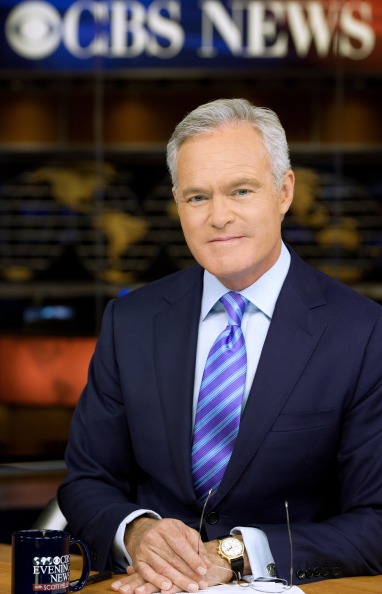
  • Scott Pelley Joins CAA: What’s Next for the Veteran CBS Journalist?

    Scott Pelley Joins CAA: What’s Next for the Veteran CBS Journalist?

    Veteran journalist Scott Pelley, a prominent figure known for his extensive career at CBS News and his tenure as anchor for ’60 Minutes’, signed with Creative Artists Agency (CAA) in 2026 to explore new opportunities in the media landscape. This strategic move positions Pelley for future projects in documentaries, special reports, and other significant journalistic endeavors, signaling his continued commitment to the field after departing the ’60 Minutes’ primary anchor desk.

    The decision to join a major talent agency like CAA often precedes the announcement of new ventures. These could include long-form investigative series for streaming platforms, independent documentary productions, or high-profile speaking engagements. Pelley’s decades of experience and his established public profile make him a valuable asset in the competitive media environment.

    Pelley’s Distinguished Career at CBS News

    Scott Pelley’s career at CBS News spanned over three decades, establishing him as one of the network’s most recognized and respected journalists. He began his tenure in 1989 as a reporter based in New York, quickly gaining recognition for his coverage of major global events.

    His early assignments included comprehensive reporting on the Persian Gulf War in 1990. He also played a key role in covering the 1992 U.S. presidential campaign, demonstrating his versatility across hard news and political reporting.

    Rising Through the Ranks: From Reporter to Correspondent

    Pelley’s reporting assignments frequently took him to the front lines of significant international events. He covered conflicts in Iraq and Afghanistan, reported on natural disasters across the globe, and documented critical political developments from Washington D.C. to various world capitals. This extensive field experience solidified his reputation as a tenacious and thorough journalist.

    In 1997, Pelley achieved a significant career milestone by becoming a correspondent for ’60 Minutes’. This role placed him on one of television’s most iconic and prestigious news programs. His segments for ’60 Minutes’ consistently earned critical acclaim and garnered him multiple Emmy Awards, recognizing his impactful storytelling and investigative prowess.

    Anchoring the ‘CBS Evening News’

    Scott Pelley’s prominence at CBS News culminated in his appointment as anchor of the ‘CBS Evening News’ in 2011. He also served as the managing editor for the broadcast, a dual role that placed him at the forefront of daily network news operations. His leadership during this period was marked by a commitment to in-depth reporting and contextual analysis.

    During his time as the ‘CBS Evening News’ anchor, Pelley reported on a vast array of national and international stories. These included major U.S. presidential elections, significant economic shifts, and pivotal social movements. He frequently anchored the broadcast from various locations, often reporting directly from the scene of breaking news events, providing live updates and expert analysis.

    Transitioning from ’60 Minutes’

    Pelley’s primary anchor role on ’60 Minutes’ concluded in 2017. He stepped down from the ‘CBS Evening News’ to return to ’60 Minutes’ full-time as a correspondent, a transition he described as a desire to focus exclusively on long-form investigative journalism. This move allowed him to dedicate more time to the in-depth reporting that defines the program.

    His eventual departure from the ’60 Minutes’ correspondent roster marked a significant moment in broadcast journalism. The specifics of his exit were a subject of media discussion at the time, as is common for long-serving, high-profile personalities in network news. Such transitions reflect the evolving dynamics within major news organizations and the careers of veteran journalists.

    The Evolving Landscape of Broadcast Journalism

    The broadcast news industry has experienced profound transformations in recent years. The rise of digital platforms, shifts in audience consumption habits, and economic pressures have all reshaped traditional news operations. Veteran journalists like Pelley navigate this dynamic environment, seeking new avenues for their expertise.

    Many experienced broadcasters are transitioning to new roles or platforms outside of traditional network structures. Some pursue independent documentary work, leveraging their storytelling skills. Others engage in commentary, launch podcasts, or provide consulting services. The move to a talent agency like CAA often facilitates these new directions, connecting journalists with emerging opportunities.

    Creative Artists Agency (CAA): A Strategic Partnership

    Creative Artists Agency (CAA) stands as one of the world’s leading talent and sports agencies. Established in 1975, CAA boasts an expansive roster of clients across film, television, music, sports, and digital media. The agency’s global reach includes offices in major cities worldwide, providing unparalleled access to various industries.

    CAA’s services extend beyond simple representation. They encompass comprehensive career management, strategic marketing, and robust business development for their clients. The agency negotiates complex contracts, secures lucrative endorsements, and identifies innovative new opportunities. For a journalist of Pelley’s stature, CAA can open doors to diverse projects that transcend traditional network news roles.

    The Crucial Role of Talent Agencies in Modern Media

    Talent agencies play an increasingly crucial role in shaping modern media careers. They function as essential intermediaries between talent and production companies, broadcast networks, streaming services, and other content creators. Their expertise in contract negotiation, intellectual property rights, and industry trends is invaluable for high-profile individuals.

    For journalists, an agency can be instrumental in securing book deals, arranging high-profile speaking engagements, and facilitating roles in streaming documentaries or limited series. They also assist in developing personal brands and expanding influence across multiple digital and broadcast platforms. Pelley’s decision to join CAA aligns with this broader industry trend, positioning him strategically for future endeavors.

    Anticipated Future Endeavors for Scott Pelley

    The signing with CAA strongly suggests that Scott Pelley intends to remain a prominent voice in journalism and media. While specific projects have not yet been announced, his distinguished background and past work point to several likely paths. He could contribute to original content for major streaming services, which increasingly invest in high-quality news and documentary programming.

    Independent production companies specializing in non-fiction storytelling represent another probable avenue. Pelley’s extensive experience with in-depth reporting and long-form narratives for ’60 Minutes’ aligns perfectly with the demands of documentary filmmaking. He might also engage in special investigative series for various platforms, or pursue public speaking events that draw on his vast experience.

    Impact on the Broader Media Landscape

    Scott Pelley’s next steps will be closely observed by those tracking the future of broadcast journalism. His career has mirrored many of the significant shifts within the industry over the past three decades. His continued presence, now facilitated by CAA, will contribute to the evolving narrative of how news is produced, distributed, and consumed in the 21st century.

    The media ecosystem continues its rapid diversification. Established journalists are finding new platforms and connecting with new audiences beyond traditional networks. The move to CAA is a strategic and forward-thinking choice in this environment, effectively positioning Pelley for continued relevance and significant impact in the years to come.

    Journalists adapt. Agencies facilitate. Careers evolve.

    The landscape changes.

    Pelley moves forward.

    The Enduring Legacy of ’60 Minutes’

    ’60 Minutes’ remains a foundational pillar of American broadcast journalism. The program, which first debuted in 1968, possesses a long and storied history of impactful, agenda-setting reporting. It has featured numerous legendary correspondents and anchors who have shaped public discourse.

    Pelley’s contributions to the program are an integral part of this enduring legacy. His segments frequently tackled complex and difficult subjects with unwavering journalistic rigor and a commitment to factual accuracy. The show’s unique format, emphasizing in-depth investigations and long-form interviews, provided an ideal platform for his distinctive reporting style.

    ’60 Minutes’ and Its Continuing Influence

    The influence of ’60 Minutes’ extends far beyond its weekly broadcast. Its investigative reports have frequently led to policy changes, legal actions, and heightened public awareness of critical issues. The program has consistently set a high standard for broadcast journalism, influencing generations of reporters and news consumers.

    Pelley’s work on the program upheld this tradition, earning him accolades and solidifying his place in its history. Even as he embarks on new ventures, his contributions to ’60 Minutes’ will remain a significant part of his professional identity. The program continues to be a benchmark for quality in an increasingly fragmented media world.

  • Oprah Winfrey, Whitney Houston, and the Secret of the Stage Fall – How a Studio Audience Protected a Legend

    Oprah Winfrey, Whitney Houston, and the Secret of the Stage Fall – How a Studio Audience Protected a Legend

    Oprah Winfrey witnessed Whitney Houston fall off the stage during a performance on The Oprah Winfrey Show. She did not call for a commercial break. She did not look to her producers. Winfrey halted the production, stepped toward the studio audience in Chicago, Illinois, and begged them to keep the accident a secret. She knew the tabloid press was waiting for a moment of weakness. She knew the media would weaponize the misstep. ‘I knew she would be destroyed by that,’ Winfrey later revealed. The audience listened. The secret held. In an era defined by brutal media scrutiny, it was a rare, engineered moment of grace.

    The Incident at Harpo Studios

    Harpo Studios operated as an impenetrable fortress of daytime television. Located in the West Loop neighborhood of Chicago, the facility was a highly controlled environment. Every camera angle was planned. Every lighting cue was rehearsed. Guests walked onto the stage knowing they were entering the most powerful media platform in the United States. Whitney Houston arrived as global music royalty. She carried the weight of superstardom. She also carried the physical exhaustion that accompanied it.

    During a taped performance, the illusion of flawless execution shattered. Houston lost her footing. She tumbled from the elevated stage. The physical reality of live performance crashed into the polished expectations of daytime television. Stage lights glared. Monitors hummed. The studio audience gasped. A fall for any performer is disorienting. A fall for Whitney Houston was a potential career crisis. The cameras kept rolling. The machinery of television is designed to capture disaster.

    Oprah Winfrey intervened. She understood the stakes instantly. She stepped out of her role as a broadcaster and assumed the role of a protector. The production stopped. The music faded. Winfrey turned her attention away from the cameras and directly toward the hundreds of people sitting in the studio audience.

    A Plea for Silence

    A television studio audience is a volatile entity. They are brought in to react. They are encouraged to applaud, gasp, and gossip. Winfrey asked them to do the exact opposite. She asked them to forget what they had just seen.

    “I knew she would be destroyed by that.”

    Those words carried the weight of lived experience. Winfrey understood the relentless nature of the press. She knew that a simple physical trip would not be reported as a simple physical trip. It would be framed as a collapse. It would be analyzed, scrutinized, and mocked. The narrative would shift from Houston’s vocal prowess to her physical vulnerability. Winfrey begged the crowd to protect the singer. She asked them to honor a pact of silence.

    The audience agreed. They walked out of Harpo Studios and returned to their lives. They did not call the press. They did not sell the story. The incident vanished into the archives of unreleased television footage.

    The Architecture of the Harpo Stage

    The stage at Harpo Studios was designed for intimacy, but it was still a formidable physical structure. Elevated above the audience, surrounded by heavy broadcast equipment, thick cable runs, and high-intensity lighting rigs, it was a hazardous workspace. Performers navigated this terrain while projecting effortless joy.

    The physical toll of performing under hot lights while executing choreography or projecting powerful vocals is immense. A single misstep on a glossy floor can result in a dangerous fall. The fact that accidents did not happen more often is a testament to the professionalism of the guests. When Houston fell, the danger was both physical and reputational.

    The Machinery of the Tabloids

    The media landscape of the late twentieth and early twenty-first centuries was unforgiving. Tabloid journalism operated with ruthless efficiency. Publications like The National Enquirer and The Sun thrived on the destruction of celebrity polish. Paparazzi stalked global superstars. Every misstep was monetized.

    Female celebrities faced a specific, concentrated venom. The press demanded perfection. When perfection slipped, the punishment was public humiliation. Whitney Houston existed at the absolute center of this storm. Her voice was considered a global treasure. Her personal life was treated as public property.

    • Photographers camped outside hotels to capture moments of exhaustion.
    • Gossip columns speculated wildly about physical health and mental stability.
    • Late-night comedians used celebrity missteps as reliable monologue material.
    • Tabloid editors paid massive sums for unflattering photographs or embarrassing anecdotes.

    Winfrey knew this ecosystem intimately. She had navigated it herself. She recognized that a video of Houston falling would become the defining image of the week, the month, or the year. It would overshadow the music. It would erase the artistry. The tabloids did not offer grace. They offered spectacle.

    The Burden of Perfection

    Whitney Houston was not just a singer. She was “The Voice.” Arista Records and executive Clive Davis had built an empire around her pristine image and unmatched vocal ability. The pressure to maintain that standard was absolute.

    Touring demanded grueling physical endurance. Recording demanded emotional exhaustion. Public appearances required a flawless facade. The margin for error was zero. A stage fall is a terrifying moment for any artist. It is a sudden loss of control. For Houston, the loss of control was the very thing the media was desperate to document.

    Winfrey saw the human being beneath the superstar mantle. She saw a woman who was tired, vulnerable, and in need of a shield. By halting the tape, Winfrey provided that shield. She refused to let Harpo Studios become the source of Houston’s humiliation.

    The Psychological Toll of the Spotlight

    The fear of being destroyed by the press was not an exaggeration. The psychological toll of relentless public scrutiny has broken countless artists. For a vocalist whose entire brand was built on flawless execution, a public display of clumsiness or physical failure could trigger a cascade of negative press.

    The media narrative often spirals. A trip becomes a sign of exhaustion. Exhaustion becomes a rumor of substance abuse. A rumor becomes a career-ending headline. Winfrey understood this pipeline of destruction. She knew that protecting the physical moment of the fall was actually about protecting the psychological safety of the artist.

    The Bond Between Titans

    The dynamic between Winfrey and Houston was unique in American media. They were two Black women who had reached the absolute zenith of global influence. They shared an understanding of isolation. They knew what it meant to carry the expectations of millions.

    This mutual respect defined their interactions. When Houston needed to speak directly to the public, she chose Winfrey’s platform. Their landmark 2009 sit-down interview remains a masterclass in empathetic, yet rigorous, journalism. Winfrey did not shy away from difficult questions. But she never stripped Houston of her dignity.

    The stage fall incident was a precursor to that ultimate trust. Winfrey proved, in real-time, that she valued Houston’s humanity over a sensational television moment. She sacrificed a viral clip to save a friend’s spirit.

    The Anatomy of a Studio Audience

    The ability to keep a secret in a room of hundreds of people seems impossible today. It requires an examination of how studio audiences functioned before the digital revolution.

    Attending The Oprah Winfrey Show was viewed as a privilege. Tickets were highly coveted. The audience felt a deep sense of loyalty to Winfrey. When she spoke, they listened. When she made a direct, emotional appeal, they responded with obedience. The social contract of the room dictated that Winfrey was the ultimate authority.

    Furthermore, the mechanics of leaking a story were difficult. A person had to physically call a news desk. They had to convince an editor they were telling the truth. Without video evidence, the story was just a rumor. The barrier to entry for gossip was high. The audience’s silence was a combination of respect for Winfrey and the logistical friction of the era.

    Why the Secret Could Not Survive in 2026

    The media environment of 2026 operates on a completely different axis. The concept of a secret studio audience is dead. A stage fall today would not be contained by a host’s plea. It would be broadcast globally before the performer hit the ground.

    Every audience member is a publisher. Smartphones capture every angle. Platforms like TikTok, X, and Instagram thrive on raw, unedited disaster. The moment Houston slipped, a dozen live streams would have captured it. The footage would be trending within minutes.

    Modern television productions attempt to combat this with strict Non-Disclosure Agreements. Production assistants confiscate phones. Security guards monitor the crowd. But leaks still happen. The financial incentive to sell footage to outlets like TMZ is too high. The cultural desire for instant virality is too strong.

    Winfrey’s plea to the Chicago audience worked because it relied on a shared sense of basic decency. In 2026, the architecture of the internet actively discourages decency. The algorithm rewards humiliation. The algorithm demands the footage. The secret could never survive the digital age.

    A Legacy of Protection

    The story of the stage fall is not really about Whitney Houston losing her balance. It is about Oprah Winfrey choosing empathy over entertainment. It is about a brief, shining moment when the relentless machinery of celebrity culture was forcibly stopped by a single request.

    Winfrey saw a disaster unfolding. She calculated the cost. She recognized the cruelty of the press. She intervened. She asked for grace on behalf of someone who could not ask for it herself.

    The tapes were secured. The audience filed out into the Chicago afternoon. The tabloids printed their weekly editions without the story. The singer kept her dignity. The host kept her promise. The secret held. Grace.

  • Second Note Sent to Media Claims Nancy Guthrie is Dead

    Second Note Sent to Media Claims Nancy Guthrie is Dead

    On June 23, 2026, national media outlets received a second anonymous note claiming that Nancy Guthrie, the mother of NBC Today co-anchor Savannah Guthrie, has died. The correspondence arrived at entertainment and hard news desks, escalating a quiet internal inquiry into a widespread verification effort. Neither Savannah Guthrie, her personal representatives, nor NBC Universal have issued a public statement confirming or denying the contents of the messages. The situation remains an active, unverified newsroom inquiry.

    Unsolicited tips reach newsrooms daily. Repeated, targeted correspondence regarding the immediate family member of a sitting network anchor represents a distinct anomaly. The situation immediately triggered standard journalistic protocols across New York City and Los Angeles media hubs. Editors are currently working to establish contact with primary sources to confirm the status of the Guthrie family matriarch.

    The Arrival of the Second Note

    The contents of the second note reinforce the initial claim regarding Nancy Guthrie. Details regarding the exact delivery method, the specific outlets targeted, and the sender’s identity remain shielded by the receiving organizations. Law enforcement and media organizations routinely withhold specific details of unverified correspondence to prevent copycat behavior or interference with potential investigations.

    The timeline of the correspondence forms the center of the current media inquiry. The arrival of a second note suggests a coordinated effort by the sender to force publication. Major outlets, including Variety and The Hollywood Reporter, operate dedicated tip lines. Escalating claims typically trigger internal legal and editorial reviews before any public reporting occurs. The presence of a second message forces desk editors to allocate resources to verify the claim, rather than dismissing it as a singular prank.

    The Guthrie Family Dynamics and Tucson Roots

    Savannah Guthrie has anchored the Today show from Studio 1A at Rockefeller Center since 2012. Her relationship with her mother, Nancy, is well-documented on the broadcast. Nancy Guthrie has occasionally appeared in public segments. These appearances frequently occur during Mother’s Day programming and family-focused culinary segments.

    The Guthrie family history is rooted in Tucson, Arizona. Savannah was born in Melbourne, Australia, in 1971. The family relocated to the United States shortly after her birth. Nancy Guthrie raised Savannah and her siblings, Annie and Camron, in Arizona. The family established deep ties to the local community.

    The family faced a significant tragedy in 1988. Charles Guthrie, Savannah’s father, died suddenly of a heart attack when Savannah was 16 years old. Following his death, Nancy Guthrie returned to the workforce to support her three children. She secured a position in public relations at the University of Arizona.

    This background frequently surfaces in Savannah Guthrie’s public discussions about resilience and family. The close bond between mother and daughter makes the current unverified correspondence particularly sensitive for NBC News personnel and broadcast colleagues. The personal history elevates the urgency of the verification process.

    Journalistic Protocols for Death Verification

    Newsrooms operate under strict verification protocols when handling claims of a high-profile death. The Associated Press, Reuters, and major broadcast networks do not publish obituaries or confirm deaths based solely on anonymous or unsolicited correspondence. The rules of journalism require concrete proof.

    The standard protocol requires direct confirmation from a primary source. Acceptable primary sources include immediate family members, official public relations representatives, a county medical examiner, or local law enforcement agencies. Until one of these sources provides on-the-record confirmation, the notes remain an unverified anomaly.

    Publishing a death notice without primary confirmation carries significant editorial and legal risks. The rush to publish based on secondary or anonymous sources has historically resulted in high-profile retractions. Consequently, editors at major desks place a hard hold on any reporting until the verification chain is complete. The burden of proof rests entirely on the news organization.

    The Bottleneck at 30 Rockefeller Plaza

    The situation places NBC Universal in a delicate position. As the employer of Savannah Guthrie, the network must balance its role as a newsgathering organization with its responsibilities to its anchor. NBC News maintains its own rigorous standards and practices division to handle sensitive reporting.

    Currently, representatives for NBC News and the Today show have declined to comment on the notes. This silence is standard operating procedure. Corporate communications departments rarely address unverified rumors regarding the personal lives of their on-air talent unless a formal statement has been authorized by the family.

    Inside 30 Rockefeller Plaza, producers and desk editors continue their daily operations. The morning broadcast schedule remains intact. Any deviation from this schedule, or any formal acknowledgment on the Today show, would only occur after absolute verification and with Savannah Guthrie’s explicit consent. The network defers to the family.

    The Role of Entertainment Media

    Trade publications and entertainment news outlets often serve as the first point of contact for unsolicited industry tips. Outlets like TMZ, Variety, and Deadline monitor dedicated inboxes for breaking news. These desks process thousands of claims weekly.

    When a tip involves a private citizen, the editorial calculus changes. Nancy Guthrie is not a public figure in the traditional sense, despite her occasional television appearances. The privacy rights of non-public figures dictate a higher threshold for reporting. This legal and ethical distinction further slows any potential publication of the claims made in the notes.

    Savannah Guthrie’s Journalistic Background

    The current situation intersects with Savannah Guthrie’s own professional background. She joined NBC News in 2007. She served as a White House correspondent and chief legal correspondent. She holds a Juris Doctor from Georgetown University Law Center.

    Her rigorous training in evidence and fact-checking defines her career. She understands the mechanics of newsroom verification better than most public figures. This makes the circulation of unverified notes about her own family deeply ironic. The very protocols she utilizes daily as a journalist are currently being applied to her personal life by her peers in the media.

    Tracking the Source of the Correspondence

    While newsrooms attempt to verify the claim, parallel efforts often focus on the source of the notes. Digital correspondence leaves metadata trails, including IP addresses and routing information. Physical notes carry postmarks and forensic markers.

    Media organizations do not act as law enforcement. However, their IT and security departments routinely screen incoming anonymous tips for credible threats or coordinated harassment campaigns. If the notes are deemed part of a targeted harassment effort against the Guthrie family or NBC Universal, the network’s corporate security division would likely involve federal or local authorities.

    As of June 23, 2026, no such escalation has been publicly announced. The focus remains entirely on the factual verification of the claims. The identity of the sender remains a secondary concern to the validity of the message.

    The Impact on Morning Television Audiences

    Morning television relies heavily on the parasocial relationships between anchors and viewers. The Today show audience knows Savannah Guthrie’s children, Vale and Charley. They know her husband, Michael Feldman. They know her mother, Nancy.

    When an anchor shares their life on air, the audience feels a sense of ownership or connection. This connection drives the intense public interest in the unverified notes. Viewers track the personal milestones of morning anchors with the same attention they give to hard news. The network understands this dynamic and navigates it carefully during moments of potential family crisis.

    Next Steps for the Press

    Reporters assigned to this tip are currently executing standard skip-tracing and verification techniques. This involves checking public death registries in New York, where Savannah lives, and Arizona, where Nancy has historical ties. It involves contacting local medical examiner offices. It involves reaching out to the NBC Universal press office.

    Every inquiry must be handled with extreme tact. Calling a family member to verify a death based on an anonymous note is one of the most difficult tasks in journalism. Desks weigh the news value of the claim against the potential harm of the inquiry. In this case, the high profile of the anchor necessitates the inquiry, but dictates a highly sensitive approach.

    The Waiting Period

    The current situation exemplifies the tension between the speed of modern information and the deliberate pace of traditional journalism. The existence of the notes is a verifiable fact. The claims within the notes remain entirely unverified.

    Media organizations will continue to monitor official channels. County records, statements from the University of Arizona community, and official releases from NBC Universal represent the likely avenues for eventual confirmation or denial. Until that time, the correspondence sits in a holding pattern. The claims cannot be ignored, but they cannot be published as fact.

    Frequently Asked Questions

    Did Nancy Guthrie die?

    As of June 23, 2026, media outlets have received anonymous notes claiming Nancy Guthrie has died. This information remains unconfirmed by her family, NBC Universal, or official authorities. It is currently an active, unverified newsroom inquiry.

    Who is Nancy Guthrie?

    Nancy Guthrie is the mother of Savannah Guthrie, the prominent co-anchor of NBC’s Today show. She raised Savannah in Tucson, Arizona, and has occasionally appeared on the morning broadcast for family-focused segments.

    What did the second note say about Savannah Guthrie’s mother?

    The second note sent to media outlets reiterated the claim that Nancy Guthrie is dead. The sender, the delivery method, and the factual authenticity of the note are currently unverified by any primary journalistic source.

    Why hasn’t NBC News reported on the notes?

    Major news organizations, including NBC News, do not publish obituaries based on anonymous correspondence. Standard journalistic protocol requires confirmation from a primary source, such as a family representative or medical examiner, before reporting a death.

    Desks log the correspondence. Editors check the official wires. The verification process continues. Pending.

  • The Facts Matter – Why an Iowa News Anchor Walked Away on Live Television

    The Facts Matter – Why an Iowa News Anchor Walked Away on Live Television

    In June 2026, an Iowa news anchor abruptly resigned during a live television broadcast, looking directly into the studio camera to announce he was “stepping away from the news industry.” Citing a profound disillusionment with the state of modern journalism, the anchor delivered a final, unscripted message to his local viewers: “The facts matter.” The moment, first reported by the entertainment news outlet Deadline, immediately went viral. It captured a widespread cultural frustration with media consolidation, algorithmic news delivery, and the perceived erosion of traditional journalistic integrity. The anchor did not wait for a commercial break. He delivered his truth, took off his microphone, and walked away.

    The incident struck a deep nerve in the American heartland. For decades, the local news anchor was the most trusted figure in any given media market. They were the voice of authority during severe weather. They were the neutral observers of city council disputes. They were neighbors. But by the summer of 2026, that relationship had fractured. The unscripted departure in Iowa was not an isolated breakdown. It was a symptom of a systemic collapse in how local information is gathered, packaged, and sold to the public.

    The Anatomy of an On-Air Resignation

    Live television operates on rigid precision. Scripts are loaded into the teleprompter. Camera angles are automated. Timings are calculated down to the second to accommodate highly lucrative local advertising blocks. When an anchor deviates from the prompter, the control room notices immediately. The director must make a split-second decision: cut to black, roll a commercial, or let the moment play out. In Iowa, the moment played out.

    The anchor’s declaration that “the facts matter” was a direct indictment of the environment surrounding him. It was a rejection of the modern broadcast formula. Local news stations in 2026 are often tasked with doing more with less. Reporters act as one-man bands, shooting, editing, and writing their own copy. Anchors are pressured to maintain high-engagement social media profiles. The news hole is frequently filled with syndicated, nationally produced packages designed to spark outrage rather than inform the local electorate. The Iowa resignation cut through that noise. It was a rare moment of unvarnished reality broadcasting directly into living rooms across the state.

    Iowa’s Unique Position in the Media Landscape

    To understand the weight of this resignation, one must understand the Iowa media market. Iowa holds a unique, outsized role in the American political ecosystem. Despite changes to the national primary calendar, the state remains a critical testing ground for political messaging. Markets like Des Moines (Nielsen DMA 68) and Cedar Rapids (DMA 92) are flooded with millions of dollars in political advertising every election cycle. The local news stations are the primary vehicles for this massive influx of cash.

    This financial dynamic places immense pressure on local newsrooms. The stations are highly profitable during election years, yet those profits rarely trickle down to the newsgathering operations. Instead, the revenue flows upward to corporate headquarters in other states. The journalists on the ground are left to navigate complex local issues, agricultural policy, rural healthcare access, education funding, with shrinking resources and growing corporate mandates. The tension is palpable. For one anchor in June 2026, that tension finally snapped.

    The Shadow of Corporate Consolidation

    The story of the Iowa resignation is inextricably linked to the corporatization of local broadcasting. Following the passage of the Telecommunications Act of 1996, the Federal Communications Commission (FCC) relaxed ownership rules. This triggered a decades-long buying spree. Today, a handful of massive conglomerates, such as Sinclair Broadcast Group, Nexstar Media Group, Gray Television, and Tegna, control the vast majority of local television stations in the United States.

    These conglomerates operate on economies of scale. They centralize graphics, web hosting, and often, editorial direction. “Must-run” segments produced in Washington D.C. or New York are beamed to local affiliates, mandated to air during local broadcasts. This homogenizes the news. A broadcast in Des Moines begins to look exactly like a broadcast in Fresno or Albany. The local anchor, once an independent editorial voice, is frequently reduced to a highly paid reader of nationally syndicated talking points. When the Iowa anchor stated that “the facts matter,” it was a clear defense of localized, verifiable truth over imported, engagement-driven narratives.

    The “Facts Matter” Doctrine and Cultural Defense

    The viral spread of the Deadline report was fueled by a specific demographic reaction. The story resonated deeply with viewers who feel a profound sense of betrayal by modern media. This is the “cultural defense” mechanism at play. Audiences remember a time when the nightly news felt like a public utility. They remember anchors who delivered the day’s events without a partisan slant or an urgent call to share the clip on TikTok.

    When a public figure deviates from their perceived traditional role, in this case, by breaking the fourth wall and quitting on air, it validates the audience’s own skepticism. The viewers who shared the clip across X (formerly Twitter) and Facebook did so to express their own feelings about media integrity. The anchor became a proxy for their frustration. His resignation was viewed not as a professional failure, but as a moral victory. He chose the facts over the paycheck. He chose the truth over the teleprompter.

    The Economics of the Anchor Desk in 2026

    The financial realities of local television in 2026 make the anchor’s decision even more stark. Traditional linear television viewership is in a steady, terminal decline. Younger demographics do not tune in at 5:00 PM or 6:00 PM. They receive push notifications from aggregators. To combat this, corporate owners have pushed stations to prioritize digital metrics. Clicks, shares, and time-on-site are the new currencies.

    This shift alters the definition of what constitutes “news.” A complex investigation into municipal bond fraud takes weeks to produce and generates low digital engagement. A two-minute package about a controversial post on a local community Facebook page takes an hour to produce and generates thousands of angry comments. The algorithm rewards the latter. For a journalist trained in the former, the daily grind becomes ethically exhausting. Stepping away from the industry is often the only way to preserve one’s professional dignity.

    Historical Precedents of Broadcast Rebellion

    The Iowa incident joins a long, fascinating history of on-air broadcast rebellions. These moments are rare, but they leave a lasting mark on the industry. In 2014, Alaska reporter Charlo Greene quit on live television, revealing she was the owner of a local cannabis club she had been reporting on, ending her segment with an expletive before walking off set. While her departure was chaotic, it highlighted the sheer power of the live broadcast.

    More relevant to the Iowa anchor’s ethical stand was the 2018 controversy involving Sinclair Broadcast Group. Dozens of local anchors across the country were required to read a synchronized promotional script warning about “fake news” and stating that biased reporting was “extremely dangerous to our democracy.” When a video compilation of anchors reciting the exact same script went viral, it shattered the illusion of local editorial independence. The Iowa anchor’s 2026 resignation is the direct descendant of that 2018 moment. It is the individual reclaiming their voice from the corporate machine.

    The Pivot to Independent Platforms

    When a veteran journalist steps away from the legacy news industry in 2026, they rarely stop reporting. The ecosystem has evolved to catch them. The rise of independent publishing platforms like Substack, Patreon, and independent YouTube channels has created a viable alternative to the broadcast desk. Journalists can now monetize their own trustworthiness directly with the audience, bypassing the corporate gatekeepers entirely.

    This pivot is reshaping the landscape of local news. Non-profit newsrooms, such as the Iowa Capital Dispatch, are filling the investigative void left by shrinking legacy outlets. Former anchors are launching hyper-local podcasts that generate revenue through direct community sponsorships rather than national programmatic advertising. By stepping away from the traditional industry, the Iowa anchor may simply be stepping into the future of American journalism. The facts still matter. They just require a different delivery system.

    The End of the Broadcast Era

    The television was on. The lights were bright. The prompter scrolled. The anchor stopped.

    In a matter of seconds, decades of broadcast tradition were dismantled on live television. The event was not just a viral clip to be consumed and forgotten. It was a diagnostic image of a broken system. The corporate mandates squeezed too tight. The algorithmic pressure pushed too hard. The definition of news became too blurred. The anchor looked at the camera. He spoke his piece. He took off the microphone. He walked away.

    Silence.

  • The Resignation of Dustin Nolan – Why an Iowa Anchor Quit Live on Air

    The Resignation of Dustin Nolan – Why an Iowa Anchor Quit Live on Air

    On June 20, 2026, Iowa news anchor Dustin Nolan deviated from his teleprompter during a live evening broadcast in Des Moines. He resigned on air to protest what he called “sanitized news.” Nolan stated that corporate media structures intentionally keep viewers in ideological bubbles. He unclipped his microphone, left the desk, and the station cut to a commercial break. The unedited clip circulated across social media platforms within minutes.

    The incident occurred during the 6:00 PM Central Time broadcast. Nolan had just completed a transition from a local weather update. The broadcast rundown called for an introduction to a syndicated national political package. Nolan did not read the introduction.

    He looked directly into the primary studio camera. He lowered his printed script to the desk. He delivered a factual, unprompted statement regarding the state of modern broadcast journalism.

    The June 20 Broadcast Timeline

    The broadcast proceeded normally for the first fourteen minutes. At 6:14 PM, the technical director cued camera two. The teleprompter operator scrolled to the next block of text. Nolan ignored the prompter.

    “I can no longer read what is on this screen,” Nolan said. “We are delivering sanitized news. We are protecting you from the reality of the world to protect our bottom line. We have to take people out of their bubbles. I can no longer participate in this. I resign.”

    Nolan removed his lavalier microphone. He placed the device on the glass anchor desk. He stood up and walked out of the camera frame. The camera remained locked on the empty chair for four seconds. The control room then triggered a hard cut to a pre-scheduled local automotive advertisement.

    A viewer recorded the broadcast on a smartphone. They uploaded the video to X and TikTok at 6:22 PM. By midnight, the footage had accumulated over four million views across multiple platforms.

    The Mechanics of a Live Broadcast Exit

    A live television news broadcast is a highly automated environment. Modern local stations utilize automated production control systems like Ross OverDrive or Sony ELC. These systems link the teleprompter, the robotic studio cameras, and the audio board to a single computerized rundown.

    When an anchor deviates from the script, the automation fails. The technical director must manually override the system. The producer must instantly decide how to fill the dead air.

    In the Des Moines control room, the sudden departure forced an immediate manual intervention. The producer directed the technical director to dump out of the news block early. They rolled the commercial break. The remaining sixteen minutes of the broadcast were completed by Nolan’s co-anchor, who read the remaining scripts without acknowledging the resignation.

    Defining Sanitized News

    Nolan’s resignation centered on the phrase “sanitized news.” This term describes a specific editorial strategy employed by corporate media conglomerates. The strategy prioritizes audience retention over comprehensive reporting.

    Sanitized news involves the deliberate removal of complex or controversial local details. Stations replace these details with generalized, nationalized talking points. The goal is to avoid alienating any segment of the viewing audience. Alienated viewers change the channel. Lower viewership leads to reduced advertising rates.

    In 2026, local newsrooms operate with fewer reporters than in previous decades. To fill the broadcast time, corporate owners provide centralized scripts. They mandate “must-run” segments. These segments air simultaneously across hundreds of local markets. They provide a uniform, homogenized version of daily events.

    The Economics of the Des Moines Market

    The Des Moines, Iowa, media market is designated as DMA 67 by Nielsen Media Research. Despite its mid-tier ranking, the market carries outsized political and economic importance. Iowa is a perennial hub for political advertising.

    During the 2026 midterm election cycle, political action committees and campaign organizations spent tens of millions of dollars on local broadcast television in Iowa. A thirty-second advertisement during the evening news commands a premium rate. Station revenue is heavily dependent on maintaining a reliable, non-controversial environment for these advertisements.

    Local broadcasters face immense financial pressure to protect this revenue stream. Station managers instruct news directors to avoid stories that might trigger advertiser boycotts. They steer coverage away from granular local disputes. They focus on crime, weather, and safe, human-interest features. This economic reality forms the foundation of the sanitized news model.

    The Consolidation of Local Television

    The structural issues Nolan highlighted are the result of a three-decade trend in media ownership. In 1996, the United States Congress passed the Telecommunications Act. President Bill Clinton signed the legislation into law. This act fundamentally altered the ownership rules for broadcast media.

    Prior to 1996, strict limits prevented a single corporation from owning too many local stations. The Federal Communications Commission (FCC) enforced these caps to ensure local diversity in media ownership. The 1996 act relaxed these restrictions. A wave of consolidation followed immediately.

    By 2026, a handful of massive conglomerates dominate the local television landscape. Companies like Nexstar Media Group, Sinclair Broadcast Group, Gray Television, and TEGNA own the vast majority of local affiliates in the United States. A single corporation can own hundreds of stations across the country.

    This consolidation centralizes editorial control. A corporate headquarters in Texas or Maryland can dictate the editorial tone of a local broadcast in Iowa. Local news directors have increasingly less autonomy over their own rundowns.

    Retransmission Consent and Revenue Models

    Advertising is only one part of the local television revenue model. The other major component is retransmission consent fees. The Cable Television Consumer Protection and Competition Act of 1992 established this system.

    Under this law, cable and satellite providers must pay local broadcasters for the right to carry their signals. These fees have grown exponentially. Media conglomerates use their massive portfolios of stations to negotiate higher fees from cable providers like Comcast and Charter Communications.

    To justify these fees, stations must maintain consistent viewership. They cannot afford volatile ratings. Sanitized news provides a steady, predictable product. It minimizes the risk of sudden audience drops. The financial structure of the industry directly disincentivizes risky or hard-hitting local journalism.

    The Architecture of the Audience Bubble

    Nolan specifically cited the need to “take people out of their bubbles.” The concept of the audience bubble originated in digital media. Algorithms on platforms like Facebook, YouTube, and X track user behavior. They serve content that aligns with the user’s existing beliefs. This maximizes engagement and time spent on the platform.

    Linear television networks observed the success of this digital model. They adapted their own strategies to mimic it. Cable news networks pioneered the demographic bubble, aligning their programming with specific political ideologies.

    Local television adopted a softer version of this strategy. Rather than leaning into partisan extremes, local stations lean into comfort. They validate the viewer’s worldview by avoiding information that challenges it. They present a sanitized version of reality. The viewer remains comfortable. The viewer remains tuned in. The bubble remains intact.

    Historical Precedents of On-Air Resignations

    Dustin Nolan is not the first broadcaster to resign on live television. The medium has a documented history of anchors bypassing management to address the audience directly.

    In 2014, Charlo Greene was a reporter for KTVA in Anchorage, Alaska. She was reporting on a local cannabis club. At the end of her segment, she revealed herself as the owner of the club. She used an expletive, stated she was quitting, and walked off the set. The video became an early example of viral broadcast defiance.

    In 2012, Cindy Michaels and Tony Batz, co-anchors at WVII in Bangor, Maine, resigned together at the end of their evening broadcast. They later cited interference from upper management and a lack of journalistic balance as their reasons for leaving.

    In 2022, Marina Ovsyannikova, an editor at Russian state television Channel One, interrupted a live broadcast. She held a sign protesting the invasion of Ukraine. While not a resignation, it remains one of the most prominent examples of a broadcast employee breaking the scripted reality of a live news program.

    Nolan’s exit aligns with this historical pattern. The live television feed offers a rare, unfiltered connection to the public. Once the broadcast is live, management cannot stop the anchor from speaking until the technical director cuts the feed. Nolan utilized this brief window of autonomy.

    The Federal Communications Commission Role

    The FCC is the federal agency tasked with regulating broadcast media. The agency operates under the mandate that broadcasters must serve the “public interest, convenience, and necessity.” Broadcasters do not own the airwaves. They lease them from the public.

    Historically, the FCC enforced strict rules regarding localism. Stations were required to produce a specific amount of locally relevant programming. Over the past two decades, many of these requirements have been relaxed or eliminated.

    Media reform advocates argue that the FCC has failed to enforce the public interest mandate. They point to the homogenization of local news as evidence. Nolan’s resignation brought renewed attention to these regulatory debates. Critics use the Des Moines incident to argue for stricter ownership caps and renewed localism requirements.

    The Immediate Aftermath

    The station management released a brief statement on June 21, 2026. The statement confirmed Nolan’s resignation. It emphasized the station’s commitment to objective journalism. It did not address his specific criticisms regarding sanitized news or corporate consolidation.

    Nolan’s social media following grew exponentially in the days following the broadcast. He declined immediate interview requests from national cable networks. He stated through a representative that his on-air statement required no further elaboration.

    The viral nature of the clip sparked a broader conversation within the journalism industry. Reporters at other corporate-owned affiliates anonymously shared similar frustrations regarding mandated scripts and softened coverage. The phrase “sanitized news” briefly became a trending topic on major social platforms.

    The Shifting Media Landscape

    The incident in Des Moines highlights a transitional period in media consumption. Traditional broadcast television faces declining linear viewership. Audiences are migrating to decentralized, independent digital platforms. Independent journalists on platforms like Substack and YouTube operate without corporate oversight or sanitized scripts.

    Local television news remains a primary source of information for millions of Americans. However, the economic pressures of corporate consolidation continue to shape the final product. The tension between journalistic duty and corporate revenue is a permanent feature of the modern newsroom.

    The teleprompter kept scrolling. The control room rolled the commercials. The broadcast continued. Dustin Nolan left the building.

  • BBC Chair Samir Shah Blocks Release of Board Discussions Over Disastrous Donald Trump Edit

    BBC Chair Samir Shah Blocks Release of Board Discussions Over Disastrous Donald Trump Edit

    BBC Chair Samir Shah has officially blocked the release of internal board discussions regarding a highly controversial edit of a Donald Trump segment, citing the need to protect the confidentiality of high-level deliberations. This decision, finalized in June 2026, prevents the public from seeing how the BBC’s leadership addressed what was widely described as a “disastrous” editorial failure. The move immediately amplified concerns about institutional transparency and perceived bias within the British public service broadcaster.

    The refusal to release these documents is not merely a procedural footnote. It is a flashpoint in a much larger, ongoing battle over media trust. When a publicly funded institution shields its internal debates following a significant editorial misstep, the resulting vacuum is quickly filled with suspicion. For audiences already wary of establishment media narratives, this action reinforces a sense of “cultural defense”, a belief that legacy institutions are actively managing information to protect their own interests rather than serving the public truth.

    The story of this blocked release is the story of an institution caught between the demands of public accountability and the instinct for self-preservation. It highlights the growing tension between the BBC’s mandate as a transparent public broadcaster and its operational realities in a hyper-scrutinized media environment.

    The Origins of the Controversy: The Trump Edit

    The controversy stems from a specific broadcast segment involving former US President Donald Trump. The BBC’s editorial handling of this segment was heavily criticized, with many observers pointing to significant omissions or contextual framing that fundamentally altered the narrative. The edit was widely condemned across various political spectrums, though the most vocal criticism originated from those who perceived it as clear evidence of institutional bias against Trump.

    Following the broadcast, the backlash was immediate and severe. Complaints flooded in, demanding an explanation for how such an edit passed through the BBC’s rigorous editorial guidelines. The incident was not viewed as a simple mistake; it was seen as a symptom of a deeper cultural issue within the newsroom, a failure of impartiality that the BBC is legally bound to uphold.

    The pressure mounted on the BBC’s executive leadership to address the failure. The matter was elevated to the BBC Board, the governing body responsible for ensuring the corporation fulfills its mission and public purposes. The public expectation was that the board would conduct a thorough review and provide a transparent accounting of what went wrong and who was responsible.

    The Board’s Deliberations and the Demand for Transparency

    The BBC Board, under the leadership of Chair Samir Shah, convened to discuss the fallout from the Trump edit. These discussions were crucial. They represented the highest level of accountability within the organization, where executives and non-executive directors debated the severity of the editorial breach and the necessary corrective actions.

    However, the details of these discussions remained behind closed doors. In the interest of public accountability, requests were made, likely through Freedom of Information (FOI) channels or direct journalistic inquiry, to release the minutes or summaries of these board meetings. The argument for release was straightforward: the public, which funds the BBC through the license fee, has a right to know how its governing body handled a major editorial failure involving a prominent global figure.

    The push for transparency was not just about satisfying curiosity; it was about verifying that the BBC’s internal mechanisms for accountability were actually functioning. Without seeing the board’s deliberations, critics argued, it was impossible to know if the issue was treated with the seriousness it deserved or if it was quietly minimized to protect the institution’s reputation.

    Samir Shah’s Intervention: Blocking the Release

    In June 2026, the situation reached a critical juncture when BBC Chair Samir Shah formally blocked the release of the board discussions. Shah exercised his authority to withhold the documents, likely invoking exemptions related to internal communications and the need for a “safe space” for candid board deliberations.

    The rationale for blocking such releases typically centers on the argument that board members must be able to debate sensitive issues freely, without fear that their unvarnished opinions will be made public. If every discussion is subject to disclosure, the argument goes, board meetings will become sanitized, and the quality of governance will suffer.

    However, in this specific context, the decision to block the release was met with intense skepticism. Given the highly charged nature of the Trump edit and the existing allegations of bias, Shah’s intervention was viewed by many not as a defense of governance, but as an act of institutional self-protection. It appeared to confirm the worst suspicions of the BBC’s critics: that the organization was more interested in managing its image than in being transparent about its failings.

    The Impact on Public Trust and the “Cultural Defense”

    The immediate consequence of Shah’s decision is a further erosion of public trust in the BBC. When a publicly funded broadcaster refuses to disclose how it handled a significant editorial error, it signals a lack of respect for the audience’s right to know. This lack of transparency is particularly damaging in an era where trust in media is already at historic lows.

    This incident strongly reinforces what sociologists and media analysts term a “cultural defense” among certain audience segments. When individuals perceive that institutions are biased against their values or political figures, they develop a defensive posture. They become highly attuned to any evidence of institutional manipulation or cover-ups. Shah’s decision to block the release of the board discussions serves as perfect fuel for this defensive narrative.

    For these audiences, the blocked release is not an isolated administrative decision; it is part of a broader pattern of behavior by legacy media. It validates their belief that the system is rigged, that the “elites” are protecting themselves, and that the truth is being actively suppressed. This dynamic makes it increasingly difficult for institutions like the BBC to bridge the divide and regain the trust of alienated viewers.

    The BBC’s Ongoing Struggle with Impartiality

    The blocked release also highlights the BBC’s ongoing, systemic struggle with impartiality. As a public service broadcaster, the BBC is required to remain impartial on all matters of public controversy. However, achieving and maintaining this impartiality is an incredibly complex challenge, especially in a deeply polarized political climate.

    The Trump edit incident, and the subsequent handling of the fallout, suggests that the BBC’s internal culture may still have blind spots when it comes to certain political figures or ideologies. When an edit is universally recognized as “disastrous,” it raises questions about the editorial checks and balances that failed to prevent it. When the board’s discussion of that failure is then hidden from public view, it raises questions about the institution’s commitment to learning from its mistakes.

    The BBC’s leadership, including Samir Shah, faces a monumental task in addressing these concerns. They must balance the need for internal confidentiality with the imperative of public transparency. In this instance, the decision to prioritize confidentiality has come at a high cost to the organization’s credibility.

    The Future of Accountability at the BBC

    The controversy surrounding the blocked release of the board discussions is unlikely to fade quickly. It will continue to be cited by critics as evidence of the BBC’s lack of accountability and its institutional bias. The incident sets a troubling precedent for how the organization handles future editorial controversies.

    If the BBC is to rebuild trust, particularly among audiences who feel alienated by its coverage, it must demonstrate a greater willingness to be transparent about its internal workings. This means not only admitting when mistakes are made but also showing the public exactly how those mistakes are addressed at the highest levels of governance. Hiding behind the veil of board confidentiality in the face of significant public interest is a strategy that ultimately damages the institution it is designed to protect.

    The silence from the boardroom speaks volumes. The refusal to release the documents creates a narrative of its own. The BBC Board met. The BBC Board discussed the failure. The BBC Board closed the door. The public was left outside.

  • The Cost of the False Scoop – Presenter Resigns After Fabricating Death of Jorge Messi

    The Cost of the False Scoop – Presenter Resigns After Fabricating Death of Jorge Messi

    In June 2026, a prominent television presenter abruptly resigned and issued a public apology after broadcasting a false report claiming that Jorge Horacio Messi, the father and long-time agent of international football star Lionel Messi, had died. The unverified broadcast triggered immediate global panic across sports media before being rapidly debunked by the Messi family’s representatives operating out of Miami, Florida. The incident resulted in the immediate termination of the broadcast anchor’s career at the network. The rush to be first superseded the obligation to be accurate. The consequences were absolute.

    The Breaking Point on Live Television

    Live television operates on a razor’s edge. The red light illuminates. The anchor speaks. The information becomes reality for millions of viewers in an instant. When the breaking news graphic flashed across the screen in June 2026, the anchor delivered the report with solemn gravity. Jorge Horacio Messi was reportedly dead. No secondary sources were cited. No official medical bulletins were referenced. The report relied entirely on an unverified whisper that had bypassed the network’s traditional editorial safeguards.

    The mechanics of the error reveal a systemic failure in modern broadcast journalism. In the race to beat global aggregators and rival networks, the standard protocol of dual-source verification was abandoned. The control room allowed the bulletin to air. The presenter read the prompter. Within seconds, the clip was isolated, clipped, and uploaded to X, TikTok, and Instagram. The algorithmic machinery of the internet took over. The localized broadcast transformed into a global digital wildfire.

    But the subject of the report was not a peripheral figure. Jorge Messi is a central pillar of the global sporting economy. Reporting his death without absolute certainty was not merely an editorial slip. It was an act of profound journalistic negligence that threatened to destabilize a massive commercial ecosystem. The pushback was inevitably swift. The pushback was merciless.

    Jorge Horacio Messi: The Billion-Dollar Patriarch

    To understand the gravity of the false report, one must understand the entity that is Jorge Messi. He is not simply the father of a famous athlete. He is the architect of the most lucrative sporting career in the history of global football.

    Born in January 1958 in Rosario, Santa Fe, Argentina, Jorge managed a section of the Acindar steel factory. His life was defined by industrial labor and weekend football. When his third son, Lionel, demonstrated preternatural ability on the pitch but suffered from a growth hormone deficiency, Jorge became a relentless advocate. The medical treatments cost roughly $1,000 a month. The Argentine economy was collapsing. Local clubs like Newell’s Old Boys could not, or would not, foot the bill.

    Jorge took his son across the Atlantic. On December 14, 2000, inside the Pompeia tennis club in Barcelona, Jorge sat across from FC Barcelona sporting director Carles Rexach. The resulting agreement, famously drafted on a paper napkin, changed the trajectory of modern sports. From that moment, Jorge Messi ceased to be just a father. He became the sole manager, agent, and fierce protector of the Messi brand.

    The Managerial Empire

    For over two decades, Jorge Messi has negotiated every major contract his son has signed. He does not employ massive sporting agencies. He operates a tight, family-run syndicate. His negotiations are legendary for their quiet ruthlessness and absolute loyalty to his son’s interests. Consider the milestones of his managerial tenure:

    • The Barcelona Era: Negotiating successive record-breaking contract renewals that eventually saw Lionel earning upwards of $160 million annually at the peak of his time at Camp Nou.
    • The Paris Saint-Germain Transfer: Orchestrating the complex, emotionally charged move to Paris in 2021 when Barcelona’s financial ruin made a contract renewal impossible.
    • The Inter Miami MLS Deal: Engineering the unprecedented 2023 move to Major League Soccer. Jorge negotiated a package that included not just a base salary, but revenue-sharing agreements with Apple TV and Adidas, fundamentally altering how athlete compensation is structured in North America.

    Reporting the death of a man who controls a billion-dollar commercial nexus requires more than a rumor. It requires irrefutable proof. The presenter possessed none.

    The Mechanics of a Digital Wildfire

    The false report lived unchallenged for roughly twenty-two minutes. In the ecosystem of 2026 digital media, twenty-two minutes is an eternity. The news hit the aggregate accounts. Fans of the Argentine national team, La Albiceleste, began posting tributes. Major European and South American sporting dailies began drafting obituaries. The financial markets tied to Inter Miami and associated sponsors experienced a brief, localized jitter.

    The speed of the spread highlights the terrifying efficiency of modern misinformation. The original broadcast acted as the spark. Social media algorithms, designed to amplify high-engagement emotional content, acted as the accelerant. The truth was still putting its boots on while the lie had circled the globe twice.

    Then the hammer fell. Representatives from the Messi camp in Miami issued a stark, unequivocal denial. Jorge Messi was alive. He was well. He was actively working. The denial was distributed directly to top-tier journalists and official channels, bypassing the network that originated the falsehood. The narrative snapped back with violent force. The mourning turned instantly to outrage.

    The Swift Hammer of Celebrity Accountability

    The audience of 2026 does not forgive easily. The era of the untouchable television pundit has passed. When the denial was confirmed, the public crosshairs locked onto the presenter and the network. The demand was not for a correction. The demand was for professional execution.

    Audiences today harbor a deep-seated desire for celebrity accountability. Public figures, including prominent journalists, wield massive influence. When that influence is weaponized by incompetence, the public expects a proportional penalty. The outrage over the Jorge Messi report was fueled by a sense of justice. The presenter had caused unnecessary trauma to a globally beloved family. An on-air retraction would not suffice. The audience demanded a resignation.

    The network executives understood the calculus. Defending the presenter would mean adopting the presenter’s liability. It would mean alienating the Messi family, a fatal move for any sports broadcasting entity. It would mean facing a boycott from viewers and a potential exodus of advertisers. The decision was made before the presenter even left the studio building.

    The Apology and the Exit

    Within hours of the broadcast, the presenter released a formal statement. There was no attempt to shift blame to an unnamed producer. There was no attempt to cite a malicious source. The statement was a complete capitulation to the facts.

    “In the pursuit of speed, I abandoned the fundamental duty of verification. I broadcast a report regarding Jorge Messi that was entirely false. I apologize unreservedly to the Messi family for the distress this caused. I also apologize to the viewers who trust this network. Effective immediately, I have tendered my resignation. Accountability must be absolute.”

    The resignation was accepted immediately by the network’s board of directors. The presenter’s social media accounts went dark. The network scrubbed the original broadcast from their digital archives. The swiftness of the exit was designed to cauterize the wound, to stop the bleeding of credibility.

    The Future of Sports Journalism

    The fallout from the Jorge Messi incident serves as a grim case study for sports journalism. The industry is trapped in a paradox. The economic model demands immediate breaking news. The ethical model demands rigorous verification. When the two collide, the resulting explosion destroys careers.

    Newsrooms across the globe watched the resignation with a collective shudder. Memos were circulated. Editorial protocols regarding high-profile deaths were quietly updated. The requirement for dual-source verification, preferably including an official family representative or medical authority, was reinforced. The cost of being wrong had been vividly demonstrated on the global stage.

    For the Messi family, the incident was a brief, jarring intrusion. They returned to their operations in Miami. The business of football continued. But for the broadcasting industry, the scar remains. The public memory is long. The trust deficit is wide. The audience watches, waits, and demands perfection. The margin for error is gone.

    The red light goes off. The studio empties. The career ends. Accountability.

  • BBC News Under Pressure: Program Cuts, Presenter Reviews Amidst Savings Plan

    BBC News Under Pressure: Program Cuts, Presenter Reviews Amidst Savings Plan

    In 2026, BBC News announced a comprehensive and challenging savings plan, leading to the cancellation of long-running programs like ‘The World Tonight’ and ‘Newscast,’ alongside a critical review of presenter roles for flagship shows, including the ‘Today’ program. These measures are a direct response to significant financial pressures and a broader strategy to achieve substantial annual savings across the British Broadcasting Corporation.

    The decisions underscore a pivotal moment for the public service broadcaster. They reflect the evolving landscape of news consumption and the imperative to adapt operations to ensure future sustainability. The cuts affect both on-air talent and behind-the-scenes production teams.

    The Genesis of the Savings Plan

    The BBC’s current financial challenges are multifaceted. They stem from a combination of factors, including a frozen license fee, rising production costs, and intense competition from global streaming services. The corporation has been tasked with achieving a total of £500 million in annual savings by 2028.

    This aggressive savings target necessitates difficult choices across all BBC divisions. News operations, a significant part of the BBC’s public service mandate, are not exempt. The plan aims to reallocate resources to areas deemed more critical for future engagement.

    Director-General Tim Davie outlined the strategic direction in early 2025. He emphasized a ‘digital-first’ approach. This shift prioritizes online content and on-demand services over traditional linear broadcasting.

    Program Cancellations and Their Impact

    Several well-known programs are slated for cancellation under the new plan. ‘The World Tonight,’ a long-standing fixture on BBC Radio 4, is among them. This program has provided in-depth analysis of global events for decades.

    ‘Newscast,’ a popular podcast and television show, is also being cut. ‘Newscast’ gained a significant following for its informal yet insightful discussions on political developments. Its cancellation marks a move away from certain contemporary formats.

    The decision to axe these programs has drawn criticism from some listeners and viewers. Concerns have been raised about the potential loss of diverse journalistic voices and specialized reporting. The BBC maintains that essential news coverage will continue through other platforms.

    The Fate of ‘The World Tonight’

    ‘The World Tonight’ has been a cornerstone of BBC Radio 4’s evening schedule. It offered a crucial summary and analysis of the day’s international news. Its cancellation represents a significant change for loyal listeners.

    Journalists and former presenters associated with the show expressed disappointment. They highlighted its role in providing nuanced perspectives on complex global issues. The program’s final broadcast is scheduled for late 2026.

    ‘Newscast’ and the Digital Strategy

    ‘Newscast’ launched in 2019, quickly becoming a successful example of the BBC’s foray into podcasting. Its transition to television further broadened its reach. The show’s cancellation seems counterintuitive to a ‘digital-first’ strategy.

    However, BBC executives clarified that resources will be redirected to new, more integrated digital offerings. These new offerings are designed to be more flexible and accessible across various platforms. The aim is to consolidate news delivery rather than fragment it.

    Review of Presenter Roles and Talent Management

    A significant component of the savings plan involves a comprehensive review of presenter roles. This affects some of the BBC’s most recognizable faces. The objective is to streamline on-air talent and reduce overall costs associated with high-profile salaries.

    The ‘Today’ program on BBC Radio 4 is particularly impacted. Reports indicate a potential reduction in the number of regular presenters. This could lead to a more consolidated team hosting the flagship morning news show.

    This review extends beyond ‘Today.’ Other major news programs, both on radio and television, are undergoing similar assessments. The goal is to ensure efficiency and value for money in presenter contracts.

    Impact on ‘Today’ Program Hosts

    The ‘Today’ program has traditionally featured a rotating cast of several prominent presenters. Names like Nick Robinson, Martha Kearney, and Justin Webb have been synonymous with the program for years. Their roles, along with others, are now under scrutiny.

    The BBC aims to maintain the program’s journalistic integrity and quality. However, a smaller roster of presenters could mean fewer distinct voices and a different on-air dynamic. Negotiations with current presenters are ongoing.

    Broader Implications for BBC Talent

    The changes signal a shift in how the BBC manages its on-air talent. There is an increased focus on versatility and multi-platform engagement. Presenters may be expected to contribute across various mediums, including radio, television, and digital platforms.

    This strategy seeks to maximize the utility of its journalistic staff. It also aims to foster a more agile and integrated newsroom environment. The long-term impact on presenter careers and opportunities within the BBC remains to be fully seen.

    Operational Restructuring and Future Vision

    Beyond program and personnel cuts, the BBC’s savings plan includes broader operational restructuring. This involves consolidating newsgathering operations and modernizing production workflows. The aim is to achieve greater efficiency across the entire news division.

    New technologies are being leveraged to automate certain processes. This includes AI-driven tools for transcription and content tagging. Such innovations are expected to reduce manual labor and accelerate content delivery.

    The BBC also plans to invest in new digital platforms and interactive features. This aligns with the ‘digital-first’ mandate. The corporation seeks to engage younger audiences and maintain its relevance in a crowded media landscape.

    Consolidation of News Operations

    Regional news operations are also facing consolidation. Some smaller bureaus may be merged or scaled back. This move is designed to centralize resources and reduce overheads.

    The BBC asserts that local news coverage will not diminish. Instead, it will be delivered through more efficient, perhaps more centralized, means. Critics fear a loss of local distinctiveness and journalistic depth.

    Investment in Digital Future

    The BBC’s digital strategy includes enhanced mobile apps, personalized news feeds, and more interactive content. The goal is to create a seamless user experience across all devices. This is seen as crucial for attracting and retaining audiences in the digital age.

    New content formats, specifically designed for online consumption, are also under development. These may include short-form video, data visualizations, and immersive journalistic experiences. The focus is on engaging audiences where they are, rather than expecting them to come to traditional broadcasts.

    Public Reaction and Industry Concerns

    The announcement of these cuts has generated considerable public discussion. Many viewers and listeners express concern about the future of public service broadcasting. They worry about the impact on the quality and breadth of news coverage.

    Industry bodies and unions have also voiced their apprehension. They highlight the potential for job losses and the erosion of journalistic standards. The National Union of Journalists (NUJ) called for greater transparency regarding the long-term strategic vision.

    The BBC maintains that these changes are necessary to safeguard its future. They argue that adaptation is essential for continued relevance and financial viability. The corporation is navigating a complex environment of changing media habits and economic pressures.

    Maintaining Trust and Impartiality

    A core tenet of BBC News is its commitment to trust and impartiality. The savings plan raises questions about how these values will be upheld amidst reduced resources. Critics suggest that fewer journalists and programs could strain editorial oversight.

    The BBC leadership has reiterated its unwavering commitment to these principles. They emphasize that editorial standards will not be compromised. The focus is on delivering high-quality, impartial news through more efficient means.

    The Global Context of Media Cuts

    The BBC’s situation is not unique. Media organizations worldwide are grappling with similar challenges. Declining advertising revenues, shifts in audience behavior, and the rise of digital platforms are forcing widespread restructuring.

    Newsrooms in the United States, Europe, and Australia have also implemented significant cuts in recent years. This global trend underscores the seismic shifts occurring within the media industry. Public service broadcasters, with their unique funding models, face distinct pressures.

    Programs are cancelled. Presenters are reviewed. Operations are restructured. Resources are reallocated. The BBC adapts.