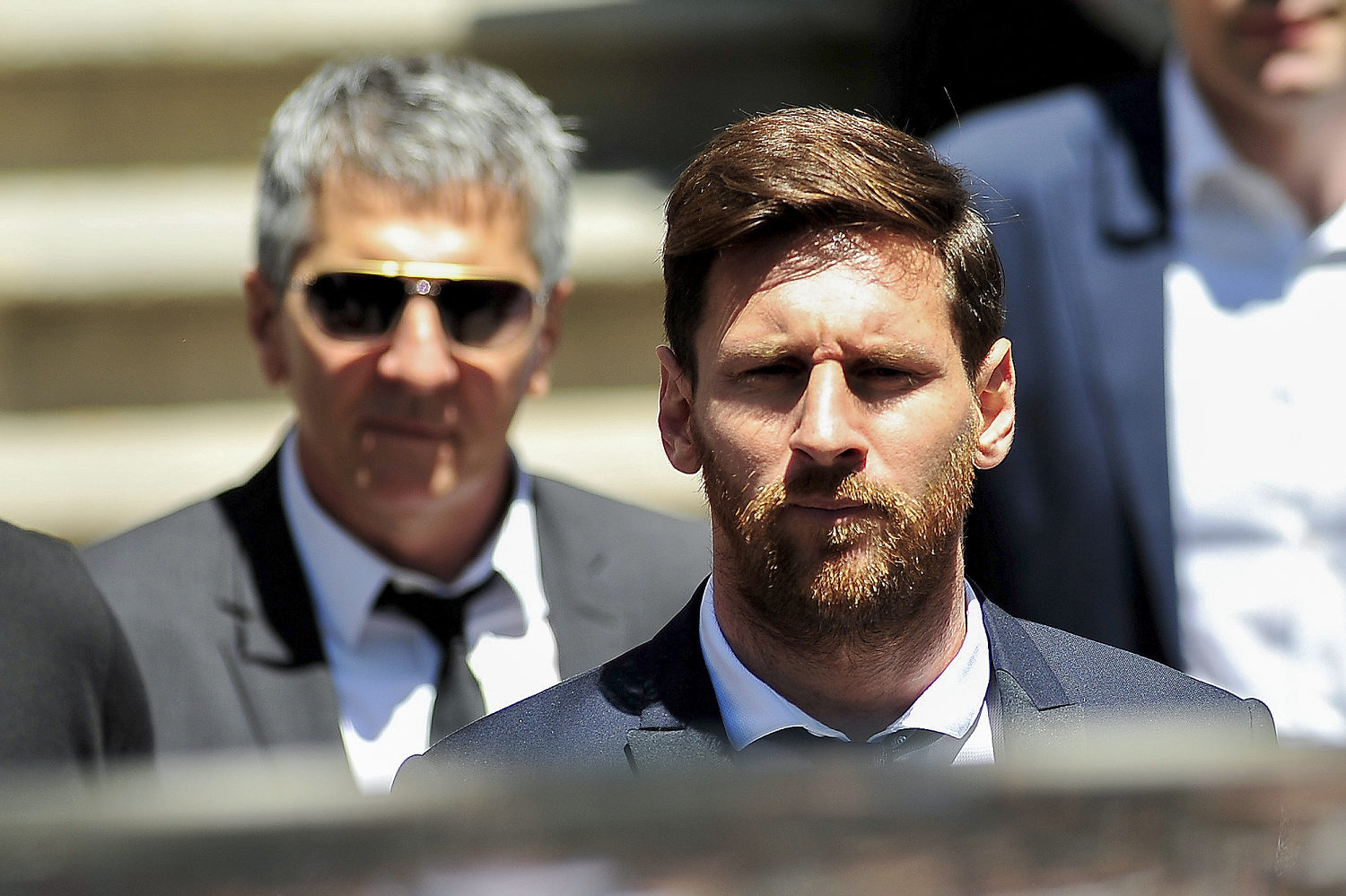
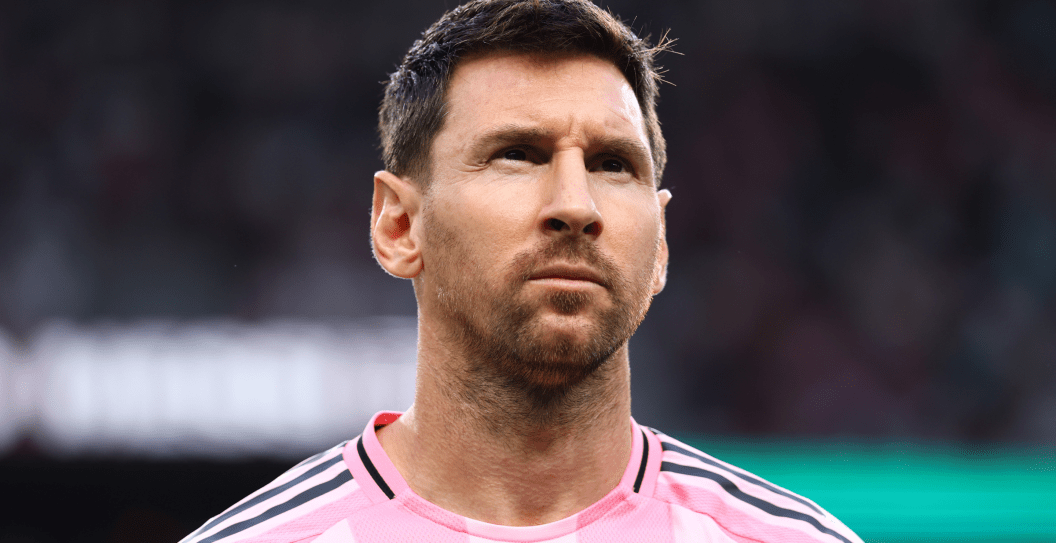
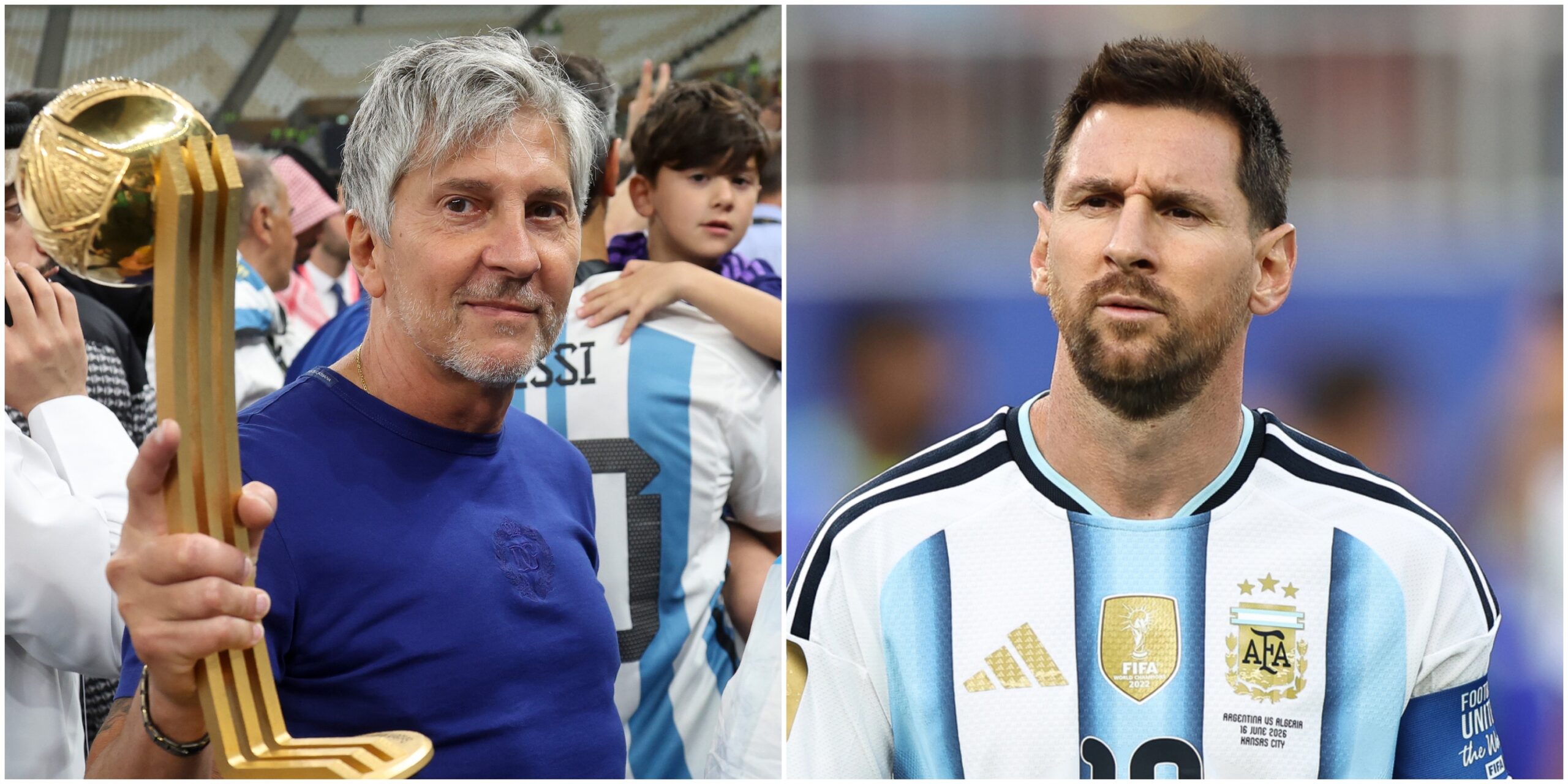
In June 2026, a prominent television presenter abruptly resigned and issued a public apology after broadcasting a false report claiming that Jorge Horacio Messi, the father and long-time agent of international football star Lionel Messi, had died. The unverified broadcast triggered immediate global panic across sports media before being rapidly debunked by the Messi family’s representatives operating out of Miami, Florida. The incident resulted in the immediate termination of the broadcast anchor’s career at the network. The rush to be first superseded the obligation to be accurate. The consequences were absolute.
The Breaking Point on Live Television
Live television operates on a razor’s edge. The red light illuminates. The anchor speaks. The information becomes reality for millions of viewers in an instant. When the breaking news graphic flashed across the screen in June 2026, the anchor delivered the report with solemn gravity. Jorge Horacio Messi was reportedly dead. No secondary sources were cited. No official medical bulletins were referenced. The report relied entirely on an unverified whisper that had bypassed the network’s traditional editorial safeguards.
The mechanics of the error reveal a systemic failure in modern broadcast journalism. In the race to beat global aggregators and rival networks, the standard protocol of dual-source verification was abandoned. The control room allowed the bulletin to air. The presenter read the prompter. Within seconds, the clip was isolated, clipped, and uploaded to X, TikTok, and Instagram. The algorithmic machinery of the internet took over. The localized broadcast transformed into a global digital wildfire.
But the subject of the report was not a peripheral figure. Jorge Messi is a central pillar of the global sporting economy. Reporting his death without absolute certainty was not merely an editorial slip. It was an act of profound journalistic negligence that threatened to destabilize a massive commercial ecosystem. The pushback was inevitably swift. The pushback was merciless.
Jorge Horacio Messi: The Billion-Dollar Patriarch
To understand the gravity of the false report, one must understand the entity that is Jorge Messi. He is not simply the father of a famous athlete. He is the architect of the most lucrative sporting career in the history of global football.
Born in January 1958 in Rosario, Santa Fe, Argentina, Jorge managed a section of the Acindar steel factory. His life was defined by industrial labor and weekend football. When his third son, Lionel, demonstrated preternatural ability on the pitch but suffered from a growth hormone deficiency, Jorge became a relentless advocate. The medical treatments cost roughly $1,000 a month. The Argentine economy was collapsing. Local clubs like Newell’s Old Boys could not, or would not, foot the bill.
Jorge took his son across the Atlantic. On December 14, 2000, inside the Pompeia tennis club in Barcelona, Jorge sat across from FC Barcelona sporting director Carles Rexach. The resulting agreement, famously drafted on a paper napkin, changed the trajectory of modern sports. From that moment, Jorge Messi ceased to be just a father. He became the sole manager, agent, and fierce protector of the Messi brand.
The Managerial Empire
For over two decades, Jorge Messi has negotiated every major contract his son has signed. He does not employ massive sporting agencies. He operates a tight, family-run syndicate. His negotiations are legendary for their quiet ruthlessness and absolute loyalty to his son’s interests. Consider the milestones of his managerial tenure:
- The Barcelona Era: Negotiating successive record-breaking contract renewals that eventually saw Lionel earning upwards of $160 million annually at the peak of his time at Camp Nou.
- The Paris Saint-Germain Transfer: Orchestrating the complex, emotionally charged move to Paris in 2021 when Barcelona’s financial ruin made a contract renewal impossible.
- The Inter Miami MLS Deal: Engineering the unprecedented 2023 move to Major League Soccer. Jorge negotiated a package that included not just a base salary, but revenue-sharing agreements with Apple TV and Adidas, fundamentally altering how athlete compensation is structured in North America.
Reporting the death of a man who controls a billion-dollar commercial nexus requires more than a rumor. It requires irrefutable proof. The presenter possessed none.
The Mechanics of a Digital Wildfire
The false report lived unchallenged for roughly twenty-two minutes. In the ecosystem of 2026 digital media, twenty-two minutes is an eternity. The news hit the aggregate accounts. Fans of the Argentine national team, La Albiceleste, began posting tributes. Major European and South American sporting dailies began drafting obituaries. The financial markets tied to Inter Miami and associated sponsors experienced a brief, localized jitter.
The speed of the spread highlights the terrifying efficiency of modern misinformation. The original broadcast acted as the spark. Social media algorithms, designed to amplify high-engagement emotional content, acted as the accelerant. The truth was still putting its boots on while the lie had circled the globe twice.
Then the hammer fell. Representatives from the Messi camp in Miami issued a stark, unequivocal denial. Jorge Messi was alive. He was well. He was actively working. The denial was distributed directly to top-tier journalists and official channels, bypassing the network that originated the falsehood. The narrative snapped back with violent force. The mourning turned instantly to outrage.
The Swift Hammer of Celebrity Accountability
The audience of 2026 does not forgive easily. The era of the untouchable television pundit has passed. When the denial was confirmed, the public crosshairs locked onto the presenter and the network. The demand was not for a correction. The demand was for professional execution.
Audiences today harbor a deep-seated desire for celebrity accountability. Public figures, including prominent journalists, wield massive influence. When that influence is weaponized by incompetence, the public expects a proportional penalty. The outrage over the Jorge Messi report was fueled by a sense of justice. The presenter had caused unnecessary trauma to a globally beloved family. An on-air retraction would not suffice. The audience demanded a resignation.
The network executives understood the calculus. Defending the presenter would mean adopting the presenter’s liability. It would mean alienating the Messi family, a fatal move for any sports broadcasting entity. It would mean facing a boycott from viewers and a potential exodus of advertisers. The decision was made before the presenter even left the studio building.
The Apology and the Exit
Within hours of the broadcast, the presenter released a formal statement. There was no attempt to shift blame to an unnamed producer. There was no attempt to cite a malicious source. The statement was a complete capitulation to the facts.
“In the pursuit of speed, I abandoned the fundamental duty of verification. I broadcast a report regarding Jorge Messi that was entirely false. I apologize unreservedly to the Messi family for the distress this caused. I also apologize to the viewers who trust this network. Effective immediately, I have tendered my resignation. Accountability must be absolute.”
The resignation was accepted immediately by the network’s board of directors. The presenter’s social media accounts went dark. The network scrubbed the original broadcast from their digital archives. The swiftness of the exit was designed to cauterize the wound, to stop the bleeding of credibility.
The Future of Sports Journalism
The fallout from the Jorge Messi incident serves as a grim case study for sports journalism. The industry is trapped in a paradox. The economic model demands immediate breaking news. The ethical model demands rigorous verification. When the two collide, the resulting explosion destroys careers.
Newsrooms across the globe watched the resignation with a collective shudder. Memos were circulated. Editorial protocols regarding high-profile deaths were quietly updated. The requirement for dual-source verification, preferably including an official family representative or medical authority, was reinforced. The cost of being wrong had been vividly demonstrated on the global stage.
For the Messi family, the incident was a brief, jarring intrusion. They returned to their operations in Miami. The business of football continued. But for the broadcasting industry, the scar remains. The public memory is long. The trust deficit is wide. The audience watches, waits, and demands perfection. The margin for error is gone.
The red light goes off. The studio empties. The career ends. Accountability.