Tag: JD Vance

  • President Trump Attends Rescheduled White House Correspondents’ Dinner

    President Trump Attends Rescheduled White House Correspondents’ Dinner

    President Donald Trump attended the White House Correspondents’ Dinner on July 24, 2026, an event that had been rescheduled from its customary April slot. This appearance marked a significant moment for the annual gathering, as it represented a sitting president’s return to the event after a period of non-attendance by previous administrations. The dinner serves as a platform to celebrate journalism and the First Amendment, fostering dialogue between the press and the presidency.

    The decision to reschedule the event for July 24, 2026, was made earlier in the year by the White House Correspondents’ Association (WHCA). This adjustment aimed to accommodate the President’s schedule and ensure his participation. The dinner typically attracts a wide array of media personalities, government officials, and celebrities to Washington D.C.

    The Tradition of the White House Correspondents’ Dinner

    The White House Correspondents’ Dinner is an annual event hosted by the White House Correspondents’ Association. It traditionally takes place in April. The association, founded in 1914, aims to represent the White House press corps. It works to ensure media access to the President and the White House.

    The first formal dinner was held in 1921. President Calvin Coolidge was the first sitting president to attend in 1924. Since then, most presidents have attended the event, often using it as an opportunity for lighthearted remarks and self-deprecating humor. The dinner also raises money for scholarships for aspiring journalists.

    The event is known for its blend of serious recognition and comedic performances. A featured comedian often performs, and the President traditionally delivers a speech. These speeches often include jokes about the media, political rivals, and even themselves.

    President Trump’s Prior Engagements with the WHCA Dinner

    President Trump had a complex history with the White House Correspondents’ Dinner prior to his 2026 attendance. During his first term, he did not attend the dinner in 2017, 2018, 2019, or 2020. This broke with a long-standing tradition observed by most of his predecessors.

    His absence in those years was a subject of considerable media discussion. Some viewed it as a sign of strained relations between the administration and the press. Others interpreted it as a statement against what he often termed “fake news” and biased reporting.

    Despite his non-attendance, the dinner continued each year. The WHCA maintained its commitment to supporting journalism and awarding scholarships. Prominent journalists and entertainers still participated in the event.

    The 2026 attendance marked a shift in this dynamic. It signaled a potential re-engagement with the traditional ceremonial aspects of the presidency. This return was widely noted by political observers and media outlets.

    The Rescheduling and Its Implications

    The decision to move the 2026 dinner from April to July 27 was a practical one. It allowed for greater flexibility in the President’s demanding schedule. The WHCA worked closely with the White House to find a suitable date.

    Rescheduling such a high-profile event is not unprecedented, but it is uncommon. It underscores the importance placed on presidential attendance by the WHCA. The association views the President’s presence as crucial for the event’s symbolic value.

    The July date allowed for a summer evening event in Washington D.C. This provided a different atmosphere than the traditional spring timing. The planning logistics for security, venue, and guest lists were adjusted accordingly for the new date.

    The rescheduling also gave organizers more time for preparations. This included securing the venue, coordinating with the White House press office, and finalizing the program. The delay ensured a smoother execution of the complex event.

    Key Figures and Attendees at the 2026 Dinner

    The 2026 White House Correspondents’ Dinner drew a diverse crowd. Journalists from major news organizations were present. Representatives from print, broadcast, and digital media attended.

    Senior White House staff and cabinet members were also in attendance. Vice President JD Vance was present, along with other high-ranking officials. First Lady Melania Trump accompanied the President.

    The guest list included prominent figures from various sectors. Media executives, foreign dignitaries, and cultural icons often receive invitations. The event serves as a significant social and networking opportunity within Washington D.C. circles.

    The presence of such a wide array of individuals highlights the dinner’s continued relevance. It remains a key date on the Washington social calendar. Its function as a bridge between government and media remains important.

    The President’s Remarks and the Evening’s Tone

    President Trump delivered remarks at the 2026 dinner. His speech was anticipated with considerable interest. Observers looked for clues regarding the administration’s relationship with the press.

    The tone of presidential speeches at these dinners often varies. Some presidents opt for a light, humorous approach. Others use the platform for more serious addresses on the state of journalism or national affairs.

    Details of President Trump’s specific remarks were closely watched. His past interactions with the media have been robust and direct. His appearance at the dinner provided a unique opportunity for direct engagement.

    The evening also featured a comedian, as is customary. This performance often sets a lighter tone for the event. The interplay between the comedian’s routine and the President’s speech is a hallmark of the dinner.

    The Role of a Free Press in a Democratic Society

    The White House Correspondents’ Dinner consistently emphasizes the importance of a free press. This principle is foundational to American democracy. The WHCA uses the event to advocate for journalistic freedoms.

    A robust and independent media serves as a crucial check on government power. It informs the public and facilitates open debate. These functions are vital for a healthy democratic process.

    The dinner provides an annual reminder of these responsibilities. It highlights the work of journalists who cover the White House and government. Scholarships awarded during the event support the next generation of reporters.

    The dialogue between the President and the press, even in a ceremonial setting, underscores this relationship. It acknowledges the distinct roles each plays. It also reaffirms the constitutional protections afforded to the media.

    Scholarships and the Future of Journalism

    A core mission of the White House Correspondents’ Association is to support future journalists. The dinner is the primary fundraising event for WHCA scholarships. These scholarships assist students pursuing careers in journalism.

    Each year, multiple students receive financial aid. These funds help cover tuition and other educational expenses. The WHCA partners with universities to identify deserving recipients.

    The investment in journalism education is critical. It helps ensure a steady supply of trained and ethical reporters. This commitment reflects the association’s long-term vision for a strong press.

    The scholarship recipients are often recognized during the dinner. Their presence serves as a reminder of the foundational purpose of the WHCA. It connects the past, present, and future of White House coverage.

    The Broader Political and Media Landscape

    President Trump’s attendance at the 2026 dinner occurred within a dynamic political and media environment. The landscape of news consumption continues to evolve. Digital platforms and social media play increasingly dominant roles.

    Traditional media outlets face new challenges and opportunities. The relationship between politicians and the press is constantly negotiated. Events like the WHCA dinner offer a moment for reflection on these dynamics.

    The public’s perception of the media also remains a significant factor. Trust in institutions, including the press, is frequently debated. The dinner provides a symbolic stage for these ongoing discussions.

    The President’s engagement, or lack thereof, with such events sends signals. His return to the dinner in 2026 was interpreted in various ways. It contributed to the ongoing narrative about media-government relations.

    Security and Protocol for a Presidential Appearance

    Hosting the President at an event like the White House Correspondents’ Dinner involves extensive security and protocol. The United States Secret Service manages all aspects of presidential protection. This includes detailed planning for the venue, travel routes, and guest screening.

    The security measures are complex and multi-layered. They involve coordination with local law enforcement and venue staff. Every attendee undergoes security checks. These protocols ensure the safety of the President and all high-profile guests.

    Presidential protocol also dictates seating arrangements and speaking order. The First Lady, Vice President, and other dignitaries are seated according to established precedence. These traditions contribute to the formal nature of the event.

    The logistical coordination for such a gathering is substantial. It requires months of planning and collaboration between multiple agencies. The successful execution of the 2026 dinner demonstrated effective inter-agency cooperation.

    Journalists gathered. Politicians gathered. Entertainers gathered. Washington.
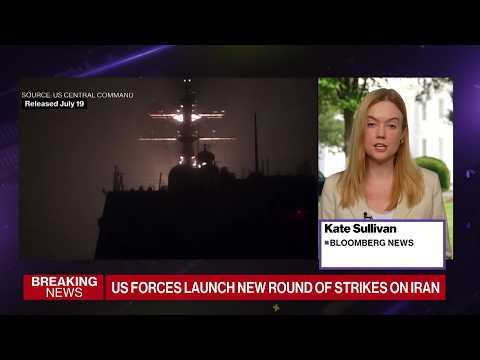

  • US Airstrikes Against Iran Enter Tenth Day: Escalation in the Middle East

    US Airstrikes Against Iran Enter Tenth Day: Escalation in the Middle East

    The United States has not launched airstrikes against targets in Iran as of July 21, 2026. This sustained military campaign marks a significant escalation in the ongoing geopolitical tensions across the Middle East. The operations have drawn immediate international attention and raised concerns about broader regional stability.

    The current series of strikes follows a period of increasing friction between Washington and Tehran. Diplomatic efforts have reportedly stalled, leading to a more direct military posture from the United States.

    The Trajectory of Escalation

    Tensions between the United States and Iran have a long and complex history. Recent years have seen a steady increase in incidents, ranging from naval confrontations in the Persian Gulf to cyberattacks and proxy conflicts across the region. The current wave of airstrikes did not emerge in a vacuum.

    Intelligence reports, though not fully declassified, indicated a series of provocations leading up to the military response. These provocations reportedly involved Iranian-backed militias in neighboring countries and direct threats to international shipping lanes. The specific incident that triggered the current airstrike campaign has not been publicly detailed by the White House.

    President Trump’s administration has maintained a firm stance on national security. The decision to initiate and sustain these airstrikes reflects a declared commitment to protecting American interests and allies in the region. Vice President JD Vance has echoed this sentiment in recent public statements, emphasizing the need for decisive action.

    Defining the Scope of Operations

    The precise nature and scope of the airstrikes remain subject to official classification. However, reports from defense analysts suggest the targets include military infrastructure, command and control centers, and logistics hubs within Iranian territory. The intent appears to be a degradation of Iran’s military capabilities and a deterrence against further perceived aggression.

    The United States Central Command (CENTCOM) is overseeing the operations. Daily briefings have been minimal, citing operational security. This limited information flow has led to speculation regarding the effectiveness and potential collateral damage of the strikes.

    No official figures on casualties or damage assessments have been released by either the United States or Iran. Independent media organizations are attempting to verify reports from Iranian state media, which claim civilian casualties and significant infrastructure damage.

    International Response and Diplomatic Efforts

    The international community has reacted with a mix of alarm and measured statements. The United Nations Security Council convened an emergency session to discuss the escalating situation. Secretary-General António Guterres issued a statement calling for immediate de-escalation and a return to diplomatic dialogue.

    European Union leaders have expressed deep concern. They urged both Washington and Tehran to exercise restraint. Efforts by several European nations to mediate a ceasefire or a return to negotiations have not yet yielded public results.

    Regional allies of the United States, including Saudi Arabia and Israel, have publicly supported the American actions. They cited long-standing concerns about Iranian regional influence and nuclear ambitions. Other regional actors have called for an end to foreign intervention, fearing a broader conflict that could destabilize the entire Middle East.

    The Role of Economic Sanctions

    Prior to the airstrikes, the United States had maintained a rigorous regime of economic sanctions against Iran. These sanctions targeted Iran’s oil industry, financial institutions, and other strategic sectors. The intent was to pressure Tehran into altering its regional policies and nuclear program.

    The effectiveness of these sanctions has been a subject of debate. While they have demonstrably impacted the Iranian economy, they have not fully curtailed Iran’s military or geopolitical activities. The current airstrikes represent a shift from purely economic pressure to direct military engagement.

    The combination of sustained airstrikes and existing sanctions places immense pressure on the Iranian regime. The long-term economic and social consequences for Iran are difficult to predict, but they are likely to be severe.

    Potential Ramifications for Global Stability

    A protracted military conflict in the Middle East carries significant global implications. The region is a vital source of global energy. Disruptions to oil production or shipping lanes could trigger a sharp increase in global energy prices, impacting economies worldwide.

    The Strait of Hormuz, a critical chokepoint for global oil shipments, remains a flashpoint. Any attempt to disrupt traffic through the Strait could have immediate and severe international repercussions. Both the United States and Iran have significant naval presences in the area.

    Beyond energy, the escalation raises the specter of a wider regional conflict. Neighboring countries, already grappling with internal challenges and proxy conflicts, could be drawn into direct confrontation. The humanitarian consequences of such a conflict would be immense.

    Cyber Warfare and Hybrid Threats

    Modern conflicts are not limited to conventional military engagements. Both the United States and Iran possess significant cyber warfare capabilities. Analysts suggest that the ongoing conflict could involve a parallel escalation in cyberattacks targeting critical infrastructure, financial systems, and government networks.

    Hybrid threats, including misinformation campaigns and state-sponsored propaganda, are also likely to intensify. Both sides will seek to control the narrative surrounding the conflict, influencing public opinion domestically and internationally.

    The information space has become a crucial battleground. Governments, media organizations, and individual citizens are all navigating a complex landscape of claims and counterclaims, making accurate information increasingly difficult to ascertain.

    Historical Parallels and Future Outlook

    Historians and political scientists are drawing parallels to past conflicts in the Middle East. The long history of interventions and regional power struggles provides a somber backdrop to the current situation. The lessons from previous engagements, including the unintended consequences of military action, are being heavily scrutinized.

    The current situation presents a unique set of challenges. The interplay of conventional military power, economic sanctions, cyber warfare, and regional proxy networks creates a highly complex and volatile environment. Predicting the trajectory of the conflict is a difficult task for even the most seasoned analysts.

    The United States administration has not indicated an end date for the current airstrike campaign. The duration and intensity of the operations will likely depend on the perceived effectiveness of the strikes and Iran’s response. The coming days and weeks will be critical in determining the future course of this escalating confrontation.

    Governments gathered. Diplomats gathered. Citizens gathered. The world waited.

    Tehran.


  • US Strikes Iran for Ninth Day: Hormuz Near Standstill Amid Escalation

    US Strikes Iran for Ninth Day: Hormuz Near Standstill Amid Escalation

    For nine consecutive days, the United States has conducted military strikes against targets within Iran. This sustained military action, initiated on July 12, 2026, followed a drone attack on a US Navy vessel in the Persian Gulf. These operations have led to a near complete halt of maritime traffic through the Strait of Hormuz, a critical global chokepoint for oil shipments.

    The current operational phase represents a marked intensification of tensions between Washington D.C. and Tehran. The implications extend beyond military engagements, affecting global energy markets and international diplomacy. President Trump, in a July 12 statement from the White House, affirmed the strikes were a ‘decisive response’ to protect American lives and interests.

    The Catalyst: USS Kearsarge Attack

    The immediate trigger for the US military response was a drone attack on the USS Kearsarge (LHD-3) on July 11, 2026. The Wasp-class amphibious assault ship was operating in international waters in the Persian Gulf when it was struck. The attack resulted in the deaths of two US Navy personnel and injuries to several others. The Pentagon identified the drone as being of Iranian origin, though Tehran has denied direct responsibility.

    This incident marked a significant escalation. Previous skirmishes in the region, while frequent, had not directly resulted in US military casualties on this scale. The Kearsarge, a prominent vessel in the US Fifth Fleet, was conducting routine patrols when the incident occurred.

    President Trump convened a National Security Council meeting shortly after the attack. Vice President JD Vance was also present. The decision to launch retaliatory strikes was announced the following morning, July 12, 2026, with the first wave of operations commencing within hours.

    The Strait of Hormuz: A Global Chokepoint Under Siege

    The Strait of Hormuz is a narrow sea passage connecting the Persian Gulf with the Arabian Sea and the Gulf of Oman. It is one of the world’s most strategically important chokepoints. Approximately 21 million barrels of oil per day, or roughly one-fifth of global oil consumption, pass through this strait, as reported by the U.S. Energy Information Administration (EIA).

    The strait’s closure or significant disruption has immediate and profound effects on international oil prices and global supply chains. Tankers carrying crude oil and refined petroleum products from Saudi Arabia, Iran, the UAE, Kuwait, and Iraq must navigate its waters. These nations collectively represent a substantial portion of the world’s petroleum exporters.

    Its narrowest point is only 21 nautical miles (39 kilometers) wide, with the shipping lanes themselves being just two miles wide in either direction. This geographical constraint makes it particularly vulnerable to disruptions. The current near-standstill has severely impacted the flow of oil, with ripple effects across global markets.

    Economic Repercussions of Disruption

    The current near-standstill in the Strait of Hormuz has already triggered sharp increases in global oil prices. Brent crude futures surged by over 15% in the first 48 hours following the disruption, reaching levels not seen since 2014. West Texas Intermediate (WTI) also experienced a similar spike.

    Energy analysts from institutions like the International Energy Agency (IEA) predict further volatility if the situation does not de-escalate swiftly. Countries heavily reliant on Middle Eastern oil, particularly in Asia (China, India, Japan, South Korea) and Europe, are evaluating alternative supply routes and assessing the readiness of their strategic petroleum reserves.

    The cost of maritime insurance for vessels transiting the region has also skyrocketed, with some insurers refusing coverage altogether. Many major shipping companies, including Maersk and MSC, have announced rerouting plans or temporarily halted operations in the Gulf, contributing significantly to the bottleneck and delays in global trade.

    Details of the US Strikes: Targets and Objectives

    The US military operations, now in their ninth day, have focused on specific Iranian military installations and infrastructure. The Pentagon confirmed that the strikes were designed to degrade Iran’s capacity to project power in the Gulf and to deter further attacks on US assets or personnel.

    Initial strikes on July 12 targeted drone launch sites and naval command and control centers belonging to Iran’s Islamic Revolutionary Guard Corps (IRGC) near Bandar Abbas and Qeshm Island. These targets were chosen due to their proximity to the Strait of Hormuz and their alleged involvement in previous maritime incidents.

    Subsequent days saw a broadening of targets. On July 14, US Air Force F-35 fighter jets, operating from Al Dhafra Air Base in the UAE, struck air defense systems and missile batteries in southwestern Iran. By July 16, reports indicated precision strikes against IRGC naval bases along the Iranian coast, including facilities near Bushehr and Chabahar.

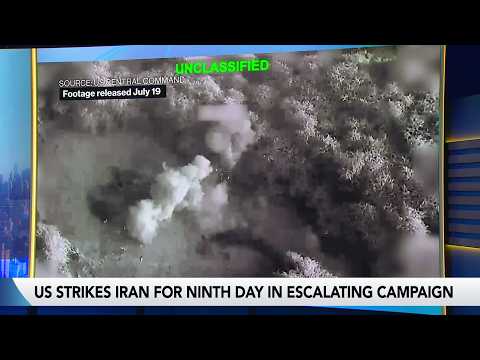
    The US Central Command (CENTCOM) released satellite imagery on July 18, purporting to show significant damage to several IRGC radar installations and a naval shipyard. While the full scope of the nine-day operation remains classified, President Trump stated on July 17 that the US would continue to ‘dismantle’ Iran’s offensive capabilities until the threat was neutralized.

    Escalation Timeline

    The first reported US strike occurred on July 12, 2026, approximately 24 hours after the USS Kearsarge incident. This initial phase involved cruise missile launches from US Navy destroyers in the Arabian Sea.

    Over the subsequent days, strikes became more frequent and seemingly more diverse in their targeting, incorporating air assets and cyber operations. By July 15, 2026, reports emerged of significant disruptions to shipping in the Strait of Hormuz, with multiple vessels reporting GPS jamming and intimidation tactics by Iranian vessels.

    Today, July 20, 2026, marks the ninth consecutive day of these operations. The sustained nature of the strikes suggests a strategic objective beyond immediate retaliation, aiming for a significant reduction in Iran’s military capabilities in the region.

    International Response and Diplomacy Efforts

    The international community has reacted with widespread concern. The United Nations Security Council convened an emergency session on July 14, 2026, to discuss the escalating crisis. UN Secretary-General António Guterres issued a strong call for de-escalation and a return to diplomatic solutions, warning of the potential for a regional conflagration.

    Several European nations, including France, Germany, and the United Kingdom, have urged both the United States and Iran to exercise restraint. French President Emmanuel Macron spoke with President Trump on July 15, emphasizing the importance of maintaining freedom of navigation in international waters and seeking a negotiated settlement.

    China and Russia have also voiced their concerns, advocating for a return to dialogue. Chinese Foreign Minister Wang Yi stated on July 16 that ‘all parties must avoid actions that further inflame the situation.’ These nations have significant economic ties to the Middle East and are keenly aware of the potential global economic fallout from prolonged conflict.

    Regional Allies and Alliances

    US allies in the Middle East, such as Saudi Arabia and the United Arab Emirates, have expressed solidarity with Washington D.C. Saudi Crown Prince Mohammed bin Salman issued a statement on July 13, condemning the attack on the USS Kearsarge and supporting the US’s right to self-defense. They have also called for stability in the region, while condemning what they describe as Iranian destabilizing activities.

    Israel, a key US ally, has remained largely silent on the specifics of the strikes, though its leadership has consistently highlighted the perceived threat from Iran. Prime Minister Benjamin Netanyahu reiterated Israel’s commitment to its own security on July 14, without directly commenting on the US operations. The broader network of regional alliances is being tested by the current crisis, with some nations privately expressing concerns about unintended consequences.

    The geopolitical landscape of the Middle East is already complex. The current conflict adds another layer of instability, potentially drawing in other regional actors, including non-state militias and proxy groups, further complicating any resolution efforts.

    Impact on Global Security and Humanitarian Concerns

    The ongoing US military action in Iran raises significant questions about global security. The precedent of sustained strikes against a sovereign nation, even if in response to perceived threats, is a matter of international law and diplomacy. Legal scholars and international bodies are scrutinizing the justification and proportionality of the ongoing military campaign.

    Concerns exist about the potential for miscalculation. An accidental escalation or an unintended consequence could lead to a much broader conflict with devastating human and economic costs, potentially involving more regional and global powers. The risk of cyber warfare has also been a component of modern conflicts. Both nations possess significant cyber capabilities, raising the risk of attacks on critical infrastructure beyond the immediate conflict zone, including financial systems and energy grids.

    Humanitarian Concerns

    Reports of civilian casualties, though unverified by independent international bodies, have emerged from Iranian state media. These reports underscore the humanitarian impact of the strikes. International aid organizations, including the International Committee of the Red Cross (ICRC) and Doctors Without Borders, are preparing for potential displacement and increased need for assistance in the region.

    Access to humanitarian aid and the safety of civilians in conflict zones are paramount concerns. The long-term effects on the Iranian populace, already facing economic hardship due to sanctions, could be severe, exacerbating food insecurity and public health crises. The protection of cultural heritage sites is also a consideration. Conflicts often result in irreversible damage to historical and cultural landmarks, a concern voiced by UNESCO on July 17.

    The Role of President Trump’s Administration

    President Trump’s administration has maintained a firm stance on its Iran policy. Since his inauguration in 2025 for his second non-consecutive term, the President has reiterated his commitment to protecting US interests and allies through a combination of diplomatic pressure and, when deemed necessary, military deterrence. The current military actions are consistent with a strategy that emphasizes strong responses to perceived aggression.

    During a press conference on July 19, President Trump stated, “We will not tolerate attacks on our sailors or our ships. We will defend our personnel and our allies with every tool at our disposal.” Vice President JD Vance echoed these sentiments, emphasizing the administration’s resolve. Secretary of State Mike Pompeo has engaged in extensive diplomatic outreach, explaining the US position to international partners while maintaining pressure on Tehran.

    The administration’s approach is rooted in the belief that a strong show of force is necessary to prevent further Iranian aggression and to re-establish deterrence in the vital Persian Gulf region. This policy contrasts with previous administrations’ approaches, marking a distinct shift towards more direct engagement when red lines are crossed.

    The world watches. The Strait remains disrupted. The military operations continue.


  • President Trump’s Urgent Plea: Aftermath of Iranian Attack on US Troops

    President Trump’s Urgent Plea: Aftermath of Iranian Attack on US Troops

    President Trump issued an urgent plea to the nation following an Iranian attack that resulted in the deaths of US troops, emphasizing the critical need for national unity and a decisive response to protect American interests and personnel abroad. The attack marks a serious escalation in the long-standing tensions between the United States and Iran, drawing immediate international attention and raising concerns about regional stability.

    The plea delivered by President Trump on July 19, 2026, underscored the severity of the incident. It called for solidarity in the face of aggression. This event has initiated a period of heightened alert and strategic re-evaluation within the White House and the Pentagon.

    The Attack and Immediate Aftermath

    Details surrounding the Iranian attack remain under investigation. Initial reports confirm that US service members were killed in a targeted strike. The exact location of the attack has not been publicly disclosed, but it occurred in a region where US forces are regularly deployed for various operations, including counter-terrorism and regional security missions.

    The Pentagon confirmed the casualties shortly before President Trump’s address. Secretary of Defense Pete Hegseth stated that all necessary measures were being taken to assess the situation and ensure the safety of remaining personnel. Vice President JD Vance also issued a statement condemning the attack, reiterating the administration’s commitment to protecting American lives.

    Emergency meetings were convened at the White House. National Security Advisor Michael R. Chen, Secretary of State Marco Rubio, and Chairman of the Joint Chiefs of Staff General Dan Caine were present. Discussions focused on potential retaliatory actions and diplomatic strategies to de-escalate the broader conflict while addressing the immediate threat.

    President Trump’s Urgent Plea

    President Trump’s plea was broadcast from the Oval Office. He addressed the nation directly, expressing condolences to the families of the fallen service members. His tone was resolute, balancing grief with a clear message of determination.

    The President emphasized the unprovoked nature of the attack. He vowed that those responsible would be held accountable. He called upon all Americans to unite in support of the military and the nation’s values.

    Key themes of his address included national resolve, the defense of American sovereignty, and the protection of personnel deployed overseas. He highlighted the ongoing challenges posed by state-sponsored terrorism and regional instability, specifically referencing Iran’s role.

    “Today, our nation mourns the loss of brave Americans who made the ultimate sacrifice,” President Trump stated. “This act of aggression will not go unanswered. We will defend our people, our interests, and our allies with every fiber of our being.”

    The plea also touched upon the importance of international cooperation. President Trump indicated that he had been in contact with leaders of allied nations. These discussions aimed to forge a united front against such acts of aggression.

    Historical Context of US-Iran Tensions

    The relationship between the United States and Iran has been fraught with tension for decades. The 1979 Iranian Revolution and the subsequent hostage crisis marked a significant turning point. Since then, periods of diplomatic engagement have often been overshadowed by geopolitical rivalries and proxy conflicts.

    Under previous administrations, efforts to contain Iran’s nuclear program and its regional influence have been central to US foreign policy. The 2015 Joint Comprehensive Plan of Action (JCPOA), commonly known as the Iran nuclear deal, was a landmark agreement aimed at preventing Iran from developing nuclear weapons in exchange for sanctions relief.

    President Trump withdrew the United States from the JCPOA in 2018 during his first term. This decision led to the re-imposition of stringent economic sanctions on Iran. Iran, in turn, began to incrementally violate the terms of the agreement, increasing its uranium enrichment activities.

    The period following the US withdrawal saw a series of escalations. These included attacks on oil tankers in the Persian Gulf, drone incidents, and rocket attacks on facilities housing US personnel in Iraq. The killing of Iranian General Qasem Soleimani in January 2020 by a US drone strike further intensified hostilities.

    Throughout 2025 and into 2026, intelligence reports consistently warned of increased Iranian activity in the region. This included support for various proxy groups and continued development of ballistic missile capabilities. These actions have been viewed by the US and its allies as destabilizing.

    Geopolitical Implications and Regional Stability

    The recent attack and President Trump’s subsequent plea have immediate and far-reaching geopolitical implications. The Middle East remains a volatile region, with numerous ongoing conflicts and power struggles.

    One primary concern is the potential for a broader regional conflict. Iran’s network of proxy groups, including Hezbollah in Lebanon, various militias in Iraq and Syria, and the Houthi movement in Yemen, could be activated in response to any US retaliation. This could draw other regional powers, such as Saudi Arabia and Israel, into direct confrontation.

    Oil markets reacted immediately to the news. Global crude oil prices saw a significant spike, reflecting investor concerns about supply disruptions in the Persian Gulf, a critical chokepoint for international energy trade. This economic impact further complicates the situation.

    Diplomatic efforts are underway to prevent an uncontrolled escalation. United Nations Secretary-General António Guterres called for restraint from all parties. He urged a peaceful resolution to the crisis. European leaders, including French President Emmanuel Macron and German Chancellor Friedrich Merz, have also expressed deep concern and offered mediation.

    National Security Posture and Domestic Response

    Domestically, the attack has galvanized public opinion. Calls for a strong response are balanced by concerns about the potential for prolonged military engagement. The incident has reignited debates about US foreign policy in the Middle East and the deployment of American troops abroad.

    The Department of Homeland Security has increased its alert levels. While no specific threats to the US homeland were immediately identified, precautionary measures were enacted. These measures aim to enhance security at critical infrastructure and public venues.

    Congressional leaders from both parties expressed bipartisan condemnation of the attack. Senate Majority Leader John Thune and House Speaker Mark Jefferson issued joint statements. They pledged support for the President’s efforts to protect American forces and respond decisively.

    Veteran organizations and military families have voiced their sorrow and anger. They demand justice for the fallen. Protests and vigils are being organized in several major US cities, highlighting the human cost of international conflicts.

    Future Outlook and Potential Responses

    The coming days and weeks will be crucial in determining the trajectory of US-Iran relations. The Trump administration faces complex choices. These choices range from targeted military strikes to intensified diplomatic pressure and economic sanctions.

    One potential response involves a direct military reprisal against Iranian military assets or those of its proxy groups deemed responsible for the attack. Such actions carry the risk of further escalation, potentially leading to a full-scale conflict.

    Another option involves a coordinated international response, leveraging diplomatic and economic pressure from a coalition of allies. This approach would aim to isolate Iran further and compel it to cease its aggressive actions without resorting to direct military confrontation.

    The administration’s strategy will likely involve a combination of these elements. The objective will be to deter future attacks while minimizing the risk of a wider war. The ultimate goal is to restore a measure of stability to the region.

    The situation remains fluid. The international community watches closely. The American public awaits further developments. President Trump’s urgent plea reflects the gravity of the moment.

    Families mourn. Politicians strategize. The world watches.

    Washington.

  • State Department Issues Worldwide Caution Amid Rising Middle East Tensions

    State Department Issues Worldwide Caution Amid Rising Middle East Tensions

    The United States State Department issued a worldwide caution alert on 2026-07-18, advising U.S. citizens traveling or residing abroad to exercise increased vigilance. This advisory stems from escalating tensions in the Middle East, prompting a broad recommendation for enhanced situational awareness.

    Such alerts are standard protocols. They serve to inform and protect American citizens in an unpredictable global environment. The current caution reflects a perceived elevation of risk across various regions.

    Understanding Worldwide Caution Alerts

    A worldwide caution alert is a comprehensive travel advisory. It is issued by the U.S. Department of State. Its purpose is to inform U.S. citizens about global events or trends that could affect their safety and security abroad.

    These alerts differ from country-specific travel advisories. While country-specific advisories focus on particular nations or regions, a worldwide caution indicates a more generalized, elevated threat landscape.

    The State Department regularly assesses global security conditions. This assessment includes geopolitical developments, potential for civil unrest, and specific threats from various actors. The current alert is a direct outcome of these ongoing evaluations.

    What Triggers a Worldwide Caution?

    Worldwide cautions are typically triggered by significant geopolitical shifts. They can also be prompted by broad patterns of extremist activity or large-scale humanitarian crises. The current situation in the Middle East is cited as the primary driver.

    Escalations in regional conflicts, increases in terrorist threats, or widespread demonstrations can all contribute to such an issuance. The goal is to provide a proactive warning to American travelers and residents.

    These alerts are not meant to deter all international travel. Instead, they encourage informed decision-making and heightened personal security measures. They are a tool for risk mitigation.

    The Current Middle East Landscape

    Tensions in the Middle East have been a consistent feature of international relations. Recent developments have led to a re-evaluation of the risk profile for U.S. citizens in the region and globally.

    Specific incidents are not detailed in the general alert. However, the cumulative effect of various ongoing situations contributes to the overall assessment of increased risk. This includes political instability, potential for conflict expansion, and extremist group activities.

    Regional dynamics involve multiple state and non-state actors. The interactions among these entities can quickly escalate. This creates an environment of uncertainty that necessitates caution.

    Implications for Travel and Residency

    For U.S. citizens abroad, the worldwide caution means a need for increased vigilance. This includes being aware of surroundings, avoiding large gatherings, and monitoring local news.

    The State Department advises enrolling in the Smart Traveler Enrollment Program (STEP). This free service allows U.S. citizens to receive important information from the Embassy or Consulate about safety conditions in their destination country.

    STEP also makes it easier for the U.S. Embassy or Consulate to contact citizens in an emergency. This can include natural disasters, civil unrest, or family emergencies.

    Previous Worldwide Caution Alerts

    Worldwide caution alerts are not unprecedented. The U.S. State Department has issued similar advisories in response to various global events throughout history.

    For instance, significant alerts were issued following major terrorist attacks or during periods of widespread geopolitical instability. Each alert is tailored to the specific circumstances of the time.

    Reviewing past alerts reveals a pattern of responsiveness. The State Department aims to keep its citizens informed of evolving threats. This historical context underscores the gravity of the current advisory.

    Historical Context of U.S. Travel Advisories

    The system of travel advisories has evolved over decades. It began with simpler warnings and has grown into a multi-tiered system. This system includes four levels of advisories, from ‘Exercise Normal Precautions’ to ‘Do Not Travel.’

    Worldwide cautions fit into this framework as a special type of alert. They signal a broad, rather than localized, concern. This distinguishes them from country-specific warnings.

    The modern system prioritizes clarity and actionable advice. It provides granular information whenever possible. This helps travelers and residents make informed decisions about their safety.

    Official Guidance and Resources

    The State Department’s official website is the primary source for current travel advisories. It provides detailed information and updates for every country. U.S. citizens are encouraged to consult this resource regularly.

    Travelers should also review the country-specific travel advisories for their planned destinations. These may contain more specific guidance relevant to their exact location.

    Consular services remain available for U.S. citizens in need. Embassies and consulates provide assistance with emergencies, passport services, and general welfare inquiries.

    Personal Security Planning

    Developing a personal security plan is crucial in response to such alerts. This involves identifying safe areas, understanding local emergency procedures, and maintaining communication with family and friends.

    Travelers should also keep copies of important documents. These include passports, visas, and identification. Digital copies stored securely are also recommended.

    Maintaining a low profile and avoiding predictable routines can also enhance personal safety. These are general recommendations applicable in any elevated risk environment.

    The Role of National Security

    The issuance of a worldwide caution alert highlights the broader concerns of national security. The safety of U.S. citizens abroad is a paramount concern for the government.

    These advisories are part of a larger strategy. This strategy involves intelligence gathering, diplomatic efforts, and, when necessary, security operations. The goal is to protect American interests and lives globally.

    The alert also serves as a signal to other government agencies. It prompts them to review their own protocols and preparedness. This ensures a coordinated response to global threats.

    Government Response to Global Tensions

    President Donald Trump’s administration continually monitors international developments. The State Department, under its current leadership, is responsible for issuing these public advisories.

    The Vice President, JD Vance, also plays a role in national security discussions. These discussions inform the decisions made regarding travel advisories and broader foreign policy.

    Diplomatic efforts are ongoing to de-escalate tensions in the Middle East. These efforts involve engaging with regional partners and international organizations. The aim is to find peaceful resolutions to conflicts.

    Public and Media Reaction

    News of a worldwide caution alert typically generates significant media attention. Outlets like Fox News amplify these advisories, reaching a broad audience.

    The public reaction often involves heightened concern and discussions about national security. Social media platforms become forums for sharing information and personal perspectives.

    Such alerts often prompt individuals to re-evaluate travel plans. They also encourage greater awareness of global events. The impact extends beyond those directly affected by international travel.

    Disinformation and Misinformation

    In times of heightened tension, the spread of disinformation and misinformation can increase. It is crucial for citizens to rely on official sources for accurate information.

    The State Department’s website and official social media channels are reliable. These platforms provide verified updates and guidance. Misinformation can create unnecessary panic or lead to unsafe decisions.

    Citizens are advised to cross-reference information from multiple credible sources. This practice helps to filter out inaccurate or misleading content.

    Looking Ahead

    The worldwide caution alert will remain in effect until rescinded or updated. The State Department will continue to monitor the global security environment closely.

    Updates will be provided as circumstances evolve. U.S. citizens abroad should regularly check official channels for the latest information.

    The focus remains on ensuring the safety and security of American citizens. This is a constant priority in a complex and interconnected world.

    Governments conferred. Diplomats dialogued. Citizens cautioned.

    Vigilance.

  • US-Canada Bridge: A Clash Over National Identity and Sovereignty

    US-Canada Bridge: A Clash Over National Identity and Sovereignty

    A new bridge project designed to enhance connectivity between the United States and Canada has ignited a significant political row in 2026. This controversy reveals underlying tensions related to national identity, economic priorities, and the very nature of cross-border relations. The dispute centers on the project’s financial structure, its perceived benefits, and its symbolic implications for national sovereignty on both sides of the border.

    Infrastructure projects often serve as catalysts for economic growth and regional development. They are typically framed in terms of efficiency and progress. However, the proposed US-Canada bridge has deviated from this standard narrative, evolving into a complex political battleground.

    The debate encompasses a range of issues. These include local economic impacts, environmental concerns, and the symbolic representation of national borders. What began as a logistical undertaking has transformed into a referendum on the future direction of US-Canada relations.

    The Genesis of the Bridge Project

    The idea for a new cross-border bridge emerged from discussions surrounding increased trade volumes and the need for enhanced logistical capacity. Existing crossings, while vital, often experience congestion. This congestion impacts supply chains and economic efficiency for both nations.

    Initial proposals emphasized the economic benefits. Proponents cited reduced transit times for commercial vehicles. They highlighted the potential for new jobs in construction and related industries. The project was positioned as a bipartisan effort to modernize critical infrastructure.

    Feasibility studies began in the early 2020s. These studies identified several potential locations. Each location presented its own set of engineering challenges and community considerations. Environmental impact assessments were also initiated, adhering to regulatory standards in both the US and Canada.

    Governments on both sides expressed initial support. They viewed the bridge as a strategic investment. It would strengthen the North American economic corridor. The goal was to facilitate the movement of goods and people more efficiently.

    Early Support and Emerging Concerns

    The concept of a new bridge initially garnered broad support from business communities. Chambers of Commerce in border cities championed the idea. They foresaw increased tourism and cross-border commerce. Many logistical firms also advocated for the project, citing operational efficiencies.

    However, as detailed plans began to surface, local concerns started to emerge. Residents in proposed construction areas voiced worries about increased traffic, noise pollution, and potential disruptions to their daily lives. Property owners faced the prospect of eminent domain proceedings.

    Environmental groups also raised flags. They pointed to potential impacts on local ecosystems, including wetlands and migratory bird paths. The Great Lakes region, a proposed corridor, contains sensitive natural habitats. These habitats require careful consideration.

    Despite these localized concerns, national political figures initially maintained a unified front. They stressed the overarching national and international benefits. The project was framed as a symbol of enduring US-Canada cooperation.

    The Escalation into a Political Row

    The political landscape shifted dramatically in late 2025 and early 2026. This occurred as the project moved from conceptual planning to concrete legislative action. Funding mechanisms and specific design choices became subjects of intense scrutiny.

    In the United States, a faction within Congress began to question the project’s financial structure. a Republican Representative from Ohio led the charge, arguing that American taxpayers would bear a disproportionate share of the costs. This argument gained traction among politicians advocating for a more nationalistic economic policy, echoing calls for ‘America First’ principles.

    President Trump, who took office for his second term on January 20, 2025, initially expressed cautious support. His administration emphasized that any international project had to clearly demonstrate direct benefits to American workers and businesses. By early 2026, the White House signaled a review of the financial commitments, citing concerns about the long-term economic return for the U.S.

    Canadian political leaders also faced domestic pressures. The opposition New Democratic Party (NDP) in Canada began to challenge the terms of the agreement. former NDP leader Jagmeet Singh argued that the bridge would primarily serve American interests, potentially creating a dependency that could undermine Canadian economic sovereignty. Concerns were raised about Canadian control over its own critical infrastructure and potential concession of economic benefits.

    The debate quickly transcended economic arguments. It evolved into a discussion about national identity. For some, the bridge represented a blurring of borders and a potential erosion of distinct national characteristics. For others, it symbolized a necessary step towards a more integrated North American economy, crucial for global competitiveness.

    National Identity at the Core of the Conflict

    The concept of national identity became a central theme in the political row. In the US, some voices articulated concerns about national security. They worried about potential vulnerabilities associated with shared infrastructure. Others focused on the symbolism of American independence and self-reliance. Pundits like those formerly on Fox News questioned the wisdom of further intertwining critical infrastructure with a foreign nation, even a close ally like Canada.

    Pundits and commentators began to frame the bridge as a test of national resolve. They questioned whether the United States should prioritize bilateral cooperation over perceived national interests. This narrative resonated with segments of the electorate, particularly those who supported President Trump’s ‘America First’ agenda.

    In Canada, similar sentiments emerged. Discussions often revolved around maintaining distinct Canadian values and culture. There was apprehension about potential American cultural and economic dominance. The bridge, for some, became a physical manifestation of these fears, particularly in provinces like Ontario and Quebec where cultural preservation is a strong political current.

    Public opinion polls in both countries reflected this division. A significant portion of respondents expressed reservations. These reservations were often tied to feelings of national pride and a desire to protect distinct national identities. The project became a proxy for larger debates about globalization versus national self-interest.

    Economic Interests and Sovereignty Concerns Deepen

    Beyond identity, concrete economic interests fueled the dispute. American labor unions, particularly those representing construction workers, voiced concerns about potential job displacement. They worried that Canadian workers might be favored in certain aspects of the construction or that materials sourced internationally would bypass American suppliers, despite initial agreements to prioritize domestic labor and materials.

    Canadian business leaders, while generally supportive of increased trade, expressed concerns about the terms of commercial access to the bridge. They feared that American companies might receive preferential treatment in tolling structures or logistical access, thereby disadvantaging Canadian enterprises. The Canadian Manufacturers & Exporters association called for stricter guarantees of equitable access and benefit sharing.

    The issue of sovereignty extended to regulatory control. Both nations sought to maintain full jurisdiction over their respective sections of the bridge. However, the operational complexities of a shared structure raised questions about harmonized safety standards, customs procedures, and emergency response protocols. This sparked debates about potential infringements on national regulatory autonomy.

    Discussions around joint governance structures became particularly contentious. Proposals for a binational authority to oversee the bridge were met with skepticism in both Washington D.C. and Ottawa. Concerns centered on accountability and the potential for one nation’s interests to dominate the other’s in decision-making processes.

    The Role of Political Figures and Public Discourse

    President Trump’s administration, through statements from Vice President JD Vance, reiterated the need for any international infrastructure project to demonstrate clear and quantifiable advantages for the American economy. Vance emphasized that the White House would not approve funding or support for projects that did not align with these strategic priorities, putting pressure on negotiators to revise the terms.

    In Canada, figures like Ontario Premier Doug Ford, while generally pro-trade, voiced provincial concerns about local economic impacts and the need for significant provincial benefits. He highlighted the importance of local job creation and supply chain integration within Ontario’s economy.

    The media in both countries played a significant role in amplifying the debate. News outlets often framed the discussion through the lens of national interest, contributing to the polarization of public opinion. Social media platforms became arenas for intense nationalistic discourse, further complicating efforts to find common ground.

    Think tanks and policy institutes on both sides published reports analyzing the economic and geopolitical implications of the bridge. Many of these reports, while factual, often reflected underlying national biases, adding to the complexity of the public discourse.

    Uncertainty for the Project’s Future

    As of mid-2026, the future of the proposed US-Canada bridge project remains uncertain. Negotiations between the two governments have slowed considerably. The initial timeline for construction has been pushed back indefinitely.

    The political row has demonstrated the fragility of even well-intentioned international collaborations when confronted with deeply rooted nationalistic sentiments and competing economic interests. The project, once hailed as a symbol of cooperation, has become a mirror reflecting the evolving and sometimes contentious relationship between the two North American neighbors.

    Environmental assessments continue. Local community consultations proceed. Political leaders grapple with the implications. The bridge project awaits resolution.

    National identity. Economic sovereignty. Cross-border relations. Uncertainty.

    The future of the US-Canada bridge hangs in the balance.

  • Iran Peace Talks Collapse in Islamabad as U.S. and Iran Fail to Reach a Deal

    Iran Peace Talks Collapse in Islamabad as U.S. and Iran Fail to Reach a Deal

    Twenty-one hours of direct negotiations between the United States and Iran ended without an agreement on Sunday morning, leaving a fragile two-week ceasefire in serious doubt and raising new questions about the future of a six-week war that has reshaped the Middle East.

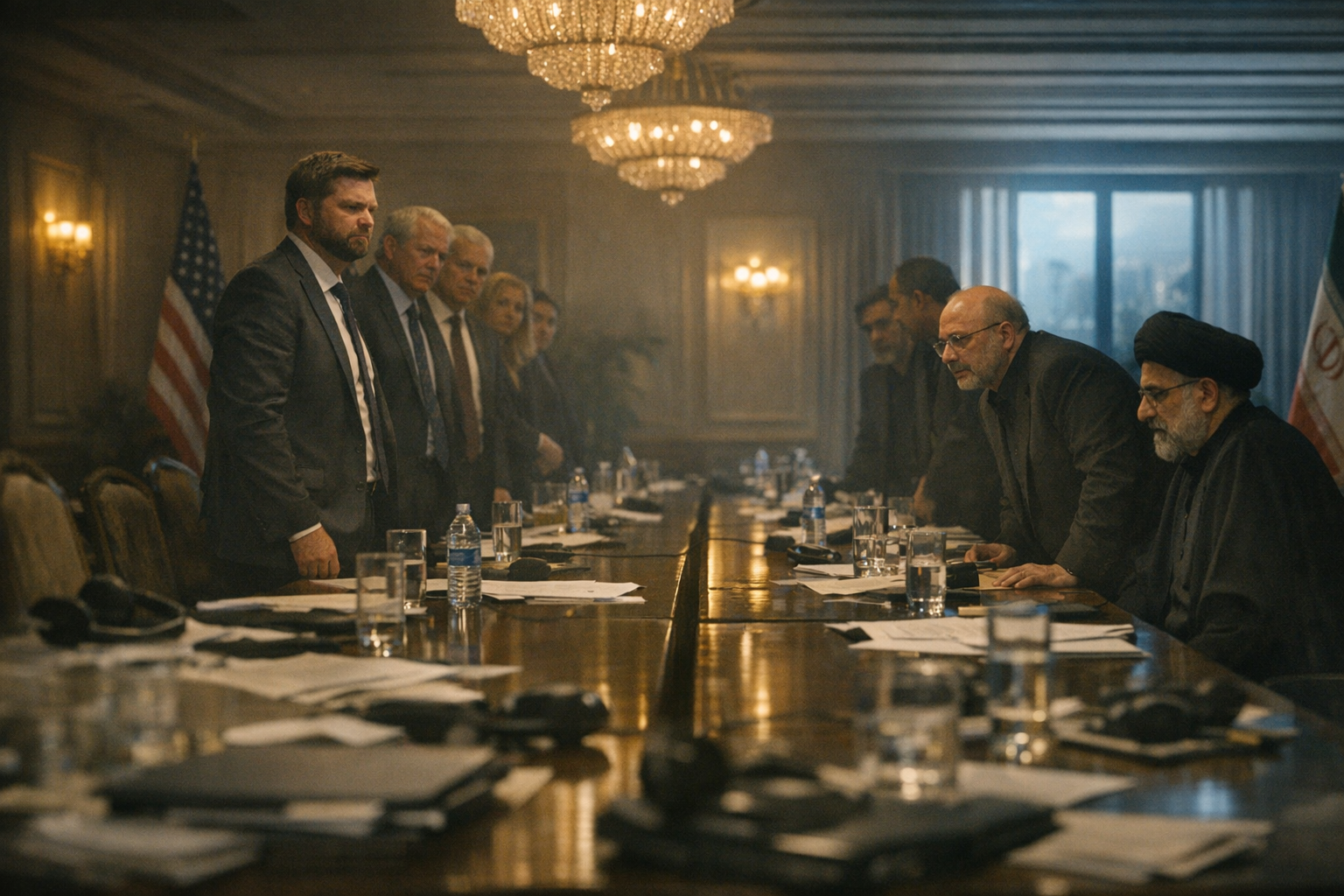
    Vice President JD Vance led the U.S. delegation into face-to-face talks at the Serena Hotel in Islamabad, Pakistan, in what became the highest-level in-person engagement between Washington and Tehran since the 1979 Islamic Revolution. The Iranian delegation, led by Parliament Speaker Mohammad Bagher Ghalibaf, arrived dressed in black in mourning for Supreme Leader Ayatollah Ali Khamenei and others killed during the conflict.

    Why the Talks Failed

    The core demand from the United States was a firm commitment from Iran not to develop nuclear weapons. Iran refused. Vance told reporters before boarding Air Force Two that the American side had made its position clear throughout the negotiations.

    Iran refused to meet that demand. Vance told reporters before boarding Air Force Two that the U.S. side had presented what he described as a final and best offer, and that it was now up to Iran to decide whether to accept it.

    Iran’s chief negotiator blamed the United States for the breakdown. Ghalibaf said his delegation raised forward-looking proposals during the talks but that the opposing side failed to gain their trust. Iran’s Foreign Ministry added that the two sides had reached a measure of understanding on some issues but that gaps remained on several major points, including control of the Strait of Hormuz, sanctions relief, and war reparations.

    The Strait of Hormuz Remains the Pressure Point

    The Strait of Hormuz sits at the center of the entire standoff. Iran has maintained a chokehold on the strait since the start of the war, blocking roughly 20 percent of the world’s oil and liquefied natural gas shipments. The resulting disruption has sent energy prices climbing globally and placed pressure on the economies of U.S. allies across Europe and Asia.

    Three supertankers passed through the strait on Saturday in what appeared to be the first vessels to exit the Gulf since the ceasefire was announced, according to shipping data. Iran has not committed to fully reopening the passage, and according to multiple reports, Iran also lost track of mines it planted in the strait, complicating any timeline for clearing it. The U.S. Navy has begun a mine-clearing operation in the area.

    Trump Threatens a Naval Blockade

    Within hours of Vance departing Islamabad, President Trump posted on social media that the United States would impose a full naval blockade on Iran. Trump stated that the talks had failed because Iran was unwilling to give up its nuclear ambitions. He had previously downplayed the importance of the negotiations, telling reporters in Washington that whether a deal was reached made no difference to him.

    The threat of a blockade marks a significant escalation in rhetoric, though it is not yet clear whether military action will follow. The two-week ceasefire is set to expire on April 22, and neither side has signaled whether it will hold beyond that date. Pakistan, which served as the primary mediator throughout the process, urged both parties to maintain the ceasefire and said it intends to continue playing a role in peace efforts.

    Where Things Stand Now

    The collapse of the Islamabad talks does not mean negotiations are permanently over. Vance left open the possibility of continued discussions before departing, and Iran’s Foreign Ministry described the current stage as critical and sensitive. What happens in the days before April 22 will determine whether diplomacy remains viable or whether the conflict resumes at full scale.

    Israel’s continued military campaign against Hezbollah in Lebanon added another layer of complication throughout the proceedings. Tehran had insisted the ceasefire included Lebanon, a position the United States and Israel both rejected. Israel killed more than 350 people in Lebanon in a single day earlier in the week, and Prime Minister Benjamin Netanyahu stated publicly that his country’s military campaign against Iran was not over.

    The war began on February 28, 2026, with a surprise joint U.S. and Israeli strike on Iran involving hundreds of coordinated attacks. The ceasefire that created space for these talks was announced on April 7. With that window closing and no agreement in hand, the coming days carry significant weight for the region and for global energy markets alike.