The geopolitical situation in the Middle East has intensified dramatically following recent attacks attributed to Iranian-backed forces, which resulted in the deaths of two U.S. military personnel. This development has elicited strong condemnation from international actors and raised alarms about the potential for wider regional conflict, prompting urgent calls for de-escalation from global leaders.
A New Chapter of Regional Instability
The attacks mark a significant turning point in the ongoing dynamics between the United States and Iran. For years, a delicate balance of deterrence and limited engagement has characterized the relationship, often tested by proxy conflicts and regional skirmishes. The direct targeting resulting in U.S. casualties, however, shifts the calculus.
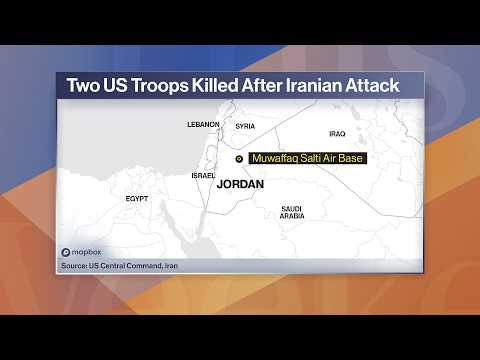
Details surrounding the attacks remain under investigation by U.S. defense officials. Initial reports indicate the incidents occurred in a strategically sensitive area, though the precise location has not been publicly disclosed. The U.S. Department of Defense has confirmed the fatalities and notified the families of the fallen service members.
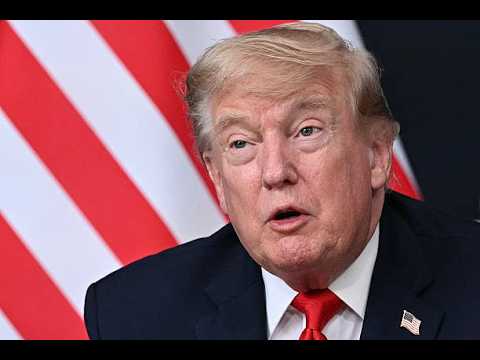
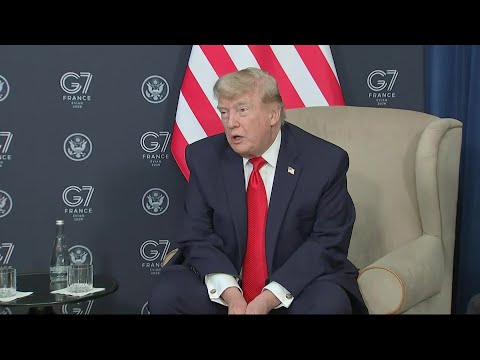
President Trump addressed the nation from the Oval Office, condemning the attacks as a ‘cowardly act of aggression’ and vowing a ‘decisive and proportionate response.’ Vice President JD Vance echoed these sentiments during an appearance on a national news program, emphasizing the administration’s commitment to protecting American lives and interests abroad.
International Reactions and Calls for Restraint
The international community has reacted with a mixture of shock and concern. United Nations Secretary-General António Guterres issued a statement urging all parties to exercise maximum restraint. He called for an immediate cessation of hostilities to prevent a broader conflagration that could destabilize the entire region and have global repercussions.
Key U.S. allies have also voiced their solidarity and concern. British Prime Minister Keir Starmer condemned the attacks and expressed condolences to the families of the fallen troops. French President Emmanuel Macron called for diplomatic solutions, emphasizing the need for dialogue to avert further bloodshed.
Russia and China, while often at odds with Western powers on Middle East policy, have also expressed apprehension. Both nations have historically advocated for de-escalation in regional conflicts, fearing the impact on global energy markets and international stability. Their diplomatic overtures have focused on preventing an uncontrolled spiral of violence.
The Shadow of Proxy Warfare
The attacks are widely believed to be carried out by militias supported and funded by Iran. These proxy groups operate across Iraq, Syria, Lebanon, and Yemen, serving as extensions of Iran’s strategic influence. Their actions often complicate direct attribution and provide a degree of plausible deniability for Tehran.
U.S. intelligence agencies are working to definitively link the specific groups responsible to the Iranian Revolutionary Guard Corps (IRGC). The IRGC’s Quds Force, in particular, has long been implicated in orchestrating and supporting such operations. Establishing a clear chain of command and responsibility is crucial for any potential U.S. retaliatory actions.
The use of drones and precision-guided munitions by these groups has become increasingly sophisticated. This technological advancement presents a growing challenge to U.S. and allied forces, who must adapt their defensive measures to counter evolving threats. The recent attacks highlight the potency of these asymmetric warfare tactics.
Historical Context of U.S.-Iran Tensions
Tensions between the United States and Iran have deep historical roots, dating back to the 1979 Iranian Revolution and the subsequent hostage crisis. Decades of mistrust, sanctions, and ideological clashes have shaped the relationship. The 2015 Joint Comprehensive Plan of Action (JCPOA), or Iran nuclear deal, offered a brief period of reduced tension, but its unraveling under the Trump administration in 2018 reignited animosities.
Since the U.S. withdrawal from the JCPOA, Iran has progressively expanded its nuclear program and increased its support for regional proxy forces. This has been met with heightened U.S. military presence in the Persian Gulf and renewed economic sanctions, creating a cycle of escalation and counter-escalation.
The current incident echoes previous flashpoints, such as the 2020 killing of Iranian General Qasem Soleimani by a U.S. drone strike and subsequent Iranian missile attacks on U.S. bases in Iraq. Each event has pushed the two nations closer to direct confrontation, only for de-escalation efforts to pull them back from the brink.
U.S. Military Presence in the Middle East
The United States maintains a significant military footprint across the Middle East, primarily aimed at counter-terrorism operations, deterring regional aggressors, and protecting vital shipping lanes. Bases in Iraq, Syria, Kuwait, Qatar, Bahrain, and Saudi Arabia host thousands of U.S. service members.
The presence of these troops is often a point of contention with local populations and governments. While some view the U.S. as a stabilizing force, others see it as an occupying power or a target for anti-Western sentiment. The attacks on U.S. personnel exacerbate these internal and external pressures.
The Biden administration, which preceded President Trump’s current term, had aimed to reduce the U.S. military footprint in some areas, shifting focus to other global challenges. However, the persistent threats from groups like ISIS and Iranian-backed militias have complicated these withdrawal efforts, often necessitating sustained engagement.
Economic Implications of Escalation
Any significant escalation in the Middle East carries substantial economic risks, particularly for global energy markets. The region is a major producer of oil and natural gas, and disruptions to supply routes or production facilities can trigger sharp price increases. This impacts consumers worldwide and can fuel inflation.
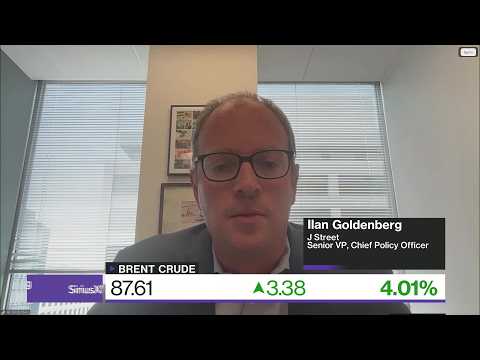
Financial markets have already shown signs of volatility in response to the news. Oil prices saw an immediate uptick, and global stock markets experienced downward pressure as investors reacted to the increased geopolitical uncertainty. Analysts warn that sustained tensions could lead to a prolonged period of economic instability.
Shipping routes through the Strait of Hormuz, a critical chokepoint for oil transport, are particularly vulnerable. Iran has previously threatened to close the strait in response to perceived aggressions, a move that would have catastrophic consequences for the global economy. Safeguarding these maritime passages is a primary objective of international naval forces.
The Path Forward: Diplomacy or Retaliation?
President Trump faces immediate decisions regarding the U.S. response. Options range from targeted military retaliation against the responsible proxy groups or their Iranian handlers to diplomatic overtures aimed at de-escalation. The administration’s choice will define the immediate trajectory of the conflict.
Military strategists are likely evaluating a range of targets, including missile sites, drone facilities, and command-and-control centers associated with the attacks. Any strike would carry the risk of further escalation, potentially drawing Iran into a more direct confrontation. The precision and scope of such actions would be critical.
Diplomatic channels remain open, albeit strained. International mediators may attempt to broker a ceasefire or facilitate indirect negotiations between Washington and Tehran. The ultimate goal for many international observers is to prevent a full-scale war, which would have devastating human and economic costs.
The families of the two fallen U.S. service members grieve. The U.S. military prepares. The global community watches. The region holds its breath.
Washington.