Tag: Instagram

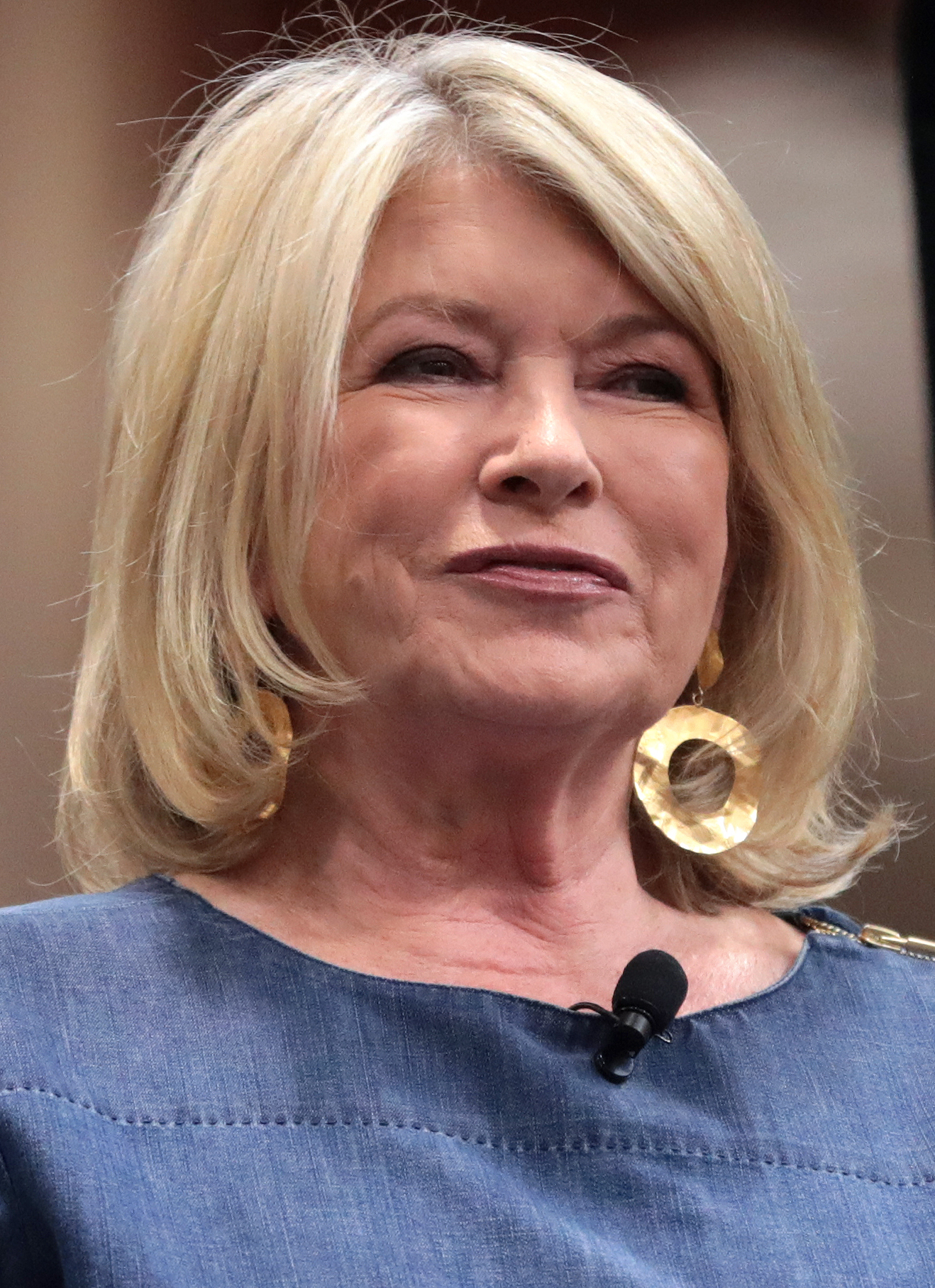
  • Martha Stewart’s Rose Gold Hair Transformation – A Post-Birthday Style Statement

    Martha Stewart’s Rose Gold Hair Transformation – A Post-Birthday Style Statement

    TL;DR / KEY TAKEAWAYS BLOCK

    • Martha Stewart debuted a rose gold hair transformation on Instagram on August 9, 2026.
    • Celebrity hairstylist Chris Appleton created the pink-toned hair look.
    • The style reveal occurred shortly after Stewart’s 85th birthday on August 3, 2026.
    • A temporary Schwarzkopf rose gold gloss formula was utilized for the transformation.

    OPENING HOOK

    Martha Stewart unveiled a rose gold hair transformation on August 9, 2026. The new look, characterized by its distinct pink hue, appeared on her Instagram account. This public debut followed closely on the heels of her 85th birthday celebration.

    The style change quickly became a topic of discussion across various media platforms. It signaled a continued engagement with modern beauty trends by the media personality.

    In many ways, this transformation highlights a consistent pattern. Stewart frequently presents herself in ways that defy conventional age-related expectations.

    What looks like a spontaneous style choice actually aligns with a career built on reinvention and trend-setting.

    The Post-Birthday Reveal

    The rose gold hair transformation was publicly revealed on August 9, 2026. Stewart shared the new look with her followers via an Instagram post. This timing placed the reveal just six days after her 85th birthday, which she celebrated on August 3, 2026.

    The choice of rose gold, a color often associated with contemporary fashion and beauty, indicated a deliberate move. It positioned Stewart within current aesthetic conversations.

    The transformation was not a solo effort. Celebrity hairstylist Chris Appleton was credited with creating the specific pink-toned style. Appleton is known for his work with numerous high-profile clients.

    His involvement underscored the professional and intentional nature of the hair change.

    The Styling Process and Product

    The process involved a specific product to achieve the rose gold effect. A temporary rose gold gloss formula by Schwarzkopf was utilized. This detail was part of the styling reveal, often featured in accompanying video content.

    The use of a temporary gloss suggests a flexible approach to hair color. It allows for experimentation without long-term commitment. This aligns with a dynamic personal brand.

    Chris Appleton’s expertise guided the application. His reputation in the beauty industry often involves creating impactful and trend-setting looks. The collaboration brought significant attention to the style.

    The product choice also indicates accessibility. Temporary glosses are available to a wider audience, potentially inspiring similar transformations.

    Martha Stewart’s Public Image Evolution

    Martha Stewart’s public image has consistently evolved over decades. From her origins in catering to her media empire, she has adapted to changing cultural landscapes. Her recent hair transformation is another instance of this adaptability.

    She has maintained relevance through various ventures. These include publishing, television, and digital content. Each platform has showcased her ability to connect with different generations.

    Her willingness to embrace new styles and trends contributes to her enduring appeal. This approach keeps her visible and resonant in the public eye. It challenges traditional perceptions of aging in celebrity culture.

    The rose gold hair serves as a visual marker of this continuous evolution. It reinforces her status as a figure who remains current and influential.

    CLOSING — THE TERMINAL DROP

    A birthday passed. A new style emerged. A public figure continued to define her own narrative. Martha Stewart.

    FAQ SECTION

    • When did Martha Stewart debut her rose gold hair?

      Martha Stewart debuted her rose gold hair transformation on August 9, 2026, sharing the new look on her Instagram account.

    • Who was responsible for Martha Stewart’s rose gold hairstyle?

      Celebrity hairstylist Chris Appleton created Martha Stewart’s rose gold hair look. He is known for working with many high-profile clients.

    • What product was used for Martha Stewart’s rose gold hair?

      A temporary rose gold gloss formula by Schwarzkopf was used to achieve Martha Stewart’s recent hair transformation.

    • When did Martha Stewart celebrate her 85th birthday?

      Martha Stewart celebrated her 85th birthday on August 3, 2026, just days before she unveiled her rose gold hair transformation.

  • Andy Cohen Goes Instagram Official with Kevin Sobieski

    Andy Cohen Goes Instagram Official with Kevin Sobieski

    Television personality Andy Cohen officially confirmed his relationship with Kevin Sobieski on July 18, 2026. The announcement came through a post on Cohen’s personal Instagram account, marking a public milestone for the couple. This public declaration represents a notable moment for Cohen, who has largely kept details of his romantic life private.

    The Instagram Announcement Unfolds

    The confirmation arrived on July 18, 2026. Cohen’s Instagram post featured a photograph of himself alongside Kevin Sobieski. The image conveyed a sense of intimacy and shared happiness between the two. The specific photograph depicted Cohen and Sobieski smiling on a beach during sunset. The caption accompanying the image was succinct, reportedly stating, “My heart is full.” This directness left no ambiguity about the nature of their relationship.

    Significance of the Timing

    The timing of the announcement aligns with a period of increased public visibility for Cohen. He frequently shares aspects of his professional life and fatherhood with his audience. This romantic update adds another dimension to his public persona, indicating a new comfort level with sharing his personal relationships. The public nature of the confirmation signals a new chapter in Cohen’s personal narrative.

    Public Reaction and Media Coverage

    Following Cohen’s Instagram update, numerous media outlets began reporting on the development almost immediately. The news quickly spread through entertainment circles. Publications including Us Weekly, People Magazine, and E! News covered the story extensively. Their reports highlighted the rarity of Cohen publicly confirming a romantic partner on social media. They also focused on who Kevin Sobieski is and his background, noting his work in finance.

    Fan and Celebrity Endorsement

    Fan reactions on social media were overwhelmingly positive. Thousands of comments poured in, expressing well wishes and support for the couple. Several of Cohen’s celebrity friends, including Sarah Jessica Parker, also offered congratulatory messages on the post, further amplifying its reach and significance.

    The Developing Narrative

    This is a developing story. Further details regarding the nature of the relationship or additional comments from Cohen or Sobieski are still emerging. The initial confirmation on Instagram serves as the primary source of information at this time, setting the stage for future public appearances or statements. Media observers will continue to monitor for further statements or appearances from the couple, anticipating more insights into their relationship.

    Andy Cohen’s Evolving Public Profile

    Andy Cohen is widely known as a host, producer, and author. He is a prominent figure in pop culture, particularly recognized for his work with Bravo’s Real Housewives franchise and his late-night talk show, Watch What Happens Live with Andy Cohen. His personal life, while often discussed in broad terms, has rarely featured explicit public confirmation of romantic partners until this announcement with Kevin Sobieski. This makes the Instagram post particularly significant, signaling a shift in his approach to public transparency regarding his romantic life. The declaration on social media solidifies Kevin Sobieski’s place within Cohen’s public narrative.

    The move marks a notable departure from Cohen’s previous approach to his romantic life, which he largely kept out of the public eye. His openness regarding his children and professional endeavors has been well-documented. However, romantic relationships have typically remained private. This public confirmation suggests a new level of comfort and commitment.

    The entertainment industry often scrutinizes public figures’ personal lives. Cohen’s decision to share this aspect with his audience directly, rather than through speculation, provides a clear narrative. This direct communication strategy bypasses traditional media gatekeepers, presenting the information on his own terms.

    The impact of such an announcement often extends beyond immediate media coverage. It can influence public perception, fan engagement, and future professional opportunities. For Cohen, this move could foster a deeper connection with his audience, who often value authenticity from public figures.

    Kevin Sobieski’s public profile has now been significantly elevated. While known for his work in finance, his association with Cohen brings him into broader public consciousness. This newfound visibility can lead to increased scrutiny and interest in his background and future endeavors.

    The couple’s future public appearances will likely be met with heightened interest. Every joint event, social media post, or mention in interviews will contribute to the ongoing narrative of their relationship. This initial Instagram post serves as the foundation for how their relationship will be perceived by the public.

    The broader implications for celebrity relationships and public disclosure are also noteworthy. In an era where social media often dictates the pace of news, Cohen’s deliberate announcement via Instagram exemplifies a modern approach to managing personal narratives. It allows celebrities to control the initial message and frame the story themselves.

    The immediate and widespread positive reaction from fans and fellow celebrities underscores the public’s desire for genuine connections and happy news. This collective endorsement further validates Cohen’s decision to share his relationship publicly.

    The story of Andy Cohen and Kevin Sobieski’s public relationship begins with a single Instagram post. It marks a moment of intentional transparency.

    Fans observed. Media reported. Celebrities endorsed.

    A new chapter.

  • CAA Slams Meta Over AI Opt-Out: The Battle for Creator Rights and Data

    CAA Slams Meta Over AI Opt-Out: The Battle for Creator Rights and Data

    The Creative Artists Agency (CAA) has publicly condemned Meta Platforms, Inc. over its artificial intelligence platform, Muse Image, specifically targeting the company’s opt-out policy that permits the use of public Instagram account data for AI content generation.

    This policy means that content from public Instagram profiles is automatically included in Muse Image’s training datasets unless users proactively choose to remove their data. The controversy has ignited significant debate surrounding intellectual property rights, data privacy, and the consent mechanisms governing AI development.

    The Emergence of Muse Image and Meta’s Strategy

    Meta Platforms introduced Muse Image as a new generative AI tool capable of creating diverse content. The platform leverages vast amounts of data to produce images and other media. Meta’s strategy for data acquisition included the automatic ingestion of publicly available content from its own platforms, including Instagram.

    This approach is not unique to Meta, as many AI developers seek broad datasets for training. However, the implementation of an opt-out mechanism, rather than an opt-in, has drawn particular scrutiny. This places the burden of protection on the individual user, rather than requiring explicit permission from content creators.

    CAA’s Stance on Creator Rights

    The Creative Artists Agency (CAA) represents a substantial number of artists, actors, musicians, and other creators across various industries. The agency’s primary concern revolves around the unauthorized use of its clients’ intellectual property. Public Instagram accounts often feature original artwork, photographs, performances, and other creative works.

    CAA argues that Meta’s opt-out policy undermines the fundamental rights of creators to control their own content and benefit from its use. The agency views this as a direct infringement on intellectual property, potentially devaluing the work of artists whose content could be replicated or adapted by Muse Image without compensation or explicit consent.

    The Opt-Out Controversy: A Question of Consent

    The core of the dispute lies in the difference between opt-in and opt-out consent. An opt-in system requires users to actively agree to their data being used, providing a clear affirmative choice. An opt-out system assumes consent unless users take specific action to withdraw it.

    Critics, including CAA, contend that an opt-out system is exploitative, particularly for creative content. Many users may not be aware of the policy or the steps required to opt out, leading to their intellectual property being used without their informed consent. This method shifts responsibility from the data collector to the data provider, a practice increasingly challenged by privacy advocates and regulatory bodies.

    Broader Implications for the Creative Industries

    The conflict between CAA and Meta is indicative of a larger struggle within the creative industries regarding artificial intelligence. Artists and creators fear that generative AI tools, trained on their existing work, could eventually displace human talent or dilute the value of original creations. The ability of AI to mimic styles, generate new works, and even produce synthetic media raises complex questions about authorship, copyright, and fair use.

    Organizations representing writers, visual artists, and musicians have voiced similar concerns. They are advocating for stronger protections, clearer consent mechanisms, and potential compensation models for the use of creative works in AI training datasets. The outcome of disputes like this could set precedents for how AI companies interact with content creators moving forward.

    Legal and Ethical Challenges of AI Data Practices

    The legal landscape surrounding AI and intellectual property is still developing. Existing copyright laws were primarily designed for human-created works and are being tested by the capabilities of AI. Questions arise about who owns the copyright to AI-generated content, especially when it is derived from copyrighted source material.

    Ethically, the debate centers on fairness and transparency. Is it fair for a technology company to profit from the creative output of individuals without explicit permission or remuneration? Transparency in data collection and usage policies is also a key demand from privacy advocates, who argue that users should have a clear understanding of how their digital footprint is being utilized.

    Meta’s Response and Future Outlook

    Meta has often defended its data practices by citing its terms of service, which users agree to upon signing up for platforms like Instagram. The company typically emphasizes that its AI tools are designed to enhance user experience and foster creativity. However, the backlash from prominent organizations like CAA suggests that these justifications may no longer be sufficient.

    The pressure from creative agencies and potential legal challenges could compel Meta to revise its policies. Future developments might include more granular control for users over their data, clearer communication about AI training practices, or even the exploration of licensing agreements for content used in AI models. The ongoing dialogue between tech giants and creative stakeholders will likely shape the future of AI development in the coming years.

    The Precedent of Digital Rights Battles

    This is not the first time a major technology company has faced scrutiny over its use of user-generated content. Previous battles have involved music streaming services, image hosting sites, and social media platforms, all grappling with the balance between innovation, user engagement, and intellectual property rights. Each dispute has contributed to the evolving understanding of digital rights in a rapidly changing technological environment.

    The current confrontation with Meta and Muse Image is a critical chapter in this ongoing narrative. It underscores the increasing power of AI and the urgent need for clear ethical guidelines and robust legal frameworks to protect creators and individual privacy in the age of artificial intelligence.

    Agencies gathered. Creators gathered. Legal experts gathered.

    The future.

  • Meta Calls State AGs’ Social Media Safety Damages ‘Untethered From Reality’

    Meta Calls State AGs’ Social Media Safety Damages ‘Untethered From Reality’

    Meta and its CEO, Mark Zuckerberg, have publicly dismissed the financial damages sought by a coalition of state attorneys general in a lawsuit focused on the safety and mental health impact of social media platforms on young users, labeling these demands as “untethered from reality.” This strong rebuttal signals a deepening conflict between the tech industry and government regulators concerning platform accountability and the welfare of minors online.

    The Escalating Legal Battle

    The legal confrontation began in October 2023. A bipartisan group of 33 state attorneys general filed a federal lawsuit against Meta Platforms, Inc. The lawsuit specifically targeted Instagram and Facebook. They alleged that Meta designed its platforms with features that exploit and addict children and teenagers, contributing to a youth mental health crisis.

    This initial filing followed years of public discourse and internal documents surfacing. These documents suggested Meta was aware of the potential harms its products posed to younger users. The legal action sought injunctive relief to change Meta’s business practices and monetary damages.

    Subsequent months have seen additional states join the legal action. The total number of participating states and districts now exceeds 40. This widespread legal challenge indicates a national concern among state leaders.

    The attorneys general argue that Meta prioritized profit over the well-being of its youngest users. They cite features like infinite scroll and notifications designed to maximize engagement. These design choices, they contend, contribute to addictive behaviors and negative psychological outcomes.

    Meta’s Defense Strategy

    Meta’s response has been multifaceted. The company has consistently stated its commitment to youth safety. It points to investments in parental controls, age verification technologies, and mental health resources within its apps.

    Mark Zuckerberg, in past public statements and congressional testimonies, has emphasized the complexity of these issues. He has argued that social media offers significant benefits for connection and community. He also acknowledges the need for ongoing vigilance and improvement in safety measures.

    The current dismissal of the damages sought by the state attorneys general represents a more aggressive stance. Meta’s legal team is signaling its intention to challenge the financial claims vigorously. They contend that the proposed damages lack a basis in evidence or legal precedent.

    This legal strategy aims to portray the attorneys general’s demands as excessive. It seeks to frame them as politically motivated rather than grounded in legitimate harm assessment. The company’s statement suggests a belief that the requested sums are disproportionate to any proven damages.

    The Nature of the Damages Sought

    The exact figures for the damages sought by the state attorneys general have not been publicly detailed in full. However, legal experts suggest these claims often include several components. They can encompass restitution for harms caused, disgorgement of profits obtained through alleged illicit practices, and penalties for violations of consumer protection laws.

    The attorneys general are likely seeking significant financial penalties. These penalties would serve both as punishment and as a deterrent for future corporate behavior. They aim to compel Meta to fundamentally alter its platform designs and business models.

    The legal theory often involves claims of unfair and deceptive trade practices. These practices, they argue, target vulnerable populations, specifically minors. The lawsuits also frequently reference the costs borne by states for addressing youth mental health crises. These crises are allegedly exacerbated by social media use.

    Meta’s characterization of these demands as “untethered from reality” suggests the company views the proposed financial penalties as speculative. They may argue the link between platform design and specific mental health outcomes is not direct or quantifiable in the manner presented.

    Impact on Youth Mental Health

    The core of the lawsuit revolves around the documented rise in youth mental health concerns. Organizations like the American Academy of Pediatrics have published research linking excessive social media use to increased rates of anxiety, depression, and body image issues among adolescents.

    Studies from institutions such as the National Institute of Mental Health also highlight the correlation. They do not always establish direct causation. However, they indicate a strong relationship between time spent on social media and declines in adolescent well-being.

    The attorneys general’s legal argument leverages this growing body of research. They assert that Meta, as the operator of dominant platforms, has a responsibility. This responsibility includes safeguarding young users from known harms.

    Meta, while acknowledging the broader mental health crisis, often contextualizes its role. The company suggests that social media is one factor among many. Other factors include family dynamics, academic pressures, and societal changes. This framing attempts to dilute the direct causal link the plaintiffs are trying to establish.

    Regulatory Landscape and Future Implications

    This lawsuit is part of a larger trend of increased scrutiny on tech companies. Governments worldwide are grappling with how to regulate digital platforms. Concerns range from data privacy to content moderation and market dominance.

    In the United States, several states have passed or are considering legislation aimed at protecting children online. These laws include age verification requirements and restrictions on certain platform features. Federal efforts have also been ongoing, albeit with slower progress.

    The outcome of this particular lawsuit could set significant precedents. A substantial judgment against Meta might encourage more aggressive enforcement actions against other tech companies. It could also influence future legislative efforts at both state and federal levels.

    Conversely, if Meta successfully defends against the damages, it could embolden tech companies. They might feel more confident in resisting government demands for changes to their business models. The legal battle is not just about Meta; it is about defining the boundaries of corporate responsibility in the digital age.

    The case continues to develop in federal courts. Both sides are preparing for protracted litigation. Discovery processes will likely uncover more internal documents and communications. These could further illuminate Meta’s understanding of its platforms’ impact on youth.

    Public opinion also plays a role. Heightened awareness of social media’s potential downsides has shifted public sentiment. This shift creates pressure on both tech companies and elected officials to address the issue.

    Previous Legal Challenges and Settlements

    Meta has faced numerous legal and regulatory challenges in the past. These include antitrust lawsuits, data privacy violations, and content moderation disputes. The company has paid billions in fines and settlements over the years. These settlements often involved agreements to change certain business practices.

    For instance, in 2019, Meta (then Facebook) paid a record $5 billion fine to the Federal Trade Commission. This fine was for privacy violations related to the Cambridge Analytica scandal. The settlement also imposed new oversight requirements on the company.

    More recently, in 2022, Meta reached a $725 million settlement in a class-action lawsuit. This lawsuit alleged privacy breaches related to user data sharing. These past actions demonstrate a history of legal battles and financial penalties for the company.

    However, the current lawsuit differs in its direct focus on youth mental health and platform design. It represents a more direct challenge to the core product offerings and their societal impact. The “untethered from reality” comment reflects the perceived novelty and scale of the damages sought in this specific context.

    The Role of Mark Zuckerberg

    Mark Zuckerberg, as CEO and co-founder of Meta, remains a central figure in these debates. His vision has shaped the company’s trajectory. His public statements often set the tone for Meta’s defense strategy.

    Zuckerberg has consistently argued for the positive aspects of online connection. He has also emphasized Meta’s efforts to build a “responsible metaverse.” His leadership will be critical in navigating this complex legal and public relations challenge.

    The attorneys general often target Zuckerberg directly in their rhetoric. They portray him as ultimately responsible for the design choices and corporate culture. This personalization of the lawsuit adds another layer to the conflict.

    The legal proceedings will likely involve testimony from Zuckerberg and other Meta executives. Their insights into platform development and internal decision-making will be crucial. These testimonies could sway public and judicial opinion.

    The ongoing legal battle is more than a financial dispute. It is a fundamental disagreement over corporate responsibility. It questions the balance between innovation and public welfare. It is a defining moment for the future of social media regulation.

    State attorneys general pressed their case. Tech executives pushed back. Regulators considered new frameworks. The public watched.

    The future of digital platforms.