Tag: Hulu

  • ‘Deli Boys’ Canceled After Two Seasons at Hulu, Onyx Collective

    ‘Deli Boys’ Canceled After Two Seasons at Hulu, Onyx Collective

    Deli Boys has been cancelled by Hulu after two seasons. The cancellation comes despite the show’s strong critical reception and its focus on underrepresented groups.

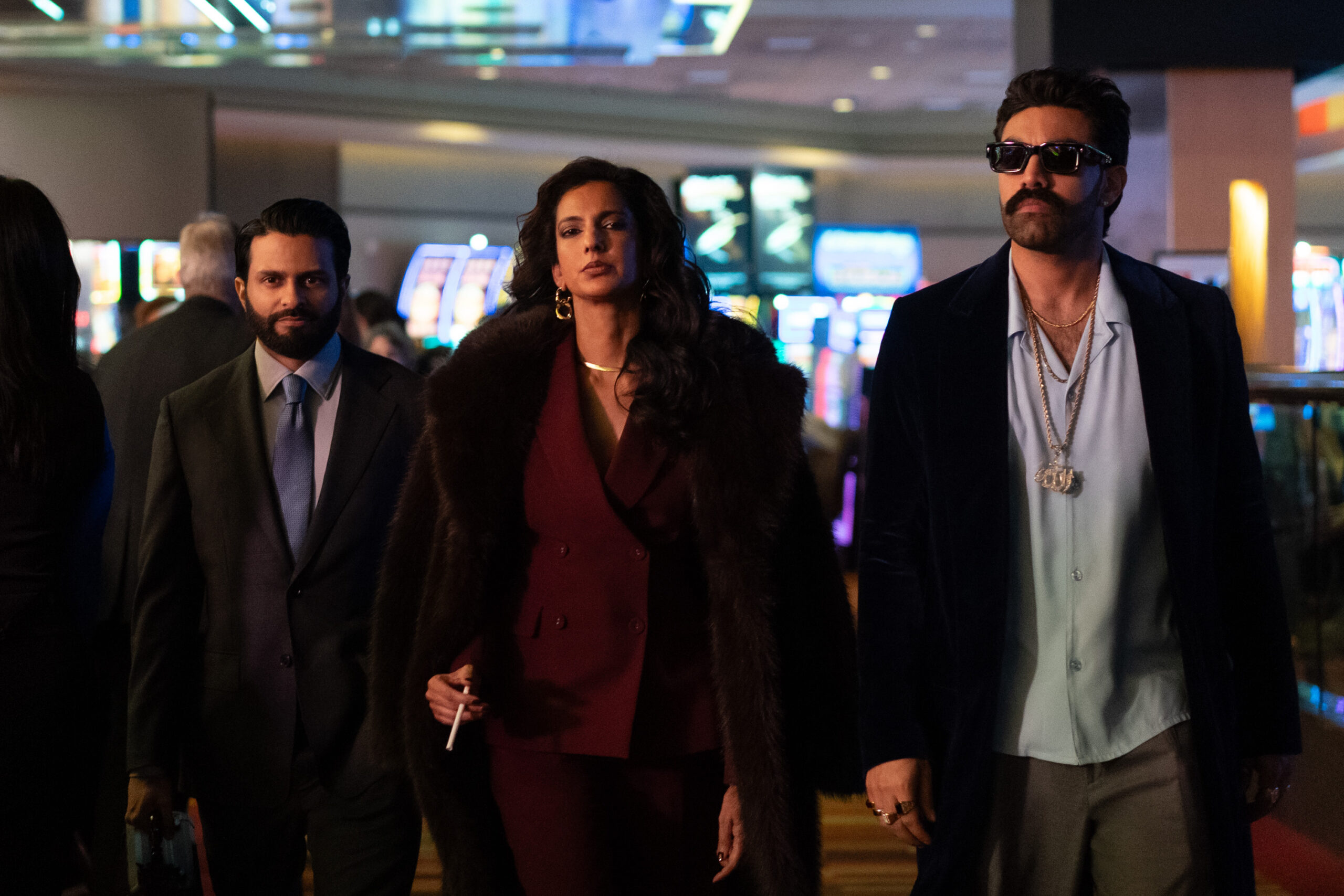
    The series, which originated with Onyx Collective, a content brand dedicated to underrepresented groups, premiered on March 6, 2025. It starred Asif Ali as Mir, Saagar Shaikh as Raj, and Poorna Jagannathan as Naveeda “Lucky”. Fred Armisen joined as a series regular in season 2, and other notable guest stars included Kumail Nanjiani, Andrew Rannells, Lilly Singh, Robin Thede, and Tan France.

    Reasons for Cancellation

    Hulu cited struggling viewership and low ratings as the reasons behind the cancellation. Despite its positive reception from critics, the show failed to connect with audiences in the same way as some of its contemporaries.

    Impact and Legacy

    ‘Deli Boys’ made significant strides in representation within the entertainment industry, showcasing stories and characters that were often overlooked. Its cancellation leaves fans wondering about its future and the potential impact on similar shows.

    Futuristic Implications

    The cancellation of ‘Deli Boys’ highlights the challenges faced by shows that aim to push boundaries and represent marginalized communities. It underscores the importance of finding a balance between artistic integrity and commercial success.

    FAQ

    • When did Deli Boys cancel? Deli Boys was cancelled after two seasons at Hulu.
    • Who starred in Deli Boys? The main cast included Asif Ali, Saagar Shaikh, Poorna Jagannathan, Fred Armisen, Kumail Nanjiani, Andrew Rannells, and Lilly Singh.
    • What was the reason for the cancellation? The cancellation was due to struggling viewership and low ratings.
    • How did Deli Boys contribute to representation? Deli Boys aimed to showcase stories and characters that were often overlooked, making significant strides in representation within the entertainment industry.
    • Will there be a sequel to Deli Boys? There are currently no plans for a sequel to Deli Boys.

    Frequently Asked Questions

    When did Deli Boys cancel?

    Deli Boys was cancelled after two seasons at Hulu.

    Who starred in Deli Boys?

    The main cast included Asif Ali, Saagar Shaikh, Poorna Jagannathan, Fred Armisen, Kumail Nanjiani, Andrew Rannells, and Lilly Singh.

    What was the reason for the cancellation?

    The cancellation was due to struggling viewership and low ratings.

    How did Deli Boys contribute to representation?

    Deli Boys aimed to showcase stories and characters that were often overlooked, making significant strides in representation within the entertainment industry.

    Will there be a sequel to Deli Boys?

    There are currently no plans for a sequel to Deli Boys.

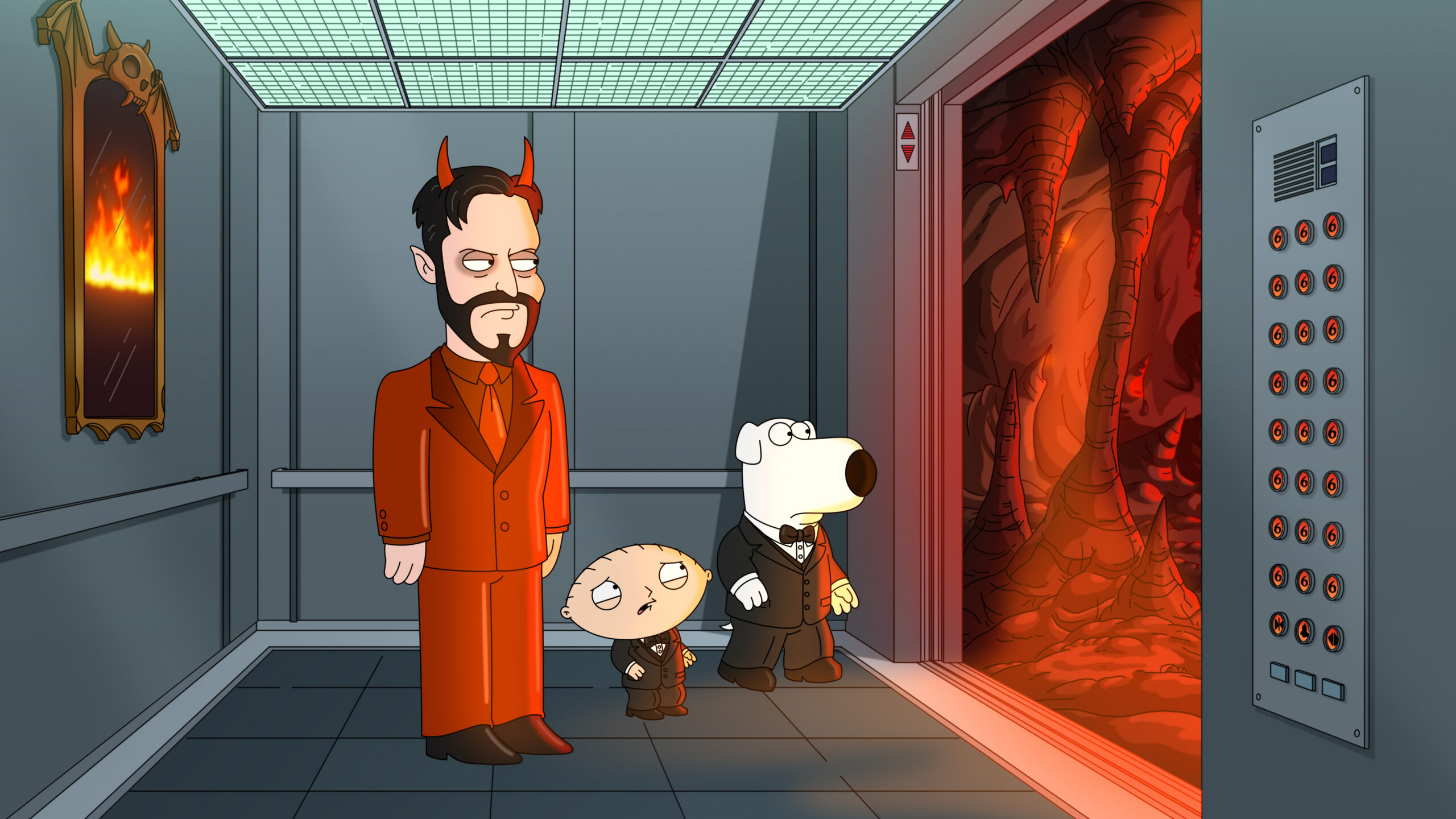
  • Kieran Culkin Cast as The Devil in ‘Family Guy’ Hulu Halloween Special

    Kieran Culkin Cast as The Devil in ‘Family Guy’ Hulu Halloween Special

    Kieran Culkin, an actor celebrated for his nuanced dramatic performances, is set to voice The Devil in an upcoming ‘Family Guy’ Halloween special. This new animated event will be available exclusively on Hulu, marking a significant guest role for Culkin within the long-running satirical series. The casting decision aligns with ‘Family Guy’s’ history of bringing prominent actors into its voice ensemble, particularly for special episodes.

    This particular role offers Culkin a chance to explore a character vastly different from his recent acclaimed work. The Devil in ‘Family Guy’ is typically portrayed with a mix of malevolence and bureaucratic frustration, a dynamic that could be well-suited to Culkin’s acting range. His involvement is expected to draw attention from both ‘Family Guy’ fans and his own dedicated audience.

    Culkin’s Trajectory: From Child Star to Acclaimed Actor

    Kieran Culkin’s career began in childhood, often appearing alongside his older brother, Macaulay Culkin. Early roles in films like ‘Home Alone’ (1990) and ‘Father of the Bride’ (1991) established his presence in Hollywood. He transitioned successfully into more mature roles as he grew, showcasing a versatility that few child actors achieve.

    His performance in the 2002 film ‘Igby Goes Down’ earned him widespread critical acclaim and a Golden Globe nomination. This role solidified his reputation as a serious dramatic actor capable of carrying complex narratives. He continued to take on diverse projects, often gravitating towards independent films and character-driven stories.

    In recent years, Culkin has experienced a significant career resurgence. His role in the critically acclaimed television series ‘Succession’ brought him renewed global recognition. As Roman Roy, he delivered a performance that earned him multiple awards, including an Emmy Award, cementing his status as one of the most compelling actors of his generation.

    ‘Family Guy’ and Its History of Guest Stars

    ‘Family Guy,’ created by Seth MacFarlane, has been a staple of animated television since its debut in 1999. Known for its irreverent humor, cutaway gags, and pop culture references, the series has garnered a massive following. Part of its enduring appeal lies in its willingness to push boundaries and feature an extensive roster of celebrity guest voices.

    Over its long run, ‘Family Guy’ has hosted hundreds of notable personalities. These have ranged from fellow actors and comedians to musicians, politicians, and athletes. Celebrities often play exaggerated versions of themselves or provide voices for original characters, adding an extra layer of humor and recognition for viewers.

    Notable past guest stars include Frank Sinatra Jr., Carrie Fisher, Adam West, and Patrick Stewart, all of whom had recurring roles. One-off appearances have featured figures like Ryan Reynolds, and other celebrities. The show’s ability to attract such high-profile talent speaks to its cultural impact and its creative team’s reputation.

    The Appeal of Voice Acting

    For many actors, voice acting offers a unique creative outlet. It allows them to explore characters without the physical demands of live-action performance. The focus shifts entirely to vocal inflection, tone, and delivery, providing a different set of challenges and rewards.

    Voice roles in animated series like ‘Family Guy’ can also provide a sense of anonymity. Actors can inhabit outlandish or controversial characters without their personal image being directly associated with the role in the same way as live-action. This freedom can be particularly appealing to actors who prefer to maintain a degree of privacy.

    Furthermore, animated projects often have flexible recording schedules, making them attractive to busy actors. They can typically record their lines in a studio over a few sessions, fitting the work around other commitments. This convenience contributes to the steady stream of A-list talent lending their voices to animation.

    The Role of The Devil in ‘Family Guy’ Lore

    The character of The Devil in ‘Family Guy’ has made sporadic appearances throughout the series. He is typically depicted as a somewhat bumbling, often frustrated figure, burdened by the immense responsibilities of Hell. This portrayal often contrasts sharply with traditional depictions of Satan, fitting ‘Family Guy’s’ satirical approach to religious and mythological figures.

    The show’s version of The Devil often engages in mundane activities, complains about paperwork, and even dates. He has been shown to have a complicated relationship with his father, God, and a generally exasperated view of humanity. This nuanced, often comedic characterization provides ample opportunity for an actor to bring depth and humor to the role.

    Previous voice actors for The Devil have included Seth MacFarlane himself, who often voices many of the show’s incidental characters. The decision to cast an external, high-profile actor like Kieran Culkin suggests a potentially expanded or more prominent role for The Devil in this particular Halloween special. This could indicate a central narrative focus on the character, allowing Culkin’s performance to shine.

    Halloween Specials and Their Significance

    ‘Family Guy’ has a long tradition of producing holiday-themed episodes, with Halloween specials being a consistent highlight. These episodes often allow the writers to delve into more fantastical or horror-themed storylines, pushing the boundaries of the show’s usual comedic format. They provide a canvas for unique visual gags and narrative structures.

    Holiday specials often attract higher viewership numbers and are anticipated by the show’s fanbase. They serve as tentpole events within a season, offering a break from the standard episode formula. The inclusion of a major guest star like Kieran Culkin further elevates the profile of this upcoming Halloween special, making it a must-watch event for fans.

    Hulu’s role as the exclusive platform for this special also highlights a growing trend in television. Streaming services are increasingly commissioning original content and special episodes from established broadcast series. This strategy allows networks to retain intellectual property while offering exclusive content to their streaming subscribers, creating distinct viewing experiences.

    The Impact of Streaming Exclusives

    The shift towards streaming-exclusive content has reshaped the television landscape. Platforms like Hulu, Netflix, and Max are investing heavily in original programming and special events. This move provides them with unique selling points in a highly competitive market, drawing subscribers who want access to specific shows or episodes.

    For ‘Family Guy,’ having a Halloween special exclusively on Hulu allows for greater creative freedom. Streaming platforms often have different content guidelines compared to traditional broadcast television. This could enable the writers to explore more mature themes, darker humor, or more elaborate storylines than might be permissible on network TV.

    This strategy also allows ‘Family Guy’ to cater directly to its most dedicated fanbase, many of whom already subscribe to Hulu for access to the show’s extensive back catalog. By offering exclusive content, the platform reinforces its value proposition for these viewers, encouraging continued subscriptions.

    Culkin’s Voice Acting Experience

    While Kieran Culkin is primarily known for his live-action roles, he is not entirely new to voice acting. He has lent his voice to various animated projects throughout his career, albeit less frequently than some of his peers. These past experiences have likely honed his ability to convey emotion and character through vocal performance alone.

    His previous voice roles include characters in animated films and television series, demonstrating a foundational understanding of the craft. This background suggests that his portrayal of The Devil will be a well-considered and impactful performance, leveraging his dramatic range within the animated medium.

    The choice to cast an actor with a strong dramatic background for a comedic animated role is often a deliberate one. It can bring an unexpected gravitas or a unique deadpan delivery that enhances the humor. Culkin’s signature dry wit and sardonic delivery, famously seen in ‘Succession,’ could translate exceptionally well to the ‘Family Guy’ universe, particularly for a character as complex as The Devil.

    The Creative Team Behind ‘Family Guy’

    ‘Family Guy’ is the brainchild of Seth MacFarlane, who also voices several main characters, including Peter Griffin, Brian Griffin, and Stewie Griffin. MacFarlane’s distinctive comedic vision and vocal talents are central to the show’s identity. He serves as an executive producer alongside Rich Appel and Alec Sulkin, who also contribute to the writing and overall direction.

    The show’s writing staff is known for its quick-witted dialogue, extensive pop culture knowledge, and willingness to tackle controversial subjects. Their ability to blend satire with slapstick comedy has kept ‘Family Guy’ relevant for decades. The collaboration between this established creative team and a guest star of Culkin’s caliber promises a memorable special.

    The animation style of ‘Family Guy,’ characterized by its distinct character designs and fluid movement, is another key element of its success. The visual humor often complements the verbal jokes, creating a layered comedic experience. The Halloween special will undoubtedly feature unique animation sequences designed to enhance the spooky, yet humorous, atmosphere.

    Anticipation for the Halloween Special

    The announcement of Kieran Culkin’s involvement has generated considerable buzz among fans and industry observers. Social media platforms have seen discussions about the potential tone of his performance and how The Devil will be integrated into the show’s narrative. This anticipation is a testament to both Culkin’s popularity and ‘Family Guy’s’ enduring cultural relevance.

    Halloween specials are often a chance for shows to experiment with genre conventions and storytelling. For ‘Family Guy,’ this could mean a more narrative-driven episode or one that leans heavily into horror-comedy tropes. The specific plot details remain under wraps, adding to the intrigue surrounding the special’s eventual release on Hulu.

    The combination of a beloved animated series, a high-profile dramatic actor in a surprising voice role, and a holiday theme creates a compelling package. It positions the ‘Family Guy’ Halloween special as a significant event in the fall television schedule, drawing attention to both the show and the streaming platform hosting it.

    Actors voice characters. Writers craft jokes. Animators bring worlds to life. Viewers await a special.

    Hulu.

  • The Trojan Horse on Hollywood Boulevard – Rosie O’Donnell and Matt Damon Take Over Jimmy Kimmel Live!

    The Trojan Horse on Hollywood Boulevard – Rosie O’Donnell and Matt Damon Take Over Jimmy Kimmel Live!

    Jimmy Kimmel begins his 2026 summer hiatus from ABC’s Jimmy Kimmel Live! by handing the desk to a roster of guest hosts, including television veteran Rosie O’Donnell. The transition featured a massive wooden Trojan Horse wheeled onto the Hollywood stage. Actor Matt Damon emerged from the structure, continuing a faux feud that has defined the late-night program for two decades. The broadcast marks a shift in the summer television landscape.

    The announcement arrived in late June. The network finalized the roster. The studio audience at the El Capitan Entertainment Centre expected a standard monologue. They received a theatrical stunt.

    Late-night television relies on routine. The summer break disrupts it. ABC uses this disruption to test new talent and honor television veterans. O’Donnell represents the latter. Damon represents pure chaos.

    The Summer Exodus on Hollywood Boulevard

    The tradition began in 2020. Jimmy Kimmel negotiated a summer hiatus into his contract extension with Walt Disney Television. The move mirrored the European approach to broadcasting. It allowed the host to rest. It allowed the network to experiment.

    Every June, the primary host vacates the desk. A rotating cast of comedians, actors, and broadcasters takes the microphone. Previous summers featured Brie Larson, Martin Short, and Chelsea Handler. The 2026 season continues this operational strategy.

    The El Capitan Entertainment Centre sits on Hollywood Boulevard. The marquee changes weekly during the summer. The production crew remains the same. Bandleader Cleto Escobedo III provides the musical continuity. Sidekick Guillermo Rodriguez provides the comedic anchor.

    Guest hosts change the rhythm of the show. They bring their own writers. They bring their own comedic timing. The format remains a monologue, a comedy bit, two interviews, and a musical guest. The execution shifts entirely.

    Network executives rely on this format to prevent summer ratings slumps. Reruns drive audiences away. Original episodes with fresh faces keep the advertising revenue flowing. The Walt Disney Company prioritizes this continuity for its late-night flagship.

    Rosie O’Donnell Returns to the Desk

    Rosie O’Donnell understands the mechanics of a television studio. She dominated daytime television from 1996 to 2002. The Rosie O’Donnell Show redefined the celebrity interview. It earned multiple Daytime Emmy Awards. It established her as a central figure in American media.

    Her return to a major network hosting chair carries historical weight. O’Donnell shifted to panel formats in her later career. She joined The View in 2006. She returned to The View in 2014. The solo hosting format requires a different skill set.

    Late-night television operates in a different tonal register than daytime television. The audience skews older. The humor skews sharper. O’Donnell began her career in stand-up comedy clubs in the 1980s. She possesses the timing required for a midnight broadcast.

    ABC executives view O’Donnell as a stabilizing force for the summer roster. She brings a built-in audience. She possesses deep relationships with Hollywood publicists. Booking A-list guests becomes easier when the host is a known entity.

    Her presence on the 2026 schedule signals a nod to television nostalgia. The industry frequently recycles its most successful formats. O’Donnell sitting behind a desk, interviewing actors, provides a direct link to the late 1990s television boom. The audience remembers her dominant run. The network capitalizes on that memory.

    A Wooden Horse and a Twenty-Year Feud

    The guest host announcement required a spectacle. The production team delivered a massive wooden horse. The prop rolled onto the stage under the guise of a gift. The studio audience recognized the mythological reference. They waited for the reveal.

    Matt Damon breached the wooden doors. The crowd erupted. The actor stepped onto the stage, effectively crashing the broadcast. The stunt added another chapter to the longest-running inside joke in modern television history.

    The Kimmel-Damon feud began on December 14, 2006. Kimmel ended a lackluster broadcast with a throwaway line. He looked at the camera and said, “Apologies to Matt Damon, we ran out of time.” The joke landed. Kimmel repeated it the next night. He repeated it for years.

    The narrative escalated in 2008. Sarah Silverman, Kimmel’s girlfriend at the time, produced a viral music video featuring Damon. Kimmel retaliated with a video featuring Ben Affleck. The feud moved from a closing tagline to high-production comedy sketches.

    Over two decades, Damon has hijacked the show multiple times. He tied Kimmel to a chair and hosted the program himself in 2013. He sneaked onto the set hidden inside Tom Brady’s coat. He attended the Emmy Awards just to eat an apple while Kimmel lost a category.

    The Trojan Horse stunt in June 2026 fits perfectly into this established lore. It requires elaborate planning. It requires significant prop budget. It results in immediate viral distribution across social media platforms.

    The Economics of Late-Night Viral Moments

    Late-night television no longer survives solely on linear broadcast ratings. The 11:35 PM timeslot serves as a content factory for the next morning. The real audience watches on YouTube, TikTok, and Hulu.

    Disney understands this pipeline. A clip of Matt Damon emerging from a Trojan Horse generates millions of views within hours. These views translate to digital advertising revenue. The stunt pays for itself before the sun rises on the East Coast.

    Guest hosts serve the same economic purpose. A new host generates curiosity. Curiosity generates clicks. When Rosie O’Donnell delivers her first monologue of the summer, entertainment blogs will aggregate the quotes. The ecosystem feeds itself.

    The traditional late-night model faces existential threats from streaming and changing viewing habits. Programs must adapt or face cancellation. The summer rotation keeps the Jimmy Kimmel Live! brand active for twelve months a year. It prevents audience attrition during the warmest months.

    Advertisers pay premium rates for live event viewing. Comedy stunts provide that urgency. A viewer must watch the clip immediately to participate in the cultural conversation. ABC monetizes that urgency.

    The Mechanics of the Setup

    Constructing a Trojan Horse for a three-minute television segment requires union labor. Carpenters at the ABC studio built the prop over several days. The dimensions had to fit through the loading dock doors on the alley side of the El Capitan Entertainment Centre.

    Damon had to wait inside the structure. The timing of the reveal required precision. Live-to-tape broadcasting leaves little room for error. The camera operators hit their marks. The lighting director cued the spotlights.

    Guillermo Rodriguez played his part. The security guard turned sidekick acts as the perpetual foil to Damon. Their interactions fuel the secondary layer of the feud. The 2026 iteration maintained this dynamic perfectly.

    The segment concluded with the traditional rapid exit. Damon was escorted off the premises. The joke relies on his perpetual banishment from the studio. The audience accepts the premise completely.

    The Broader Late-Night Landscape in 2026

    The late-night wars have cooled since the Jay Leno and David Letterman era. The current hosts operate with a sense of collegiality. Stephen Colbert dominates the total viewership on CBS. Jimmy Fallon commands the digital landscape on NBC.

    Kimmel occupies a unique space. He operates from Los Angeles. His show leans heavily into Hollywood celebrity culture. The proximity to movie studios allows for constant cameos. The Damon feud exemplifies this geographic advantage.

    The summer months usually feature reruns across the major networks. ABC’s decision to produce original episodes with guest hosts provides a competitive edge. Advertisers prefer original programming. Affiliates prefer fresh content leading into their local midnight newscasts.

    Rosie O’Donnell steps into this machinery. She does not have to build a show from scratch. She simply has to drive a very expensive, well-maintained vehicle for a few nights. The band is already there. The writers have already prepped the topical jokes.

    This plug-and-play format protects the network’s investment. The infrastructure of Jimmy Kimmel Live! remains intact regardless of who sits behind the desk. The brand is bigger than the individual host during the summer months.

    The Legacy of the Faux Feud

    The Kimmel-Damon rivalry will eventually enter the television hall of fame. It represents a masterclass in long-term storytelling. Most television bits burn out within a season. This one has survived multiple presidential administrations.

    It works because Matt Damon is a genuine movie star. He holds an Academy Award. He anchors blockbuster franchises like Jason Bourne and Ocean’s Eleven. His willingness to play the desperate, rejected guest creates massive comedic friction.

    The Trojan Horse is just the latest vehicle for this friction. It is a visual punchline. It requires no explanation for the dedicated viewer. For the uninitiated, the sheer absurdity of an A-list actor hiding in a wooden horse carries the segment.

    As June turns to July, the guest hosts will rotate. Comedians will test new material. Actors will promote summer blockbusters. The machine will keep humming on Hollywood Boulevard.

    Jimmy Kimmel will return in September. He will reclaim his desk. He will likely apologize to Matt Damon for running out of time. The cycle will begin again.

    Scripts are written. Sets are built. Cameras roll. Hollywood.