Tag: home

  • Oprah’s Favorite Blanket: 40% Off at Nordstrom Anniversary Sale 2026

    Oprah’s Favorite Blanket: 40% Off at Nordstrom Anniversary Sale 2026

    The Enduring Influence of Oprah Winfrey on Retail

    Oprah Winfrey’s long-standing endorsement of the Barefoot Dreams CozyChic Throw Blanket has placed it in the spotlight once again. As of July 18, 2026, the blanket is reportedly available at a 40% discount during Nordstrom’s annual Anniversary Sale. This represents a substantial price reduction on the popular item, making a luxury product more accessible to a broader consumer base.

    The 2026 Nordstrom Anniversary Sale offers this sought-after blanket, known for its plush comfort, for a limited time. Consumers are advised to check Nordstrom’s official website for current availability, as demand for the item is typically high. The convergence of a powerful celebrity endorsement and a major retail event consistently drives significant consumer interest and sales.

    Oprah’s Favorite Things: A Retail Phenomenon

    Oprah Winfrey’s influence on consumer trends is well-documented. Her ‘Oprah’s Favorite Things’ list, an annual curation of products she personally recommends, consistently drives significant sales and public interest for featured items. This tradition began decades ago, evolving from segments on her highly successful talk show into a standalone cultural event.

    The concept originated with Winfrey’s genuine enthusiasm for products she discovered and loved. The first official ‘Oprah’s Favorite Things’ episode aired in 1996, quickly becoming a holiday season staple. The list transformed relatively unknown brands and products into household names, demonstrating Winfrey’s unique ability to shape consumer behavior.

    The Barefoot Dreams Blanket’s Debut

    The Barefoot Dreams CozyChic Throw Blanket first appeared on ‘Oprah’s Favorite Things’ in 2003. This initial endorsement immediately elevated the blanket’s profile, transforming it from a niche product into a widely recognized luxury item. Prior to this, Barefoot Dreams was a smaller brand, primarily known within specific luxury home goods circles.

    Winfrey’s selection brought the blanket to national attention, showcasing its unique microfiber material and exceptional softness. This moment marked a turning point for the brand, establishing it as a premium comfort item.

    Continued Presence and Impact

    The blanket’s presence on subsequent ‘Favorite Things’ lists further cemented its status. Winfrey has frequently praised its exceptional softness and comfort, attributes that resonate strongly with consumers seeking premium home goods. This consistent high-profile approval has cultivated a loyal following for the brand, ensuring its continued success.

    Each mention by Winfrey reignites consumer interest, leading to spikes in sales and often creating temporary shortages. The blanket has become synonymous with comfort and attainable luxury, largely due to Winfrey’s repeated endorsements over two decades.

    Understanding the Nordstrom Anniversary Sale

    The Nordstrom Anniversary Sale is a distinctive event in the retail calendar. It sets itself apart from typical clearance sales by offering discounts on new-season merchandise rather than end-of-season stock. This strategy generates anticipation, as customers can purchase upcoming fall and winter items at reduced prices before they are widely available at full price.

    The sale originated in the early 1960s as a way for the department store to clear out inventory before the new season. Over time, it evolved into its current format, becoming a highly anticipated annual event for shoppers. Nordstrom, co-founded in 1901 by John W. Nordstrom and Carl F. Wallin, has a long history of innovative retail practices.

    Sale Structure and Access

    The 2026 iteration of the sale commenced earlier in July for Nordstrom cardholders, granting them early access to discounted items. This tiered access system rewards loyal customers and generates early buzz. Public access typically follows this exclusive period, opening the sale to all shoppers.

    The inclusion of high-demand items like the Barefoot Dreams blanket is a strategic move by Nordstrom to generate excitement and drive traffic. Such popular products act as anchor items, drawing customers to the sale who then often purchase additional merchandise.

    Strategic Pricing and Consumer Demand

    Products featured in the Anniversary Sale are offered at reduced prices for a limited duration. Once the sale concludes, these items revert to their original, higher retail prices. This model creates a sense of urgency, encouraging consumers to make purchases before prices increase.

    The 40% discount on the Barefoot Dreams blanket exemplifies this strategy, aiming to capture immediate consumer attention and sales. This pricing model capitalizes on the fear of missing out, driving rapid purchasing decisions from a wide customer base.

    Barefoot Dreams: Product Profile and Market Position

    The Barefoot Dreams CozyChic Throw Blanket is manufactured from a proprietary microfiber material. This material is central to its reputation for luxurious softness and warmth. The brand, founded in 1994, initially focused on creating comfortable baby blankets before expanding into adult loungewear and home goods.

    The CozyChic fabric is specifically engineered to be exceptionally soft, durable, and easy to care for, setting it apart from many other blankets on the market. Its unique texture has become a signature element of the Barefoot Dreams brand.

    Luxury Item Accessibility

    Typically positioned as a premium product, the blanket’s regular retail price reflects its luxury status. It is often found in high-end department stores and specialty boutiques. The 40% discount during the Nordstrom Anniversary Sale significantly alters its accessibility.

    This reduction allows a broader demographic of consumers to experience a product previously considered an indulgence. It makes luxury more attainable, aligning with Nordstrom’s strategy to attract a diverse customer base during its major sale event.

    Market Performance and Inventory Dynamics

    Historically, sales of the Barefoot Dreams CozyChic Throw Blanket, especially during high-profile events like the Nordstrom Anniversary Sale, have led to rapid inventory depletion. This consistent sell-out performance underscores strong consumer demand and the effectiveness of celebrity endorsement in the retail sector.

    Retailers often strategically limit stock or anticipate high sales volumes for such items. The rapid sell-through creates further desirability and reinforces the blanket’s status as a must-have item.

    The Broader Impact of Celebrity Endorsements

    Oprah Winfrey’s influence extends beyond individual product sales. Her ‘Favorite Things’ list has shaped trends in home goods, fashion, and technology for decades. Products she endorses often see sustained sales growth long after their initial mention.

    This phenomenon highlights the power of trusted voices in a crowded marketplace. Consumers often look to figures like Winfrey for curated recommendations, viewing them as a shortcut to quality and value. The trust built over years of media presence translates directly into purchasing power.

    The Evolution of Retail Marketing

    The success of ‘Oprah’s Favorite Things’ predates the modern influencer economy, yet it laid much of its groundwork. Winfrey demonstrated that personal recommendation, delivered with authenticity, could be more potent than traditional advertising campaigns. Her model has been replicated by countless celebrities and social media personalities.

    Retailers now actively seek celebrity and influencer endorsements, understanding their capacity to drive significant sales. The Barefoot Dreams blanket’s journey, from niche product to mass-market luxury item, serves as a case study in effective celebrity-driven marketing.

    Current Sale Status and Consumer Guidance

    As of July 18, 2026, specific details regarding the exact duration of the 40% discount and current stock levels for the Barefoot Dreams CozyChic Throw Blanket are still being actively tracked. Retail dynamics can change quickly. Nordstrom’s website is the authoritative source for real-time inventory and pricing information.

    Consumers interested in purchasing the blanket are advised to consult Nordstrom’s official website directly. High-demand items during the Anniversary Sale often sell out within hours or days of becoming available to the public. Acting quickly is often necessary to secure desired items.

    The Legacy of a Favorite Item

    The Barefoot Dreams CozyChic Throw Blanket represents more than just a soft textile. It embodies the intersection of celebrity influence, strategic retail events, and consumer desire for comfort and luxury. Its journey from a single endorsement to a consistent best-seller underscores the lasting impact of a well-placed recommendation.

    Shoppers anticipate. Retailers prepare. Influence drives.

    Sales soar.

    Nordstrom.

  • Gone With the Wind: First 4K Blu-ray Release with New Restoration

    Gone With the Wind: First 4K Blu-ray Release with New Restoration

    The classic film “Gone With the Wind” is scheduled for its first 4K Blu-ray release. This new edition will feature a comprehensive restoration, alongside a collection of bonus features. The initiative aims to appeal to audiences who appreciate classic cinema and its lasting cultural significance.

    This marks a significant moment for the 1939 epic. Modern technology allows for a new presentation of the film. The 4K resolution promises enhanced visual fidelity.

    The Enduring Legacy of “Gone With the Wind”

    “Gone With the Wind” premiered in 1939. It quickly became a cultural phenomenon. The film adapted Margaret Mitchell’s 1936 novel of the same name. It tells the story of Scarlett O’Hara, a headstrong Southern belle, during the American Civil War and Reconstruction era.

    The film achieved unprecedented commercial success. It held the record for the highest-grossing film of all time for over a quarter-century. Its box office performance, when adjusted for inflation, still places it among the top films ever released.

    Critical reception at the time was largely positive. The film received ten Academy Awards, including Best Picture, Best Director for Victor Fleming, and Best Actress for Vivien Leigh. Hattie McDaniel also won Best Supporting Actress, becoming the first African American to win an Oscar.

    Despite its accolades, “Gone With the Wind” has faced scrutiny over its portrayal of slavery and the Confederacy. These discussions have intensified in recent decades. The film remains a complex artifact in American cinematic history, celebrated for its technical achievements and storytelling, yet criticized for its historical inaccuracies and romanticized view of the Old South.

    The Restoration Process

    Film restoration is a meticulous process. It involves preserving and improving the visual and audio quality of older films. For a film like “Gone With the Wind,” which is over 80 years old, this process is particularly challenging.

    The goal of restoration is to bring the film as close as possible to its original theatrical presentation. This often involves scanning original negatives at high resolutions. Digital tools are then used to remove dirt, scratches, and other imperfections that have accumulated over time.

    Color correction is another crucial aspect. Technicians work to restore the original color palette, which may have faded or shifted over decades. The vibrant Technicolor of “Gone With the Wind” requires careful attention to detail to ensure accuracy.

    Audio restoration also plays a vital role. Original sound elements are cleaned up. Hiss, pops, and other audio defects are removed. The aim is to deliver a clear and immersive sound experience.

    Previous Restorations and Releases

    “Gone With the Wind” has undergone several restorations in the past. These efforts have coincided with various home video formats. Each new format, from VHS to DVD to Blu-ray, brought incremental improvements in quality.

    The 1998 restoration was notable. It involved a significant effort to clean up the film elements. This version was widely praised for its improved picture quality.

    The subsequent Blu-ray releases also featured enhanced transfers. These often utilized advanced digital techniques available at the time. Each release aimed to leverage the maximum potential of the respective format.

    The move to 4K represents another leap forward. It offers four times the resolution of standard 1080p Blu-ray. This higher resolution can reveal details previously unseen, offering a more nuanced viewing experience.

    What to Expect from the 4K Blu-ray Release

    The upcoming 4K Blu-ray release promises a definitive version of “Gone With the Wind.” The new restoration is central to this offering. It is expected to present the film with unprecedented clarity and color accuracy.

    High Dynamic Range (HDR) technology will likely be incorporated. HDR expands the range of colors and contrast. This provides brighter whites, deeper blacks, and more vibrant colors. The film’s iconic sunsets and period costumes will benefit significantly from HDR.

    The audio track is also expected to receive an upgrade. While the film’s original mono soundtrack is part of its historical charm, modern releases often include new lossless audio mixes. These can provide a more dynamic and immersive soundstage, while still respecting the original sound design.

    Bonus Features

    Bonus features are a key component of modern home video releases. They provide context and behind-the-scenes insights. The announcement indicates that this 4K Blu-ray will include a collection of such features.

    Typical bonus materials might include:

    • Documentaries on the making of the film.
    • Interviews with cast and crew, both archival and contemporary.
    • Commentary tracks by film historians.
    • Deleted scenes or outtakes (if available).
    • Trailers and promotional materials from the original release.

    These features enrich the viewing experience. They offer a deeper understanding of the film’s production, its historical context, and its lasting impact. For collectors, these extras often contribute significantly to the value of the release.

    The Cultural Impact and Re-evaluation

    “Gone With the Wind” remains a powerful cultural touchstone. Its imagery and dialogue are deeply embedded in popular culture. Phrases like “Frankly, my dear, I don’t give a damn” are instantly recognizable.

    The film’s portrayal of the antebellum South and the Civil War has generated considerable debate. Historians and critics have pointed out its romanticized depiction of slavery and its perpetuation of harmful stereotypes. These critiques have led to a re-evaluation of the film’s place in the cinematic canon.

    In 2020, the film was temporarily removed from streaming platforms by HBO Max. It was later reinstated with an introductory disclaimer. This disclaimer provided historical context and addressed the problematic aspects of the film’s narrative.

    The ongoing discussion highlights the importance of critical engagement with historical media. It underscores how films, even those considered classics, can reflect and reinforce societal biases. The 4K release provides an opportunity for new generations to engage with these complex themes.

    The Market for Classic Film Re-releases

    The market for classic film re-releases on new formats remains robust. Enthusiasts and collectors often seek the highest possible quality versions of their favorite films. Companies like Warner Bros., the distributor of “Gone With the Wind,” regularly invest in restoring and re-releasing iconic titles.

    The transition to 4K Ultra HD Blu-ray has spurred a new wave of restorations. Many studios are revisiting their catalogs to prepare films for this format. This ensures that cinematic heritage is preserved and made accessible with modern technical standards.

    This trend benefits both consumers and the film industry. Consumers gain access to beloved films in their best possible presentation. Studios can generate new revenue from established intellectual property.

    The decision to release “Gone With the Wind” in 4K reflects confidence in this market. It acknowledges the film’s enduring appeal, despite its controversial elements. The release caters to a segment of the audience that values both historical cinema and technological advancement.

    The Future of Film Preservation

    The continuous cycle of restoration and re-release is vital for film preservation. Digital formats, while convenient, also present challenges. The longevity of digital files and the obsolescence of playback technology are ongoing concerns.

    Physical media, such as 4K Blu-ray, still plays a crucial role. It offers a tangible, high-quality archival format. It allows consumers to own a piece of cinematic history, independent of streaming service availability or internet connectivity.

    Organizations like the National Film Registry work to preserve culturally, historically, or aesthetically significant films. “Gone With the Wind” was among the initial films selected for the registry in 1989. Its inclusion underscores its importance to American culture.

    The new 4K release contributes to this ongoing preservation effort. It ensures that future generations can experience the film in a technically superior format. It also reignites conversations about its historical context and artistic merit.

    The camera rolled. The actors performed. The audience watched. The debate continued. The legacy endured.

    Cinema.

  • Charles Wesley Godwin Defends John Denver’s ‘Country Roads’ West Virginia Roots

    Charles Wesley Godwin Defends John Denver’s ‘Country Roads’ West Virginia Roots

    When the internet attempts to rewrite musical geography, a native son will eventually speak up. For Charles Wesley Godwin, the geography in question is West Virginia, and the song is John Denver’s 1971 masterpiece, “Take Me Home, Country Roads.” When faced with persistent claims that the song was actually inspired by western Maryland or western Virginia, Godwin offered a blunt and definitive rejection. The Morgantown native stated clearly that the song belongs to West Virginia, expressing profound frustration at the ongoing attempts to detach the anthem from the state it made famous.

    The debate is not new. It surfaces periodically, fueled by geographical pedants and internet contrarians. They point to the Blue Ridge Mountains and the Shenandoah River, noting that these features primarily exist outside West Virginia’s borders. They cite the song’s co-writers, Bill Danoff and Taffy Nivert, who reportedly began writing the song while driving through Maryland. But for Godwin, and for millions of West Virginians, these technicalities miss the point entirely.

    The song is an emotional anchor. It is a cultural monument. It is the official state song, played at every West Virginia University football game, echoing through the hills of Morgantown. To suggest it belongs elsewhere is, to Godwin, a fundamental misunderstanding of what the song represents.

    The Genesis of an Anthem

    The history of “Take Me Home, Country Roads” is well-documented, though often misinterpreted. The song was released in April 1971 as a single from Denver’s album Poems, Prayers & Promises. It peaked at number two on the Billboard Hot 100.

    The initial spark did indeed happen outside West Virginia. Bill Danoff and Taffy Nivert, performing as Fat City, were driving along Clopper Road in Montgomery County, Maryland. They were headed to a family reunion. The winding road inspired the initial concept.

    However, the song needed a destination. Danoff, who had never actually been to West Virginia at the time, considered using “Massachusetts” because it fit the meter. Fortunately for music history, “West Virginia” fit better. The state became the thematic core of the song, the mythical homeland the narrator longs to return to.

    The Denver Connection

    John Denver entered the picture in December 1970. He was performing at the Cellar Door in Washington, D.C., where Fat City was opening for him. After a show, they went back to Danoff and Nivert’s apartment.

    Danoff played Denver the unfinished song. Denver was immediately captivated. He recognized the universal appeal of the longing for home. The three of them stayed up until 6:00 AM, finishing the lyrics and refining the melody.

    Denver debuted the song the very next night at the Cellar Door. The crowd’s reaction was electric. A classic was born. The geographical inaccuracies, the Shenandoah River only briefly touches the state’s eastern panhandle, were irrelevant to the emotional truth of the song.

    Godwin’s Defense of the Homeland

    Charles Wesley Godwin is not just a musician; he is a product of Appalachia. His music is steeped in the landscape, the struggles, and the pride of West Virginia. His albums, such as Seneca and How the Mighty Fall, are testaments to his deep connection to the region.

    When Godwin encountered the claim that “Country Roads” wasn’t about West Virginia, his reaction was visceral. “It makes me so mad,” he stated. This wasn’t merely a disagreement over trivia; it was a defense of his state’s cultural inheritance.

    For Godwin, the song is inextricably linked to the identity of West Virginia. It is the soundtrack to homecomings, to celebrations, and to moments of quiet reflection in the Appalachian hills. To strip the song of its geographical anchor is to deny the region its most famous tribute.

    “It makes me so mad. It’s our song. It’s about West Virginia. Period.”- Charles Wesley Godwin

    The Power of Regional Identity

    The controversy surrounding “Country Roads” highlights the profound power of regional identity in country music. Country music is, at its core, a music of place. It relies on specific imagery, small towns, back roads, local landmarks, to ground its narratives.

    When a song successfully captures the essence of a place, it becomes more than just a piece of music. It becomes an anthem. It becomes a source of pride for the people who live there. “Country Roads” achieved this for West Virginia on a global scale.

    The internet’s tendency to dissect and debunk can sometimes obscure the larger truth. The geographical details of the Blue Ridge Mountains and the Shenandoah River may be technically imprecise regarding West Virginia’s borders, but the emotional landscape the song paints is undeniably Appalachian. It speaks to the rugged beauty, the isolation, and the deep sense of belonging that characterizes the region.

    The Enduring Legacy of “Country Roads”

    Despite the occasional internet debates, the legacy of “Take Me Home, Country Roads” is secure. It is one of the most recognizable and beloved songs in the world. It has been covered by countless artists, from Ray Charles to Olivia Newton-John.

    In 2014, the West Virginia Legislature officially named it one of the state’s four official state songs. It is a fixture at sporting events, political rallies, and family gatherings throughout the state.

    Charles Wesley Godwin’s passionate defense of the song serves as a reminder of its enduring importance. It is a testament to the power of music to forge a sense of community and to articulate the complex emotions of home.

    The Intersection of Geography and Art

    The debate over “Country Roads” ultimately raises questions about the relationship between geography and art. Must a song be geographically accurate to be authentic? Or is emotional resonance more important than cartographic precision?

    For Bill Danoff, the song was an exercise in imagination. He used the name “West Virginia” because it sounded right, because it evoked a certain feeling. He created a mythical version of the state, a place of pristine beauty and simple living.

    For John Denver, the song was a vehicle for his own longing for connection and belonging. He infused the lyrics with his signature earnestness and warmth, transforming a simple folk song into a universal anthem.

    And for Charles Wesley Godwin, and millions of West Virginians, the song is a reflection of their reality. They see their own lives, their own landscape, and their own values reflected in the lyrics. The song may have started as an imaginative exercise, but it has become a tangible reality for the people of West Virginia.

    A Modern Voice for an Old Tradition

    Godwin represents a new generation of country artists who are fiercely protective of their roots. In an era of globalization and homogenization, these artists are doubling down on regional specificity. They are writing songs about specific towns, specific rivers, and specific ways of life.

    By defending “Country Roads,” Godwin is not just defending a song; he is defending the importance of regional identity in country music. He is asserting that place matters, that where you come from shapes who you are and the art you create.

    His stance resonates with fans who are hungry for authenticity. They want music that feels grounded, music that speaks to a specific experience. Godwin delivers that, both in his own music and in his defense of the classics.

    The internet will likely continue to debate the origins of “Take Me Home, Country Roads.” The pedants will continue to point out the geographical inaccuracies. But for the people of West Virginia, the debate is settled. The song belongs to them. It is their anthem, their story, their home.

    The mountains endure. The river flows. The song remains. West Virginia.

  • QVC Hosts Seek Unionization, The Battle for Labor Rights at the Shopping Network

    QVC Hosts Seek Unionization, The Battle for Labor Rights at the Shopping Network

    The Unionization Effort at QVC

    QVC hosts are attempting to unionize with SAG-AFTRA, the Screen Actors Guild – American Federation of Television and Radio Artists. This effort stems from concerns over job security, fair wages, and improved working conditions at the prominent home shopping network. The move marks a significant push for labor representation within the direct-to-consumer retail broadcasting sector.

    The unionization drive began with a core group of hosts. They sought representation from SAG-AFTRA. This union is a powerful advocate for media professionals across the United States.

    QVC, a subsidiary of Qurate Retail Group, operates as a major force in televised retail. Its hosts are central to its business model. Their on-air presence directly drives sales and consumer engagement.

    The current labor landscape in media sees increased organizing. Workers across various platforms are seeking collective bargaining. The QVC hosts’ initiative aligns with this broader trend.

    What Prompted the Unionization Drive?

    Multiple factors contributed to the QVC hosts’ decision to pursue unionization. These include perceived instability, changes in compensation structures, and a desire for greater input into their professional lives.

    Job security has become a paramount concern. The media industry, including home shopping, has experienced shifts. These shifts can lead to unpredictable employment terms for on-air talent.

    Compensation models have also been a point of contention. Hosts often work long hours. Their performance is directly tied to sales. They seek a more equitable and transparent pay structure.

    Working conditions encompass a range of issues. These include scheduling, benefits, and overall workplace environment. Union representation aims to address these concerns systematically.

    The hosts desire a collective voice. They want to negotiate directly with QVC management. This collective power is a core tenet of unionization.

    The Role of SAG-AFTRA

    SAG-AFTRA is a prominent labor union. It represents approximately 160,000 actors, announcers, broadcast journalists, dancers, DJs, news writers, news editors, program hosts, puppeteers, recording artists, singers, stunt performers, voiceover artists, and other media professionals.

    The union has a long history of advocating for its members. It negotiates contracts covering wages, working conditions, and benefits. These contracts aim to protect workers in the entertainment and media industries.

    For the QVC hosts, SAG-AFTRA offers established expertise. The union understands the unique challenges faced by on-air talent. It provides a framework for collective bargaining that is recognized by federal labor law.

    The union’s involvement signals a formal process. It moves the hosts’ concerns from individual grievances to a collective demand. This shift can significantly alter the power dynamic in negotiations.

    SAG-AFTRA’s Track Record in Media

    SAG-AFTRA has successfully organized diverse groups of media professionals. Its influence extends across television, film, radio, and digital platforms. This experience is critical for the QVC hosts’ effort.

    The union has negotiated landmark contracts. These agreements have secured better pay, health benefits, and retirement plans for its members. They have also established clear guidelines for working hours and safety.

    In recent years, SAG-AFTRA has expanded its focus. It now addresses issues in emerging media. This includes streaming services and digital content creation. The QVC effort fits within this broader expansion.

    The union’s support provides a powerful ally. It brings legal resources and organizational strength to the hosts’ campaign. This can be crucial in navigating the complexities of labor law.

    The Business of Home Shopping: QVC and Qurate Retail Group

    QVC is a global leader in video commerce. It reaches millions of homes worldwide. Its business model relies heavily on live broadcasting and direct sales.

    Qurate Retail Group owns QVC. Qurate also owns other retail brands. These include HSN, Zulily, and Ballard Designs. The company has a significant presence in the retail market.

    The revenue generated by QVC is substantial. In 2022, Qurate Retail Group reported net revenue of approximately $12.1 billion. A significant portion of this revenue comes from QVC’s operations.

    The hosts are integral to this revenue generation. They present products, interact with viewers, and drive purchasing decisions. Their performance directly impacts the company’s bottom line.

    The Financial Stakes for QVC

    Unionization could impact QVC’s operational costs. Increased wages, benefits, and stricter working condition guidelines could affect profitability. Companies often resist such changes.

    However, unionization can also bring stability. It can reduce employee turnover. It can also improve morale. These factors can positively influence long-term productivity and brand image.

    QVC operates in a competitive market. It faces challenges from e-commerce giants. It also faces competition from other direct-to-consumer platforms. Labor relations are one component of its overall business strategy.

    The company’s response to the unionization effort will be closely watched. It could set a precedent for other companies in the televised retail sector. It could also influence broader labor discussions.

    Broader Implications for the Media and Entertainment Industry

    The QVC hosts’ unionization attempt is not an isolated event. It is part of a larger trend. Workers across various media sectors are organizing for better conditions.

    The past few years have seen significant labor actions. The WGA (Writers Guild of America) and SAG-AFTRA strikes in 2023 highlighted these issues. They brought attention to fair compensation and the impact of new technologies.

    Gig economy workers are also seeking representation. Independent contractors and freelancers are pushing for employee benefits. They want protections traditionally reserved for full-time employees.

    This shift reflects changing perceptions of work. It also reflects increased awareness of corporate power. Workers are seeking more control over their careers and livelihoods.

    The Future of Work in Media

    The QVC situation underscores the evolving nature of media employment. The lines between traditional entertainment and commercial broadcasting are blurring. This creates new categories of workers who may seek union protection.

    The rise of streaming services and digital platforms has also reshaped the industry. Content creators and on-air talent often face precarious employment. They lack the long-term contracts of previous eras.

    Unionization offers a pathway to address these new challenges. It provides a mechanism for workers to negotiate for stability. It also allows them to demand a fair share of the profits generated by their labor.

    The outcome of the QVC hosts’ effort will contribute to this ongoing dialogue. It will inform future organizing drives. It will also influence how companies engage with their talent.

    The Process of Unionization

    The unionization process involves several steps. It typically begins with workers expressing interest in forming a union. They then seek support from an established labor organization like SAG-AFTRA.

    Once sufficient interest is demonstrated, a formal petition is filed. This petition goes to the National Labor Relations Board (NLRB). The NLRB oversees private sector union elections.

    The NLRB then determines the appropriate bargaining unit. This defines which employees will be included in the union. It ensures that employees with a common interest are grouped together.

    If the NLRB approves, an election is held. Employees vote on whether to be represented by the union. A majority vote is required for union certification.

    If the union wins the election, it becomes the official bargaining representative. It then enters into negotiations with the employer. The goal is to reach a collective bargaining agreement.

    Potential Challenges and Outcomes

    Unionization efforts often face opposition from employers. Companies may engage in campaigns to dissuade employees from joining a union. These campaigns are legal, as long as they do not involve illegal threats or coercion.

    The legal process can be lengthy. It involves hearings, appeals, and potential legal challenges. Both sides typically employ legal counsel specializing in labor law.

    If the union is certified, negotiations begin. These negotiations can be complex and protracted. They cover a wide range of issues, from wages and benefits to grievance procedures.

    A successful collective bargaining agreement provides a formal contract. This contract governs the terms and conditions of employment. It offers protections and benefits that individual employees might not otherwise secure.

    The QVC hosts’ journey through this process will be a test of their resolve. It will also be a test of SAG-AFTRA’s organizational strength. The outcome could reshape labor relations in the home shopping industry.

    The hosts gathered. The union organized. The company observed. The industry watched.

    The future of work.

  • Why Eric Church Got Fired From a Home Shopping Network

    Why Eric Church Got Fired From a Home Shopping Network

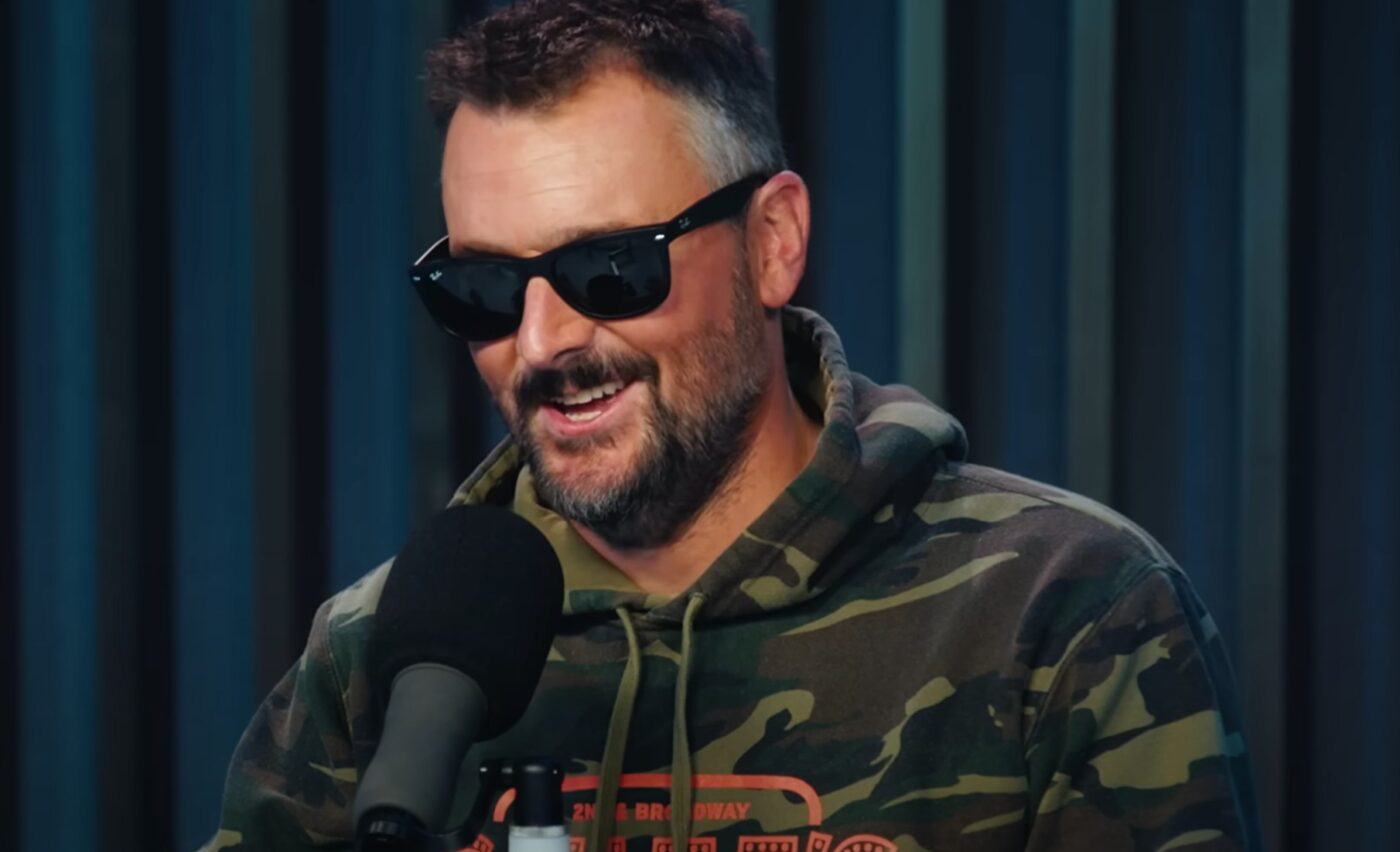
    Eric Church got fired from a home shopping network because he told a customer the truth. Long before he was filling stadiums and earning the moniker “Chief,” Church was a struggling songwriter in Nashville, taking any job he could to pay the rent. One of those jobs was a late-night gig selling merchandise on a television shopping channel. His tenure ended abruptly when, during a live broadcast, he advised a caller not to buy the set of knives he was pitching because they were, in his words, “crap.”

    The path to country music stardom is rarely a straight line. For every artist who lands a record deal right out of high school, there are thousands who spend years grinding away in obscurity. Church’s story is one of the latter. It is a narrative built on a foundation of terrible jobs, late nights, and a stubborn refusal to compromise his values, even when it cost him a paycheck.

    This is not just a story about a bad job. It is a story about the formation of an artist’s identity. The same blunt honesty that got him fired from the home shopping network would eventually become the defining characteristic of his music. The same unwillingness to sell a subpar product would later drive his legendary clashes with the Nashville music establishment.

    The Grind: Nashville Before the Chief

    In the early 2000s, Eric Church was just another face in the crowd on Music Row. He had moved to Nashville from Granite Falls, North Carolina, armed with a degree in marketing from Appalachian State University and a head full of songs. But a degree and a dream do not pay the bills in Music City.

    Like countless others before him, Church had to find a way to survive while he chased his musical ambitions. This meant taking jobs that were far removed from the glamorous life of a country music star. He worked in a series of low-paying, soul-crushing positions, each one a necessary evil to keep his dream alive.

    “I had a lot of awful jobs,” Church has often remarked in interviews, reflecting on those early years. These jobs were not stepping stones; they were survival mechanisms. They provided the bare minimum needed to keep the lights on and the guitar strings fresh.

    The Graveyard Shift on the Airwaves

    One of those survival mechanisms led Church to a local home shopping network. The job was as unglamorous as it sounds. He was tasked with selling a variety of products, from cheap jewelry to kitchen gadgets, to an audience of insomniacs and late-night channel surfers.

    The hours were brutal. Church was often working the graveyard shift, standing in front of a camera at 2:00 a.m., trying to drum up enthusiasm for items he knew were of questionable quality. It was a far cry from the stages he envisioned himself playing, but it was a paycheck.

    The job required a certain type of personality. It required the ability to turn on the charm, to manufacture excitement, and to convince viewers that they absolutely needed whatever product was being showcased. For Church, a man who built his career on authenticity, this was a daily struggle.

    The Incident: Knives and the Truth

    The turning point came during a segment where Church was tasked with selling a set of knives. The script called for him to extol the virtues of the blades, to marvel at their sharpness, and to urge viewers to call in and place their orders.

    But Church knew the knives were low quality. He could see it, he could feel it, and he knew that anyone who bought them would be disappointed. As he stood there, live on television, the internal conflict between his job requirements and his personal integrity reached a boiling point.

    A caller phoned in, asking for his honest opinion on the knives. In that moment, Church made a choice. He abandoned the script. He abandoned the sales pitch. He looked at the camera, or perhaps just spoke into the headset, and told the caller the truth.

    “They’re crap,” Church reportedly said. He advised the caller not to waste their money.

    The Inevitable Firing

    The fallout was immediate. You cannot tell customers not to buy the product you are hired to sell and expect to keep your job. Management was not amused by Church’s sudden burst of honesty.

    He was fired. The gig at the home shopping network was over. Once again, Church found himself unemployed, adding another “awful job” to his growing resume of brief, failed employments.

    At the time, it was undoubtedly a setback. Losing a source of income, no matter how miserable the job, is a harsh reality for a struggling artist. But in retrospect, the firing was a defining moment. It was a clear demonstration of the boundaries Church was unwilling to cross.

    The Aftermath: Building a Career on Honesty

    The home shopping network incident is more than just an amusing anecdote. It is a microcosm of Eric Church’s entire career. The same stubborn streak that led him to tell a caller the knives were “crap” is the same stubborn streak that led him to fight for his creative vision.

    When Church finally landed a record deal with Capitol Records Nashville, he did not suddenly become a compliant, easily managed artist. He clashed with executives over song choices, production styles, and marketing strategies. He was famously kicked off the Rascal Flatts tour in 2006 for playing too loud and too long, a move that could have ended his career before it truly began.

    But Church refused to compromise. He continued to do things his way, building a fiercely loyal fanbase, the “Church Choir”, who appreciated his authenticity. He proved that you could succeed in Nashville without playing the game, without selling a product you didn’t believe in.

    The Legacy of the Awful Jobs

    Today, Eric Church is one of the most successful and respected artists in country music. He has released multiple platinum albums, won numerous awards, and headlined sold-out stadium tours. He is a long way from the graveyard shift at the home shopping network.

    But those early struggles, those “awful jobs,” remain a crucial part of his story. They serve as a reminder of where he came from and the dues he paid. They provided him with the grit and determination needed to navigate the notoriously difficult music industry.

    More importantly, those experiences reinforced his commitment to authenticity. When Church sings about working-class struggles, about the realities of everyday life, it is not an act. It is rooted in his own experiences. He knows what it is like to work a job you hate, to struggle to pay the bills, and to face the consequences of standing up for what you believe in.

    The Value of a Terrible Resume

    The story of Eric Church and the home shopping network is a testament to the value of a terrible resume. Every bad job, every firing, every setback was a lesson learned. It was a process of elimination, a way of discovering what he was not willing to do, which ultimately led him to what he was meant to do.

    The knives may have been “crap,” but the lesson was invaluable. It taught him that his integrity was not for sale, not even for a desperately needed paycheck. It was a lesson he would carry with him for the rest of his career.

    The Nashville grind. The late-night sales pitches. The inevitable clash with authority. The refusal to compromise.

    The Chief.

  • The Irreversible Error – Why a Family is Suing a Funeral Home Over an Unwanted Cremation

    The Irreversible Error – Why a Family is Suing a Funeral Home Over an Unwanted Cremation

    In November 2023, the family of 82-year-old Margaret Vance filed a $1.5 million lawsuit against Oakhaven Memorial Chapel in Franklin County, Ohio, after the facility mistakenly cremated her remains against her strict religious wishes for a traditional burial. The lawsuit alleges gross negligence, breach of contract, and severe emotional distress caused by a catastrophic failure in the funeral home’s chain of custody. What was supposed to be a dignified, open-casket funeral ended with the family receiving a temporary plastic urn. The legal battle now centers on a mortuary’s absolute duty of care and the irreversible nature of their error.

    Death requires precision. The living demand it. The law enforces it. When a family hands over the remains of a loved one, they enter into a sacred and legally binding trust. The funeral director assumes temporary custody. The instructions are recorded. The process is supposed to be infallible.

    But systems fail. Human error enters the equation. And in the mortuary business, some mistakes cannot be undone.

    The Final Wishes of Margaret Vance

    Margaret “Peggy” Vance died of congestive heart failure on October 14, 2023. She was 82 years old. A devout traditionalist, her final wishes were explicitly documented in her will and communicated clearly to her children, Thomas Vance and Sarah Vance-Miller. She was to be embalmed, dressed in her wedding suit, and buried in a specific plot at Greenlawn Cemetery in Columbus, Ohio. The plot sat directly beside her late husband, Arthur, who passed away in 2005.

    On the morning of October 15, Thomas Vance met with the director of Oakhaven Memorial Chapel. The family selected a solid cherry-wood casket. They chose the floral arrangements. They scheduled a two-day public viewing to precede a Catholic funeral mass. The total cost of the mortuary services, casket, and transportation came to $8,400. A check was written. A contract was signed.

    The contract explicitly checked the box for “Traditional Burial.” The box for “Cremation” was left blank. The paperwork was filed in the Oakhaven administrative office.

    For the Vance family, the logistics were settled. The grieving process could begin. They trusted the institution to handle the physical reality of death while they managed the emotional fallout. That trust lasted exactly seventy-two hours.

    The Discovery on October 18

    The first private viewing for immediate family was scheduled for 10:00 a.m. on October 18. Thomas and Sarah arrived at Oakhaven Memorial Chapel early. They expected to walk into the main parlor and see their mother resting in the cherry-wood casket they had purchased.

    Instead, they were escorted into a back administrative office. The funeral director was waiting. The parlor was empty.

    According to the lawsuit filed in the Franklin County Court of Common Pleas, the funeral director informed the family that a “terrible administrative error” had occurred. Margaret Vance had not been embalmed. She had not been prepared for a viewing. During the early hours of October 17, her remains were transferred to Oakhaven’s off-site crematory facility. She was placed into the retort. She was cremated.

    The family was handed a temporary plastic urn containing her ashes.

    The shock was absolute. The religious and cultural traditions of the Vance family strictly forbade cremation. Margaret Vance held deeply rooted beliefs regarding physical resurrection and the sanctity of the body. The comfort of laying her to rest beside her husband of fifty years was instantly erased. The $8,400 funeral plan vanished. The physical body was gone.

    The Mechanics of a Catastrophic Error

    How does a modern funeral home burn the wrong body? The mortuary industry operates on strict chain-of-custody protocols designed specifically to prevent this exact scenario.

    The Cremation Association of North America (CANA) outlines rigorous standards for identifying remains. When a body enters a funeral home, an identification tag is immediately affixed, usually to the ankle or toe. A corresponding physical file follows the body through every stage of preparation. In modern facilities, barcode systems are utilized. A scanner must confirm the identity of the deceased before the door to a cremation retort can even be opened.

    The Vance lawsuit details a cascade of alleged systemic failures at Oakhaven Memorial. On the evening of October 16, another deceased woman, Margaret Velez, was brought into the facility. Velez’s family had requested a direct cremation.

    The lawsuit alleges that an overworked night-shift attendant swapped the physical paperwork on the clipboards attached to the two refrigeration units. The barcode system was allegedly bypassed or ignored. The crematory operator, relying on the swapped clipboard rather than verifying the physical toe tag against the digital manifest, initiated the cremation process on Margaret Vance instead of Margaret Velez.

    It was a failure of the most basic verification procedures. A failure of management. A failure of oversight.

    The Legal Framework: The Right of Sepulcher

    The lawsuit, filed by Columbus-based attorney Marcus L. Thorne, seeks $1.5 million in both compensatory and punitive damages. But the legal foundation of the case rests on a centuries-old common law doctrine known as the “Right of Sepulcher.”

    The Right of Sepulcher guarantees the next of kin the absolute right to choose and control the final disposition of a dead body. It is a unique legal concept. A dead body is not considered standard “property” in the eyes of the law. You cannot buy or sell human remains. However, the next of kin possesses a quasi-property right specifically for the purpose of burial or disposal.

    When a funeral home violates this right, they are not merely breaching a financial contract. They are committing a tortious interference with a sacred duty. Courts have historically recognized that the mishandling of human remains causes profound, unique psychological trauma.

    Attorney Thorne’s filing cites previous legal precedents where funeral homes were held strictly liable for unauthorized cremations. The lawsuit argues that Oakhaven Memorial did not just make a clerical error; they exhibited gross negligence by failing to enforce standard industry safeguards. The $1.5 million figure accounts for the refund of the initial $8,400, the cost of psychological counseling for the family, and massive punitive damages designed to punish the facility and deter future negligence.

    The Psychological Toll and Cultural Weight

    Beyond the legal statutes and financial damages lies the cultural reality of the error. Rituals surrounding death are foundational to human psychology. They provide closure. They organize grief.

    For the Vance family, the traditional burial was not just a preference; it was a religious mandate. Margaret Vance believed her body needed to remain intact. The family believed they needed to see her one last time to process her departure. By cremating her, the funeral home stripped the family of their agency and violated the deceased’s deepest convictions.

    The psychological impact of an unauthorized cremation is documented in psychiatric literature as a form of complicated grief. The family is forced to mourn not only the loss of the person but the loss of the ritual. The empty plot next to Arthur Vance at Greenlawn Cemetery remains a physical manifestation of the funeral home’s failure.

    Furthermore, the family is left with a profound sense of guilt, despite bearing no responsibility. The duty they felt to honor their mother’s final wishes was thwarted. That emotional burden is central to the claim for emotional distress damages.

    The Industry Problem: Chain of Custody in Mortuaries

    While unauthorized cremations are statistically rare, they represent the ultimate nightmare scenario for the $20 billion death care industry. When they do occur, they expose vulnerabilities in how facilities manage volume.

    During the winter months, mortality rates peak. Funeral homes and off-site crematories often operate at maximum capacity. Refrigeration units fill up. Staff members work long hours. The pressure to process remains quickly can lead to procedural shortcuts.

    Industry watchdogs argue that cases like the Vance lawsuit are necessary to force corporate and independent mortuaries to invest in better technology. Relying on paper clipboards and handwritten toe tags is increasingly viewed as an outdated liability. Digital tracking, biometric verification, and mandatory two-person sign-offs before cremation are becoming the new standard. But standards only matter if they are enforced.

    The Ohio Board of Embalmers and Funeral Directors has reportedly opened an independent administrative investigation into Oakhaven Memorial Chapel. The facility could face fines, license suspension, or permanent revocation of their crematory operating permit, entirely separate from the civil lawsuit.

    The Irreversible Nature of the Error

    Most civil lawsuits deal with problems that can be fixed with money. A breached contract can be settled. A damaged car can be replaced. A stolen asset can be reimbursed.

    The Vance case is different. No amount of money awarded by the Franklin County Court of Common Pleas will reconstruct the physical remains of Margaret Vance. No settlement will allow the family to hold the open-casket viewing they planned. The error is absolute. The destruction of the body is permanent.

    The legal system will attempt to assign a dollar value to the loss of a sacred ritual. The funeral home will likely rely on their liability insurance to absorb the financial blow. The industry will issue memos reminding staff to check the tags.

    But for the family, the reality remains unchanged. The cherry-wood casket was never used. The plot at Greenlawn Cemetery remains empty. The final wishes of an 82-year-old woman were erased by a swapped clipboard.

    Contracts are signed. Checks are cleared. Trust is extended. Ash.

  • The Stalled Return of Tool Time – Why the Home Improvement Reboot is Stuck

    The Stalled Return of Tool Time – Why the Home Improvement Reboot is Stuck

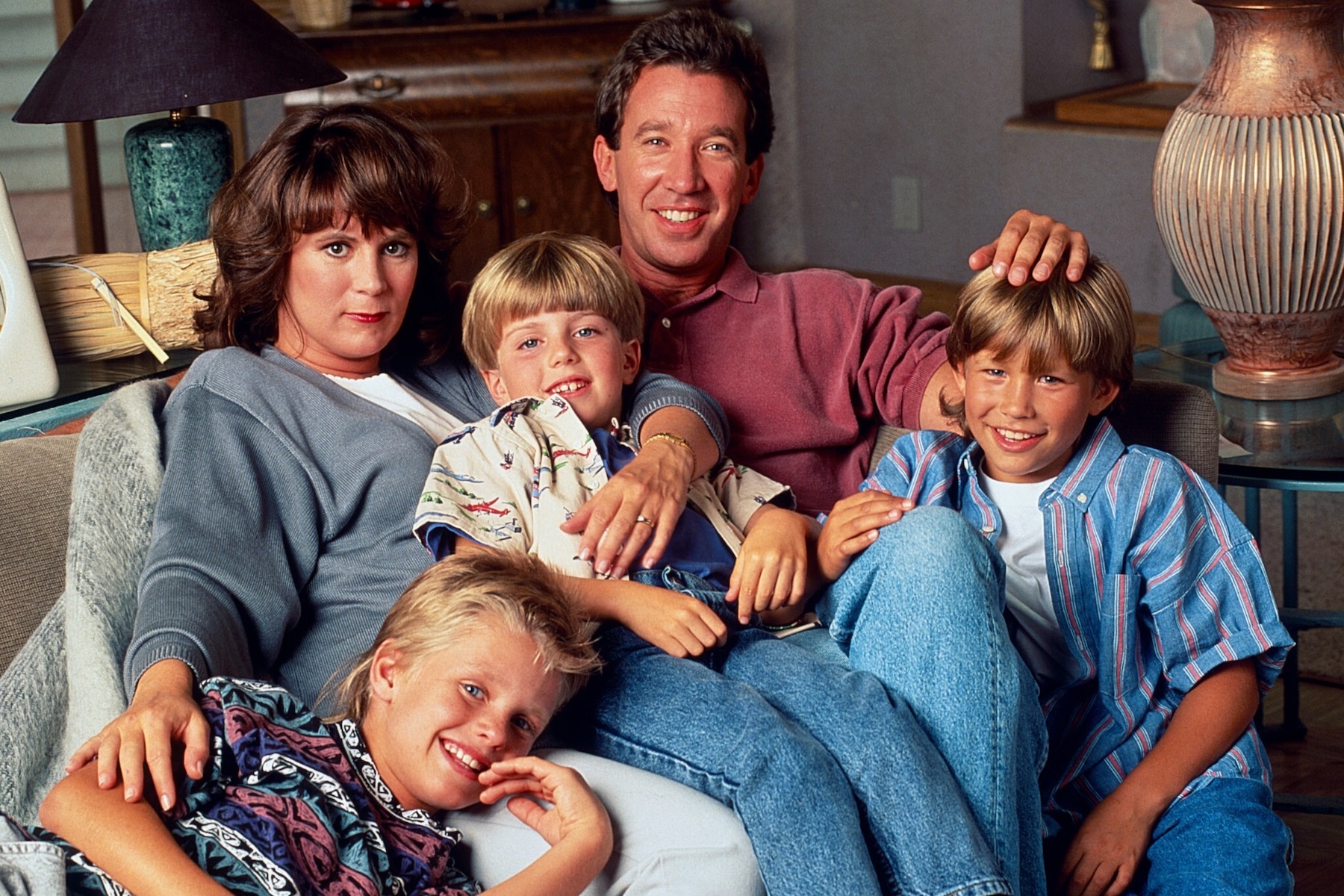
    A planned reboot of the 1990s ABC sitcom Home Improvement remains officially stalled because series star Tim Allen says his former on-screen sons, Zachery Ty Bryan, Jonathan Taylor Thomas, and Taran Noah Smith, are struggling with real-life personal issues. The 73-year-old actor and comedian confirmed to Variety that the project cannot move forward. The idealized family dynamic that anchored the show for eight seasons no longer aligns with the complex realities of the former child stars.

    Television networks rely on nostalgia. Reboots of classic sitcoms represent safe investments for streaming platforms looking for guaranteed audiences. Executives at The Walt Disney Company successfully revived Allen’s holiday franchise with The Santa Clauses on Disney+. A return to the Taylor household seemed inevitable.

    But the mechanics of a sitcom revival require a willing and available cast. The Taylor family is fractured. The actors who portrayed the three boys have navigated drastically different paths since the series concluded on May 25, 1999. Their current circumstances make a traditional family reunion impossible to film.

    The Weight of a 1990s Juggernaut

    To understand the demand for a reboot, one must measure the massive footprint of the original series. Home Improvement premiered on September 17, 1991. It anchored ABC’s Tuesday night lineup. It became a cultural touchstone.

    Created by Matt Williams, Carmen Finestra, and David McFadzean under Wind Dancer Productions, the show ran for 204 episodes. It dominated the Nielsen ratings. During its peak in the 1993-1994 season, it was the second most-watched program on American television, trailing only 60 Minutes.

    The premise was simple. Tim “The Toolman” Taylor hosted a fictional cable show called Tool Time, sponsored by the fictional Binford Tools. He was flanked by his mild-mannered assistant, Al Borland, played by Richard Karn. At home, Tim navigated suburban family life in Detroit, Michigan, alongside his wife Jill, played by Patricia Richardson, and their three sons. He received philosophical advice from his partially obscured neighbor, Wilson, played by Earl Hindman.

    The show generated billions in syndication revenue. It spawned a line of real-world tools and video games. By the final season, Allen was earning an unprecedented $1.25 million per episode. The three child actors grew up in front of a weekly audience of 30 million viewers. That level of exposure carries a cost.

    The Reality of the Taylor Boys Today

    Child stardom rarely transitions smoothly into adult stability. The three actors who played the Taylor boys serve as distinct case studies in post-sitcom life. Their current trajectories represent the “personality problems” Allen referenced.

    Zachery Ty Bryan and the Legal Labyrinth

    Zachery Ty Bryan played Brad, the athletic and often impulsive eldest son. Bryan’s post-show life has been marked by severe legal and personal turmoil.

    In October 2020, Bryan was arrested in Eugene, Oregon. He was charged with felony strangulation, fourth-degree assault, and interfering with making a report. He eventually pleaded guilty to two misdemeanor counts in a plea deal.

    The legal issues continued. In July 2023, Bryan was arrested again in Eugene on charges of felony assault in violation of the Abuse Prevention Act. Furthermore, multiple reports surfaced in 2023 detailing allegations of financial misconduct. Bryan was accused of running a cryptocurrency scheme connected to an agricultural startup called Producers Market, allegedly defrauding investors out of thousands of dollars.

    A family-friendly Disney reboot cannot absorb headlines involving domestic violence and financial fraud. Bryan’s involvement in any television project is currently a non-starter for network risk management.

    Jonathan Taylor Thomas and the Quiet Life

    Jonathan Taylor Thomas played Randy, the sarcastic middle child. Thomas was the breakout star of the series. He became a fixture on the covers of teen magazines like Tiger Beat and BOP. He voiced young Simba in Disney’s 1994 animated blockbuster The Lion King.

    Then, he walked away.

    Thomas left Home Improvement early in its eighth and final season. He cited a desire to focus on his education. He attended Harvard University, spent a year abroad at St. Andrews in Scotland, and eventually graduated from Columbia University in 2010.

    Unlike Bryan, Thomas has no legal troubles. His “issue” regarding a reboot is simply a profound disinterest in the Hollywood machine. He values his privacy. While he did make brief guest appearances on Allen’s later sitcom, Last Man Standing, and directed a few episodes, Thomas has shown zero inclination to return to a full-time acting schedule. He recently ran for a seat on the SAG-AFTRA national board, signaling an interest in the administrative side of the industry rather than the spotlight.

    Taran Noah Smith and the Escape from Hollywood

    Taran Noah Smith played Mark, the sensitive youngest son. Smith was just seven years old when the pilot was filmed. When the show wrapped in 1999, Smith was 17. He publicly declared he did not want to act anymore.

    His immediate post-show years were turbulent. At 17, he sued his parents for control of his $1.5 million trust fund, alleging they were mismanaging his earnings. He married a woman 16 years his senior when he was 18.

    Smith eventually found stability outside of entertainment. He founded a vegan cheese company called Playfood in California. He later learned to pilot submersibles and worked as an installation mechanic. Most recently, he worked as a technical manager for the Community Submersibles Project. Like Thomas, Smith has successfully extracted himself from the entertainment industry. Asking him to return to a soundstage to reprise a role he abandoned a quarter-century ago is a massive logistical leap.

    The Missing Matriarch and the Empty Fence

    The complications extend beyond the three sons. The adult cast members have their own reservations about returning to the Taylor household.

    Patricia Richardson earned four Emmy nominations for her portrayal of Jill Taylor. She was the emotional anchor of the series. In early 2024, rumors of a Home Improvement spinoff began circulating online. Richardson quickly shut them down on the “Back to the Best” podcast.

    She stated unequivocally that she had never been approached about a reboot. Furthermore, she expressed deep skepticism about the concept. Richardson noted that the show’s dynamic relied heavily on the entire ensemble.

    More importantly, she pointed to a glaring absence. Earl Hindman, who played the wise neighbor Wilson, died of lung cancer on December 29, 2003. Wilson was the philosophical counterweight to Tim Taylor’s impulsive masculinity. Richardson suggested that doing the show without Hindman would feel hollow.

    Richard Karn, who played Al Borland, remains close with Allen. The two recently co-hosted a reality competition series called Assembly Required on the History Channel. While Karn would likely participate in a revival, a show featuring only Tim and Al is not Home Improvement. It is simply a new project with old characters.

    The Nostalgia Economy Meets Reality

    The entertainment industry is currently fueled by intellectual property. Audiences crave the familiar. Networks crave the built-in marketing advantage of recognizable titles.

    This strategy has yielded massive successes. Fuller House ran for five successful seasons on Netflix. The Conners successfully spun out of the ashes of the canceled Roseanne revival. NBC brought back Night Court with Melissa Rauch and John Larroquette. Paramount+ resurrected Frasier with Kelsey Grammer.

    These shows worked because a critical mass of the original cast was willing and able to return. They worked because the actors’ real lives did not overshadow the fictional narratives.

    Home Improvement fails this test. The gap between the wholesome, problem-solving Taylor family and the messy reality of the actors’ lives is simply too wide to bridge. A reboot would require explaining why Brad is absent, why Randy is never around, and why Mark disappeared. It would require recasting or writing out the core family unit that made the show successful in the first place.

    The Evolution of Tim Allen

    Tim Allen has not struggled to find television work since 1999. He successfully launched a second long-running sitcom, Last Man Standing. That show ran for nine seasons across two networks, ABC and Fox, concluding in 2021.

    In Last Man Standing, Allen played Mike Baxter, a character heavily inspired by Tim Taylor but updated for the 21st century. Instead of a local cable show, Baxter ran a sporting goods store and recorded vlogs. Instead of three sons, he had three daughters. The show allowed Allen to explore similar themes of masculinity, family dynamics, and conservative-leaning comedy without the baggage of the Home Improvement legacy.

    With The Santa Clauses keeping him employed at Disney, Allen does not need a Home Improvement reboot for financial or career reasons. His comments to Variety suggest a man who would enjoy the nostalgia of a reunion but understands the practical impossibility of executing it.

    What Happens to the Tool Time Set Now?

    The demand for a revival will likely persist. Fan pages will continue to generate rumors. Clickbait articles will continue to tease impending announcements. But the logistics remain insurmountable.

    Television is a business of alignment. Schedules must align. Budgets must align. Public relations profiles must align.

    The legacy of Home Improvement is secure. It remains a defining artifact of 1990s television. It captured a specific moment in American culture, blending slapstick physical comedy with genuine family warmth. The 204 episodes exist in syndication and on streaming platforms. They serve as a time capsule.

    Attempting to pry that capsule open in 2026 reveals too much rust. The actors have moved on. The world has moved on. The idea of the Taylor family is far cleaner than the reality of the people who played them.

    Audiences wanted nostalgia. Executives wanted ratings. Allen wanted closure.

    Reality intervened.

  • The Digital Border: Why the U.K. Home Office Banned Hasan Piker and Cenk Uygur from SXSW London

    The Digital Border: Why the U.K. Home Office Banned Hasan Piker and Cenk Uygur from SXSW London

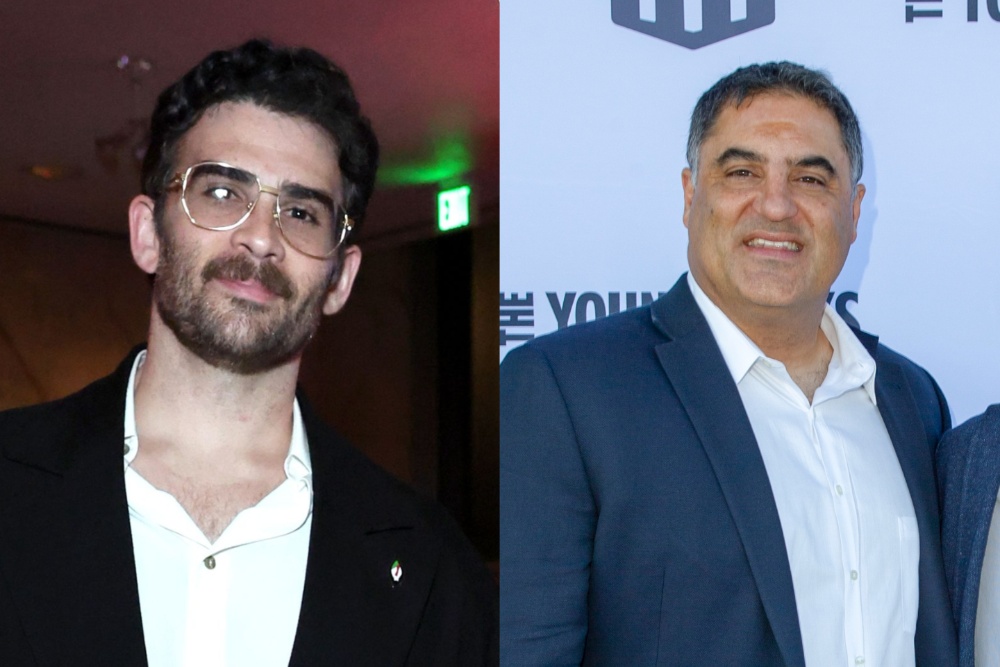
    In early 2026, the United Kingdom Home Office officially barred American progressive commentators Hasan Piker and Cenk Uygur from entering the country, forcing the immediate cancellation of their scheduled appearances at the SXSW London festival. The decision was executed under standard British immigration powers, which allow the government to deny entry to individuals whose presence is deemed not conducive to the public good. The move sent immediate shockwaves through the digital media landscape.

    For decades, the internet operated under the assumption of borderless discourse. A broadcast originating in Los Angeles reached a screen in London in milliseconds. But physical geography remains sovereign. When digital figures attempt to cross physical borders, they leave the jurisdiction of American free speech norms and enter the strict legal frameworks of foreign nations.

    This is not a story about a localized festival dispute. It is a story about the collision of two distinct legal doctrines. What is protected speech on an American streaming platform can be classified as a threat to public order under British law. The ban of Piker and Uygur underscores a modern reality: digital influence does not guarantee physical access.

    The Expansion of SXSW and the London Strategy

    South by Southwest began in Austin, Texas, in March 1987. It was a regional music festival that morphed into a global technology, film, and cultural behemoth. By 2023, the festival drew over 340,000 attendees to central Texas. The organization eventually sought international expansion. They launched SXSW Sydney in October 2023. In 2025, they launched SXSW London.

    The London iteration was designed to capture the European market. Organizers secured venues across Shoreditch and East London. They booked a slate of international politicians, tech executives, and digital media stars. Hasan Piker and Cenk Uygur were billed as marquee draws for the interactive programming track. They represented the vanguard of independent, internet-native political media.

    Their scheduled panels were designed to address the future of digital broadcasting, the mobilization of young voters, and the disruption of legacy media networks. Tickets were sold. Flights were booked. Then, the Home Office intervened. The festival organizers were forced to issue a rapid update to the schedule, citing visa and entry denials beyond their control. The empty chairs on the London stages became a physical manifestation of a digital border.

    The Mechanics of Sovereign Denial

    The United Kingdom does not have a First Amendment. The British legal system balances free expression against public order, national security, and the prevention of social friction. This philosophy is codified in the nation’s immigration laws.

    Under the Immigration Act 1971, the Home Secretary possesses broad discretionary powers to exclude non-citizens from the United Kingdom. The standard applied is whether an individual’s presence is “conducive to the public good.” This is a deliberately wide mandate. It does not require a criminal conviction. It does not require an active terrorist threat. It only requires a determination that an individual’s past rhetoric, behavior, or associations could incite public disorder, provoke violence, or deeply offend the values of British society.

    The Home Office maintains a specialized unit that reviews high-profile visa applications and electronic travel authorizations. When a public figure with a massive digital footprint attempts to enter the U.K., their entire broadcast history is subject to review. Hours of Twitch streams, thousands of YouTube videos, and decades of podcast audio become material evidence for border agents.

    The Home Office rarely provides exhaustive public explanations for individual bans, citing data protection laws. However, formal letters of denial typically reference specific broadcasts, social media posts, or public statements that breach the Home Office’s acceptable behavior guidelines. For Piker and Uygur, thousands of hours of unscripted, highly charged political commentary provided ample material for government scrutiny.

    The Architecture of The Young Turks

    To understand the ban, one must understand the broadcasters. Cenk Uygur founded The Young Turks (TYT) in 2002. Born in Istanbul, Turkey, and raised in New Jersey, Uygur began his career as a lawyer before pivoting to political commentary. TYT started as a program on Sirius Satellite Radio.

    Uygur recognized the shift in media consumption early. In 2005, TYT launched a daily online video show. By 2007, they were on YouTube. They bypassed traditional cable gatekeepers entirely. By 2026, the TYT network boasted over 5.8 million YouTube subscribers and billions of lifetime views. They secured millions in venture capital funding, including a $20 million round in 2017 to expand their Los Angeles newsroom.

    Uygur’s broadcasting style is notoriously aggressive. He utilizes high volume, table-pounding outrage, and relentless attacks on both conservative figures and establishment Democrats. He built an empire on righteous indignation. While this style is standard fare in the American media ecosystem, it frequently skirts the edges of what European regulators consider inflammatory rhetoric.

    The Rise of HasanAbi on Twitch

    Hasan Piker is Uygur’s nephew. He joined TYT in 2013, initially working in ad sales and production before moving in front of the camera. He hosted pop-culture and political segments aimed at a younger demographic. In 2018, Piker made a strategic pivot that would redefine his career. He launched a channel on Twitch under the name HasanAbi.

    Twitch was primarily a video game streaming platform. Piker introduced long-form, live political commentary to the ecosystem. He streamed for eight to twelve hours a day. He reacted to breaking news, debated conservative commentators, and played video games while discussing Marxist theory and progressive politics. The strategy worked. By 2024, he had amassed over 2.5 million followers. He became one of the highest-earning broadcasters on the platform, generating millions of dollars in subscription and advertising revenue.

    But live, unscripted broadcasting carries inherent risks. In August 2019, while criticizing American foreign policy and U.S. Representative Dan Crenshaw, Piker stated that “America deserved 9/11.” The clip went instantly viral. It drew condemnation from across the political spectrum. Piker later clarified that he was critiquing American interventionism, not advocating violence, but the digital footprint was permanent.

    Piker frequently engages in highly polarized rhetoric regarding international conflicts, capitalism, and law enforcement. In the United States, this is protected political speech. In the United Kingdom, regulators often view such rhetoric through the lens of radicalization and public order.

    The Precedent of the Border Filter

    The ban of Piker and Uygur is not unprecedented. The U.K. Home Office has a long history of utilizing the “public good” clause to block controversial American figures. The border acts as a strict ideological filter, operating independently of American political binaries. The bans hit both the right and the left.

    • Michael Savage: In 2009, the conservative American radio host was banned by Home Secretary Jacqui Smith. The government cited his statements on immigration and Islam, categorizing them as fostering hatred and provoking violence.
    • Tyler, The Creator: In 2015, the American rapper was banned from entering the U.K. for three to five years. The Home Office cited lyrics from his 2009 and 2011 albums, arguing they encouraged violence and intolerance. The ban forced the cancellation of a massive European tour.
    • Lauren Southern: In 2018, the right-wing Canadian activist was detained in Calais, France, and barred from entering the U.K. under Schedule 7 of the Terrorism Act 2000. The Home Office cited her distribution of materials in the U.K. that were deemed racist and conducive to public friction.

    The Home Office does not discriminate by medium. Radio hosts, musicians, and digital streamers are all subject to the same standard. If the British government determines that an individual’s presence will require excessive policing, incite protests, or inflame domestic tensions, the border is sealed.

    The Splintering of Global Discourse

    The SXSW London incident reveals a fundamental tension in modern media. Content creators build global audiences. They monetize attention across dozens of sovereign nations simultaneously. A viewer in Manchester watches the same Twitch stream as a viewer in Miami. The digital experience is unified.

    But legal reality remains fractured. The American First Amendment is an anomaly on the global stage. It protects nearly all forms of speech, including hate speech, provided it does not cross the line into immediate incitement of violence. European law, and specifically British law, places a much higher premium on social cohesion and the prevention of offense.

    When Piker and Uygur applied to enter the U.K., they carried the weight of their entire digital archives with them. The Home Office did not view them merely as festival speakers. They viewed them as vectors of potential public disorder. The algorithms that rewarded their aggressive rhetoric in the United States became the exact mechanisms that triggered their exclusion in the United Kingdom.

    The Future of International Touring for Digital Creators

    For festival organizers like SXSW, the ban introduces a severe logistical risk. Booking digital-native talent now requires an assessment of international speech laws. A creator who drives massive engagement online may be legally untouchable at the border.

    This dynamic forces a reckoning within the creator economy. Influencers and political commentators must recognize that their digital footprint serves as a permanent, global passport application. Rhetoric that plays well to a domestic American audience can instantly disqualify them from international markets. The internet may have erased borders for data, but governments have aggressively reinforced them for physical bodies.

    The SXSW London stages remained active. Other speakers filled the time slots. The festival continued its programming on artificial intelligence, film production, and music distribution. But the absence of the two massive digital broadcasters hung over the event. It served as a stark reminder of the limits of digital power.

    The internet broadcasts globally. The algorithm scales infinitely. The rhetoric travels instantly.

    The border remains closed.