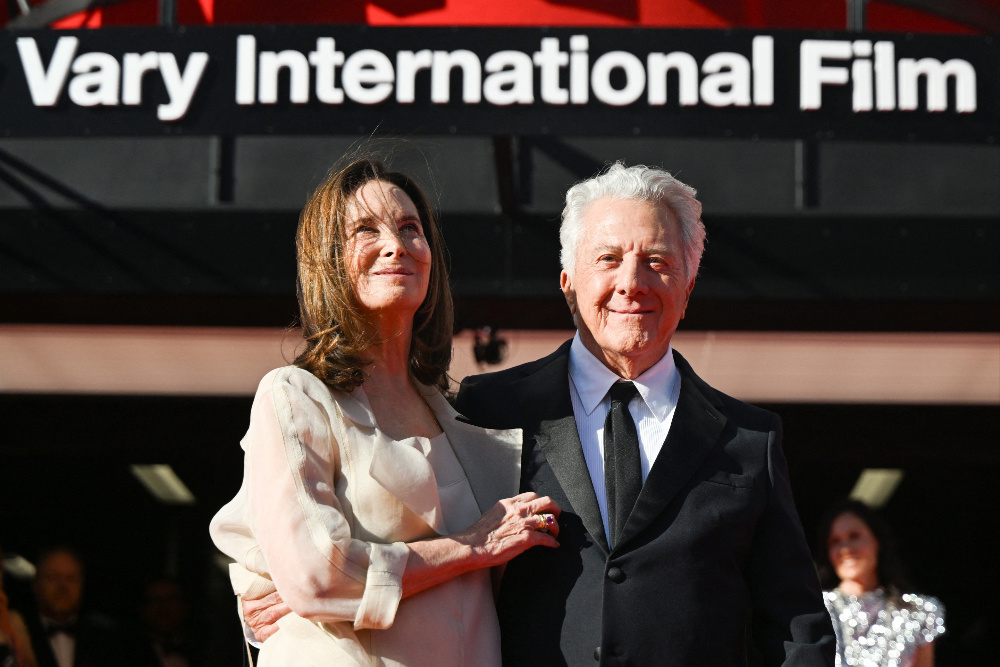
Dustin Hoffman’s Assessment of American Division
In 2026, actor Dustin Hoffman observed that the United States is experiencing a level of societal division comparable to the period of the Vietnam War. This statement draws a direct historical parallel, suggesting a contemporary fragmentation within American society that echoes one of its most contentious eras. Hoffman’s comments contribute to an ongoing public discourse regarding national unity and political polarization.
His remarks were made in a public forum, reflecting a sentiment shared by many observers of the current social and political landscape. The comparison to the Vietnam War era is significant, as that period is widely remembered for its profound domestic unrest and ideological schisms.
The Vietnam War Era: A Time of Intense Division
The Vietnam War, which officially spanned from 1955 to 1975, became a major point of contention within the United States, particularly from the mid-1960s through the early 1970s. The conflict deeply polarized American society, dividing citizens along lines of politics, generation, class, and race. Protests against the war grew in frequency and intensity, often clashing with government policies and public support for military involvement.
Key events such as the Tet Offensive in 1968, the Kent State shootings in 1970, and the publication of the Pentagon Papers in 1971 fueled anti-war sentiment. These events exposed deep rifts between different segments of the American population. The war’s impact extended beyond policy, affecting cultural norms, family dynamics, and individual identities across the nation.
Social and Political Polarization
The division during the Vietnam War was multifaceted. There were strong generational divides, with many young people actively opposing the war while older generations often supported the government’s stance. Economic disparities also played a role, as the draft disproportionately affected lower-income individuals. The Civil Rights Movement, occurring concurrently, further complicated the social fabric, linking issues of racial injustice with opposition to the war.
Political leaders faced immense pressure from both pro-war and anti-war factions. Presidents Lyndon B. Johnson and Richard Nixon both saw their administrations heavily impacted by the conflict and the domestic unrest it generated. The credibility gap, referring to public skepticism about government statements and policies, became a prominent feature of the era.
Contemporary Echoes of Historical Disunity
Hoffman’s comparison suggests that many of the underlying causes and manifestations of division from the Vietnam War era are visible in 2026. Modern society grapples with its own set of polarizing issues. These include political ideology, economic inequality, social justice movements, and debates over national identity. The rise of digital media and fragmented information ecosystems has also been cited as a factor in exacerbating contemporary divisions.
Discussions around these issues often become highly charged, mirroring the passionate debates of the 1960s and 1970s. Public discourse frequently reflects a lack of consensus on fundamental societal values and national direction. This can lead to increased social tension and a perception of a fractured populace.
Impact of Social Media and Information Silos
Unlike the Vietnam War era, the contemporary landscape is heavily influenced by social media platforms. These platforms can amplify differing viewpoints but also contribute to the formation of echo chambers and filter bubbles. Individuals may primarily encounter information that reinforces their existing beliefs, leading to deeper ideological divides and reduced empathy for opposing perspectives.
Misinformation and disinformation campaigns, often spread rapidly through digital channels, further complicate efforts to foster common understanding. This environment can make it challenging to build consensus or engage in constructive dialogue across ideological lines. The speed and reach of modern communication differ significantly from the media landscape of the mid-20th century.
Dustin Hoffman’s Career and Public Stance
Dustin Hoffman is a celebrated American actor, known for his roles in iconic films such as The Graduate (1967), Midnight Cowboy (1969), and All the President’s Men (1976). His career has spanned several decades, placing him in a unique position to observe shifts in American society over time. Many of his early films were released during or immediately after the peak of the Vietnam War, making him a contemporary witness to that period of division.
Hoffman’s public statements have occasionally touched on social and political issues. His recent comments on national division are consistent with a history of actors using their platforms to express observations on societal trends. His perspective, informed by a long career and personal experience, carries weight in public discourse.
A Lifelong Search for Identity
In addition to his observations on national division, Hoffman reportedly made a lighthearted comment about still trying to figure out who he is. This personal reflection adds a layer of introspection to his public remarks. It suggests a continuous process of self-discovery, even for individuals with established careers and public identities.
The concept of identity, both personal and national, is often intertwined with periods of social change and upheaval. Hoffman’s joke may subtly hint at the broader human experience of navigating an evolving world. It can also be seen as an acknowledgment that understanding oneself is a lifelong journey, regardless of external circumstances or professional achievements.
Historical Parallels and Future Trajectories
Comparing current societal divisions to the Vietnam War era invites a deeper examination of historical patterns. While specific issues and contexts differ, the underlying dynamics of polarization, dissent, and a search for national cohesion can show similarities. Understanding these parallels can offer insights into navigating contemporary challenges.
The Vietnam War ultimately concluded, and American society eventually began a process of healing and re-evaluation. However, the scars of that division remained. Whether current divisions will follow a similar trajectory, or manifest in entirely new ways, remains a subject of ongoing debate and observation. Dustin Hoffman’s comments serve as a prompt for this reflection.
The Role of Cultural Figures in Social Commentary
Public figures, including actors like Dustin Hoffman, often play a role in shaping or reflecting public opinion. Their statements can initiate conversations, draw attention to significant issues, and offer different perspectives on complex problems. This can be particularly true when they speak from a position of historical experience.
Hoffman’s remarks exemplify how cultural figures can engage with broader societal concerns, leveraging their visibility to articulate sentiments that resonate with a wider audience. Such commentary often sparks further discussion among citizens and media outlets. This contributes to the ongoing dialogue about the state of the nation.
Public figures offer observations. Journalists report. Citizens reflect.
Society.