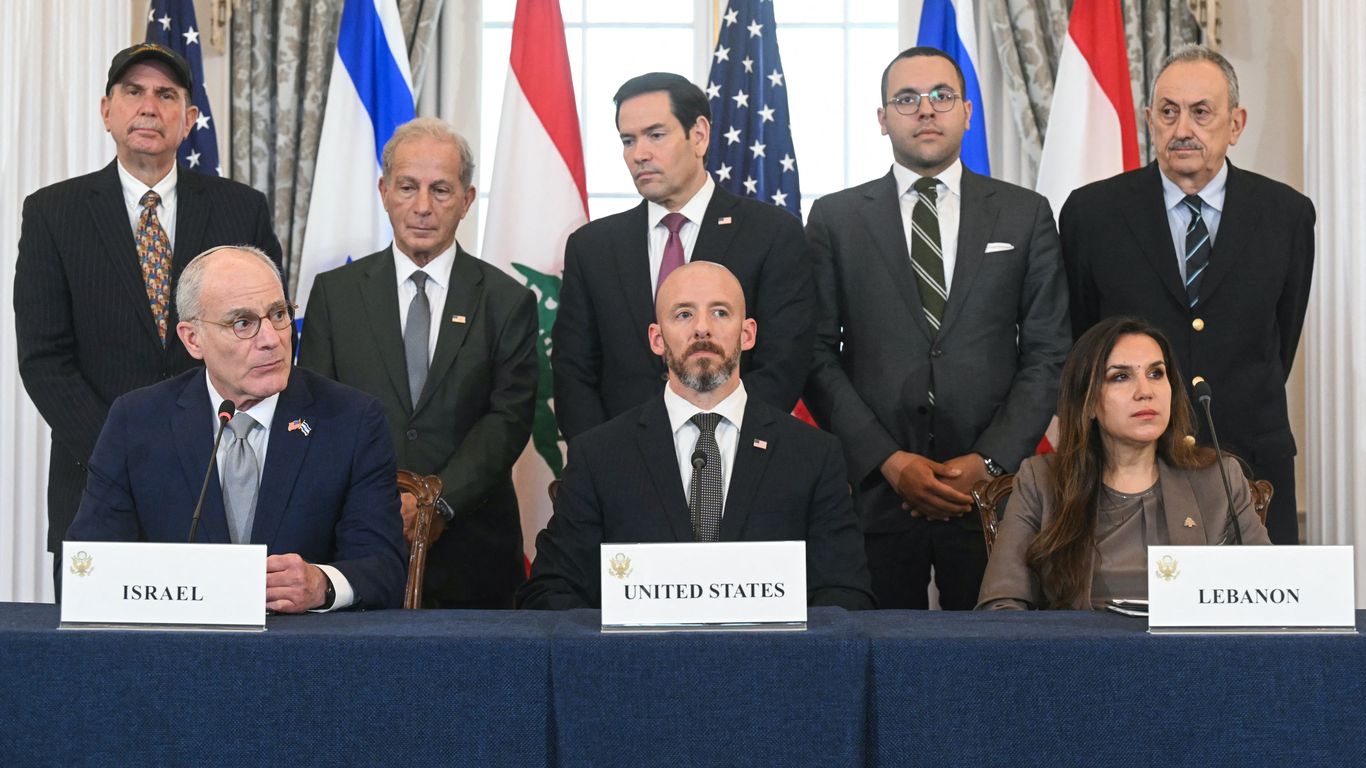
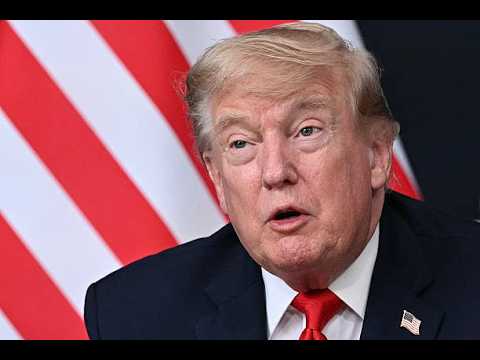
President Donald Trump lifted the ban on direct flights between the United States and Lebanon on 2026-07-22. This action reverses a long-standing policy that prohibited direct air travel between the two nations, a measure originally instituted due to significant security concerns. The decision follows a period of reassessment by the Trump administration regarding regional security and diplomatic engagement in the Middle East.
The policy change is anticipated to have immediate effects on travel and commerce. It promises to simplify transit for the substantial Lebanese diaspora residing in the United States. Furthermore, it opens avenues for enhanced economic and cultural exchanges between the two countries. The announcement from the White House underscores a strategic shift in US foreign policy, indicating a renewed approach to Lebanese relations.
The Historical Context of the Flight Ban
The prohibition on direct flights between the United States and Lebanon dates back to a period of heightened instability in the Middle East. Security concerns were paramount during the 1980s. The region experienced a series of geopolitical upheavals.
In 1985, TWA Flight 847, en route from Athens to Rome, was hijacked by Hezbollah members. This incident led to a 17-day ordeal and the death of one American passenger, US Navy diver Robert Stethem. The hijacking brought international attention to the security risks associated with air travel in the region.
Following this and other incidents, the US government implemented strict travel advisories and eventually the direct flight ban. The primary aim was to protect American citizens and interests. The ban reflected the perceived inability of Lebanese authorities to guarantee the security of international flights originating from Beirut Rafic Hariri International Airport.
Over the decades, the ban became a symbol of the complex and often strained relationship between the US and Lebanon. It impacted generations of Lebanese-Americans. They often faced longer, multi-leg journeys to visit family or conduct business.
The security landscape in Lebanon has evolved significantly since the 1980s. Beirut’s airport has undergone substantial upgrades. International security standards have been implemented. These improvements have been a crucial factor in the recent policy reconsideration.
Security Assessments and Diplomatic Efforts
The decision to lift the ban was not made in isolation. It followed a comprehensive review of security protocols at Beirut Rafic Hariri International Airport. US aviation security experts conducted detailed assessments. These evaluations focused on passenger screening, baggage handling, and overall airport perimeter security.
Reports from the Department of Homeland Security and the Federal Aviation Administration (FAA) played a critical role. These reports indicated that significant improvements had been made. Lebanon’s commitment to international aviation security standards was a key finding.
Diplomatic channels were also highly active. For several years, Lebanese government officials have advocated for the lifting of the ban. They consistently highlighted their efforts to enhance airport security. Discussions involved high-level meetings between US and Lebanese representatives. President Trump engaged directly with Lebanese counterparts on this matter.
The US Department of State also contributed to the review process. They analyzed the broader security environment in Lebanon. Their assessment considered regional stability and the effectiveness of Lebanese security forces. The conclusion was that the risks associated with direct flights had diminished to an acceptable level.
"The lifting of this ban reflects a renewed confidence in Lebanon’s commitment to global aviation security standards and a strengthened bilateral relationship," stated a White House spokesperson on 2026-07-22.
This diplomatic push culminated in President Trump’s announcement. It signifies a trust in Lebanon’s ability to manage its airport security effectively. It also indicates a willingness to engage more directly with the Lebanese government.
Economic and Social Implications
The lifting of the direct flight ban carries substantial economic benefits for both the United States and Lebanon. For Lebanon, the immediate impact is expected to be a boost to its tourism sector. Direct flights will make the country more accessible to American tourists and business travelers. This influx of visitors can stimulate local economies, supporting hotels, restaurants, and other service industries.
Trade relations are also poised for improvement. Easier travel facilitates face-to-face business meetings and investments. Lebanese businesses may find it simpler to connect with American partners. Conversely, US companies might explore new opportunities in the Lebanese market.
The Lebanese diaspora in the United States is a significant demographic. Estimates place the Lebanese-American population at over half a million. Many have maintained strong ties to their homeland. The ban had complicated family visits and cultural exchanges. Direct flights will reduce travel times and costs, making it easier for families to reunite.
This policy change also holds social and cultural significance. It can foster greater understanding and connection between the two nations. Increased travel often leads to enhanced cultural dialogue and educational exchanges. Universities and cultural institutions in both countries could see renewed interest in partnerships.
Aviation industries in both countries stand to gain. American carriers may consider routes to Beirut. Middle Eastern airlines, including Lebanon’s Middle East Airlines (MEA), could expand their services to US cities. This competition could lead to more affordable travel options for consumers.
The announcement has been met with enthusiasm within the Lebanese-American community. Organizations representing this group have long advocated for the ban’s removal. They view it as a step towards normalizing relations and supporting their community’s connections.
Regional Geopolitical Impact
President Trump’s decision to lift the flight ban has broader geopolitical implications for the Middle East. It signals a nuanced approach to US engagement in a complex region. Lebanon borders Israel and Syria, two countries central to Middle Eastern stability.
The move could be interpreted as a gesture of support for the Lebanese state. It might empower moderate factions within Lebanon. It could also provide a counterweight to regional influences, such as those from Iran. The US has historically sought to bolster Lebanon’s sovereignty and independence.
However, the region remains volatile. The presence of Hezbollah, a powerful political and militant group, continues to be a factor in Lebanese politics. The US government maintains sanctions against Hezbollah. The lifting of the flight ban does not alter this stance. The decision reflects a distinction between the Lebanese government and non-state actors.
Analysts suggest that this policy could be part of a broader strategy. The Trump administration has focused on recalibrating alliances and challenging existing paradigms. Engaging directly with Lebanon, a nation often caught between regional powers, aligns with this approach.
Other regional actors will be observing this development closely. Saudi Arabia, the United Arab Emirates, and other Gulf states maintain significant interests in Lebanon. Their reactions could influence future diplomatic alignments. Israel also monitors developments in Lebanon due to ongoing security concerns along its northern border.
The lifting of the ban could facilitate increased intelligence sharing and cooperation on counterterrorism efforts. A more stable and economically viable Lebanon serves US interests in combating extremism. The move is a calculated risk, balancing security concerns with diplomatic objectives.
Future Outlook and Challenges
While the lifting of the direct flight ban marks a significant step, future challenges remain. The stability of Lebanon is subject to internal political dynamics and regional tensions. Economic reforms are still critical for the country’s long-term prosperity. The US will likely continue to monitor these developments.
The implementation of new flight routes will require coordination between aviation authorities. Airlines will need to assess the commercial viability of direct services. This process could take several months. It involves regulatory approvals, slot allocations, and marketing strategies.
Security measures at Beirut Rafic Hariri International Airport will remain under scrutiny. US authorities will likely conduct ongoing audits and assessments. Maintaining high security standards will be crucial for the sustainability of direct flights.
The political landscape in Lebanon is often fragmented. The government faces challenges in implementing consistent policies. Regional conflicts, particularly the ongoing situation in Syria, continue to affect Lebanon’s internal stability. The US policy aims to support a sovereign and stable Lebanon, but external factors are influential.
The decision could open doors for further diplomatic initiatives. It might encourage broader regional dialogue. The Trump administration’s foreign policy approach prioritizes direct engagement. This move with Lebanon exemplifies that strategy. It suggests a willingness to adjust long-standing policies in response to evolving realities.
Ultimately, the success of this policy shift depends on several factors. These include sustained security cooperation, continued diplomatic efforts, and Lebanon’s internal stability. The lifting of the ban is a beginning, not an end, to a renewed chapter in US-Lebanon relations.
Immediate Reactions and Political Context
The announcement from President Trump has generated immediate reactions from various stakeholders. Lebanese officials have welcomed the decision as a testament to their efforts to improve security and strengthen bilateral ties. Many view it as a long-overdue rectification of a punitive measure.
In the United States, responses have been mixed, largely falling along partisan lines. Supporters of President Trump have lauded the move as a demonstration of effective diplomacy and a pragmatic approach to foreign policy. They emphasize the economic benefits and the support for the Lebanese-American community.
Critics, however, have raised concerns about potential security risks. They question whether the improvements at Beirut Airport are sufficient to guarantee the safety of direct flights. Some also express apprehension about the broader implications for US policy towards Hezbollah, despite assurances from the administration.
The decision comes within President Trump’s second term, a period marked by continued focus on re-evaluating US commitments and engagements globally. His administration has often prioritized direct negotiations and transactional diplomacy. This approach contrasts with more traditional multilateral foreign policy strategies.
The timing of the announcement may also be strategic. It could aim to project an image of active and effective foreign policy ahead of future diplomatic initiatives. It also serves as a concrete achievement in a region where US policy is often scrutinized.
The media coverage of this event, particularly from outlets like Bloomberg Television, highlights the significant global interest. The focus is on how this action shapes perceptions of President Trump’s leadership and US influence. It taps into broader discussions about national interest and international relations.
This policy shift represents a tangible outcome of sustained diplomatic and security efforts. It also reflects the dynamic nature of international relations under the current US administration. The world watches to see the full impact of this change.
A long-standing restriction lifted. New avenues for travel and commerce. A shift in diplomatic strategy.
Engagement.
Why Was the US Flight Ban to Lebanon Imposed?
The US flight ban to Lebanon was primarily imposed due to severe security concerns during the 1980s. This period saw significant instability in the Middle East, including the 1985 hijacking of TWA Flight 847 by Hezbollah, which resulted in the death of an American citizen. The US government enacted the ban to protect American lives and interests, citing insufficient security measures at Beirut’s airport at the time.
What are the Main Benefits of Lifting the Ban?
Lifting the ban is expected to bring several key benefits. Economically, it should boost Lebanon’s tourism sector and facilitate trade between the two countries. Socially, it will ease travel for the large Lebanese-American diaspora, enabling easier family visits and cultural exchanges. Diplomatically, it signals renewed US confidence in Lebanon’s security capabilities and strengthens bilateral relations.
How Did Lebanon Improve its Airport Security?
Lebanon undertook substantial efforts to improve security at Beirut Rafic Hariri International Airport. These improvements included upgrading passenger screening technologies, enhancing baggage inspection systems, and bolstering overall perimeter security. US aviation security experts, including those from the Department of Homeland Security and the FAA, conducted multiple assessments and confirmed that these measures meet international standards.
What are the Geopolitical Implications of This Decision?
The geopolitical implications are significant. The decision signals US support for the Lebanese state, potentially strengthening moderate elements and countering regional influences. It could also facilitate increased intelligence sharing and cooperation on counterterrorism. While Hezbollah remains a concern, the move distinguishes between the Lebanese government and non-state actors, aiming to foster stability in a volatile region.
When Will Direct Flights Between the US and Lebanon Resume?
While the ban has been lifted, the resumption of direct flights will not be immediate. Airlines will need time to assess the commercial viability of new routes, secure regulatory approvals, allocate slots, and implement operational logistics. This process typically takes several months, so direct flights are expected to resume gradually in the coming months following the 2026-07-22 announcement.