Tag: Hbo

  • Larry David’s ‘Non-Retirement’ and Obama’s Detailed ‘Curb’ Notes

    Larry David’s ‘Non-Retirement’ and Obama’s Detailed ‘Curb’ Notes

    Larry David, the acclaimed co-creator of “Seinfeld” and star of “Curb Your Enthusiasm,” will not enter a traditional retirement, according to long-time collaborator Jeff Schaffer. Schaffer, director of the new documentary “Life, Larry,” offered a vivid comparison of David’s work ethic, stating he is “like a prostitute who has sex when he’s not working.” This assessment highlights David’s intrinsic drive to create and perform, irrespective of formal projects or the recent conclusion of “Curb Your Enthusiasm.”

    Schaffer’s remarks emerged during an interview discussing the enduring appeal of Larry David and the cultural footprint of his comedic work. The conversation also revealed former President Barack Obama’s surprisingly detailed engagement with “Curb Your Enthusiasm,” including the provision of specific notes on various episodes. These insights offer a glimpse into David’s unique creative process and the show’s significant cultural impact.

    Larry David’s Unconventional Approach to Retirement

    Larry David concluded his long-running HBO series, “Curb Your Enthusiasm,” on April 7, 2024. The show premiered in October 2000 and spanned 12 seasons, solidifying its place as a landmark in television comedy. Its finale marked a significant moment for both viewers and critics.

    Despite the series’ conclusion, Jeff Schaffer, who has worked with David for decades, maintains that David will not genuinely retire. Schaffer’s analogy of David as a “prostitute who has sex when he’s not working” suggests that David’s creative output is not primarily driven by contractual obligations. Instead, it stems from an inherent desire to observe the world and translate those observations into comedic material.

    This perspective aligns with David’s public persona. Both on and off screen, he is often depicted as someone constantly scrutinizing social conventions and human behavior. These detailed observations frequently become the foundation for his distinctive brand of cringe comedy.

    The traditional concept of retirement may not apply to an individual like David. His work often involves simply being himself, reacting to everyday situations, and articulating his frequently contrarian opinions. This blurs the distinction between his personal and professional life, making continuous creation an organic process.

    The Documentary “Life, Larry” and David’s Legacy

    The documentary “Life, Larry” aims to provide a comprehensive exploration of Larry David’s multifaceted career. It delves into his early experiences as a stand-up comedian, his pivotal role in co-creating “Seinfeld,” and his subsequent success with “Curb Your Enthusiasm.”

    As director, Jeff Schaffer has had extensive access to David and his creative methodology. Schaffer’s insights are crucial for understanding David’s lasting appeal and influence. The documentary promises a deep dive into the man behind some of television’s most iconic characters.

    The film is expected to feature interviews with numerous collaborators, friends, and admirers. These discussions will likely reinforce the idea that David’s comedic genius is inextricably linked to his authentic, often curmudgeonly, persona. “Life, Larry” offers a definitive look at a singular figure in American comedy.

    Barack Obama’s Engagement with “Curb Your Enthusiasm”

    One of the more unexpected revelations from Schaffer’s interview concerned former President Barack Obama. Schaffer disclosed that Obama was a dedicated viewer of “Curb Your Enthusiasm.” More importantly, Obama provided specific and detailed feedback on the show’s episodes.

    According to Schaffer, Obama’s notes were far from superficial. They were precise and demonstrated a profound understanding of the show’s narrative arcs and comedic nuances. This level of engagement from a former head of state speaks volumes about the series’ widespread cultural penetration and intellectual appeal.

    The notion of a sitting or former president actively engaging with a show like “Curb Your Enthusiasm” underscores its unique position in popular culture. The series frequently tackled uncomfortable social situations and presented a protagonist who often defied conventional etiquette. This resonated with a diverse audience, including those in the highest echelons of power and influence.

    Presidential Fandom and Broader Cultural Impact

    Obama’s appreciation for “Curb Your Enthusiasm” is not an isolated incident. Many public figures and intellectuals have expressed admiration for the series throughout its nearly quarter-century run. This widespread appeal suggests a universal recognition of the social absurdities David so expertly lampoons and dissects.

    The show’s influence extends beyond mere entertainment. It has been lauded for its improvisational style, its willingness to explore themes of social anxiety, and its nuanced portrayal of ethical dilemmas. The series often presented situations that viewers could relate to, even if Larry David’s reactions were exaggerated for comedic effect.

    The fact that Obama, a figure known for his composure and diplomatic approach, found humor in David’s often-outrageous behavior, highlights the show’s ability to transcend political and social divides. It speaks to the power of comedy to find common ground, even through the most unconventional and uncomfortable forms of expression. The series fostered a unique dialogue about social norms.

    The Enduring Appeal and Future of Larry David

    Larry David’s career spans several decades, beginning with his early days as a writer for “Saturday Night Live.” He then co-created “Seinfeld,” which became one of the most successful sitcoms of all time. His subsequent venture with “Curb Your Enthusiasm” further solidified his status as a comedic icon and a unique voice in entertainment.

    His humor is characterized by its observational nature and its intense focus on the minutiae of social interaction. David consistently finds comedy in the unspoken rules, awkward moments, and petty grievances of everyday life. This distinctive approach has garnered him a large and loyal following across generations.

    The conclusion of “Curb Your Enthusiasm” in 2024 did not diminish interest in David’s future projects. Schaffer’s comments about David’s non-retirement strongly suggest that new creative endeavors are always on the horizon, even if they are not formally announced or planned in a traditional sense. His creative well appears inexhaustible.

    What Could Be Next for David?

    The precise nature of David’s future work remains speculative. Given Schaffer’s description, it is highly probable that David will continue to engage in creative pursuits that align with his personal interests and observational style. This could involve returning to stand-up comedy, developing new writing projects, or even participating in unscripted ventures that capture his unique perspective.

    His approach to comedy frequently blurs the lines between reality and fiction. Many of David’s characters, storylines, and comedic scenarios are directly inspired by his own life experiences and real-world interactions. This authenticity is a fundamental component of his enduring appeal and connection with audiences.

    The documentary “Life, Larry” will likely provide further insights into David’s motivations, his creative process, and his potential future trajectory. It will serve as a significant testament to his unparalleled contributions to American comedy and his lasting influence on the cultural landscape.

    The Lasting Impact of “Curb Your Enthusiasm”

    “Curb Your Enthusiasm” has left an indelible mark on television comedy. Its innovative use of improvisation, its willingness to explore social taboos, and its commitment to an unlikable protagonist set it apart. The series influenced a generation of comedians and writers.

    The show’s consistent ability to spark conversation about social etiquette and human foibles cemented its place in television history. It forced viewers to confront their own biases and laugh at the uncomfortable truths of everyday interactions. Its legacy will continue to be discussed for years to come.

    Audiences connected with David’s character, despite his flaws, because he often articulated thoughts that many people held but dared not express. This vicarious experience provided both humor and a strange sense of catharsis. The series became a mirror reflecting the absurdities of modern life.

    The show’s unique structure, where plot points often hinged on misunderstandings and escalating social faux pas, became a signature. This narrative device allowed for complex, interwoven storylines that paid off in unexpected ways. “Curb Your Enthusiasm” was, in many ways, a masterclass in comedic construction.

    The discussions. The debates. The laughter.

    The legacy.

    Larry David.
  • Paramount-Warner Bros. Discovery Merger Nears Completion – Regulatory Hurdles Cleared

    Paramount-Warner Bros. Discovery Merger Nears Completion – Regulatory Hurdles Cleared

    The Path to Consolidation

    The proposed merger between Paramount Global and Warner Bros. Discovery is nearing its final stages as of June 2026. This significant industry consolidation is proceeding after securing critical regulatory approvals from various international bodies. The move is poised to create a dominant force in the global entertainment and media sector.

    Discussions regarding a potential merger have been ongoing for months, driven by increasing competition in the streaming wars and the rising costs of content production. Both companies have faced financial pressures and strategic imperatives to scale their operations. The synergy aims to leverage combined intellectual property, reduce operational overhead, and enhance market share.

    Paramount Global, formerly ViacomCBS, operates a vast portfolio of assets. These include the Paramount Pictures film studio, CBS television network, and cable channels such as MTV, Comedy Central, BET, and Nickelodeon. Its streaming service, Paramount+, has been a key focus for growth.

    Warner Bros. Discovery, formed from the 2022 merger of WarnerMedia and Discovery Inc., also holds a substantial collection of media properties. Its assets include Warner Bros. film and television studios, HBO, CNN, and the Discovery Channel. The Max streaming service, formerly HBO Max, represents its primary direct-to-consumer offering.

    Navigating Regulatory Landscapes

    The journey to merger completion involves a complex process of regulatory review. Antitrust authorities in numerous countries scrutinize such large-scale transactions. Their primary concern is to prevent monopolies and ensure fair competition within the market. Each approval represents a green light from a specific national or regional governing body.

    The United States Department of Justice (DOJ) and the Federal Trade Commission (FTC) typically lead these investigations domestically. Internationally, bodies like the European Commission, the UK’s Competition and Markets Authority (CMA), and similar agencies in Canada, Australia, and other major markets conduct their own assessments. The article indicates that multiple international approvals have now been granted.

    These regulatory bodies examine several factors. They assess the potential impact on consumer choice, market concentration, and the competitive landscape for content creators and distributors. Conditions or divestitures may be imposed by regulators to mitigate concerns. However, the current status suggests that most, if not all, material conditions have been met or are being addressed.

    The completion of these regulatory hurdles signals a high degree of confidence in the merger’s ability to proceed. It also reflects the companies’ success in demonstrating that the combined entity would not unduly harm competition.

    Strategic Motivations for the Merger

    The motivation behind such a large-scale merger is multi-faceted. The media industry is undergoing rapid transformation, driven by technological advancements and shifting consumer habits. Traditional linear television models are declining, while streaming services are ascendant.

    For Paramount Global, a merger offers the opportunity to scale its streaming capabilities and content library. Paramount+ has shown growth, but faces formidable competition from established players like Netflix and Disney+. Combining with Warner Bros. Discovery would instantly expand its subscriber base and content offerings.

    Warner Bros. Discovery, under CEO David Zaslav, has been focused on debt reduction and maximizing the value of its existing assets since its own formation. A new merger would provide further financial flexibility and potentially unlock new revenue streams. The combined entity would possess an unparalleled catalog of films, television series, news, and sports content.

    The combined intellectual property would include iconic franchises from both studios. These range from Paramount’s Star Trek and Mission: Impossible to Warner Bros.’ DC Comics universe, Harry Potter, and classic Looney Tunes. This extensive library is crucial for attracting and retaining subscribers in the competitive streaming market.

    The Power of Scale

    Scale is paramount in the modern media landscape. Larger companies can negotiate better terms with distributors, advertisers, and talent. They can also invest more heavily in original content, which is a major driver of subscriber acquisition and retention.

    The cost of producing high-quality content has escalated significantly. Blockbuster films and premium television series require substantial budgets. A merged entity would have a larger financial capacity to compete for top-tier projects and talent. This could lead to a more robust and diverse content slate for consumers.

    Furthermore, a larger global footprint allows for more efficient international expansion. Both Paramount Global and Warner Bros. Discovery have international operations. Merging these would streamline operations, reduce redundancies, and accelerate growth in key global markets.

    Potential Impacts on the Industry

    This merger, once finalized, will send ripples throughout the entertainment and media industry. It will create one of the largest media conglomerates globally, directly impacting competitors and consumers alike.

    Other major players, such as Disney, Netflix, Comcast (NBCUniversal), and Amazon (MGM Studios), will face a newly strengthened rival. The increased competition could spur further consolidation or strategic partnerships among remaining independent entities. This could lead to a more concentrated media landscape overall.

    For consumers, the impact could be mixed. On one hand, a combined streaming service might offer a broader array of content under a single subscription. This could simplify choices and potentially offer better value. On the other hand, reduced competition could lead to fewer choices or higher prices in the long term, though regulators aim to prevent such outcomes.

    Content creators, including writers, directors, and actors, may find fewer major buyers for their projects. However, a larger, more stable studio could also offer more opportunities for large-scale productions. The negotiation power of talent agencies and unions could also be affected.

    The Future of Streaming and Content

    The future of streaming remains a central theme in these industry maneuvers. Both Paramount+ and Max have invested heavily in their direct-to-consumer offerings. A merger would likely lead to the consolidation of these services, potentially creating a new super-streamer.

    The combined platform would need to decide how to integrate the distinct libraries and branding of Paramount+ and Max. This integration would be a complex technical and marketing challenge. It would involve merging subscriber bases, content delivery systems, and user interfaces.

    The trend towards bundling streaming services may accelerate as a result. Companies might offer tiered subscriptions or package deals to provide greater value. The goal is to reduce churn and increase customer lifetime value in a market saturated with options.

    Moreover, the merger underscores the continued importance of intellectual property. Owning and controlling valuable franchises and characters provides a competitive advantage. These assets can be leveraged across films, television, video games, theme parks, and merchandise. The combined entity would possess a formidable arsenal of such properties.

    The successful navigation of regulatory approvals marks a significant milestone. It brings the media industry closer to a new era of consolidation and competition. The full implications will unfold in the coming months and years as the integration process begins.

    Economic Considerations

    Financial analysts will closely monitor the post-merger performance. The integration process often presents challenges, including cost synergies that don’t materialize as expected, cultural clashes between organizations, and complexities in merging technological infrastructures.

    The companies involved will need to manage significant debt loads. Warner Bros. Discovery’s formation in 2022 involved substantial debt, and any new transaction would add to or restructure this. The market will evaluate how the combined entity plans to achieve profitability and generate shareholder value.

    Advertising revenue remains a crucial component for both companies. A larger audience base across various platforms could attract more advertisers and command higher rates. This would be especially true for news and sports content, which typically draw large live audiences.

    Looking Ahead to Finalization

    With regulatory approvals largely secured, the focus shifts to the final administrative and legal steps required to complete the merger. This includes shareholder votes, if applicable, and the formal closing of the transaction. The announcement of a definitive closing date is expected in due course.

    The integration planning would already be well underway. Teams from both companies would be working on organizational structures, content strategies, and technological roadmaps. The goal is a seamless transition that minimizes disruption to operations and maximizes value creation.

    The media industry watches. Competitors strategize. Consumers await the potential changes to their entertainment options. The merger signifies a continued evolution in how content is produced, distributed, and consumed globally.

    Executives convened. Shareholders deliberated. Regulators approved. Consolidation.

  • Larry David Praises Obama, Blasts Trump’s White House UFC Idea

    Larry David Praises Obama, Blasts Trump’s White House UFC Idea

    Comedian Larry David recently offered strong opinions on former Presidents Barack Obama and Donald Trump. David lauded Obama’s comedic timing as ‘perfect’ in a new HBO series. He simultaneously expressed profound embarrassment regarding reports of Trump’s suggestion for a UFC fight at the White House. These comments, published by Variety in 2026, quickly became a focal point of public discussion.

    David’s remarks highlight a celebrity’s politically charged observations on public figures. They also underscore the increasing integration of entertainment and political commentary in contemporary media.

    Larry David’s Candor on Presidential Figures

    Larry David’s commentary on two recent U.S. Presidents, Barack Obama and Donald Trump, reflects his signature unfiltered style. Known for his roles in ‘Seinfeld’ and ‘Curb Your Enthusiasm,’ David’s public statements often carry significant weight. His observations provide a celebrity viewpoint that resonates with various segments of the public.

    The comedian’s willingness to engage with politically charged topics is well-documented. His recent statements, as reported by Variety, continue this trend. They draw a clear distinction between the two former presidents, framing one through the lens of entertainment and the other through political criticism.

    Obama’s ‘Perfect’ Timing on a New HBO Series

    Larry David’s praise for Barack Obama centered on the former president’s performance in an undisclosed new HBO show. David specifically highlighted Obama’s ‘perfect’ comedic timing. This endorsement from a renowned comedian like David carries considerable weight within the entertainment industry and among audiences.

    The specific context of Obama’s appearance on HBO was not fully detailed in the Variety report. However, David’s comments suggest an appreciation for Obama’s natural aptitude for humor and delivery within a scripted or semi-scripted format. This indicates a perceived ease and effectiveness in Obama’s on-screen presence.

    This is not the first instance of public figures, particularly former presidents, crossing over into entertainment. Many political leaders have made cameos, hosted shows, or participated in documentary projects. These appearances often showcase a different side of their public persona, moving beyond the traditional political sphere.

    David’s assessment, however, focused directly on the quality of the comedic performance itself. It was not merely an acknowledgment of Obama’s presence. It was a critical evaluation of his skill in a comedic role, a rare and significant compliment from a master of the craft.

    The Trump White House UFC Fight Proposal: A Source of Embarrassment

    In stark contrast to his remarks about Obama, Larry David voiced strong disapproval concerning reports of Donald Trump’s alleged proposal for a UFC fight at the White House. David stated that the idea made him ’embarrassed to be an American.’ This sentiment reflects a significant level of discomfort and national shame with the reported concept.

    The notion of hosting a professional fighting event within the historic confines of the White House drew considerable public debate when it was first reported. Critics argued that such an event would detract from the dignity and solemnity associated with the presidential residence. It was seen by many as an inappropriate use of a revered national symbol.

    David’s reaction aligns with those who viewed the proposal as incongruous with the office of the President. His statement encapsulates a feeling of national embarrassment, a strong emotional response to the perceived lowering of presidential decorum and the sanctity of the institution. This strong reaction highlights the cultural significance attributed to the White House as a symbol of national governance and tradition.

    The Blurring Lines: Politics, Entertainment, and Public Discourse

    Larry David’s commentary highlights the increasingly blurred lines between politics and entertainment in the 21st century. Public figures, regardless of their primary profession, often find themselves commenting on or participating in both spheres. This intersection significantly shapes public perception and discourse.

    Celebrities frequently use their platforms to express political opinions, endorse candidates, or critique policies. These expressions can influence public sentiment and contribute to ongoing political conversations. David, known for his acerbic wit and observational humor, is a prominent example of this trend. His public statements often reflect broader societal anxieties or admirations.

    The public consumes political news and commentary through various channels, including traditional news outlets, social media, and increasingly, entertainment media. This integration means that a comedian’s take on a political event or figure can become a significant part of the broader narrative, reaching audiences who might not engage with traditional political news.

    Media Amplification and Public Reaction

    Variety’s report on Larry David’s statements generated immediate public reaction and widespread media coverage. Media outlets often amplify such celebrity comments, recognizing their potential to spark debate and engagement. The contrasting nature of David’s remarks about Obama and Trump ensured wide coverage across different news and entertainment platforms.

    Social media platforms became a primary venue for both support and criticism of David’s views. Supporters praised his honesty and sharp critique, often echoing his sentiments of admiration or embarrassment. Detractors, however, accused him of political bias, questioning the appropriateness of a comedian’s political commentary. This polarization is a common outcome when celebrities weigh in on political matters, reflecting deep societal divisions.

    The article serves as a reminder that celebrity opinions, particularly from well-known figures like Larry David, continue to hold sway in public discourse. Their words can validate existing viewpoints, provoke strong disagreement, or introduce new perspectives into the national conversation. This influence underscores the power of celebrity in shaping contemporary political and cultural landscapes.

    The Enduring Legacy of Presidential Figures

    Both Barack Obama and Donald Trump continue to be subjects of intense public interest years after their presidencies. Their actions, statements, and even their post-presidency activities remain under constant scrutiny and discussion. David’s comments contribute to this ongoing assessment, adding another layer to their public personas.

    Obama’s post-presidency has included various media projects, including documentary production, podcast appearances, and now, reportedly, roles in entertainment. These activities maintain his public profile and allow for different interpretations of his persona, showcasing his adaptability beyond the political arena.

    Trump’s post-presidency has also been characterized by continued public engagement, often through media appearances, political rallies, and social media. Reports about his past proposals, like the White House UFC fight, resurface periodically, prompting renewed discussion and re-evaluation of his time in office.

    Larry David’s commentary underscores how the legacies of these political leaders are continuously shaped and reshaped by public perception, media narratives, and celebrity input. Their public images are dynamic, evolving with each new comment or appearance.

    The Comedian’s Role in Modern Political Discourse

    Comedians like Larry David often serve as cultural commentators, using humor to critique society and politics. Their observations, while sometimes delivered for comedic effect, can carry serious undertones and reflect broader societal sentiments. They often act as a barometer for public mood.

    The role of satire and political humor has a long and distinguished history. From ancient Greek theater to modern late-night shows and stand-up specials, comedians have challenged authority and offered alternative, often critical, perspectives. David’s remarks fit squarely within this tradition, employing his unique brand of observational humor to comment on significant national figures.

    His ability to articulate a sense of collective embarrassment or admiration through a concise statement demonstrates the power of comedic commentary. It allows for a direct, unfiltered expression that can cut through complex political rhetoric, often resonating more deeply with audiences than traditional political analysis. Comedians frequently highlight absurdities that might otherwise be overlooked.

    HBO’s Enduring Influence on Culture

    The mention of a new HBO show featuring Barack Obama highlights the continued influence of premium cable and streaming platforms in shaping cultural narratives. HBO has a long history of producing critically acclaimed content that attracts high-profile individuals, from actors to former world leaders.

    The platform provides an avenue for diverse storytelling, including projects that might feature former political leaders in unexpected roles. This expands the reach of public figures beyond traditional news and political channels. It allows them to engage with audiences in new, often more personal or entertaining, ways.

    Larry David himself has a longstanding relationship with HBO through his hit series, ‘Curb Your Enthusiasm,’ which has run for multiple seasons. This connection further legitimizes his commentary within the HBO ecosystem. It also reinforces the network’s role as a platform for influential voices and cultural commentary. The network continues to be a significant player in the entertainment landscape.

    The intersection of a former president, a legendary comedian, and a premium network underscores the complex and interwoven nature of modern media. It shows how political figures can seamlessly transition into entertainment roles. It also demonstrates how entertainment figures can profoundly impact political discourse.

    The comments. The reactions. The debate.

    The intersection.

    Society.

  • The Cost of a Bad Room – Olivia Cooke’s Failed Audition for Star Wars

    The Cost of a Bad Room – Olivia Cooke’s Failed Audition for Star Wars

    Olivia Cooke auditioned for the role of Rey in the 2015 blockbuster Star Wars: The Force Awakens but ultimately delivered what she now describes as a “really bad” performance. The House of the Dragon star recently revealed the misstep, admitting she “was s, ” during the high-stakes reading for Lucasfilm. The confession pulls back the curtain on the secretive, high-pressure machinery of franchise casting.

    Hollywood operates on a hidden economy of near-misses. Every iconic role carries a shadow cast of actors who walked into a room, read the lines, and failed. Cooke is now part of that shadow history for the Star Wars sequel trilogy.

    In many ways, the admission offers a rare glimpse into the vulnerability of the working actor. The polished PR machine of modern entertainment rarely allows for stories of outright failure. But Cooke’s willingness to own her disastrous read highlights a shifting cultural appetite for authenticity.

    What looks like a missed opportunity actually reveals the complex, sliding-doors nature of the entertainment industry. A bad day in a casting office closed the door to a galaxy far, far away. It eventually opened a door to Westeros.

    The Lucasfilm Mandate of 2013

    The search for Rey began under unprecedented industry pressure. In October 2012, The Walt Disney Company acquired Lucasfilm from George Lucas for $4.05 billion. The immediate mandate was clear. Disney needed a new trilogy. They needed a new generation of heroes.

    Director J.J. Abrams and Lucasfilm President Kathleen Kennedy launched a global casting search in 2013. The directive was specific. They wanted relative unknowns to anchor the new films, mirroring the casting strategy Lucas used for Mark Hamill, Carrie Fisher, and Harrison Ford in 1977.

    The character of Rey was the linchpin of the new narrative. She was an orphaned scavenger on the desert planet Jakku. She needed to convey vulnerability, physical capability, and a latent connection to the Force. The casting call went out across London, Los Angeles, and beyond. Thousands of young women submitted tapes. Hundreds were brought in to read.

    Olivia Cooke was among them. At the time, Cooke was a rising talent. She was gaining recognition for her role as Emma Decody on the A&E thriller series Bates Motel. She had the requisite industry momentum to secure a room with the Star Wars casting directors. Getting the room is the first hurdle. Surviving the room is the second.

    The Pressure of the Room

    Auditioning for a property like Star Wars is not a standard acting exercise. It is an exercise in extreme secrecy and high-stakes imagination.

    Actors are rarely given the actual script. They are given “dummy sides”, fake scenes written specifically for the audition to prevent plot leaks. The scenes are often stripped of context. An actor might be asked to talk about repairing a generic engine while reacting to an invisible alien threat. They must generate absolute emotional reality inside a sterile casting office in Santa Monica or Soho.

    Cooke walked into this environment. By her own admission, the alchemy did not work. The connection to the material failed to materialize. The performance flatlined.

    She did not sugarcoat the memory. Her blunt assessment, “I was s, “, strips away the usual diplomatic language actors use to describe lost roles. There is no claim of “creative differences.” There is no mention of “scheduling conflicts.” There is only the raw reality of choking under pressure.

    The Daisy Ridley Variable

    While Cooke struggled in the room, another young British actress found the exact frequency J.J. Abrams was looking for.

    Daisy Ridley was a true unknown at the time. Her resume consisted of minor guest spots on British television shows like Casualty and Silent Witness. When Ridley walked into the audition room, she was handed a scene involving a brutal interrogation. Abrams asked her to access a deep, terrifying vulnerability. She was asked to cry on command.

    The behind-the-scenes footage of Ridley’s audition has since become a famous piece of Star Wars lore. She delivered a raw, tear-streaked performance that instantly secured her the role. She understood the assignment. She became Rey.

    Star Wars: The Force Awakens premiered in December 2015. It shattered box office records, eventually grossing over $2.07 billion worldwide. Ridley was instantly catapulted from total obscurity to global superstardom. Her face was printed on action figures, lunchboxes, and billboards across the globe.

    For an actor who missed out on the role, watching that level of cultural saturation can be a complex psychological burden. Cooke had to watch the movie she failed to book become the biggest cinematic event of the decade.

    The Road to Westeros

    A failed audition is rarely fatal. For Cooke, the Star Wars rejection was simply a data point on a longer trajectory.

    She continued to build a formidable resume. She starred in the 2015 indie hit Me and Earl and the Dying Girl. She caught the eye of Steven Spielberg, who cast her as Art3mis in the 2018 science fiction blockbuster Ready Player One. She proved she could handle heavy visual effects, massive budgets, and intense fandom scrutiny.

    Then came the call from HBO.

    Following the controversial conclusion of Game of Thrones, HBO needed a massive hit to justify its continued investment in George R.R. Martin’s fantasy universe. Showrunner Ryan Condal was developing House of the Dragon, a prequel series focused on the bloody civil war of the Targaryen dynasty.

    The show needed an anchor. It needed an actress who could play Queen Alicent Hightower, a complex, politically ruthless, deeply traumatized monarch. The role required immense subtlety. Alicent is not a clear-cut hero like Rey. She is a woman navigating a violently patriarchal system, making terrible compromises for the sake of her family’s survival.

    Cooke landed the part. When House of the Dragon premiered in August 2022, it was a massive critical and commercial success. Cooke’s portrayal of the adult Alicent Hightower was universally praised. She brought a rigid, suffocating tension to the character. She became the face of the “Green” faction in the show’s central conflict.

    The Star Wars miss had paved the way for a darker, more complex triumph. If Cooke had spent 2015 to 2019 locked into the grueling production schedule of the Star Wars sequel trilogy, her availability for the early development of House of the Dragon would have been non-existent.

    The Currency of Celebrity Vulnerability

    Cooke’s decision to share this story in 2026 speaks to a broader shift in how celebrities manage their public narratives.

    In previous decades, the Hollywood publicity machine demanded perfection. Actors were presented as infallible artists who only ever made the right choices. Rejections were hidden. Failures were buried. The narrative was always one of inevitable ascent.

    The modern audience rejects this pristine image. Social media has accelerated the demand for relatability. Audiences want to know that the people on their screens experience the same crushing self-doubt, the same embarrassing failures, and the same bad days at work that they do.

    When Cooke admits she gave a “really bad” audition, she generates a powerful sense of schadenfreude. There is a dark, human comfort in knowing that even a famous, wealthy, successful actress can walk into a room and completely choke.

    But the schadenfreude quickly gives way to empathy. Everyone has bombed a job interview. Everyone has walked out of a room knowing they failed to present the best version of themselves. Cooke’s Star Wars story bridges the gap between the untouchable elite and the everyday worker.

    It also reframes her current success. Her performance as Alicent Hightower is not the result of inevitable, effortless genius. It is the result of an actor who learned how to survive the brutal, rejection-heavy reality of the industry. She took the hits. She improved. She found the right room.

    The Shadow Casts of Hollywood

    Cooke is not alone in the shadow cast of the Star Wars sequel trilogy. Hollywood history is littered with famous near-misses.

    Tom Selleck famously had to turn down the role of Indiana Jones because of his commitment to Magnum, P.I. Will Smith turned down the role of Neo in The Matrix to star in the critical disaster Wild Wild West. John Krasinski made it all the way to a screen test in the Captain America suit before realizing he was not right for the Marvel Cinematic Universe.

    These stories endure because they highlight the chaotic, unpredictable nature of success. Talent is required, but timing is everything. A career is defined just as much by the roles an actor does not get as by the roles they do.

    For Olivia Cooke, the Star Wars audition remains a humorous, humbling footnote. She does not need the lightsaber. She has the Iron Throne.

    Scripts were printed. NDAs were signed. Actors walked into the room.

    Some found a galaxy far, far away. Others found a different kind of throne.

    Failure.

  • The Cost of the Crown, How the ‘House of the Dragon’ Season 3 Premiere Broke Rhaenyra

    The Cost of the Crown, How the ‘House of the Dragon’ Season 3 Premiere Broke Rhaenyra

    The third season of HBO’s House of the Dragon premiered on Sunday, June 21, 2026, opening with the devastating Battle of the Gullet. The massive naval engagement resulted in the death of Prince Jacaerys Velaryon and his dragon Vermax, delivering a catastrophic tactical loss and profound personal heartbreak for Queen Rhaenyra Targaryen. The war of succession known as the Dance of the Dragons has officially abandoned all pretense of diplomacy. The era of fire and blood has arrived.

    Television audiences spent two years waiting for the fallout of Season 2. The wait ended in a massacre. Warner Bros. Discovery and showrunner Ryan Condal promised an escalation in hostilities. They delivered a masterclass in television tragedy.

    The premiere did not waste time reacquainting viewers with the political board. It set the board on fire. The episode plunged directly into the logistical nightmares of a multi-front war, forcing the Black faction at Dragonstone into a desperate defense of their naval blockades.

    The Battle of the Gullet Realized

    George R.R. Martin’s source material, Fire & Blood, describes the Battle of the Gullet as one of the bloodiest sea battles in history. Translating that to the screen required an unprecedented television budget. HBO spared no expense for the June 2026 premiere.

    The Triarchy fleet, sailing under the banners of Myr, Lys, and Tyrosh, ambushed the Velaryon blockade. The visual execution was staggering. Director Alan Taylor returned to the franchise to helm the premiere, utilizing practical water tanks in Leavesden Studios mixed with cutting-edge volumetric LED stages.

    Ninety warships clashed in the narrow strait. Dragons descended from the clouds. The tactical geometry of the sequence was clear, brutal, and chaotic. This was not the triumphant dragon-riding of earlier seasons. This was an aerial dogfight over a burning ocean.

    Prince Jacaerys Velaryon, played by Harry Collett, led the counter-attack on the back of Vermax. The young heir to the Iron Throne had spent the previous season securing alliances in the North and the Vale. His diplomatic victories meant nothing against a fleet armed with scorpions.

    Vermax was brought down by grappling hooks and concentrated crossbow fire. The dragon crashed into a burning galleon. Jacaerys survived the initial fall, only to be executed by Myrish crossbowmen in the wreckage. The sequence was abrupt. It lacked the traditional heroic send-off. The suddenness of the violence anchored the show in a grim, unforgiving reality.

    Emma D’Arcy and the Architecture of Grief

    The emotional core of the episode belonged entirely to Emma D’Arcy. Queen Rhaenyra Targaryen has spent the entire series absorbing loss. She lost her mother, her father, her daughter Visenya, and her son Lucerys. The death of Jacaerys pushes the character past the breaking point.

    D’Arcy’s performance in the premiere was a study in internal collapse. When the surviving Velaryon sailors brought the news to the Painted Table at Dragonstone, Rhaenyra did not scream. She did not immediately call for fire. She simply stopped moving.

    The camera lingered on D’Arcy for a full, unbroken minute. The physical manifestation of grief was palpable. The posture of a queen dissolved into the posture of a hollowed-out mother. It was a silent, devastating acting choice that will likely dominate the 2026 Emmy conversations.

    This heartbreak fundamentally changes the trajectory of the Black faction. Rhaenyra is no longer fighting for her birthright. She is fighting for vengeance. The measured, cautious leader who sought to hold the realm together is gone. The woman who remains is ready to burn it down.

    The Velaryon Fleet in Ruins

    The tactical fallout of the Gullet is just as severe as the emotional toll. Lord Corlys Velaryon, portrayed by Steve Toussaint, watched his life’s work burn in the strait. The Sea Snake’s legendary fleet, the foundation of the Black faction’s military power, took catastrophic losses.

    Toussaint played Corlys with a weary, furious resignation. His character has now lost his children, his wife, his heir, and his armada. The alliance between House Velaryon and House Targaryen is bound by blood, but that blood is rapidly spilling into the sea.

    The destruction of Spicetown and High Tide on the island of Driftmark was shown in brutal, sweeping wide shots. The economic engine of the Velaryon house was sacked by the Triarchy mercenaries. The Black faction is now financially crippled and geographically vulnerable.

    This forces a strategic pivot. Without naval supremacy, Rhaenyra must rely entirely on her dragons. The blockade of King’s Landing is broken. The supply lines are severed. The war must now move to the mainland.

    Shifting Power Dynamics in King’s Landing

    While Dragonstone drowned in grief, the Red Keep celebrated a hollow victory. The Green faction, holding the Iron Throne, capitalized on the Triarchy’s intervention. But the victory was entirely engineered by Aemond Targaryen, played with chilling precision by Ewan Mitchell.

    Aemond serves as Prince Regent. King Aegon II, played by Tom Glynn-Carney, remains incapacitated from his injuries at Rook’s Rest. Aemond’s grip on the Small Council is absolute. He views the Gullet not as a tragedy, but as a successful chess move.

    The contrast between the two factions was sharply edited. Rhaenyra’s silent mourning was juxtaposed with Aemond’s cold, calculated debriefing of the battle. The Greens did not lose a single Westerosi soldier in the naval clash. They outsourced the violence to Essos.

    Alicent Hightower, played by Olivia Cooke, observed her son’s ruthless pragmatism with growing horror. The Queen Dowager realizes she has created a monster. Aemond does not care about ruling the realm. He only cares about winning the war. The moral rot at the center of the Green faction is now fully exposed.

    The Economics of Fantasy Television in 2026

    The Season 3 premiere was not just a narrative milestone. It was a corporate necessity for Warner Bros. Discovery. In the evolving streaming landscape of 2026, platform retention relies on event television. House of the Dragon is the crown jewel of the Max portfolio.

    CEO David Zaslav and HBO Chief Content Officer Casey Bloys heavily marketed the June 21 premiere. Billboards in Times Square and interactive AR installations in London dominated the marketing cycle. The investment paid off. Initial viewership metrics indicate a massive Sunday night audience, rivaling the peak numbers of the original Game of Thrones series.

    The production budget for Season 3 reportedly exceeded $25 million per episode. The visual fidelity of the Gullet sequence justifies the expenditure. The water physics, the dragon animation, and the seamless integration of practical and digital elements set a new industry standard.

    But spectacle alone does not sustain a franchise. The cultural footprint of the show relies on its willingness to challenge its audience. By killing a major character in the first hour of the season, HBO signaled that no one is safe. The stakes are real. The consequences are permanent.

    Cultural Commentary on Storytelling

    The premiere also serves as a sharp cultural commentary on the nature of storytelling itself. Modern audiences are conditioned to expect the hero’s journey. They expect the protagonist to suffer a setback, learn a lesson, and return stronger. House of the Dragon rejects this framework entirely.

    Rhaenyra’s grief is not a catalyst for personal growth. It is a catalyst for institutional destruction. The show is actively deconstructing the concept of the “rightful ruler.” It asks the audience to consider the cost of absolute power.

    Every time a dragon takes flight, innocent people burn. The sailors who died in the Gullet were not royalty. They were conscripts. The show makes a point to highlight the collateral damage of dynastic disputes. The high lords play their game of thrones, and the smallfolk pay the price in blood.

    This thematic resonance is what elevates the series above standard fantasy fare. It is a political thriller wrapped in dragon scales. The heartbreak experienced by Rhaenyra is a microcosm of the heartbreak experienced by the entire continent of Westeros. The war is a machine that consumes everything it touches.

    The Path Forward for Season 3

    With the Gullet behind them, the narrative engine of Season 3 is fully primed. The Blacks are wounded but heavily armed with dragons. The Greens are politically entrenched but internally fractured. The conflict will inevitably move toward the Riverlands and the capital.

    Showrunner Ryan Condal has structured the season as a slow descent into total war. The premiere established the tone. The remaining episodes will execute the consequences. The Dragonseeds, the bastard dragon riders recruited in Season 2, will now be forced to prove their loyalty on the mainland.

    The death of Jacaerys also creates a succession crisis within the Black faction. Rhaenyra’s younger sons, Aegon the Younger and Viserys, are now thrust into the line of fire. The protective bubble around the royal children has burst.

    The June 21 premiere delivered exactly what it promised. It was brutal. It was beautiful. It was deeply unsettling. The audience is now strapped in for a season of unprecedented television violence. The board is set. The pieces are moving.

    Dragons fell. Fleets burned. Mothers wept. War.

  • The Death of Late Night: Jay Leno on Joe Rogan, John Oliver, and the 11:30 Collapse

    The Death of Late Night: Jay Leno on Joe Rogan, John Oliver, and the 11:30 Collapse

    Jay Leno declared traditional late-night television dead in a June 2026 interview, pointing to fractured audiences, the rise of long-form podcasting, and the partisan shift in modern comedy. Leno named Joe Rogan as the modern equivalent of Johnny Carson for his ability to unite massive, diverse audiences, while criticizing HBO’s John Oliver for prioritizing political lectures over universal humor. The former host of NBC’s The Tonight Show offered a blunt post-mortem on the 11:30 PM time slot he dominated for over two decades. The cultural gravity that once held the American viewing public together at the end of the day has evaporated. The audience did not simply change channels. The audience changed mediums entirely.

    The End of the 11:30 Consensus

    For half a century, the late-night monologue served as a national thermometer. At 11:30 PM, millions of Americans tuned in to see how the day’s events would be processed, packaged, and mocked. Johnny Carson perfected the format. Jay Leno industrialized it. During Leno’s peak in the late 1990s and early 2000s, The Tonight Show routinely pulled in over eight million viewers a night. Major cultural moments pushed that number past 15 million. The broadcast originated from Studio 3 in Burbank, California. It was the center of the entertainment universe.

    That center no longer holds. Leno’s assessment of the current late-night landscape is devoid of nostalgia. He views the collapse as a simple mathematical reality. The modern iterations of late-night television, currently helmed by Jimmy Fallon, Stephen Colbert, and Jimmy Kimmel, operate in a fundamentally different ecosystem. They are no longer broadcasting to a unified nation. They are narrowcasting to specific political and cultural demographics. The monologue was designed to be a broad, unifying force. It relied on a shared set of facts and a shared cultural baseline. When the baseline fractured, the format broke.

    Leno argues that the modern late-night hosts made a fatal tactical error. They abandoned the middle. By leaning heavily into specific political ideologies, the hosts secured a dedicated core audience but alienated half the country. The broad appeal that defined Carson’s 30-year run and Leno’s 22-year tenure was sacrificed for viral moments. The result is a shrinking pie. Network television ratings have plummeted. Advertising revenue has followed suit. The 11:30 PM time slot is now a legacy property, propped up by YouTube clips and social media engagement rather than live, appointment viewing.

    Why Joe Rogan is the New Johnny Carson

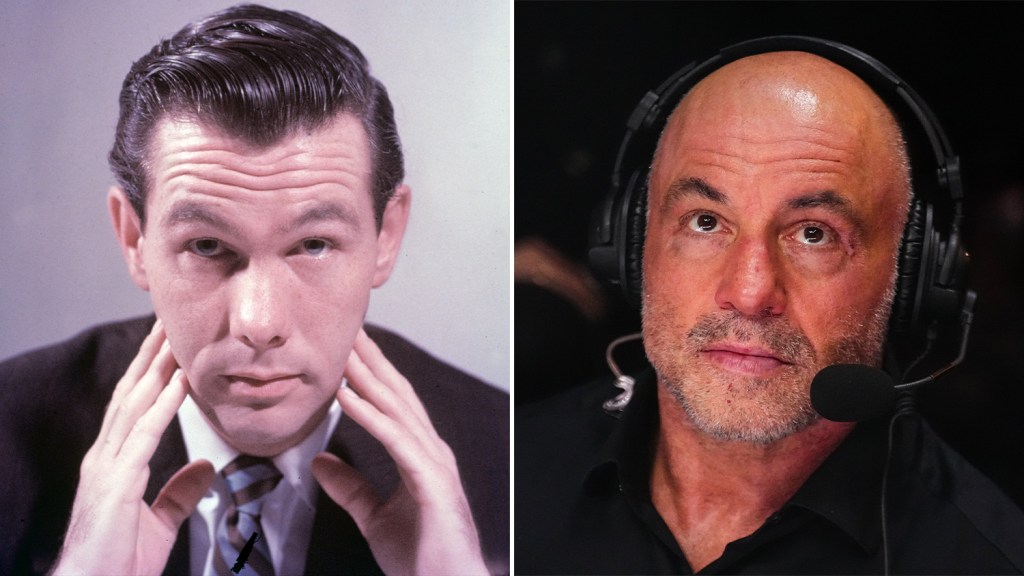
    The most striking revelation in Leno’s interview is his direct comparison between Joe Rogan and Johnny Carson. On the surface, the two men share little in common. Carson was a meticulously polished broadcaster who operated behind a desk in Burbank. Rogan is a former stand-up comedian and UFC commentator who hosts three-hour, unscripted conversations in a warehouse in Austin, Texas. But Leno looks past the aesthetics. He focuses on the cultural footprint.

    Carson was the ultimate kingmaker. A successful appearance on his couch could launch a career overnight. Rogan holds that exact same power today. The Joe Rogan Experience commands an audience of tens of millions of listeners per episode. It is the most valuable property in the audio landscape, backed by a massive licensing deal with Spotify reportedly worth $250 million. When Rogan speaks, the culture listens. When a comedian, author, or politician sits across from Rogan, their trajectory changes.

    Leno points out that Rogan achieved this by doing exactly what Carson did: he remains curious, he listens, and he refuses to talk down to his audience. Rogan does not deliver a monologue. He engages in a dialogue. In an era of tightly scripted, heavily edited media, Rogan’s unpolished, long-form format feels authentic. The audience trusts him. They do not view him as an elite broadcaster lecturing from a coastal studio. They view him as a proxy for their own curiosity. Carson possessed that same everyman quality. He was the Nebraska boy who made it to Hollywood but never lost his midwestern sensibilities. Rogan is the modern manifestation of that archetype.

    The Critique of John Oliver and Modern Political Comedy

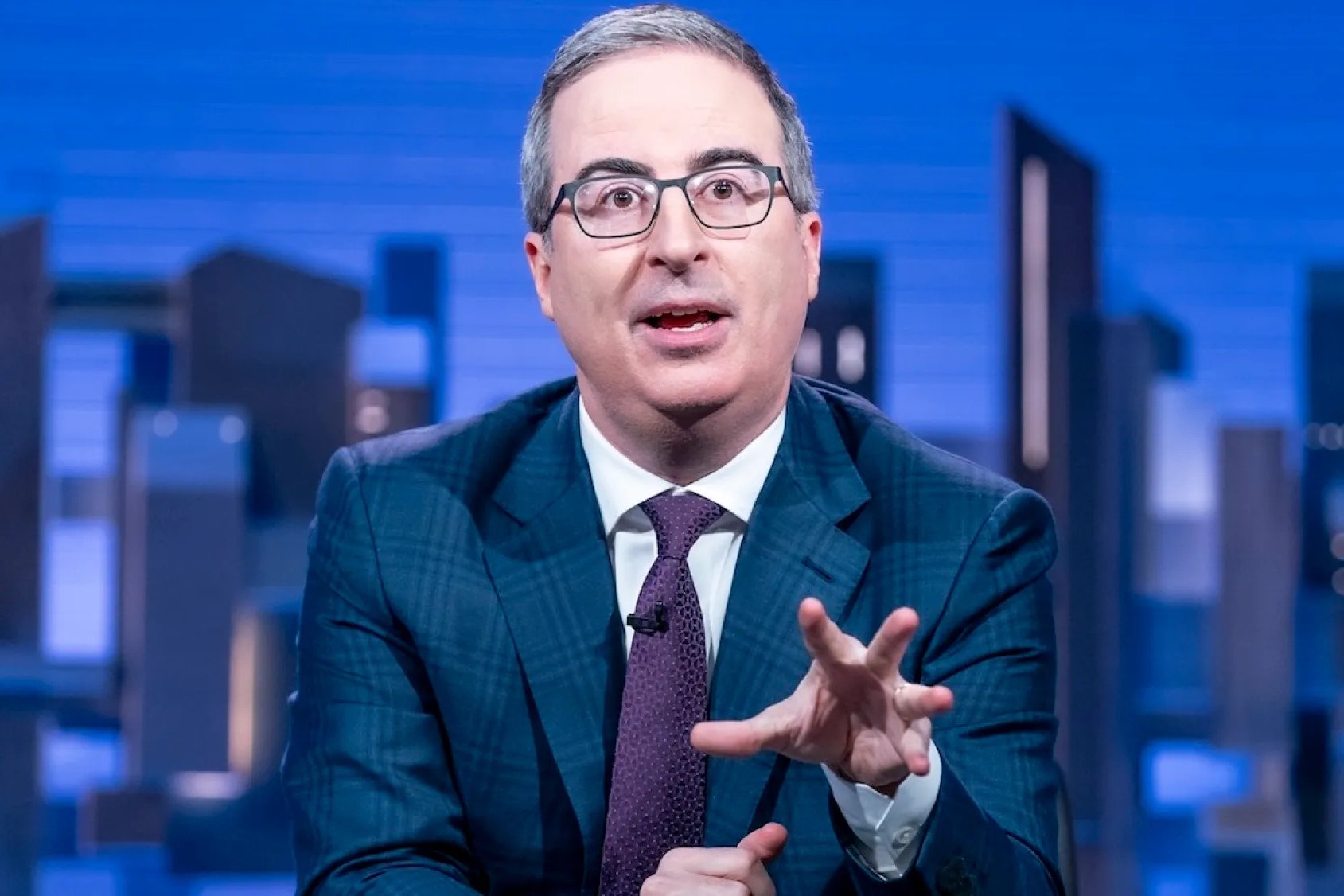
    Leno reserved his sharpest criticism for John Oliver. The host of HBO’s Last Week Tonight has won numerous Emmy Awards for his deep-dive, investigative comedy. Oliver’s format involves a 30-minute, highly researched monologue focusing on a specific political or social issue. It is dense, fact-heavy, and unapologetically partisan. Leno views this approach as the antithesis of comedy.

    According to Leno, Oliver does not know what he is talking about when it comes to the daily realities of middle America. Leno argues that Oliver’s show is an exercise in validation rather than entertainment. The audience tunes in not to laugh, but to have their existing worldview confirmed. This phenomenon, often referred to in comedy circles as clapter, prioritizes applause over genuine laughter. The comedian makes a political statement, and the audience claps in agreement.

    Leno sees this as a fundamental betrayal of the comedian’s job. The comedian is supposed to observe the absurdity of life and present it in a way that unites the room. When a host turns the desk into a pulpit, the magic is lost. Oliver’s success on HBO, a premium cable network that relies on subscriptions rather than broad advertising, allows him to cater to a niche, highly educated, politically active demographic. But Leno argues that this niche approach has poisoned the broader comedy landscape. It has created an environment where comedians are expected to be political pundits first and entertainers second.

    The Economics of the Shift

    The death of late night is not just a cultural phenomenon. It is an economic reality. The broadcast networks, NBC, CBS, and ABC, built massive financial empires on the back of the 11:30 PM time slot. Madison Avenue paid premium rates to reach the millions of viewers winding down their day. That financial model is currently collapsing.

    The audience has migrated to digital platforms. YouTube, TikTok, and Spotify command the attention that once belonged to the networks. The economics of these digital platforms heavily favor long-form, on-demand content. A three-hour episode of The Joe Rogan Experience generates significantly more engagement, and therefore more ad revenue, than a six-minute late-night monologue chopped up for YouTube. The networks are trapped in a legacy cost structure. They maintain massive studios, large writing staffs, and union crews to produce a daily show that fewer and fewer people are watching live.

    Leno understands this transition intimately. He lived through the peak of the broadcast era. When he handed The Tonight Show over to Jimmy Fallon in 2014, the cracks in the foundation were already visible. The 2009 scheduling debacle, which saw Conan O’Brien briefly take over the 11:30 PM slot before Leno returned, was a desperate attempt by NBC to navigate a changing media landscape. By 2026, the transition is complete. The money has moved. The cultural relevance has moved. The center of gravity has shifted from the television set to the smartphone.

    The Legacy of The Tonight Show

    The Tonight Show will likely continue to exist. It is a legacy brand with over 70 years of history. But its role in American life has been permanently downgraded. It is no longer the national campfire. It is just another option in an infinite sea of content. Fallon, Colbert, and Kimmel are talented broadcasters, but they are playing a game that is mathematically impossible to win on the scale of their predecessors.

    Leno’s commentary is a stark reminder of how quickly cultural institutions can fade. The power of the 11:30 PM desk seemed absolute in 1992. It seemed unshakeable in 2002. Today, it is a relic. The audience demands authenticity over polish. They demand long-form conversation over scripted jokes. They demand to be spoken with, not spoken to.

    The architecture of comedy has fundamentally changed. The stand-up clubs like the Comedy Store in Los Angeles are thriving. Podcasting is booming. But the traditional late-night format is running on fumes. Leno’s willingness to state this plainly, without the usual industry diplomacy, underscores the finality of the shift. He is not predicting the death of late night. He is reporting it.

    The Terminal Drop

    The cameras still roll in New York. The cameras still roll in Los Angeles. The bands still play their opening numbers. The hosts still wear their tailored suits. The monologues are still written, rehearsed, and delivered into the lens. But the national audience is gone. The cultural conversation moved to Austin. The internet swallowed the broadcast. Silence.

  • The Anatomy of a Joke: Why Bill Maher Confronted Wanda Sykes After the Golden Globes

    The Anatomy of a Joke: Why Bill Maher Confronted Wanda Sykes After the Golden Globes

    The Anatomy of a Red Carpet Feud

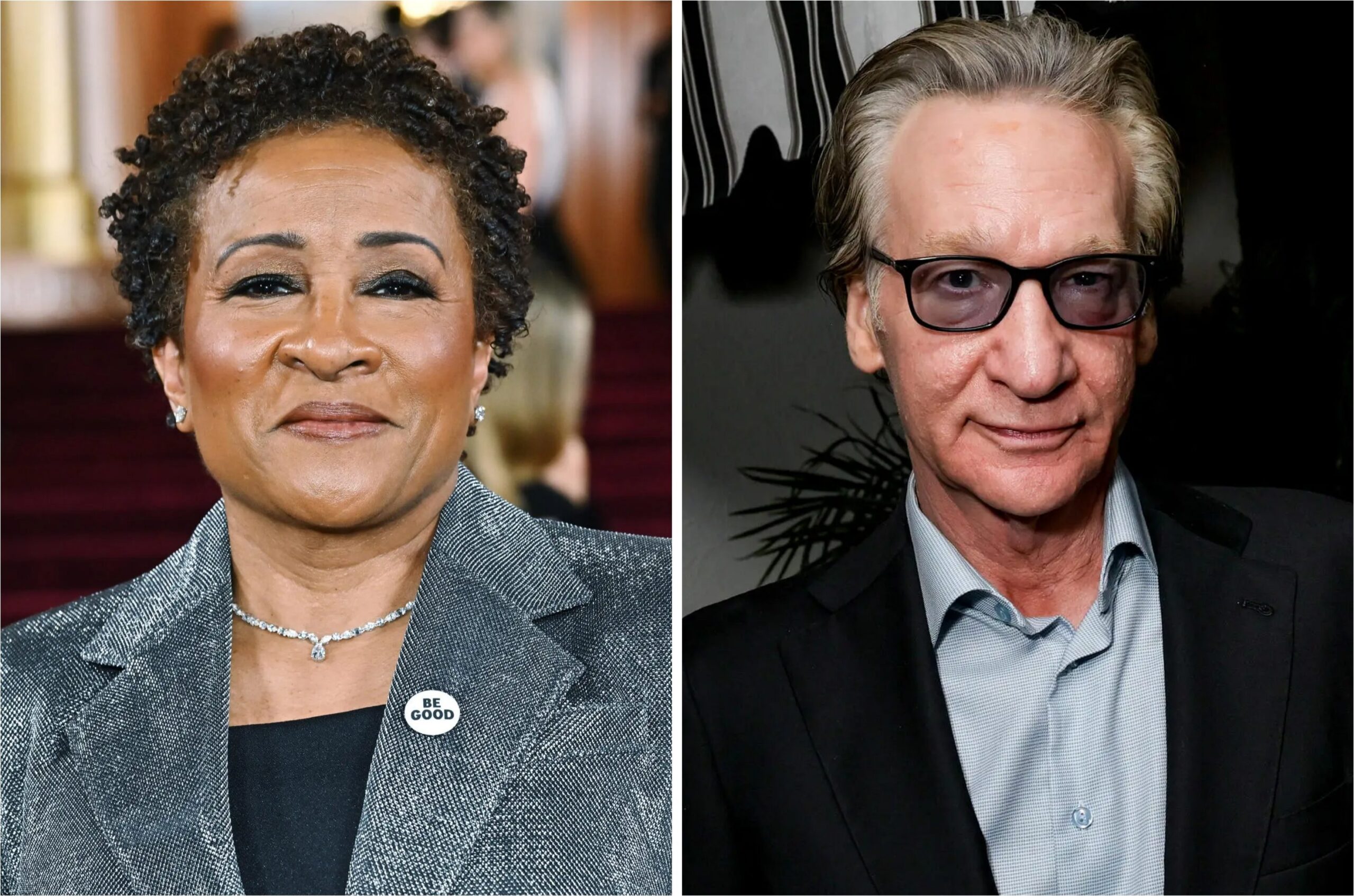
    Wanda Sykes did not apologize. During a Tuesday morning broadcast on SiriusXM, the veteran comedian confirmed that late-night host Bill Maher confronted her at a Sunset Tower afterparty following the Golden Globe Awards. The dispute centered on a monologue joke Sykes delivered at the Beverly Hilton earlier that evening. When pressed by Maher about the public jab, Sykes held her ground. Her defense was simple, foundational, and absolute: it was clearly a joke.

    The incident opens a window into the current state of Hollywood’s comedic elite. For decades, comedians operated under an unwritten code of mutual immunity. A roast was a roast. A monologue was a monologue. But the modern entertainment landscape has fractured that understanding. Egos are heavily guarded. Brands are meticulously curated. When Sykes aimed a punchline at the host of HBO’s Real Time, she tested the limits of that old immunity.

    Maher did not find the humor in the situation. Sykes did not retreat from the microphone. The resulting friction between two of the most recognizable voices in American comedy reveals exactly how much the rules of the room have changed.

    The Beverly Hilton Crucible

    The Golden Globe Awards represent one of the most notoriously difficult rooms in live television. The International ballroom at the Beverly Hilton is packed with A-list actors, powerful executives, and flowing champagne. The audience is easily distracted. The egos are remarkably fragile. Dick Clark Productions and CBS expect the host to skewer the room without entirely alienating the talent.

    Historically, the monologue sets the tone for the entire broadcast. Ricky Gervais built a brand on mercilessly attacking the Hollywood Foreign Press Association and the celebrities in attendance. Tina Fey and Amy Poehler perfected a surgical, smiling assassination of their peers. Jo Koy recently struggled against the icy reception of the room. Sykes, a veteran of high-stakes hosting gigs, understood the assignment.

    She delivered a barb aimed directly at Maher. The joke targeted his shifting political demographics and the aesthetic of his popular podcast, Club Random. It was a classic misdirection punchline, engineered to elicit a sharp gasp followed by applause. The room reacted. The cameras captured the moment. The broadcast moved on. But the target of the joke immediately began calculating a response.

    The Sunset Tower Confrontation

    Hollywood award shows do not end when the credits roll. The real industry maneuvering occurs at the afterparties. HBO and Max traditionally host one of the most exclusive post-show gatherings, often held at the Sunset Tower Hotel or the Chateau Marmont. It is a space designed for celebration, networking, and occasionally, the settling of scores.

    Maher, a long-standing pillar of the HBO network, attended the party. Sykes also attended. The collision was inevitable.

    The Mechanics of the Approach

    According to Sykes’s recounting of the event, Maher did not wait for an intermediary. He approached her directly in the crowded room. The music was loud. The environment was chaotic. But the intent was clear. Maher expressed his displeasure regarding the monologue.

    He felt the joke crossed a professional boundary. He felt it was an unnecessary attack from a peer. Sykes listened to the grievance. She did not deflect. She did not offer a public relations apology. Instead, she reminded Maher of their shared profession.

    “I looked at him and said, ‘Bill, it was clearly a joke. We are comedians. That is what we do.’”

    The exchange was brief. It was tense. It ended without a resolution. Maher walked away. Sykes returned to her evening. But the interaction immediately became industry gossip, leaking out of the Sunset Tower and into the morning trades.

    Bill Maher and the Club Random Era

    To understand Maher’s reaction, one must understand his current position in the media landscape. For over two decades, Maher has cultivated an image as a fearless truth-teller. From Politically Incorrect on ABC to Real Time with Bill Maher on HBO, he built an empire on mocking the sensitive and the sanctimonious.

    However, recent years have seen a shift in his public posture. In 2022, Maher launched Club Random, a long-form interview podcast. The format features Maher drinking tequila, smoking marijuana, and engaging in sprawling conversations with guests ranging from Quentin Tarantino to Bill Burr. The podcast has been highly successful, but it has also exposed Maher to a new genre of criticism.

    The Shift in Audience Demographics

    Critics and fellow comedians have frequently parodied the Club Random aesthetic. They mock Maher’s tendency to talk over his guests. They mock his frequent complaints about “cancel culture” and younger generations. Maher, who built his career dishing out criticism, has occasionally shown a thin skin when receiving it.

    When Sykes targeted this exact vulnerability on a global broadcast like the Golden Globes, it pierced the armor. It was not a Twitter troll. It was a peer with equal standing in the industry. That distinction matters in Hollywood.

    Wanda Sykes and the Veteran’s Privilege

    Wanda Sykes does not rattle easily. She possesses a resume that commands absolute respect in comedy clubs and boardrooms alike. In 2009, she headlined the White House Correspondents’ Dinner, delivering a blistering set with President Barack Obama seated just feet away. In 2022, she co-hosted the Academy Awards alongside Amy Schumer and Regina Hall, navigating the unprecedented chaos of the Will Smith incident.

    Sykes understands the architecture of a joke better than almost anyone working today. Her 2019 Netflix special, Not Normal, earned universal acclaim for its sharp, uncompromising dissection of American politics. She is a writer, a producer, and a stand-up purist.

    When Maher confronted her, he was not intimidating a newcomer. He was challenging a veteran who has survived every iteration of the comedy business. Sykes’s refusal to apologize stems from a deep-seated belief in the sanctity of the punchline. If a joke is structurally sound and delivered in the appropriate context, it requires no apology. The Golden Globes stage is, by definition, the appropriate context.

    The Shifting Rules of Stand-Up Comedy

    The confrontation at the Sunset Tower highlights a broader identity crisis within the comedy community. Historically, comedians viewed themselves as a brotherhood of outsiders. The Friars Club roasts of the 1960s and 1970s established a tradition where no topic was off-limits, provided the target was a fellow performer.

    Don Rickles insulted Frank Sinatra to his face. Joan Rivers mocked everyone in her orbit. The understanding was universal: we are jesters, and jesters do not bleed when cut with words.

    That era is fading. The modern comedian is often the CEO of a multimedia corporation. They have podcast networks, merchandise lines, and massive social media followings. With that corporatization comes a heightened sensitivity to brand damage. A joke on a major broadcast is no longer just a joke; it is a viral clip that can alter search algorithms and public perception.

    Comedians are increasingly policing each other. The post-Will Smith era has left many performers hyper-aware of the physical and professional risks of insult comedy. Maher’s decision to confront Sykes is a symptom of this new reality. The expectation of immunity is gone.

    The Sanctity of the Punchline

    Despite the changing landscape, the fundamental mechanics of comedy remain rigid. A setup requires a punchline. Tension requires a release. A room full of wealthy, powerful people requires a voice willing to deflate their collective ego.

    Sykes provided that voice at the Beverly Hilton. She identified a target. She wrote the joke. She delivered the line. The audience laughed. From a purely technical standpoint, the transaction was a complete success.

    Maher’s reaction does not invalidate the joke. If anything, his frustration validates its accuracy. The best comedy always contains a sharp kernel of truth. When that truth hits a nerve, the reaction is rarely a smile.

    The industry will move on to the next awards show. The trades will find a new feud to cover. But the interaction between these two veterans remains a fascinating case study in modern celebrity dynamics.

    Monologues are written. Audiences laugh. Egos bruise. Drinks spill. The punchline lands.

    Hollywood.

  • John Oliver Dismantles Trump’s Freedom 250 Concert Collapse

    John Oliver Dismantles Trump’s Freedom 250 Concert Collapse

    On Sunday, May 17, 2026, John Oliver used the main segment of HBO’s Last Week Tonight to dismantle Donald Trump’s Freedom 250 concert series, comparing the logistical failure in Kissimmee, Florida, to the infamous Fyre Festival. Oliver highlighted how attendees who paid $1,500 for “Patriot VIP” packages were left in flooded tents with cold fast food after headliners pulled out over payment disputes. The broadcast detailed how the Trump-backed America 250 PAC diverted millions in ticket sales away from event infrastructure and into legal defense funds, leaving local contractors and fans stranded.

    The monologue did not just target the muddy fields. It targeted the money.

    What was billed as the premier celebration of America’s semiquincentennial quickly unraveled into a financial sinkhole. But the story does not begin with the rain in central Florida. It begins months earlier, in a boardroom where the promises outpaced the reality.

    The Promise of the Freedom 250

    The announcement arrived in January 2026. Donald Trump launched the Freedom 250 concert series as a patriotic alternative to mainstream summer music festivals. The pitch was massive. A fifty-state tour. Top-tier country and rock artists. A celebration of the signing of the Declaration of Independence.

    The inaugural event was slated for May 15 and 16 at the Liberty Amphitheater in Kissimmee, Florida. Tickets went on sale immediately. General admission started at $250. The “Founding Father VIP” package cost $1,500. The VIP tier promised catered steak dinners, private air-conditioned tents, and exclusive meet-and-greets with conservative media personalities.

    Fans bought in. By March, the America 250 PAC reported over $12 million in ticket sales and sponsorships. The marketing materials featured glossy renderings of massive stages draped in American flags.

    The reality on the ground was starkly different. Construction at the Liberty Amphitheater did not begin until the second week of May. Local vendors reported bounced checks. The warning signs were visible to anyone looking closely.

    John Oliver’s research team looked closely.

    John Oliver Breaks Down the Kissimmee Collapse

    When Oliver took his seat behind the HBO desk on Sunday night, the internet was already flooded with viral videos of the Kissimmee disaster. Oliver did not just replay the clips. He provided the autopsy.

    He started with the infrastructure. Or the lack thereof.

    “Organizers promised a patriotic utopia,” Oliver noted. “What they delivered was less ‘Woodstock 99’ and more ‘Lord of the Flies with red hats.’”

    Oliver displayed photos of the $1,500 VIP experience. The air-conditioned tents were actually open-air pop-up canopies. A severe thunderstorm on Friday afternoon turned the viewing area into a mud pit. The promised steak dinners never arrived.

    Instead, Oliver showed footage of a golf cart delivering brown paper bags to the VIP section. Inside the bags were lukewarm Filet-O-Fish sandwiches and room-temperature French fries. The crowd, expecting luxury, began demanding refunds from teenage volunteers who had no answers.

    The sanitation situation was worse. Oliver cited reports from the Osceola County Sheriff’s Office. Organizers ordered only forty portable toilets for an expected crowd of twenty thousand people. By Friday evening, the facilities were overflowing. There was no running water on site.

    The Missing Headliners

    A music festival requires music. The Freedom 250 failed on this front as well.

    The original lineup boasted Kid Rock, Lee Greenwood, and Ted Nugent. By Wednesday, May 13, the lineup began to fracture. Lee Greenwood’s management released a quiet statement citing “unforeseen contractual issues.” Kid Rock simply did not board his flight to Orlando.

    Oliver explained the mechanics of the cancellations. Music industry standard practice requires a 50 percent deposit to secure an artist, with the remainder paid before they take the stage. The America 250 PAC allegedly failed to wire the final payments.

    When Friday night arrived, the main stage remained dark. Local cover bands were hastily pushed onto a secondary stage to placate the angry crowd. The audio equipment repeatedly shorted out due to the rain and exposed wiring.

    Oliver played a clip of an attendee screaming at a production manager. The attendee held up a soggy VIP lanyard. The production manager simply shrugged and walked away into the rain.

    Following the PAC Money

    The most damning segment of the Last Week Tonight broadcast focused on the finances. Oliver transitioned from mocking the fast food to dissecting Federal Election Commission filings.

    The America 250 PAC raised $12 million for the concert series. Oliver presented a graphic showing exactly where that money went. The breakdown was severe.

    • $8.2 million: Transferred directly to a separate legal defense fund associated with Donald Trump.
    • $2.1 million: Paid to consulting firms owned by former campaign staffers.
    • $1.3 million: Spent on digital advertising and fundraising text messages.
    • $400,000: Actually spent on the Kissimmee event infrastructure and local vendors.

    Oliver pointed at the camera. The math was undeniable. The event was never designed to be a functional music festival. It was designed to be a cash extraction mechanism.

    The $400,000 budget for a twenty-thousand-person event guaranteed failure. It explained the missing portable toilets. It explained the unpaid musicians. It explained the fast-food catering. The money had already been spent elsewhere.

    The Fyre Festival of Political Rallies

    The comparisons to Billy McFarland’s disastrous 2017 Fyre Festival were immediate. Oliver leaned into the parallel.

    Both events sold a lifestyle that did not exist. Both events targeted a specific demographic willing to pay exorbitant prices for exclusive access. Both events ended with stranded attendees fighting over meager rations in a hostile environment.

    But Oliver drew a sharp distinction between the two.

    “Billy McFarland went to federal prison because he defrauded investors to throw a party that failed,” Oliver said. “This operation defrauded partygoers to fund a political legal defense. It is Fyre Festival, but with a super PAC loophole.”

    The legal structure of the America 250 PAC complicates the fallout. Because the event was billed as a political fundraiser rather than a traditional commercial concert, consumer protection laws are murky. Attendees demanding refunds are finding themselves trapped in a legal gray area.

    The Aftermath for Attendees

    By Saturday morning, May 16, the situation in Kissimmee was untenable. The Osceola County Fire Marshal arrived on site. He took one look at the overflowing toilets, the exposed electrical cables in the mud, and the lack of emergency exits.

    The county pulled the event permit immediately. Police cruisers blocked the entrance to the Liberty Amphitheater. The Freedom 250 was officially canceled.

    Attendees who had traveled from out of state were left stranded. Hotels in the Orlando area were already booked for the weekend. Many fans slept in their cars in the muddy parking lot.

    Oliver played the audio from the America 250 customer service hotline. When attendees called to demand their $1,500 back, they were greeted by an automated message. The message thanked them for their “generous political contribution to the America 250 PAC” and stated that all donations were non-refundable by law.

    The VIP ticket purchase had been reclassified as a campaign donation in the fine print.

    The Silence of the Organizers

    In the days following the collapse, the organizers vanished. Donald Trump’s social media accounts made no mention of the Kissimmee disaster. The America 250 PAC website was quietly taken offline.

    Local vendors in Osceola County are currently exploring a class-action lawsuit to recover unpaid invoices for fencing, staging, and security personnel. The chances of recovering the funds remain slim. The PAC’s accounts have largely been drained.

    Oliver ended his segment by panning the camera back to the reality of the situation. It was not just a funny story about bad catering. It was a story about loyalty being monetized and discarded.

    The fans trusted the brand. They bought the tickets. They traveled the miles. They stood in the rain.

    The rain stopped. The stages were dismantled. The attendees drove home.