
Tag: Hasbro

  • Hasbro’s Strategic Pivot: Digital Cuts, ‘Magic: The Gathering’ Expansion

    Hasbro’s Strategic Pivot: Digital Cuts, ‘Magic: The Gathering’ Expansion

    Hasbro’s Digital Reset and Tabletop Recommitment

    Hasbro has announced a strategic shift in its entertainment portfolio. The company is discontinuing several digital game development projects. This decision accompanies a simultaneous commitment to significantly increase investment in its long-standing collectible card game, ‘Magic: The Gathering’. The move signals a clear prioritization of established, high-performing intellectual property within the company’s diverse holdings.

    This pivot resonates with a segment of the gaming community. Many fans express a protective stance towards traditional tabletop games. They often view these physical experiences as distinct from digital trends. Hasbro’s decision appears to align with this sentiment, reinforcing the value of its foundational intellectual properties.

    The Evolving Landscape of Play

    The entertainment industry continues to evolve at a rapid pace. Consumers engage with content across numerous platforms, from physical board games to complex digital ecosystems. Companies like Hasbro navigate this complex environment, seeking to maximize returns on their extensive intellectual property libraries. This often involves balancing new ventures with established successes.

    For decades, Hasbro has been a dominant force in the toy and game market. Its portfolio includes iconic brands such as Monopoly, G.I. Joe, Transformers, and Dungeons & Dragons. The company’s digital strategy has historically aimed to extend these brands into new interactive formats. However, not all digital ventures yield the expected results.

    The current market conditions present unique challenges. Development costs for digital games can be substantial. Competition is fierce, with thousands of new titles released annually. Companies must make difficult choices regarding resource allocation and project viability.

    ‘Magic: The Gathering’: A Consistent Performer

    ‘Magic: The Gathering’ stands as a cornerstone of Hasbro’s Wizards of the Coast division. Created by Richard Garfield, the game first launched in 1993. It pioneered the collectible card game genre. The game combines strategic depth with an ever-expanding universe of lore and characters.

    Over its 33-year history, ‘Magic: The Gathering’ has maintained a dedicated global player base. Organized play, new set releases, and a vibrant secondary market contribute to its sustained success. The game’s appeal transcends demographic boundaries, attracting both casual players and competitive professionals.

    Wizards of the Coast reported significant revenue growth from ‘Magic: The Gathering’ in recent years. This consistent performance positions the game as a reliable revenue driver for Hasbro. The decision to double down on this franchise is a direct response to its proven profitability and enduring cultural relevance.

    Digital Adaptations of ‘Magic’

    ‘Magic: The Gathering’ has seen various digital adaptations. ‘Magic: The Gathering Online’ (MTGO) launched in 2002. It provides a platform for online play and card collection. ‘Magic: The Gathering Arena’ (MTG Arena) followed in 2018. MTG Arena offers a more modern, free-to-play experience designed to attract new players. Both platforms contribute to the franchise’s overall ecosystem.

    The increased investment in ‘Magic: The Gathering’ likely encompasses these digital platforms. It may involve enhanced development for MTG Arena, new features for MTGO, or further integration of digital and physical play. The goal is to strengthen the entire ‘Magic’ brand, regardless of the specific medium.

    The Business of Digital Entertainment

    Developing digital games is a complex and often high-risk endeavor. Even established companies face challenges in this sector. Market trends shift rapidly. Player preferences evolve. Technological advancements necessitate continuous adaptation.

    Hasbro’s decision to cancel certain digital projects suggests a rigorous evaluation process. Projects may be terminated due to underperformance, high development costs relative to projected returns, or a misalignment with strategic objectives. This is a common practice in the software and gaming industries, where agile development often involves iterating and sometimes discontinuing projects that do not meet benchmarks.

    “We are constantly evaluating our portfolio to ensure we are investing in the most promising opportunities,” a Hasbro spokesperson stated regarding the strategic adjustments. “Our focus remains on delivering exceptional entertainment experiences across all our brands.” This statement, while generalized, underscores the corporate philosophy driving such decisions.

    <

    Impact on the Gaming Community

    The news will likely be met with mixed reactions within the gaming community. Fans of the canceled digital projects may express disappointment. These projects often build dedicated followings during their development phases. However, the broader community may see this as a positive sign for ‘Magic: The Gathering’.

    For players who value physical card games and tabletop experiences, the increased investment in ‘Magic: The Gathering’ reinforces the longevity of their preferred medium. It suggests that Hasbro recognizes the unique appeal of tangible play. This segment of the market has demonstrated remarkable resilience, even in an increasingly digital world.

    The decision also highlights the importance of intellectual property management. Companies must nurture their most valuable assets. ‘Magic: The Gathering’ represents a highly successful and culturally significant property. Its continued growth is vital to Hasbro’s long-term financial health.

    Strategic Implications for Hasbro

    Hasbro’s strategic pivot carries several implications for the company’s future. It indicates a move towards consolidating resources around its most reliable and profitable ventures. This can lead to increased efficiency and stronger financial performance in the short to medium term.

    The company may be aiming to reduce risk exposure in the volatile digital games market. By focusing on a proven entity like ‘Magic: The Gathering’, Hasbro can leverage existing infrastructure, fan loyalty, and development expertise. This approach can yield more predictable returns compared to launching new, unproven digital titles.

    Furthermore, this move could influence how Hasbro approaches future digital initiatives. The company may adopt a more selective approach, focusing on digital projects that directly enhance or extend its core tabletop brands. This could lead to more integrated experiences between physical and digital play. The long-term strategy for digital engagement will be closely watched by investors and industry analysts.

    The Future of Tabletop Gaming

    Tabletop gaming, including board games, role-playing games, and collectible card games, has experienced a resurgence in recent years. This growth is driven by a desire for social interaction, tactile experiences, and deep strategic engagement. ‘Magic: The Gathering’ is a prime example of this enduring appeal.

    The investment by Hasbro into ‘Magic: The Gathering’ reaffirms the company’s belief in the future of tabletop play. It signals that physical games are not merely relics of the past. They remain dynamic, innovative, and highly profitable segments of the entertainment industry. This commitment ensures that ‘Magic: The Gathering’ will continue to evolve, offering new content and experiences to its global player base for years to come.

    Companies adapt. Markets shift. Resources are allocated. Focus narrows. Investments increase. ‘Magic: The Gathering’ continues.
  • Child Actors and AI Voice Cloning: The Hasbro Controversy and Open Letter

    Child Actors and AI Voice Cloning: The Hasbro Controversy and Open Letter

    The Growing Concern Over AI and Child Actors

    In mid-2026, a significant ethical debate intensified within the entertainment industry concerning the use of artificial intelligence (AI) to replicate the voices of child actors. This controversy culminated in an open letter signed by nearly 1,000 actors, agents, and other industry professionals, which specifically targeted a major studio, reportedly Hasbro. The letter condemned the alleged demands that child performers consent to the perpetual use of their voices for AI-generated content.

    This collective action underscores a critical intersection of technological advancement, labor rights, and the protection of vulnerable individuals in creative fields. The dispute highlights the urgent need for clear ethical guidelines and contractual safeguards as AI capabilities continue to expand into voice synthesis and character generation.

    The Hasbro Allegations

    The open letter, widely reported by sources such as Variety in June 2026, did not explicitly name the studio in its initial public release. However, subsequent reports and industry whispers quickly identified Hasbro as the primary target. The allegations centered on Hasbro’s supposed attempts to secure broad, often perpetual, rights to use child actors’ voices for AI replication, particularly for popular animated series like ‘Peppa Pig’.

    Hasbro, a global play and entertainment company, owns Entertainment One (eOne), which produces ‘Peppa Pig’. The company’s alleged practices raised immediate alarms among performers’ unions, talent agencies, and child advocacy groups. Concerns included the potential for child actors’ voices to be used without additional compensation, future consent, or clear limitations on how the AI-generated voice might be employed.

    The ‘Peppa Pig’ Context

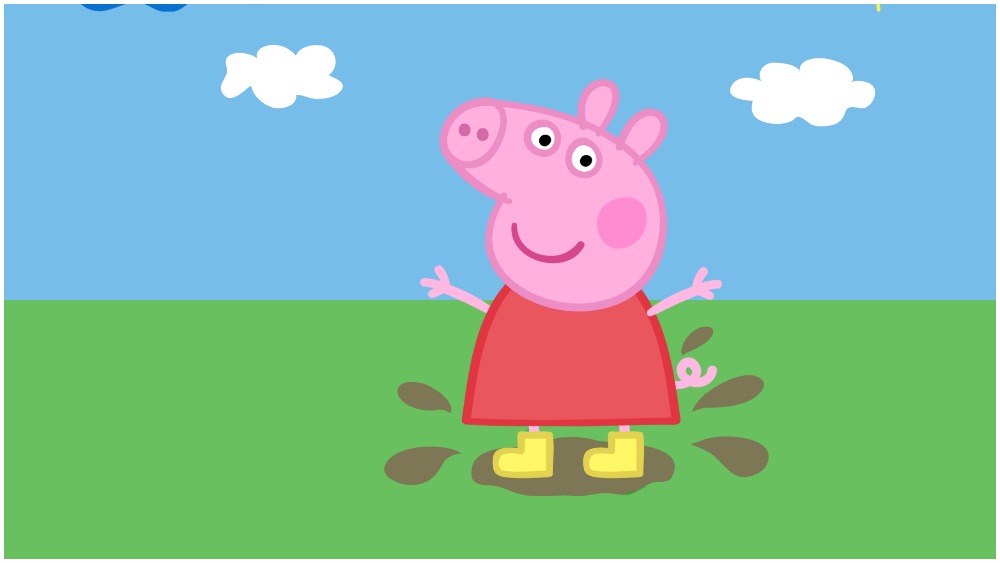
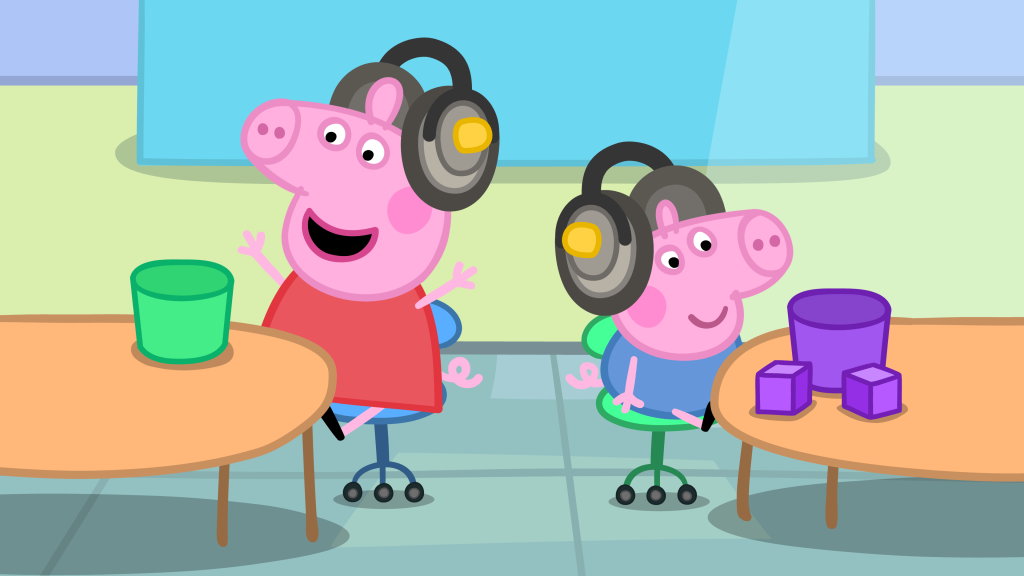
    ‘Peppa Pig’ is a globally recognized animated television series, primarily aimed at preschool children. The voice actors for characters like Peppa and George are often young children themselves. The nature of these roles means that child actors are frequently replaced as their voices mature. This turnover, combined with the long-term commercial value of such franchises, creates an incentive for studios to seek methods of vocal continuity.

    AI voice replication offers a potential solution to this challenge, allowing a character’s voice to remain consistent even as the original child actor grows older. However, this technological solution introduces a complex array of ethical and labor considerations, particularly when applied to minors who may not fully comprehend the long-term implications of such agreements.

    The Open Letter: A Call for Protection

    The open letter represented a unified stance from a broad coalition of entertainment professionals. Signatories included prominent actors, voice artists, talent agents, and legal experts specializing in entertainment law. The letter articulated several key demands and concerns:

    • Informed Consent: The letter emphasized that consent for AI voice usage, particularly from minors, must be fully informed, specific, and revocable.
    • Fair Compensation: It argued for fair and ongoing compensation for any use of an AI-replicated voice, extending beyond the initial recording session.
    • Usage Limitations: Demands included clear limitations on the scope, duration, and context in which an AI-generated voice could be used, preventing its deployment in new projects or scenarios without explicit approval.
    • Child Protection: A central theme was the protection of child actors, who are often more susceptible to exploitative contractual clauses due to their age and lack of comprehensive legal understanding.

    The letter served as a powerful declaration that the industry would not tolerate what it perceived as an attempt to bypass traditional labor agreements and exploit emerging technologies at the expense of young talent.

    The Role of Unions and Agencies

    Talent agencies and actors’ unions, such as SAG-AFTRA in the United States and Equity in the UK, played a significant role in organizing and amplifying the open letter. These organizations have been at the forefront of negotiating new terms for AI usage across the entertainment industry, particularly following major strikes in 2023 that addressed AI concerns.

    The open letter can be seen as a direct extension of these ongoing efforts, signaling that the issue of AI rights for child actors is a non-negotiable point. Agencies expressed concerns that broad AI clauses could significantly devalue the future earning potential of their young clients, making it harder for them to secure new roles if their voice can be endlessly replicated.

    Ethical Dimensions of AI Voice Replication

    The debate extends beyond mere contractual terms into deeper ethical considerations. The replication of a human voice, especially a child’s, raises questions about identity, ownership, and the very essence of performance.

    Loss of Control and Identity

    When a child’s voice is replicated by AI, the child effectively loses control over a fundamental aspect of their identity and artistic expression. The AI-generated voice could be used in contexts the child or their guardians did not approve of, or even in perpetuity, long after the child has moved on from acting.

    Exploitation of Minors

    Minors are legally recognized as having limited capacity to enter into contracts, necessitating adult supervision and protection. Critics argue that demanding broad AI rights from child actors constitutes a form of exploitation, as these young performers may not fully grasp the implications of signing away perpetual rights to their vocal identity.

    Impact on Future Careers

    If a studio can generate a child’s voice using AI, the need for new child actors to voice subsequent seasons, spin-offs, or related media could diminish. This could severely limit career opportunities for aspiring young performers, creating a bottleneck in an already competitive industry.

    Broader Industry Implications

    The controversy surrounding Hasbro and child actors’ AI voice rights is not an isolated incident. It reflects a much broader industry-wide struggle to define the boundaries and ethical parameters of AI in creative content creation.

    The 2023 Strikes and AI

    The Writers Guild of America (WGA) and SAG-AFTRA strikes of 2023 prominently featured AI as a central point of contention. Writers fought for protections against AI generating scripts based on their work, while actors sought safeguards against AI replicating their likenesses and voices without consent or fair compensation.

    The resolutions of these strikes established some precedents for AI usage, but the specifics regarding child actors and voice replication remain a rapidly evolving area. The open letter indicates that existing protections may not be sufficient or are being circumvented by certain studios.

    The Future of Voice Acting

    The rise of sophisticated AI voice synthesis technology presents an existential challenge to the voice acting profession. While AI can create highly realistic voices, the human element of performance, nuance, emotion, and unique interpretation, remains invaluable. The concern is that studios might prioritize cost savings through AI over the artistic contributions of human performers.

    The Need for New Legislation and Guild Agreements

    Industry stakeholders, including unions, legal experts, and ethical AI advocates, are increasingly calling for new legislation and updated collective bargaining agreements to address AI’s impact. These frameworks would aim to:

    • Establish clear definitions of AI-generated content.
    • Mandate explicit, time-limited consent for AI usage.
    • Ensure fair and residual compensation for AI-replicated performances.
    • Provide mechanisms for dispute resolution and enforcement.
    • Protect the rights and intellectual property of performers, especially minors.

    The Path Forward

    The open letter to Hasbro represents a critical moment in the ongoing dialogue about AI and the entertainment industry. It forces a public confrontation over practices that many view as unethical and exploitative.

    Studio Accountability

    The pressure from nearly 1,000 industry professionals will likely compel Hasbro, and other studios contemplating similar practices, to re-evaluate their strategies. The reputational risk associated with being perceived as exploiting child actors or undermining creative labor is substantial.

    Empowering Child Actors and Guardians

    The controversy also serves to educate and empower child actors and their guardians. It highlights the importance of scrutinizing contractual clauses related to AI and seeking independent legal advice before agreeing to broad terms.

    Shaping Industry Standards

    Ultimately, this dispute will contribute to shaping new industry standards for AI usage. It reinforces the principle that technological advancement should not come at the expense of human dignity, fair labor practices, or the protection of vulnerable individuals. The entertainment world watches as this critical issue unfolds.

    Parents gathered. Agents gathered. Performers gathered.

    Protection.

    FAQ

    What is the controversy regarding child actors and AI voice cloning?

    The controversy involves allegations that a major studio, reportedly Hasbro, demanded child actors consent to the perpetual use of their voices for AI replication, particularly for shows like ‘Peppa Pig’. This raised ethical concerns about consent, compensation, and the long-term impact on young performers.

    Which studio was targeted by the open letter against AI voice usage for child actors?

    While the open letter did not explicitly name the studio, subsequent reports indicated that Hasbro was the primary target. The company allegedly sought broad AI voice rights for child performers involved in its productions, including the popular ‘Peppa Pig’ series.

    Why are entertainment professionals concerned about AI voice replication for minors?

    Professionals are concerned about the ethical implications, including lack of informed consent from minors, insufficient compensation for future AI voice usage, potential loss of control over a child’s identity, and the negative impact on future job opportunities for young actors if their voices can be endlessly generated by AI.

    What protections are being sought for child actors regarding AI voice cloning?

    The open letter and industry advocates are calling for robust protections such as fully informed and revocable consent, fair and ongoing compensation for any AI-generated voice usage, clear limitations on how and where an AI voice can be used, and stronger child protection clauses in contracts.

    How does this issue relate to the broader AI debates in the entertainment industry?

    This issue is part of the larger industry-wide debate sparked by the 2023 WGA and SAG-AFTRA strikes, which highlighted concerns about AI’s impact on creative labor. It underscores the need for comprehensive contractual and legislative frameworks to govern AI’s role in content creation, ensuring fair practices and protecting human talent.

  • The Peppa Pig AI Controversy – Hasbro Faces Backlash Over Child Voice Rights

    The Peppa Pig AI Controversy – Hasbro Faces Backlash Over Child Voice Rights

    The ‘Peppa Pig’ AI Controversy

    Hasbro, the multinational toy and entertainment company, has encountered substantial criticism for its alleged contractual demands regarding child voice actors on the popular animated series ‘Peppa Pig.’ Reports in June 2026 indicate that Hasbro has asked these young performers to sign agreements that would grant the company perpetual rights to their voices for use in artificial intelligence applications. This request has sparked a widespread ethical debate, focusing on the potential for exploitation of minors within the entertainment industry’s evolving relationship with AI technology.

    The controversy centers on the long-term implications of such agreements. Critics argue that these contracts could strip child actors of control over their vocal likenesses for the entirety of their lives, and potentially beyond. The ethical considerations extend to issues of consent, fair compensation, and the protection of vulnerable individuals in an increasingly digital and AI-driven creative landscape.

    The Nature of the Contractual Demands

    The specific clauses within the proposed contracts have not been fully disclosed publicly. However, sources close to the production and industry observers suggest that the agreements seek broad and enduring rights. These rights would allow Hasbro to utilize the recorded voices of child actors to train artificial intelligence models. Subsequently, these AI models could generate new dialogue, songs, or other vocal performances mimicking the original actor’s voice, without requiring the original actor’s further involvement or compensation.

    Such perpetual rights contrast sharply with traditional voice acting contracts. These typically outline specific usage terms, durations, and payment structures for each project or campaign. The shift towards perpetual AI rights represents a fundamental change in how performer contributions are valued and controlled.

    Industry Reaction and Concerns

    The entertainment industry has reacted swiftly to the news. Organizations representing actors, voice artists, and child performers have expressed alarm. The Screen Actors Guild – American Federation of Television and Radio Artists (SAG-AFTRA) has been particularly vocal, emphasizing the need for robust protections for all performers, especially minors, against unchecked AI exploitation.

    Industry professionals point to the potential for significant job displacement if AI-generated voices become standard. They also highlight the moral implications of using a child’s voice for commercial purposes without ongoing consent or fair remuneration once they reach adulthood. The ‘Peppa Pig’ case is seen by many as a bellwether for future disputes over AI and intellectual property in creative fields.

    Protecting Child Performers in the Digital Age

    Child labor laws and entertainment industry regulations have historically focused on working conditions, education, and financial protections for minors. However, these existing frameworks often predate the widespread adoption of advanced artificial intelligence. The ‘Peppa Pig’ situation reveals a critical gap in these protections.

    Advocacy groups for children’s rights are calling for updated legislation. They argue that children cannot fully comprehend the long-term implications of signing away perpetual AI rights. Therefore, robust legal safeguards are required to ensure that such agreements are not exploitative. These safeguards might include independent legal counsel, limited terms for AI usage, and provisions for renegotiation or rescission of rights once a performer reaches majority.

    The Role of Hasbro and ‘Peppa Pig’

    ‘Peppa Pig’ is a globally recognized animated series, first broadcast in 2004. It has achieved immense popularity, particularly among preschool children, and generated billions in merchandise sales for its owners. Hasbro acquired Entertainment One (eOne), the company behind ‘Peppa Pig,’ in 2019 for approximately $3.8 billion. This acquisition brought the lucrative franchise under Hasbro’s extensive portfolio of brands.

    The decision to pursue AI voice rights for ‘Peppa Pig’ actors aligns with a broader industry trend. Major studios and content creators are exploring generative AI for cost savings and expanded content creation. However, Hasbro’s approach with child actors has drawn particular scrutiny due to the vulnerability of the performers involved.

    The Broader AI and Voice Rights Debate

    The controversy surrounding ‘Peppa Pig’ is not an isolated incident. The broader entertainment industry has been grappling with the implications of artificial intelligence for several years. Discussions around AI and voice rights have been a central point of contention, particularly during recent labor negotiations.

    Actors and voice artists have expressed concerns about their voices being cloned and used without consent or additional payment. The issue gained prominence during the 2023 SAG-AFTRA strike, where AI protections were a key demand. While some progress has been made in establishing guardrails for adult performers, the specific protections for child actors remain largely undefined in many jurisdictions.

    Ethical Considerations of AI in Children’s Media

    The use of AI in media targeted at children introduces unique ethical dilemmas. Children are particularly susceptible to influence and may not distinguish between human and AI-generated content. The potential for AI to create endless new ‘Peppa Pig’ content using cloned voices raises questions about authenticity, creative control, and the impact on young audiences.

    Critics also highlight the potential for psychological effects on child performers. The idea of an AI version of their voice being used indefinitely, possibly in contexts they did not approve or understand as children, raises concerns about their future identity and sense of self. The industry faces a challenge to balance technological advancement with responsible content creation, especially when children are involved.

    Looking Ahead: Legal and Industry Responses

    The ‘Peppa Pig’ AI voice rights controversy is expected to catalyze further discussions and potentially new regulatory actions. Lawmakers in various countries are beginning to address the rapid advancements in AI and their impact on intellectual property and human rights. The European Union, for example, has been at the forefront of AI regulation with its AI Act, which aims to establish a comprehensive legal framework for AI.

    In the United States, discussions are ongoing within Congress and state legislatures about how to update copyright law and performer rights in the AI era. The outcome of the ‘Peppa Pig’ dispute could set a precedent for how child actors’ rights are managed in future AI-related contracts across the global entertainment industry. The focus will likely shift towards ensuring that any AI usage of a child’s likeness or voice is transparent, time-limited, and subject to ongoing parental and independent oversight.

    The Stakes for Future Generations of Performers

    The decisions made today regarding AI and child performers will have lasting consequences. The entertainment industry must navigate the benefits of AI technology with a strong ethical compass. The ‘Peppa Pig’ case serves as a stark reminder of the need for proactive measures to protect the most vulnerable participants in the creative economy. Without clear regulations and industry standards, the digital identities of child actors could become commodities, diminishing their agency and future earning potential.

    The Call for Clearer Regulation

    The controversy surrounding Hasbro’s requests for AI voice rights from child actors in ‘Peppa Pig’ has illuminated a significant regulatory gap. Existing child labor laws, while robust in many areas, were not designed to address the complexities of generative artificial intelligence and the perpetual licensing of digital likenesses. Legal scholars and child advocacy groups are now urgently calling for new legislation tailored to the digital age.

    These proposed regulations aim to establish clear boundaries for the use of AI in relation to minors. They suggest mechanisms for independent review of contracts, mandatory expiration clauses for AI rights, and provisions for additional compensation if AI-generated content proves commercially successful. The goal is to prevent a scenario where a child’s voice, captured at a young age, could be exploited for decades without their adult consent or fair remuneration.

    Parental Consent and Informed Decision-Making

    A core tenet of child protection is the concept of parental consent. However, in the context of advanced AI, even parents may not fully grasp the long-term implications of signing away perpetual rights. The technology is new, its capabilities are rapidly expanding, and its future applications are largely unpredictable.

    This uncertainty underscores the need for enhanced informed consent processes. Some proposals include requiring independent legal counsel for families, providing clear and understandable explanations of AI technology, and mandating regular reviews of AI usage agreements as the child grows. The aim is to ensure that consent, when given, is truly informed and serves the best interests of the child.

    The Economic Impact on Voice Acting

    Beyond the ethical considerations, the widespread adoption of AI voice cloning poses a direct economic threat to the voice acting profession. If companies can generate endless content using AI-cloned voices, the demand for human voice actors could diminish significantly. This concern is particularly acute for entry-level and emerging artists, including child performers, who rely on early career opportunities to build their portfolios and experience.

    The ‘Peppa Pig’ scenario, therefore, is not just about one show or one company. It represents a microcosm of a larger industry-wide challenge. The balance between technological innovation and the preservation of human artistry and livelihoods is at stake. Solutions may involve collective bargaining agreements that establish minimum rates for AI usage, or legislative mandates that require human oversight and compensation for AI-generated content derived from human performances.

    Global Implications and Standards

    The ‘Peppa Pig’ franchise is global, with viewership in over 180 territories. This international reach means that any contractual demands made by Hasbro have global implications. Differing legal standards across countries for child labor, intellectual property, and AI regulation create a complex legal landscape.

    There is a growing call for international cooperation to establish common standards for AI usage, especially concerning minors. A patchwork of national laws could lead to regulatory arbitrage, where companies seek to operate in jurisdictions with the weakest protections. Harmonized international guidelines could provide a more consistent and robust framework for safeguarding child performers worldwide.

    The Terminal Drop

    Parents worried. Actors organized. Legislators debated.

    The future.

    FAQ Section

    1. What is the controversy surrounding ‘Peppa Pig’ and AI?

      Hasbro, the owner of ‘Peppa Pig,’ has reportedly asked child voice actors to sign contracts granting the company perpetual rights to use their voices for artificial intelligence applications. This has raised concerns about child exploitation and the ethical use of AI in entertainment.

    2. Why are perpetual AI voice rights for child actors controversial?

      Critics argue that perpetual rights strip child actors of control over their vocal likenesses indefinitely, potentially without ongoing compensation or consent once they reach adulthood. This is seen as exploitative due to children’s limited capacity to understand long-term implications.

    3. Which organizations are speaking out against Hasbro’s alleged demands?

      Various industry organizations, including the Screen Actors Guild – American Federation of Television and Radio Artists (SAG-AFTRA), along with child advocacy groups, have voiced strong opposition, calling for greater protections for child performers in the age of AI.

    4. How might this ‘Peppa Pig’ situation impact the entertainment industry?

      This controversy could set a precedent for how child actors’ rights are managed in AI-related contracts. It highlights the need for updated legal frameworks and industry standards to address AI’s impact on performer rights, intellectual property, and potential job displacement.

    5. What are the ethical concerns regarding AI in children’s media?

      Ethical concerns include the authenticity of content, potential psychological effects on child performers whose voices are used indefinitely by AI, and the broader issue of exploiting vulnerable individuals for commercial gain through advanced technology.