Tag: Harassment

  • Jennifer Garner’s Paparazzi Ordeal – When Celebrity Privacy Collides with Media Hunger

    Jennifer Garner’s Paparazzi Ordeal – When Celebrity Privacy Collides with Media Hunger

    The Unseen Scrutiny: Jennifer Garner’s Account of Paparazzi Tactics

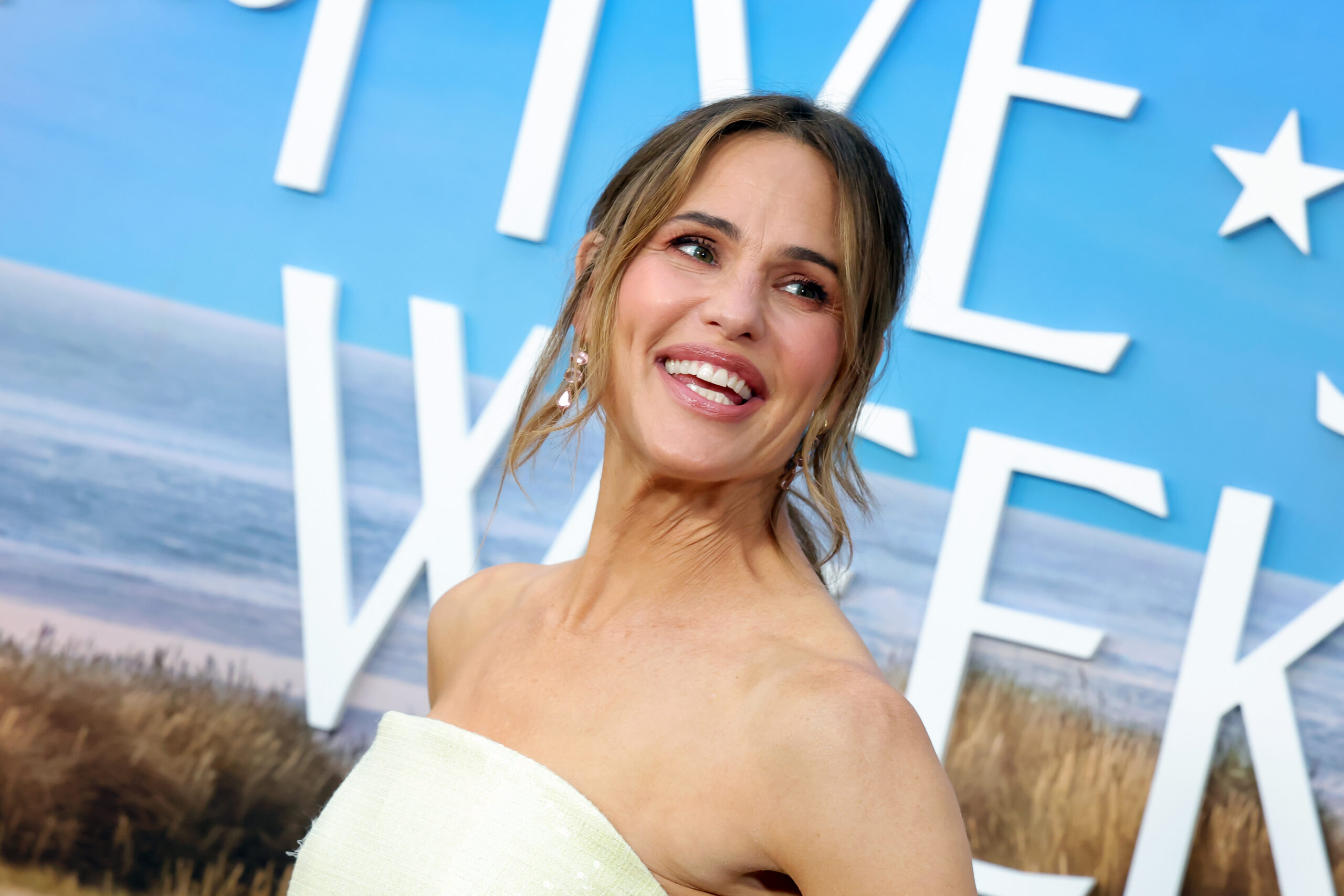
    Jennifer Garner recently voiced strong criticism regarding the aggressive tactics of paparazzi, specifically recounting incidents where photographers allegedly endangered her children by ‘knocking them over’ in their pursuit of images of her and Ben Affleck. Her comments bring renewed attention to the persistent issues surrounding celebrity privacy and the ethical boundaries of media coverage in 2026.

    Garner’s statements emerged from a broader conversation about the challenges public figures face. The actress detailed a pattern of intrusive behavior. This behavior often escalated during public outings with her family.

    The pursuit by paparazzi is not a new phenomenon. However, Garner’s specific allegations of physical endangerment to her children introduce a more severe dimension to the ongoing debate. This raises significant questions about the industry’s self-regulation.

    The Incidents Described by Garner

    Garner described the photographers’ actions as relentless. She stated they were “so hungry to get at me.” This hunger, she indicated, led to a disregard for safety protocols.

    One particular incident involved her children. She detailed how paparazzi allegedly physically impacted them. This occurred during a scramble for photographs.

    The actress did not specify exact dates or locations for these events. However, her narrative painted a consistent picture of pervasive intrusion. This intrusion affected her daily life and the lives of her family members.

    Ben Affleck, her former husband, has also spoken about paparazzi. He has expressed similar concerns over the years. Their shared experiences highlight a systemic issue within celebrity journalism.

    The Impact on Celebrity Children

    Children of celebrities often bear the brunt of paparazzi attention. They are frequently photographed without their consent. Their images are then widely distributed.

    Garner’s account emphasizes the physical risks involved. Beyond the immediate danger, there is a psychological toll. This constant scrutiny can affect a child’s development and sense of normalcy.

    In 2014, Garner and Halle Berry advocated for stricter laws. They sought protections for celebrity children. California ultimately passed a law limiting paparazzi’s ability to photograph children without parental consent.

    Despite legislative efforts, the problem persists. Garner’s recent statements suggest that some photographers continue to push boundaries. They operate in ways that may violate the spirit, if not the letter, of existing laws.

    A History of Paparazzi and Celebrity Encounters

    The relationship between celebrities and paparazzi has been fraught for decades. The term “paparazzo” originated in Federico Fellini’s 1960 film La Dolce Vita. It quickly became synonymous with aggressive photographers.

    Early incidents involved figures like Elizabeth Taylor and Richard Burton. Their romance was a constant target. Photographers pursued them across continents.

    The 1980s and 1990s saw an escalation. The demand for celebrity images grew. Tabloid magazines and television shows fueled this appetite.

    Princess Diana’s death in 1997 intensified the debate. Her fatal car crash in Paris involved paparazzi pursuit. This event led to global outrage and calls for reform.

    In the aftermath, many media organizations pledged to adopt stricter ethical guidelines. Some publications ceased buying intrusive photographs. However, the market for celebrity images remained robust.

    Technological Advancements and Their Role

    The advent of digital cameras and the internet transformed the industry. Photos could be taken and disseminated almost instantly. This increased the speed and reach of paparazzi operations.

    Social media platforms further complicated matters. Celebrities gained direct access to their audiences. This provided an alternative to traditional media outlets.

    However, social media also created new avenues for public engagement. This, in turn, sometimes amplified the demand for candid, unposed celebrity images. Paparazzi adapted to these new dynamics.

    Long-lens cameras and drones also became more sophisticated. These tools allowed photographers to capture images from greater distances. This made it harder for celebrities to maintain their privacy even in seemingly secure locations.

    The Legal Landscape: Protecting Public Figures and Their Families

    Laws concerning paparazzi vary significantly by jurisdiction. In the United States, the First Amendment protects freedom of the press. This often makes it challenging to restrict photography in public spaces.

    However, certain actions can cross legal lines. Harassment, trespassing, and reckless endangerment are illegal. These actions can lead to civil lawsuits or criminal charges.

    California has been at the forefront of legislative efforts. The state passed Assembly Bill 1667 in 2013. This law increased penalties for harassing children of public figures.

    Jennifer Garner and Halle Berry were instrumental in advocating for this bill. They testified about the emotional and physical impact on their children. The law aimed to create a buffer zone for celebrity families.

    In 2020, California expanded these protections. Senate Bill 1184 made it easier for victims of harassment by paparazzi to sue. It also allowed them to seek restraining orders.

    Challenges in Enforcement

    Enforcing these laws remains a complex issue. Paparazzi often operate at the fringes of legality. They exploit loopholes and jurisdictional differences.

    Defining what constitutes harassment can be subjective. The line between legitimate newsgathering and intrusive behavior is often blurred. This makes legal action difficult and expensive for celebrities.

    Many celebrities opt not to pursue legal action. They fear further escalating the situation. They also worry about drawing more attention to their families.

    The costs associated with litigation can be substantial. This includes legal fees and emotional strain. These factors often deter potential plaintiffs.

    Ethical Debates in Photojournalism and Media Ethics

    Garner’s statements reignite a long-standing ethical debate. This debate centers on the responsibilities of photojournalists. It also questions the role of media organizations.

    The Society of Professional Journalists Code of Ethics emphasizes minimizing harm. It stresses treating sources with respect. This includes children.

    Many argue that paparazzi tactics often violate these principles. The pursuit of a lucrative photograph can overshadow ethical considerations. This creates a moral dilemma for the industry.

    Some media outlets have internal guidelines. These guidelines dictate what types of photos they will purchase or publish. However, these standards are not universally applied.

    The rise of independent photographers and online platforms complicates oversight. It is easier for images obtained through aggressive means to find an audience. This bypasses traditional editorial gatekeepers.

    The Public’s Role and Demand

    The demand side of the equation is also critical. Public appetite for celebrity news fuels the paparazzi industry. Consumers often unknowingly support these practices.

    Celebrity culture thrives on accessibility and perceived intimacy. Fans feel a connection to public figures. This creates a desire for more personal insights into their lives.

    However, Garner’s experience highlights the cost of this demand. It forces a re-evaluation of what constitutes acceptable public access. It also questions the boundaries of entertainment.

    Social media has empowered fans to voice their opinions. Many have expressed solidarity with Garner. They call for greater respect for celebrity families.

    This public pressure can influence media practices. It can encourage outlets to adopt more ethical sourcing policies. It can also shift consumer behavior.

    Future Outlook: Can the Tide Turn for Celebrity Privacy?

    The ongoing struggle for celebrity privacy faces multiple forces. Technological advancements continue to challenge existing boundaries. Legal frameworks struggle to keep pace.

    However, increasing public awareness and advocacy offer some hope. Celebrities like Jennifer Garner continue to speak out. Their voices amplify the need for change.

    Industry self-regulation remains a key component. Major media organizations could collectively commit to stricter ethical standards. This would reduce the market for aggressively obtained images.

    Education about media ethics is also crucial. Both for aspiring journalists and the general public. Understanding the impact of media consumption can foster more responsible choices.

    The conversation around celebrity privacy is evolving. It moves beyond just the famous adults. It now critically includes the well-being of their children.

    Advocacy groups continue to push for stronger legal protections. They aim to safeguard minors from unwanted media attention. They seek to ensure their right to a normal childhood.

    The balance between public interest and individual rights is delicate. It requires continuous re-evaluation. It demands a commitment to ethical practices.

    The challenges persist. The hunger for images remains. The call for respect grows louder.

    Parents speak out. Children are affected. Ethics are debated. Laws are tested. Boundaries are drawn. Media evolves.

    Privacy.

  • Lena Headey on Hollywood’s ‘Predatory Men’ and ‘Game of Thrones’ Fan Backlash

    Lena Headey on Hollywood’s ‘Predatory Men’ and ‘Game of Thrones’ Fan Backlash

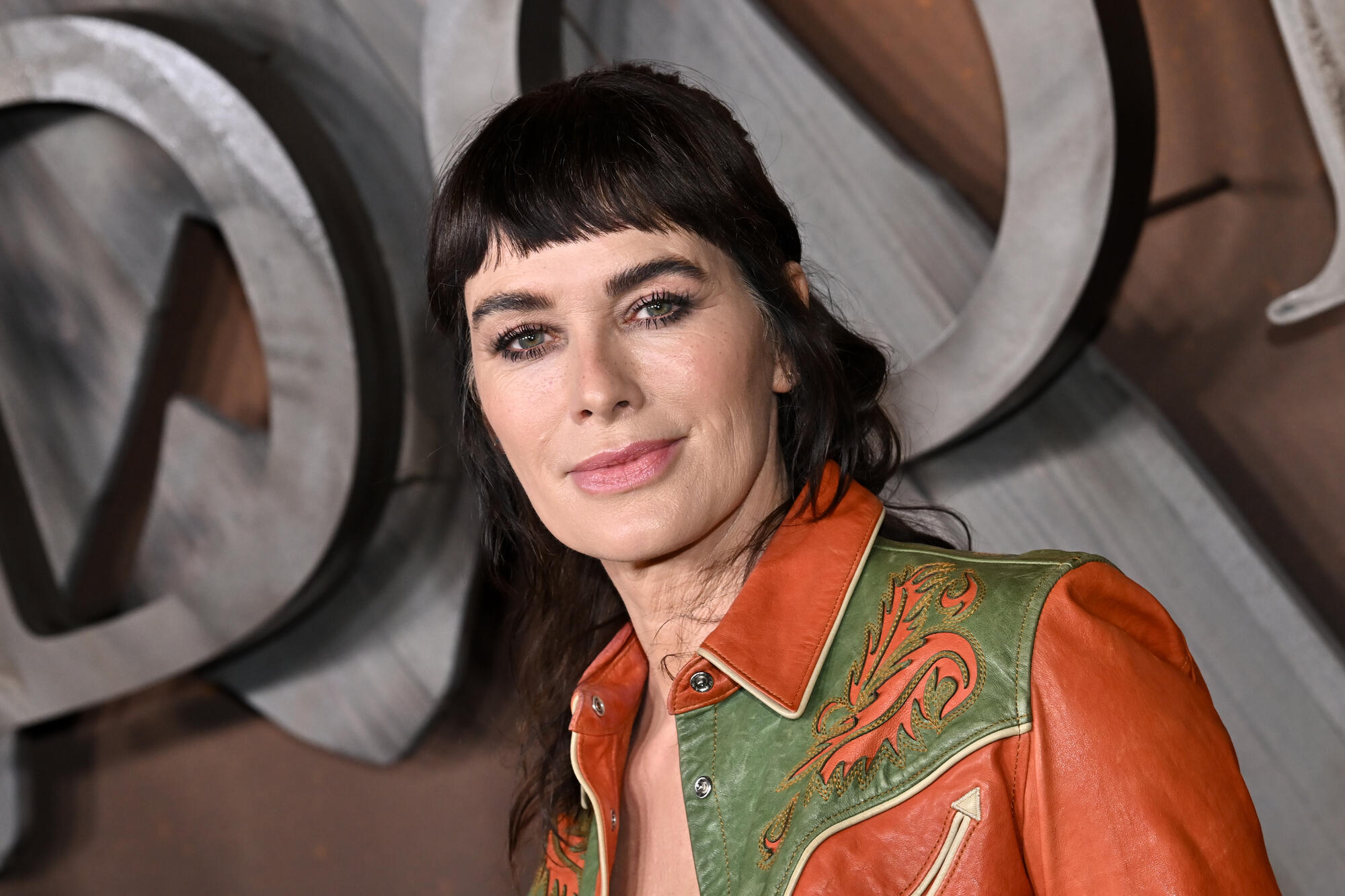
    Lena Headey, known for her portrayal of Cersei Lannister in HBO’s hit series ‘Game of Thrones,’ has recently spoken out against Hollywood’s perceived culture of protecting ‘predatory men.’ She also detailed her surprise at the strong negative reactions from a segment of ‘Game of Thrones’ fans regarding her character’s lack of nudity. These statements bring renewed attention to critical issues within the entertainment industry, including workplace ethics and the often-toxic nature of online fan communities.

    Headey’s comments contribute to a broader conversation that has gained significant momentum in recent years. This discourse centers on accountability, power dynamics, and the treatment of individuals, particularly women, in high-profile industries.

    Hollywood’s Culture of Protection

    Headey’s critique of Hollywood extends to what she describes as a systemic issue. She asserts that the industry has historically shielded individuals accused of misconduct. This protection, she suggests, has allowed certain behaviors to persist unchecked for extended periods.

    Her remarks echo sentiments from numerous other figures within the entertainment world. Many have come forward to share their experiences or observations of similar patterns.

    The discussion around ‘predatory men’ in Hollywood intensified significantly in the mid-2010s. This period saw the emergence of major movements advocating for greater transparency and justice.

    These movements have led to reevaluations of long-standing practices and power structures within film and television production.

    The ‘Game of Thrones’ Nudity Backlash

    Beyond industry ethics, Headey also addressed the specific reactions from ‘Game of Thrones’ fans. She recounted a palpable anger from some viewers who were displeased that her character, Cersei Lannister, did not perform nude scenes.

    Headey described her shock at the intensity of this backlash. Her character was central to many of the show’s most dramatic and politically charged storylines.

    The actress had a body double for certain scenes, a common practice in the industry. This decision, however, did not appease all viewers, leading to significant online commentary.

    This fan reaction highlights a persistent issue within media consumption: the objectification of female characters and performers. It also underscores the often-unrealistic expectations placed upon actors regarding their bodies and roles.

    Fan Culture and Toxicity

    The anger Headey observed from ‘Game of Thrones’ fans is symptomatic of a wider phenomenon. This phenomenon is known as toxic fandom. Toxic fandom involves aggressive, entitled, or abusive behavior from fans towards creators, actors, or other fans.

    Online platforms often amplify such behaviors. These platforms provide an immediate, sometimes anonymous, avenue for expressing extreme views.

    The ‘Game of Thrones’ series, while immensely popular, also experienced significant periods of intense fan scrutiny and criticism. This ranged from plot decisions to character portrayals and actor performances.

    Headey’s experience adds to a growing body of evidence detailing the challenges actors face in navigating these often-demanding and sometimes hostile fan environments.

    Body Autonomy in Performance

    The controversy surrounding Headey’s decision not to perform nude scenes directly relates to the concept of body autonomy. This principle asserts an individual’s right to control their own body and physical integrity.

    For actors, especially women, this often translates to decisions about nudity, sexual content, and physical performance. These choices are made within the context of their professional roles.

    Headey’s stance underscores the importance of an actor’s right to set boundaries. These boundaries apply even when playing characters in highly sexualized or explicit narratives.

    The expectation from some fans that an actress must perform nude if the character’s storyline implies it raises ethical questions about consent and professional agency in the arts.

    Impact on Industry Standards

    Headey’s public statements contribute to an ongoing shift in industry standards. There is a push for greater ethical conduct and improved working conditions.

    Organizations and unions within Hollywood have implemented new guidelines. These are designed to protect actors and crew members from harassment and exploitation.

    The conversation initiated by Headey and others helps to reinforce these changes. It also encourages a continued reevaluation of power dynamics on set and in executive offices.

    The long-term impact of these discussions aims to foster a more respectful and equitable environment for all involved in film and television production.

    Cersei Lannister’s Legacy

    Headey’s portrayal of Cersei Lannister remains one of the most iconic characters in modern television. Cersei was a complex figure, embodying ambition, resilience, and ruthless determination.

    Her character arc spanned the entirety of ‘Game of Thrones,’ from its premiere in 2011 to its conclusion in 2019. Cersei’s journey included political maneuvering, personal tragedies, and a relentless pursuit of power.

    Headey received critical acclaim for her performance. She earned multiple Emmy Award nominations for Outstanding Supporting Actress in a Drama Series. Her acting was consistently praised for its depth and nuance.

    The strength of her performance, independent of any nude scenes, highlighted the power of character development and acting skill. This challenged the notion that nudity is essential for a compelling female role.

    The Broader Conversation

    Headey’s comments are part of a larger, evolving dialogue. This dialogue encompasses issues of gender equality, workplace safety, and the responsibilities of public figures.

    The entertainment industry, as a highly visible sector, often serves as a microcosm for these societal challenges. Its struggles and advancements are frequently scrutinized by the public.

    Discussions about the treatment of women in film and television continue to shape policy and cultural expectations. These conversations extend beyond Hollywood, influencing other professional fields.

    The courage of individuals like Headey to speak out helps to maintain momentum for these critical social changes.

    Hollywood’s power structures are being re-examined. Fan expectations are being challenged. The conversation continues.

    Accountability. Respect. Autonomy. Progress.

  • Hudson Williams Confronts Autograph Hounds in Viral Video

    Hudson Williams Confronts Autograph Hounds in Viral Video

    The Viral Confrontation

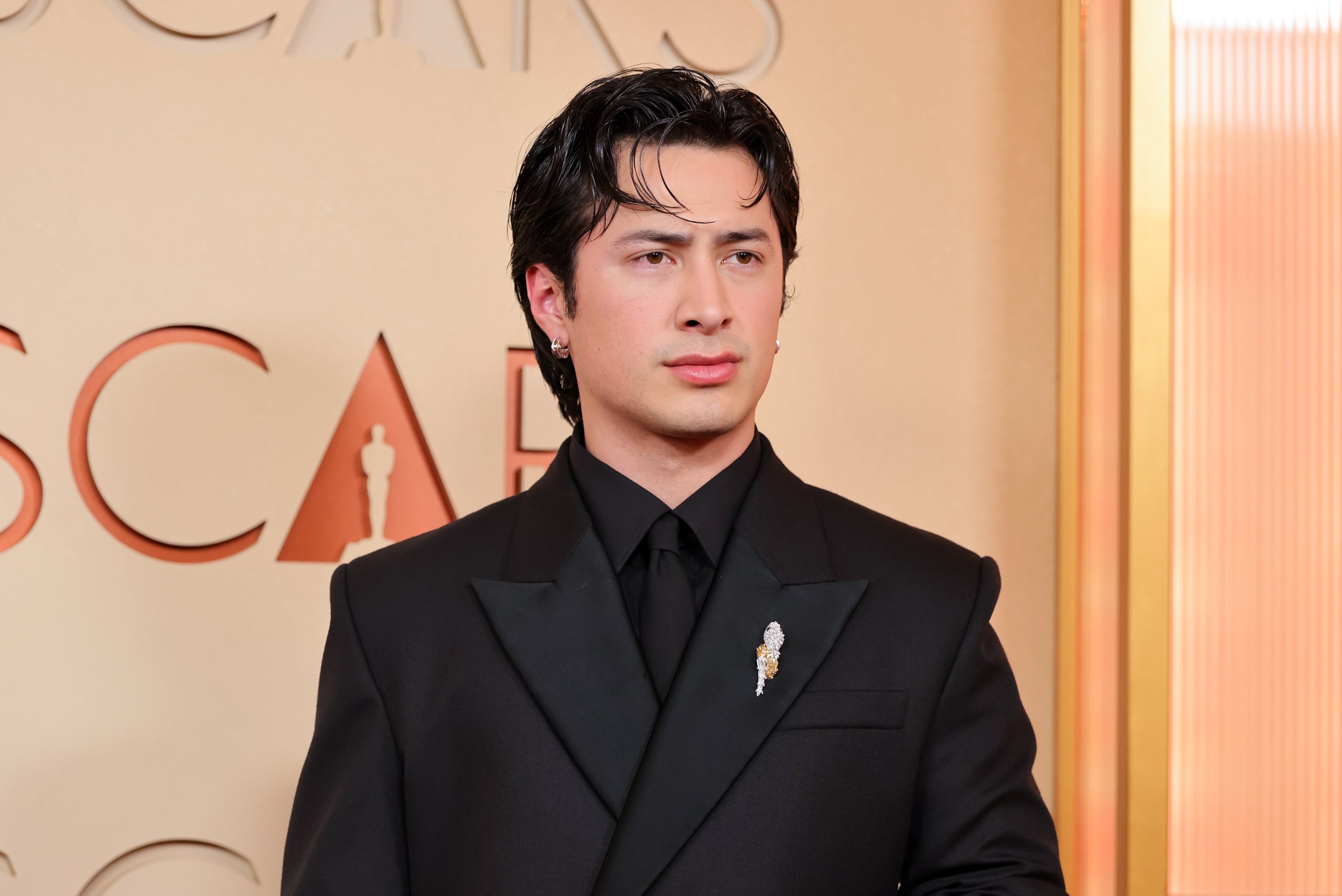
    Actor Hudson Williams recently gained significant attention after a video of him confronting autograph seekers outside his private residence went viral. The footage shows Williams expressing clear frustration and directly asking the individuals to leave his property, stating, “Please f—ing leave.” This incident has sparked a broad public conversation regarding the boundaries of celebrity privacy and the conduct of fans and autograph collectors.

    The video, timestamped sometime in late June 2026, quickly circulated across social media platforms, including X (formerly Twitter), Instagram, and TikTok. Millions viewed the clip within hours of its upload. The immediate public response was varied, reflecting differing perspectives on the rights of public figures and the expectations placed upon them.

    Williams’ direct language and visible distress resonated with many who champion the right to personal space. Others, however, criticized his tone or defended the actions of the autograph seekers, arguing that celebrities inherently sign away some privacy.

    The Incident Unfolds

    The confrontation occurred outside what is believed to be Williams’ Los Angeles-area home. Details surrounding how the autograph seekers identified and followed Williams to his private residence remain unclear. Eyewitness accounts suggest the group had been waiting for an extended period.

    The viral video begins with Williams exiting a vehicle, presumably after returning home. He immediately notices the individuals gathered near his driveway. Their presence appears to trigger his response.

    Williams approaches the group directly. His body language indicates a desire to resolve the situation quickly. He addresses them without hesitation, his voice firm but audibly strained.

    The video captures Williams articulating his distress. He explicitly states that his home is not a public venue for autographs or fan interactions. His demand for them to leave underscores the invasion of privacy he felt at that moment.

    Celebrity Privacy in the Digital Age

    The incident involving Hudson Williams highlights a persistent tension in the entertainment industry. Celebrities, by the nature of their profession, exist in the public eye. This exposure often blurs the lines between their professional lives and personal lives.

    The advent of social media and pervasive mobile recording devices has intensified this blurring. Every interaction, public or private, carries the potential to become a viral sensation. This constant surveillance can erode a sense of personal security and anonymity.

    For many public figures, their home remains one of the last bastions of privacy. It is a sanctuary from the relentless demands of fame. When this boundary is breached, it often leads to significant distress.

    Past incidents involving other celebrities underscore this point. In 2023, actor Jennifer Lawrence spoke out about paparazzi following her children. In 2024, musician Billie Eilish discussed the anxiety caused by fans knowing her home address.

    The Hudson Williams video adds another prominent example to this ongoing debate. It forces a reconsideration of the unspoken rules governing fan-celebrity interactions, particularly concerning private residences.

    The Autograph Hound Economy

    The individuals Williams confronted were identified by some online commentators as professional autograph seekers, often referred to as “autograph hounds.” These individuals typically gather autographs from celebrities with the intent of reselling them for profit.

    The market for celebrity autographs can be lucrative. Signed memorabilia from prominent actors, musicians, and athletes can fetch hundreds or even thousands of dollars online. Websites like eBay and specialized auction houses facilitate this trade.

    This economic incentive drives some individuals to extreme lengths. They may spend hours staking out locations where celebrities are known to frequent, including film sets, airports, and even homes. The pursuit is often relentless.

    Critics of professional autograph seekers argue that their methods can be intrusive and exploitative. They contend that these individuals often prioritize profit over respect for personal boundaries.

    Conversely, some professional collectors argue they are legitimate entrepreneurs fulfilling a demand. They maintain that celebrities, by virtue of their public status, should expect a certain level of public interaction, even outside traditional venues.

    Legal and Ethical Considerations

    The incident raises several legal and ethical questions. In many jurisdictions, including California where Williams resides, individuals have a reasonable expectation of privacy within their homes and on their private property.

    Trespassing laws generally prohibit unauthorized entry onto private land. While the video does not explicitly show the autograph seekers physically on Williams’ private property, their proximity to his residence and his demand for them to leave suggest a perceived violation of his personal space.

    The act of filming a person in a public space is generally permissible. However, filming someone on their private property without consent can enter a legal gray area, especially if it constitutes harassment or contributes to stalking behavior.

    Ethically, the situation prompts a discussion about respect and empathy. Is it ethical to pursue a public figure to their private home for a signature, regardless of legal standing? Many argue that such actions cross a line of basic human decency.

    The entertainment industry has long grappled with these issues. Organizations representing actors and other public figures often advocate for stronger privacy protections. They seek to balance public interest with individual rights.

    Public Reaction and Support for Williams

    The public reaction to the Hudson Williams video has largely leaned towards supporting the actor. Many social media users expressed outrage at the autograph seekers’ behavior.

    Comments across platforms frequently highlighted the need for celebrities to have private lives. Users emphasized that being famous does not negate fundamental rights to personal space and security.

    “His home is his sanctuary, not a meet-and-greet,” one user posted on X. Another commented, “Imagine being followed to your own house. It’s harassment, plain and simple.”

    Several fellow celebrities also weighed in, offering support to Williams. They shared their own experiences with intrusive fans and paparazzi, underscoring the systemic nature of the problem.

    This outpouring of support suggests a growing public awareness and empathy for the challenges faced by public figures. It indicates a potential shift in public perception, moving away from an expectation of unlimited access to celebrities.

    The Broader Conversation on Fan Culture

    The Hudson Williams incident is part of a larger, evolving conversation about fan culture. The digital age has transformed how fans interact with their idols. While some interactions are positive and respectful, others can become problematic.

    The concept of parasocial relationships, where fans develop one-sided emotional attachments to public figures, plays a role. These relationships can sometimes lead to fans feeling entitled to a celebrity’s time and attention, even in private settings.

    The rise of online fan communities, while often supportive, can also foster environments where extreme behaviors are normalized or even encouraged. The pursuit of rare content or exclusive interactions can escalate.

    Ultimately, the discussion around the Williams video is a call for greater mindfulness. It urges fans to consider the human element behind the celebrity persona. Respect for personal boundaries, even for those in the spotlight, remains paramount.

    The entertainment industry, public figures themselves, and fan communities all play a role in shaping these norms. Clearer guidelines and a renewed emphasis on ethical conduct could help mitigate future incidents.

    Celebrities navigate a complex world. They balance public engagement with personal well-being. They seek connection with their audience. They also deserve peace.

    Privacy. Respect. Boundaries.

    Hudson Williams.