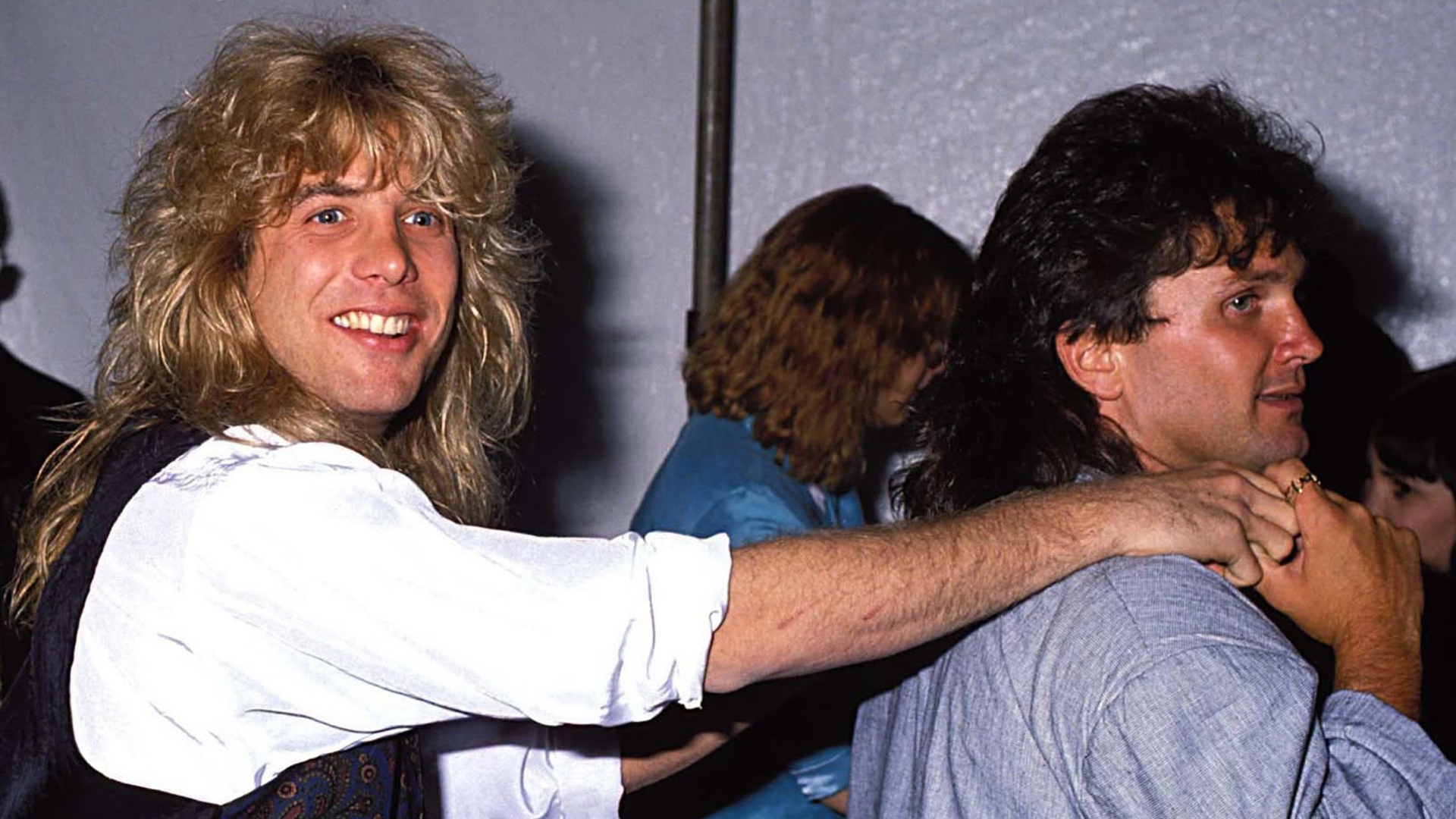
Doug Goldstein, the long-serving manager for the acclaimed rock band Guns N’ Roses, passed away at the age of 65. His death was announced on 2026-06-27, marking the end of an era for a figure central to one of rock music’s most storied groups. Goldstein’s management career with Guns N’ Roses extended from 1991 to 2002, a period defined by both immense commercial success and profound internal strife.
His tenure covered the release of the multi-platinum ‘Use Your Illusion I’ and ‘Use Your Illusion II’ albums, as well as the ‘The Spaghetti Incident?’ cover album. These years cemented Guns N’ Roses’ status as global rock icons. Goldstein navigated the band through extensive world tours and the escalating personal and creative tensions that ultimately led to the departure of several key members.
The Ascent of a Rock Giant
Guns N’ Roses formed in Los Angeles in 1985. Their debut album, ‘Appetite for Destruction,’ released in 1987, sold over 30 million copies worldwide. This established the band as a dominant force in hard rock. The original lineup included Axl Rose on vocals, Slash and Izzy Stradlin on guitars, Duff McKagan on bass, and Steven Adler on drums.
By the time Doug Goldstein took over management in 1991, the band was already a global phenomenon. However, internal dynamics were becoming increasingly complex. Adler had been replaced by Matt Sorum on drums in 1990. The band was preparing for the simultaneous release of their ambitious ‘Use Your Illusion’ albums.
These albums, released on September 17, 1991, were a massive commercial success. They debuted at No. 1 and No. 2 on the Billboard 200 chart, selling millions of copies. The accompanying ‘Use Your Illusion Tour’ was one of the longest concert tours in rock history, spanning from 1991 to 1993. Goldstein was instrumental in coordinating this monumental undertaking.
Navigating the Illusion Era
The ‘Use Your Illusion Tour’ was legendary for its scale and its controversies. It included 192 shows across 27 countries. Goldstein was responsible for managing the logistics, finances, and personnel involved in such a massive operation. This period saw the band reach its commercial peak, playing to millions of fans worldwide.
However, the tour also highlighted the growing rifts within the band. Izzy Stradlin departed in November 1991, replaced by Gilby Clarke. These lineup changes and the intense pressure of constant touring contributed to a volatile environment. Goldstein’s role often involved mediating disputes and managing the strong personalities within the group, particularly Axl Rose.
His approach was often characterized by a deep loyalty to Rose. This loyalty was a defining feature of his management style. He worked to protect Rose’s vision for the band, even as other members expressed frustration with the demanding schedules and internal conflicts.
Post-Illusion Challenges
Following the ‘Use Your Illusion’ era, the band released ‘The Spaghetti Incident?’ in 1993. This album of punk and hard rock covers was less commercially successful than its predecessors. It was the last album to feature Slash and Duff McKagan before their initial departures.
The mid-1990s saw a period of increasing inactivity for Guns N’ Roses. Slash officially left the band in 1996, followed by McKagan in 1997. Goldstein remained as manager during this time, working with Axl Rose as he attempted to rebuild the band. This proved to be a challenging endeavor, marked by false starts and prolonged periods of recording without new material releases.
Goldstein’s persistence during these lean years underscored his commitment. He continued to manage Rose’s interests and the Guns N’ Roses brand. This was despite the significant decline in the band’s public profile and touring activity.
Departure and Legacy
Doug Goldstein’s management of Guns N’ Roses concluded in 2002. His departure marked a significant shift in the band’s operational structure. The reasons for his exit were not extensively detailed publicly, but they coincided with Axl Rose’s renewed efforts to bring a new iteration of Guns N’ Roses to the forefront.
In the years following his departure, Goldstein occasionally spoke about his time with the band. He offered insights into the complex dynamics and the challenges of managing such a high-profile, yet fractured, group. His accounts often emphasized the creative genius of the band members, alongside the personal difficulties they faced.
Goldstein’s legacy remains tied to the band’s most iconic and turbulent period. He was the manager during their greatest commercial successes and their most significant internal struggles. He witnessed firsthand the highs of stadium tours and the lows of interpersonal conflicts. His contributions helped shape the business and logistical aspects of Guns N’ Roses’ global dominance.
The Manager’s Role in Rock History
The role of a rock band manager is multifaceted. It involves business negotiations, tour logistics, media relations, and often, personal counseling. For a band like Guns N’ Roses, with its reputation for unpredictability, this role was particularly demanding. Goldstein operated at the intersection of artistic ambition and commercial reality.
He was responsible for securing lucrative deals, managing vast sums of money, and coordinating the efforts of hundreds of people. This was necessary to bring the band’s elaborate stage shows to life. His work behind the scenes facilitated the band’s ability to connect with millions of fans globally.
Goldstein’s death prompts reflection on the often-unseen figures who enable rock stardom. Managers like him are the architects of tours, the negotiators of contracts, and sometimes, the confidantes of artists. They play a crucial role in shaping the careers and legacies of musical acts.
His passing allows fans and industry observers to consider the immense pressures. These pressures are inherent in managing a band of Guns N’ Roses’ stature. It also highlights the dedication required to sustain such a career, even amidst chaos.
The music industry is built on the contributions of many individuals. These individuals range from the artists themselves to the technical crews and the management teams. Doug Goldstein was a significant part of that intricate machinery. He helped define an era of rock music through his work with Guns N’ Roses.
His passing marks a moment of remembrance for his contributions. It also serves as a reminder of the complex narratives that unfold behind the scenes of global rock bands.