Tag: Gaming Industry

  • Hasbro’s Strategic Pivot: Digital Cuts, ‘Magic: The Gathering’ Expansion

    Hasbro’s Strategic Pivot: Digital Cuts, ‘Magic: The Gathering’ Expansion

    Hasbro’s Digital Reset and Tabletop Recommitment

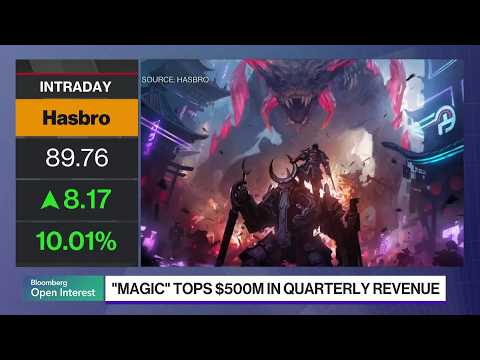
    Hasbro has announced a strategic shift in its entertainment portfolio. The company is discontinuing several digital game development projects. This decision accompanies a simultaneous commitment to significantly increase investment in its long-standing collectible card game, ‘Magic: The Gathering’. The move signals a clear prioritization of established, high-performing intellectual property within the company’s diverse holdings.

    This pivot resonates with a segment of the gaming community. Many fans express a protective stance towards traditional tabletop games. They often view these physical experiences as distinct from digital trends. Hasbro’s decision appears to align with this sentiment, reinforcing the value of its foundational intellectual properties.

    The Evolving Landscape of Play

    The entertainment industry continues to evolve at a rapid pace. Consumers engage with content across numerous platforms, from physical board games to complex digital ecosystems. Companies like Hasbro navigate this complex environment, seeking to maximize returns on their extensive intellectual property libraries. This often involves balancing new ventures with established successes.

    For decades, Hasbro has been a dominant force in the toy and game market. Its portfolio includes iconic brands such as Monopoly, G.I. Joe, Transformers, and Dungeons & Dragons. The company’s digital strategy has historically aimed to extend these brands into new interactive formats. However, not all digital ventures yield the expected results.

    The current market conditions present unique challenges. Development costs for digital games can be substantial. Competition is fierce, with thousands of new titles released annually. Companies must make difficult choices regarding resource allocation and project viability.

    ‘Magic: The Gathering’: A Consistent Performer

    ‘Magic: The Gathering’ stands as a cornerstone of Hasbro’s Wizards of the Coast division. Created by Richard Garfield, the game first launched in 1993. It pioneered the collectible card game genre. The game combines strategic depth with an ever-expanding universe of lore and characters.

    Over its 33-year history, ‘Magic: The Gathering’ has maintained a dedicated global player base. Organized play, new set releases, and a vibrant secondary market contribute to its sustained success. The game’s appeal transcends demographic boundaries, attracting both casual players and competitive professionals.

    Wizards of the Coast reported significant revenue growth from ‘Magic: The Gathering’ in recent years. This consistent performance positions the game as a reliable revenue driver for Hasbro. The decision to double down on this franchise is a direct response to its proven profitability and enduring cultural relevance.

    Digital Adaptations of ‘Magic’

    ‘Magic: The Gathering’ has seen various digital adaptations. ‘Magic: The Gathering Online’ (MTGO) launched in 2002. It provides a platform for online play and card collection. ‘Magic: The Gathering Arena’ (MTG Arena) followed in 2018. MTG Arena offers a more modern, free-to-play experience designed to attract new players. Both platforms contribute to the franchise’s overall ecosystem.

    The increased investment in ‘Magic: The Gathering’ likely encompasses these digital platforms. It may involve enhanced development for MTG Arena, new features for MTGO, or further integration of digital and physical play. The goal is to strengthen the entire ‘Magic’ brand, regardless of the specific medium.

    The Business of Digital Entertainment

    Developing digital games is a complex and often high-risk endeavor. Even established companies face challenges in this sector. Market trends shift rapidly. Player preferences evolve. Technological advancements necessitate continuous adaptation.

    Hasbro’s decision to cancel certain digital projects suggests a rigorous evaluation process. Projects may be terminated due to underperformance, high development costs relative to projected returns, or a misalignment with strategic objectives. This is a common practice in the software and gaming industries, where agile development often involves iterating and sometimes discontinuing projects that do not meet benchmarks.

    “We are constantly evaluating our portfolio to ensure we are investing in the most promising opportunities,” a Hasbro spokesperson stated regarding the strategic adjustments. “Our focus remains on delivering exceptional entertainment experiences across all our brands.” This statement, while generalized, underscores the corporate philosophy driving such decisions.

    <

    Impact on the Gaming Community

    The news will likely be met with mixed reactions within the gaming community. Fans of the canceled digital projects may express disappointment. These projects often build dedicated followings during their development phases. However, the broader community may see this as a positive sign for ‘Magic: The Gathering’.

    For players who value physical card games and tabletop experiences, the increased investment in ‘Magic: The Gathering’ reinforces the longevity of their preferred medium. It suggests that Hasbro recognizes the unique appeal of tangible play. This segment of the market has demonstrated remarkable resilience, even in an increasingly digital world.

    The decision also highlights the importance of intellectual property management. Companies must nurture their most valuable assets. ‘Magic: The Gathering’ represents a highly successful and culturally significant property. Its continued growth is vital to Hasbro’s long-term financial health.

    Strategic Implications for Hasbro

    Hasbro’s strategic pivot carries several implications for the company’s future. It indicates a move towards consolidating resources around its most reliable and profitable ventures. This can lead to increased efficiency and stronger financial performance in the short to medium term.

    The company may be aiming to reduce risk exposure in the volatile digital games market. By focusing on a proven entity like ‘Magic: The Gathering’, Hasbro can leverage existing infrastructure, fan loyalty, and development expertise. This approach can yield more predictable returns compared to launching new, unproven digital titles.

    Furthermore, this move could influence how Hasbro approaches future digital initiatives. The company may adopt a more selective approach, focusing on digital projects that directly enhance or extend its core tabletop brands. This could lead to more integrated experiences between physical and digital play. The long-term strategy for digital engagement will be closely watched by investors and industry analysts.

    The Future of Tabletop Gaming

    Tabletop gaming, including board games, role-playing games, and collectible card games, has experienced a resurgence in recent years. This growth is driven by a desire for social interaction, tactile experiences, and deep strategic engagement. ‘Magic: The Gathering’ is a prime example of this enduring appeal.

    The investment by Hasbro into ‘Magic: The Gathering’ reaffirms the company’s belief in the future of tabletop play. It signals that physical games are not merely relics of the past. They remain dynamic, innovative, and highly profitable segments of the entertainment industry. This commitment ensures that ‘Magic: The Gathering’ will continue to evolve, offering new content and experiences to its global player base for years to come.

    Companies adapt. Markets shift. Resources are allocated. Focus narrows. Investments increase. ‘Magic: The Gathering’ continues.
  • Fallout 5 and Elder Scrolls 6: Bethesda’s Development Priorities

    Fallout 5 and Elder Scrolls 6: Bethesda’s Development Priorities

    Bethesda Softworks has confirmed that ‘Fallout 5’ is currently in pre-production, while ‘The Elder Scrolls 6’ remains the studio’s primary development focus. This strategic prioritization was outlined by studio chief Todd Howard, providing clarity on the future of two of gaming’s most anticipated titles amidst a period of significant workforce adjustments within Xbox.

    Bethesda’s Dual Fronts: Fallout and Elder Scrolls

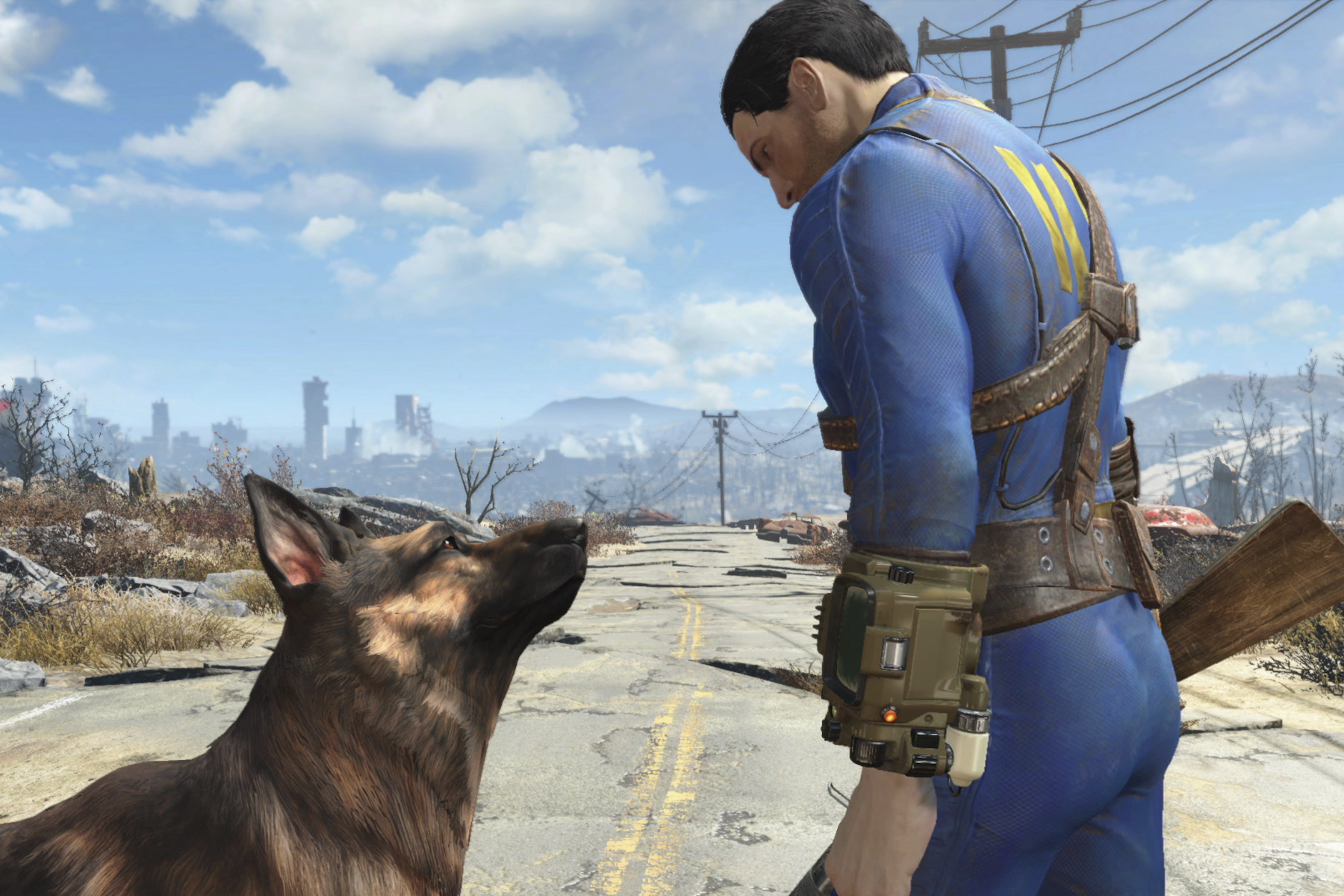
    The confirmation of ‘Fallout 5’ entering pre-production marks a significant milestone for fans of the post-apocalyptic role-playing series. This stage of development typically involves concept design, story outlines, and preliminary technical planning.

    However, the emphasis on ‘The Elder Scrolls 6’ as the ‘primary development focus’ indicates where the bulk of Bethesda’s resources are currently allocated. This long-awaited fantasy epic has been a subject of intense speculation since its initial announcement.

    Todd Howard’s statements aim to manage expectations and provide a roadmap for the studio’s immediate future. The simultaneous progression of these two tentpole franchises requires careful resource management and strategic planning.

    The Scope of ‘The Elder Scrolls 6’

    ‘The Elder Scrolls 6’ represents Bethesda’s next major single-player RPG. Development on the title began following the release of ‘Starfield’ in September 2023.

    The scale of an Elder Scrolls game demands extensive development cycles. These titles are known for their expansive open worlds, deep lore, and intricate gameplay systems.

    Fans have waited over a decade since ‘The Elder Scrolls V: Skyrim’ was released in November 2011. The anticipation for its successor has only grown in the intervening years.

    Bethesda has historically taken its time with its flagship RPGs, prioritizing quality and scope over rapid release schedules.

    ‘Fallout 5’ Enters the Pipeline

    The pre-production status of ‘Fallout 5’ suggests that active development, including full-scale asset creation and coding, is still some time away. Pre-production is a crucial phase for laying foundational elements.

    This phase allows developers to experiment with new mechanics, refine the game’s core themes, and establish the technological framework. It is a period of intense creative exploration.

    The success of the ‘Fallout’ television series on Amazon Prime Video, which premiered in April 2024, has reignited widespread interest in the franchise. This surge in popularity likely influences the strategic timing of development announcements.

    The series brought the ‘Fallout’ universe to a broader audience, potentially expanding the market for future game titles.

    Impact of Xbox Layoffs on Bethesda

    The development updates from Bethesda arrive in the context of recent layoffs across various Xbox divisions. These workforce reductions have affected numerous employees within Microsoft’s gaming arm.

    The layoffs have been part of broader restructuring efforts within the technology and gaming sectors. Economic pressures and shifts in market strategy often drive such decisions.

    While the specific impact on Bethesda’s internal teams for ‘Fallout 5’ and ‘The Elder Scrolls 6’ has not been fully detailed, the studio chief’s comments serve to reassure stakeholders about core project stability.

    Industry analysts have noted a trend of consolidation and efficiency drives across major publishers. This often leads to difficult personnel decisions.

    Broader Industry Trends

    The video game industry has experienced a period of significant growth and consolidation. However, it has also faced challenges such as rising development costs and increased competition.

    Companies like Microsoft, which owns Xbox and Bethesda, are continuously evaluating their portfolios and operational efficiencies. This evaluation can lead to strategic shifts in staffing and project focus.

    The current climate emphasizes the importance of established, high-value intellectual properties. Franchises like ‘Fallout’ and ‘The Elder Scrolls’ represent significant investments and potential returns.

    Developers and publishers are navigating a complex landscape that balances creative ambition with financial realities.

    Todd Howard’s Leadership and Vision

    Todd Howard, a veteran of Bethesda Softworks, has been instrumental in shaping both the ‘Fallout’ and ‘The Elder Scrolls’ series. His vision guides the creative direction of these expansive worlds.

    Howard’s public statements often provide rare glimpses into the studio’s long-term plans. His recent comments underscore a clear strategic direction for Bethesda’s flagship titles.

    He has consistently emphasized Bethesda’s commitment to creating immersive, player-driven experiences. This philosophy underpins the design of their open-world RPGs.

    His leadership is critical in steering complex projects like ‘The Elder Scrolls 6’ through extensive development cycles.

    Technological Advancements and Game Engines

    Both ‘Fallout 5’ and ‘The Elder Scrolls 6’ are expected to leverage advancements in game engine technology. Bethesda’s proprietary Creation Engine has undergone continuous evolution.

    The Creation Engine 2, which powered ‘Starfield’, is likely to be the foundation for ‘The Elder Scrolls 6’. This engine promises enhanced graphics, physics, and world-building capabilities.

    For ‘Fallout 5’, the engine choice will be crucial in defining its visual style and gameplay mechanics. Each iteration aims to push the boundaries of what is possible in open-world design.

    Technological innovation is a key driver for Bethesda’s ambition to deliver vast and detailed game worlds.

    Anticipation and Fan Expectations

    The announcements have naturally generated significant discussion among the gaming community. Fans of both ‘Fallout’ and ‘The Elder Scrolls’ are eager for more details.

    The long wait for ‘The Elder Scrolls 6’ has built immense anticipation. Every piece of information is scrutinized for clues about its setting, story, and gameplay features.

    Similarly, the confirmation of ‘Fallout 5’ has excited fans of the irradiated wasteland. The success of the TV show has only amplified this excitement.

    Managing these high expectations is a constant challenge for game developers. Bethesda’s strategy appears to be one of measured communication, revealing details only when they are firmly established.

    The Future of Bethesda’s RPGs

    Bethesda Softworks remains a cornerstone of the RPG genre. Its commitment to these two major franchises signals a continued focus on large-scale, narrative-driven experiences.

    The simultaneous development, even if staggered in intensity, demonstrates the studio’s capacity to manage multiple high-profile projects.

    The future releases of ‘The Elder Scrolls 6’ and ‘Fallout 5’ will be pivotal moments for the studio and the broader gaming industry.

    These games are expected to set new benchmarks for open-world design and player engagement.

    The Road Ahead

    The journey from pre-production to release is often long and complex. ‘Fallout 5’ has just begun this path.

    ‘The Elder Scrolls 6’ is further along, but still without a firm release window. Development timelines for games of this magnitude can span many years.

    Bethesda’s strategy under Xbox ownership will continue to be watched closely. The integration into Microsoft’s ecosystem brings both resources and strategic alignment.

    The announcements provide clarity. They also underscore the dedication required to bring these ambitious virtual worlds to life.

    Anticipation builds. Development continues. The future of two iconic RPG franchises takes shape.

    Bethesda.

  • Ubisoft Co-Founder Claude Guillemot Dies in Plane Crash at 69

    Ubisoft Co-Founder Claude Guillemot Dies in Plane Crash at 69

    The End of an Era in French Gaming

    Claude Guillemot, the co-founder of global video game publisher Ubisoft Entertainment SA, died on June 19, 2026, when his private twin-engine aircraft crashed near Rennes, France. He was 69 years old. The French civil aviation authority, the Bureau d’Enquêtes et d’Analyses (BEA), confirmed the fatal incident early Saturday morning. There were no survivors. Emergency crews secured the debris field shortly after dusk, but the architect of Europe’s most prominent gaming dynasty was already gone.

    The global video game industry paused. Ubisoft is not just a company in France. It is a cultural export. The publisher behind Assassin’s Creed, Far Cry, and Rainbow Six shaped modern interactive entertainment. Claude Guillemot did not write the code. He did not direct the motion capture. But he built the logistical, financial, and hardware infrastructure that allowed a provincial mail-order business to conquer the world.

    His death triggers immediate shockwaves through the European financial markets. The Guillemot family operates as a unified bloc. Together with Chinese technology giant Tencent, they hold the voting rights that keep Ubisoft independent. The loss of Claude removes a crucial pillar from that defensive wall.

    The Incident in Brittany

    The aircraft departed from a regional airfield in Normandy late Friday afternoon. Weather conditions were reported as clear, with mild crosswinds typical for the Brittany region in late June. Air traffic control lost contact with the transponder at approximately 7:14 PM local time. Radar data showed a rapid descent.

    First responders arrived at a rural agricultural tract outside Rennes within twenty minutes of the distress signal. The resulting fire required specialized aviation foam to extinguish. Local gendarmerie cordoned off the perimeter. By midnight on June 19, the Guillemot family released a brief statement confirming the tragedy.

    “The Guillemot family is devastated to announce the sudden passing of our brother, father, and founder, Claude Guillemot. He was a visionary who believed in the power of technology to connect people. We ask for privacy during this time of profound grief.”

    The BEA has dispatched a team of four investigators to the site. They will examine the airframe, the engines, and the maintenance logs. Preliminary reports are not expected for several weeks. The aviation community will wait for data. The business community must react immediately.

    From Farming to Far Cry

    The story of Ubisoft does not begin in a Silicon Valley garage. It begins in Carentan, a small town in the Normandy region of France. The year was 1986. The five Guillemot brothers, Claude, Yves, Michel, Gérard, and Christian, were working in their parents’ agricultural supply business. They sold fertilizer. They sold farming equipment. They understood logistics.

    In the mid-1980s, French farmers began buying personal computers to manage their accounting. The brothers noticed a trend. The farmers were buying productivity software, but their children wanted games. The margins on video games were significantly higher than the margins on tractor parts. The brothers pivoted.

    They launched Guillemot Informatique, a mail-order business selling video games across France. They imported titles from the United Kingdom and the United States. They realized that distribution was profitable, but ownership was better. In March 1986, they founded Ubi Soft Entertainment. The name stood for “Ubiquitous Software.”

    Claude played a critical role in the early days. While Yves focused on corporate leadership and Michel focused on development, Claude managed the physical reality of the business. Games in the 1980s and 1990s were physical products. They required boxes, manuals, floppy disks, and CD-ROMs. They required warehouse space. They required shipping routes. Claude built the supply chain that allowed Ubisoft to scale from a local distributor to a global publisher.

    The Hardware Pioneer

    While Ubisoft grew into a software behemoth, Claude expanded the family’s reach into hardware. He became the driving force behind Guillemot Corporation, a sister company publicly traded on the Euronext Paris exchange. Guillemot Corporation focused on the physical tools of digital entertainment.

    Under Claude’s leadership, the company acquired Hercules in 1999. Hercules was a legendary name in computer graphics cards and audio equipment. Claude transformed it into a premier brand for digital DJ controllers and audio interfaces. He saw the convergence of gaming and music creation long before the streaming era.

    His most significant hardware triumph was Thrustmaster. Acquired by Guillemot Corporation, Thrustmaster became the gold standard for flight simulation and racing peripherals. When Microsoft released Flight Simulator, Thrustmaster sold the flight sticks. When Sony released Gran Turismo, Thrustmaster sold the racing wheels. Claude understood that hardcore gamers wanted tactile realism.

    He championed the development of the Thrustmaster HOTAS Warthog, a meticulously crafted replica of the A-10C attack aircraft’s flight controls. It retailed for hundreds of dollars. It sold out constantly. Claude proved that the peripheral market was not just about cheap plastic controllers. It was about premium, enthusiast-grade engineering. Guillemot Corporation’s revenue became a vital, diversified asset for the family empire.

    Defending the Empire

    The Guillemot brothers’ unity was tested severely in the modern era. Between 2015 and 2018, Ubisoft faced a hostile takeover attempt by Vivendi, the French media conglomerate led by billionaire corporate raider Vincent Bolloré. Vivendi systematically acquired shares, eventually reaching a 27.3 percent stake in Ubisoft.

    The brothers fought back. They viewed Vivendi as a threat to their creative independence. Claude, operating quietly behind the scenes, was instrumental in holding the family’s voting bloc together. The brothers traveled the world, courting investors in London, New York, and Toronto. They pitched the value of an independent Ubisoft.

    They won. In March 2018, Vivendi agreed to sell its entire stake. The Guillemot brothers had successfully defended their company. But the war left them vulnerable. To secure their position, they needed an ally. They found one in Tencent, the Chinese technology conglomerate.

    The Tencent Alliance

    In September 2022, the Guillemot family made a decisive move to lock down their legacy. Tencent invested 300 million euros into Guillemot Brothers Limited, the family’s holding company. This investment gave Tencent a 49.9 percent economic stake in the holding company, but only 5 percent of the voting rights.

    The deal was a masterpiece of corporate structuring. It allowed the Guillemot brothers to retain operational control of Ubisoft while securing a massive financial backstop. Tencent was legally capped from increasing its direct stake in Ubisoft beyond 9.99 percent for eight years. The family was safe.

    Claude’s signature was on those agreements. His shares in the family trust were part of the calculus. His sudden death in June 2026 introduces a tragic variable into this carefully balanced equation. French corporate law and family trust structures will dictate how his shares are managed, but the psychological impact on the leadership team is immeasurable. Yves Guillemot has lost his brother, his confidant, and his co-founder.

    The 2026 Landscape

    Ubisoft in 2026 is a complex machine. The company employs over 20,000 people across dozens of studios worldwide. It operates in a volatile market. The cost of developing “AAA” video games has skyrocketed, routinely exceeding 200 million dollars per title. Player expectations are punishing. Market trends shift rapidly from live-service multiplayer games to massive single-player role-playing games.

    The company recently navigated a turbulent period of restructuring. They canceled multiple unannounced projects to focus on their core franchises. They doubled down on Assassin’s Creed, expanding it into a multi-game hub platform. They pushed forward with Star Wars Outlaws and their proprietary Snowdrop engine.

    Through all of this, the Guillemot brothers provided continuity. In an industry defined by turnover, the five brothers remained a constant presence. They were the old guard. They remembered the days of 8-bit graphics and mail-order catalogs. They carried that institutional memory into the era of cloud gaming and artificial intelligence.

    The Market Reaction

    Financial markets abhor uncertainty. When the Euronext Paris exchange opens on Monday, June 22, 2026, Ubisoft shares will likely experience volatility. Traders will assess the stability of the Guillemot voting bloc. They will question whether Tencent might seek to renegotiate its position in the wake of the tragedy.

    Guillemot Corporation, where Claude served as the primary visionary, will face even more direct scrutiny. The board of directors will need to convene an emergency session to appoint an interim leader. The hardware supply chain, already sensitive to global semiconductor fluctuations, requires steady guidance.

    Analysts will issue notes to clients. They will point out that Ubisoft’s operational leadership under CEO Yves Guillemot remains intact. They will note that the Tencent agreement provides structural stability. But they will also acknowledge the profound human element. A family business has lost a founding member.

    A Legacy Forged in Code and Silicon

    Claude Guillemot lived to see the industry he helped create become the dominant form of entertainment on the planet. He watched video games surpass the box office and the music industry combined. He watched his family’s name become synonymous with French technological ambition.

    He did not seek the spotlight. While Yves was the public face of Ubisoft at E3 press conferences and quarterly earnings calls, Claude was the engine room. He cared about supply chains. He cared about force-feedback motors in racing wheels. He cared about the physical reality of a digital medium.

    The investigation into the crash will conclude. The legal structures of the family trust will activate. The next Assassin’s Creed will ship. The industry will move forward, because the industry always moves forward. But the foundation of that industry was laid by a few ambitious brothers in Normandy.

    Brothers built it. Code sustained it. Hardware grounded it. Ubisoft.