Tag: Friends

  • Friends Star Lauren Tom’s Daughter Receives Frightening Diagnosis

    Friends Star Lauren Tom’s Daughter Receives Frightening Diagnosis

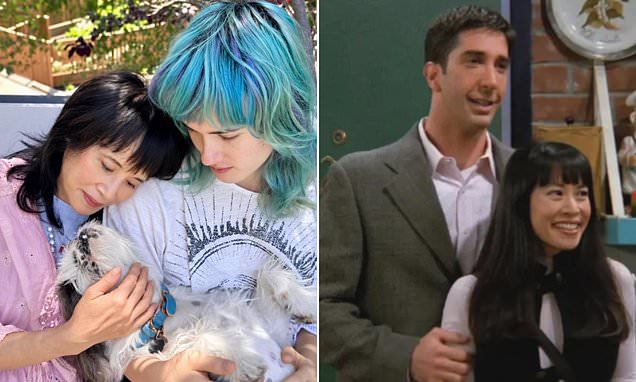
    Actress Lauren Tom, recognized for her portrayal of Julie on the popular television series ‘Friends’, has publicly disclosed that her 25-year-old daughter has received a frightening medical diagnosis. This revelation has led Tom to make a heartfelt plea to her fanbase and the wider public for support and understanding during this challenging time for her family.

    The specific nature of the diagnosis has not been detailed in public statements. Tom’s announcement underscores the personal struggles faced by public figures and their families, often away from the spotlight of their professional careers. The news has resonated with many, drawing an outpouring of empathy.

    Who is Lauren Tom?

    Lauren Tom is an American actress with a career spanning several decades in film, television, and voice acting. Born in Chicago, Illinois, Tom’s distinctive voice and versatile acting skills have made her a recognizable presence in entertainment.

    She gained significant recognition for her recurring role as Julie, Ross Geller’s girlfriend, during the second season of ‘Friends’. This role placed her in one of the most watched sitcoms globally during its original run and subsequent syndication. Her character was central to a key romantic storyline, creating a memorable impact on the show’s narrative.

    Beyond ‘Friends’, Tom has an extensive list of credits. Her live-action roles include appearances in films such as ‘The Joy Luck Club’ (1993) and ‘When a Man Loves a Woman’ (1994). On television, she has featured in series like ‘Grace Under Fire’ and ‘Men in Trees’.

    However, it is her prolific voice acting career that has cemented her status as a prominent figure in animation. She has lent her voice to numerous animated characters across various beloved shows. These include Amy Wong in ‘Futurama’, Minh and Connie Souphanousinphone in ‘King of the Hill’, and Numbuh 3 (Kuki Sanban) in ‘Codename: Kids Next Door’. Her work in animation has earned her a dedicated following.

    Tom’s career demonstrates a consistent presence in the entertainment industry, adapting to different mediums and roles. Her public profile has often been associated with her professional achievements, making this personal revelation particularly impactful for her followers.

    The Nature of the Announcement

    The announcement regarding her daughter’s health was made through public channels, likely social media or a direct statement to media outlets. This method of communication is common for public figures who wish to share personal news while controlling the narrative.

    The term ‘frightening diagnosis’ suggests a serious medical condition. Without further details, speculation about the specific illness remains unsubstantiated. Public figures often choose to keep such sensitive information private, or to share it in broad terms to maintain a degree of family privacy.

    Tom’s plea to fans indicates a need for either emotional support, understanding, or potentially a call to action. In many cases, celebrities use their platform to raise awareness for specific diseases, to encourage donations to research foundations, or to foster a sense of community during difficult times.

    The timing of such announcements can be strategic, often made when families feel ready to share their struggles or when they believe public awareness could be beneficial. For Tom, sharing this news signifies a moment of vulnerability and trust in her audience.

    The Impact on Public Figures and Their Families

    Public figures like Lauren Tom navigate a complex relationship with the public. Their professional lives are often under scrutiny, and their personal lives, though often guarded, can become subjects of public interest, especially during crises.

    The families of celebrities also experience this unique dynamic. Children, spouses, and other relatives often find their lives indirectly impacted by the fame of their family member. When health issues arise, this can lead to a delicate balance between seeking privacy and leveraging a platform for support.

    The decision to go public with a personal health crisis is never taken lightly. It involves weighing the potential benefits of public support against the loss of privacy. For Tom, the ‘frightening diagnosis’ of her 25-year-old daughter was significant enough to warrant this public disclosure.

    The outpouring of support that often follows such announcements can be a source of comfort for families. It can create a sense of solidarity and reduce feelings of isolation. Conversely, it can also open the door to unwanted attention or speculation, which families must then manage.

    Community Response and Empathy

    The immediate response to such news from a beloved public figure is typically one of widespread empathy and concern. Fans who have followed Tom’s career for years often feel a connection to her, extending their well wishes to her family.

    Social media platforms become avenues for expressing support. Messages of hope, prayers, and personal stories of overcoming similar challenges often flood comment sections and fan pages. This collective show of support can be a powerful emotional resource for those facing difficult medical journeys.

    The incident also highlights the shared human experience of illness and vulnerability. Regardless of celebrity status, families grapple with the emotional, logistical, and financial challenges that accompany serious diagnoses. Public empathy bridges the gap between the public persona and the private struggle.

    Organizations dedicated to specific diseases often see an increase in awareness or donations following such high-profile announcements. While the specific diagnosis is unknown in this case, the general call for support can still inspire acts of kindness and generosity within the community.

    The Role of Advocacy

    While the exact nature of Tom’s plea is not fully detailed, such public statements often evolve into forms of advocacy. Celebrities frequently use their platforms to champion causes related to their personal experiences.

    If the diagnosis were to be revealed later, it is possible that Tom could become an advocate for research, treatment, or awareness for that particular condition. This has been observed with many other public figures who have shared their family’s health struggles.

    Advocacy can take many forms: fundraising, public speaking, legislative lobbying, or simply sharing personal stories to reduce stigma and foster understanding. The reach of a ‘Friends’ star can significantly amplify any message she chooses to convey.

    The power of celebrity advocacy lies in its ability to quickly bring widespread attention to issues that might otherwise remain less visible. When a known face attaches their story to a cause, it can galvanize public action and support in ways that other forms of outreach might not.

    Navigating Privacy in the Digital Age

    The digital age has transformed how public figures manage their personal lives. Social media provides a direct channel to communicate with fans, bypassing traditional media gatekeepers. This allows for immediate sharing of news and direct appeals for support.

    However, it also means that personal information, once shared, can spread rapidly and sometimes be misinterpreted or sensationalized. The balance between maintaining privacy and seeking public support is a constant negotiation in the online environment.

    For Lauren Tom, choosing to share this deeply personal news reflects a decision to engage her community directly. It allows her to control the initial message and to foster a supportive environment rather than allowing rumors or speculation to dictate the narrative.

    The response from the public will shape the ongoing conversation. The hope is that the empathy and support offered will outweigh any negative aspects of increased public scrutiny, providing comfort to Tom and her daughter.

    Looking Ahead

    The immediate future for Lauren Tom and her family will undoubtedly involve navigating the complexities of her daughter’s medical journey. This will encompass medical appointments, potential treatments, and the emotional toll that comes with a serious diagnosis.

    The public’s role, as requested by Tom, is one of support and understanding. This might manifest as respectful space, positive messages, or engaging with any specific calls to action that Tom might issue in the future.

    The situation serves as a reminder that behind every public persona are individuals facing real-life challenges. The ‘Friends’ star, like any parent, is now focused on her daughter’s well-being.

    The entertainment industry, while often perceived as glamorous, is composed of people who experience the full spectrum of human joys and sorrows. Tom’s revelation brings this reality into sharp focus.

    Families gathered. Communities watched. Empathy flowed.

    Support.

  • Will & Grace Creators Honor James Burrows – A Television Legend Remembered

    Will & Grace Creators Honor James Burrows – A Television Legend Remembered

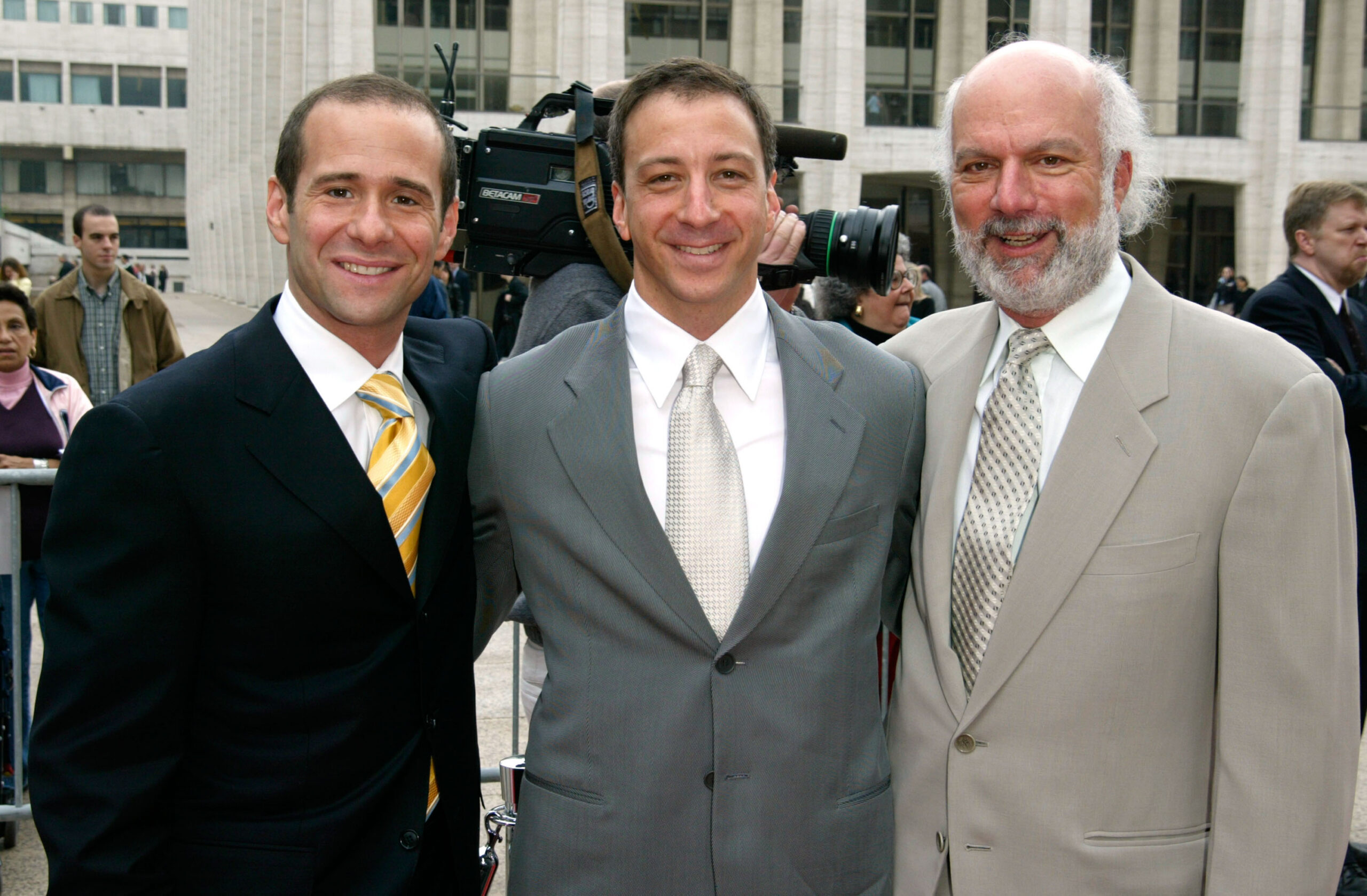
    Max Mutchnick and David Kohan, the acclaimed co-creators of the hit series ‘Will & Grace,’ recently delivered a heartfelt eulogy for legendary television director James Burrows. At a private memorial service held in late 2025, they celebrated Burrows’ profound influence on their careers and his unparalleled contributions to the landscape of television comedy. Their tribute included personal anecdotes and reflections on his meticulous approach to directing, particularly during the formative years of ‘Will & Grace.’

    Burrows, whose career spanned decades, directed episodes for some of the most iconic sitcoms in history, including ‘Taxi,’ ‘Cheers,’ ‘Friends,’ and ‘Will & Grace.’ His distinctive directorial style became synonymous with the multi-camera comedy format. Mutchnick and Kohan’s eulogy offered an intimate perspective from collaborators who witnessed his genius firsthand, detailing his ability to elevate comedic performances and shape the very rhythm of a show.

    The Early Encounters: A Legend’s Influence

    Max Mutchnick and David Kohan first encountered James Burrows as their careers in television writing and producing began to ascend. These initial meetings were more than professional introductions; they were formative experiences that profoundly shaped the creative trajectories of both men. Burrows, already a seasoned veteran, commanded every set with an aura of authority and expertise.

    The creators of ‘Will & Grace’ frequently recounted their initial awe at the prospect of working with a director of Burrows’ stature. He had already helmed pivotal episodes of seminal comedies such as ‘Cheers,’ which ran from 1982 to 1993, and ‘Taxi,’ which aired from 1978 to 1983. This extensive resume positioned him as a living legend within the industry, a figure whose presence could both inspire and, at times, intimidate aspiring talent.

    Mutchnick and Kohan quickly discovered that Burrows’ formidable reputation was entirely justified. His discerning eye for comedic timing, his deep understanding of character dynamics, and his unparalleled ability to orchestrate complex ensemble performances were immediately apparent. These early interactions laid the crucial groundwork for a collaborative relationship that would come to define one of the most successful sitcoms of the late 20th and early 21st centuries.

    Crafting ‘Will & Grace’: Burrows’ Visionary Direction

    James Burrows directed numerous episodes of ‘Will & Grace,’ most notably the pilot episode, which aired in September 1998. He continued his pivotal involvement throughout the show’s original run from 1998 to 2006, and again during its revival from 2017 to 2020. His directorial hand was crucial in establishing the series’ signature fast-paced dialogue, its unique blend of physical comedy, and the undeniable chemistry among its four lead actors: Eric McCormack (Will Truman), Debra Messing (Grace Adler), Megan Mullally (Karen Walker), and Sean Hayes (Jack McFarland).

    Mutchnick and Kohan consistently credited Burrows with helping to define the show’s visual language and its distinctive comedic rhythm. He possessed an innate understanding of how to frame a joke for maximum impact, how to utilize camera blocking to enhance a punchline, and how to create a dynamic and energetic environment for comedic performances. This expertise was particularly vital for a show that relied heavily on verbal sparring, rapid-fire exchanges, and precise physical comedy.

    The collaboration between the creators and Burrows was a testament to his adaptability and unwavering commitment to the material. He was never merely a technician; he functioned as a true creative partner who grasped the intricate nuances of character and story. His directorial decisions frequently amplified the comedic intent of the writers, solidifying ‘Will & Grace’s’ status as a benchmark for modern sitcoms and earning it 18 Primetime Emmy Awards during its initial run.

    A Mentor and a Friend: Personal Tributes from the Eulogy

    Beyond his extensive professional contributions, Max Mutchnick and David Kohan’s eulogy revealed the deep personal connection they shared with James Burrows. They spoke of him not merely as a director, but as a mentor, a trusted guide, and a cherished friend. This deeper, personal relationship underscored the profound impact Burrows had on their lives, both professionally and personally.

    The eulogy included several poignant anecdotes that highlighted Burrows’ generosity with his vast knowledge and his consistent willingness to nurture emerging talent. He was known for his directness and his high standards, but also for his unwavering support of the actors and crew members he worked with. Many within the industry regarded him as a true leader, someone capable of commanding a set with authority while simultaneously fostering a collaborative and highly creative atmosphere.

    Mutchnick and Kohan’s words painted a vivid picture of a man who was deeply passionate about his craft and equally dedicated to the people he collaborated with. The private memorial service, held in late 2025, became an occasion not solely for mourning his passing, but for celebrating a life lived with immense purpose and a career that enriched the lives of millions globally. The mixture of laughter and tears shared at the service reflected the complex emotions evoked by his indelible legacy.

    The Burrows Blueprint: What Defined a Master Director?

    James Burrows developed a directorial style that became instantly recognizable and widely emulated across the television industry. His innovative approach to multi-camera sitcoms was characterized by several key, enduring elements:

    • Precision in Blocking: Burrows was a master at choreographing actors’ movements within a scene, ensuring that every gesture, glance, and physical interaction contributed directly to the comedic effect and advanced the narrative.
    • Rhythm and Pacing: He possessed an exceptional ear for comedic timing, expertly guiding actors to deliver lines with perfect rhythm and pacing. He often accelerated dialogue to heighten humor or used strategic pauses for maximum impact.
    • Ensemble Chemistry: Burrows excelled at fostering strong ensemble chemistry among casts. He allowed each actor to shine individually while meticulously maintaining a cohesive and believable group dynamic. His sets were frequently described as spaces where actors could truly connect and build authentic relationships.
    • The Live Audience Integration: He understood and leveraged the critical importance of the live studio audience. Burrows expertly staged scenes to maximize their reactions, incorporating their laughter and energy directly into the final product, making them an integral part of the show’s comedic success.
    • Subtlety in Performance: Despite the often broad nature of sitcoms, Burrows consistently encouraged subtlety and nuance in performances. He allowed characters to convey complex emotions and humor through understated expressions and reactions, adding depth to the comedic portrayals.

    These elements combined to create a distinctive directorial signature that made his shows not just funny, but enduringly watchable, critically acclaimed, and consistently popular. His remarkable ability to consistently produce hit after hit across different networks and with diverse casts solidified his status as an unparalleled television icon.

    A Pantheon of Comedies: Burrows’ Extensive Filmography and Awards

    James Burrows’ filmography reads like a definitive history of American television comedy. Beyond ‘Will & Grace,’ he directed over 1,000 episodes of television, a record unsurpassed by any other director. His credits include:

    • ‘Taxi’ (1978-1983): Directed 75 episodes, helping to launch the careers of Danny DeVito, Christopher Lloyd, and Andy Kaufman.
    • ‘Cheers’ (1982-1993): Directed 243 episodes, including the pilot, and co-created the series. He was instrumental in establishing its iconic ensemble cast and setting the standard for bar-centric sitcoms.
    • ‘Friends’ (1994-2004): Directed 15 episodes, including the pilot, establishing the visual style and comedic rhythm for one of the most successful sitcoms of all time.
    • ‘Frasier’ (1993-2004): Directed 32 episodes, including the pilot, contributing to its critical acclaim and numerous awards.
    • ‘Mike & Molly’ (2010-2016): Directed all 127 episodes, showcasing his continued relevance and mastery of the multi-camera format well into the 21st century.
    • ‘The Big Bang Theory’ (2007-2019): Directed 14 episodes, including the pilot, helping to define the early tone of the hugely popular series.

    Throughout his illustrious career, Burrows earned 11 Primetime Emmy Awards for Outstanding Directing for a Comedy Series, a testament to his consistent excellence and innovative contributions. His work profoundly influenced generations of directors, writers, and performers, establishing a template for how multi-camera sitcoms are conceived, written, and executed.

    The Lasting Legacy: Burrows’ Imprint on Television

    The eulogy delivered by Max Mutchnick and David Kohan at the late 2025 memorial service underscored the comprehensive and lasting legacy of James Burrows. His impact extended far beyond the individual episodes he directed; he helped to define the very genre of the American sitcom. He was a craftsman who understood the mechanics of laughter and a visionary who could translate written humor into dynamic, memorable television.

    Burrows’ ability to nurture talent, his unwavering commitment to comedic precision, and his unparalleled work ethic created an environment where creativity flourished. Actors thrived under his direction, writers saw their scripts brought to life with enhanced comedic timing, and audiences worldwide found joy and connection in the worlds he helped create.

    His passing marked the end of an era, but his influence continues to resonate throughout television production. Every multi-camera sitcom produced today, whether directly or indirectly, bears the imprint of James Burrows’ pioneering work. His contributions to the art form are immeasurable, ensuring his status as a permanent fixture in the pantheon of television greats. He left behind a body of work that will continue to entertain and inspire for generations.

    Writers gathered. Actors gathered. Directors gathered. A legend.

  • Bill Lawrence Talks Scrubs, Apple TV+, and His Firing From Friends

    Bill Lawrence Talks Scrubs, Apple TV+, and His Firing From Friends

    Bill Lawrence built a television empire following an early, high-profile career setback. Speaking at the Napa Valley StreamFest in June 2026, the prolific showrunner detailed how being fired from the writing staff of NBC’s Friends during its inaugural 1994 season forced a creative pivot that ultimately led to the creation of Scrubs, Ted Lasso, and his current Apple TV+ Emmy contenders, Shrinking and Rooster. The admission came during a live recording of The Hollywood Reporter’s Awards Chatter podcast. It offered a look at the mechanics of Hollywood career longevity. Success in television requires constant adaptation. For Lawrence, the path was defined by network shifts, writer strikes, and the realization that his voice did not align with the established tone of someone else’s writers’ room.

    The television landscape of 2026 operates differently than the broadcast model of 1994. Yet the fundamental currency of the industry remains unchanged. Writers must generate pages. Showrunners must manage productions. Networks, and now streamers, must capture subscriber attention. Lawrence has navigated multiple iterations of this ecosystem. His appearance in Napa Valley served as both a retrospective of a three-decade career and a strategic push for the upcoming Emmy voting window.

    The Napa Valley StreamFest Appearance

    The Napa Valley StreamFest gathered industry executives, creators, and talent in June 2026 to discuss the economics of digital distribution. Amid panels on algorithmic engagement and subscriber retention, Lawrence spoke extensively about narrative development and production resilience. He sat across from podcast host Scott Feinberg. The venue was packed. The subject matter spanned thirty years of television history, focusing on specific production challenges and network negotiations.

    Lawrence attended the festival to promote his current roster of Apple TV+ comedies. Shrinking continues to anchor the streamer’s comedy block, while Rooster has emerged as a major focus for the platform in the 2026 television season. To explain the development of his current series, Lawrence detailed the moments when his career faced significant obstacles. He pointed directly to early failures as the catalyst for his later structural approach to running a television show.

    Showrunners are often expected to project continuous success. Lawrence detailed his early failures, using them to contextualize the production strategies he employs on his current work. The strategy framed his 2026 Emmy contenders not as inevitable successes, but as the result of decades of learning how to manage writers’ rooms and network expectations, a process that began when he lost his job on the biggest sitcom in the world.

    Leaving Central Perk in 1994

    In the fall of 1994, NBC premiered a multi-camera sitcom about six twenty-somethings living in New York City. Friends became a defining cultural property. Bill Lawrence was on staff for the beginning. He was twenty-six years old. He had previously written for Boy Meets World and The Nanny. He secured a position on the writing staff under creators Marta Kauffman and David Crane.

    The position was highly sought after. However, Lawrence lasted exactly one season. He was fired by the showrunners.

    At the Napa Valley StreamFest, Lawrence discussed the dismissal. He did not blame Kauffman or Crane. He stated that his inability to assimilate into the specific rhythm of the show led to his exit. Friends required a unified comedic voice. Lawrence pitched his own distinct sensibilities. He was writing to his own comedic preferences, rather than matching the established voices of Ross, Rachel, or Chandler.

    The firing forced a career reassessment. In the mid-1990s, being let go from a hit NBC sitcom was a significant setback. Warner Bros. Television, the studio behind the show, maintained its relationship with him. The failure forced Lawrence to evaluate his foundational skills as a writer. Recognizing he could not easily adapt to someone else’s vision, he focused on creating his own material.

    Two years later, he co-created Spin City with Gary David Goldberg. The Michael J. Fox vehicle ran for six seasons on ABC. Lawrence established his ability to run a show. The lessons of the Friends writers’ room influenced his management style. He learned how to manage a staff. He learned how to protect a premise. He learned that a showrunner must shield their writers from network pressure.

    The Long Survival of ‘Scrubs’

    If Spin City proved Lawrence could run a traditional multi-camera sitcom, Scrubs proved he could develop a distinct single-camera format. Premiering on October 2, 2001, the medical comedy abandoned the live studio audience. It abandoned the laugh track. It utilized a single-camera setup, rapid-fire fantasy sequences, and an emotional structure that shifted between slapstick comedy and dramatic medical storylines.

    Lawrence detailed the production history of Scrubs during the Awards Chatter recording. The show was produced by Touchstone Television (now ABC Signature) but aired on NBC. This corporate structure meant Scrubs was frequently facing cancellation. NBC owned its other major comedies, like The Office and Will & Grace, meaning those shows generated more backend revenue for the network. Scrubs was a licensed property. It was perpetually on the bubble.

    The production filmed in an actual abandoned hospital, the North Hollywood Medical Center. The setting isolated the cast and crew from the traditional studio lot. Zach Braff, Donald Faison, Sarah Chalke, and John C. McGinley formed the core ensemble. Lawrence operated as showrunner, negotiating with NBC executives over tone, music licensing budgets, and serialized storylines.

    The 2007 Writers’ Strike and the Network Jump

    A major production challenge arrived during the 2007-2008 Writers Guild of America strike. Scrubs was in its seventh season. The strike halted production entirely. Lawrence supported the WGA and production ceased. The seventh season was truncated. NBC opted not to renew the series for an eighth season, seemingly ending the show.

    Lawrence orchestrated an unusual industry maneuver. Because Scrubs was produced by ABC’s sister studio, Touchstone, he pitched the eighth season directly to ABC. The network picked up the series. The move from NBC to ABC allowed Lawrence to conclude the narrative on his own terms. He negotiated a final season that provided closure for the main characters, culminating in the critically acclaimed season eight finale, “My Finale.”

    The survival of Scrubs demonstrated Lawrence’s ability to navigate corporate media structures. He learned how to leverage studio ownership against network ambivalence. He learned how to maintain cast morale during periods of extreme uncertainty. These skills became the foundation of his later production company, Doozer Productions.

    The Apple TV+ Era: ‘Shrinking’ and ‘Rooster’

    In 2026, Bill Lawrence is one of the primary comedic architects for Apple TV+. Following the massive global success of Ted Lasso, Lawrence secured a highly lucrative overall deal with Warner Bros. Television. This deal allows him to develop projects for various platforms, but his most prominent current work resides on Apple’s streaming service.

    During the Napa Valley StreamFest, Lawrence focused heavily on his two current Emmy contenders. Shrinking, co-created with Brett Goldstein and Jason Segel, stars Segel as a grieving therapist who begins telling his clients exactly what he thinks. The series also stars Harrison Ford in a rare comedic television role. Lawrence discussed the challenge of balancing the show’s exploration of grief with its required comedic beats.

    He also detailed the development of Rooster, his newest Apple TV+ project. While specific plot details remain tightly controlled by Apple, the industry buzz surrounding the series has positioned it as a major contender in the 2026 awards cycle. Lawrence emphasized that both Shrinking and Rooster utilize the same structural DNA he developed on Scrubs: a fast-paced comedic surface masking a deep, often melancholic emotional core.

    The production demands of streaming television differ vastly from the 22-episode broadcast seasons of the early 2000s. Streamers order fewer episodes. Budgets are higher. The production schedules resemble feature films. Yet, Lawrence insists the core requirement remains identical. A showrunner must deliver scripts on time, manage the cast, and protect the original vision from executive interference.

    The Legacy of the Writers’ Room

    Bill Lawrence’s career trajectory maps the evolution of modern television. He started in the multi-camera broadcast era of the 1990s. He pioneered the single-camera comedy boom of the 2000s. He now operates at the highest levels of the premium streaming ecosystem in 2026. Through every transition, his core methodology has remained consistent.

    He hires writers who share his specific tonal sensibilities. He prioritizes cast chemistry over individual star power. He structures his shows to allow for rapid shifts between comedy and drama. And he never forgets the lesson of the Friends writers’ room: a distinct voice is only valuable if it serves the specific needs of the show being produced.

    At the Napa Valley StreamFest, Lawrence did not present himself as a visionary. He presented himself as a survivor. He detailed the mechanics of television production. He explained the economics of network licensing. He discussed the emotional toll of running a writers’ room. He offered a clear, unromanticized view of the industry.

    The audience listened. The executives took notes. The Emmy voters watched. Hollywood respects longevity. Hollywood respects a hit. Hollywood respects Bill Lawrence.

  • The Architect of Stage 24 – How the Cast of ‘Friends’ Remembered James Burrows

    The Architect of Stage 24 – How the Cast of ‘Friends’ Remembered James Burrows

    In June 2026, the surviving cast members of the hit 1990s sitcom Friends, Jennifer Aniston, Courteney Cox, Lisa Kudrow, Matt LeBlanc, and David Schwimmer, publicly paid tribute to legendary television director James Burrows. Reacting to the profound loss of the industry titan, the actors described Burrows as a “father figure” who “spoiled us rotten” during the crucial early days of their careers. Their statements echoed across social media and entertainment news broadcasts, highlighting the invisible hand that guided one of the most successful shows in television history.

    For the millions of viewers who tuned into NBC on Thursday nights, the magic of Friends seemed to spring effortlessly from the chemistry of its six stars. The coffee house banter felt natural. The physical comedy felt spontaneous. The emotional beats landed with precision.

    But the story does not begin with spontaneous chemistry. What looks modern and effortless actually started with a veteran director implementing a rigid, century-old theatrical discipline on a soundstage in Burbank, California. James Burrows did not just direct the pilot of Friends. He engineered the ecosystem that allowed six unknown actors to conquer global television.

    The Architect of Must See TV

    By the time James Burrows arrived on Stage 24 at Warner Bros. Studios in the summer of 1994, he was already television royalty. Born in December 1940, Burrows had spent the previous two decades defining the American sitcom. He co-created Cheers. He directed defining episodes of Taxi, The Mary Tyler Moore Show, and Frasier. Network executives trusted him implicitly. If Burrows was behind the camera, a pilot had a fighting chance.

    Creators Marta Kauffman and David Crane had a script titled Six of One. The premise was simple: young people living in New York City, navigating life and love. The risk was enormous. Most sitcoms of the era relied on a central star, a comedian like Jerry Seinfeld, Roseanne Barr, or Tim Allen. Friends was a true ensemble. There was no lead. If the balance tipped, the show would fail.

    Burrows understood ensemble dynamics better than anyone in Hollywood. He took the script, which would eventually be renamed Friends, and began the meticulous work of blocking, pacing, and character building. He directed the pilot episode, “The One Where Monica Gets a Roommate,” establishing the visual language of Central Perk and Monica Geller’s apartment. He would go on to direct 15 episodes of the series, including foundational chapters like “The One with the Blackout” and “The One Where Ross and Rachel… You Know.”

    But his most important work happened when the cameras were turned off.

    The Poker Game That Forged an Alliance

    Burrows recognized early on that the six actors needed to bond if the show was going to survive. Jennifer Aniston, Courteney Cox, Lisa Kudrow, Matt LeBlanc, Matthew Perry, and David Schwimmer were a mix of struggling actors, commercial veterans, and failed pilot survivors. They were anxious. They were competitive.

    Burrows eliminated the competition. He lent the cast his large dressing room on the Warner Bros. lot. He encouraged them to play poker together between scenes. This was not just a way to kill time. It was a calculated psychological exercise.

    Around that poker table, the actors learned how to read each other. They learned the timing of Matthew Perry’s sarcastic deflections. They learned the rhythm of Jennifer Aniston’s reactive expressions. The poker games became so central to their early dynamic that it inspired the season one episode, “The One with All the Poker,” which Burrows naturally directed.

    More importantly, the dressing room culture established a unified front. Burrows repeatedly told the cast that they were equal parts of a single machine. When it came time to negotiate contracts ahead of the third season in 1996, the cast remembered this lesson. Instead of negotiating individually, they formed a mini-union, demanding equal pay for all six members. By 2002, that collective bargaining strategy secured them an unprecedented $1 million per episode. The financial empire of Friends was born at a poker table facilitated by James Burrows.

    The Final Taste of Anonymity at Caesars Palace

    Of all the stories shared during the June 2026 tributes, one specific memory dominated the conversation. It is a story that has become Hollywood mythology.

    In early 1994, after the pilot had been shot but before it aired on NBC, Burrows chartered a private plane. He loaded the six actors on board and flew them to Las Vegas. He took them to dinner at Spago inside Caesars Palace. The actors had no idea why they were there.

    During the dinner, Burrows handed each of them a $20 bill. He told them to take the money and gamble. He looked at the six young faces and delivered a prophecy: “This is your last shot at anonymity. Once the show comes on the air, you guys will never be able to go anywhere without being hounded.”

    The actors laughed it off. They were practically broke. Matt LeBlanc had famously bought a hot meal with his last few dollars before booking the role. They took Burrows’ money, played a few hands of blackjack, and enjoyed the free trip. Weeks later, Friends premiered to 22 million viewers. Within a year, they were on the cover of Rolling Stone. Within a decade, they were the most famous faces on the planet.

    Burrows had seen it happen before with the cast of Cheers. He knew the psychological toll that sudden, massive fame could take. The Vegas trip was his way of giving them a final moment of peace, a shared memory they could hold onto when the paparazzi descended.

    “He Spoiled Us Rotten”

    When Jennifer Aniston and Courteney Cox released their coordinated statements in June 2026, the phrase “spoiled us rotten” stood out. In the context of 1990s television production, directors were often taskmasters. Network television was a grueling grind of 24-episode seasons, late-night rewrites, and constant network interference.

    Burrows shielded the cast from that interference. If a network executive from NBC had a note about a joke, Burrows took the meeting. If a writer wanted an actor to deliver a line that felt out of character, Burrows mediated the dispute. He created a protective bubble on Stage 24.

    He also treated them with deep respect. He did not talk down to them. He listened to Lisa Kudrow’s instincts about Phoebe’s eccentricity. He encouraged David Schwimmer to lean into his background in physical theater, resulting in iconic moments of slapstick comedy. He spoiled them by giving them the creative freedom that most young actors spend decades fighting to achieve.

    This protective nature earned him the title of “father figure.” For a cast navigating the treacherous waters of instant celebrity, Burrows was the anchor. He demanded professionalism, but he offered unconditional creative support in return.

    The Shadow of 2023 and the Missing Friend

    The June 2026 tributes carried an undeniable undercurrent of sorrow. The Friends family had already suffered a catastrophic loss. In October 2023, Matthew Perry, who brought the brilliant, neurotic Chandler Bing to life, died suddenly at his home in Los Angeles at the age of 54.

    Perry’s absence hung heavily over the Burrows tributes. During the 2016 NBC special honoring Burrows for directing his 1,000th episode of television, all six cast members had participated, though Perry had to join via satellite from London where he was performing in a play. Now, a decade later, the circle was permanently broken.

    In her 2026 statement, Aniston specifically referenced the early days on set with Perry, noting how Burrows knew exactly how to capture Perry’s unique comedic cadence. Burrows had been one of the first directors to realize that Perry didn’t just tell jokes; he fundamentally altered the rhythm of the English language to force a laugh. The tribute to Burrows became, inadvertently, a secondary mourning period for the magic of the original six.

    The Blueprint of Modern Comedy

    The legacy of James Burrows extends far beyond Central Perk. He went on to direct every single episode of the original run of Will & Grace. He directed pilots for The Big Bang Theory, Two and a Half Men, and Mike & Molly. His name is attached to over 1,000 episodes of television.

    His technical mastery of the multi-camera format remains the gold standard. Burrows knew exactly when to cut to a wide shot to capture physical comedy. He knew how to ride the wave of a live studio audience’s laughter, holding an actor’s next line just long enough to let the joke breathe, but not so long that the energy died.

    Today, the multi-camera sitcom shot in front of a live audience is becoming a lost art. Streaming platforms favor single-camera comedies without laugh tracks. The industry has shifted. The economics have changed. The 24-episode season is a relic of the past.

    But the blueprint remains. Every time a new ensemble comedy attempts to capture the cultural zeitgeist, they are chasing the ghost of Stage 24. They are trying to recreate the lightning that James Burrows trapped in a bottle in the summer of 1994.

    He did not just direct a television show. He built a cultural institution. He took six young, anxious actors and gave them the tools to become global icons. He handed them twenty dollars in Las Vegas and told them their lives were about to change. He was right.

    Actors learned their marks. Writers found their rhythms. Networks built their empires. Burrows.

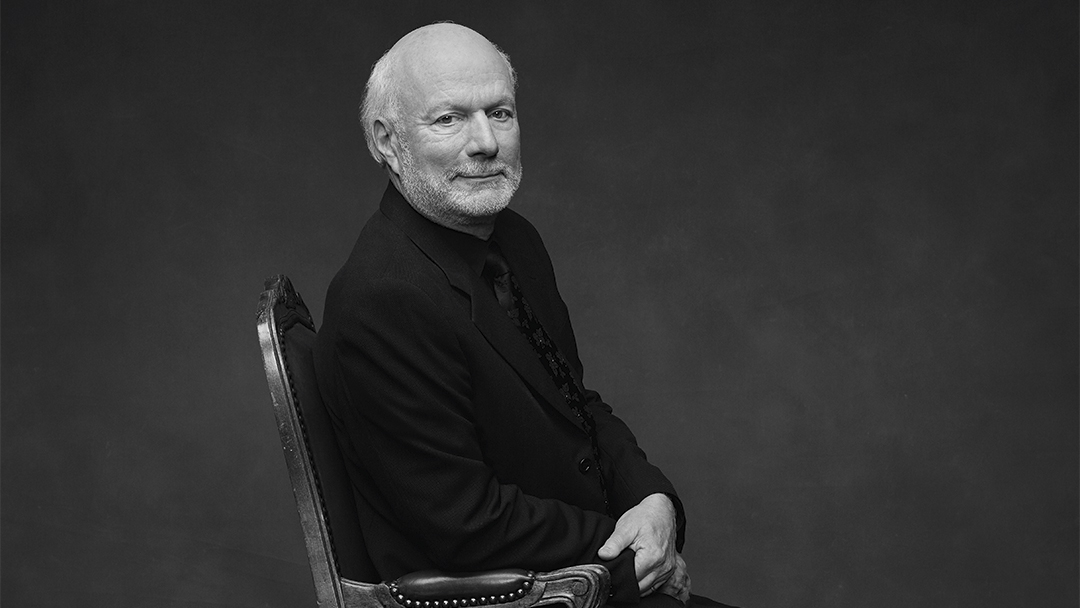
  • James Burrows, Legendary TV Director Behind ‘Cheers’ and ‘Taxi,’ Dies at 85

    James Burrows, Legendary TV Director Behind ‘Cheers’ and ‘Taxi,’ Dies at 85

    A Legacy of Laughter: The Enduring Impact of James Burrows

    James Burrows, the acclaimed television director and co-creator of the seminal sitcom ‘Cheers,’ died on June 19, 2026, at the age of 85. His career, spanning more than five decades, profoundly shaped the landscape of American television comedy. Burrows was instrumental in defining the multi-camera sitcom format, directing over 1,000 episodes for dozens of beloved series.

    His work established the visual language and comedic rhythm for many of the most successful and critically praised shows in television history. From the bustling bar of ‘Cheers’ to the iconic apartments of ‘Friends,’ Burrows’s directorial touch was unmistakable. He leaves behind a legacy of laughter, innovation, and enduring cultural impact.

    Early Life and Influences

    James Edward Burrows was born on December 30, 1940, in Los Angeles, California. He was the son of Abe Burrows, a celebrated Broadway playwright, director, and librettist. Abe Burrows co-authored and directed classics such as ‘Guys and Dolls’ and ‘How to Succeed in Business Without Really Trying.’

    Growing up in such a theatrically rich environment provided James with an early immersion in comedic structure and stagecraft. He attended Oberlin College and then the Yale School of Drama, where he honed his skills in directing and performance. This academic background, combined with his practical exposure to Broadway, laid a strong foundation for his future in television.

    Initially, Burrows pursued a career in theater, directing several plays. However, the burgeoning world of television beckoned, offering a new canvas for his talents. He found his entry point into the medium through a connection with a legendary production company.

    From Stage to Screen: The MTM Years

    Burrows began his television career in the early 1970s at MTM Enterprises, a production company renowned for its intelligent, character-driven comedies. MTM was home to groundbreaking shows like ‘The Mary Tyler Moore Show’ and ‘The Bob Newhart Show.’

    His first directorial credit was for an episode of ‘The Mary Tyler Moore Show’ in 1974. This experience proved pivotal, allowing him to learn from some of the best writers, actors, and producers in the business. He observed the meticulous crafting of comedic dialogue and the art of ensemble performance.

    He went on to direct multiple episodes of ‘The Bob Newhart Show,’ ‘Phyllis,’ and ‘Rhoda.’ These early experiences at MTM instilled in him a deep appreciation for strong writing, fully realized characters, and the collaborative nature of television production. The MTM ethos of quality and wit would become hallmarks of Burrows’s own work.

    The Birth of ‘Taxi’ and the Multi-Camera Master

    In 1978, Burrows joined forces with writers and producers James L. Brooks, Stan Daniels, David Davis, and Ed Weinberger to create ‘Taxi.’ This series, set in a New York City taxi garage, became an instant critical darling and a commercial success. Burrows directed the pilot episode, establishing the show’s unique blend of humor and pathos.

    ‘Taxi’ garnered numerous awards, including multiple Primetime Emmy Awards for Outstanding Comedy Series. Burrows himself won his first Emmy for directing an episode of ‘Taxi’ in 1980. The show’s distinctive visual style, often utilizing a single set for extended scenes, became a template for future multi-camera sitcoms.

    His work on ‘Taxi’ solidified his reputation as a master of the multi-camera format. He possessed an uncanny ability to block scenes, choreograph actor movements, and capture comedic beats within the confines of a three-walled set. This skill would become his signature.

    ‘Cheers’: A Cultural Phenomenon

    Perhaps Burrows’s most significant contribution came with the creation of ‘Cheers.’ In 1982, he co-created the series with brothers Glen and Les Charles. Set in a Boston bar where everybody knows your name, ‘Cheers’ became a cultural touchstone.

    Burrows directed all 275 episodes of the series, an unprecedented feat in television history. His consistent presence behind the camera ensured a singular vision and a remarkably cohesive comedic tone throughout its 11-season run. ‘Cheers’ explored themes of community, friendship, and the comfort of routine.

    The show was a critical and commercial juggernaut, winning 28 Primetime Emmy Awards, including four for Outstanding Comedy Series. Burrows personally won four Emmys for his direction on ‘Cheers.’ The series launched the careers of many actors, including Ted Danson, Shelley Long, Rhea Perlman, and Woody Harrelson.

    The Golden Age of Sitcoms: ‘Friends,’ ‘Frasier,’ and ‘Will & Grace’

    Following the immense success of ‘Cheers,’ Burrows continued his prolific career, directing pilots and numerous episodes for many of the most iconic sitcoms of the 1990s and early 2000s. His involvement in a pilot often served as a stamp of quality and a strong indicator of future success.

    • ‘Friends’: Burrows directed the pilot episode of ‘Friends’ in 1994, establishing the dynamic between the six young New Yorkers. He directed 15 episodes of the beloved series, helping to define its rapid-fire comedic style and the chemistry of its ensemble cast.
    • ‘Frasier’: A spin-off of ‘Cheers,’ ‘Frasier’ also benefited from Burrows’s touch. He directed the pilot and several subsequent episodes, ensuring a smooth transition for Kelsey Grammer’s character, Dr. Frasier Crane, to his new life in Seattle.
    • ‘Will & Grace’: Burrows directed every single episode of ‘Will & Grace’ during its original run (1998-2006) and returned for its revival (2017-2020), totaling 246 episodes. This sustained commitment to a single series, much like ‘Cheers,’ demonstrated his dedication and consistent directorial vision. He earned another Emmy for his work on ‘Will & Grace.’

    His ability to cultivate strong ensemble performances and to find the humor in relatable human situations made him the go-to director for network comedies. He had a reputation for working closely with actors, helping them refine their performances and comedic timing.

    A Director’s Touch: The Burrows Style

    James Burrows’s directorial style was characterized by several key elements:

    • Multi-Camera Mastery: He was a virtuoso of the multi-camera format, understanding how to utilize multiple cameras to capture reactions and maintain comedic rhythm.
    • Ensemble Chemistry: Burrows excelled at fostering strong chemistry among cast members, allowing each actor to shine while contributing to the overall group dynamic.
    • Pacing and Timing: His episodes were known for their impeccable comedic timing and brisk pacing, ensuring that jokes landed effectively.
    • Subtle Blocking: He used subtle yet effective blocking to enhance character interactions and visual gags, often without drawing attention to the direction itself.
    • Story-Driven Comedy: Burrows always emphasized the story and characters, believing that genuine humor emerged from well-developed narratives and relatable situations.

    His influence extended beyond the shows he directly worked on. Many directors and showrunners looked to Burrows’s work as a masterclass in sitcom production. He set a standard for quality and consistency in episodic television.

    Later Career and Enduring Influence

    Even in his later years, Burrows remained active and sought after. He directed episodes for a new generation of sitcoms, including ‘Two and a Half Men,’ ‘Mike & Molly,’ ‘The Big Bang Theory,’ and ‘Superior Donuts.’ His ability to adapt to changing comedic sensibilities while maintaining his core principles was remarkable.

    In 2016, a star-studded tribute special, ‘Must See TV: An All-Star Tribute to James Burrows,’ aired on NBC. It brought together casts from ‘Cheers,’ ‘Taxi,’ ‘Friends,’ ‘Frasier,’ ‘Will & Grace,’ and ‘The Big Bang Theory’ to honor his contributions. The event underscored the immense respect and affection he commanded within the industry.

    Burrows’s legacy is not just in the sheer volume of his work, but in the indelible mark he left on popular culture. His shows provided comfort, laughter, and a sense of shared experience for millions of viewers around the world. He was a craftsman who elevated the sitcom to an art form.

    Awards and Accolades

    Throughout his illustrious career, James Burrows was recognized with numerous awards for his directorial excellence. He won 11 Primetime Emmy Awards, making him one of the most awarded directors in television history. His Emmy wins included:

    • Outstanding Directing for a Comedy Series for ‘Taxi’ (1980)
    • Four Emmys for Outstanding Directing for a Comedy Series for ‘Cheers’ (1983, 1984, 1991, 1992)
    • Outstanding Directing for a Comedy Series for ‘Will & Grace’ (2000)

    He was also honored with the Directors Guild of America Award for Outstanding Directorial Achievement in a Comedy Series multiple times. His consistent ability to deliver critically acclaimed and audience-pleasing television set him apart.

    Burrows’s passing marks the end of an era. His vision shaped the genre, his dedication inspired countless professionals, and his work brought joy to generations. The lights of the fictional sets he brought to life may dim, but the laughter he orchestrated will echo for years to come.

    A director. A co-creator. A legend. A craftsman. A visionary. A life.

    Remembered.