Tag: Franchise

  • A New Nightmare on Elm Street – Paramount Revives the Franchise

    A New Nightmare on Elm Street – Paramount Revives the Franchise

    Paramount Pictures is rebooting the iconic horror franchise A Nightmare on Elm Street, following a new deal secured with the Wes Craven Estate in July 2026. This initiative aims to reintroduce Freddy Krueger to a new generation of filmgoers, blending the classic elements of the series with contemporary cinematic approaches.

    The announcement from Variety indicates a significant commitment from Paramount to revitalize one of horror’s most enduring properties. The original film, released in 1984, redefined the slasher genre and introduced a supernatural villain whose terror transcended physical boundaries.

    The Legacy of Wes Craven and Freddy Krueger

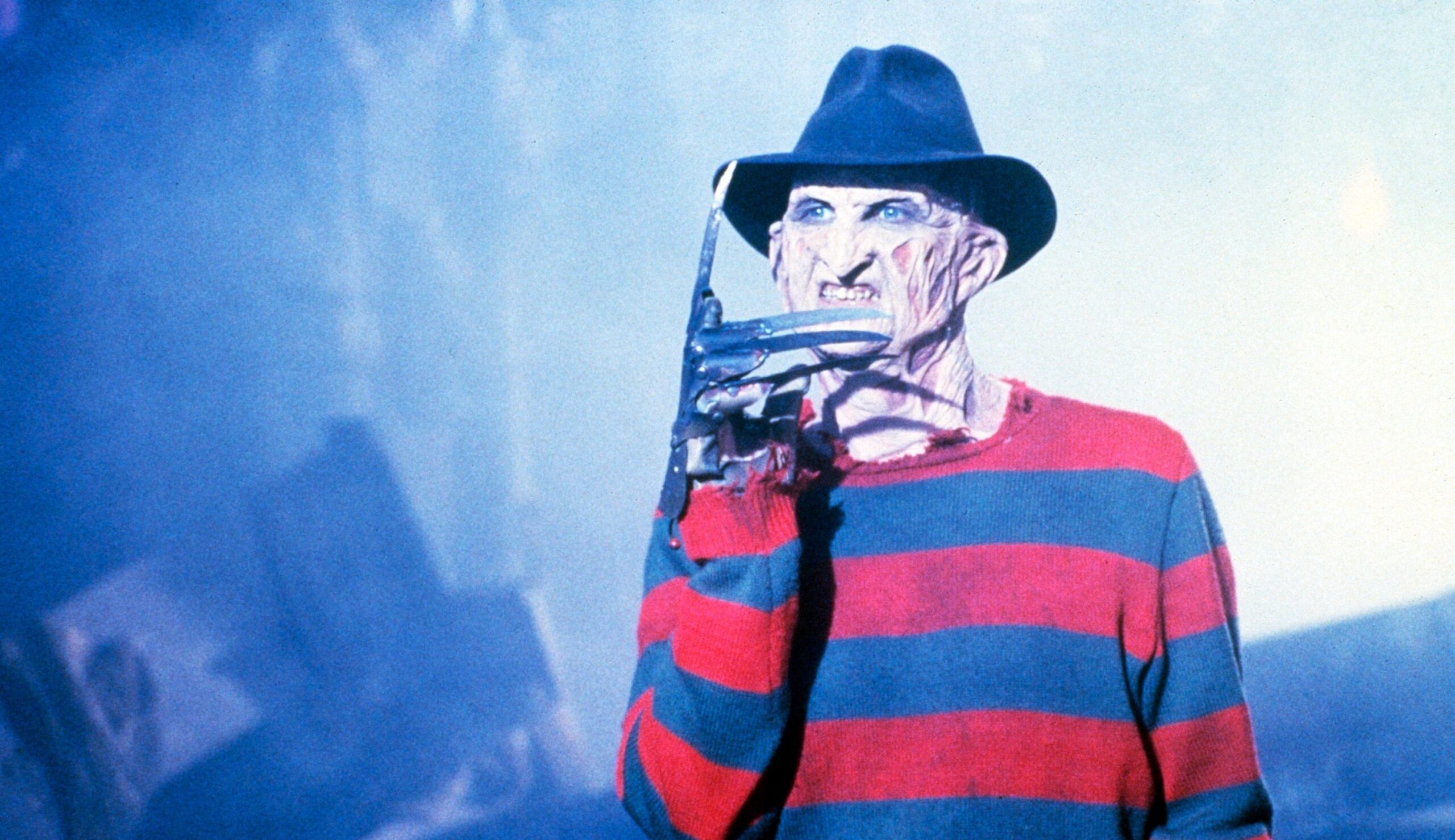
    Wes Craven, the visionary filmmaker behind the original A Nightmare on Elm Street, created a character that became a cultural phenomenon. Freddy Krueger, with his striped sweater, fedora, bladed glove, and dark humor, quickly became one of horror’s most recognizable figures. The original film explored themes of trauma, guilt, and the vulnerability of the subconscious mind.

    Craven’s innovative concept of a killer who attacks his victims in their dreams resonated deeply with audiences. This premise allowed for surreal, terrifying sequences that distinguished the series from its slasher contemporaries. The film’s success spawned multiple sequels, a television series, and a loyal fanbase.

    The Wes Craven Estate now manages the rights and legacy of the late director’s extensive body of work. Their involvement in this new Paramount deal suggests a commitment to preserving the integrity of Craven’s original vision while allowing for new interpretations. This collaboration is crucial for fans who value the foundational elements of the franchise.

    Previous Attempts and Franchise History

    The A Nightmare on Elm Street franchise has seen several iterations since its 1984 debut. The original series concluded with Freddy’s Dead: The Final Nightmare in 1991, only to be revisited by Craven himself with Wes Craven’s New Nightmare in 1994. This meta-narrative explored the real-world impact of Freddy Krueger and the nature of storytelling.

    A crossover film, Freddy vs. Jason, united Krueger with Jason Voorhees from the Friday the 13th series in 2003. This film was a commercial success, capitalizing on the popularity of both horror icons. It demonstrated the continued market appeal of these classic characters.

    The most recent attempt at a reboot came in 2010, produced by Platinum Dunes. This version starred Jackie Earle Haley as Freddy Krueger. It aimed for a darker, more serious tone, but it received mixed reviews from critics and fans alike. The 2010 film grossed over $115 million worldwide, but it did not launch a new series as intended.

    The intervening years have seen various rumors and discussions about future projects. Rights issues and creative differences often complicated these efforts. The new deal with the Wes Craven Estate and Paramount represents a clear path forward for the franchise.

    The Appeal of Reboots in Modern Cinema

    Reboots and remakes have become a staple of the contemporary film industry. Studios often look to established intellectual properties to minimize risk and attract built-in audiences. Horror franchises, in particular, lend themselves well to reinterpretation due to their thematic flexibility and often timeless fears.

    The success of recent horror reboots, such as the Halloween series (2018-2022) and the renewed Scream franchise (2022, 2023), illustrates this trend. These films often blend nostalgia with modern filmmaking techniques, appealing to both long-time fans and new viewers. They often revisit the core concepts with updated visual effects and narrative sensitivities.

    For A Nightmare on Elm Street, the core concept of dreams turning deadly remains potent. The psychological terror of an entity invading one’s most vulnerable state offers endless possibilities. Modern CGI and practical effects can enhance the surrealism and horror of Freddy’s dream world in unprecedented ways.

    Challenges and Expectations for the New Reboot

    The new A Nightmare on Elm Street reboot faces several challenges. One primary concern is how to reinvent Freddy Krueger for a new era. Robert Englund’s portrayal of Freddy is iconic and deeply embedded in popular culture. Any new actor stepping into the role will face intense scrutiny.

    The creative team will need to balance homage to the original with fresh ideas. Modern audiences often demand more complex character development and nuanced storytelling. The reboot will likely explore the origins of Freddy Krueger and the trauma he inflicted on Springwood’s children with renewed depth.

    Another challenge involves navigating the current landscape of horror cinema. Contemporary horror often prioritizes psychological dread and atmospheric tension over overt gore. While A Nightmare on Elm Street always had a strong psychological component, the reboot could lean further into this aspect, exploring the mental health implications of chronic sleep deprivation and dream manipulation.

    Fan expectations will be high. Many viewers grew up with Freddy Krueger and hold strong attachments to the original films. The success of the reboot will depend on its ability to satisfy these long-standing fans while also captivating a new generation unfamiliar with Elm Street’s terror.

    The Impact on Paramount and the Horror Genre

    For Paramount Pictures, securing the rights to A Nightmare on Elm Street is a significant strategic move. The studio gains control over a globally recognized horror brand. This acquisition could lead to a new slate of films, television series, or even video games, expanding the franchise across multiple media platforms.

    The horror genre continues to be a commercially viable segment of the film industry. Low budgets and high returns often characterize horror productions, making them attractive investments for studios. A successful Nightmare on Elm Street reboot could further solidify Paramount’s position in this lucrative market.

    The deal also highlights the continued importance of intellectual property in Hollywood. Studios are increasingly focused on acquiring and developing established brands. This trend ensures a steady stream of recognizable content for theatrical releases and streaming services.

    The reboot could inspire other studios to revisit their dormant horror franchises. The success of one iconic monster often paves the way for others. This could lead to a broader resurgence of classic horror properties in the coming years.

    What Lies Ahead for Elm Street

    Details regarding the creative team, cast, and specific plot elements of the new A Nightmare on Elm Street reboot remain under wraps. The initial announcement focuses on the rights acquisition and Paramount’s intent to move forward. This suggests the project is in its early development stages.

    Fans will eagerly await news on who will write and direct the new film. The choice of director will be critical, as they will be responsible for setting the tone and vision for this new iteration. Casting Freddy Krueger will be one of the most scrutinized decisions.

    The reboot presents an opportunity to explore new facets of the Elm Street mythology. It could delve into the origins of Freddy’s powers, the history of Springwood, or the experiences of new protagonists. The potential for a multi-film arc is significant, allowing for a sustained narrative.

    The horror community watches. The studio plans. The fans anticipate. The nightmare returns.

  • Dwayne Johnson’s ‘Moana’ Capsizes at Box Office – Facing Significant Losses

    Dwayne Johnson’s ‘Moana’ Capsizes at Box Office – Facing Significant Losses

    The ‘Moana’ Opening: A Disappointing Start

    The film ‘Moana,’ featuring Dwayne Johnson, has opened to a worldwide box office total of $95 million. This figure, while substantial, is not meeting financial expectations. Industry projections indicate the movie is currently on track to lose between $100 million and $125 million.

    This financial performance marks a significant setback for a high-profile animated feature. It prompts analysis into the factors contributing to such a substantial projected loss, especially for a film tied to a globally recognized star.

    The Weight of High Production Costs

    Modern animated features often carry immense production budgets. These costs encompass animation, voice talent, musical scores, and extensive marketing campaigns. ‘Moana’ was no exception to this trend, reportedly having a production budget well over $200 million before marketing expenses.

    The break-even point for major Hollywood films typically requires box office revenue to be at least 2.5 to 3 times the production budget. This accounts for marketing, distribution fees, and exhibitor cuts. For ‘Moana,’ a $200 million production budget would necessitate a worldwide gross of $500 million to $600 million to simply break even.

    Dwayne Johnson’s Star Power Under Scrutiny

    Dwayne Johnson’s involvement in ‘Moana’ was a key selling point. His previous successes, particularly in family-friendly fare and action franchises, have solidified his reputation as a bankable star. His voice work in the original ‘Moana’ was also critically acclaimed.

    The current box office results, however, suggest that even Johnson’s considerable star power was insufficient to propel this iteration of ‘Moana’ to financial success. This outcome raises questions about the limits of celebrity influence in an increasingly competitive cinematic landscape. It also prompts reevaluation of how audiences respond to extensions of beloved animated properties.

    Understanding Box Office Math and Break-Even Points

    The film industry operates on complex financial models. A movie’s reported budget often excludes the millions spent on global marketing and distribution. These additional costs can easily add another 50% to 100% onto the stated production budget.

    The $95 million worldwide opening for ‘Moana’ represents the gross revenue before any deductions. The film studio, Disney in this case, does not retain all of this amount. A significant portion goes to theater owners, typically around 50% domestically and slightly less internationally.

    After these splits, and factoring in the massive marketing spend, a film needs to perform exceptionally well to turn a profit. The projected $100 million to $125 million loss for ‘Moana’ indicates a substantial gap between its revenue generation and its total expenditures.

    Factors Contributing to Underperformance

    Several factors can contribute to a film’s underperformance. Market saturation is one; the current cinematic calendar is often crowded with major releases. Audience fatigue with certain genres or franchises can also play a role. Critical reception and word-of-mouth are also crucial.

    While specific reasons for ‘Moana’s’ struggle are still being analyzed, potential issues could include competition from other releases, a less enthusiastic response from critics or audiences compared to its predecessor, or a miscalculation of the market’s appetite for this particular adaptation or sequel. The timing of its release, on July 10, 2026, placed it in a competitive summer slot.

    The Long-Term Impact on Disney and Franchise Strategy

    Disney has a history of successful animated and live-action adaptations. The original ‘Moana’ was a critical and commercial success, leading to high expectations for this new iteration. A significant loss on ‘Moana’ could prompt Disney to reassess its strategy for expanding beloved intellectual properties.

    This outcome might lead to a more conservative approach to future projects. It could also influence decisions regarding casting, budget allocation, and the overall creative direction of upcoming films. The financial performance of a single major film can ripple across an entire studio’s slate for years.

    Schadenfreude and Career Concerns

    The financial struggles of a high-profile film can elicit varied public reactions. Some observers may experience schadenfreude, a feeling of pleasure derived from another’s misfortune, particularly when a project involves a major celebrity. Others may express concern for the careers of those involved.

    Dwayne Johnson’s career, while robust, is not immune to box office disappointments. Consistent underperformance could affect his future earning potential and the types of projects he is offered. However, one film’s outcome rarely defines an entire career, especially for an established star like Johnson. His extensive filmography includes numerous box office hits, such as ‘Jumanji: Welcome to the Jungle’ (2017) and ‘Fast & Furious Presents: Hobbs & Shaw’ (2019).

    The Evolving Landscape of Film Consumption

    The way audiences consume films has changed dramatically in recent years. Streaming services offer an alternative to theatrical releases, and many viewers now prefer to watch movies from home. This shift impacts box office numbers and the revenue streams available to studios.

    While ‘Moana’ was intended for a theatrical run, the broader trend of declining theatrical attendance for certain types of films continues. Studios must constantly adapt their release strategies and marketing efforts to engage audiences in this evolving landscape. The film industry is currently navigating a period of significant transformation, with studios experimenting with hybrid releases and shorter theatrical windows.

    What Happens Next for ‘Moana’?

    Despite the opening weekend figures, films can sometimes find an audience through positive word-of-mouth in subsequent weeks. However, recovering from a projected $100 million to $125 million loss is a formidable challenge.

    The film’s performance in international markets will be crucial in mitigating some of these losses. Ancillary revenues, such as streaming rights, home video sales, and merchandise, will also play a role in its overall financial picture. These revenue streams develop over a longer period, but initial theatrical performance often dictates the potential for these later profits.

    The film’s performance will be closely watched by industry executives. Its trajectory could influence future investment decisions in similar projects. The outcome highlights the inherent risks in blockbuster filmmaking, even with established franchises and global stars.

    Expectations were high. Revenues fell short. Losses are projected. The industry observes.

  • Liz McGraw Exits ‘The Real Housewives Of Rhode Island’ After One Season

    Liz McGraw Exits ‘The Real Housewives Of Rhode Island’ After One Season

    Liz McGraw has exited the cast of ‘The Real Housewives Of Rhode Island’ after only one season, a development confirmed on July 1, 2026. This departure marks a significant change for the Bravo reality television franchise, impacting its future direction after its recent premiere.

    The announcement has generated considerable discussion among fans and media outlets. Such cast changes are common within the ‘Real Housewives’ universe, often signaling evolving production strategies or individual participant decisions.

    The Launch of ‘The Real Housewives Of Rhode Island’

    ‘The Real Housewives Of Rhode Island’ premiered earlier in 2026, introducing a new group of women to the long-running Bravo franchise. The show aimed to capture the unique social dynamics and affluent lifestyles prevalent in various parts of Rhode Island.

    Liz McGraw was presented as one of the central figures in this new ensemble. Her initial casting was met with anticipation, as is typical for any new ‘Real Housewives’ series.

    The inaugural season focused on establishing the core relationships and conflicts among the cast members. Viewers were introduced to the personal lives, professional endeavors, and social circles of the Rhode Island women.

    McGraw’s Role in the Inaugural Season

    During her single season on ‘The Real Housewives Of Rhode Island,’ Liz McGraw featured prominently in several storylines. Her interactions with other cast members contributed to the season’s narrative arc.

    Reality television often thrives on interpersonal drama and conflict. McGraw’s presence was part of this dynamic, engaging in both alliances and disagreements with her co-stars.

    The show’s production team works to curate specific narratives for each season. McGraw’s contributions were integrated into the broader story that unfolded for viewers throughout the initial episodes.

    Factors Influencing Cast Departures

    Departures from ‘The Real Housewives’ franchise can stem from a variety of reasons. These include personal choices by cast members, decisions made by the network or production company, or a combination of both.

    Sometimes, a cast member may find the demands of reality television incompatible with their personal life or other commitments. The intense scrutiny and public exposure can be challenging.

    Network and production decisions are often based on audience reception, storyline potential, and the overall chemistry of the cast. Ratings performance and social media engagement also play a role.

    Audience Reception and Narrative Impact

    The reception of a new cast member by the audience is a crucial factor. Viewers often form strong opinions about individuals on these shows, influencing their popularity and perceived value to the franchise.

    Producers also evaluate how each cast member contributes to the overall narrative. A lack of compelling storylines or an inability to integrate into the group dynamic can lead to a cast change.

    Social media platforms provide immediate feedback on audience sentiment. This data can inform future casting decisions, although it is not the sole determinant.

    The Trajectory of ‘The Real Housewives’ Franchise

    The ‘Real Housewives’ franchise, created by Scott Dunlop and produced by Bravo, began with ‘The Real Housewives of Orange County’ in 2006. It has since expanded to numerous cities across the United States and internationally.

    Over its nearly two-decade history, the franchise has seen countless cast member changes. This constant evolution is a hallmark of its longevity and ability to adapt.

    Each iteration of the show aims to capture a specific regional flavor and social milieu. ‘The Real Housewives Of Rhode Island’ was the latest expansion in this successful formula.

    Notable Departures in Franchise History

    Many prominent figures have left ‘The Real Housewives’ shows after varying periods. Some have departed after one season, while others have remained for many years.

    These exits often generate significant media coverage and fan speculation. They become part of the ongoing narrative of the franchise itself.

    The reasons for these departures are diverse, ranging from contract disputes to personal scandals to a desire for a different career path. Each situation is unique.

    Impact on ‘The Real Housewives Of Rhode Island’ Future

    Liz McGraw’s departure will necessitate adjustments for the second season of ‘The Real Housewives Of Rhode Island,’ assuming its renewal. Production will likely seek a new cast member to fill the vacancy.

    The addition of a new personality can significantly alter the group dynamic and introduce fresh storylines. This is a common strategy to maintain audience interest.

    The remaining cast members will also need to adapt to the absence of McGraw. Their relationships and alliances may shift as a result of this change.

    The Reality Television Landscape in 2026

    In 2026, reality television continues to be a dominant force in entertainment. Shows like ‘The Real Housewives’ maintain strong viewership and cultural relevance.

    The genre constantly evolves, with new formats and franchises emerging regularly. However, established brands like Bravo’s ‘Real Housewives’ continue to be foundational.

    Audience expectations for authenticity and drama remain high. Producers strive to deliver compelling content that resonates with their target demographics.

    Behind-the-Scenes Decisions

    The decisions regarding cast members are complex and involve multiple stakeholders. Network executives, showrunners, and production companies all play a role.

    Contract negotiations are a significant component of this process. These agreements outline the terms of participation, including compensation and duration.

    The creative vision for upcoming seasons also influences casting. Producers seek individuals who can contribute to specific narrative arcs or bring new energy to the show.

    The Viewer’s Perspective on Cast Changes

    Viewers often develop strong attachments to specific cast members. News of a departure can evoke a range of reactions, from disappointment to excitement for new additions.

    Online fan communities actively discuss and speculate about cast changes. These discussions contribute to the show’s ongoing publicity and engagement.

    The ability of a show to successfully integrate new cast members is crucial for its long-term viability. A smooth transition helps maintain audience loyalty.

    The Business of Reality Television

    Reality television is a multi-billion dollar industry. Franchises like ‘The Real Housewives’ generate substantial revenue through advertising, syndication, and streaming rights.

    Casting decisions are directly linked to the financial success of these programs. A compelling cast can drive ratings and attract advertisers.

    The strategic management of talent, both in front of and behind the camera, is essential for maintaining a profitable reality television enterprise.

    Bravo, as the network behind ‘The Real Housewives,’ invests significantly in these productions. The network’s portfolio of reality shows forms a core part of its programming strategy.

    The departure of a cast member like Liz McGraw is an operational decision within this larger business framework. It reflects the ongoing effort to optimize the show’s appeal and commercial viability.

    Contractual obligations. Production demands. Viewer expectations. Network strategy. McGraw.

  • Born to Lose: Joseph Zentil & Dylan Arnold Champion Biker Culture Film

    Born to Lose: Joseph Zentil & Dylan Arnold Champion Biker Culture Film

    Joseph Zentil and Dylan Arnold are collaborating on ‘Born to Lose,’ a new film project set to explore and champion American biker culture. This production aims to offer an authentic and nuanced portrayal of a frequently misunderstood subculture. The film features Sarah Pidgeon, who gained acclaim for her role in ‘Love Story,’ in a significant capacity.

    The creative partnership between Zentil and Arnold signals a commitment to narratives that delve into specific cultural identities. ‘Born to Lose’ is positioned to foster a deeper understanding and connection among its target audience. This initiative aligns with a broader industry trend of media projects focusing on distinct American communities.

    What is ‘Born to Lose’ About?

    ‘Born to Lose’ is conceived as a feature film that transcends typical genre classifications to become a cultural commentary. The project’s creators intend to dismantle prevalent stereotypes associated with biker culture. Instead, they seek to illuminate the community’s core values, established traditions, and complex social hierarchies.

    Zentil and Arnold share a collective vision for authenticity in their storytelling approach. This vision extends to the intricate development of characters and their motivations within the biker world. The film is expected to showcase the profound camaraderie, inherent sense of freedom, and unique challenges integral to this lifestyle.

    The title, ‘Born to Lose,’ itself carries significant symbolic weight, evoking themes of rebellion, defiance, and resilience. This sentiment is often foundational to the ethos embraced by many motorcycle clubs and their members. The filmmakers are exploring how this potent concept manifests in the lives of their fictional subjects.

    Crafting Authentic Narratives for the Screen

    Achieving a genuine sense of authenticity in film requires extensive research and deep immersion into the subject matter. The production team behind ‘Born to Lose’ has reportedly dedicated substantial time to understanding the intricacies of biker culture. This process includes direct consultation with individuals who are active participants within the community.

    The overarching goal is to present a narrative that feels both grounded and respectful. This approach stands in direct contrast to the sensationalized or superficial depictions sometimes found in mainstream media. The focus remains steadfastly on humanizing the individuals who comprise this distinct subculture.

    Sarah Pidgeon’s involvement further enhances the project’s artistic credibility. Her recent success in ‘Love Story’ established her as a talent capable of delivering complex and emotionally resonant performances. Her role in ‘Born to Lose’ is anticipated to be central to conveying the film’s nuanced message and thematic depth.

    Joseph Zentil’s Impact on Independent Cinema

    Joseph Zentil has meticulously carved a distinct niche within independent cinema through his diverse and impactful roles. His career trajectory reflects a consistent commitment to projects that offer fresh and unique perspectives. Zentil’s involvement in ‘Born to Lose’ is a natural extension of his established history of supporting culturally rich and meaningful storytelling.

    His previous works have frequently explored profound themes of identity, belonging, and community formation. This extensive background positions him as an ideal creative force to navigate the inherent complexities of biker culture. Zentil’s directorial and acting approach typically involves a deep, psychological dive into character development.

    He is widely recognized for his collaborative spirit, a trait clearly evident in his ongoing partnership with Dylan Arnold. This synergistic relationship is crucial for projects that aim to challenge existing narratives and societal preconceptions. Zentil’s artistic choices consistently prioritize substantive content over mere spectacle, fostering a more thoughtful cinematic experience.

    The Actor’s Journey and Strategic Project Selection

    Zentil’s journey within the film industry has been characterized by a highly selective approach to the roles he undertakes. He consistently gravitates towards scripts that offer profound social commentary or significant artistic merit. ‘Born to Lose’ represents a clear continuation of this discerning pattern in his filmography.

    His profound interest in subcultures and their accurate representation is a recurring and defining element across his body of work. This suggests a deep, personal connection to the thematic explorations central to the biker project. Zentil views the medium of cinema as an exceptionally powerful tool for cultural investigation and understanding.

    The development of ‘Born to Lose’ under his significant influence underscores a robust directorial and creative vision. He is actively engaged in shaping both the narrative arc and the aesthetic qualities of the film. This hands-on, immersive approach is a hallmark characteristic of independent filmmaking, ensuring a unique artistic stamp on the final product.

    Dylan Arnold: From ‘Halloween’ Franchise to Indie Drama

    Dylan Arnold achieved widespread recognition for his prominent role within the highly successful ‘Halloween’ franchise. His work in these horror films vividly demonstrated his versatility as an actor and his ability to connect effectively with a broad audience base. His transition to a project like ‘Born to Lose’ powerfully showcases his expansive range and artistic ambition as a performer.

    Arnold’s participation in ‘Born to Lose’ signals a deliberate and strategic move towards character-driven dramas and independent productions. This project provides him with a rich opportunity to delve into a distinct genre and explore more intricate human dynamics and emotional landscapes. His established fame from the ‘Halloween’ series offers a valuable platform to draw significant attention to this compelling new venture.

    The stark contrast between a mainstream, high-budget horror franchise and an independent film focusing on a specific subculture is particularly notable. It reflects a profound desire within Arnold to pursue diverse and challenging artistic experiences. His performance in ‘Born to Lose’ is widely anticipated to reveal new, previously unseen facets of his considerable acting prowess and depth.

    Collaborative Chemistry and the Creative Partnership

    The collaboration between Dylan Arnold and Joseph Zentil is widely reported to be a strong and highly effective creative partnership. Their shared artistic objectives and complementary visions are the driving forces behind the ongoing development of ‘Born to Lose.’ This palpable chemistry is absolutely vital for bringing a cohesive and compelling artistic vision to the screen, ensuring a unified aesthetic and narrative.

    Arnold’s extensive experience in high-profile productions brings invaluable insight and strategic understanding to the independent film landscape. His nuanced understanding of audience engagement and market appeal can significantly inform the project’s overall reach and resonance. This rich blend of diverse experiences profoundly enriches the entire creative process, fostering innovation and strategic decision-making.

    The dynamic interplay between these two accomplished artists is expected to translate into an exceptionally compelling and memorable on-screen product. Their combined efforts are strategically aimed at elevating the narrative and thematic depth of ‘Born to Lose.’ This powerful partnership represents a significant and influential force within the contemporary landscape of independent storytelling, promising a unique cinematic contribution.

    Sarah Pidgeon’s Rising Star and ‘Love Story’ Success

    Sarah Pidgeon achieved widespread critical and popular acclaim for her breakout role in the recently released ‘Love Story.’ Her captivating performance garnered significant attention from both audiences and critics, firmly establishing her as one of the industry’s most promising rising stars. Her involvement in ‘Born to Lose’ serves as a testament to her rapidly growing influence and discerning taste within the entertainment industry.

    ‘Love Story’ provided Pidgeon with an exceptional platform to demonstrate her remarkable emotional depth, nuanced acting capabilities, and undeniable screen presence. This profound success has afforded her the luxury and opportunity to be highly selective about her subsequent projects. ‘Born to Lose’ represents a conscious and deliberate choice to engage with a project of significant cultural resonance and artistic merit, reflecting her commitment to meaningful work.

    Her role in ‘Born to Lose’ is anticipated to be markedly different from her previous work, offering a fresh opportunity for Pidgeon to showcase her remarkable versatility as an actress. The film undeniably benefits from her rapidly expanding fan base and her consistent critical recognition, which will help attract a wider audience. Pidgeon’s presence adds significant weight and artistic credibility to the production, enhancing its overall appeal and potential impact.

    The Strategic Importance of Casting Chemistry

    The success of any ensemble film often hinges on the palpable chemistry between its lead actors. In ‘Born to Lose,’ the casting choices appear to be meticulously made to ensure a dynamic and believable interplay between characters. The collaboration of Joseph Zentil, Dylan Arnold, and Sarah Pidgeon brings together diverse acting backgrounds and energies.

    This blend is crucial for authentically portraying the complex relationships and inherent tensions within the biker community. The filmmakers are leveraging the individual strengths of each actor to build a cohesive and compelling narrative. The synergy expected from this trio is a key element in the project’s artistic ambition.

    Pidgeon’s ability to convey deep emotion and vulnerability will likely complement the more rugged or rebellious portrayals from Zentil and Arnold. This balance is vital for a story that aims to humanize its subjects. The careful curation of the cast underscores the commitment to a high-quality, authentic production.

    Beyond the Road: Themes Explored in ‘Born to Lose’

    ‘Born to Lose’ is poised to delve into a rich tapestry of themes that extend far beyond the superficial image of motorcycles and open roads. The film aims to explore the deep-seated motivations, personal philosophies, and societal interactions that define the American biker subculture. It seeks to uncover the ‘why’ behind the lifestyle, not just the ‘what.’

    One central theme is likely to be freedom versus societal constraints. Biker culture often embodies a rejection of conventional norms and a pursuit of personal autonomy. The film will explore how individuals navigate this desire for freedom within a structured, albeit unconventional, community.

    Another significant aspect will be the concept of chosen family and loyalty. Many biker groups operate with a strong sense of brotherhood and sisterhood, offering a support system often absent in their members’ traditional lives. ‘Born to Lose’ will examine the bonds that form and the sacrifices made in the name of this loyalty.

    Rebellion, Identity, and Belonging

    The film will also likely tackle themes of rebellion and the search for identity. For many, joining a biker club is an act of rebellion against mainstream society or a way to forge a new identity. The narrative will explore how this rebellion shapes individual characters and the group dynamic.

    The sense of belonging is a powerful draw for those who feel marginalized or misunderstood by conventional society. ‘Born to Lose’ will illustrate how the biker community provides a sanctuary and a sense of purpose. This exploration will highlight the psychological and emotional needs fulfilled by such subcultures.

    Furthermore, the film may touch upon the historical evolution of biker culture, from its post-World War II origins to its contemporary manifestations. This historical context can provide a deeper understanding of the subculture’s enduring appeal and its place in American social history. The filmmakers are committed to presenting a holistic view.

    The Production Journey: Bringing ‘Born to Lose’ to Life

    The journey of bringing ‘Born to Lose’ to the screen involves a meticulous and collaborative production process. From script development to principal photography, every stage is being approached with a commitment to authenticity and artistic integrity. This independent production relies heavily on the shared vision of its creators.

    Early development phases focused on extensive research and script refinement. This ensured that the narrative accurately reflected the nuances of biker culture while crafting a compelling story. The input from individuals within the community has been invaluable during this stage.

    Pre-production has involved careful planning of locations, casting, and crew assembly. The visual aesthetic of the film is being designed to evoke the raw, untamed spirit often associated with the biker lifestyle. Every detail, from costume design to cinematography, aims to contribute to this authentic portrayal.

    Filming Locations and Visual Storytelling

    The selection of filming locations is crucial for establishing the film’s atmosphere and grounding it in reality. ‘Born to Lose’ is expected to utilize authentic settings that reflect the environments frequented by biker communities. This choice enhances the visual storytelling and immerses the audience in the world of the film.

    Cinematography will play a vital role in capturing the dynamic energy of motorcycle culture. Shots are likely to emphasize the sense of movement, freedom, and the open road. The visual language of the film will aim to be as impactful as its narrative.

    Post-production will involve editing, sound design, and scoring to further shape the film’s emotional landscape. The musical score, in particular, will be integral to conveying the rebellious spirit and camaraderie central to ‘Born to Lose.’ The entire production team is working towards a cohesive and powerful cinematic experience.

    Filmmakers gathered. Actors rehearsed. Crews prepared. Audiences waited. ‘Born to Lose’ emerged.

  • Mark Harmon’s NCIS: Origins Return – Why Gibbs is Back for Season 3

    Mark Harmon’s NCIS: Origins Return – Why Gibbs is Back for Season 3

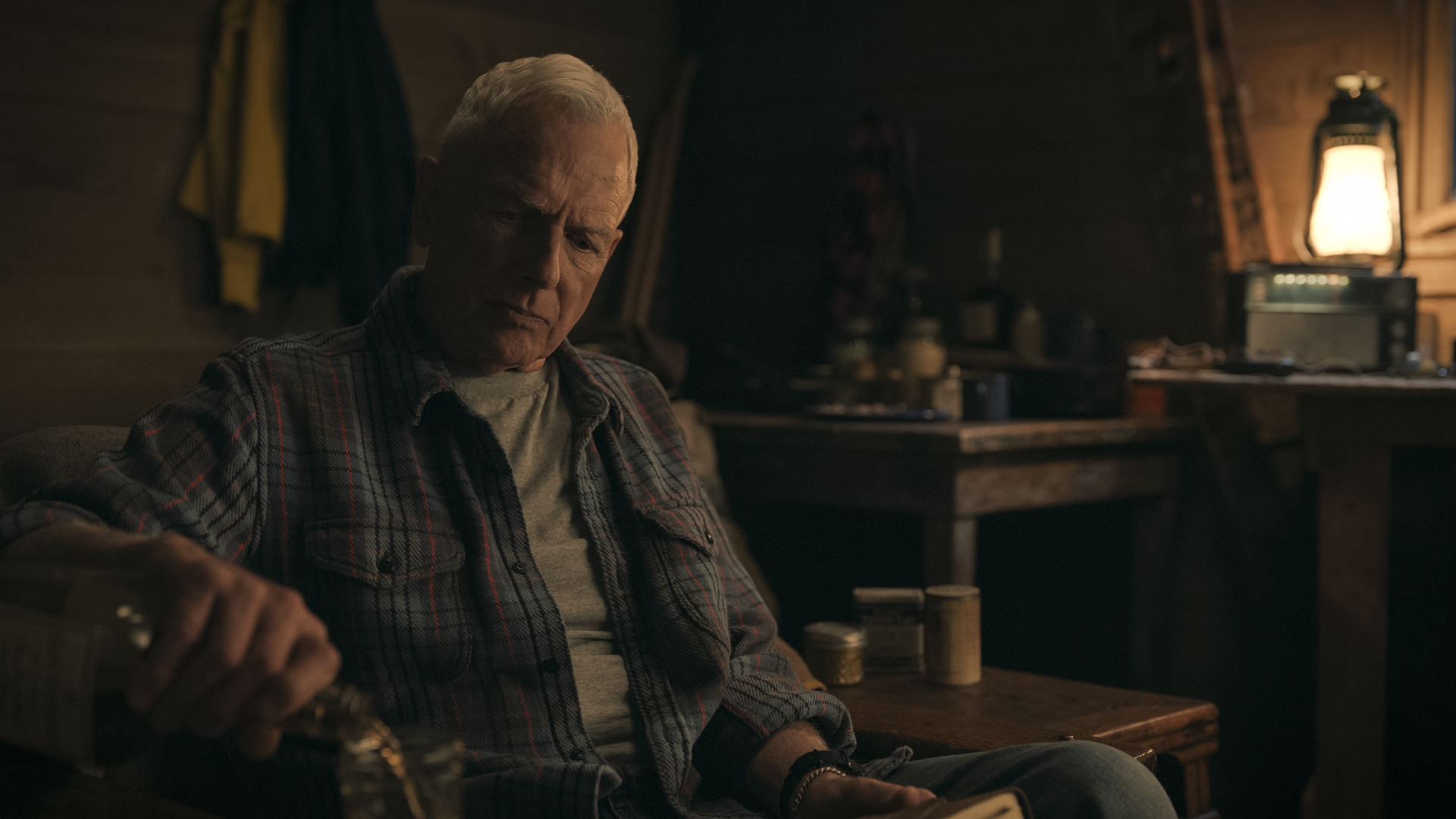
    Mark Harmon will return to the ‘NCIS’ franchise, reprising his role as Leroy Jethro Gibbs for the third season of the prequel series ‘NCIS: Origins’. This return is driven by Harmon’s ongoing commitment as an executive producer for the series, ensuring the authentic portrayal of the character he originated. The announcement on June 30, 2026, by Deadline confirms his continued involvement, reinforcing the narrative connection between Gibbs’ past and present.

    Harmon’s character, Special Agent Leroy Jethro Gibbs, has been a cornerstone of the ‘NCIS’ franchise since its inception. His portrayal defined the stoic, rule-bending leader of the Major Case Response Team for nearly two decades. The decision for Harmon to return to ‘NCIS: Origins’ for a third season highlights the enduring appeal of the Gibbs character and the franchise’s commitment to its foundational elements.

    The Enduring Legacy of Leroy Jethro Gibbs

    Leroy Jethro Gibbs first appeared in the two-part backdoor pilot for ‘NCIS’, which aired as episodes of ‘JAG’ in April 2003. Harmon’s portrayal quickly established Gibbs as a complex figure, a former Marine sniper turned NCIS Special Agent. His character’s backstory, marked by personal tragedy and a strict moral code, became a defining feature of the series.

    Gibbs led the NCIS team for 18 seasons, departing in the fourth episode of season 19, which aired in October 2021. His exit saw the character choose to remain in Alaska, finding peace away from the demands of federal law enforcement. This departure left a significant void for many viewers, making any return to the franchise a notable event.

    ‘NCIS’ itself launched on September 23, 2003, and quickly became one of CBS’s most successful and long-running procedural dramas. The series has spawned multiple spin-offs, including ‘NCIS: Los Angeles’, ‘NCIS: New Orleans’, ‘NCIS: Hawaiʹi’, and ‘NCIS: Sydney’. The creation of ‘NCIS: Origins’ further expands this universe by delving into the past of its most iconic character.

    Gibbs’ Character Evolution and Impact

    The character of Leroy Jethro Gibbs evolved significantly over his nearly two decades on screen. Initially presented as a hardened, no-nonsense agent, layers of his personal history were gradually revealed. These included his four marriages, the tragic deaths of his first wife Shannon and daughter Kelly, and his complex relationships with his father and various proteges.

    His signature ‘Gibbs’ Rules’ became a fan favorite, offering a glimpse into his pragmatic and often unconventional approach to law enforcement. These rules, ranging from ‘Never apologize – it’s a sign of weakness’ to ‘Never screw over your partner’, provided both comic relief and deeper insight into his moral compass. The consistency of these rules contributed to the character’s long-term appeal and predictability within the unpredictable world of crime-solving.

    Harmon’s performance earned him multiple People’s Choice Awards nominations and a loyal fan base. His ability to convey deep emotion with minimal dialogue became a hallmark of the character. This nuanced portrayal cemented Gibbs as one of television’s most memorable procedural drama leads, influencing countless other fictional law enforcement figures.

    ‘NCIS: Origins’ and Gibbs’ Formative Years

    ‘NCIS: Origins’ focuses on the early career of Leroy Jethro Gibbs. The series is set in 1993 and explores Gibbs’ first years as a newly minted special agent at the NCIS Camp Pendleton office. This period predates many of the events and relationships established in the flagship ‘NCIS’ series.

    The prequel aims to fill in the gaps of Gibbs’ professional and personal history, showing how he developed into the agent fans came to know. It details his interactions with early mentors and colleagues, providing context for his later leadership style and operational philosophy.

    Austin Stowell portrays the younger Leroy Jethro Gibbs in ‘NCIS: Origins’. Stowell’s casting was a critical component of the prequel’s development, as he was tasked with embodying a younger version of a character made famous by Harmon. His performance is intended to capture the essence of Gibbs while also showing his evolution.

    Exploring Key Mentors and Early Cases

    ‘NCIS: Origins’ delves into pivotal relationships that shaped Gibbs. One central figure is Mike Franks, portrayed by Robert Patrick in the original series and by Kyle Schmid in the prequel. Franks served as Gibbs’ mentor, guiding him through his initial years as a Special Agent. The prequel explores the genesis of their complex, father-son-like dynamic.

    The series also introduces viewers to other formative colleagues and superiors, such as Special Agent Vera Strickland, played by Diany Rodriguez. These characters help illustrate the environment in which Gibbs learned the ropes of NCIS. Early cases featured in ‘NCIS: Origins’ often highlight the nascent stages of Gibbs’ investigative techniques and his developing moral code, which would later define his leadership.

    The narrative of ‘NCIS: Origins’ also touches upon the political climate and technological limitations of the early 1990s. This setting provides a contrast to the more advanced investigative tools seen in the main ‘NCIS’ series, emphasizing the ingenuity and grit required of agents during that era.

    Harmon’s Dual Role: Actor and Executive Producer

    Mark Harmon’s involvement in ‘NCIS: Origins’ extends beyond his on-screen return. He also serves as an executive producer for the series, a role he has held since the show’s inception. This position allows him to maintain creative oversight and influence over the portrayal of his character’s origins.

    Harmon’s executive producer credit ensures that the narrative direction of ‘NCIS: Origins’ aligns with the established lore and character development of Leroy Jethro Gibbs. This level of involvement is crucial for maintaining continuity and authenticity within a beloved franchise. His intimate knowledge of the character, developed over nearly two decades, provides invaluable guidance to the creative team.

    His contributions as an executive producer likely include guiding story arcs, character interpretations, and overall tone. This dual role provides a direct link between the original series’ star and the prequel’s narrative, ensuring a cohesive vision that respects the character’s history while exploring new territory.

    The Importance of Executive Producer Input

    For a character as iconic as Leroy Jethro Gibbs, the input of the actor who originated the role is paramount. As an executive producer, Harmon can weigh in on scripts, casting decisions, and overall thematic direction. This ensures that the younger Gibbs portrayed by Austin Stowell remains consistent with the essence of the character fans have known for years.

    Harmon’s experience also provides a bridge for the younger cast members, offering insights into Gibbs’ motivations and mannerisms. This collaborative approach helps to maintain the integrity of the character across different timelines and actors. It also provides a level of quality control that reassures long-time fans about the direction of the prequel.

    The Impact of a Returning Icon for Season 3

    The return of Mark Harmon as Gibbs, even in a narrative capacity for a prequel, carries significant weight for the ‘NCIS’ franchise. It signifies a continued connection to its roots and acknowledges the importance of its central figures.

    Fan engagement with the ‘NCIS’ universe remains robust, driven by a loyal viewership that has followed the series for over two decades. The announcement of Harmon’s return for ‘NCIS: Origins’ Season 3 is poised to reignite excitement and draw attention to the prequel series. This strategic move leverages the established popularity of Harmon and the Gibbs character to attract new viewers while satisfying existing ones.

    The decision to feature Harmon in ‘NCIS: Origins’ also reflects a broader trend in television. Franchises often leverage established characters and actors to launch or sustain spin-off projects. This strategy capitalizes on existing fan bases and familiar intellectual property, ensuring a built-in audience from day one.

    Bridging Generations of ‘NCIS’ Fans

    The ‘NCIS’ franchise has cultivated multiple generations of viewers. Some have followed the series since its 2003 debut, while others have discovered it through streaming platforms. ‘NCIS: Origins’ aims to appeal to both groups.

    For long-time fans, the prequel offers a chance to see the genesis of their favorite character, providing answers to questions about his past. For newer viewers, it provides an entry point into the rich history of the NCIS universe, offering context for the flagship series and its spin-offs. This dual appeal strengthens the overall franchise.

    Harmon’s return helps bridge this gap. His presence, even if not in every episode or in a primary acting role, offers a tangible link to the original series. This connection can reinforce the narrative continuity across different timelines and iterations of the ‘NCIS’ story, creating a more cohesive viewing experience.

    The Future of the ‘NCIS’ Universe

    The ‘NCIS’ universe continues to expand and evolve. With multiple active series and the ongoing success of ‘NCIS: Origins’, the franchise demonstrates remarkable longevity and adaptability. This continued growth is a testament to the strong foundational characters and compelling storytelling that define the series.

    The commitment to exploring Gibbs’ past through ‘NCIS: Origins’ indicates a strategic effort to deepen the lore of the franchise. By understanding the character’s beginnings, viewers gain a richer appreciation for his journey and decisions in the original series. This enriches the entire viewing experience, offering new perspectives on established narratives.

    Future seasons of ‘NCIS: Origins’ could explore more pivotal moments in Gibbs’ early career, potentially introducing younger versions of other characters who later played significant roles. This narrative approach allows for both nostalgic appeal and fresh storytelling, keeping the franchise vibrant and engaging for years to come.

    Franchise Expansion and Character Development

    The ‘NCIS’ universe has successfully expanded by focusing on character-driven narratives within the framework of military crime investigation. Each spin-off, from ‘NCIS: Los Angeles’ to ‘NCIS: Sydney’, introduces new teams and settings while maintaining the core themes of duty, loyalty, and justice.

    ‘NCIS: Origins’ specifically enhances this by providing depth to the most central character. Understanding Gibbs’ early struggles, triumphs, and choices adds significant layers to his later persona. This kind of character development, spanning multiple series and decades, is rare in television and contributes to the franchise’s unique appeal.

    The ongoing success of the ‘NCIS’ franchise, bolstered by returns like Harmon’s, suggests a robust future. This future will likely involve continued exploration of its established characters and the introduction of new ones, ensuring the universe remains dynamic and relevant.

    Fans will watch. Critics will analyze. The ‘NCIS’ universe expands.

    Continuity.

  • Monica Barbaro Joins ‘Ocean’s Prequel’ Alongside Robbie and Cooper

    Monica Barbaro Joins ‘Ocean’s Prequel’ Alongside Robbie and Cooper

    Monica Barbaro has reportedly joined the cast of the upcoming “Ocean’s Prequel” film. The actress is set to star opposite Margot Robbie and Bradley Cooper. This news places Barbaro in a prominent role within a high-profile Hollywood production.

    The “Ocean’s Prequel” is an anticipated addition to the long-running “Ocean’s” franchise. Details surrounding the film’s plot and specific character roles remain under wraps. Production is expected to commence in the near future.

    Casting Details Emerge

    The casting of Monica Barbaro follows earlier reports confirming Margot Robbie and Bradley Cooper’s involvement. Robbie is also attached as a producer through her company, LuckyChap Entertainment. This marks a significant ensemble for the prequel.

    Barbaro’s career has seen a rise in recent years. Her previous roles have established her as a notable talent in Hollywood. Her inclusion suggests a key role in the ensemble heist film.

    The ‘Ocean’s’ Franchise History

    The original “Ocean’s 11” film was released in 1960, starring Frank Sinatra and the Rat Pack. The franchise was rebooted in 2001 with “Ocean’s Eleven,” directed by Steven Soderbergh and starring George Clooney, Brad Pitt, and Julia Roberts. This successful film led to two sequels, “Ocean’s Twelve” (2004) and “Ocean’s Thirteen” (2007).

    A female-led spin-off, “Ocean’s 8,” was released in 2018. It starred Sandra Bullock, Cate Blanchett, and Anne Hathaway. The upcoming prequel aims to expand the universe further, exploring earlier events within the criminal underworld.

    What to Expect from the Prequel

    The “Ocean’s Prequel” is expected to delve into the origins of the franchise’s intricate heist narratives. Specific plot points are not yet public. The film is currently in a developing stage.

    Director and production details beyond Robbie’s producing role have not been fully disclosed. Further announcements are anticipated as the project moves closer to principal photography. This developing story will be updated as more information becomes available.

  • Carlos Mencia Faces 11 Years for Tax Evasion, Inside the Defense’s Fight Against D.A. ‘Overreach’

    Carlos Mencia Faces 11 Years for Tax Evasion, Inside the Defense’s Fight Against D.A. ‘Overreach’

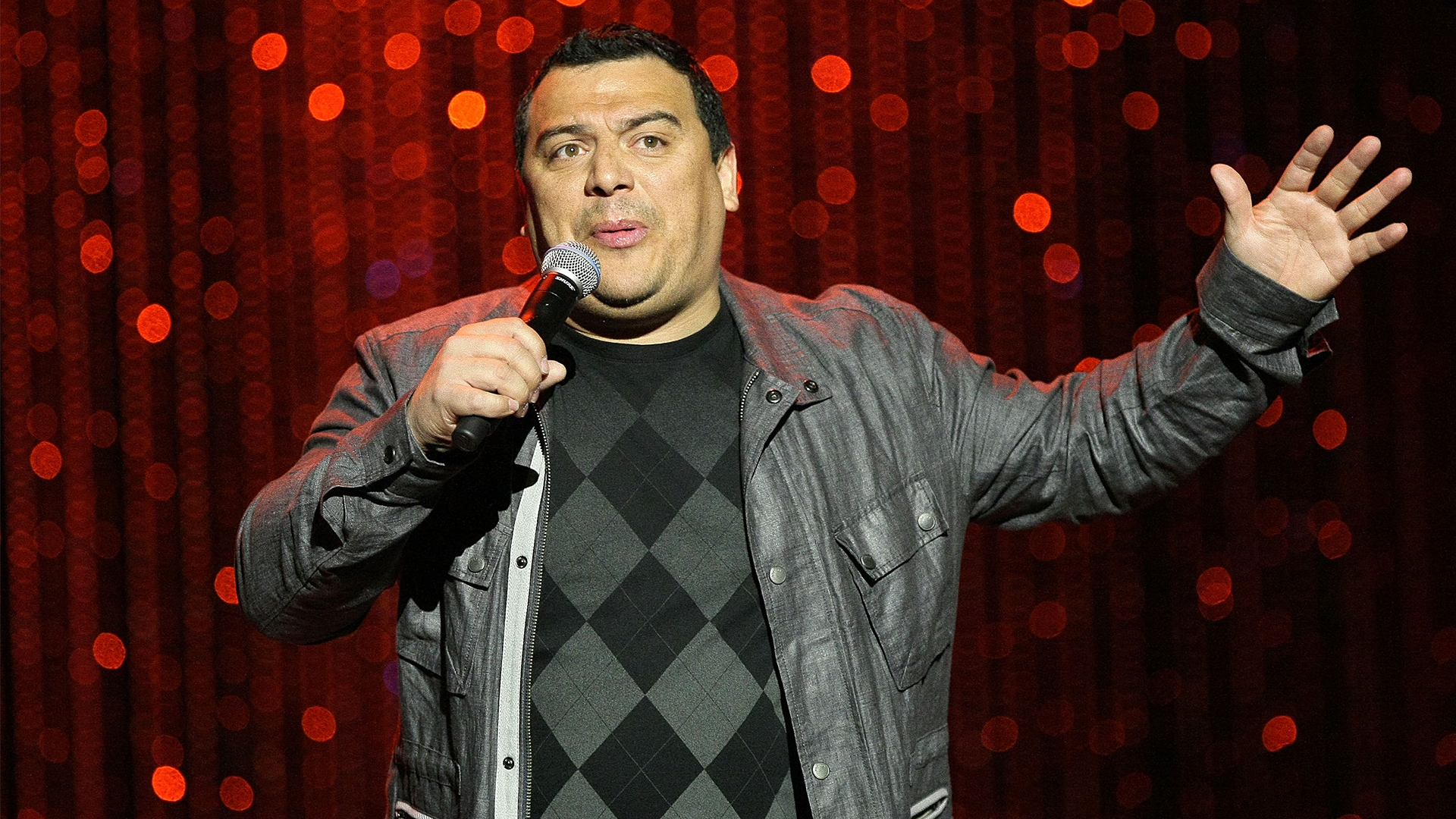
    On June 23, 2026, comedian Carlos Mencia stood before a judge and entered a formal not guilty plea against severe tax evasion charges. The allegations carry a staggering maximum sentence of 11 years in prison. Shortly after the arraignment concluded, Mencia posted bail. He walked out of the courthouse as a free man awaiting trial. But the legal war had only just begun. His legal team immediately went on the offensive. They bypassed standard diplomatic statements and directly accused the District Attorney of gross prosecutorial overreach.

    This is not a simple audit. This is a criminal prosecution. The state is seeking prison time for a prominent entertainer. The charges signal a highly aggressive stance by local prosecutors regarding high-net-worth individuals and their financial obligations. The battle lines are now drawn in a case that will test the limits of celebrity accountability.

    The Arraignment and the 11-Year Threat

    The courtroom proceedings were brief but highly consequential. Arraignments in criminal tax cases are procedural milestones. They set the stage for the months of discovery and motion practice that follow. Mencia’s appearance was mandatory. The entry of the not guilty plea was expected.

    The Mathematics of the Sentence

    The headline number is 11 years. This figure represents the absolute statutory maximum if the prosecution secures convictions on all counts and a judge imposes consecutive sentences. In California, standard tax evasion under Section 19706 of the Revenue and Taxation Code can carry up to a year in county jail or state prison per count.

    When prosecutors stack multiple years of unfiled returns or fraudulent filings, the potential time multiplies. Furthermore, white-collar crime enhancements, often applied under Penal Code 186.11 when the disputed amount exceeds certain high-dollar thresholds, can add several mandatory years to a base sentence. The 11-year threat is a calculated mechanism. It is designed to apply maximum pressure on the defendant.

    Posting Bail and Pre-Trial Freedom

    Mencia did not remain in custody. He posted bail immediately following the hearing. Bail in financial crimes is typically tied to the alleged amount of evaded taxes and the perceived flight risk of the defendant.

    By posting bail, Mencia secures the ability to participate actively in his own defense. He can meet with forensic accountants. He can review decades of financial ledgers. He can continue to work and generate income while the legal process slowly grinds forward. Pre-trial freedom is a critical tactical advantage in complex white-collar litigation.

    The Defense Strategy: Claiming Prosecutorial Overreach

    The defense did not wait for the dust to settle. They immediately launched a public counter-narrative. They labeled the District Attorney’s actions as “overreach.” This specific terminology is not accidental. It is the cornerstone of a classic white-collar criminal defense strategy.

    Criminal Intent vs. Civil Negligence

    The core of the defense’s argument relies on the distinction between civil liability and criminal intent. Tax law is notoriously complex. Mistakes happen frequently. A misplaced ledger, a misunderstanding of corporate tax structuring, or reliance on a negligent accountant can result in massive tax liabilities.

    However, making a mistake is not a crime. Negligence is penalized with civil fines and interest by the Franchise Tax Board or the IRS. To secure a criminal conviction and put a man in prison, the District Attorney must prove mens rea. They must prove the guilty mind. The prosecution must demonstrate beyond a reasonable doubt that Mencia intentionally and willfully schemed to defraud the government.

    The Blame Shift to Financial Handlers

    Celebrities rarely file their own taxes. They employ business managers, CPAs, and corporate attorneys. When a tax evasion case goes to trial, the defense often points the finger at these financial handlers.

    If the defense can show that Mencia trusted licensed professionals to handle his obligations, and those professionals failed, the element of willful criminal intent evaporates. The D.A.’s office knows this defense is coming. Their investigation will have focused heavily on communications between Mencia and his accountants, looking for direct orders to hide income.

    The Trajectory of a Comedy Empire

    To understand the complexity of Mencia’s financial history, one must look at the trajectory of his career. Income for touring comedians is highly volatile. This volatility creates unique tax vulnerabilities.

    The Comedy Central Peak

    Between 2005 and 2008, Carlos Mencia was one of the highest-earning comedians in the world. His television show, Mind of Mencia, was a flagship program for Comedy Central. He sold out arenas. He moved massive volumes of merchandise.

    During peak earning years, entertainers often set up complex corporate structures. They form LLCs and S-Corps to manage revenue streams. Money flows through agencies, management companies, and business managers before it ever reaches the artist. This infrastructure requires flawless accounting.

    The Contraction and the Lagging Tax Trap

    Following highly publicized controversies within the stand-up community, most notably accusations of joke theft spearheaded by Joe Rogan, Mencia’s career contracted. The arena tours scaled down to theater and club appearances.

    This contraction creates the classic celebrity tax trap. Tax liabilities often lag behind income. A massive tax bill from a peak earning year might come due during a lean year. If the funds have already been spent or poorly invested, the entertainer cannot pay the bill. What begins as an inability to pay can sometimes spiral into active concealment, which triggers criminal investigations.

    The District Attorney’s Playbook

    The Los Angeles County District Attorney’s office does not pursue criminal tax evasion charges lightly. These cases are expensive to prosecute. They require thousands of hours of forensic accounting. When they choose to move forward, they do so with a specific agenda.

    The High-Profile Deterrent

    Prosecutors use high-profile figures as public billboards. Prosecuting an unknown business owner for tax evasion might warrant a paragraph in a local newspaper. Prosecuting a famous comedian generates international headlines.

    These headlines serve a vital function for the state. They generate compliance from the general public. When citizens see a wealthy celebrity facing 11 years in prison for tax issues, voluntary tax compliance rates temporarily spike. The District Attorney is leveraging Mencia’s fame to send a message to every taxpayer in the jurisdiction.

    Collaboration with Tax Authorities

    Local prosecutors do not work in a vacuum. A case of this magnitude involves deep collaboration with state tax authorities, specifically the California Franchise Tax Board (FTB).

    The FTB possesses sweeping powers to audit, garnish wages, and seize assets. When their civil enforcement mechanisms fail to produce results, or when they uncover evidence of intentional fraud, they refer the case to the District Attorney’s criminal division. The current charges are the result of a long, quiet investigation that likely spanned several years before the arraignment.

    Historical Precedents of Celebrity Accountability

    Mencia is not the first entertainer to face the full weight of the government over unpaid taxes. The history of show business is littered with high-profile tax battles. These precedents loom large over the current proceedings.

    The Wesley Snipes Standard

    The most famous modern example is actor Wesley Snipes. Snipes was convicted of willful failure to file federal income tax returns. He ultimately served time in a federal prison in Pennsylvania.

    The Snipes case proved that the government is willing to incarcerate major stars. It destroyed the myth that celebrities could simply write a check to make criminal charges disappear. The District Attorney’s office is undoubtedly aware of this precedent. They know that a conviction is possible, even against a well-funded defense team.

    Negotiated Settlements and Restitution

    Not all celebrity tax cases end in prison. Many end in quiet pleas and massive restitution payments. Country music legend Willie Nelson famously negotiated with the IRS, even releasing an album to help pay off his massive tax debt.

    The reality of criminal tax prosecution is that the government ultimately wants its money. While the threat of 11 years in prison is real, it is also a negotiating tactic. The prosecution wants leverage. They want the defendant to feel the crushing weight of potential incarceration, forcing them to liquidate assets, pay the back taxes, pay the massive penalties, and accept a lesser plea.

    The Long Road to Trial

    The arraignment is only the first step. The road to an actual trial is long, tedious, and highly technical. The public will see very little of the day-to-day battle.

    Discovery and Forensic Accounting

    The case now enters the discovery phase. The District Attorney must turn over every piece of evidence they intend to use at trial. This will include bank records, tax returns, emails, text messages, and testimonies from former accountants.

    Mencia’s defense team will deploy their own forensic accountants. They will audit the government’s audit. They will look for mathematical errors. They will look for proof that Mencia was unaware of any fraudulent activity. This process will take months, if not years.

    The Prospect of a Plea Deal

    Despite the aggressive rhetoric from both sides, the most statistically likely outcome is a plea agreement. Trials are unpredictable. Trials are expensive. A trial exposes the District Attorney to the risk of an embarrassing acquittal. A trial exposes Mencia to the risk of an 11-year prison sentence.

    Behind closed doors, negotiations will eventually begin. The defense will offer a guilty plea to a lesser misdemeanor charge in exchange for no jail time and full financial restitution. The prosecution will demand a felony plea and a massive financial penalty. They will meet somewhere in the middle.

    The Broader Impact on the Entertainment Industry

    The charges against Mencia send a shockwave through the management agencies and accounting firms of Hollywood. It is a stark reminder of the state’s power.

    Auditing the Managers

    When a celebrity is indicted, their peers take notice. Business managers across Los Angeles will undoubtedly receive panicked phone calls from their clients this week. Entertainers will demand secondary audits. They will demand proof that their corporate structures are compliant.

    The prosecution of one star forces the entire industry to tighten its accounting practices. The District Attorney’s message is received loud and clear. No amount of fame provides immunity from the tax code.

    The Final Reckoning

    The legal machinery is now in motion. The state has made its accusation. The defendant has made his plea. The defense has drawn its line in the sand, crying overreach. Now, the burden of proof shifts.

    The state must prove the intent. The defense must prove the ignorance. The accountants will review the ledgers. The lawyers will file the motions. The judge will set the dates. Accountability.

  • The Fall of a Comedy Giant – Carlos Mencia Arrested on Felony Fraud Charges in Los Angeles

    The Fall of a Comedy Giant – Carlos Mencia Arrested on Felony Fraud Charges in Los Angeles

    Carlos Mencia, the former host of Comedy Central’s hit series Mind of Mencia, was arrested in Los Angeles in June 2026 on multiple felony tax fraud charges. Authorities allege the 58-year-old comedian concealed millions of dollars in income through a complex network of shell companies to evade state and federal taxes. The arrest brings a sudden and severe legal reckoning to a performer who once stood at the absolute pinnacle of American stand-up comedy.

    The story of this arrest is not just about a single missed tax deadline. It is a sprawling narrative of financial obfuscation.

    For years, rumors circulated about Mencia’s financial maneuvers as his mainstream television career cooled. Now, the Los Angeles County District Attorney’s Office, working in tandem with federal investigators, has unsealed an indictment that paints a stark picture of deliberate wealth concealment. What looks like a sudden downfall actually began years ago in the ledgers of obscure limited liability companies.

    The Dawn Arrest in Los Angeles

    The operation unfolded quietly. On a Tuesday morning in June 2026, plainclothes agents from the Internal Revenue Service Criminal Investigation (IRS-CI) division, flanked by officers from the Los Angeles Police Department, arrived at Mencia’s residence. There were no flashing lights. There was no media circus at the gate.

    Mencia, born Ned Arnel Mencía, was taken into custody without incident.

    He was transported to the Clara Shortridge Foltz Criminal Justice Center in downtown Los Angeles for processing. Bail was initially set at $250,000. Within hours, the entertainment industry began to process the news. The charges were not related to his past professional controversies. They were strictly financial, strictly mathematical, and strictly felonious.

    The California Franchise Tax Board (FTB) had reportedly been auditing the comedian’s returns for over three years. What began as a routine civil inquiry escalated into a criminal probe when forensic accountants discovered a pattern of deliberate deception.

    The Mechanics of the Alleged Fraud

    The unsealed indictment details a sophisticated effort to hide touring revenue, merchandise sales, and residual income. Prosecutors allege that between 2020 and 2024, Mencia failed to report approximately $2.4 million in gross income.

    The strategy allegedly involved:

    • Routing performance fees from independent comedy clubs into out-of-state business entities.
    • Classifying personal lifestyle expenses, including luxury vehicle leases and private travel, as deductible corporate overhead.
    • Failing to file personal income tax returns in the State of California for three consecutive fiscal years.
    • Utilizing cash-heavy transactions for private corporate gigs to avoid generating 1099 tax forms.

    Tax avoidance is a legal strategy utilized by countless high-net-worth individuals. Tax evasion is a felony. The District Attorney’s office asserts that Mencia crossed this line deliberately and repeatedly.

    “The deliberate concealment of income to defraud the taxpayers of California is not an accounting error. It is a crime. No individual, regardless of their past celebrity or public profile, is exempt from the revenue laws that fund our public infrastructure.”

    The Rise and Reign of the “Mind of Mencia” Empire

    To understand the scale of Mencia’s financial history, one must look back to the mid-2000s. In 2005, Comedy Central premiered Mind of Mencia. The show was an immediate, explosive success.

    At its peak, it was the second highest-rated program on the network, trailing only Chappelle’s Show. Mencia became a cultural phenomenon. He coined catchphrases. He sold millions of DVDs. He embarked on nationwide stadium tours that grossed tens of millions of dollars.

    During this era, Mencia was not just a comedian. He was an enterprise.

    The revenue generated during the 2005 to 2008 window was staggering. Merchandise sales alone accounted for massive streams of passive income. He commanded premium guarantees for live performances. He secured lucrative endorsement deals. The money flowed into a variety of corporate entities designed to manage the sudden influx of wealth.

    But the empire was built on a fragile foundation of public perception. And that perception was about to shatter.

    A History of Industry Controversies

    The financial charges in 2026 cannot be entirely divorced from the professional controversies that derailed his mainstream career two decades earlier. Mencia’s fall from grace in the comedy community is well-documented.

    For years, fellow comedians accused Mencia of plagiarism. The allegations were whispered in the hallways of The Comedy Store and the Laugh Factory in Los Angeles. Comedians like George Lopez and Bill Cosby were frequently cited as victims of Mencia’s alleged joke thievery.

    The boiling point occurred in February 2007.

    During a set at The Comedy Store, comedian Joe Rogan confronted Mencia on stage. Rogan explicitly accused Mencia of stealing material from other working comics. The confrontation was recorded, uploaded to a nascent YouTube, and went viral. It was a watershed moment in the history of stand-up comedy.

    The public backlash was swift and severe. Mind of Mencia was canceled in 2008. Mencia’s mainstream television opportunities evaporated. He became a pariah in elite comedy circles. He was, in modern terms, canceled before the term existed in the cultural lexicon.

    The Financial Impact of Exile

    When the television contracts vanished, Mencia was forced to pivot. He returned to his roots: relentless, grueling road work.

    He continued to tour, playing smaller theaters and eventually comedy clubs. While he remained a draw for his dedicated fanbase, the economics of his career had fundamentally changed. He was no longer generating Comedy Central-level money. He was operating as an independent contractor in a highly competitive landscape.

    Financial experts note that when a high-net-worth individual experiences a sudden, permanent drop in income, the pressure to maintain their previous lifestyle often leads to aggressive accounting. The overhead remains high. The revenue drops. The math stops working.

    Prosecutors allege this exact dynamic fueled the tax fraud. As the legitimate, massive paydays dwindled, the effort to shield the remaining income from taxation allegedly intensified.

    The Broader Crackdown on Entertainment Wealth

    Mencia’s arrest is part of a larger, aggressive initiative by state and federal tax authorities targeting high-net-worth individuals in the entertainment sector. The IRS-CI division in Los Angeles has historically made examples of celebrities to drive compliance among the general public.

    The strategy is known as deterrence through publicity.

    When actor Wesley Snipes was convicted of willful failure to file federal income tax returns in 2008, he served three years in federal prison. The message was clear. More recently, reality television stars Todd and Julie Chrisley were sentenced to federal prison for bank fraud and tax evasion. The justice system consistently demonstrates a willingness to incarcerate public figures for financial crimes.

    The California Franchise Tax Board is equally aggressive. California possesses some of the highest state income tax rates in the nation. The state relies heavily on the tax revenue of its wealthiest residents. When a high-profile resident attempts to bypass this system, the FTB pursues the matter with vast resources.

    The Legal Road Ahead

    Mencia now faces a perilous legal journey. Felony tax fraud in California carries severe penalties, including substantial fines, mandatory restitution, and potential time in state prison.

    His legal team will likely attempt to shift the blame to his accountants and financial managers. This is the standard defense in celebrity tax evasion cases. The defense argues that the celebrity is an artist, not a CPA, and that they relied in good faith on licensed professionals to handle their complex financial affairs.

    To secure a conviction, prosecutors must prove intent. They must prove that Mencia knew he was hiding money and actively participated in the deception.

    The evidence will heavily rely on paper trails. Emails, text messages, bank transfers, and the testimony of former business associates will form the core of the state’s case. If Mencia’s signature is on documents authorizing the creation of offshore accounts or fraudulent deductions, the “ignorant artist” defense will crumble.

    A preliminary hearing is scheduled for late July at the Clara Shortridge Foltz Criminal Justice Center. Until then, Mencia remains free on bail, his passport surrendered, his financial life under a microscope.

    The legacy of Ned Arnel Mencía is now fractured beyond repair. He survived the plagiarism scandals. He survived the loss of his television empire. But surviving the forensic accountants of the federal government is an entirely different challenge.

    The stage lights faded. The television contracts expired. The auditors arrived.

    Accountability.

  • ‘The Devil Wears Prada 2’ Hits $676 Million Globally, Pushing Franchise Past $1 Billion

    ‘The Devil Wears Prada 2’ Hits $676 Million Globally, Pushing Franchise Past $1 Billion

    The return to the high-stakes world of Runway magazine has proven to be a financial juggernaut. The Devil Wears Prada 2 has grossed $676 million at the global box office, a staggering figure that officially pushes the franchise past the $1 billion mark. This milestone confirms what industry analysts suspected when the sequel was announced: the appetite for Miranda Priestly’s icy demands and Andy Sachs’s career navigation remains as potent as ever.

    The numbers reflect a massive cultural footprint. The original 2006 film, based on Lauren Weisberger’s novel, earned $326 million worldwide against a modest $35 million budget. It became a touchstone for a generation. Now, nearly two decades later, the sequel has more than doubled the original’s haul, demonstrating the enduring power of legacy sequels when executed with the original cast intact.

    The Power of the Reunion

    The success of The Devil Wears Prada 2 hinges entirely on its cast. Meryl Streep returned as the formidable Miranda Priestly. Anne Hathaway reprised her role as Andy Sachs. Emily Blunt stepped back into the frantic shoes of Emily Charlton. Stanley Tucci returned as Nigel Kipling.

    This was not a reboot. This was a continuation. Audiences were not asked to accept new faces in iconic roles. They were invited to see where these specific characters landed nearly twenty years later.

    The marketing campaign leaned heavily into this reunion. Trailers featured Streep delivering variations of her famous “That’s all” dismissal. Promotional materials highlighted the shifting dynamics between Andy, now a powerful executive in her own right, and Miranda, facing a rapidly changing media landscape.

    Box Office Breakdown: Domestic vs. International

    The $676 million global gross is not evenly split. The film performed exceptionally well in international markets, where the appeal of high fashion and New York City glamour translates seamlessly.

    • Domestic Box Office: Roughly $285 million of the total comes from North American theaters. This indicates strong repeat viewing and broad demographic appeal, drawing both fans of the original and a new generation of moviegoers.
    • International Box Office: The remaining $391 million comes from overseas markets. The film saw massive returns in the United Kingdom, France, Italy, and Japan. The universal themes of workplace ambition and demanding bosses clearly resonate beyond American borders.

    This international strength is crucial. It insulates the film from domestic box office slumps and proves the global viability of female-led comedy-dramas, a genre often underestimated by studio executives.

    The Economics of Nostalgia

    The entertainment industry is currently driven by intellectual property. Studios rely on established franchises to mitigate risk. The Devil Wears Prada 2 is a textbook example of how to leverage nostalgia effectively.

    The original film was released in 2006. The audience that saw it in theaters is now in their late thirties and forties. They have disposable income. They have a deep emotional connection to the characters. They are willing to pay premium ticket prices to experience that connection again.

    Furthermore, the original film has enjoyed a robust afterlife on streaming platforms and cable television. It has been discovered by younger audiences who were not old enough to see it during its original theatrical run. This dual demographic, the original fans and the new converts, created a massive built-in audience for the sequel.

    The Cost of High Fashion

    While the original film cost $35 million, the sequel required a significantly larger investment. The budget for The Devil Wears Prada 2 is estimated to be around $90 million.

    This increase accounts for several factors. First, the cast salaries. Securing Streep, Hathaway, and Blunt required substantial upfront payments and back-end deals. Second, the production values. The film features extensive location shooting in New York, Paris, and Milan. Third, the wardrobe. The fashion in the film is a character itself, requiring partnerships with major design houses and a massive costume department budget.

    Despite the higher cost, the return on investment is undeniable. The film has grossed more than seven times its production budget, making it one of the most profitable films of the year.

    The Changing Landscape of Media

    The narrative of The Devil Wears Prada 2 reflects the shifts in the publishing industry since 2006. The original film focused on the power of print magazines. The sequel grapples with the realities of digital media, social media influencers, and the decline of traditional publishing models.

    Miranda Priestly is no longer just fighting rival editors; she is fighting algorithms and TikTok trends. Andy Sachs is navigating a world where content is consumed in seconds, not savored on glossy pages. This thematic update prevents the film from feeling like a simple retread of the original.

    It grounds the comedy in contemporary anxieties. It allows the characters to evolve and face new challenges. It makes the film relevant to the current moment, rather than just a nostalgic trip down memory lane.

    The Legacy of Miranda Priestly

    Meryl Streep’s performance as Miranda Priestly remains the anchor of the franchise. In 2006, the character was a terrifying, almost mythical figure. In the sequel, she is slightly more vulnerable, though no less formidable.

    The film explores the cost of her relentless ambition. It asks whether the sacrifices she made for her career were worth it. It provides a more nuanced portrait of a woman who refuses to compromise her standards in a world that increasingly demands mediocrity.

    Streep’s ability to find the humanity within the monster is what elevates the film above a standard workplace comedy. She makes Miranda Priestly a tragic figure, even as she delivers devastating insults with perfect comedic timing.

    The Future of the Franchise

    With the franchise now past the $1 billion mark, the inevitable question arises: will there be a third film? The studio has not officially announced The Devil Wears Prada 3, but the financial realities make it highly likely.

    However, the creative team faces a challenge. The sequel worked because it had something new to say about the characters and the industry. A third film would need to find a compelling reason to exist beyond just making more money.

    Perhaps the focus will shift entirely to Emily Charlton. Perhaps Andy Sachs will start her own rival publication. The possibilities are numerous, but the execution must match the quality of the first two films.

    The audience has proven they will show up for these characters. They have proven they will pay to see them navigate the cutthroat world of high fashion. The studio just needs to ensure the script is as sharp as a stiletto heel.

    The Cultural Impact

    Beyond the box office numbers, The Devil Wears Prada 2 has reignited conversations about workplace culture, female ambition, and the value of mentorship. The film’s depiction of a demanding female boss remains complex and controversial.

    Some view Miranda Priestly as a feminist icon, a woman who unapologetically wields power in a male-dominated industry. Others view her as a cautionary tale, a toxic leader who destroys the lives of those around her.

    The sequel does not offer easy answers. It presents the reality of high-stakes environments, where success often requires ruthless pragmatism. It forces the audience to grapple with the complexities of ambition and the true cost of excellence.

    The conversation continues. The box office climbs. The legacy solidifies. The franchise endures.

    Runway.