Tag: Federal Budget

  • The 2026 Midterm Spending Paradox: Why Congressional Stopgap Battles Mask a Deeper Institutional Fatigue

    The 2026 Midterm Spending Paradox: Why Congressional Stopgap Battles Mask a Deeper Institutional Fatigue

    Key Takeaways:
    • Congress faces a September 30 deadline to avoid a government shutdown, with stopgap measures likely.
    • Both parties are leveraging funding debates for 2026 midterm campaign messaging, prioritizing political optics over fiscal stability.
    • Public sentiment indicates growing frustration with Washington’s inability to govern effectively, impacting trust in democratic institutions.
    • The cycle of short-term fixes perpetuates instability, hindering long-term policy and exacerbating national challenges.

    The August Recess Illusion and the Looming September 30 Cliff

    The August Congressional recess, traditionally a period for lawmakers to reconnect with constituents and recharge, has concluded. Yet, for many, it served less as a respite and more as a prelude to an inevitable fiscal confrontation. As of August 18, 2026, the federal government is just 43 days away from the September 30 deadline, when current appropriations expire. The familiar specter of a government shutdown looms large, a recurring narrative that has become less a warning and more a predictable seasonal event in American politics.

    Behind the scenes, the mechanics are already in motion. Committee work on the 12 annual appropriations bills remains largely stalled, a consequence of deep partisan divides over spending priorities, debt ceilings, and the very role of federal intervention. The House, narrowly controlled by one party, and the Senate, with its razor-thin majority for the other, are locked in a legislative stalemate. This dynamic ensures that comprehensive, long-term funding solutions are politically unpalatable, if not impossible, in the current climate. Consequently, the most probable outcome is another Continuing Resolution (CR) a stopgap measure designed to keep the government funded at existing levels for a short period, typically until December. This tactical retreat avoids immediate catastrophe but postpones genuine resolution, kicking the fiscal can down the road with increasing velocity.

    The Appropriations Chessboard and Midterm Campaign Pressures

    The impending September 30 deadline is not merely a bureaucratic hurdle; it is a critical battleground for the 2026 midterm elections. Both major parties are acutely aware that their handling of the budget crisis will be scrutinized by voters and weaponized by opponents. For the party in power, a shutdown represents a failure of governance, a potent attack line for the opposition. For the minority party, it is an opportunity to highlight perceived fiscal irresponsibility or overreach by the majority, even if their own obstruction contributes to the impasse.

    “Every dollar debated, every amendment proposed, every procedural vote taken, is being filtered through the lens of November 2026. The actual impact on federal agencies or public services often becomes secondary to the political optics.”

    Key policy riders, often unrelated to the core function of government funding, are being strategically inserted into appropriations bills. These riders, addressing everything from environmental regulations to social issues, serve as litmus tests for ideological purity and provide fodder for campaign ads. The goal is not necessarily to pass these measures, but to force opponents into politically uncomfortable votes. This appropriations chessboard, where every move is calculated for its electoral impact, further entrenches gridlock. The incentive structure rewards confrontation over compromise, ensuring that the ‘crisis’ itself becomes a valuable political commodity.

    The Mirror Turn: Public Fatigue and the Price of Governance by Crisis

    While Washington engages in its perennial fiscal drama, a significant shift is occurring in the public consciousness. Polling data consistently indicates a growing exhaustion with institutional gridlock. Voters, regardless of their political affiliation, express frustration with a system that appears incapable of performing its most basic function: funding the government without resorting to last-minute, high-stakes maneuvers. This fatigue is not merely about specific policies; it is about a deeper erosion of trust in the efficacy and legitimacy of democratic institutions.

    The constant cycle of crisis governance has tangible consequences. Federal agencies operate under perpetual uncertainty, hindering long-term planning and recruitment. Essential services face potential disruptions. But perhaps more insidious is the psychological toll on the electorate. When the political system consistently prioritizes partisan skirmishes over stable governance, it fosters cynicism and disengagement. This ‘mirror turn’ reflects a public that is increasingly viewing Washington’s theatrics not as high drama, but as a repetitive, self-serving spectacle.

    The price of this governance by crisis is steep. It diminishes the public’s belief in collective problem-solving and reinforces the perception that political leaders are more interested in power than progress. As the September 30 deadline approaches, the question is not just whether a shutdown will be averted, but what further damage this predictable, yet avoidable, crisis will inflict on the already fragile trust between the governed and their governors. The clock ticks, not just on appropriations, but on the patience of a weary public.

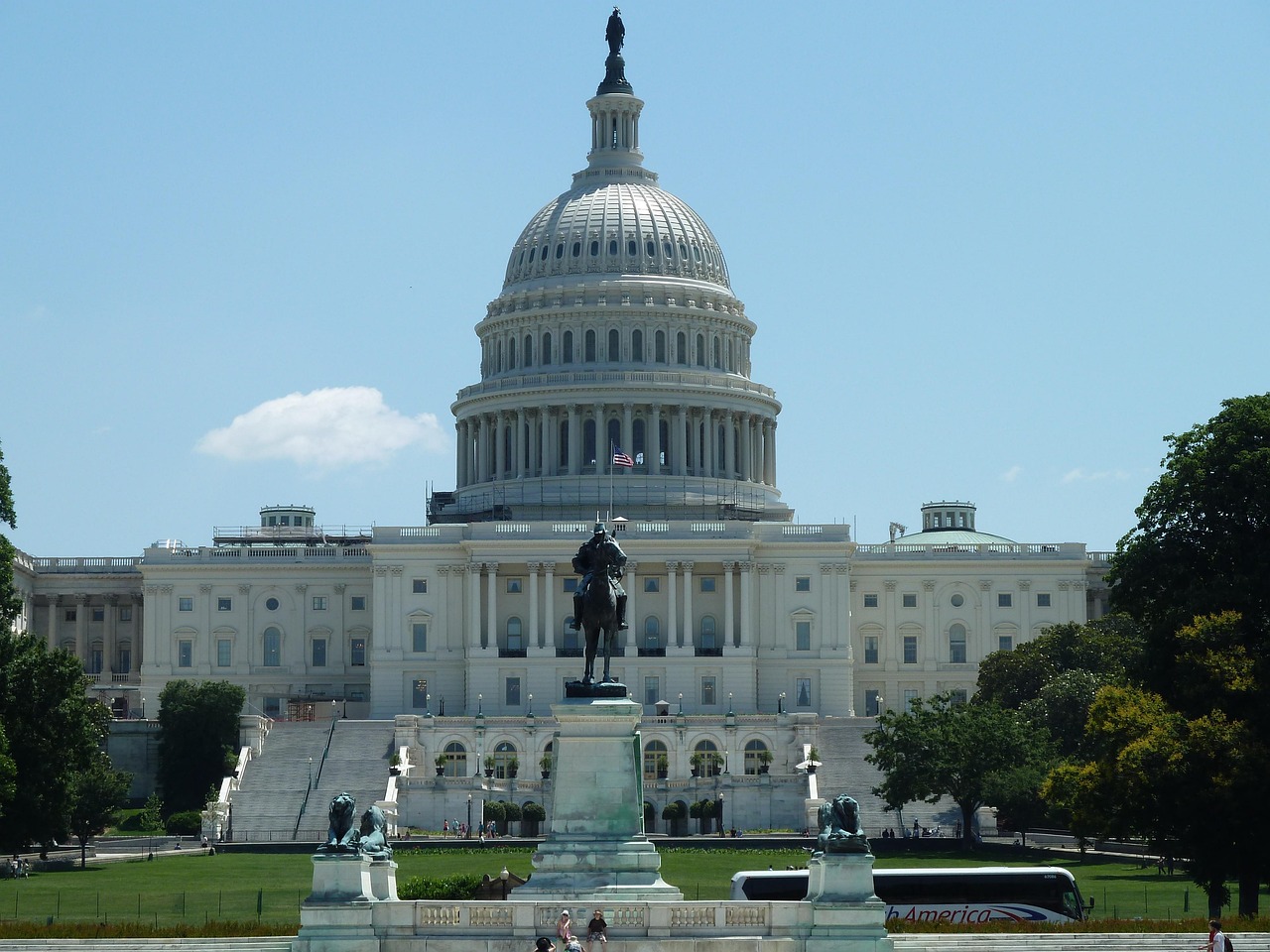
    The Capitol dome, bathed in the late afternoon sun, stands silent.

    Frequently Asked Questions

    Q: What is a ‘stopgap funding showdown’?

    A stopgap funding showdown refers to the annual or semi-annual legislative battle in the U.S. Congress to pass temporary spending measures, known as Continuing Resolutions (CRs), when the 12 regular appropriations bills are not enacted by the September 30 deadline. These showdowns often involve intense partisan negotiations and the threat of a government shutdown.

    Q: How do midterm elections influence these funding battles?

    Midterm elections significantly amplify the political stakes of funding battles. Both parties use the budget process to position themselves favorably for the upcoming elections, often prioritizing messaging and politically advantageous votes over bipartisan compromise. This can lead to increased gridlock as each side seeks to highlight the perceived failures of the other.

    Q: What are the long-term consequences of perpetual ‘governance by crisis’?

    Perpetual governance by crisis erodes public trust in institutions, hinders effective long-term policy planning for federal agencies, and can lead to economic instability. It also fosters political cynicism, making it harder to address complex national challenges and potentially contributing to voter disengagement.

  • Marc Short Predicts September 2026 Government Shutdown – What It Means

    Marc Short Predicts September 2026 Government Shutdown – What It Means

    A government shutdown is anticipated in September 2026, a prediction that has generated significant discussion regarding its potential impact on federal operations and the national economy. This forecast comes from Marc Short, former Chief of Staff to Vice President Mike Pence. His assessment highlights persistent budgetary disputes and legislative stalemates that often characterize the appropriations process in Washington D.C.

    The possibility of a shutdown underscores the recurring challenges in achieving consensus on federal spending. These impasses can lead to a lapse in funding, forcing non-essential government functions to cease. Short’s comments reflect an informed perspective on the political realities surrounding federal budget negotiations.

    The Mechanics of a Government Shutdown

    A government shutdown occurs when Congress fails to pass appropriations bills or a continuing resolution (CR) to fund government operations by the end of the fiscal year, which is September 30. Without legal authority to spend money, federal agencies must suspend non-essential activities.

    Essential services typically continue. These include national security, air traffic control, and emergency services. However, many federal employees are furloughed without pay.

    The Office of Management and Budget (OMB) issues guidance to agencies on how to implement shutdown procedures. Each agency determines which employees are deemed essential and which are not.

    Budgetary Disagreements and Deadlines

    The annual budget process involves intricate negotiations between the House of Representatives, the Senate, and the President. Disagreements can arise over spending levels, specific program funding, or policy riders attached to appropriations bills.

    These negotiations often intensify as the September 30 deadline approaches. Failure to reach a compromise can trigger a shutdown, as seen in previous years.

    Continuing resolutions are temporary measures. They allow the government to operate at current funding levels for a specified period. This buys more time for Congress to pass full appropriations bills.

    Marc Short’s Prediction and Context

    Marc Short, who served as Chief of Staff to Vice President Mike Pence during the Trump administration’s first term, is a seasoned political observer with deep knowledge of congressional budget processes. His prediction of a September 2026 shutdown is rooted in an understanding of current political dynamics and historical precedents.

    Short’s insights are often sought after due to his experience navigating complex legislative battles. His public statements carry weight within political circles, signaling potential challenges ahead for the current administration and Congress.

    He has indicated that the current political climate, characterized by significant ideological divides and a narrow majority in Congress, makes consensus on appropriations increasingly difficult. This assessment aligns with trends seen in previous budget cycles.

    Why Short’s View Matters

    Short’s perspective is informed by his direct involvement in previous budget negotiations and government shutdown threats. During his tenure, he witnessed firsthand the complexities of bipartisan cooperation and the pressures exerted during appropriations deadlines.

    His prediction is not merely speculative. It is an analysis based on the current legislative calendar, the stated positions of various political factions, and the historical propensity for impasses as the fiscal year concludes.

    The former Chief of Staff’s comments serve as an early warning for federal agencies, employees, and businesses that rely on government functions. This early notice allows for some degree of preparation, though the ultimate impact remains uncertain.

    Historical Precedents of Shutdowns

    The United States government has experienced multiple shutdowns throughout its history. Each instance had unique causes and consequences, but common themes emerge regarding political deadlock and economic disruption.

    One notable shutdown occurred in late 1995 and early 1996. This was during the administration of President Bill Clinton. Disagreements over Medicare spending and budget priorities led to two separate shutdowns totaling 26 days.

    Another significant shutdown took place in October 2013. This was under President Barack Obama. It lasted 16 days and was primarily driven by disputes over the Affordable Care Act (ACA).

    The longest government shutdown in U.S. history began in December 2018 and extended into January 2019. It lasted 35 days. This shutdown occurred during President Donald Trump’s first term. It centered on funding for a wall on the U.S.-Mexico border.

    Impact on Federal Employees and Services

    Government shutdowns have immediate and tangible effects. Hundreds of thousands of federal employees may be furloughed. This means they are temporarily sent home without pay.

    While Congress often passes legislation to provide back pay to furloughed workers, the uncertainty causes significant financial strain. Many families rely on their federal salaries for daily expenses. The stress extends to housing payments, childcare, and basic necessities.

    Public services also suffer. National parks close, passport processing slows, and research projects halt. Economic data collection can be delayed. This creates blind spots for policymakers and businesses. Critical regulatory functions can be paused, potentially impacting health and safety standards.

    Specific Agency Disruptions

    • National Parks Service: Closures of parks and monuments, impacting tourism and local economies.
    • IRS: Delays in tax refunds and taxpayer assistance, especially during peak seasons.
    • FDA: Postponement of food safety inspections and drug approvals.
    • EPA: Suspension of environmental monitoring and enforcement actions.
    • Small Business Administration (SBA): Delays in processing loans and business assistance programs.
    • NASA: Halting of non-essential research and development projects.

    Economic Ramifications of a Shutdown

    The economic impact of a government shutdown can be substantial. It extends beyond the immediate cessation of services and employee furloughs. The ripple effects can be felt across various sectors of the economy.

    A shutdown can reduce consumer spending. Federal employees, uncertain about their next paycheck, may cut back on discretionary purchases. This ripple effect can harm local businesses, particularly those in areas with high concentrations of federal workers.

    Business confidence can also decline. Prolonged uncertainty about government operations may lead companies to postpone investments or hiring decisions. This further slows economic activity and can depress market sentiment. Supply chains dependent on federal permits or inspections can experience disruptions.

    Credit rating agencies have previously warned about the potential negative impact of shutdowns on the U.S. credit rating. This could increase borrowing costs for the federal government and, by extension, for consumers and businesses. A downgrade could signal instability to global markets.

    Long-Term Economic Consequences

    Beyond immediate disruptions, prolonged or frequent shutdowns can erode trust in government stability. This can deter foreign investment and create a perception of political dysfunction that impacts long-term economic growth projections.

    The cost of resuming operations after a shutdown can also be significant. Agencies must re-mobilize staff, catch up on backlogged work, and address any damage caused by the pause in services. These costs add to the overall financial burden.

    The Political Landscape of 2026

    The current political climate in 2026 suggests a challenging environment for budget negotiations. Divisions within Congress and between Congress and the White House remain prominent. Marc Short’s prediction is largely based on this prevailing atmosphere.

    President Trump’s administration has previously faced budget impasses, notably the 35-day shutdown in 2018-2019. The current legislative session continues to grapple with differing priorities concerning federal spending, national debt, and various policy initiatives. The stakes are high for both parties.

    Control of both chambers of Congress plays a critical role in the budget process. The dynamics of the House of Representatives and the Senate, including party majorities and internal factions, heavily influence the likelihood of reaching a consensus. A closely divided Congress often leads to greater difficulty in passing appropriations bills.

    Key Players and Sticking Points

    Discussions often revolve around discretionary spending caps, defense expenditures, and social programs. Lawmakers from different political ideologies advocate for distinct fiscal approaches. Some prioritize fiscal conservatism and debt reduction, while others push for increased investment in social safety nets, infrastructure, or defense.

    The national debt continues to be a significant concern for some members of Congress. They push for spending cuts. Others prioritize investments in infrastructure, social safety nets, or national security. These divergent priorities create natural points of contention during budget talks.

    The role of Vice President JD Vance and other key administration officials is crucial in mediating these discussions. Their ability to bridge divides and negotiate compromises can determine the outcome of budget negotiations. The President’s direct involvement in negotiations often becomes a decisive factor as deadlines approach.

    Potential Legislative Strategies

    As the September 30 deadline looms, various legislative strategies emerge. These include attempts to pass individual appropriations bills, bundling multiple bills into an ‘omnibus’ package, or relying on a series of short-term continuing resolutions.

    Each strategy carries its own political risks and benefits. Short-term CRs can avert an immediate shutdown but prolong uncertainty. Omnibus bills can pass significant spending but are often criticized for their lack of transparency and opportunity for individual review.

    The political maneuvering leading up to the deadline will be intense. Both parties will seek to frame the narrative, assign blame, and position themselves favorably for upcoming elections. The outcome will test the ability of the current political system to find common ground amidst deep ideological differences.

    Federal employees prepare. Agencies review contingency plans. Businesses brace for impact.

    Washington watches.