Tag: Fact Checking

  • Broadcast Networks Weigh Primetime Coverage of President Trump’s Speech Amid Speculation

    Broadcast Networks Weigh Primetime Coverage of President Trump’s Speech Amid Speculation

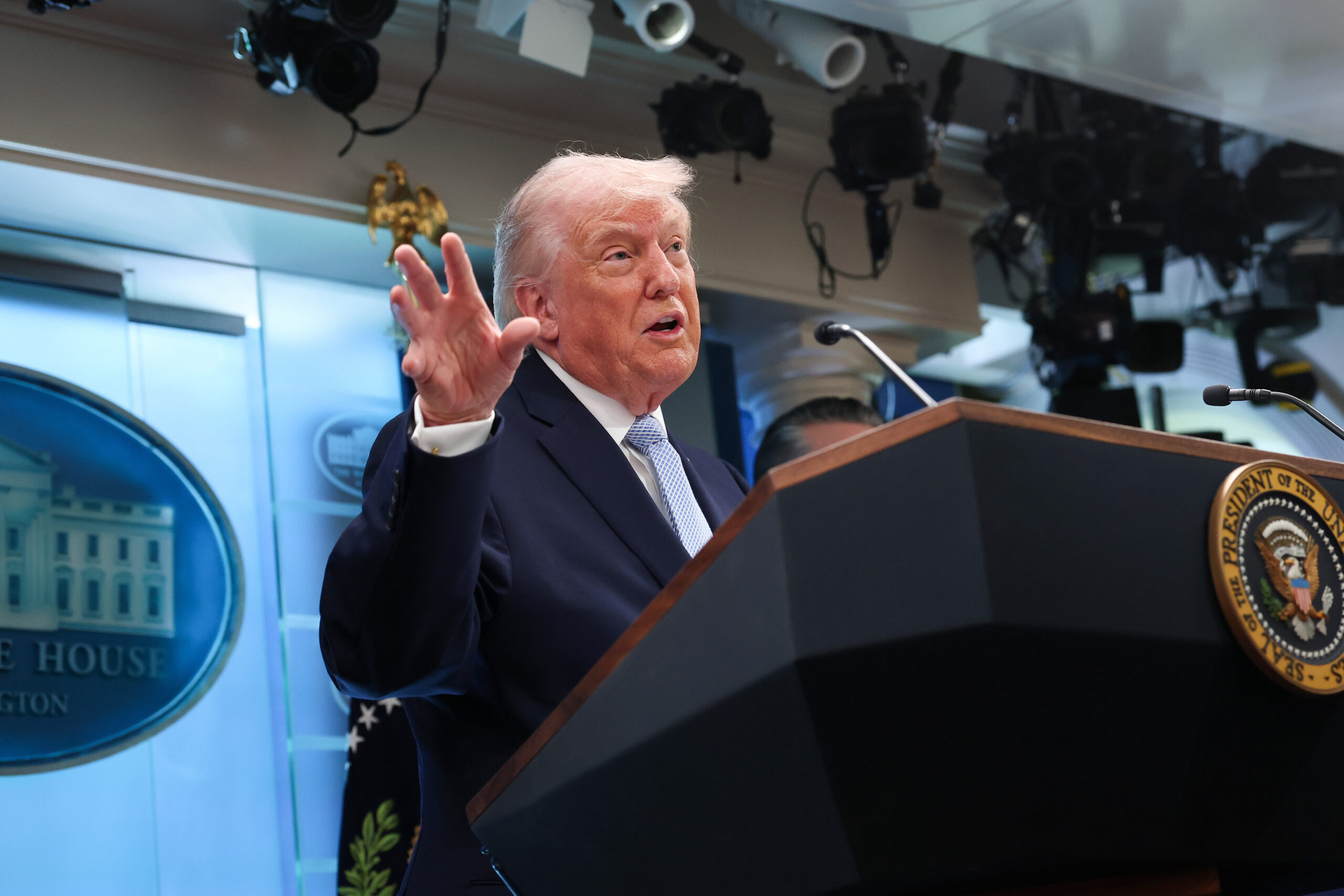
    Major broadcast networks are currently evaluating whether to carry President Trump’s upcoming primetime speech, a decision influenced by early reports suggesting the address may focus on claims of a ‘stolen election.’ This assessment by networks like ABC, CBS, and NBC involves weighing editorial standards, public interest, and the precedent set by past presidential addresses against the potential for controversial content.

    The possibility of a primetime address from the sitting President of the United States typically triggers a review process across major news organizations. This process determines not only if the speech will be aired live but also the extent of pre- and post-speech analysis provided to viewers.

    The Precedent of Presidential Addresses

    Historically, addresses by the President of the United States often receive automatic carriage by major broadcast networks, especially during significant national events or crises. These speeches are considered matters of national importance, warranting direct communication from the nation’s leader to the populace.

    However, this tradition is not absolute. Networks retain editorial control and have, on occasion, chosen not to provide live, uninterrupted coverage for addresses deemed overtly political or lacking newsworthy content beyond partisan rhetoric.

    Presidential addresses often serve multiple purposes. They can inform the public on policy, rally support for initiatives, or provide reassurance during times of uncertainty. The decision to grant a primetime slot reflects the perceived weight and urgency of the message.

    Network Editorial Considerations

    The decision-making process for broadcast networks is multifaceted. News divisions consider:

    • The topic and its relevance to a broad public audience.
    • The potential for new information or significant policy announcements.
    • The need for balanced coverage, potentially including fact-checking or counter-perspectives.
    • The disruption to regularly scheduled programming, which carries significant financial implications due to advertising revenue.

    Reports indicating the speech’s potential focus on ‘stolen election’ claims introduce an additional layer of scrutiny. Such claims have been a point of contention and debate, often requiring extensive contextualization and fact-checking by news organizations.

    The ‘Stolen Election’ Narrative

    The narrative surrounding a ‘stolen election’ refers to allegations of widespread voter fraud and irregularities in the November 2024 presidential election. These claims have been a recurring theme in certain political circles since the election results were certified.

    Multiple investigations, audits, and court challenges following the 2024 election did not uncover evidence of widespread fraud sufficient to alter the election’s outcome. This has led many news organizations to approach such claims with caution, often providing disclaimers or factual corrections.

    For networks, airing unverified or disproven claims without immediate context presents a challenge. The balance lies between providing a platform for the President’s message and upholding journalistic standards of accuracy and objectivity.

    Impact on Public Discourse

    The decision of broadcast networks significantly influences public discourse. Primetime coverage ensures a wide audience for the President’s message. Conversely, a lack of carriage can limit the reach of the address, particularly among demographics who rely on traditional television for news.

    The media landscape has diversified significantly in recent years. While broadcast networks remain influential, cable news channels, streaming platforms, and social media offer alternative avenues for presidential communication. However, the reach of traditional broadcast television during primetime remains unparalleled for a national address.

    Past Presidential Speeches and Network Responses

    Throughout American history, presidents have used the power of primetime television to address the nation. Franklin D. Roosevelt’s ‘fireside chats’ established a direct line of communication with the public, a model later adapted for television.

    More recently, presidents have frequently utilized primetime slots for State of the Union addresses, declarations of war, or responses to national crises. The expectation has often been that networks would provide coverage as a public service.

    However, instances exist where networks have exercised discretion. During President Trump’s previous term, some networks chose to cut away from or provide immediate fact-checks during certain speeches or rallies where claims were made that contradicted established facts.

    The Role of Media Gatekeeping

    The current situation highlights the concept of media gatekeeping. Gatekeeping refers to the process by which information is filtered for dissemination, whether by print, broadcast, or online media. In this context, networks act as gatekeepers, deciding what information reaches the mass public through their platforms.

    Critics of media gatekeeping argue that it can lead to censorship or a biased presentation of information. Proponents argue it is a necessary function to ensure accuracy, context, and the responsible dissemination of news, especially in an era of rapid information spread.

    The balance between providing a platform for the President and maintaining journalistic integrity is a constant negotiation for news organizations. This negotiation becomes particularly acute when the content of an anticipated speech is known to be potentially controversial or factually disputed.

    The Evolving Media Landscape

    The media environment of 2026 is vastly different from previous decades. Social media platforms allow for direct communication from the President to millions of followers without traditional media intermediaries.

    This shift has altered the dynamics of news dissemination. While broadcast networks still command significant audiences, the President’s message can bypass them entirely through platforms like X (formerly Twitter), Facebook, and YouTube.

    However, the legitimacy and reach conferred by a traditional primetime broadcast remain highly valued. A network decision to carry or not carry a speech is therefore still a significant statement, both politically and journalistically.

    Potential Outcomes of Network Decisions

    Should networks decide against carrying the speech live, President Trump could still deliver his address via alternative channels. These include:

    • Cable news networks, many of which may opt for live coverage.
    • The White House’s official social media channels and website.
    • Independent news outlets and online platforms.

    Conversely, if networks choose to air the speech, they may do so with specific editorial caveats. This could involve:

    • Pre-speech disclaimers about anticipated content.
    • Post-speech fact-checking segments.
    • Panel discussions offering diverse perspectives and analysis.

    Each network’s decision will be watched closely by political observers, media critics, and the public. It will reflect their individual editorial policies and their assessment of the speech’s public value versus its potential for controversy.

    The Public’s Right to Know vs. Editorial Responsibility

    At the heart of the network’s decision is the tension between the public’s right to hear directly from their elected leader and the media’s responsibility to provide accurate, contextualized information. This tension is a cornerstone of a free press in a democratic society.

    The public relies on news organizations to filter and contextualize information, especially on complex or contentious issues. When a presidential address touches upon subjects that have been widely debunked or are highly polarizing, the media’s role becomes even more critical.

    Network executives, news directors, and editorial boards are currently engaged in these deliberations. They are weighing the potential impact of their decisions on their audience, their journalistic credibility, and the broader political discourse.

    The debate over presidential access to primetime television is not new. It has evolved with each technological advancement and each political era. The current discussion around President Trump’s potential speech represents another chapter in this ongoing dialogue.

    The anticipation builds. The networks deliberate. The public awaits. The outcome will shape the evening’s news cycle.
  • John Oliver Dissects Reflecting Pool Conspiracies – Trump and Watters Claims

    John Oliver Dissects Reflecting Pool Conspiracies – Trump and Watters Claims

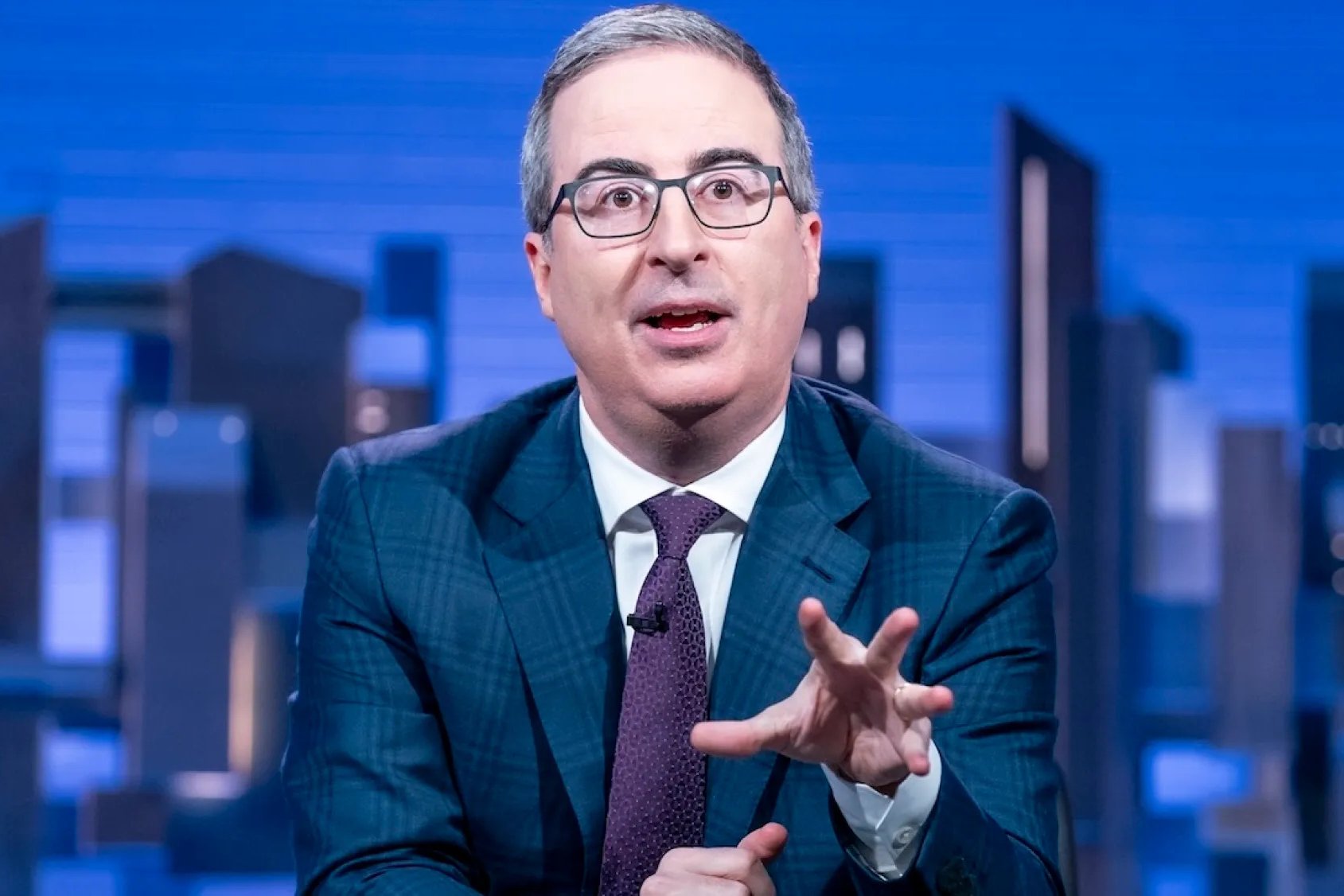
    John Oliver, during a June 2026 episode of HBO’s ‘Last Week Tonight,’ systematically debunked a series of conspiracy theories concerning the Reflecting Pool in Washington D.C. These theories, which suggested the pool held secret purposes or hidden structures, were prominently amplified by former President Donald Trump and Fox News personality Jesse Watters.

    The segment commenced with a detailed examination of the claims, tracing their origins and identifying the specific platforms and individuals responsible for their widespread dissemination. Oliver’s analysis aimed to scrutinize the factual basis of these narratives and illustrate the broader societal implications of such misinformation.

    The Genesis of the Reflecting Pool Narratives

    The conspiracy theories surrounding the Reflecting Pool did not emerge in a vacuum. They developed over time, gaining momentum through various channels. Initial assertions often appeared on less mainstream online forums before being picked up by more prominent figures.

    These narratives frequently posited that the Reflecting Pool, officially known as the Lincoln Memorial Reflecting Pool, was not merely a decorative or commemorative feature. Instead, they suggested it served a covert function, perhaps concealing underground facilities or possessing symbolic properties unknown to the general public. These claims lacked verifiable evidence from their inception.

    Former President Trump’s Amplification

    Former President Donald Trump played a significant role in bringing these theories into broader public discourse. During various public appearances and through his social media platforms, including Truth Social, he made references or direct statements that echoed or directly promoted elements of the Reflecting Pool conspiracy.

    One instance cited by Oliver involved a rally speech in early 2026, where Trump alluded to “things they don’t want you to know about that pool.” Such statements, delivered to large audiences, generated considerable attention and debate among his supporters and critics alike. His pronouncements often lacked specific details but implied a deeper, hidden truth.

    The former President’s public profile and loyal following ensured that these claims reached millions. His statements were then recirculated across various online communities and conservative media outlets, further embedding them within certain segments of the population. This amplification process is critical to the spread of unverified information.

    Jesse Watters and Fox News Dissemination

    Jesse Watters, host of ‘Jesse Watters Primetime’ on Fox News, further amplified the Reflecting Pool theories. His program, which commands a substantial viewership, provided a significant platform for these narratives to reach a mainstream conservative audience. Oliver’s segment presented clips from Watters’ broadcasts, showcasing the specific language and framing used.

    Watters’ commentary often presented the theories as legitimate questions or possibilities, rather than outright assertions. For example, a segment in February 2026 featured Watters asking, “What exactly is under the Reflecting Pool? Are there tunnels? Is there more to it than meets the eye?” This rhetorical approach allowed the theories to be discussed without direct endorsement, yet still granting them credibility.

    The role of Fox News, as a major cable news network, is crucial in understanding the reach of these claims. By featuring such discussions, even in a questioning format, the network introduced the theories to millions of viewers who might not otherwise encounter them. This interaction between political figures and media personalities creates a powerful echo chamber for unverified claims.

    ‘Last Week Tonight’s’ Debunking Methodology

    John Oliver’s team employed its signature investigative approach to systematically dismantle the Reflecting Pool conspiracy theories. The segment utilized a combination of historical research, architectural analysis, and expert interviews to present a comprehensive counter-narrative. This methodology aimed to provide clear, evidence-based refutations to each claim.

    Researchers for ‘Last Week Tonight’ delved into the archives of the National Park Service and the Library of Congress. They examined original blueprints, construction documents, and historical photographs related to the Lincoln Memorial Reflecting Pool, which was completed in 1923. These documents provided irrefutable evidence regarding the pool’s design and construction.

    Deconstructing Allegations of Secret Chambers and Tunnels

    One primary component of the conspiracy theories involved allegations of secret underground chambers or an extensive network of tunnels beneath the Reflecting Pool. Oliver addressed these specific claims directly, presenting architectural drawings and engineering schematics from the 1920s.

    The segment displayed detailed cross-sections of the pool’s construction. These plans clearly showed a shallow, concrete-lined basin, approximately 18 inches deep at its edges and 30 inches deep at its center, sitting directly on compacted earth. There was no indication of any subterranean levels, hidden rooms, or extensive tunnel systems in any official documentation.

    Furthermore, the ‘Last Week Tonight’ team interviewed Dr. Eleanor Vance, a civil engineer specializing in historical infrastructure. Dr. Vance explained the practical and logistical impossibilities of constructing such complex underground structures beneath a shallow, open-air pool designed primarily for aesthetic purposes, especially given early 20th-century engineering capabilities. She highlighted the immense cost, engineering challenges, and lack of any historical record for such an undertaking.

    Addressing Claims of Covert Purpose

    Another aspect of the theories suggested the Reflecting Pool served a covert, non-publicized purpose. Some claims hinted at its use for surveillance, energy collection, or even as a portal to other dimensions. Oliver tackled these assertions by focusing on the pool’s documented history and intended design.

    The Lincoln Memorial Reflecting Pool was designed by architect Henry Bacon as an integral part of the Lincoln Memorial landscape. Its primary function was, and remains, to provide a visual reflection of the Lincoln Memorial and the Washington Monument, enhancing the monumental core of Washington D.C. It is a key element in the city’s urban planning, emphasizing open space and solemnity.

    Historical records, including original design proposals and congressional appropriations, consistently describe the pool’s purpose as aesthetic and commemorative. There is no historical or contemporary evidence to support any alternative, covert function. The segment emphasized that the pool’s design is publicly accessible and its construction history well-documented.

    The Broader Landscape of Misinformation in 2026

    The ‘Last Week Tonight’ episode used the Reflecting Pool theories as a case study within a broader discussion about the spread of misinformation in 2026. The current digital information environment, characterized by rapid dissemination and algorithmic amplification, presents unique challenges to factual accuracy.

    Oliver highlighted how social media platforms often create echo chambers, where individuals are primarily exposed to information that confirms their existing beliefs. This phenomenon, coupled with the decline of traditional gatekeepers in media, allows unverified claims to gain significant traction before being challenged.

    Erosion of Public Trust and Media Responsibility

    The proliferation of conspiracy theories, such as those concerning the Reflecting Pool, contributes significantly to the erosion of public trust. When prominent political figures and media outlets promote or entertain unsubstantiated claims, it can diminish public confidence in government institutions, scientific consensus, and legitimate news organizations.

    The segment explicitly questioned the responsibility of media organizations, particularly cable news networks, in providing platforms for such narratives. It argued that by presenting unverified claims as legitimate topics for discussion, these outlets contribute to the normalization of misinformation, blurring the lines between fact and speculation.

    This dynamic creates a challenging environment for citizens attempting to discern truth from falsehood. The episode underscored the importance of critical media literacy and the need for consumers of information to evaluate sources and evidence rigorously, especially in an era where information can be easily manipulated or fabricated.

    Historical Context and Modern Echoes

    Conspiracy theories are not a new phenomenon; they have existed throughout history, often emerging during periods of social anxiety or political upheaval. Oliver’s broadcast drew parallels between historical instances of conspiratorial thinking and the contemporary Reflecting Pool narratives.

    However, the digital age has fundamentally altered the speed and scale at which these theories can spread. What once might have been confined to niche publications or word-of-mouth can now reach a global audience in minutes, thanks to the internet and social media. This acceleration presents new and complex challenges for public discourse and the maintenance of a shared factual reality.

    The segment concluded by emphasizing that while the specific claims about the Reflecting Pool may seem trivial, their widespread acceptance and the mechanisms of their spread are indicative of larger, more concerning trends in the information ecosystem of 2026. It urged viewers to remain vigilant against narratives that lack verifiable evidence and to support journalism committed to factual reporting.

    Reactions and Ongoing Discourse

    The ‘Last Week Tonight’ segment on the Reflecting Pool generated immediate and varied reactions across social media, news outlets, and political commentary spheres. Viewers praised Oliver’s detailed analysis and comedic delivery, while others, particularly those who had engaged with the theories, criticized the segment as biased or dismissive.

    Online discussions erupted on platforms like X (formerly Twitter) and Reddit, with hashtags related to the Reflecting Pool and ‘Last Week Tonight’ trending for several days after the June 2026 broadcast. Fact-checking organizations cited the episode as a comprehensive resource for debunking the claims, further solidifying its role in the public discourse.

    The episode also prompted renewed discussions within journalistic circles about the ethical responsibilities of reporting on conspiracy theories. Debates centered on whether such theories should be ignored, directly confronted, or analyzed for their underlying societal implications. Oliver’s approach, which combined direct refutation with broader commentary on misinformation, offered one model for engagement.

    Ultimately, the ‘Last Week Tonight’ segment served not only as a debunking of specific claims but also as a significant contribution to the ongoing national conversation about media credibility, political rhetoric, and the challenges of maintaining an informed public in the face of pervasive unverified information.