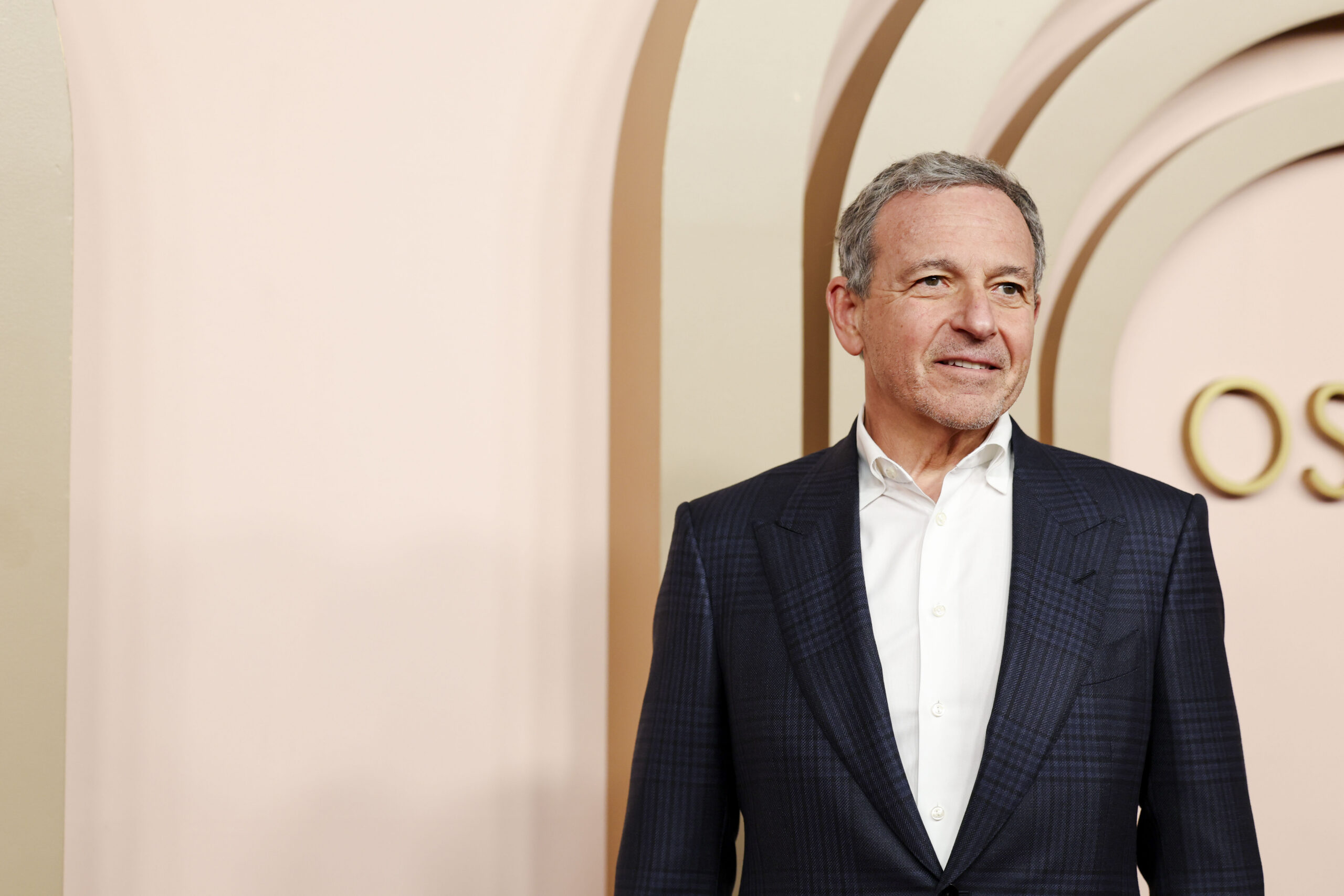
The Public Narrative of Disney Succession
Robert A. Iger, the current Chief Executive Officer of The Walt Disney Company, has reportedly made a practice of not referring to his direct successor and predecessor, Robert “Bob” Chapek, by name in public comments. This reported avoidance occurs when discussing the period of Disney leadership between Iger’s initial departure and his return. Iger has also addressed claims of his undermining Chapek’s leadership, dismissing them as “a misperception.”
This pattern of communication highlights the complex and often contentious nature of executive transitions at major corporations. The Walt Disney Company, a global entertainment conglomerate, has experienced significant leadership shifts over the past four years.
Iger’s Tenure and Chapek’s Appointment
Robert Iger served as CEO of The Walt Disney Company for 15 years, from 2005 to 2020. During his initial tenure, Iger oversaw major acquisitions, including Pixar in 2006, Marvel Entertainment in 2009, Lucasfilm in 2012, and 21st Century Fox’s entertainment assets in 2019. These strategic moves significantly expanded Disney’s intellectual property portfolio and global reach.
In February 2020, Iger transitioned from CEO to Executive Chairman, naming Bob Chapek as his successor. Chapek had a long history with Disney, having joined the company in 1993. Prior to becoming CEO, Chapek held leadership roles, including Chairman of Parks, Experiences and Products, and President of Disney Consumer Products.
The Chapek Era: Challenges and Controversies
Bob Chapek’s tenure as CEO, from February 2020 to November 2022, coincided with unprecedented global challenges. The onset of the COVID-19 pandemic in early 2020 severely impacted Disney’s core businesses, particularly its theme parks, cruise lines, and theatrical releases. Chapek navigated the company through significant shutdowns and operational adjustments.
Under Chapek, Disney made strategic shifts towards streaming, accelerating the growth of Disney+. The company also faced public controversies, including a highly publicized dispute with Florida Governor Ron DeSantis over the state’s Parental Rights in Education Act, often referred to as the “Don’t Say Gay” bill. This political entanglement led to the dissolution of the Reedy Creek Improvement District, which had granted Disney significant self-governing authority for decades.
Internally, reports emerged of friction within Disney’s executive ranks and dissatisfaction among creative talent. Chapek’s leadership style and strategic decisions were subject to increasing scrutiny from investors and industry observers.
The Return of Robert Iger
In November 2022, The Walt Disney Company’s board of directors announced Chapek’s immediate departure as CEO. Robert Iger was reinstated as CEO, initially for a two-year term, with a mandate to restore stability, improve creative output, and identify a long-term successor. Iger’s return was widely seen as an attempt to reassure investors and employees amidst declining stock performance and perceived leadership instability.
Upon his return, Iger initiated a significant corporate restructuring. This included the consolidation of media and entertainment divisions, a renewed focus on creative decision-making, and a commitment to cost-cutting measures. The company announced plans for approximately 7,000 job cuts and a target of $5.5 billion in annualized cost savings.
“A Misperception” – Iger’s Response to Undermining Claims
The report indicating Iger’s reluctance to name Chapek also details Iger’s response to claims that he undermined Chapek’s authority during his time as Executive Chairman. Iger has stated that such claims are “a misperception.” This denial seeks to clarify the nature of his involvement and influence during Chapek’s leadership period.
The role of an Executive Chairman, particularly following a long and successful CEO tenure, can be ambiguous. The degree of influence retained by a former CEO, even in an advisory capacity, can be a source of tension in succession planning. These dynamics are not uncommon in large, complex organizations with strong, long-serving leaders.
Succession Planning in Corporate America
Effective CEO succession planning is a critical challenge for corporate boards. The Disney situation serves as a high-profile example of the complexities involved. A smooth transition requires clear roles, consistent communication, and alignment on strategic vision between the outgoing and incoming leaders.
The reported narrative surrounding Iger and Chapek underscores the importance of not just identifying a successor, but also managing the transition period. This includes the departing CEO’s role, the incoming CEO’s autonomy, and the communication strategy to internal and external stakeholders.
The Path Forward for Disney
As of 2026, Robert Iger continues to lead The Walt Disney Company. His focus remains on navigating the evolving media landscape, strengthening Disney’s streaming services, and optimizing its traditional businesses. The company is actively working on identifying a new long-term CEO successor, aiming to avoid a repeat of the past succession challenges.
The company’s performance and strategic direction under Iger’s renewed leadership are closely watched by shareholders, analysts, and the broader entertainment industry. The narratives surrounding past leadership, including the reported dynamics between Iger and Chapek, continue to inform perceptions of Disney’s corporate culture and governance.
The company seeks to regain its footing in a competitive market. It aims to innovate its content creation. It seeks to solidify its financial performance.
Disney.