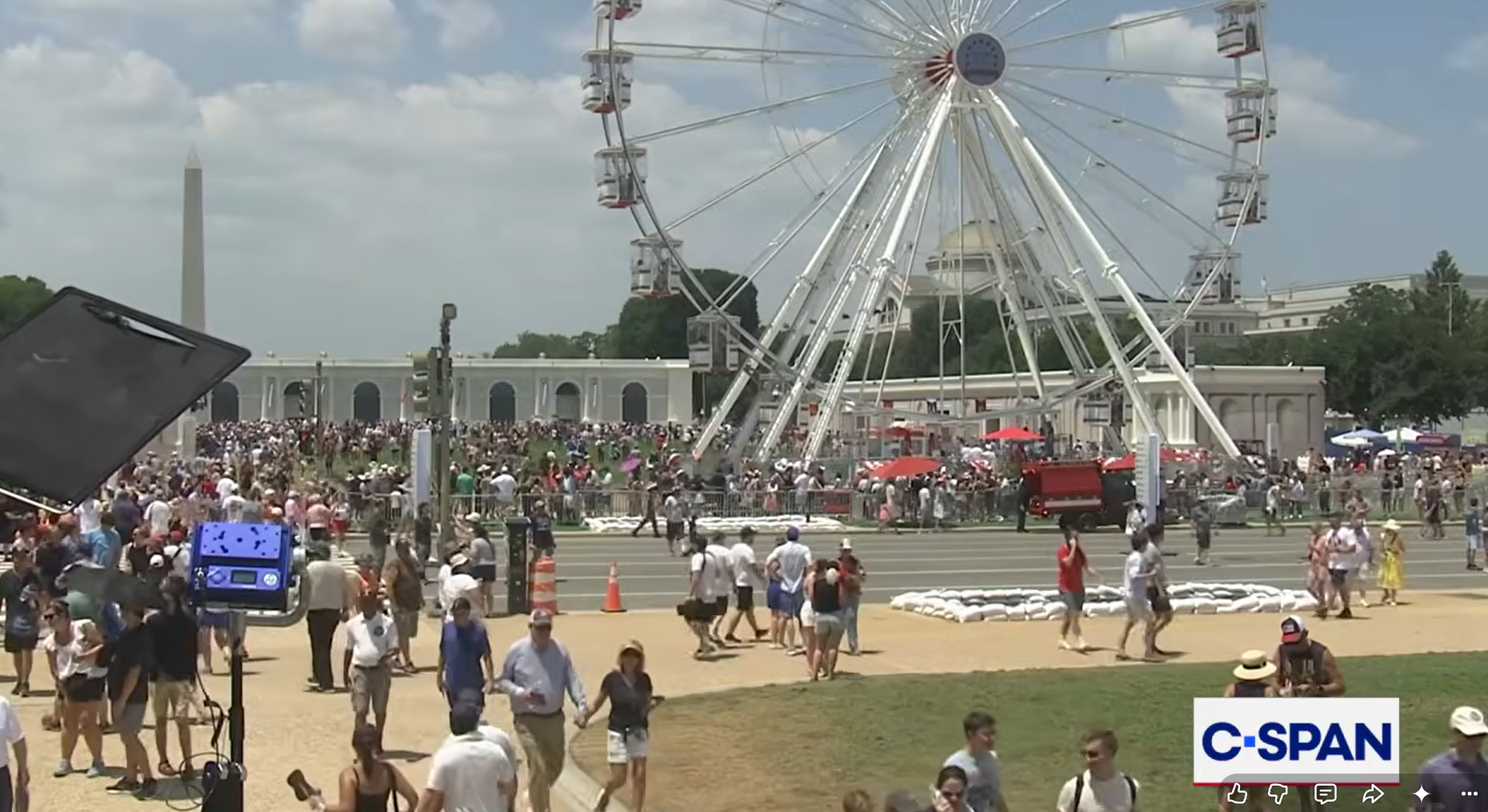
The 2026 Great American State Fair Postponement
The 2026 Great American State Fair, a prominent cultural event historically held in Washington D.C. during the summer months, has been postponed. This decision was announced on July 3, 2026, citing an extreme heatwave forecast for the nation’s capital. The Fair, known for its celebration of American agriculture, industry, and entertainment, will not proceed as originally scheduled.
Organizers released a statement detailing the safety concerns for attendees, vendors, and livestock. The projected temperatures and heat index values were deemed too hazardous for a large-scale outdoor event. This marks a rare disruption for an institution that has drawn millions of visitors over its history.
Impact of Extreme Weather on Public Gatherings
The postponement of the Great American State Fair underscores a growing trend. Extreme weather events, including heatwaves, wildfires, and severe storms, increasingly force the cancellation or rescheduling of major public gatherings. Cities and event organizers face new challenges in ensuring public safety amidst changing climate patterns.
Washington D.C. has experienced several periods of elevated temperatures in recent years. However, the current forecast indicated conditions that exceeded established safety thresholds for prolonged outdoor exposure. Public health officials supported the decision, prioritizing the well-being of all participants.
Historical Context of the Great American State Fair
The Great American State Fair has roots stretching back to the early 20th century. It began as a regional agricultural showcase, evolving into a nationwide celebration. Its location in Washington D.C. often provided a unique backdrop, blending national symbols with local traditions.
Over decades, the Fair became a symbol of American ingenuity and community spirit. It featured livestock competitions, craft exhibits, carnival rides, and musical performances. Families from across the country planned summer vacations around its dates, making its postponement particularly impactful.
Economic Repercussions for Vendors and Local Businesses
The postponement carries significant economic implications. Hundreds of vendors, many of them small businesses, rely on the Fair for a substantial portion of their annual revenue. These vendors invest heavily in inventory, staffing, and travel in anticipation of the event.
Local businesses in the D.C. metropolitan area, including hotels, restaurants, and transportation services, also anticipate a surge in activity during the Fair. The sudden change disrupts these projections, potentially leading to financial losses. Event organizers are working to mitigate these impacts, though specific measures have not yet been detailed.
The Science Behind the Heatwave
Meteorological data indicates an intense high-pressure system positioned over the Mid-Atlantic region. This system traps warm air, preventing it from dissipating and leading to a sustained period of high temperatures and humidity. The National Weather Service issued excessive heat warnings for the entire D.C. area.
Temperatures are projected to reach well into the triple digits Fahrenheit, with heat index values exceeding 110 degrees Fahrenheit (43 degrees Celsius). Such conditions can lead to heat stroke, exhaustion, and other severe health complications, particularly for vulnerable populations and those engaged in strenuous outdoor activity.
Public Health Advisories Issued
In response to the forecast, local health authorities issued comprehensive public health advisories. Residents were urged to remain indoors, stay hydrated, and limit outdoor activities, especially during peak daytime hours. Cooling centers were designated across the city to provide refuge for those without air conditioning.
The advisories highlighted specific risks for children, the elderly, and individuals with pre-existing health conditions. The decision to postpone the Fair aligns with these public health recommendations, prioritizing community safety above all else.
Previous Instances of Event Disruptions Due to Weather
While a full postponement of the Great American State Fair is rare, other major events have faced similar challenges. In 2023, several music festivals in the Southern United States adjusted schedules due to extreme thunderstorms. The 2020 Tokyo Olympics faced significant heat concerns, leading to schedule changes for outdoor events.
These instances illustrate a broader pattern. Event planners globally are increasingly incorporating climate resilience into their operational strategies. This includes contingency planning for extreme temperatures, heavy precipitation, and other unpredictable weather phenomena.
Adaptation Strategies for Future Events
The organizers of the Great American State Fair will likely review their protocols in light of this postponement. Future planning may include earlier assessments of long-range weather forecasts, the development of indoor alternatives, or the exploration of different seasonal timings for the event. The goal remains to preserve the Fair’s tradition while ensuring attendee safety.
Discussions around climate change and its effect on daily life continue to gain prominence. The postponement of a beloved national event serves as a tangible example of these shifts. It prompts a reevaluation of how traditional gatherings can adapt to a changing environment.
Community Reaction and Future Outlook
The public reaction to the postponement has been a mix of disappointment and understanding. Many expressed sadness over missing a cherished annual tradition. However, the overwhelming sentiment recognized the necessity of the decision for public safety.
Social media platforms saw an outpouring of comments from individuals who had planned to attend. Families shared memories of past Fairs, expressing hope for a rescheduled event. The shared experience of disappointment also fostered a sense of collective understanding regarding the seriousness of the heatwave.
Uncertainty Regarding Rescheduling
As of July 3, 2026, no new dates for the Great American State Fair have been announced. Organizers stated that they would assess potential options, but acknowledged the complexities involved in rescheduling such a large-scale event. Factors such as venue availability, vendor commitments, and long-term weather forecasts will all play a role in any future decisions.
The uncertainty leaves many awaiting further updates. The Fair’s future dates remain a subject of considerable public interest. The event’s place in the national calendar feels temporarily suspended.
Anticipation built. Preparations ceased. The heat descended. The Fair waited.
Postponed.