
Tag: Equity

  • Kansas City Sued by Missouri AG Over Alleged Anti-White Policies

    Kansas City Sued by Missouri AG Over Alleged Anti-White Policies

    Kansas City, Missouri, is currently embroiled in a significant legal battle, facing a lawsuit filed by Missouri Attorney General Catherine Hanaway. The lawsuit specifically alleges that the city has engaged in discriminatory practices, particularly against white individuals and men, in its various policies and programs. This legal challenge has prompted a strong reaction from Kansas City’s leadership, with the mayor publicly stating concerns that the lawsuit could undermine and hinder ongoing public safety efforts within the metropolitan area.

    The Allegations: Discrimination Against White Individuals and Men

    Attorney General Catherine Hanaway initiated the legal proceedings against Kansas City in 2026. Her office contends that the city’s policies and initiatives contain elements that are inherently discriminatory. The lawsuit specifically cites instances where programs or hiring practices allegedly favor certain demographic groups over others, to the detriment of white residents and men.

    The core of Hanaway’s argument rests on the principle of equal protection under the law. She asserts that any policy, regardless of its stated intent, that results in discrimination based on race or gender is unconstitutional and violates state and federal statutes. The lawsuit seeks to compel Kansas City to cease these alleged discriminatory practices and to review all current policies for compliance.

    Specific examples cited in the legal filing reportedly include criteria for city contracts, appointments to municipal boards, and certain employment pathways within Kansas City’s government. The Attorney General’s office argues these criteria are structured in a way that disadvantages white applicants and male candidates, creating an uneven playing field.

    The legal action has drawn immediate attention across Missouri and beyond. It touches on sensitive issues of equity, affirmative action, and the role of government in addressing historical disparities. The Hanaway lawsuit frames these city initiatives as unlawful reverse discrimination.

    Kansas City’s Response: Public Safety Concerns and Policy Defense

    Kansas City’s mayor has been vocal in his opposition to the lawsuit. He has publicly stated that the legal challenge is not only unfounded but also poses a direct threat to the city’s ability to implement critical public safety measures. According to the mayor, the resources and attention required to defend against the lawsuit divert focus and funding from essential urban initiatives.

    The city government maintains that its policies are designed to promote diversity, equity, and inclusion (DEI) within the community and its workforce. They argue that these initiatives are vital for fostering a representative government and ensuring equitable access to opportunities for all residents, particularly those from historically marginalized communities.

    City officials contend that the lawsuit mischaracterizes their efforts. They assert that their programs are not intended to discriminate against any group but rather to correct long-standing systemic imbalances. The mayor emphasized that Kansas City remains committed to both public safety and equitable governance.

    The city’s legal team is preparing a robust defense, likely arguing that the policies are legal and necessary. They may present data demonstrating historical disparities in Kansas City and explain how current initiatives aim to address these without violating anti-discrimination laws.

    The mayor also highlighted the potential chilling effect the lawsuit could have on other municipalities considering or implementing similar DEI programs. He suggested that such legal challenges could deter cities from pursuing policies aimed at increasing diversity, out of fear of costly litigation.

    The Broader Context: Cultural and Political Conflict

    The lawsuit filed by Attorney General Hanaway against Kansas City is not an isolated incident. It reflects a broader national trend of legal and political challenges to diversity, equity, and inclusion initiatives. These conflicts often arise from differing interpretations of equality and fairness in contemporary society.

    Conservative legal groups and political figures have increasingly targeted DEI programs, arguing that they lead to reverse discrimination. They contend that focusing on group identity over individual merit creates new forms of unfairness, particularly for white individuals and men who may be perceived as beneficiaries of historical privilege.

    Conversely, proponents of DEI argue that these programs are essential tools for achieving true equality. They emphasize that systemic inequalities persist and that proactive measures are necessary to dismantle barriers and create genuinely equitable opportunities for all members of society.

    The Role of State Attorneys General

    State Attorneys General, like Catherine Hanaway, often play a significant role in these cultural and political debates. They possess the authority to initiate legal action on behalf of the state, challenging policies they deem unlawful or unconstitutional. Their actions can shape legal precedents and influence public policy on a statewide and sometimes national level.

    Hanaway’s decision to sue Kansas City aligns with a broader strategy adopted by some Republican-led states. This strategy involves using legal channels to push back against what they perceive as progressive overreach in local governance and public institutions. This approach is often framed as defending individual rights and meritocracy against identity politics.

    The outcome of this lawsuit could have implications beyond Kansas City. A ruling in favor of the Attorney General could set a precedent that restricts how other cities in Missouri, and potentially beyond, implement diversity and inclusion policies. Conversely, a victory for Kansas City could reaffirm the legality of such programs when properly constructed.

    Impact on Public Discourse

    The legal battle also fuels public discourse on race, gender, and equity. It brings these complex issues to the forefront of local and state politics, prompting discussions among residents, policymakers, and advocacy groups. The language used in the lawsuit and the city’s defense will undoubtedly shape how these conversations unfold.

    Terms like ‘anti-white’ and ‘reverse discrimination’ are highly charged and contribute to a polarized environment. The mayor’s counter-narrative, focusing on public safety and the necessity of equity, also resonates with different segments of the population. This clash of narratives highlights the deep divisions within the public square regarding these issues.

    Legal Precedents and Future Implications

    The lawsuit against Kansas City will likely reference existing legal precedents related to affirmative action and anti-discrimination law. Landmark Supreme Court cases, such as Regents of the University of California v. Bakke (1978) and Grutter v. Bollinger (2003), have established frameworks for considering race in admissions, though these cases primarily concern higher education.

    More recently, the Supreme Court’s decisions in Students for Fair Admissions v. Harvard/UNC (2023) significantly curtailed the use of race in college admissions. While the Kansas City case involves municipal policies rather than university admissions, the legal principles regarding equal protection and the prohibition of racial discrimination will be central to the arguments.

    The lawsuit will likely examine whether Kansas City’s policies constitute a quota system, which is generally impermissible, or if they are narrowly tailored to achieve a compelling government interest without unduly burdening any racial or gender group. The city will need to demonstrate that its policies are not discriminatory and serve a legitimate public purpose.

    Should the Attorney General prevail, Kansas City could be forced to dismantle or significantly alter its current DEI programs. This would necessitate a comprehensive review of city ordinances, hiring practices, and contracting processes. The financial implications of such changes, including potential legal fees and compliance costs, could be substantial for the city.

    If Kansas City successfully defends its policies, it could provide a legal affirmation for similar municipal initiatives across the country. Such an outcome might encourage other cities to continue or expand their DEI efforts, confident in their legal standing. The case’s progression through the Missouri court system, potentially reaching the state’s highest court, will be closely watched.

    The legal process itself will be lengthy and resource-intensive for both sides. Expert witnesses, statistical analyses, and detailed policy reviews will be central to the arguments presented in court. The outcome will depend on how the judiciary interprets the city’s intent and the actual impact of its policies.

    The Intersection of Equity and Urban Governance

    The lawsuit underscores the complex intersection of equity goals and the practicalities of urban governance. Cities often face pressure to address historical injustices and ensure that all residents have an equal opportunity to thrive. This can lead to the creation of programs designed to uplift specific communities or correct past imbalances.

    However, these efforts can sometimes face legal challenges if they are perceived as overstepping legal boundaries or creating new forms of discrimination. The Kansas City case highlights the delicate balance that municipalities must strike between pursuing social equity and adhering to strict anti-discrimination laws.

    The mayor’s argument about the impact on public safety is also a crucial component of this intersection. He implies that a focus on legal battles over equity initiatives detracts from the immediate and pressing need to ensure the security and well-being of all citizens. This frames the debate not just as one of legality but also of practical governance priorities.

    Ultimately, the lawsuit will test the legal limits of municipal DEI programs in Missouri. It will force a critical examination of whether Kansas City’s policies are a legitimate means of achieving a more equitable society or if they cross into unlawful discrimination. The legal and political ramifications will be significant, shaping future policy decisions and public discourse on these contentious issues.

    City officials prepared. Legal teams strategized. Public opinion divided. Arguments mounted. Kansas City waited.

  • Beau DeMayo’s ‘X-Men ’97’ Exit – OnlyFans and DEI Claims Spark Debate

    Beau DeMayo’s ‘X-Men ’97’ Exit – OnlyFans and DEI Claims Spark Debate

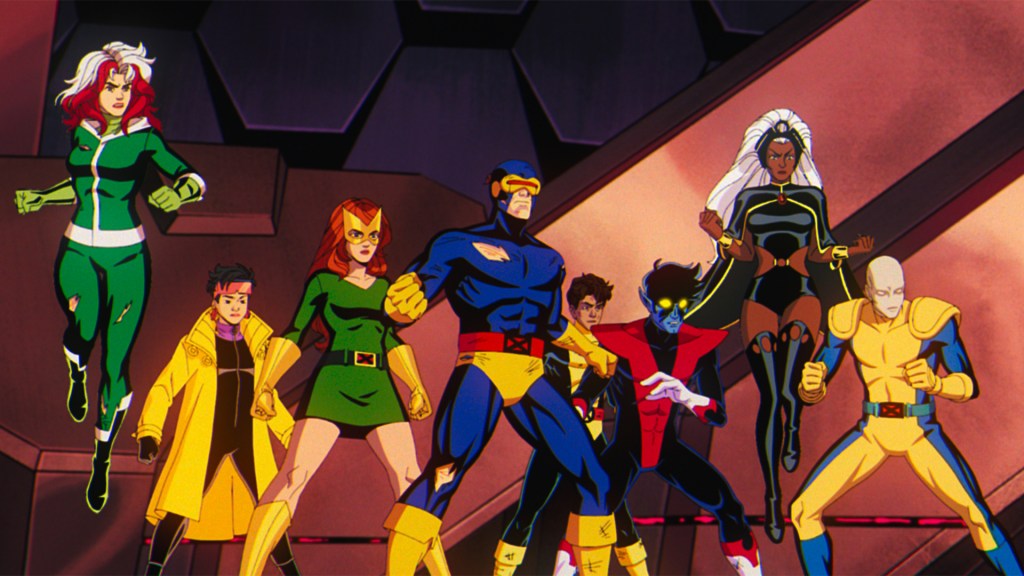
    Beau DeMayo, the creator and former executive producer of the Disney+ animated series ‘X-Men ’97,’ has publicly claimed that he informed Marvel Studios about his OnlyFans account. He also expressed a sentiment that his recruitment for the project was perceived by him as a Diversity, Equity, and Inclusion (DEI) hire. These statements have generated considerable discussion within the entertainment industry and among the public.

    DeMayo’s comments surfaced after his unexpected departure from the series production in early 2024, prior to the show’s premiere. The claims raise questions about transparency, corporate culture, and the evolving landscape of professional conduct in creative fields.

    The Origins of the ‘X-Men ’97’ Controversy

    The animated series ‘X-Men ’97’ was developed as a revival of the popular 1990s ‘X-Men: The Animated Series.’ Beau DeMayo was announced as the head writer and executive producer for the project. The series was highly anticipated by fans of the original show and the broader Marvel universe.

    Reports of DeMayo’s departure from the project emerged in March 2024. The reasons for his exit were not immediately clear, leading to speculation. Marvel Studios and Disney did not provide specific details regarding the separation at the time.

    DeMayo later began to address aspects of his departure through public channels. His statements included references to his personal life and professional experiences at Marvel.

    OnlyFans Disclosure and Professional Transparency

    One core aspect of DeMayo’s claim is his assertion of transparency regarding his OnlyFans account. OnlyFans is a subscription-based content platform, primarily known for adult content. DeMayo stated that he proactively informed Marvel Studios about his involvement with the platform.

    This disclosure reportedly occurred early in his engagement with the studio. The nature of this disclosure and Marvel’s internal response have not been detailed by the studio. DeMayo’s decision to disclose highlights the increasing complexities of personal digital footprints and professional careers.

    The entertainment industry often navigates public perception and brand image. Personal activities, especially those on platforms like OnlyFans, can sometimes intersect with corporate branding. DeMayo’s statement suggests an attempt to manage this intersection proactively.

    The ‘DEI Hire’ Perception

    Another significant claim made by DeMayo is his belief that he was treated as a ‘DEI hire.’ Diversity, Equity, and Inclusion initiatives are widespread across many industries, including entertainment. These programs aim to increase representation and foster inclusive environments.

    DeMayo’s perception suggests a potential tension between the goals of DEI and the individual experience of those hired under such frameworks. He did not elaborate on specific instances or behaviors that led to this feeling. However, the claim itself has resonated within ongoing debates about DEI efficacy and implementation.

    The term ‘DEI hire’ can carry negative connotations in some discussions, implying that merit was secondary to demographic characteristics. DeMayo’s use of the phrase contributes to this broader cultural conversation. It prompts examination of how individuals perceive their roles within diversity initiatives.

    Industry Reactions and Public Discourse

    DeMayo’s statements have generated varied reactions. Some observers have expressed support for his honesty and critique of corporate practices. Others have questioned the timing or nature of his disclosures.

    The controversy has become a talking point in discussions about:

    • Corporate Responsibility: How companies handle employees’ personal lives and online activities.
    • DEI Implementation: The effectiveness and potential pitfalls of diversity initiatives.
    • Creator Autonomy: The balance between a creator’s personal expression and their professional obligations.
    • Workplace Culture: The environment within major studios like Marvel and Disney.

    Social media platforms have been particularly active with discussions. Opinions range from defending DeMayo’s right to privacy and expression to criticizing his public comments as unprofessional.

    Marvel Studios’ Stance and Future Implications

    As of July 2, 2026, Marvel Studios has not issued a formal public response to Beau DeMayo’s specific claims. The studio typically maintains a policy of not commenting on personnel matters.

    The lack of a direct statement means that DeMayo’s account remains the primary public narrative regarding these specific issues. This situation leaves many questions unanswered about the internal dynamics at Marvel Studios.

    The controversy could influence future hiring practices and disclosure policies within the entertainment industry. It may also prompt further scrutiny of how DEI initiatives are communicated and perceived by employees.

    The Broader Context of Creator Relations

    The relationship between creative talent and major studios is often complex. Creators bring unique visions and personal histories to projects. Studios manage large brands and financial investments.

    Instances of public disagreement or disclosure, such as DeMayo’s, highlight potential friction points. These can include creative control, credit, compensation, and personal conduct expectations.

    ‘X-Men ’97’ itself has been critically acclaimed, receiving positive reviews for its animation, storytelling, and faithfulness to the source material. The show’s success has continued despite the behind-the-scenes controversies surrounding its creator.

    The Impact on ‘X-Men ’97’

    Despite DeMayo’s departure and subsequent public comments, ‘X-Men ’97’ premiered successfully on Disney+. The series has been lauded for its quality and nostalgic appeal. This indicates that, for many viewers, the creative product can be separated from production controversies.

    The show’s positive reception may also temper some of the public discourse surrounding DeMayo’s claims. However, the issues he raised, particularly concerning DEI and personal transparency, remain relevant for industry professionals and observers.

    The series is currently slated for a second season. The future creative direction of ‘X-Men ’97’ will proceed without DeMayo’s direct involvement. The long-term impact of these events on Marvel’s talent relations remains to be seen.

    Transparency vs. Corporate Image

    DeMayo’s claims underscore a tension between an individual’s right to transparency and a corporation’s need to maintain a specific public image. In an age where personal information is easily accessible, the boundaries between private and professional lives are constantly being redefined.

    For creators, the decision to disclose personal activities, especially those considered unconventional or potentially controversial, is a strategic one. It involves weighing personal integrity against potential professional repercussions.

    For studios, managing such disclosures involves navigating legal obligations, ethical considerations, and public relations. The outcome of such situations can set precedents for how similar cases are handled in the future.

    The debate surrounding Beau DeMayo’s statements is likely to continue. It will contribute to broader conversations about the evolving standards of professionalism, the role of diversity initiatives, and the intersection of personal identity with corporate employment in the modern entertainment industry.

    Creators revealed. Studios remained silent. Debates unfolded. Publics watched. Industry reconsidered. Transparency demanded. DEI questioned. ‘X-Men ’97’ premiered. Discussion continued. Hollywood.

  • Child Actors and AI Voice Cloning: The Hasbro Controversy and Open Letter

    Child Actors and AI Voice Cloning: The Hasbro Controversy and Open Letter

    The Growing Concern Over AI and Child Actors

    In mid-2026, a significant ethical debate intensified within the entertainment industry concerning the use of artificial intelligence (AI) to replicate the voices of child actors. This controversy culminated in an open letter signed by nearly 1,000 actors, agents, and other industry professionals, which specifically targeted a major studio, reportedly Hasbro. The letter condemned the alleged demands that child performers consent to the perpetual use of their voices for AI-generated content.

    This collective action underscores a critical intersection of technological advancement, labor rights, and the protection of vulnerable individuals in creative fields. The dispute highlights the urgent need for clear ethical guidelines and contractual safeguards as AI capabilities continue to expand into voice synthesis and character generation.

    The Hasbro Allegations

    The open letter, widely reported by sources such as Variety in June 2026, did not explicitly name the studio in its initial public release. However, subsequent reports and industry whispers quickly identified Hasbro as the primary target. The allegations centered on Hasbro’s supposed attempts to secure broad, often perpetual, rights to use child actors’ voices for AI replication, particularly for popular animated series like ‘Peppa Pig’.

    Hasbro, a global play and entertainment company, owns Entertainment One (eOne), which produces ‘Peppa Pig’. The company’s alleged practices raised immediate alarms among performers’ unions, talent agencies, and child advocacy groups. Concerns included the potential for child actors’ voices to be used without additional compensation, future consent, or clear limitations on how the AI-generated voice might be employed.

    The ‘Peppa Pig’ Context

    ‘Peppa Pig’ is a globally recognized animated television series, primarily aimed at preschool children. The voice actors for characters like Peppa and George are often young children themselves. The nature of these roles means that child actors are frequently replaced as their voices mature. This turnover, combined with the long-term commercial value of such franchises, creates an incentive for studios to seek methods of vocal continuity.

    AI voice replication offers a potential solution to this challenge, allowing a character’s voice to remain consistent even as the original child actor grows older. However, this technological solution introduces a complex array of ethical and labor considerations, particularly when applied to minors who may not fully comprehend the long-term implications of such agreements.

    The Open Letter: A Call for Protection

    The open letter represented a unified stance from a broad coalition of entertainment professionals. Signatories included prominent actors, voice artists, talent agents, and legal experts specializing in entertainment law. The letter articulated several key demands and concerns:

    • Informed Consent: The letter emphasized that consent for AI voice usage, particularly from minors, must be fully informed, specific, and revocable.
    • Fair Compensation: It argued for fair and ongoing compensation for any use of an AI-replicated voice, extending beyond the initial recording session.
    • Usage Limitations: Demands included clear limitations on the scope, duration, and context in which an AI-generated voice could be used, preventing its deployment in new projects or scenarios without explicit approval.
    • Child Protection: A central theme was the protection of child actors, who are often more susceptible to exploitative contractual clauses due to their age and lack of comprehensive legal understanding.

    The letter served as a powerful declaration that the industry would not tolerate what it perceived as an attempt to bypass traditional labor agreements and exploit emerging technologies at the expense of young talent.

    The Role of Unions and Agencies

    Talent agencies and actors’ unions, such as SAG-AFTRA in the United States and Equity in the UK, played a significant role in organizing and amplifying the open letter. These organizations have been at the forefront of negotiating new terms for AI usage across the entertainment industry, particularly following major strikes in 2023 that addressed AI concerns.

    The open letter can be seen as a direct extension of these ongoing efforts, signaling that the issue of AI rights for child actors is a non-negotiable point. Agencies expressed concerns that broad AI clauses could significantly devalue the future earning potential of their young clients, making it harder for them to secure new roles if their voice can be endlessly replicated.

    Ethical Dimensions of AI Voice Replication

    The debate extends beyond mere contractual terms into deeper ethical considerations. The replication of a human voice, especially a child’s, raises questions about identity, ownership, and the very essence of performance.

    Loss of Control and Identity

    When a child’s voice is replicated by AI, the child effectively loses control over a fundamental aspect of their identity and artistic expression. The AI-generated voice could be used in contexts the child or their guardians did not approve of, or even in perpetuity, long after the child has moved on from acting.

    Exploitation of Minors

    Minors are legally recognized as having limited capacity to enter into contracts, necessitating adult supervision and protection. Critics argue that demanding broad AI rights from child actors constitutes a form of exploitation, as these young performers may not fully grasp the implications of signing away perpetual rights to their vocal identity.

    Impact on Future Careers

    If a studio can generate a child’s voice using AI, the need for new child actors to voice subsequent seasons, spin-offs, or related media could diminish. This could severely limit career opportunities for aspiring young performers, creating a bottleneck in an already competitive industry.

    Broader Industry Implications

    The controversy surrounding Hasbro and child actors’ AI voice rights is not an isolated incident. It reflects a much broader industry-wide struggle to define the boundaries and ethical parameters of AI in creative content creation.

    The 2023 Strikes and AI

    The Writers Guild of America (WGA) and SAG-AFTRA strikes of 2023 prominently featured AI as a central point of contention. Writers fought for protections against AI generating scripts based on their work, while actors sought safeguards against AI replicating their likenesses and voices without consent or fair compensation.

    The resolutions of these strikes established some precedents for AI usage, but the specifics regarding child actors and voice replication remain a rapidly evolving area. The open letter indicates that existing protections may not be sufficient or are being circumvented by certain studios.

    The Future of Voice Acting

    The rise of sophisticated AI voice synthesis technology presents an existential challenge to the voice acting profession. While AI can create highly realistic voices, the human element of performance, nuance, emotion, and unique interpretation, remains invaluable. The concern is that studios might prioritize cost savings through AI over the artistic contributions of human performers.

    The Need for New Legislation and Guild Agreements

    Industry stakeholders, including unions, legal experts, and ethical AI advocates, are increasingly calling for new legislation and updated collective bargaining agreements to address AI’s impact. These frameworks would aim to:

    • Establish clear definitions of AI-generated content.
    • Mandate explicit, time-limited consent for AI usage.
    • Ensure fair and residual compensation for AI-replicated performances.
    • Provide mechanisms for dispute resolution and enforcement.
    • Protect the rights and intellectual property of performers, especially minors.

    The Path Forward

    The open letter to Hasbro represents a critical moment in the ongoing dialogue about AI and the entertainment industry. It forces a public confrontation over practices that many view as unethical and exploitative.

    Studio Accountability

    The pressure from nearly 1,000 industry professionals will likely compel Hasbro, and other studios contemplating similar practices, to re-evaluate their strategies. The reputational risk associated with being perceived as exploiting child actors or undermining creative labor is substantial.

    Empowering Child Actors and Guardians

    The controversy also serves to educate and empower child actors and their guardians. It highlights the importance of scrutinizing contractual clauses related to AI and seeking independent legal advice before agreeing to broad terms.

    Shaping Industry Standards

    Ultimately, this dispute will contribute to shaping new industry standards for AI usage. It reinforces the principle that technological advancement should not come at the expense of human dignity, fair labor practices, or the protection of vulnerable individuals. The entertainment world watches as this critical issue unfolds.

    Parents gathered. Agents gathered. Performers gathered.

    Protection.

    FAQ

    What is the controversy regarding child actors and AI voice cloning?

    The controversy involves allegations that a major studio, reportedly Hasbro, demanded child actors consent to the perpetual use of their voices for AI replication, particularly for shows like ‘Peppa Pig’. This raised ethical concerns about consent, compensation, and the long-term impact on young performers.

    Which studio was targeted by the open letter against AI voice usage for child actors?

    While the open letter did not explicitly name the studio, subsequent reports indicated that Hasbro was the primary target. The company allegedly sought broad AI voice rights for child performers involved in its productions, including the popular ‘Peppa Pig’ series.

    Why are entertainment professionals concerned about AI voice replication for minors?

    Professionals are concerned about the ethical implications, including lack of informed consent from minors, insufficient compensation for future AI voice usage, potential loss of control over a child’s identity, and the negative impact on future job opportunities for young actors if their voices can be endlessly generated by AI.

    What protections are being sought for child actors regarding AI voice cloning?

    The open letter and industry advocates are calling for robust protections such as fully informed and revocable consent, fair and ongoing compensation for any AI-generated voice usage, clear limitations on how and where an AI voice can be used, and stronger child protection clauses in contracts.

    How does this issue relate to the broader AI debates in the entertainment industry?

    This issue is part of the larger industry-wide debate sparked by the 2023 WGA and SAG-AFTRA strikes, which highlighted concerns about AI’s impact on creative labor. It underscores the need for comprehensive contractual and legislative frameworks to govern AI’s role in content creation, ensuring fair practices and protecting human talent.