Tag: Environmental Impact

  • Palm Beach Rejects Data Center Near Mar-a-Lago

    Palm Beach Rejects Data Center Near Mar-a-Lago

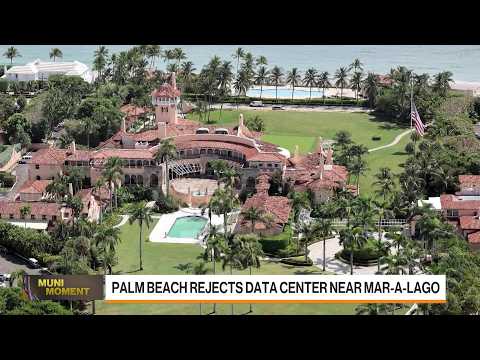
    Palm Beach County commissioners recently rejected a proposal for a data center planned for a location roughly 20 miles from President Donald Trump’s Mar-a-Lago club. This decision came after extensive debate and community input. The proposed facility aimed to establish a significant technological footprint in a predominantly residential and historic area.

    The rejection highlights the ongoing tension between technological expansion and the preservation of established community aesthetics and infrastructure. Local officials weighed the economic potential against the environmental and social impacts. The proximity to a high-profile property like Mar-a-Lago added another layer of complexity to the discussion.

    The Proposal and Its Location

    The data center proposal outlined plans for a substantial building housing numerous servers and cooling systems. The exact address of the proposed site has not been publicly detailed, but its proximity to Mar-a-Lago was a key point of contention. Data centers require significant power, cooling, and network infrastructure.

    Developers typically seek locations with access to reliable power grids and fiber optic networks. Palm Beach, while affluent, is not traditionally a hub for industrial-scale data operations. The proposal suggested a shift in the town’s typical development patterns.

    The land parcel under consideration was zoned for commercial use, but its immediate surroundings are largely residential. This created a direct conflict with the town’s character. Residents voiced concerns about the precedent such a development might set for future projects.

    Community Opposition Mounts

    Local residents organized quickly to oppose the data center. Petitions were circulated, and community meetings saw high attendance. Many residents expressed worries about increased traffic, particularly heavy equipment during construction and maintenance phases.

    Noise pollution was another frequently cited concern. Data centers operate 24/7, with cooling systems and generators producing constant hums. This would disrupt the quiet residential atmosphere of Palm Beach. The aesthetic impact of a large, windowless building in a town known for its architectural beauty also drew criticism.

    Environmental concerns were also raised. Data centers consume vast amounts of electricity, leading to questions about their carbon footprint. Water usage for cooling systems also became a point of debate, especially in a region susceptible to water management issues.

    Infrastructure Strain and Security Concerns

    Town officials focused heavily on the potential strain on existing municipal infrastructure. The power demands of a large data center could challenge the local electrical grid. Water and sewage systems would also need to accommodate increased usage. Upgrades to these systems would be costly and disruptive.

    Security emerged as a paramount concern, particularly given the location near Mar-a-Lago. The presence of a major data facility could attract unwanted attention or become a target. This raised questions about the Town of Palm Beach’s capacity to provide adequate security resources for such an installation.

    Local law enforcement and emergency services voiced their perspectives during public hearings. They highlighted the unique challenges associated with securing a critical infrastructure asset in a high-profile area. The potential for increased security protocols and their impact on daily life for residents was also discussed.

    The Role of Mar-a-Lago

    Mar-a-Lago, President Trump’s residence and private club, is a significant landmark in Palm Beach. Its presence influences many local development decisions. The property is a National Historic Landmark, adding to its cultural and historical importance.

    Any development in its vicinity undergoes intense scrutiny. The potential impact on property values in the area surrounding Mar-a-Lago was another factor. Residents feared a decline in property values if a large industrial facility were constructed nearby.

    The club also hosts numerous high-profile events and receives frequent visits from political figures. The optics of a data center, with its industrial appearance and operational demands, were seen as incongruous with the elegant image of Mar-a-Lago and its surroundings.

    The Town Council’s Deliberation

    The Palm Beach Town Council held several hearings on the data center proposal. These sessions included presentations from the developers, expert testimonies, and extensive public comment. Council members carefully weighed the various arguments presented.

    The economic benefits, such as potential tax revenue and job creation, were acknowledged. However, these were ultimately deemed insufficient to outweigh the perceived negatives. The council’s decision reflected a commitment to maintaining the established character of Palm Beach.

    Voting results were decisive, indicating a clear consensus against the project. The council’s rejection sent a strong message about the town’s priorities. It underscored a preference for preservation over unchecked commercial development, especially when it encroaches on residential tranquility.

    Precedent and Future Development

    The rejection of the data center sets a precedent for future development proposals in Palm Beach. It signals that projects with significant environmental, aesthetic, or infrastructural impacts will face stringent review. Developers considering projects in the town will now need to carefully assess community compatibility.

    This decision aligns with a broader trend in many affluent communities. Residents often prioritize quality of life, environmental protection, and the preservation of historical character over industrial growth. The unique nature of Palm Beach, with its high property values and historical significance, amplifies these considerations.

    The town continues to attract high-net-worth individuals, which contributes to its distinct character. Maintaining this appeal requires careful management of development. The data center decision reinforces the idea that Palm Beach aims to remain a premier residential destination, not an industrial hub.

    Economic Impact and Alternatives

    The developers behind the data center proposal likely sought Palm Beach for specific reasons, such as favorable tax structures or proximity to a wealthy client base. The rejection means they will need to seek alternative locations. This could include other communities in Florida or different states entirely.

    The economic impact of the rejection on the Town of Palm Beach is minimal. The town’s economy is primarily driven by tourism, luxury retail, and high-end real estate. A data center would have represented a different type of economic activity, one not entirely congruent with the town’s existing profile.

    The decision underscores the power of local governance in shaping community development. It demonstrates that even significant technological projects can be halted if they do not align with local values and concerns. The town prioritizes its long-term vision over short-term economic gains from a single project.

    The Long-Term Vision for Palm Beach

    Palm Beach has long cultivated an image of exclusivity and refined living. Its strict zoning laws and historical preservation efforts reflect this vision. The rejection of the data center is a direct manifestation of these deeply held values.

    The town’s leadership consistently works to protect its unique environment. This includes architectural review boards and careful planning for public spaces. The community values its green spaces, beach access, and quiet neighborhoods.

    The outcome of this proposal confirms the town’s commitment to these principles. It reinforces the idea that Palm Beach will continue to prioritize its residential character and historical integrity. The decision will likely be referenced in future debates over development and land use.

    Residents advocated. Officials deliberated. The community decided.

    Palm Beach.


  • Brad Paisley Speaks Out Against Nashville AI Data Center Construction

    Brad Paisley Speaks Out Against Nashville AI Data Center Construction

    Country music star Brad Paisley has publicly opposed the construction of a massive artificial intelligence data center in Nashville, Tennessee, citing concerns over the facility’s immense power consumption and its potential strain on the local grid. The proposed development, slated for a significant footprint within Music City, has become a flashpoint in the ongoing debate over the rapid expansion of AI infrastructure and its impact on local communities. Paisley’s vocal resistance brings celebrity visibility to a complex issue usually debated in zoning board meetings and utility commission hearings.

    The story begins not with a song, but with a blueprint. As technology companies race to build the infrastructure required to power generative AI, they are looking beyond traditional hubs like Silicon Valley and Northern Virginia. Nashville, with its growing economy and relatively affordable land, has emerged as a target for these massive server farms. But the arrival of these facilities brings significant environmental and infrastructural demands.

    In many ways, this is a story about resources. AI data centers require staggering amounts of electricity to run and cool the thousands of servers processing complex algorithms. The power demands of a single large-scale AI facility can equal that of a small city. For Nashville residents, the prospect of such a facility raises immediate questions about grid stability, utility rates, and the environmental cost of powering the AI revolution.

    The Power Demands of the AI Boom

    The core of Paisley’s objection centers on the sheer scale of the proposed facility’s energy needs. Artificial intelligence, particularly the training of large language models, is incredibly power-intensive. Unlike traditional data centers that primarily store information, AI data centers are engaged in constant, high-intensity computational tasks.

    This computational load generates massive amounts of heat. Cooling these servers requires either millions of gallons of water or vast amounts of electricity to power advanced HVAC systems. Often, it requires both. The strain on local utilities is not theoretical; it is a documented consequence of the AI boom.

    In regions where data centers have proliferated, local power grids have faced unprecedented stress. Utilities are forced to rapidly expand capacity, often passing the costs onto residential ratepayers. The environmental impact is also significant, especially if the power is sourced from fossil fuels. Paisley’s concerns echo those of environmental advocates and utility watchdogs who warn that the unchecked growth of AI infrastructure could derail carbon reduction goals.

    The Nashville Context

    Nashville’s infrastructure is already managing the demands of a rapidly growing population and a booming tourism industry. The addition of a massive industrial power consumer introduces a new variable. The Tennessee Valley Authority (TVA), which provides power to the region, has acknowledged the surging demand from data centers across its service area.

    The TVA has historically relied on a mix of nuclear, natural gas, coal, and renewable energy. A sudden spike in demand from a large-scale AI facility could force the utility to delay the retirement of older, more polluting power plants or invest heavily in new generation capacity. Either scenario carries financial and environmental implications for the region.

    A Cultural Clash in Music City

    Beyond the technical arguments regarding megawatts and cooling systems, Paisley’s opposition taps into a deeper cultural anxiety. Nashville is fiercely protective of its identity as Music City. The city’s brand is built on creativity, songwriting, and the human element of artistic expression.

    The arrival of an artificial intelligence data center, a monument to machine learning and algorithmic generation, presents a stark contrast to the city’s foundational ethos. For some, the facility represents a physical manifestation of a technology that many in the creative industries view with suspicion.

    AI’s potential to disrupt the music industry is a topic of intense debate on Music Row. The technology’s ability to generate lyrics, mimic voices, and compose melodies has raised complex questions about copyright, compensation, and the future of human artistry. While the data center itself is merely infrastructure, its presence in Nashville serves as a tangible reminder of the impending technological shift.

    The Celebrity Amplifier

    Brad Paisley’s involvement elevates the issue from a local zoning dispute to a national conversation. As a prominent and respected figure in country music, his voice carries weight. When Paisley speaks out about a development project, it commands attention from both the public and local officials.

    His intervention highlights the power of celebrity advocacy in local politics. By framing the issue not just as an infrastructural concern but as a question of community values and priorities, Paisley has galvanized opposition that might otherwise have struggled to gain traction. He has articulated the unease that many residents feel but may lack the platform to express.

    The Broader Trend of Tech Expansion

    The conflict in Nashville is not an isolated incident. It is a microcosm of a larger trend playing out across the United States. As technology companies seek cheap power, abundant land, and favorable tax environments, they are increasingly targeting mid-sized cities and rural areas for data center development.

    Municipalities are often eager to attract these projects, drawn by the promise of capital investment and tax revenue. However, the long-term costs, both infrastructural and environmental, are frequently underestimated. The promised job creation is often minimal, as data centers are highly automated and require relatively few permanent employees to operate.

    The debate in Nashville serves as a cautionary tale for other communities navigating the complex realities of the AI boom. It underscores the need for comprehensive planning, transparent negotiations, and a clear-eyed assessment of the true costs and benefits of hosting the infrastructure of the future.

    The Pushback Against Silicon Valley

    The resistance to the Nashville data center also reflects a growing skepticism toward the unchecked expansion of major technology companies. For years, the narrative surrounding tech development was overwhelmingly positive, framed in terms of innovation and progress.

    Today, that narrative is more nuanced. Concerns about data privacy, algorithmic bias, and the concentration of corporate power have tempered the public’s enthusiasm for Big Tech. When a massive data center is proposed for a community like Nashville, it is no longer viewed simply as an economic win; it is scrutinized as a potential liability.

    Paisley’s stance aligns with a broader pushback against the assumption that technological expansion should take precedence over local concerns. It is a demand for accountability and a rejection of the idea that communities must simply accept the infrastructural burdens of the AI revolution.

    The Future of the Nashville Project

    The fate of the proposed AI data center in Nashville remains uncertain. The public opposition, amplified by Paisley’s involvement, has undoubtedly complicated the approval process. Local officials are now under intense pressure to scrutinize the project’s energy demands and environmental impact.

    The outcome of this dispute will have implications beyond Nashville. It will serve as a test case for how communities can negotiate with powerful technology companies and assert control over their infrastructural destiny. It will also highlight the growing tension between the insatiable energy demands of artificial intelligence and the imperative to build sustainable, resilient local grids.

    The debate is no longer confined to the abstract realm of algorithms and machine learning. It has manifested in the physical world, in the form of concrete, steel, and megawatts. The question is no longer just what AI can do, but what it will cost to power it.

    The lines are drawn. The arguments are set. The city watches. Nashville.