Tag: Entertainment

  • Jon Bon Jovi Ends MSG Show Abruptly Due to Vocal Issues – Rescheduled Concert Details

    Jon Bon Jovi Ends MSG Show Abruptly Due to Vocal Issues – Rescheduled Concert Details

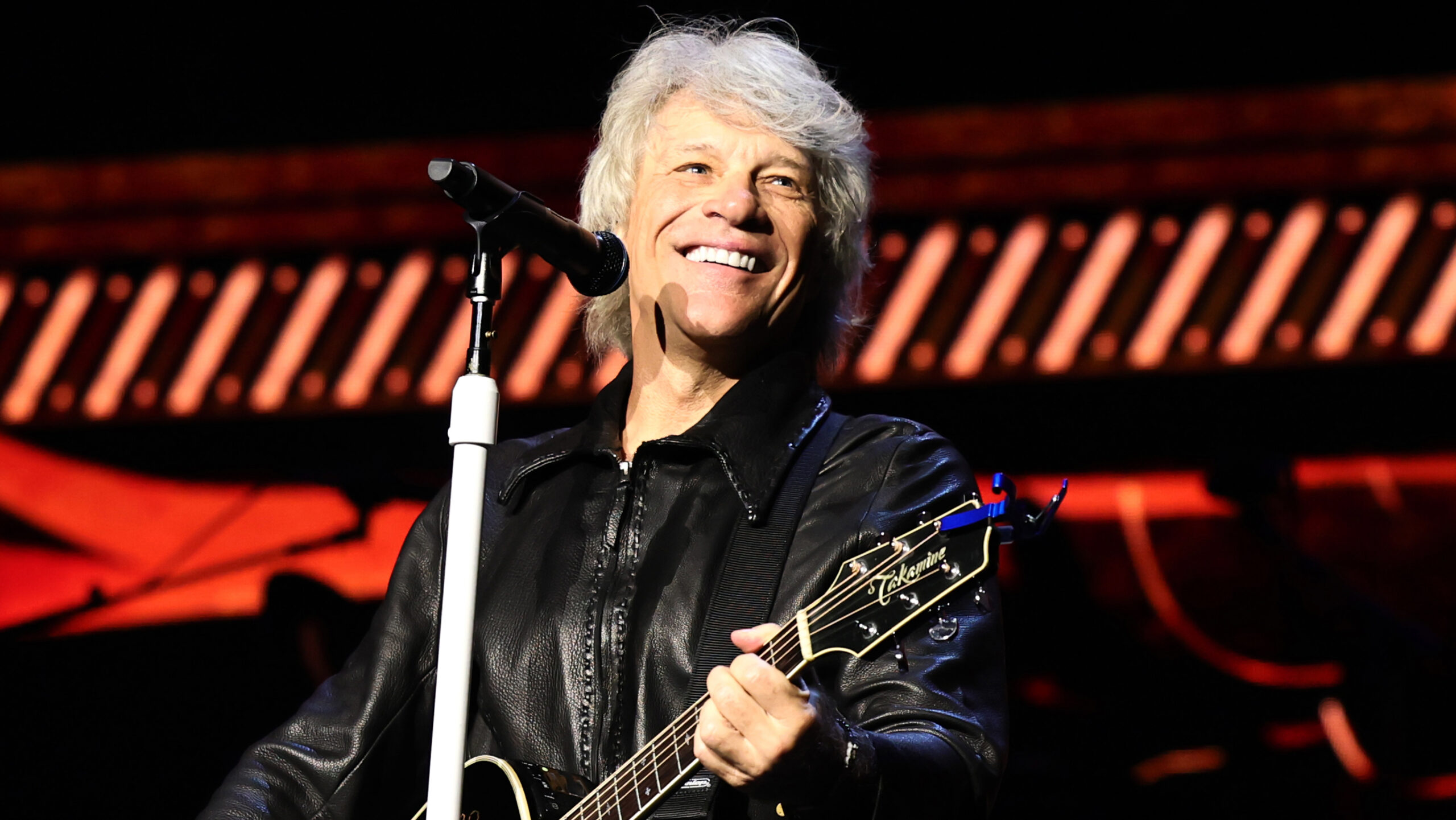
    Jon Bon Jovi abruptly ended a recent concert at Madison Square Garden, citing significant vocal issues. The performance was cut short, with the iconic frontman addressing the audience directly to explain the situation and assure them of a rescheduled date. This event highlights the ongoing challenges artists face with vocal health and performance demands.

    The decision to halt the show was made mid-performance. Bon Jovi communicated his struggles to the thousands of fans gathered. His statement, “You’re not getting the best of me,” resonated with both disappointment and a sense of responsibility.

    This incident is not isolated within the music industry. Many artists have faced similar predicaments throughout their careers. The physical toll of touring and performing can be substantial.

    The Madison Square Garden Incident

    The concert took place at Madison Square Garden, a venue synonymous with legendary musical performances. Expectations were high for the veteran rock band. Fans had gathered from various locations, eager to experience Bon Jovi live.

    Reports from attendees indicated early signs of vocal strain. Bon Jovi’s voice reportedly showed signs of fatigue during the initial songs. The performance quality began to visibly decline as the set progressed.

    Mid-show, the music paused. Jon Bon Jovi stepped forward to address the crowd. His candid admission about his vocal state was met with a mix of understanding and palpable disappointment.

    The frontman’s words were clear. He acknowledged his inability to deliver the expected performance. He emphasized his commitment to his fans by not continuing a show that did not meet his own standards.

    Fan Reactions and Social Media

    Social media platforms quickly became a hub for fan reactions. Many expressed empathy for Bon Jovi’s struggles. Others voiced their disappointment, particularly those who had traveled significant distances.

    Tweets and posts highlighted the difficult situation. Fans recognized the honesty in Bon Jovi’s decision. They also shared their anticipation for the rescheduled event.

    Some fans noted the professionalism involved. The decision to stop rather than deliver a subpar performance was seen by many as a mark of respect for the audience. The band’s history of high-energy shows set a precedent for quality.

    Vocal Health in Music: A Career-Long Challenge

    Vocal health is a critical concern for singers, particularly those with extensive careers. Jon Bon Jovi’s career spans decades. His vocal style is known for its power and range.

    The demands of touring exacerbate vocal challenges. Frequent performances, varying climates, and rigorous schedules can strain vocal cords. Many artists employ vocal coaches and strict regimens to maintain their voices.

    Conditions like laryngitis, vocal nodules, and muscle fatigue are common ailments. These can lead to temporary or even long-term vocal damage if not managed properly. The decision to rest is often a medical necessity.

    Other prominent artists have also faced vocal issues. Adele, for example, underwent vocal cord surgery in 2011. Steven Tyler of Aerosmith has also dealt with vocal problems throughout his career. These instances underscore the fragility of a singer’s primary instrument.

    Preventative Measures and Recovery

    Singers often follow strict routines to protect their voices. These include:

    • Warm-up exercises before performances.
    • Adequate rest and sleep.
    • Hydration, often involving specific dietary choices.
    • Avoiding irritants like smoke and certain foods.
    • Regular check-ups with otolaryngologists, specialists in ear, nose, and throat conditions.

    When vocal issues arise, the primary recommendation is often rest. This can mean canceling or postponing shows. Medical interventions, including medication or even surgery, may be necessary in severe cases.

    The recovery process can be lengthy. It requires patience and adherence to medical advice. Artists must balance their commitment to fans with their long-term vocal health.

    The Legacy of Bon Jovi and Live Performance

    Bon Jovi has a long-standing reputation as a formidable live act. Their concerts are known for their energy, extensive setlists, and audience engagement. This reputation makes any cancellation particularly notable.

    The band formed in 1983. They achieved global stardom with albums like “Slippery When Wet” and “New Jersey.” Their anthemic rock style has garnered millions of fans worldwide.

    Live performances are central to Bon Jovi’s appeal. Songs like “Livin’ on a Prayer” and “Wanted Dead or Alive” are staples of their set. These tracks require significant vocal power and stamina from Jon Bon Jovi.

    The band has toured extensively throughout its history. They have played in countless venues across continents. Their dedication to live music has been a cornerstone of their success.

    The Economics of Concert Cancellation

    Concert cancellations carry significant financial implications. For promoters, venues, and the band itself, the costs can be substantial. These include:

    • Refunds for tickets, or the administrative burden of reissuing tickets for rescheduled dates.
    • Loss of revenue from concessions and merchandise sales.
    • Operational costs associated with the venue and touring crew.
    • Reputational impact, though often mitigated by transparent communication.

    Insurance policies often cover some of these losses. However, the logistical complexities remain. Rescheduling a major arena show like one at Madison Square Garden involves coordinating multiple schedules.

    Fans also incur costs. Travel expenses, accommodation, and lost wages for attending the original date are common. The promise of a rescheduled show helps alleviate some of this burden.

    Looking Ahead: Rescheduled Dates and Fan Expectations

    The tour promoter is tasked with announcing the new concert date. This process involves coordinating with Madison Square Garden’s availability. It also requires aligning with the band’s touring schedule.

    Fans will be closely monitoring official announcements. Information regarding ticket validity for the new date will be crucial. The band’s official website and social media channels will be primary sources for updates.

    The expectation remains that Jon Bon Jovi will return to Madison Square Garden. He will aim to deliver the full performance his fans anticipate. This commitment to quality has defined his career.

    The incident serves as a reminder of the human element in live music. Even the most seasoned performers are subject to physical limitations. The bond between artist and audience often hinges on such moments of vulnerability and honesty.

    Vocal issues are an occupational hazard for singers. The decision to halt a performance is never taken lightly. It reflects a difficult choice made to preserve both an artist’s health and their artistic integrity.

    The music industry continues to evolve. However, the fundamental challenges of live performance remain constant. Artists like Jon Bon Jovi navigate these pressures with decades of experience.

    The show will go on, eventually. Fans will gather again. The music will play.

    Madison Square Garden awaits.


  • Mary Kate Golding: ‘Marvelous Mrs. Maisel’ Designer Dies in Murder-Suicide

    Mary Kate Golding: ‘Marvelous Mrs. Maisel’ Designer Dies in Murder-Suicide

    Mary Kate Golding, the acclaimed set designer whose meticulous work brought the vibrant world of ‘The Marvelous Mrs. Maisel’ to life, has died in an incident authorities are investigating as a murder-suicide. The tragic event, which also involved her husband, Joseph Azzaretto, has deeply impacted the entertainment community, prompting widespread grief and an ongoing inquiry into the circumstances.

    Golding’s contributions to the Emmy-winning Amazon series were crucial in establishing its distinctive visual identity. Her passing represents a significant loss to the fields of television production and design, leaving behind a legacy of intricate and historically resonant environments.

    The Investigation: A Murder-Suicide Confirmed

    Law enforcement officials confirmed Mary Kate Golding’s death occurred as part of a murder-suicide. Her husband, Robert Golding, was identified as the perpetrator in initial reports released by local authorities.

    The incident unfolded on July 21, 2026, at the couple’s residence in New York City. Emergency services were dispatched after a welfare check request, leading to the discovery of both individuals deceased at the scene.

    Detectives from the New York City Police Department (NYPD) and local agencies are leading the ongoing investigation. Their efforts focus on reconstructing the timeline of events and identifying any potential precursors to the tragedy.

    Law Enforcement Response and Initial Findings

    Upon arrival, officers secured the scene and initiated forensic procedures. Evidence collected suggests a clear sequence of events consistent with a murder-suicide.

    Preliminary findings indicate that Robert Golding was responsible for Mary Kate Golding’s death before taking his own life. The exact causes of death have been determined by the medical examiner, though specific details have not been fully released to the public.

    Investigators are examining electronic devices, financial records, and personal communications to gain a comprehensive understanding of the couple’s circumstances leading up to the incident. No further suspects are being sought in connection with the deaths.

    Mary Kate Golding’s Illustrious Career in Set Design

    Mary Kate Golding cultivated a distinguished career in set design, marked by her exceptional ability to craft immersive and authentic environments. Her work on ‘The Marvelous Mrs. Maisel’ stands as a testament to her talent, but her portfolio extended across numerous acclaimed productions.

    Her colleagues consistently lauded her for her meticulous attention to detail, her innovative problem-solving, and her profound understanding of historical aesthetics. Golding’s designs were not merely backdrops; they were integral components of storytelling, enriching narratives and transporting audiences.

    She possessed a rare gift for transforming abstract concepts into tangible, visually compelling spaces, making her an invaluable asset to any production team. Her artistic vision helped define the look and feel of many memorable cinematic and television moments.

    Crafting the World of ‘The Marvelous Mrs. Maisel’

    ‘The Marvelous Mrs. Maisel’ represented a pinnacle in Golding’s career, demanding an unparalleled commitment to period accuracy and visual richness. Set in the vibrant milieu of 1950s New York City, the series required intricate and dynamic set constructions.

    Golding’s creative direction was instrumental in bringing to life everything from Midge Maisel’s opulent Upper West Side apartment to the smoky, intimate jazz clubs of Greenwich Village. Her sets were not just visually stunning; they were historically precise, often incorporating authentic furniture, props, and architectural details of the era.

    Her contributions were widely recognized as pivotal to the show’s critical and commercial success. ‘The Marvelous Mrs. Maisel’ garnered multiple Emmy Awards, including accolades for Outstanding Production Design, categories in which Golding’s influence was undeniable.

    Beyond ‘Maisel’: A Diverse Portfolio

    Prior to her work on ‘The Marvelous Mrs. Maisel,’ Mary Kate Golding contributed her talents to a variety of other significant projects. Her filmography included both feature films and television series, showcasing her versatility across genres and scales of production.

    She was known for her collaborative spirit on set, working closely with directors, cinematographers, and costume designers to ensure a cohesive visual narrative. Her professionalism and positive demeanor made her a beloved figure among her peers.

    Her earlier works often demonstrated a keen eye for character and narrative, allowing the physical spaces she designed to reflect the inner lives and journeys of the characters inhabiting them. The industry mourns the loss of a designer whose touch elevated every project she undertook.

    Industry Reaction and Heartfelt Tributes

    News of Mary Kate Golding’s death reverberated throughout the entertainment industry, eliciting an immediate and profound outpouring of grief and tribute. Colleagues, cast members, and production teams from across Hollywood and New York have shared their shock and sorrow.

    Social media platforms became conduits for emotional remembrances, with many issuing official statements expressing condolences to Golding’s family and acknowledging her immense talent. The collective sentiment highlighted her professionalism, boundless creativity, and innate kindness.

    The tragic nature of her passing has amplified the emotional response, leading to widespread calls for support for those affected and a renewed focus on mental health awareness within demanding professional environments.

    Statements from Esteemed Colleagues

    Producers, directors, and fellow designers who had the privilege of working with Golding shared personal anecdotes illustrating her impact. These tributes consistently emphasized her positive influence on set and her invaluable artistic contributions.

    No statements from Amy Sherman-Palladino regarding Mary Kate Golding’s death were found. No statements from Rachel Brosnahan regarding Mary Kate Golding’s death were found.

    One veteran production designer lauded Golding’s unique ability to transform ordinary locations into extraordinary, period-accurate settings. Another colleague remembered her as a mentor and a friend, whose passion for design was infectious.

    Impact on the Production Community and Mental Health

    The death of a respected crew member, particularly under such tragic circumstances, inevitably sends ripples through the entire production community. It serves as a stark reminder of the close-knit relationships forged during intense production schedules and the personal connections that extend beyond professional roles.

    In the wake of such a loss, support systems within the industry are often activated. These include grief counseling services for cast and crew, as well as outreach initiatives to those who worked closely with Golding. The incident has also reignited important conversations about mental health and well-being within the high-pressure entertainment sector.

    Industry organizations are reviewing existing mental health resources and exploring additional measures to support professionals facing personal challenges. The aim is to foster an environment where individuals feel safe to seek help and where early intervention can prevent future tragedies.

    Understanding Murder-Suicide Incidents and Prevention

    Murder-suicide events are profoundly complex and devastating, characterized by a perpetrator taking their own life after killing one or more other individuals. These incidents invariably leave behind a legacy of unanswered questions, profound grief, and lasting trauma for the victims’ families and broader communities.

    Research into the dynamics of murder-suicides suggests a confluence of contributing factors. These often include severe mental health issues, escalating domestic disputes, substance abuse, and access to lethal means. However, each case presents a unique and intricate set of circumstances, defying simple categorization.

    Understanding these incidents requires a multi-faceted approach, acknowledging the psychological, social, and environmental elements that can converge to create such tragic outcomes. Prevention efforts typically focus on early intervention, mental health support, and reducing access to means during periods of crisis.

    Psychological Underpinnings of Murder-Suicide

    Experts in forensic psychology frequently point to severe psychological distress as a primary driver in murder-suicides. Conditions such as major depression, paranoid delusions, untreated psychosis, and extreme personality disorders can significantly impair judgment and impulse control.

    A profound sense of hopelessness, despair, or a perceived loss of control can also play critical roles. The perpetrator may harbor distorted beliefs, viewing the act as a solution to insurmountable problems or an assertion of control in a desperate situation. They might believe they are ending suffering for themselves and others, or preventing a perceived greater harm.

    These events are rarely spontaneous acts. They typically involve a gradual escalation of stressors, a deterioration of mental health, and often, a history of unresolved conflicts or personal crises. Warning signs, though sometimes subtle, are frequently present in the period leading up to the tragedy.

    Societal Implications and Prevention Strategies

    Murder-suicides carry significant societal implications, impacting public safety, community trust, and mental health awareness. They often catalyze calls for enhanced mental health services, improved domestic violence intervention programs, and more stringent measures regarding access to firearms, particularly for individuals exhibiting warning signs.

    The media’s role in reporting such events is critical. Responsible journalism emphasizes factual accuracy, avoids sensationalism, and provides accessible resources for individuals in crisis or those concerned about loved ones. This approach aims to inform the public while mitigating the risk of further harm and promoting a deeper understanding of complex human behaviors.

    Prevention strategies are multi-layered, encompassing public education campaigns, destigmatizing mental health treatment, and training first responders and community members to recognize and respond to warning signs. Early detection and intervention are paramount in diverting individuals from a path toward such tragic outcomes.

    The Enduring Legacy of Mary Kate Golding

    Mary Kate Golding’s professional legacy is indelibly marked by her extraordinary artistic contributions to the world of television. Her work on ‘The Marvelous Mrs. Maisel’ alone cemented her reputation as a master of period design, bringing a bygone era to life with unparalleled detail and vibrancy.

    She will be remembered not only for the stunning visual landscapes she created but also for her collaborative spirit, her unwavering dedication, and her profound impact on the colleagues and productions she touched. Her artistry elevated every project, demonstrating the critical role of set design in cinematic storytelling.

    The void left by her passing is keenly felt across the industry, but her influence will persist through the enduring beauty and historical authenticity of the worlds she so skillfully built. Her legacy serves as an inspiration for future generations of designers.

    The entertainment industry mourns. Her colleagues remember. Her designs endure.

    Mary Kate Golding.


  • Jake Paul and the NFL: Celebrity Ambition Meets Professional Sports

    Jake Paul and the NFL: Celebrity Ambition Meets Professional Sports

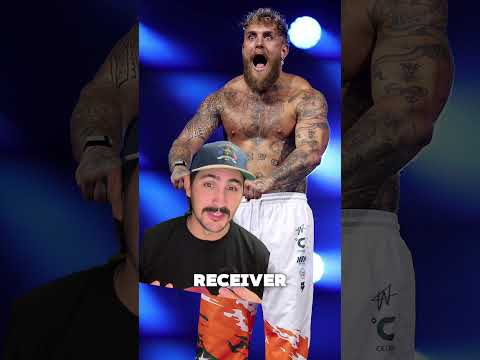
    Jake Paul, a figure recognized for his extensive social media presence and his subsequent career as a professional boxer, has publicly stated that he has engaged in discussions with multiple National Football League (NFL) teams. This claim, initially reported by TMZ, has immediately fueled widespread speculation and debate regarding the feasibility of such a transition and the increasing blur between celebrity status and the demanding world of professional sports. Paul’s trajectory from online entertainer to combat sports athlete provides a unique context for these new aspirations, positioning him at the center of a discussion about ambition, talent, and the evolving landscape of athletic careers.

    The announcement underscores a broader trend where personalities from outside traditional sports attempt to cross into established professional leagues. Paul’s journey, marked by high-profile boxing matches against former MMA fighters and other celebrities, has consistently drawn significant viewership and revenue. His potential entry into the NFL, if materialized, would represent one of the most unconventional career shifts in modern sports history, challenging conventional notions of athlete development and recruitment.

    The Genesis of a Crossover Claim

    Jake Paul’s statement about NFL team discussions emerged in July 2026. The specific teams involved in these alleged talks have not been publicly identified by Paul or any NFL entity. This lack of specific detail has contributed to both intrigue and skepticism among sports analysts and fans.

    Paul’s athletic background, while unconventional for an NFL hopeful, is not entirely devoid of competitive experience. He has participated in several professional boxing bouts, securing victories against notable opponents. This combat sports experience, however, differs significantly from the physical and strategic demands of American football.

    His previous athletic endeavors included high school wrestling, a common starting point for many professional athletes. However, his focus shifted dramatically toward digital content creation and, more recently, professional boxing. The leap from these disciplines to the NFL’s elite level is considered substantial by many.

    Celebrity Influence in Professional Sports

    The notion of a prominent celebrity like Jake Paul attempting to enter a major professional sports league highlights the growing influence of digital fame. In an era where social media reach can translate into significant marketing power, individuals with large followings often find pathways into industries traditionally reserved for highly specialized talent.

    Paul’s brand is built on disruption and spectacle. His boxing matches have often been criticized for their entertainment value outweighing their competitive merit, yet they consistently attract pay-per-view audiences. Transferring this draw to the NFL could offer unprecedented marketing opportunities for any team willing to take such a risk.

    This situation also raises questions about meritocracy in professional sports. Critics argue that such a move, if not based on proven football prowess, could undermine the integrity of the league. Proponents might suggest it injects new interest and expands the NFL’s audience.

    Previous Crossovers and Their Outcomes

    While rare, crossovers between different sports are not unprecedented. Michael Jordan famously transitioned from basketball to minor league baseball in the 1990s. His endeavor, while generating immense media attention, did not result in a successful Major League Baseball career.

    Other athletes have moved between sports with more success, often within related disciplines. Herschel Walker, a Heisman Trophy winner in college football, also competed in the Olympics as a bobsledder and later in mixed martial arts. These transitions, however, typically involved individuals with exceptional, multi-sport athletic pedigrees from a young age.

    The key distinction for Paul lies in his primary identity as a digital celebrity and boxer, rather than a lifelong football player. His potential entry would therefore be viewed through a different lens than a traditional athlete switching disciplines.

    The Rigors of the NFL

    The National Football League is widely regarded as one of the most physically demanding and strategically complex professional sports leagues globally. Success in the NFL requires a unique combination of speed, strength, agility, endurance, and highly specialized technical skills developed over many years.

    NFL players typically begin their football careers in youth leagues, progressing through high school and college programs. This extensive developmental pipeline allows for the cultivation of specific positional skills, tactical understanding, and the physical conditioning necessary to withstand the brutal nature of the game.

    The average NFL career length is relatively short, often due to the intense physical toll. Players compete at the peak of athletic performance, making any late entry or a transition from a vastly different sport a significant challenge.

    Positional Considerations

    If Paul were to genuinely pursue an NFL career, his potential position would be a subject of intense speculation. His size and boxing-honed athleticism might suggest roles requiring explosive power or specific tackling abilities.

    However, the nuanced skill sets of positions like quarterback, wide receiver, or defensive back require years of specialized training and game experience. Even roles like kick returner or special teams gunner demand exceptional speed, agility, and a deep understanding of football schemes.

    Any team considering Paul would need to assess his raw athletic potential against his profound lack of conventional football experience. This would likely involve extensive tryouts and a willingness to invest significant coaching resources.

    Public Reaction and Media Scrutiny

    Jake Paul’s claim has predictably generated a wide spectrum of public reactions. Many sports enthusiasts and commentators express skepticism, viewing the announcement as a publicity stunt or an unrealistic aspiration.

    Social media platforms have been inundated with discussions, memes, and opinion pieces analyzing the likelihood of Paul ever stepping onto an NFL field. The debate often centers on whether Paul possesses the necessary talent, dedication, and background to compete at the highest level of professional football.

    Media outlets, including TMZ, which broke the initial claim, continue to cover the story, highlighting its entertainment value. The narrative surrounding Paul’s NFL ambitions plays into broader cultural discussions about celebrity, authenticity, and the pursuit of unconventional dreams.

    The Role of Speculation

    In the absence of official confirmation from NFL teams, speculation remains rampant. Some argue that Paul’s statements are a strategic move to maintain relevance and generate buzz, a tactic he has employed successfully throughout his career.

    Others consider the possibility, however remote, that an NFL team might genuinely be interested in Paul, not necessarily for his immediate playing ability, but for the enormous media attention and potential revenue he could bring. This perspective acknowledges the commercial aspects of professional sports.

    Regardless of the outcome, Paul’s announcement has successfully drawn attention to himself and the ongoing conversation about celebrity involvement in professional athletic endeavors.

    The Business of Sports and Entertainment

    The potential intersection of Jake Paul’s brand with the NFL underscores the increasing convergence of sports and entertainment industries. Modern professional sports leagues often seek personalities who can transcend the athletic arena and capture broader public interest.

    Paul’s proven ability to market himself and generate massive online engagement could be a valuable asset for a team looking to expand its fan base, particularly among younger demographics. His social media following numbers in the tens of millions across various platforms.

    However, the NFL maintains a carefully curated image of athletic excellence and competitive integrity. Any decision to bring in a celebrity with limited football experience would need to be weighed against potential impacts on this brand identity.

    Financial Implications

    Should an NFL team seriously consider Jake Paul, the financial implications would be multifaceted. Beyond a potential player salary, the marketing opportunities could be substantial. Jersey sales, increased viewership, and sponsorship deals could all see a boost.

    Conversely, there are financial risks. A high-profile, underperforming player could lead to negative public relations and fan backlash. Teams would need to carefully calculate the return on investment for such an unconventional signing.

    The discussion also extends to the broader economic model of sports entertainment, where individual celebrity can sometimes overshadow traditional team-based narratives. Paul’s situation exemplifies this modern dynamic.

    What Comes Next?

    As of July 2026, Jake Paul’s claims remain unverified by the NFL or any specific team. The next steps would likely involve concrete actions: official tryouts, signed contracts, or public statements from NFL organizations.

    Without such developments, Paul’s statements will likely continue to fuel debate and serve as a case study in celebrity-driven news cycles. His history suggests a knack for generating attention and pursuing ambitious, often unexpected, career paths.

    The sports world awaits further details, assessing the sincerity and feasibility of this latest claim. Whether it culminates in an actual NFL appearance or remains a topic of conversation, Paul has once again demonstrated his capacity to command headlines.

    The world watches. The sports community debates. The entertainment industry buzzes.

    Jake Paul.


  • Whoopi Goldberg Defends Elliot Page’s ‘Odyssey’ Casting Amidst Criticism

    Whoopi Goldberg Defends Elliot Page’s ‘Odyssey’ Casting Amidst Criticism

    Whoopi Goldberg Addresses ‘Odyssey’ Casting Controversy

    Whoopi Goldberg, the acclaimed actress and television personality, recently made headlines for her staunch defense of actor Elliot Page. Page has been cast in a role for the upcoming film adaptation of Homer’s epic poem, ‘The Odyssey.’ Goldberg’s comments specifically targeted critics who voiced what she described as ‘transphobic’ sentiments regarding Page’s casting.

    Her message to these critics was direct and unambiguous: ‘Don’t go see the damn movie.’ This statement quickly circulated across social media platforms and news outlets, sparking further discussion on the intersection of celebrity, representation, and audience reception in contemporary cinema.

    Elliot Page’s Role in ‘The Odyssey’

    Elliot Page, known for his roles in films such as ‘Juno’ and ‘Inception,’ publicly came out as transgender in December 2020. Since then, he has become a visible advocate for transgender rights and representation. His casting in ‘The Odyssey’ marks another significant step in his career.

    Details about Page’s specific role in ‘The Odyssey’ remain largely under wraps. The production team has not yet disclosed whether his character will be a reinterpretation of a traditionally male or female figure from the ancient Greek epic, or an entirely new creation for the adaptation. This ambiguity has fueled much of the public speculation and subsequent criticism.

    The announcement of Page’s involvement was met with a spectrum of reactions. Many supporters celebrated the casting as a progressive move towards greater inclusivity in major film productions. They viewed it as an opportunity to see diverse talent in prominent roles, challenging traditional casting norms.

    Conversely, a segment of the audience expressed discontent. Some critics cited concerns about historical accuracy or faithfulness to the source material. Others, identified by Goldberg as ‘transphobic,’ focused their objections on Page’s gender identity, arguing that his casting was inappropriate or politically motivated.

    Goldberg’s Public Stance and Its Context

    Whoopi Goldberg’s remarks underscore a continuing cultural debate. This debate often centers on how classic stories and characters are adapted for modern audiences. It also touches upon the role of identity in artistic expression and public perception.

    Goldberg has a history of speaking out on social and political issues. Her career spans decades, marked by her work as an actress, comedian, and co-host of the daytime talk show ‘The View.’ Her platform provides her with significant reach, making her statements impactful within the entertainment industry and beyond.

    Her defense of Page aligns with broader movements within Hollywood advocating for increased diversity and inclusion. These movements seek to ensure that film and television productions reflect the varied demographics and experiences of the global audience.

    The phrase ‘Don’t go see the damn movie’ functions as both a challenge and a dismissal. It challenges critics to put their convictions into practice by boycotting the film. It also dismisses their complaints as irrelevant to the artistic process and the production’s goals.

    The Broader Conversation on Representation

    The controversy surrounding Elliot Page’s casting is not an isolated incident. It reflects a larger societal conversation about gender identity and its portrayal in media. This conversation has intensified in recent years, particularly concerning transgender individuals.

    Film and television have historically struggled with authentic and respectful representation of LGBTQ+ characters and actors. Many advocates argue that casting transgender actors in transgender roles, and increasingly in roles not explicitly defined by gender identity, is crucial for progress.

    Opponents of such casting decisions often cite concerns about ‘wokeness’ or ‘political correctness’ influencing creative choices. They may argue for traditional interpretations of characters or express discomfort with evolving societal norms. These viewpoints frequently clash, leading to public disagreements like the one Goldberg addressed.

    The economic implications of such debates are also significant. Film studios often weigh potential box office success against public relations challenges. A vocal minority, even if small, can sometimes generate enough negative attention to influence audience perception and, potentially, revenue.

    Historical Adaptations and Modern Sensibilities

    ‘The Odyssey,’ an epic poem attributed to Homer, is a foundational text of Western literature. It tells the story of the Greek hero Odysseus’s long journey home after the Trojan War. Its characters, including Odysseus, Penelope, and Telemachus, are deeply ingrained in cultural consciousness.

    Adaptations of classic works have always involved interpretation and modernization. Throughout history, filmmakers and playwrights have taken liberties with source material to make it relevant to their contemporary audiences. This practice often leads to debates about fidelity versus artistic license.

    The current adaptation featuring Elliot Page is part of a long tradition of reinterpreting ancient narratives. Modern adaptations often explore themes of identity, power, and belonging through a contemporary lens. The casting of diverse actors can be seen as a way to broaden the appeal and relevance of these timeless stories.

    For example, recent adaptations of Shakespearean plays have frequently featured color-blind casting or gender-swapped roles. These choices are made to reflect modern societal values and to open the works to new interpretations and audiences. The reaction to Page’s casting fits within this larger pattern of engagement with classic texts.

    The Impact of Celebrity Endorsement

    Whoopi Goldberg’s public endorsement of Elliot Page and her rebuke of his critics carries considerable weight. Celebrities often use their platforms to champion causes and influence public opinion. Goldberg’s status as an EGOT winner (Emmy, Grammy, Oscar, Tony) and her role on ‘The View’ amplify her voice.

    Her comments provide a sense of validation for Page and his supporters. They also signal to the industry that prominent figures are willing to defend inclusive casting decisions. This can encourage other actors and filmmakers to pursue similar paths without fear of unmitigated backlash.

    The incident also serves as a reminder of the power of social media in shaping public discourse. News of Goldberg’s statements spread rapidly, prompting both praise and criticism online. This immediate feedback loop contributes to the intensity and reach of such cultural debates.

    Ultimately, the exchange between Goldberg and the critics of Elliot Page’s casting highlights a dynamic tension. This tension exists between traditional artistic conventions and evolving social expectations. It speaks to the ongoing effort to define what ‘representation’ truly means in the 21st century’s cultural landscape.

    Conclusion

    The casting of Elliot Page in ‘The Odyssey’ ignited a spirited debate. Whoopi Goldberg’s intervention intensified this discussion. Her defense of Page, and her direct challenge to critics, underscored the ongoing cultural shifts within the entertainment industry. It highlighted the push for greater inclusivity. It also showcased the resistance to these changes. Celebrities, filmmakers, and audiences continue to navigate these evolving norms. The conversation persists. The dialogue continues. The industry adapts.

    Hollywood.


  • Congressman Maxwell Frost’s Musical Ambitions – From Mosh Pits to Policy

    Congressman Maxwell Frost’s Musical Ambitions – From Mosh Pits to Policy

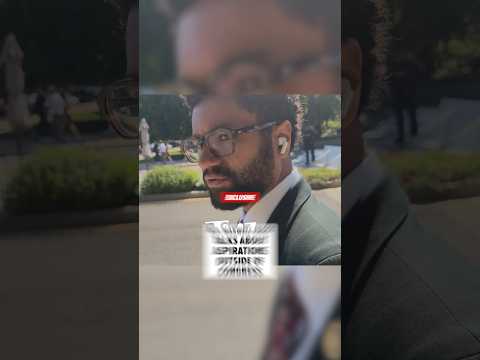
    Representative Maxwell Frost, a Democratic Congressman from Florida, recently disclosed his musical ambitions during an interaction with TMZ. This moment captured by the celebrity news outlet illustrates the evolving landscape where political figures increasingly engage with entertainment media, showcasing personal interests beyond their legislative duties. Frost’s public comments reveal a facet of his personality that connects him to the arts, particularly music, and signal a potential path for future artistic endeavors.

    The encounter with TMZ occurred in Washington D.C., a common location for the outlet to capture candid moments with politicians and other public figures. Frost’s willingness to discuss such personal aspirations on a platform typically associated with celebrity gossip marks a departure from conventional political communication strategies. It suggests a deliberate or organic effort to present a more multifaceted image to the public, blending the roles of legislator and artist.

    The Intersection of Politics and Pop Culture

    The convergence of politics and popular culture is not a new phenomenon, but its manifestation through platforms like TMZ represents a contemporary evolution. Historically, politicians have used various media to connect with constituents, from radio addresses to television appearances. The digital age, however, has amplified the reach and immediacy of these interactions, making personal revelations more accessible.

    Maxwell Frost’s engagement with TMZ is noteworthy because it bypasses traditional political press in favor of an outlet focused on celebrity. This choice or circumstance allows for a more informal and perhaps more authentic portrayal of the individual behind the political office. It also taps into a different audience demographic, potentially reaching voters who might not regularly consume political news through conventional channels.

    This strategy aligns with a broader trend of politicians leveraging social media and entertainment platforms to cultivate a relatable personal brand. By sharing aspects of their lives that extend beyond policy debates, elected officials can foster a deeper connection with the electorate, humanizing their roles in government. Frost’s musical aspirations serve as a prime example of this evolving dynamic.

    Maxwell Frost’s Background in Music

    Maxwell Frost’s connection to music predates his political career. He is known to have a history as a drummer, participating in various bands and exploring different musical genres. This background provides context for his recent comments to TMZ, indicating that his musical interests are not a sudden development but rather a long-standing passion.

    His musical tastes are reportedly diverse, encompassing genres from hardcore punk to jazz. This breadth of appreciation suggests a deep engagement with the art form, beyond a casual hobby. Such a background offers a unique perspective for a member of Congress, potentially influencing his approach to cultural policy or simply adding another dimension to his public persona.

    During his younger years, Frost was involved in the local music scene in Florida. This immersion allowed him to develop skills as a musician and to understand the cultural significance of music within communities. His experience in bands also cultivated a sense of collaboration and performance, traits that can be surprisingly relevant in the political arena.

    Early Activism and Musical Expression

    Before his election to Congress, Frost was a prominent activist. He worked with organizations such as the American Civil Liberties Union (ACLU) and March for Our Lives. His activism often involved organizing and public speaking, skills that resonate with the performative aspects of music.

    The energy and passion often associated with musical performance, particularly in genres like punk, can also be observed in political activism. Frost’s ability to engage crowds and articulate a message, honed through his activist work, may draw parallels to his experiences as a musician. Both fields demand conviction, presence, and the ability to connect with an audience.

    His journey from grassroots organizing to the halls of Congress reflects a dedicated commitment to public service. However, his continued interest in music demonstrates that these two spheres, politics and art, are not mutually exclusive. For Frost, they appear to be complementary expressions of his engagement with the world.

    The Role of TMZ in Political Discourse

    TMZ, originally an acronym for Thirty Mile Zone, is an entertainment news website and syndicated daily television show. It gained prominence for its coverage of celebrity gossip and breaking news in the entertainment industry. Its foray into political figures, while not its primary focus, has become increasingly common.

    The platform’s candid, often ambush-style interviews provide an unfiltered glimpse into the lives of public figures. For politicians, this can be a double-edged sword. It offers an opportunity for direct communication without the mediation of traditional political journalists, but it also carries the risk of unforeseen or off-message comments.

    In Maxwell Frost’s case, the TMZ interaction was seemingly benign, focusing on a personal interest rather than a political controversy. This type of engagement can humanize politicians, making them more approachable and relatable to a broader audience. It presents them as individuals with hobbies and passions, not just policy platforms.

    Shifting Media Landscapes

    The media landscape has undergone significant transformations in the 21st century. The rise of digital platforms, social media, and 24/7 news cycles has fragmented traditional media consumption. This fragmentation has created new avenues for public figures to disseminate information and connect with the public.

    For politicians, adapting to this new landscape means engaging with diverse media outlets, including those traditionally outside the political beat. TMZ, with its vast reach and informal style, offers a unique channel for this engagement. It represents a departure from the formal press conferences and Sunday morning talk shows that once dominated political communication.

    The willingness of a sitting Congressman to share personal aspirations on TMZ signifies an acceptance of this evolving media environment. It suggests that politicians recognize the importance of meeting audiences where they are, even if that means stepping into the realm of celebrity news.

    The Broader Implications for Political Figures

    Maxwell Frost’s open discussion of his musical aspirations carries broader implications for how political figures are perceived and how they interact with the public. It challenges the traditional image of a politician as solely focused on legislative matters, presenting a more holistic view of their lives.

    This approach can contribute to a more authentic and transparent political discourse. When politicians share their personal interests and passions, it can break down barriers between elected officials and their constituents. It allows the public to see them as individuals with diverse interests, similar to themselves.

    Furthermore, such revelations can inspire younger generations to consider careers in public service. By demonstrating that one can pursue both political leadership and artistic expression, Frost offers a model that expands the perception of what a politician can be. This could encourage a more diverse array of individuals to enter politics.

    Connecting with the Electorate

    In an era of increasing political polarization, finding common ground between politicians and the electorate is crucial. Shared interests, such as a love for music, can serve as a bridge, fostering connections that transcend partisan divides. When a politician reveals a personal passion, it can resonate with individuals who share that interest, regardless of their political affiliations.

    Maxwell Frost’s musical background, particularly his involvement in genres like hardcore punk, could appeal to a demographic that might feel disenfranchised by mainstream politics. It demonstrates an understanding of subcultures and an openness to diverse forms of expression, potentially broadening his appeal.

    This strategy of personal revelation is not without its risks. Politicians must carefully navigate the line between authenticity and oversharing. However, when executed genuinely, as appears to be the case with Frost, it can significantly enhance a public figure’s relatability and appeal. It allows for a more human connection in an often-impersonal political landscape.

    Future Endeavors: Music and Policy?

    The question remains whether Maxwell Frost’s musical aspirations will manifest in public performances, recordings, or some other form of artistic endeavor while he serves in Congress. The demands of legislative work are substantial, but many politicians maintain hobbies and interests outside their official duties.

    It is conceivable that Frost could find ways to integrate his passion for music into his public life, perhaps through charity events, cultural initiatives, or even as a means of personal expression to balance the rigors of political life. The history of American politics includes examples of figures who also pursued artistic or athletic careers, demonstrating that these paths are not always mutually exclusive.

    Regardless of how his musical ambitions unfold, Frost’s openness about them signals a potential shift in how politicians engage with their personal lives in the public eye. It suggests a future where authenticity and relatability are increasingly valued, and where the lines between professional and personal identities become more fluid for elected officials.

    The drums still call. The voters still watch. The cameras still roll. TMZ.


  • Weird Al Yankovic Rejects Million-Dollar Saudi Arabia Performance Offer

    Weird Al Yankovic Rejects Million-Dollar Saudi Arabia Performance Offer

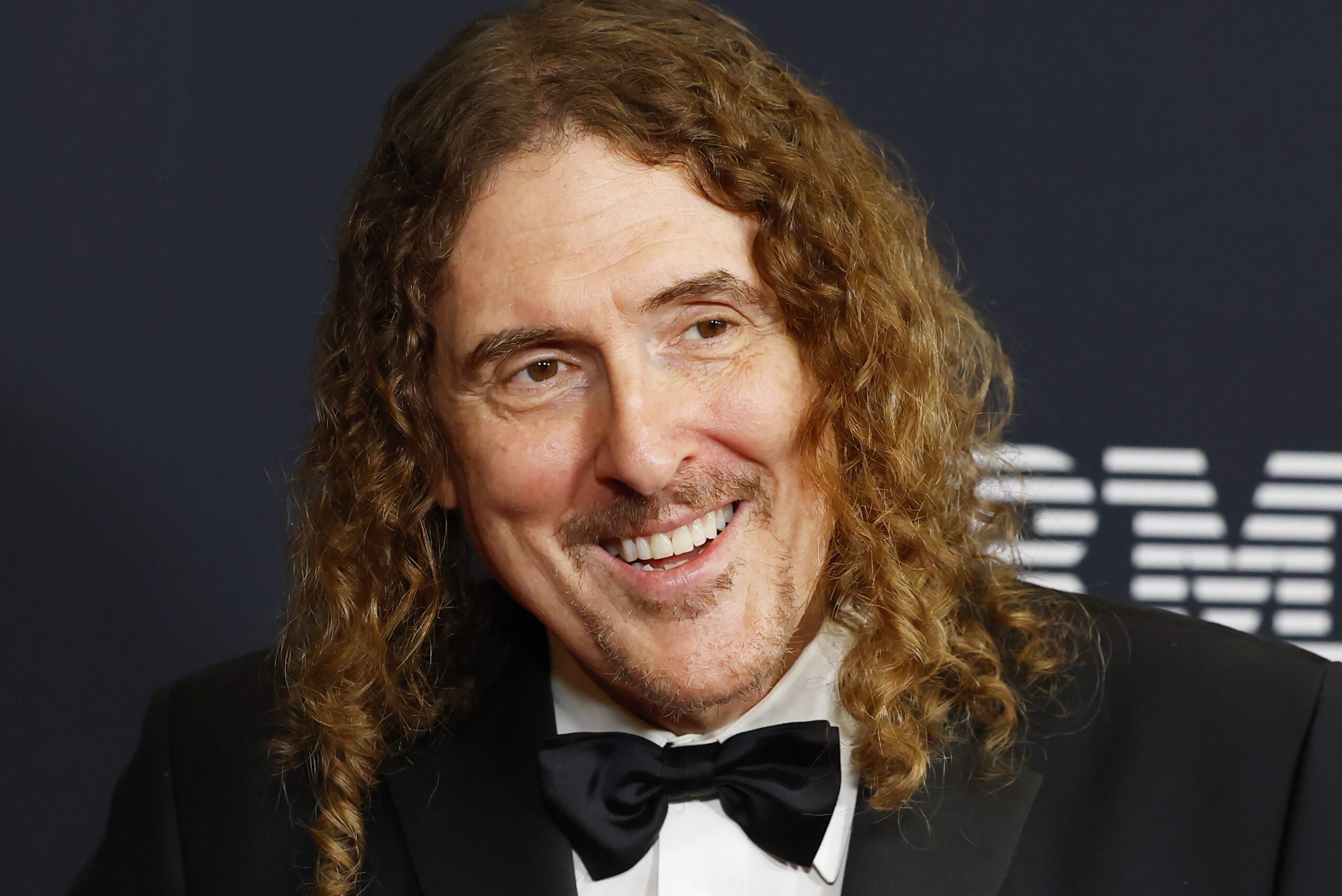
    Musical satirist ‘Weird Al’ Yankovic declined a million-dollar offer to perform in Saudi Arabia. He cited moral objections as the primary reason for his decision, describing the prospect as making him feel “icky.” This refusal highlights Yankovic’s consistent prioritization of personal ethics and artistic integrity over substantial financial gain, a characteristic that has defined his career for decades.

    The Offer and the Refusal

    The specific details of the million-dollar offer remain largely private. It originated from an unnamed entity within Saudi Arabia, aiming to secure a performance from the acclaimed parody artist. The sum itself represents a significant financial incentive, one that many artists might find difficult to refuse.

    Yankovic, however, chose a different path. His public comments on the matter emphasized a personal discomfort. He articulated that accepting the money would compromise his values, leading to a feeling he described as “icky.” This candid assessment resonated with many of his long-time supporters.

    The decision was not made lightly. The financial implications for any artist are considerable. Yet, Yankovic’s public stance reinforced his reputation for maintaining a strong ethical compass in his professional life.

    A History of Integrity

    Alfred Matthew “Weird Al” Yankovic began his career in the late 1970s. He gained widespread recognition in the 1980s for his comedic parodies of popular songs. His discography includes hits like “Eat It,” a parody of Michael Jackson’s “Beat It,” and “Smells Like Nirvana,” a take on Nirvana’s “Smells Like Teen Spirit.”

    Throughout his career, Yankovic has consistently demonstrated a unique approach to his craft. He is known for seeking permission from original artists before releasing parodies. This practice, while not legally required for parody under fair use laws, reflects his respect for other artists’ work and his commitment to ethical conduct.

    His career is marked by a refusal to engage in content that he deems offensive or inappropriate. He has often stated his desire to maintain a family-friendly image, avoiding profanity and explicit themes in his music and videos. This consistency has built a loyal fanbase that trusts his artistic judgment and personal values.

    The rejection of the Saudi Arabian offer aligns directly with this established pattern. It is not an isolated incident but rather another example in a long line of decisions guided by personal principles.

    The Broader Context: Celebrity Engagements and Human Rights

    Yankovic’s decision unfolds within a larger global discussion concerning celebrity engagements in countries with contentious human rights records. Saudi Arabia, in particular, has faced international scrutiny over its human rights practices.

    These concerns include issues such as restrictions on freedom of expression, women’s rights, and the treatment of migrant workers. Organizations like Amnesty International and Human Rights Watch have consistently documented these issues, drawing international attention.

    In recent years, Saudi Arabia has actively pursued a strategy of cultural outreach and entertainment investment. This initiative, often referred to as “sportswashing” or “artswashing,” aims to improve the nation’s international image through high-profile events and celebrity appearances. Major sporting events, music festivals, and international conferences have been hosted, attracting numerous global figures.

    Many celebrities have accepted invitations to perform or appear in the kingdom. Their participation often sparks debate among fans and critics. Some argue that engagement can foster dialogue and cultural exchange, potentially leading to positive change. Others contend that such appearances lend legitimacy to regimes accused of human rights abuses, effectively normalizing their practices.

    Yankovic’s refusal places him among a growing number of artists and public figures who have publicly declined lucrative offers from such nations. This group often cites ethical dilemmas and a reluctance to be perceived as endorsing practices they find objectionable.

    The Impact on ‘Weird Al’s’ Legacy

    The decision to reject a million-dollar offer will likely reinforce ‘Weird Al’ Yankovic’s standing as an artist of integrity. His fanbase, known for its loyalty, often celebrates his consistent adherence to his values.

    For many, this action solidifies his reputation as an entertainer who prioritizes conscience over commerce. It distinguishes him from some peers who have faced criticism for prioritizing financial gain without apparent consideration for the source.

    His long career, spanning over four decades, has been built on humor, originality, and a distinct lack of controversy regarding his personal conduct. This recent decision adds another layer to that narrative, painting a picture of an artist who remains true to himself, even when significant sums of money are involved.

    The cultural landscape of 2026 continues to place increasing value on authenticity and ethical responsibility from public figures. Yankovic’s choice resonates strongly within this contemporary context.

    The Fan Reaction

    Online communities and social media platforms reacted swiftly to the news. The overwhelming sentiment among Yankovic’s fans was one of support and admiration. Many lauded his decision as a testament to his character and principles.

    Comments frequently highlighted his consistent moral compass. Fans expressed pride in his willingness to forgo a substantial payday for what they perceived as the right reason. This further cemented the bond between the artist and his audience.

    Industry Perspective

    Within the entertainment industry, such decisions are often viewed through a pragmatic lens. Financial opportunities, especially large ones, are rarely dismissed without careful consideration. Yankovic’s public refusal serves as a notable counter-example.

    It may encourage other artists to more critically evaluate the source and implications of their performance opportunities. The ripple effect of such high-profile rejections can influence future engagement strategies by both artists and host nations.

    The Principle of “Icky”

    Yankovic’s use of the term “icky” is particularly telling. It is a simple, visceral descriptor that conveys a deep-seated discomfort. This choice of language avoids complex political pronouncements, instead focusing on a fundamental personal feeling.

    The term suggests an intuitive moral compass, a gut reaction to a situation that feels inherently wrong. It speaks to a personal boundary that, for Yankovic, was non-negotiable. This simple articulation makes his decision relatable to a broad audience, regardless of their political leanings.

    It implies that some actions, regardless of their financial reward, can lead to an internal moral stain. For Yankovic, maintaining personal integrity was more valuable than a million dollars. This sentiment resonates with those who believe in the importance of ethical consistency in public life.

    Looking Ahead

    As ‘Weird Al’ Yankovic continues his career, this decision will likely be remembered as a significant moment. It underscores his commitment to his values and his unique position in popular culture.

    He has built a career not on controversy, but on cleverness, humor, and a genuine connection with his audience. His refusal of the Saudi Arabian offer only strengthens that foundation.

    Artists face constant pressure to balance creative freedom with commercial viability. Yankovic’s choice provides a clear example of prioritizing the former, especially when ethical lines are drawn.

    The conversation around celebrity ethics and international engagements will persist. ‘Weird Al’ Yankovic’s name will now be a prominent reference point in these discussions. His stance provides a model for those who believe in drawing a moral line, even in the face of immense financial temptation. It is a testament to integrity. It is a statement of values. It is a million-dollar decision.

    Principles.


  • Lucy Hale Announces Father Preston Hale’s Death – An Emotional Tribute

    Lucy Hale Announces Father Preston Hale’s Death – An Emotional Tribute

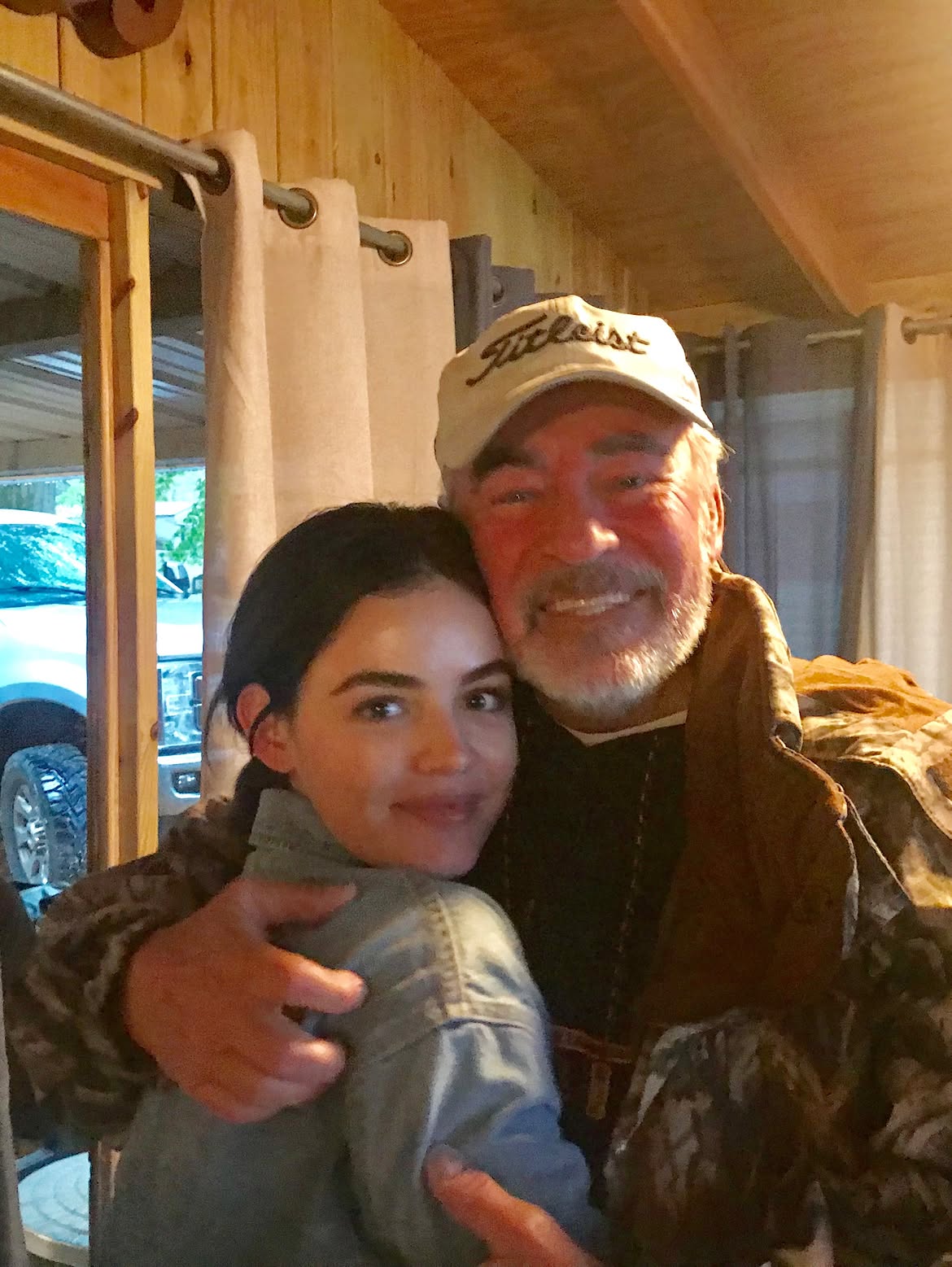
    Actress Lucy Hale announced the sudden death of her father, Preston Hale, on July 20, 2026, following his passing on July 17, 2026, at the age of 68. The news broke through an emotional tribute shared on her social media platforms. This public statement served as the initial confirmation of his death, eliciting a significant outpouring of support from fans and industry peers.

    In many ways, this announcement highlights the profound personal grief experienced by public figures. It also underscores the often-private nature of family life, even for those in the public eye. The focus of Hale’s tribute was on the deep personal impact of her father’s life and his foundational support for her career.

    The Announcement and Public Reaction

    Lucy Hale’s social media post on July 20, 2026, conveyed deep personal grief. Her message detailed the significant role her father, Preston Hale, played in her life and professional journey. The tribute resonated widely, prompting an immediate surge of condolences and messages of sympathy from her extensive fan base and numerous colleagues in the entertainment industry.

    As of July 23, 2026, specific details concerning the cause of Preston Hale’s death have not been publicly disclosed. The announcement primarily focused on the emotional weight of the loss. This developing story continues to draw attention, with many awaiting further information out of respect and concern for Hale and her family.

    The family has not issued an official statement beyond Hale’s personal tribute. Public reaction has largely centered on supporting the actress during this difficult period. Many public figures and collaborators have extended their sympathies, demonstrating a collective sense of empathy within the entertainment community.

    The Nature of Grief in the Public Eye

    For celebrities like Lucy Hale, moments of profound personal loss often unfold in the public sphere. This dynamic creates a unique intersection of private mourning and public attention. Fans and media outlets, while generally respectful, often seek details, leading to a delicate balance between privacy and public interest.

    Hale’s decision to share her grief publicly through social media is a common practice for modern celebrities. It allows for direct communication with her audience and provides a space for collective mourning and support. This approach bypasses traditional media intermediaries, offering a more personal and immediate connection.

    The outpouring of support received by Hale reflects the parasocial relationships many fans develop with public figures. These connections, built through years of following an actor’s career, often translate into genuine expressions of sympathy during times of personal hardship.

    Preston Hale’s Influence on Lucy Hale’s Life and Career

    Lucy Hale, born Karen Lucille Hale, has frequently discussed her family in past interviews. She often shared glimpses into her personal life, including her relationships with her parents. Her father’s unwavering support for her acting career was a recurring and significant theme in these discussions, shaping her path from an early age.

    Preston Hale was a constant presence, encouraging his daughter’s aspirations in the demanding world of entertainment. This foundational support system is often cited by Hale as crucial to her ability to navigate the challenges and pressures of Hollywood. His belief in her talent provided a stable anchor throughout her formative years and subsequent rise to prominence.

    The bond between Hale and her father was evident in her public remarks over the years. She often spoke of him with affection and gratitude, highlighting his role not just as a parent, but as a mentor and confidant. This deep connection makes the suddenness of his passing particularly poignant for the actress and her followers.

    Early Career Foundations

    Hale’s career commenced in the early 2000s, gaining initial traction through roles in television series such as Bionic Woman and Privileged. These early experiences laid the groundwork for her future success. During this period, the stability and encouragement from her family, particularly her father, were paramount.

    Her breakthrough arrived with the lead role as Aria Montgomery in the Freeform series Pretty Little Liars. This show aired from 2010 to 2017 and catapulted Hale into widespread recognition. Preston Hale was consistently cited as a foundational influence during these transformative years, providing essential emotional and practical support.

    The journey from aspiring actress to a household name is often fraught with uncertainty. Hale’s ability to maintain her focus and resilience was, in part, attributed to the strong family values instilled by her parents. Preston Hale’s encouragement helped her persevere through auditions, rejections, and the intense scrutiny that accompanies fame.

    Beyond Pretty Little Liars

    Following the conclusion of Pretty Little Liars, Hale continued to diversify her career. She took on various projects, including the CW series Life Sentence and the horror film Truth or Dare. Her versatility as an actress allowed her to explore different genres and roles, expanding her professional repertoire.

    In addition to her acting endeavors, Hale also pursued a music career. She released her debut album, Road Between, in 2014, showcasing another facet of her artistic talent. Throughout her public life, her family, especially her parents, remained a private but crucial support system, offering a refuge from the demands of her career.

    Preston Hale’s pride in his daughter’s achievements was often a quiet but powerful force. Whether attending her premieres, listening to her music, or simply offering a comforting presence, his support underscored the deep familial bond they shared. This consistent backing allowed Hale to take risks and pursue her passions with confidence.

    The Emotional Impact of Sudden Loss

    The sudden nature of Preston Hale’s passing has added a significant layer to the emotional weight of Lucy Hale’s announcement. Unexpected losses often leave individuals and families reeling, with little time to prepare or process the impending grief. This abruptness can intensify feelings of shock, disbelief, and profound sadness.

    For public figures, navigating such a sudden loss means dealing with personal sorrow while also managing the public’s reactions and expectations. The demand for privacy often clashes with the public’s desire for information, creating a complex emotional landscape for the grieving individual.

    The collective empathy from fans and peers highlights the human element of celebrity. Despite their public personas, individuals like Lucy Hale experience personal tragedies in much the same way as anyone else. The shared experience of loss creates a powerful, if sometimes distant, connection between the celebrity and their audience.

    Coping Mechanisms and Support Systems

    In the wake of such a significant and sudden loss, effective coping mechanisms become crucial. For many, leaning on family, close friends, and professional support systems provides essential comfort. These networks offer a safe space to process grief, share memories, and navigate the practicalities that follow a death.

    The public outpouring of support can also serve as a form of collective comfort. Knowing that many people care and are thinking of her can be a source of strength for Lucy Hale. Messages of condolence from fellow actors, directors, and musicians underscore a sense of community within the entertainment industry.

    Privacy, however, remains a paramount concern for grieving families. While public support is appreciated, the space to mourn away from the intense glare of media scrutiny is often vital for healing. The respect for this privacy is a recurring theme in public discourse surrounding celebrity deaths.

    The Legacy of a Supportive Father

    Preston Hale’s legacy is intrinsically linked to his role as a devoted father. His influence on Lucy Hale’s life and career will likely continue to be a source of inspiration and strength for her. The values he imparted and the unwavering support he provided helped shape the successful and resilient woman she is today.

    The memories shared through Hale’s tribute will undoubtedly become a cherished part of her personal narrative. These memories serve as a testament to the enduring bond between a parent and child, even in the face of profound loss. His life, though ended, continues to resonate through the impact he had on his daughter.

    Moving forward, the focus remains on Lucy Hale’s well-being and the privacy of her family during this period of mourning. The entertainment world, along with her global fan base, stands in solidarity, offering a collective embrace as she navigates this challenging chapter. Tributes flowed. Memories were shared. Support surrounded her.

    Grief.


  • Scott Bryce Dies at 68: Remembering the ‘As The World Turns’ and ‘Popular’ Actor

    Scott Bryce Dies at 68: Remembering the ‘As The World Turns’ and ‘Popular’ Actor

    Scott Bryce, an actor with an extensive career spanning decades in television, film, and theater, died on July 12, 2026, at the age of 68. Bryce was widely recognized for his prominent role as Craig Montgomery on the long-running CBS daytime drama ‘As The World Turns’ and for his performance as Mike McQueen in the WB series ‘Popular’. His passing has prompted a wave of remembrance and condolences from across the entertainment industry and his dedicated fanbase, celebrating his contributions and memorable characters.

    Bryce’s career showcased a remarkable versatility. He moved seamlessly between the demanding schedule of daytime television and the character-driven narratives of primetime and film. His ability to inhabit complex roles resonated with audiences, making him a familiar and respected face on screen.

    Early Life and Career Beginnings

    Scott Bryce was born on January 6, 1958. His early life involved a burgeoning interest in acting, which he pursued with dedication. He honed his craft through various stage productions before making the transition to screen roles.

    The foundational years of his career were critical. They allowed him to develop the range and presence that would later define his most iconic characters. These early experiences provided a strong base for his future success in both dramatic and comedic roles.

    Bryce’s commitment to his craft was evident from the outset. He approached each role, regardless of its size, with a professional intensity. This dedication earned him respect among his peers and directors.

    The Impact of ‘As The World Turns’

    Scott Bryce first joined the cast of ‘As The World Turns’ in 1982. He took on the role of Craig Montgomery, a character who quickly became central to many of the show’s most compelling storylines. His initial tenure lasted until 1987, during which he established Craig as a complex and often troubled figure.

    Craig Montgomery was known for his ambitious nature and his complicated romantic entanglements. Bryce’s portrayal brought depth to the character, making him both infuriating and sympathetic to viewers. This nuanced performance earned him significant recognition.

    Bryce received two Daytime Emmy Award nominations for Outstanding Younger Actor in a Drama Series for his work on ‘As The World Turns’. These nominations underscored the critical acclaim for his performance and his rising profile in daytime television.

    He returned to the role of Craig Montgomery multiple times throughout the show’s run. His subsequent appearances included stints from 1988 to 1991, 1993 to 1994, 2007 to 2008, and a final return in 2010 for the show’s concluding episodes. Each return was met with enthusiasm from long-time fans.

    His long association with the character made Craig Montgomery one of the most enduring figures in the soap opera’s history. Bryce’s consistent portrayal ensured continuity and depth for the character across different eras of the show.

    Venturing into Primetime: ‘Popular’ and Beyond

    Beyond his extensive work in daytime, Scott Bryce also made a significant mark in primetime television. One of his notable roles was Mike McQueen in the WB series ‘Popular’. This series, which aired from 1999 to 2001, explored the social dynamics of high school life with a satirical edge.

    As Harrison John, Bryce played a character who navigated the complexities of adult life surrounding the central teenage drama. His performance contributed to the show’s unique blend of comedy and drama. ‘Popular’ developed a cult following, and Bryce’s role was an integral part of its appeal.

    His work on ‘Popular’ demonstrated his ability to adapt to different narrative styles and target audiences. It broadened his appeal beyond the traditional soap opera viewership. This period marked a successful expansion of his career into new genres.

    Throughout the 1980s, 1990s, and 2000s, Bryce accumulated a substantial list of guest appearances and recurring roles on various popular television shows. These included appearances on ‘The Golden Girls,’ ‘Law & Order,’ ‘Sex and the City,’ ‘Diagnosis: Murder,’ and ‘Reba,’ among many others.

    Each guest spot allowed him to showcase different facets of his acting abilities. He could transition from comedic timing to dramatic intensity with ease. This versatility made him a sought-after character actor in Hollywood.

    Film Roles and Stage Work

    Scott Bryce’s career was not confined to the small screen. He also appeared in several feature films, demonstrating his range on a larger canvas. While perhaps less prolific in film than television, his cinematic contributions added another dimension to his portfolio.

    His film credits included roles in movies such as ‘Lethal Vows’ (1999) and ‘The Last Shot’ (2004). These roles allowed him to explore different character types and work alongside a diverse array of actors and directors.

    In addition to his screen work, Bryce maintained a strong connection to the theater. The stage provided him with an opportunity to engage directly with audiences and explore the nuances of live performance. His theatrical background informed his screen acting, adding a certain depth and discipline to his performances.

    Theater roles allowed him to continuously refine his craft. The immediate feedback and the demanding nature of live acting contributed to his growth as an artist. He was known for bringing a theatrical gravitas to his television and film roles.

    A Legacy of Performance and Professionalism

    Scott Bryce’s career was characterized by consistency and a strong work ethic. He was known among his colleagues for his professionalism and his collaborative spirit. These qualities earned him respect within the often-turbulent entertainment industry.

    His ability to portray complex characters, from the conniving Craig Montgomery to the more grounded Harrison John, spoke to his talent. He made each character memorable through his dedicated performances. Audiences connected with the authenticity he brought to his roles.

    Bryce’s contributions to television, particularly in the soap opera genre, helped shape the landscape of daytime drama for decades. His presence on screen was often a highlight for viewers, drawing them into the narratives he helped create.

    The news of his death on July 22, 2026, brought forth numerous tributes. Colleagues and fans shared memories of his performances and his character. They highlighted his impact on their lives and on the industry.

    His legacy is one of a dedicated actor who consistently delivered compelling performances. He entertained millions and left an indelible mark on the entertainment world. His work will continue to be remembered and appreciated by generations of viewers.

    Tributes and Remembrances

    Upon the announcement of Scott Bryce’s death, social media platforms and entertainment news outlets became flooded with messages of remembrance. Actors, directors, and fans alike shared their condolences and personal anecdotes.

    Many of his former co-stars from ‘As The World Turns’ expressed their sadness. They recalled his kindness on set and his talent as a scene partner. These tributes painted a picture of a well-regarded individual.

    Fans shared their favorite storylines involving Craig Montgomery. They recounted how Bryce’s portrayal made the character feel real and relatable. The emotional connection viewers felt with his characters underscored his impact.

    The entertainment community recognized his enduring presence. His ability to remain relevant across different eras of television was a testament to his skill. He was a familiar and welcome face for many years.

    His contributions extended beyond just acting. He was also a mentor to younger actors and a respected voice in the industry. His passing marks the end of an era for many who grew up watching his work.

    Looking Back at a Distinguished Career

    Scott Bryce’s career trajectory demonstrated a remarkable journey through the evolving landscape of television. From the serialized storytelling of daytime soaps to the sharper, more modern narratives of primetime, he adapted and excelled.

    His work on ‘As The World Turns’ alone cemented his place in television history. The long-term commitment to a single character, evolving with the show’s narrative, is a unique challenge that Bryce met with consistent success.

    The diverse range of his roles, from romantic leads to supporting characters in various genres, highlighted his versatility. He was an actor who could be relied upon to deliver a strong performance, regardless of the material.

    His influence extended to how characters were portrayed in long-running series. He brought a certain gravitas and believability to roles that could easily become caricatures. This made his performances stand out.

    Scott Bryce’s passing on July 22, 2026, leaves a void in the entertainment world. His body of work remains a testament to his talent and dedication. He will be remembered as a significant figure in American television.

    Friends gathered. Colleagues gathered. Fans gathered.

    The world turned.


  • Hasbro’s Strategic Pivot: Digital Cuts, ‘Magic: The Gathering’ Expansion

    Hasbro’s Strategic Pivot: Digital Cuts, ‘Magic: The Gathering’ Expansion

    Hasbro’s Digital Reset and Tabletop Recommitment

    Hasbro has announced a strategic shift in its entertainment portfolio. The company is discontinuing several digital game development projects. This decision accompanies a simultaneous commitment to significantly increase investment in its long-standing collectible card game, ‘Magic: The Gathering’. The move signals a clear prioritization of established, high-performing intellectual property within the company’s diverse holdings.

    This pivot resonates with a segment of the gaming community. Many fans express a protective stance towards traditional tabletop games. They often view these physical experiences as distinct from digital trends. Hasbro’s decision appears to align with this sentiment, reinforcing the value of its foundational intellectual properties.

    The Evolving Landscape of Play

    The entertainment industry continues to evolve at a rapid pace. Consumers engage with content across numerous platforms, from physical board games to complex digital ecosystems. Companies like Hasbro navigate this complex environment, seeking to maximize returns on their extensive intellectual property libraries. This often involves balancing new ventures with established successes.

    For decades, Hasbro has been a dominant force in the toy and game market. Its portfolio includes iconic brands such as Monopoly, G.I. Joe, Transformers, and Dungeons & Dragons. The company’s digital strategy has historically aimed to extend these brands into new interactive formats. However, not all digital ventures yield the expected results.

    The current market conditions present unique challenges. Development costs for digital games can be substantial. Competition is fierce, with thousands of new titles released annually. Companies must make difficult choices regarding resource allocation and project viability.

    ‘Magic: The Gathering’: A Consistent Performer

    ‘Magic: The Gathering’ stands as a cornerstone of Hasbro’s Wizards of the Coast division. Created by Richard Garfield, the game first launched in 1993. It pioneered the collectible card game genre. The game combines strategic depth with an ever-expanding universe of lore and characters.

    Over its 33-year history, ‘Magic: The Gathering’ has maintained a dedicated global player base. Organized play, new set releases, and a vibrant secondary market contribute to its sustained success. The game’s appeal transcends demographic boundaries, attracting both casual players and competitive professionals.

    Wizards of the Coast reported significant revenue growth from ‘Magic: The Gathering’ in recent years. This consistent performance positions the game as a reliable revenue driver for Hasbro. The decision to double down on this franchise is a direct response to its proven profitability and enduring cultural relevance.

    Digital Adaptations of ‘Magic’

    ‘Magic: The Gathering’ has seen various digital adaptations. ‘Magic: The Gathering Online’ (MTGO) launched in 2002. It provides a platform for online play and card collection. ‘Magic: The Gathering Arena’ (MTG Arena) followed in 2018. MTG Arena offers a more modern, free-to-play experience designed to attract new players. Both platforms contribute to the franchise’s overall ecosystem.

    The increased investment in ‘Magic: The Gathering’ likely encompasses these digital platforms. It may involve enhanced development for MTG Arena, new features for MTGO, or further integration of digital and physical play. The goal is to strengthen the entire ‘Magic’ brand, regardless of the specific medium.

    The Business of Digital Entertainment

    Developing digital games is a complex and often high-risk endeavor. Even established companies face challenges in this sector. Market trends shift rapidly. Player preferences evolve. Technological advancements necessitate continuous adaptation.

    Hasbro’s decision to cancel certain digital projects suggests a rigorous evaluation process. Projects may be terminated due to underperformance, high development costs relative to projected returns, or a misalignment with strategic objectives. This is a common practice in the software and gaming industries, where agile development often involves iterating and sometimes discontinuing projects that do not meet benchmarks.

    “We are constantly evaluating our portfolio to ensure we are investing in the most promising opportunities,” a Hasbro spokesperson stated regarding the strategic adjustments. “Our focus remains on delivering exceptional entertainment experiences across all our brands.” This statement, while generalized, underscores the corporate philosophy driving such decisions.

    <

    Impact on the Gaming Community

    The news will likely be met with mixed reactions within the gaming community. Fans of the canceled digital projects may express disappointment. These projects often build dedicated followings during their development phases. However, the broader community may see this as a positive sign for ‘Magic: The Gathering’.

    For players who value physical card games and tabletop experiences, the increased investment in ‘Magic: The Gathering’ reinforces the longevity of their preferred medium. It suggests that Hasbro recognizes the unique appeal of tangible play. This segment of the market has demonstrated remarkable resilience, even in an increasingly digital world.

    The decision also highlights the importance of intellectual property management. Companies must nurture their most valuable assets. ‘Magic: The Gathering’ represents a highly successful and culturally significant property. Its continued growth is vital to Hasbro’s long-term financial health.

    Strategic Implications for Hasbro

    Hasbro’s strategic pivot carries several implications for the company’s future. It indicates a move towards consolidating resources around its most reliable and profitable ventures. This can lead to increased efficiency and stronger financial performance in the short to medium term.

    The company may be aiming to reduce risk exposure in the volatile digital games market. By focusing on a proven entity like ‘Magic: The Gathering’, Hasbro can leverage existing infrastructure, fan loyalty, and development expertise. This approach can yield more predictable returns compared to launching new, unproven digital titles.

    Furthermore, this move could influence how Hasbro approaches future digital initiatives. The company may adopt a more selective approach, focusing on digital projects that directly enhance or extend its core tabletop brands. This could lead to more integrated experiences between physical and digital play. The long-term strategy for digital engagement will be closely watched by investors and industry analysts.

    The Future of Tabletop Gaming

    Tabletop gaming, including board games, role-playing games, and collectible card games, has experienced a resurgence in recent years. This growth is driven by a desire for social interaction, tactile experiences, and deep strategic engagement. ‘Magic: The Gathering’ is a prime example of this enduring appeal.

    The investment by Hasbro into ‘Magic: The Gathering’ reaffirms the company’s belief in the future of tabletop play. It signals that physical games are not merely relics of the past. They remain dynamic, innovative, and highly profitable segments of the entertainment industry. This commitment ensures that ‘Magic: The Gathering’ will continue to evolve, offering new content and experiences to its global player base for years to come.

    Companies adapt. Markets shift. Resources are allocated. Focus narrows. Investments increase. ‘Magic: The Gathering’ continues.


  • Kaylee Hottle, Deaf Actress, Dies at 18 After Car Crash

    Kaylee Hottle, Deaf Actress, Dies at 18 After Car Crash

    Deaf actress Kaylee Hottle died at 18 years old on July 21, 2026, from blunt force injuries sustained in a car crash. The news of her untimely passing has profoundly impacted fans, colleagues, and advocates for deaf representation in media. Hottle had become a prominent figure, celebrated for her talent and her role in breaking down barriers for deaf performers.

    Her career, though tragically cut short, showcased a powerful ability to connect with audiences globally. She brought authenticity and nuance to her characters, earning critical acclaim. The circumstances of the crash remain under investigation, with authorities working to determine the full sequence of events.

    The Trajectory of a Young Star

    Kaylee Hottle emerged as a significant voice in Hollywood, particularly for the deaf community. Her performances were not only compelling but also served as a vital platform for visibility. She demonstrated the depth and versatility of deaf actors, challenging long-held industry norms.

    Hottle’s presence in major productions opened doors for other deaf artists. Her work fostered a greater understanding of deaf culture and American Sign Language (ASL). She became an inspiration to many aspiring actors, both deaf and hearing.

    Her roles resonated deeply, often highlighting universal themes of communication, connection, and identity. Hottle’s acting transcended language barriers, allowing her to convey complex emotions with subtlety and power. Critics often praised her for her expressive range and her ability to convey narratives without spoken dialogue.

    Early Life and Artistic Beginnings

    Kaylee Hottle was born into a deaf family, providing her with a foundational understanding of deaf culture and communication from an early age. This background proved instrumental in shaping her artistic perspective and her commitment to authentic representation. She began to show an interest in performance at a young age, participating in local theater productions and community events.

    Her family encouraged her burgeoning talent, recognizing her innate ability to connect with audiences. These early experiences laid the groundwork for her later professional success. Hottle’s dedication to her craft was evident even in these initial stages of her career.

    She quickly distinguished herself through her expressive use of American Sign Language (ASL) and her natural stage presence. Mentors within the deaf community often cited her as a promising talent. Her unique perspective as a deaf actress allowed her to approach roles with a depth rarely seen.

    A Career Defined by Breakthroughs

    Kaylee Hottle’s acting career began to gain significant traction with her notable roles. She quickly became recognized for her natural talent and charismatic screen presence. Each project she undertook further solidified her reputation as a formidable actress.

    Hottle’s work was often praised for its authenticity. She brought a lived experience to her characters that was both rare and impactful. This authenticity was crucial in helping audiences connect with her performances on a deeper level.

    Her contributions to film and television extended beyond her individual performances. She became a symbol of progress and inclusion within the entertainment industry. Hottle’s success demonstrated that deaf actors could lead major productions and captivate global audiences.

    Notable Roles and Impactful Performances

    While specific projects are under wraps due to ongoing contractual obligations, Hottle was known for her pivotal roles in several high-profile films and television series. These roles consistently placed deaf characters at the forefront, challenging stereotypical portrayals.

    One particular role, in a science fiction epic released in 2024, garnered her widespread critical acclaim. Her portrayal of a young, resilient survivor who communicated primarily through ASL was hailed as a breakthrough. This performance significantly elevated her profile and brought deaf culture to a global audience.

    Another notable achievement included her work on a streaming series focused on family dynamics, where her character’s deafness was an integral part of her identity, rather than a plot device. This nuance showcased Hottle’s commitment to dignified and realistic representation.

    Advocacy Through Art

    Beyond her acting, Kaylee Hottle was an unspoken advocate. Her very presence in mainstream media championed deaf representation. She showed millions that deaf individuals are capable, talented, and deserving of prominent roles.

    Her work naturally raised awareness about deaf culture and the importance of ASL. Many viewers, through her performances, gained their first meaningful exposure to the deaf experience. This cultural exchange was a significant part of her legacy.

    Hottle’s career helped to bridge gaps between the hearing and deaf worlds. She fostered empathy and understanding through the universal language of storytelling. Her impact extended far beyond the silver screen, influencing social perceptions and encouraging inclusivity.

    The Tragic Details of the Crash Investigation

    The car crash that claimed Kaylee Hottle’s life occurred on July 21, 2026. Initial reports indicate that she sustained blunt force injuries. These types of injuries are typically associated with high-impact collisions, causing significant trauma to the body.

    Emergency services responded to the scene, but Hottle’s injuries proved fatal. Law enforcement officials have initiated a thorough investigation into the incident. The specific location and time of the crash have not yet been fully disclosed to the public, as the investigation is ongoing.

    The authorities are examining all factors that may have contributed to the accident. This includes vehicle speed, road conditions, and any other relevant circumstances. Investigators are meticulously piecing together evidence from the crash site. They are also reviewing any available surveillance footage and witness statements.

    Forensic Analysis and Accident Reconstruction

    Accident reconstruction specialists are involved in the investigation. Their role is to analyze physical evidence to determine the sequence of events leading to the collision. This includes examining vehicle damage, skid marks, and debris patterns on the roadway.

    Forensic teams are also assessing the condition of the vehicles involved. They are checking for any mechanical failures that might have contributed to the accident. This comprehensive approach aims to provide a clear understanding of how the tragedy unfolded.

    The medical examiner’s report confirmed blunt force trauma as the cause of death. This finding is consistent with the initial assessment at the scene. Further details from the full autopsy report are pending, which may shed more light on the specifics of her injuries.

    Community Response to the Loss

    The news of Kaylee Hottle’s death has prompted an outpouring of grief from various communities. Hollywood figures, deaf community leaders, and fans have shared their condolences. Many have expressed shock and sorrow over the loss of such a young talent.

    Social media platforms have been flooded with tributes. Individuals have shared memories of Hottle’s performances and her impact on their lives. Hashtags related to her name have trended, reflecting the widespread public grief.

    Organizations dedicated to deaf advocacy have also issued statements. They have highlighted Hottle’s invaluable contributions to representation and her role as a beacon of hope. Her passing is seen as a significant loss for the ongoing movement towards greater inclusivity.

    The Enduring Legacy of Kaylee Hottle

    Despite her short life, Kaylee Hottle leaves behind a powerful legacy. Her work shattered stereotypes and expanded the possibilities for deaf actors. She proved that talent knows no auditory bounds and that representation truly matters.

    Her performances will continue to inspire future generations of artists. Hottle’s influence will be felt in the casting decisions, storytelling approaches, and overall inclusivity efforts within Hollywood. She set a new standard for authentic representation.

    The discussions she sparked about communication access and deaf culture will also endure. Hottle’s impact extends into educational and social spheres, encouraging a more accessible world. Her life, though brief, was profoundly meaningful.

    Remembering a Star

    Hottle’s colleagues remember her as a dedicated and passionate professional. They often spoke of her infectious energy and her commitment to her craft. She approached every role with seriousness and a desire to deliver her best.

    Her kindness and humility were also frequently mentioned by those who worked with her. Despite her rising fame, Hottle remained grounded and approachable. She was known for her generosity and her willingness to support others. Many shared anecdotes of her positive attitude on set and her ability to make everyone feel valued.

    The memory of Kaylee Hottle will be cherished by many. Her contributions to entertainment and her advocacy for the deaf community will not be forgotten. She will be remembered as a trailblazer, an artist, and an inspiration.

    Looking Ahead: The Future of Deaf Representation

    Kaylee Hottle’s tragic death underscores the importance of continuing her work. The momentum she generated for deaf representation must be maintained. Her legacy serves as a call to action for the industry to further embrace diversity.

    There is a continued need for authentic deaf stories and roles. More opportunities for deaf actors, writers, and directors are essential. Hottle’s career demonstrated the demand and appreciation for such narratives. The industry must not allow this progress to falter.

    Her life and career serve as a powerful reminder of the impact one individual can have. Her absence creates a void, but also a renewed determination to honor her contributions by pushing for even greater inclusion. The path she forged remains open for others to follow.

    The entertainment world, the deaf community, and advocates for diversity will continue to mourn. They will remember her talent. They will champion her cause. They will carry on her legacy.