Tag: Entertainment

  • 50 Cent’s Diddy Commentary, Solitary Confinement and Celebrity Accountability

    50 Cent’s Diddy Commentary, Solitary Confinement and Celebrity Accountability

    The Public Commentary of Curtis Jackson

    Curtis “50 Cent” Jackson has maintained a consistent public commentary regarding the unfolding legal challenges faced by Sean “Diddy” Combs. Jackson’s remarks often appear on social media platforms, drawing significant public attention. His latest comments included a joke about solitary confinement, directly referencing Combs’ situation.

    This ongoing narrative from Jackson positions him as a prominent voice within the celebrity sphere reacting to the scandal. The nature of his statements often blends humor with pointed criticism. This approach resonates with a significant portion of his audience.

    The Diddy Scandal: An Overview

    Sean “Diddy” Combs has been the subject of intense public and legal scrutiny since late 2023. Multiple civil lawsuits have been filed against him. These lawsuits allege a range of serious misconduct, including sexual assault, trafficking, and other illegal activities. The initial lawsuit was filed in November 2023 by Casandra Ventura, known professionally as Cassie.

    Ventura’s lawsuit was settled out of court within days of its filing. However, it opened the door for several other accusers to come forward. These subsequent lawsuits have painted a concerning picture of Combs’ alleged behavior over several decades. They have led to a broader re-evaluation of his public image and business practices.

    Federal Investigation Intensifies

    The civil lawsuits have been accompanied by a significant federal investigation. In March 2024, federal agents executed search warrants at Combs’ residences in Miami and Los Angeles. These actions were reportedly part of a sex trafficking investigation by Homeland Security Investigations (HSI).

    The raids were widely publicized, further intensifying the media’s focus on Combs. Combs was convicted in July 2025 and sentenced in October 2025, and is currently serving a 50-month federal sentence. The scope of the inquiry reportedly includes allegations of illegal drug distribution and firearms offenses, in addition to human trafficking.

    50 Cent’s Role in the Public Discourse

    Curtis Jackson’s engagement with the Combs scandal is not new. He has frequently used his platform to critique Combs and the broader music industry. Jackson’s social media posts often go viral, generating millions of views and comments. His jokes and observations are often seen as direct challenges to Combs’ long-standing influence.

    Jackson’s history with Combs dates back years, marked by intermittent public feuds and competitive business ventures. This pre-existing dynamic adds another layer to his current commentary. His consistent engagement ensures the scandal remains a prominent topic in celebrity news cycles.

    The Solitary Confinement Joke

    The specific joke about solitary confinement emerged in late July 2026. Jackson posted a meme or comment referencing the possibility of Combs facing such conditions. This type of humor, while controversial, is characteristic of Jackson’s public persona. It aims to provoke a reaction and keep the conversation centered on Combs’ legal predicament.

    The reference to solitary confinement suggests Jackson’s belief in the severity of the allegations and potential legal consequences. It also highlights the public’s fascination with the potential downfall of powerful figures. The joke quickly circulated across social media platforms, sparking debate among fans and critics alike.

    Celebrity Accountability in the Spotlight

    The Diddy scandal, amplified by figures like 50 Cent, has brought celebrity accountability into sharp focus. The allegations against Combs are not isolated incidents in the entertainment world. They contribute to a larger societal conversation about power dynamics, exploitation, and the consequences for those in positions of influence.

    Public figures, once seemingly untouchable, are now facing increased scrutiny. Social media platforms provide immediate avenues for public reaction and criticism. This shift has altered the landscape of crisis management for celebrities and their teams.

    Impact on Combs’ Business Empire

    The legal and public relations challenges have had tangible effects on Combs’ extensive business empire. Brands associated with Combs, such as Bad Boy Entertainment and Revolt TV, have faced questions about their future. Investors and business partners have been forced to re-evaluate their relationships with the mogul.

    For instance, reports surfaced in early 2024 about potential divestment from some of Combs’ ventures. While the full financial impact is still unfolding, the reputational damage has been significant. This situation serves as a stark reminder of how personal conduct can intersect with corporate interests.

    The Broader Cultural Context

    The Diddy scandal is unfolding within a broader cultural moment that emphasizes victim advocacy and challenging established power structures. Movements like #MeToo have created an environment where accusers feel more empowered to come forward. This context is crucial for understanding the intensity of the reaction to the allegations against Combs.

    The public’s appetite for justice and transparency has grown. There is less tolerance for alleged misconduct, particularly when it involves significant power imbalances. This societal shift influences how the media, legal system, and public figures like 50 Cent engage with such high-profile cases.

    Comparing Public Reactions

    Public reactions to the scandal vary. Some express shock and disappointment, while others voice support for the alleged victims. There is also a segment of the public that remains skeptical, questioning the motives behind the lawsuits. 50 Cent’s commentary often taps into the more critical and cynical aspects of public sentiment.

    The differing reactions highlight the complexities of celebrity worship and the difficulty of reconciling public personas with private allegations. The scandal forces a confrontation with uncomfortable truths about the entertainment industry.

    Legal Precedents and Future Implications

    The legal proceedings against Sean Combs could set important precedents. The outcomes of both the civil lawsuits and the federal investigation will be closely watched. They could influence how similar allegations are handled in the future, particularly concerning high-profile individuals.

    The extensive nature of the investigation suggests a serious commitment from federal authorities. This could signal a more aggressive approach to prosecuting alleged crimes involving celebrity figures. The implications extend beyond Combs, potentially impacting how the entire industry operates.

    The Role of Social Media

    Social media platforms have played an undeniable role in this scandal. They serve as immediate news sources, platforms for victim testimonies, and arenas for public debate. 50 Cent’s use of social media exemplifies its power to shape narratives and maintain public interest.

    The rapid dissemination of information, both verified and unverified, complicates the legal process. It also ensures that public opinion remains a significant factor in how these cases are perceived. The balance between freedom of expression and potential defamation becomes a critical consideration.

    Looking Ahead: The Path Forward

    The legal battles involving Sean Combs are expected to continue for an extended period. The civil lawsuits will likely proceed through discovery and potentially trial, unless further settlements are reached. The federal investigation, by its nature, can be a lengthy process, often conducted behind closed doors until potential indictments.

    The public will continue to monitor developments closely. Figures like 50 Cent will likely continue to offer their perspectives, keeping the conversation alive. The resolution of these cases will have lasting implications for all involved, from the alleged victims to the broader entertainment industry.

    Accusations mounted. Investigations broadened. Public opinion shifted. Accountability demanded. Justice awaited.

  • Karlie Kloss Addresses Speculation on Taylor Swift and Travis Kelce’s Wedding

    Karlie Kloss Addresses Speculation on Taylor Swift and Travis Kelce’s Wedding

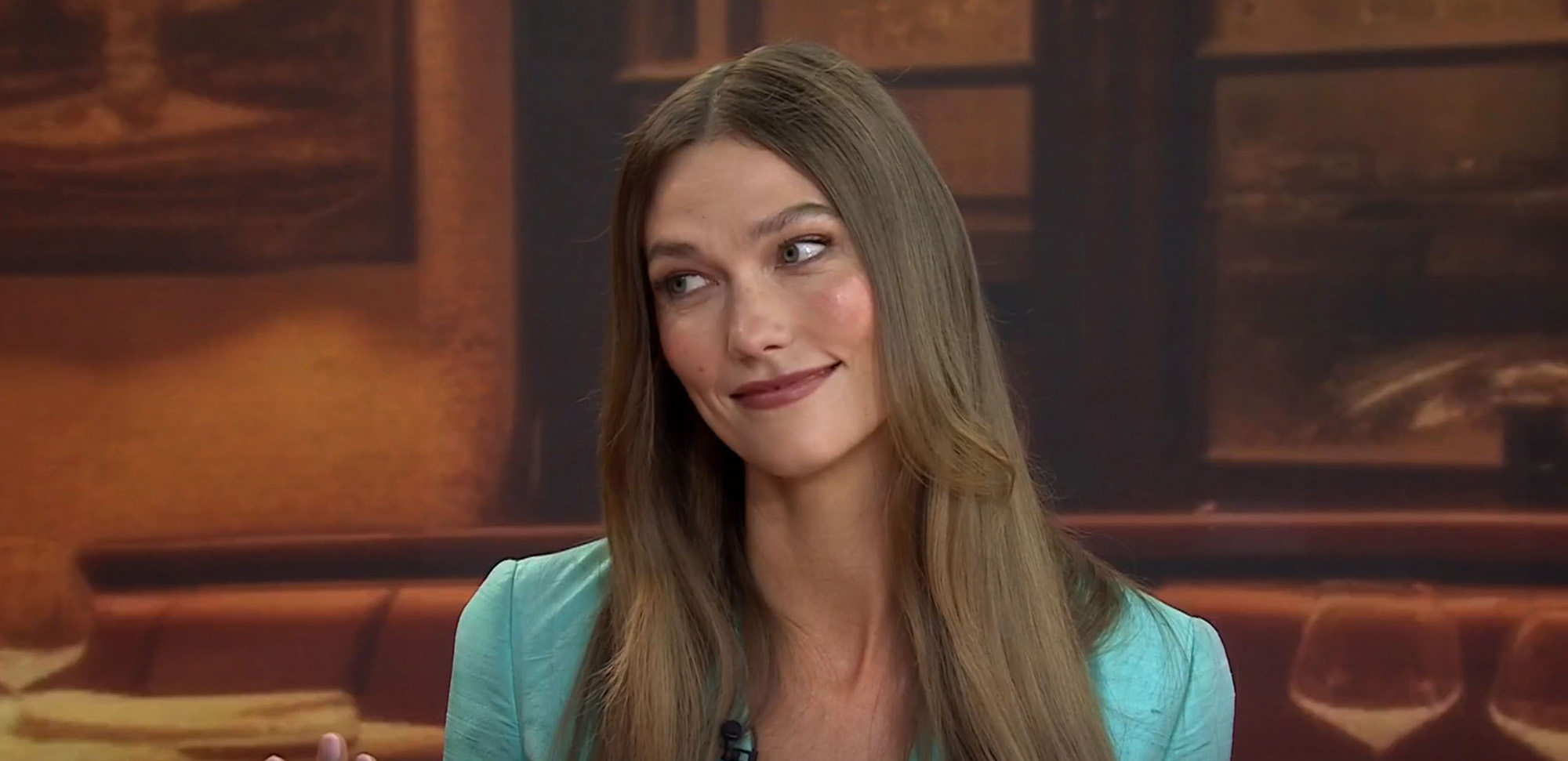
    Supermodel Karlie Kloss has reportedly addressed the ongoing public their recent wedding for music superstar Taylor Swift and NFL tight end Travis Kelce. Kloss offered a brief statement during a recent public appearance.

    The New York Post’s Page Six reported on Kloss’s statements on 2026-07-28. Kloss stated, ‘Listen, I try to protect the privacy of my friends’ personal lives. But what I will say is that they’re an amazing couple and I’m so happy for them.’ She did not elaborate further on the wedding or her current relationship with Swift.

    The Trajectory of a High-Profile Friendship

    Taylor Swift and Karlie Kloss were once prominent figures in each other’s public lives. Their friendship, often documented on social media and at high-profile events, garnered significant media attention in the mid-2010s.

    By the late 2010s, reports of a potential rift began circulating. Public appearances together became scarce. Both Kloss and Swift remained largely silent on the nature of their evolving relationship.

    This perceived distance led to extensive fan and media speculation. The reasons for their apparent estrangement were a frequent topic of discussion in celebrity news cycles for several years.

    Speculation Surrounding Swift and Kelce

    Taylor Swift’s relationship with Travis Kelce became a global phenomenon in late 2023. Their romance has been extensively covered across all forms of media, from sports to entertainment.

    Recent reports have intensified speculation about a potential wedding between Swift and Kelce. These reports have not been officially confirmed by either Swift or Kelce.

    Kloss’s recent comment, ‘I wish Taylor all the best, always,’ arrives amidst this backdrop of wedding speculation. Her statement is being interpreted in the context of her past friendship with Swift and the current public interest in Swift’s personal life.

    Interpreting Kloss’s Recent Remarks

    Kloss’s comment, while brief, marks her first public acknowledgment of Swift’s current relationship status. It avoids confirming or denying any wedding plans.

    The statement maintains a polite, albeit somewhat distant, tone. This contrasts with the effusive public displays of friendship that characterized their earlier relationship.

    Media outlets are analyzing the phrasing for deeper meaning. The comment does not offer direct insight into the current state of their personal connection. It does, however, acknowledge Swift’s ongoing journey.

    The public has long been curious about the status of the friendship between Kloss and Swift. Kloss’s decision to speak, however minimally, on a topic directly related to Swift is a notable event in celebrity news.

    This development adds another layer to the long-running public narrative. It suggests a continued awareness of each other’s lives, even if the nature of their interaction has changed.

    Media outlets continue to seek further clarification. The exact context of Kloss’s full interaction remains of interest.

    Kloss’s brief statement. Swift’s ongoing romance. A public narrative continues.

    Observation.


  • Love Island’s Priya Apologizes for ‘Job-Shaming’ Elicia Over National Rail Career

    Love Island’s Priya Apologizes for ‘Job-Shaming’ Elicia Over National Rail Career

    Love Island personality Priya has issued a public apology to Elicia following accusations of ‘job-shaming’ regarding Elicia’s reported £30,000 annual salary at National Rail. This apology represents a significant U-turn from Priya’s initial stance, which had drawn considerable criticism across social media platforms and from viewers of the popular reality television series.

    The controversy first emerged after Priya made comments perceived as dismissive of Elicia’s career choice and income level. These remarks quickly garnered attention, leading to a widespread backlash against Priya for what many interpreted as an elitist viewpoint.

    The Genesis of the ‘Job-Shaming’ Controversy

    The incident originated during a segment of Love Island where contestants discussed their professional backgrounds and earnings. Elicia, a participant on the show, mentioned her employment with National Rail and her annual salary of approximately £30,000.

    Priya’s subsequent remarks were captured and widely circulated. These comments suggested a perceived inadequacy or lack of ambition associated with Elicia’s profession and salary.

    Viewers reacted swiftly to Priya’s statements. Social media platforms, particularly X (formerly Twitter) and Instagram, became forums for extensive debate. Many users condemned Priya’s attitude, labeling it as ‘job-shaming’ and out of touch with the financial realities faced by many individuals.

    Critics argued that such comments devalued essential public service roles and promoted an unhealthy focus on high-income professions as the sole measure of success or worth. The public discourse highlighted broader societal issues regarding class, economic disparity, and the pressures faced by individuals in contemporary society.

    Public Reaction and Social Media Outcry

    The immediate aftermath of Priya’s comments saw a significant surge in online discussion. Hashtags related to ‘job-shaming’ and ‘Love Island’ trended, with thousands of users expressing their opinions.

    Many viewers defended Elicia, praising her for holding a stable job in a vital sector. They pointed out that a £30,000 annual salary represents a respectable income for many across the United Kingdom, particularly outside of major metropolitan areas.

    Conversely, a smaller segment of the audience defended Priya, suggesting her comments were either taken out of context or were part of the natural competitive dynamics within the Love Island villa. However, this perspective was largely overshadowed by the widespread condemnation.

    The incident also drew attention from media outlets beyond typical entertainment news. Commentators discussed the implications of such exchanges on reality television, specifically how they might influence public perceptions of different careers and financial aspirations among younger audiences.

    Priya’s Initial Stance and Subsequent ‘U-Turn’

    Initially, Priya did not immediately offer an apology. Reports indicated a period where she either remained silent on the issue or offered explanations that did not fully address the public’s concerns. This delay further fueled the criticism.

    The pressure mounted as the story gained traction. Media scrutiny intensified, and the volume of negative feedback on social media continued to grow. This sustained public outcry is believed to have been a significant factor in Priya’s decision to issue a formal apology.

    Her eventual apology was described by sources as a ‘grovelling U-turn,’ implying a complete reversal of her previous position or attitude. This suggests that the apology was not merely a superficial statement but an acknowledgment of the severity of her remarks and the impact they had.

    The timing of the apology, coming after a period of intense public scrutiny, indicates a strategic move to mitigate further damage to her public image and potential career prospects beyond Love Island.

    The Content of Priya’s Apology

    Priya’s apology was directed specifically at Elicia and the wider audience who felt offended by her remarks. While the full text of the apology was not immediately available in all reports, key elements were highlighted.

    The apology reportedly expressed regret for the insensitive nature of her comments. It acknowledged that her words were dismissive of Elicia’s career and that they did not reflect respect for different professional paths.

    Sources indicated that Priya recognized the value of all professions, including those in public service sectors like National Rail. She also reportedly expressed an understanding of the hard work and dedication involved in such roles.

    The apology aimed to convey sincerity and a genuine desire to make amends. It sought to address the perception that she held an elitist view of employment and income, attempting to reframe her image in the public eye.

    Elicia’s Response and the Aftermath

    Elicia’s response to Priya’s apology has been a subject of interest. While specific details of her reaction were not extensively reported, her public demeanor following the incident suggested a measured approach.

    The incident, despite its negative origins, inadvertently brought Elicia’s profession and the value of public service roles into a broader conversation. It highlighted the importance of diverse career paths and challenged the narrow definitions of success often portrayed in reality television.

    For Priya, the apology represents an attempt at damage control. The long-term impact on her public image and future opportunities within the entertainment industry remains to be seen. Public figures often face a challenging path to fully recover from controversies that involve perceived insensitivity or privilege.

    The episode serves as a reminder of the heightened scrutiny faced by reality television personalities. Their words and actions, often broadcast to millions, can have significant real-world consequences and spark important societal discussions.

    The Broader Implications for Reality Television and Public Discourse

    The ‘job-shaming’ controversy involving Priya and Elicia extends beyond the immediate participants. It underscores several broader themes pertinent to reality television and contemporary public discourse.

    Firstly, it highlights the responsibility of broadcasters and producers in shaping narratives. The editing and presentation of contestant interactions can significantly influence public perception and the subsequent backlash or support a participant receives.

    Secondly, the incident reflects evolving societal attitudes towards work, wealth, and status. In an era of increasing economic uncertainty, comments that appear to disparage stable, middle-income professions are often met with strong disapproval.

    Thirdly, the power of social media as a platform for public accountability is evident. The rapid dissemination of information and collective expression of outrage can compel public figures to address their actions in ways that were less common in previous media landscapes.

    Media Portrayals of Work and Wealth

    Reality television often showcases aspirational lifestyles and financial success. This can sometimes inadvertently create a hierarchy of professions or income levels.

    The Priya-Elicia incident challenged this narrative. It forced a conversation about the dignity of all work and the importance of valuing contributions to society, regardless of the explicit financial reward or perceived glamour.

    The audience’s strong reaction suggests a desire for more realistic and inclusive portrayals of diverse career paths on television. It indicates a pushback against the notion that only high-paying or celebrity-adjacent jobs hold inherent value.

    The Role of Apologies in Public Life

    Public apologies from celebrities and public figures have become a common feature of modern media. The effectiveness of such apologies often depends on their perceived sincerity and the speed with which they are issued.

    Priya’s apology, described as a ‘grovelling U-turn,’ suggests that it was seen as a necessary step to address significant public anger. The success of an apology in restoring public favor is not guaranteed, but it is often a crucial first step in managing a crisis of public perception.

    The incident will likely be studied as another case study in celebrity accountability. It demonstrates how quickly public sentiment can turn against a personality, particularly when comments are perceived as insensitive or privileged.

    Moving Forward: Lessons from the Love Island Controversy

    The ‘job-shaming’ controversy involving Priya and Elicia offers several lessons for reality television participants, producers, and the viewing public.

    For participants, it underscores the need for greater awareness of their words’ impact. Every statement made on camera can be amplified and scrutinized by a global audience, leading to unforeseen consequences.

    For producers, it highlights the opportunity to foster more nuanced discussions about careers and personal values, moving beyond superficial portrayals of wealth and status. Encouraging empathy and understanding among contestants could lead to more engaging and less controversial content.

    For the public, the incident reinforces the power of collective voice in holding public figures accountable. It demonstrates that viewers are not passive consumers of media but active participants in shaping cultural narratives and demanding respect for all individuals and their chosen professions.

    The debate sparked by Priya’s comments ultimately contributed to a broader dialogue about professional respect. It highlighted the importance of valuing every individual’s contribution to the economy and society.

    The discussions online. The media reports. The public statements.

    Accountability.


  • David Ellison Responds to Paramount-Warner Bros. Merger Delay Amid Lawsuits

    David Ellison Responds to Paramount-Warner Bros. Merger Delay Amid Lawsuits

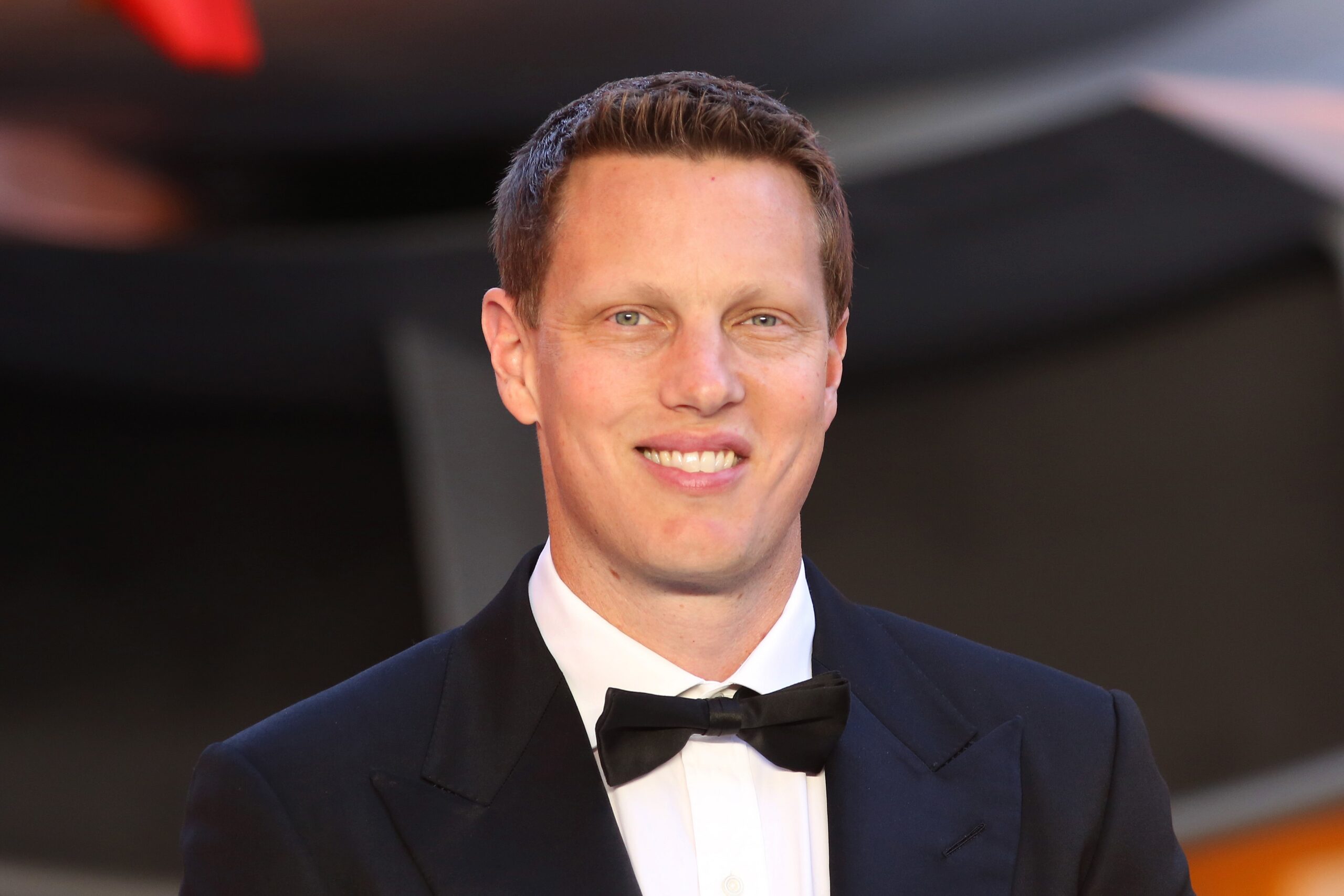
    Skydance Media CEO David Ellison has communicated directly with employees regarding the ongoing delay in the proposed merger between Paramount Global and Warner Bros. Discovery. The delay is a direct consequence of antitrust lawsuits initiated by multiple state attorneys general. Ellison’s internal memo, distributed in late July 2026, conveyed a message of resolve, asserting that ‘The facts and the law are on our side.’ This statement underscores the company’s belief in the legality and justification of the complex corporate consolidation.

    The Proposed Media Megamerger

    The merger between Paramount Global and Warner Bros. Discovery represents a significant consolidation within the global entertainment landscape. Paramount Global, a company with a rich history in film and television, owns properties such as Paramount Pictures, CBS, MTV, Comedy Central, BET, and the Showtime network. Its streaming service, Paramount+, has been a key player in the competitive market. Warner Bros. Discovery, formed from the 2022 merger of WarnerMedia and Discovery, Inc., controls Warner Bros. Entertainment, HBO, CNN, TNT, TBS, and the Max streaming service. The combined entity would create a media giant with an expansive portfolio of intellectual property, production capabilities, and distribution channels.

    The strategic rationale behind such a merger often includes achieving economies of scale. Companies aim to reduce overhead costs, consolidate content libraries, and enhance their competitive position against other large media conglomerates like Disney and Netflix. The drive for increased subscriber numbers in the streaming wars also plays a crucial role. A combined entity would boast an even larger content catalog, potentially attracting and retaining more subscribers globally.

    David Ellison’s Skydance Media has been a central figure in orchestrating this potential deal. Skydance, known for producing major film franchises like Mission: Impossible and Top Gun, has sought to acquire National Amusements, the holding company that controls Paramount Global. This acquisition would effectively give Skydance control over Paramount Global, paving the way for the subsequent merger with Warner Bros. Discovery. The transaction structure has been intricate, involving multiple stakeholders and complex financial arrangements.

    Antitrust Scrutiny and State AG Lawsuits

    The primary hurdle for the Paramount-Warner Bros. Discovery merger has been regulatory approval, particularly concerning antitrust implications. Antitrust laws are designed to prevent monopolies and ensure fair competition in the marketplace. When large corporations propose to merge, regulatory bodies, such as the Department of Justice (DOJ) and the Federal Trade Commission (FTC) in the United States, review the potential impact on consumers, competitors, and the overall industry structure.

    In this instance, the opposition has emerged from state attorneys general. A coalition of state antitrust enforcers filed lawsuits challenging the proposed merger. These lawsuits typically argue that the consolidation would lead to reduced competition in various sectors of the entertainment industry. Concerns might include fewer choices for consumers, higher prices for streaming services, diminished opportunities for content creators, and reduced bargaining power for distributors.

    The specific states involved in the lawsuits have not been fully disclosed, but such actions often involve states where the companies have significant operations or where consumer advocacy groups have raised concerns. The legal arguments presented by the state attorneys general likely focus on market concentration in areas such as film production, television broadcasting, cable programming, and direct-to-consumer streaming services. They seek to demonstrate that the combined market power of Paramount Global and Warner Bros. Discovery would create an unfair competitive advantage, potentially harming the public interest.

    Previous Merger Challenges in Media

    The media industry has a history of facing significant antitrust challenges. For example, the 2018 merger between AT&T and Time Warner (which later became WarnerMedia) faced a high-profile lawsuit from the Department of Justice. The DOJ argued that the vertical integration of content creation and distribution would harm competition. While AT&T ultimately prevailed in court, the case highlighted the intense scrutiny large media mergers can attract.

    Similarly, the 2001 merger between AOL and Time Warner, though ultimately approved, is often cited as a cautionary tale of corporate integration. The regulatory landscape has evolved since then, with increased focus on the digital economy and the impact of streaming services. Regulators are now more attuned to how consolidation might affect not just traditional cable and broadcast, but also the rapidly growing direct-to-consumer market.

    David Ellison’s Memo: A Display of Confidence

    David Ellison’s staff memo serves as a crucial communication strategy during a period of uncertainty. Companies facing legal challenges often aim to reassure employees, investors, and partners that they are in control and confident in their legal position. The phrase ‘The facts and the law are on our side’ is a direct legal assertion, indicating that Skydance’s legal team believes their arguments will withstand judicial review.

    Such memos also aim to maintain morale within the organizations involved. Mergers, especially those facing delays and legal battles, can create anxiety among employees about job security, corporate culture, and future strategic direction. Ellison’s message likely sought to project stability and a clear path forward, even if that path is currently obstructed by litigation.

    The memo also implicitly acknowledges the significance of the lawsuits. It does not dismiss them but rather frames them as challenges that the company is prepared to meet legally. This approach suggests a readiness to engage in a prolonged legal process if necessary, rather than abandoning the merger. The financial and strategic stakes for Skydance, Paramount Global, and Warner Bros. Discovery are substantial, making a determined legal defense a logical step.

    The Path Forward: Legal Battles and Industry Implications

    The legal proceedings initiated by the state attorneys general will now determine the immediate future of the Paramount-Warner Bros. Discovery merger. These cases can be complex and lengthy, involving extensive discovery, expert testimony, and judicial review of economic models and market analyses. The outcome could range from a full block of the merger to approval with significant conditions, such as divestitures of certain assets or behavioral remedies designed to preserve competition.

    Should the merger ultimately be approved, it would significantly reshape the media landscape. The combined entity would possess an unparalleled library of film and television content, a vast global distribution network, and considerable financial resources. This could lead to increased investment in new productions, but also potential consolidation in vendor relationships and talent deals.

    Conversely, if the merger is blocked, it would send a strong signal to other media companies contemplating similar large-scale consolidations. It would reinforce the power of antitrust regulators and state attorneys general in scrutinizing and potentially preventing deals that they deem harmful to competition. Such an outcome could force Paramount Global and Warner Bros. Discovery to pursue alternative strategies for growth and profitability, potentially through smaller partnerships, asset sales, or organic development.

    The entire entertainment industry watches these developments closely. The outcome will influence investment decisions, content strategies, and the competitive dynamics of both traditional and streaming media for years to come. The precedent set by this case, regardless of its resolution, will be a critical factor in future merger and acquisition activities across the sector.

    The Broader Context of Media Consolidation

    The drive for media consolidation is not new. Over the past few decades, the industry has seen a continuous trend of larger companies acquiring smaller ones, or giants merging to form even larger entities. This trend is often fueled by technological advancements, changing consumer habits, and the increasing costs of content production and global distribution. The rise of streaming services has intensified this competition, pushing companies to achieve scale to compete effectively.

    From the early days of Hollywood studio systems to the contemporary streaming wars, the pursuit of market dominance has been a constant. Companies seek to control more intellectual property, expand their global reach, and secure a larger share of consumer spending on entertainment. However, this pursuit often clashes with regulatory concerns about market concentration and the potential for anti-competitive practices.

    The current environment, marked by significant antitrust enforcement under the Biden administration, suggests a more rigorous approach to corporate mergers. Regulators are increasingly wary of deals that could concentrate too much power in too few hands, particularly in sectors that have a broad impact on public discourse and consumer choice. This heightened scrutiny makes deals like the Paramount-Warner Bros. Discovery merger particularly challenging to navigate.

    Impact on Content and Creators

    A key concern for many stakeholders in any major media merger is the impact on content diversity and creators. Proponents of mergers often argue that larger companies have more resources to invest in a wider range of content, including niche programming and experimental projects. Opponents, however, fear that consolidation can lead to a homogenization of content, as merged entities might prioritize broadly appealing, high-profit projects over more diverse or independent voices.

    For writers, directors, actors, and other creative professionals, mergers can mean fewer potential buyers for their projects. Reduced competition among major studios and networks could lead to less favorable terms for talent, potentially impacting creative freedom and compensation. The independent film and television sector, in particular, often relies on a diverse ecosystem of buyers and distributors to bring their projects to fruition.

    The outcome of the Paramount-Warner Bros. Discovery merger will therefore have ripple effects far beyond the boardrooms of the involved companies. It will influence the types of stories that get told, the platforms on which they are distributed, and the economic opportunities available to thousands of individuals working in the creative industries.

    David Ellison’s memo was definitive. The legal challenges are underway. The industry watches. The future of media hangs.

    In the balance.


  • Weird Al Yankovic Rejects Seven-Figure Riyadh Comedy Fest Gig

    Weird Al Yankovic Rejects Seven-Figure Riyadh Comedy Fest Gig

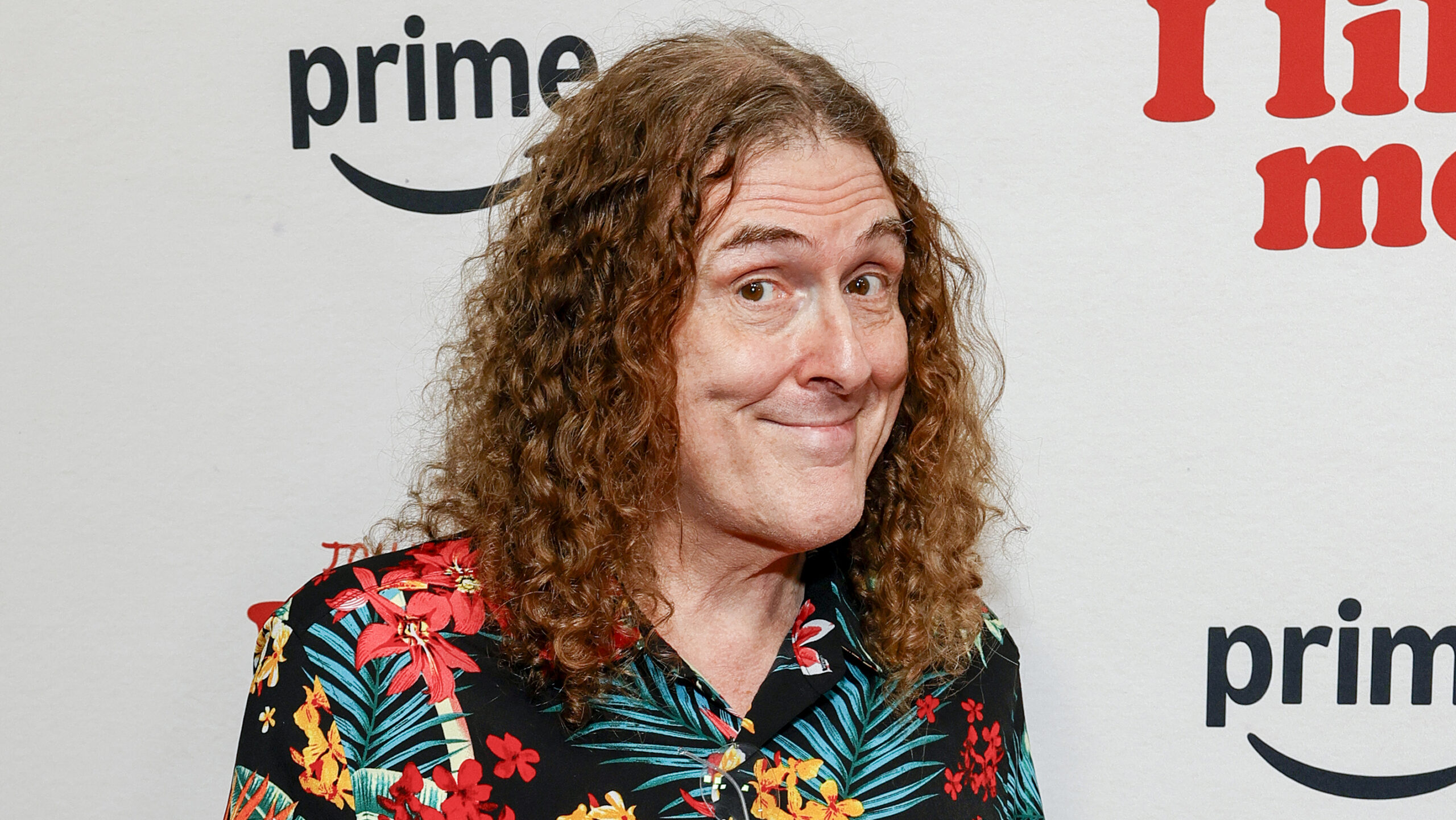
    Musical satirist “Weird Al” Yankovic recently rejected a seven-figure offer to perform at the Riyadh Comedy Fest, citing ethical concerns about the host country. Yankovic publicly stated the potential engagement “makes me feel icky,” indicating a moral objection to participating in the event. His decision underscores a growing trend among artists to prioritize ethical considerations over substantial financial incentives.

    The Refusal and Its Implications

    Yankovic’s refusal of the Riyadh Comedy Fest offer became public on July 23, 2026. The reported sum exceeded seven figures, representing a significant financial opportunity for the artist. His statement about feeling “icky” directly addressed the ethical dilemma he faced.

    This decision places Yankovic within a broader conversation about artistic integrity and international performance. Artists frequently navigate complex geopolitical landscapes when considering engagements abroad. The financial rewards of such gigs are often substantial, particularly in regions investing heavily in cultural events.

    The Riyadh Comedy Fest, like other large-scale events in the region, aims to attract global talent. These festivals are part of a larger national strategy to diversify economies and enhance international image. However, human rights records and other political considerations often become points of contention for potential performers.

    Ethical Stances in the Entertainment Industry

    Yankovic is not the first artist to decline a lucrative offer due to ethical concerns. Numerous performers have publicly opted out of engagements in countries with controversial human rights records or political policies. These decisions often spark public debate regarding the role of artists as cultural ambassadors versus moral arbiters.

    Some argue that performing in such nations can be a form of cultural exchange, potentially fostering dialogue or change. Others contend that participation legitimizes regimes and overlooks critical issues. Artists often weigh these perspectives carefully, understanding the public scrutiny that follows their choices.

    The financial aspect of these decisions is rarely overlooked. Turning down a seven-figure sum signifies a strong commitment to personal or professional ethics. This commitment can resonate with fan bases who value integrity and social consciousness.

    The Riyadh Comedy Fest Context

    The Riyadh Comedy Fest is one of several large-scale entertainment events hosted in Riyadh. These festivals are part of a broader national initiative aimed at boosting tourism and entertainment sectors. The initiative seeks to transform the nation’s image and economy.

    International artists and performers are key components of this strategy. High-profile appearances generate global media attention and attract international visitors. The investment in these events is considerable, reflecting a national commitment to cultural development.

    However, the nation’s human rights record has drawn consistent criticism from international organizations. Issues such as freedom of speech, women’s rights, and judicial processes are frequently highlighted. These concerns often become central to artists’ dilemmas regarding performances.

    Previous Artistic Boycotts and Protests

    Historically, artists have used their platforms to protest various political and social issues. The anti-apartheid movement saw numerous musicians refuse to perform in South Africa. More recently, artists have debated performing in other nations facing international criticism.

    These boycotts and refusals often draw significant media attention. They can galvanize public opinion and put pressure on governments. The entertainment industry, with its global reach, provides a powerful stage for such statements.

    The decisions are not always unanimous within the artistic community. Some artists choose to perform, arguing for engagement over isolation. Others maintain that a strict ethical stance is necessary to avoid complicity. Yankovic’s choice aligns him with the latter group in this instance.

    “Weird Al” Yankovic’s Career and Public Image

    “Weird Al” Yankovic has maintained a distinctive public image throughout his career. Known for his musical parodies and original comedic songs, Yankovic has built a reputation for cleverness and good-natured humor. His career spans several decades, marked by consistent success and critical acclaim.

    Yankovic’s humor typically avoids controversial political commentary. His parodies often focus on pop culture trends and everyday life. This makes his explicit ethical stance on the Riyadh Comedy Fest particularly noteworthy.

    His public persona is generally perceived as wholesome and unproblematic. This long-standing image of integrity may contribute to the weight of his decision. Fans and observers often expect a certain level of moral consistency from artists with such established reputations.

    The Artist’s Conscience and Commercial Demands

    The tension between an artist’s conscience and commercial demands is a recurring theme in the entertainment industry. Lucrative offers can test an artist’s resolve, particularly when they involve significant sums. The pressure to accept can be immense, both from personal financial interests and industry expectations.

    Artists often face a balancing act. They must sustain their careers, which often requires financial stability. Simultaneously, many feel a responsibility to uphold personal values or broader social principles. Yankovic’s decision exemplifies this conflict.

    The public’s reaction to such choices can vary. Some commend the artist for their integrity. Others may criticize them for perceived political grandstanding or for missing a chance to influence from within. The discourse surrounding these decisions is rarely simple.

    The Evolving Landscape of Global Entertainment

    The global entertainment landscape is continuously evolving. Digital platforms and international festivals have expanded opportunities for artists to reach diverse audiences. This expansion, however, also brings increased scrutiny of performance venues and host nations.

    Artists’ contracts increasingly include clauses related to moral conduct and public image. These clauses reflect the heightened awareness of how an artist’s actions can impact their brand and the brands associated with them. Ethical considerations are becoming an integral part of career management.

    The role of social media in amplifying these discussions cannot be overstated. News of an artist’s decision, whether to accept or decline a gig, can spread globally within minutes. This rapid dissemination of information ensures that such choices are made in a highly visible public arena.

    Future Trends in Artistic Engagement

    The trend of artists publicly evaluating the ethics of their performance venues is likely to continue. As global awareness of human rights and political issues grows, so too will the pressure on artists to take informed stances.

    This could lead to more transparent discussions between artists, their representatives, and event organizers. It may also influence how nations and organizations structure their cultural outreach programs. The goal might shift from merely attracting talent to ensuring ethical alignment.

    Ultimately, decisions like “Weird Al” Yankovic’s contribute to a broader cultural dialogue. They prompt reflection on the responsibilities of public figures and the values that underpin the entertainment industry. The choice to forgo a seven-figure sum for moral reasons sends a clear message.

    Artists make choices. Festivals make offers. The world observes.

    Integrity.


  • Podcast Contract Dispute, Barone and Skinner Sought to Exit Over CEO’s Politics

    Podcast Contract Dispute, Barone and Skinner Sought to Exit Over CEO’s Politics

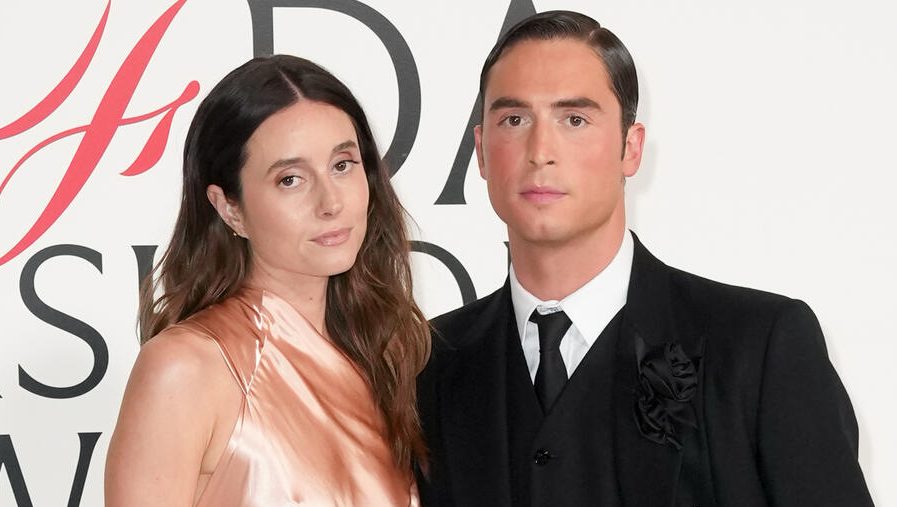
    Mary Beth Barone and Benito Skinner, co-hosts of the podcast ‘Ride,’ continue to host their podcast ‘Ride’ with Dear Media, with no reports of a contract termination attempt. This effort stemmed from their stated inability to reconcile their personal political beliefs with those of Dear Media’s Chief Executive Officer. The dispute underscores a growing trend where public figures evaluate their business associations based on the perceived values and political stances of their partners.

    The situation brought attention to the complexities of creative partnerships in the entertainment industry. It also highlighted the increasing demand from audiences and artists alike for alignment between personal ethics and corporate affiliations.

    The ‘Ride’ Podcast and its Hosts

    The podcast ‘Ride’ features comedians Mary Beth Barone and Benito Skinner. It established a following for its comedic take on various contemporary issues and personal anecdotes. Both Barone and Skinner maintain active presences on social media platforms and through their individual comedic works.

    Their collaboration on ‘Ride’ brought together their distinct comedic styles. The podcast became a platform for their perspectives. This platform, however, became complicated by the reported political disagreements.

    Dear Media’s Role in Podcast Production

    Dear Media is a prominent podcast network known for producing and distributing a diverse range of audio content. The company works with numerous personalities and influencers across various genres. It provides production, marketing, and monetization services for its affiliated podcasts.

    The network’s business model relies on fostering relationships with creators. These relationships are typically governed by contractual agreements. Such agreements outline the terms of collaboration, including distribution rights, revenue sharing, and duration of partnership.

    Political Disagreements Emerge

    The core of the dispute between Barone, Skinner, and Dear Media centered on political differences. Specifically, the hosts reportedly found the political views of Dear Media’s CEO to be incompatible with their own. This incompatibility led to their desire to exit the contractual arrangement.

    Such disagreements are becoming more frequent in the public sphere. They often involve public figures taking stances against individuals or organizations whose views diverge significantly from their own. The entertainment industry, in particular, has seen multiple instances of these kinds of value-based conflicts.

    The Impact of CEO’s Stance

    The CEO’s political stance, while not explicitly detailed in public reports, was significant enough to prompt the ‘Ride’ hosts’ actions. In today’s media landscape, the personal views of corporate leaders can heavily influence public perception of their companies. This extends to the artists and creators associated with those companies.

    For many public figures, aligning with a company whose leadership holds conflicting political views can be detrimental to their personal brand. It can also alienate portions of their audience. This pressure often forces creators to make difficult decisions about their professional alliances.

    Attempted Contract Termination

    Barone and Skinner reportedly made attempts to terminate their contract with Dear Media. Contractual agreements in the entertainment industry are legally binding. Terminating them prematurely often involves complex negotiations and potential legal ramifications.

    The specifics of their attempts to ‘get out’ of the contract were not fully disclosed. However, such actions typically involve discussions between legal representatives of both parties. These discussions aim to find a mutually agreeable resolution or to determine the legal grounds for termination.

    Legal and Financial Implications

    Exiting a podcast contract prematurely can carry significant legal and financial consequences. Contracts often include clauses regarding early termination, which may involve penalties, liquidated damages, or obligations to fulfill remaining commitments.

    For podcast networks, losing a successful show can impact revenue and market position. For hosts, an early exit might mean a temporary loss of platform or income. These factors add layers of complexity to such disputes.

    ‘Hard to Reconcile That’ – A Statement of Principle

    Mary Beth Barone’s reported statement, describing the situation as ‘hard to reconcile that,’ encapsulates the ethical dilemma faced by the hosts. This phrase suggests a fundamental clash of values that could not be easily overlooked or resolved through compromise.

    The decision to prioritize personal values over professional obligations, or at least to attempt to, reflects a broader cultural shift. More individuals, particularly those in the public eye, are willing to take principled stands. They do so even when it comes at a potential professional cost.

    Cultural Defense and Celebrity Accountability

    This incident falls within the realm of ‘cultural defense.’ This term describes the act of public figures or groups defending their values against perceived threats or contradictions. It involves taking action when corporate or individual actions conflict with deeply held beliefs.

    Celebrity accountability has become a significant factor in public discourse. Audiences and fellow creatives increasingly expect public figures to align their professional choices with their stated moral and political positions. Inconsistent alignment can lead to criticism and a loss of credibility.

    The Broader Landscape of Content Creation

    The case of Barone and Skinner illustrates challenges within the modern content creation industry. As platforms proliferate, creators gain more autonomy. However, they also face increased pressure to navigate complex ethical and political landscapes.

    Podcast networks, streaming services, and social media platforms often find themselves at the center of these debates. Their business decisions and the public statements of their leadership are subject to intense scrutiny. This scrutiny comes from both their talent and their audience.

    Creator Economy and Ethical Alignment

    The rise of the creator economy empowers individual artists. It also places a greater burden on them to vet their partners. Ethical alignment is no longer a peripheral concern; it is central to sustainable brand building for many creators.

    This means that contracts are not just about financial terms or distribution reach. They are also about shared values. This shift affects how talent scouts, agents, and legal teams approach new partnerships.

    Precedent and Future Implications

    The efforts by Barone and Skinner to terminate their contract due to political differences could set a precedent. It suggests that value-based conflicts are becoming a legitimate ground for seeking renegotiation or termination of agreements. This is especially true in industries where personal brand and public image are paramount.

    Future contracts in the entertainment and media sectors may need to explicitly address clauses related to ethical or political disagreements. This could provide clearer pathways for resolution or separation when such conflicts arise.

    The Role of Social Media

    Social media amplifies these disputes. It provides a direct channel for creators to voice their concerns. It also allows audiences to react and exert pressure. This public dimension adds another layer of complexity to private contractual disagreements.

    The immediate and widespread dissemination of information on platforms like X (formerly Twitter), Instagram, and TikTok can quickly turn a private dispute into a public debate. This further compels companies and individuals to address these issues transparently.

    Conclusion

    The reported attempt by Mary Beth Barone and Benito Skinner to exit their Dear Media contract over political differences highlights a significant trend. It shows the increasing importance of ethical and political alignment in professional partnerships. It demonstrates the complexities that arise when personal values clash with corporate affiliations. This situation reflects a broader cultural demand for accountability. It also shows a growing willingness among public figures to act on their convictions. The entertainment industry continues to grapple with these evolving dynamics. The ‘Ride’ podcast hosts’ actions underscore the principle that for some, certain beliefs are simply too ‘hard to reconcile.’

    Comedians gathered. Audiences observed. Contracts were scrutinized.

    Accountability.


  • Kendra Wilkinson’s Real Estate Setback – Fired from Client After Career Shift

    Kendra Wilkinson’s Real Estate Setback – Fired from Client After Career Shift

    Kendra Wilkinson, known for her past as a Playmate and reality television personality, recently faced a significant professional setback when she was reportedly fired by a client in her new real estate career. This incident marks a public challenge in Wilkinson’s ongoing transition from entertainment to the competitive world of property sales, drawing attention to the emotional and professional hurdles she encounters.

    Wilkinson’s career pivot into real estate followed years in the public eye. Her journey began with her association with Hugh Hefner and her role in the E! reality series The Girls Next Door. This period established her public image, characterized by a glamorous lifestyle and media presence.

    The Transition to Real Estate

    The decision to pursue real estate represented a deliberate shift for Wilkinson. It signaled a move away from the entertainment industry that had defined much of her early adult life. This career change was not undertaken privately; Wilkinson often shared glimpses of her new professional path with her followers and through various media appearances.

    Her commitment to real estate involved extensive training and licensing. Wilkinson documented parts of this process, including her studies and examinations, emphasizing the serious intent behind her career pivot. This public transparency aimed to establish her credibility in a field far removed from her previous endeavors.

    Early Challenges and Public Scrutiny

    The real estate industry is known for its demanding nature. Wilkinson entered a market that requires not only expertise but also significant networking and client management skills. Her celebrity status, while offering some recognition, also brought increased scrutiny to her professional performance.

    Public figures often face unique challenges when entering new fields. Their past public lives can create preconceived notions, and their every success or setback is amplified by media attention. Wilkinson’s journey has been no exception, with continuous public interest in her progress and any difficulties she encounters.

    The Reported Client Dismissal

    Reports indicate that Wilkinson was dismissed by a client. This event, while common in client-based industries, gained significant traction due to Wilkinson’s public profile. The details surrounding the dismissal remain somewhat private, but its impact on Wilkinson was visibly emotional.

    Being fired from a client relationship can be a demoralizing experience for any professional. For Wilkinson, this setback occurred within the public sphere, adding another layer of pressure and emotional strain. The incident served as a stark reminder of the realities of her new profession.

    Emotional Impact and Public Reaction

    Wilkinson’s emotional reaction to the dismissal was reportedly intense. This public display of vulnerability resonated with many, highlighting the personal investment she has made in her real estate career. Her willingness to express her feelings openly has often been a characteristic of her public persona.

    The public reaction to the news was varied. Some expressed sympathy for Wilkinson, understanding the difficulties of career change and the sting of professional rejection. Others viewed the incident with a critical eye, perhaps fueled by the schadenfreude often associated with celebrity struggles. This divergence in public sentiment reflects the complex relationship between celebrities and their audience.

    The Broader Narrative of Reinvention

    Wilkinson’s story is part of a broader narrative of celebrity reinvention. Many public figures seek to transition into new careers after their initial fame. These transitions can be driven by a desire for new challenges, financial stability, or a shift in personal priorities.

    Successful reinvention requires resilience, adaptability, and often, a willingness to shed a previous identity. For Wilkinson, moving past her Playmate image and establishing herself as a serious real estate professional has been a central theme of this reinvention process. The recent setback is a chapter in this ongoing story.

    Challenges of Public Transitions

    The public nature of Wilkinson’s career transition adds layers of complexity. Every step, every success, and every failure is potentially fodder for media reports and public discussion. This constant visibility can make it challenging to learn and grow without the added pressure of external judgment.

    The real estate market itself is dynamic and competitive. Success often hinges on a strong reputation, consistent performance, and the ability to navigate complex transactions. Wilkinson’s entry into this field meant competing with seasoned professionals, many of whom do not carry the same public baggage or scrutiny.

    Looking Ahead for Wilkinson

    Despite the recent setback, Wilkinson’s commitment to her real estate career appears to remain strong. Professional challenges are inherent in any career path, and the ability to recover from them is often a measure of long-term success. Her public journey continues to offer insights into the realities of celebrity life beyond the initial spotlight.

    The incident with the client may serve as a learning experience, reinforcing the importance of client relations and professional resilience. Wilkinson’s ongoing efforts to establish herself in real estate will likely continue to be followed by the public, offering a real-time case study in career transformation.

    The Enduring Public Interest

    Public interest in Wilkinson’s life has remained consistent, evolving from her early days at the Playboy Mansion to her current endeavors. This sustained attention reflects a broader fascination with the lives of celebrities, particularly when they undertake significant personal and professional changes.

    Her story resonates because it touches on universal themes: the pursuit of new passions, the struggle for professional validation, and the resilience required to overcome obstacles. These elements combine to create a compelling narrative that continues to capture the attention of both media and the public.

    Wilkinson continues to navigate the complexities of her chosen path. She faces the ongoing challenges of professional growth. She endures public scrutiny. She remains a figure of public interest.

    Her journey.


  • Universal Responds to Online Leak of ‘The Odyssey’, Implications for Industry

    Universal Responds to Online Leak of ‘The Odyssey’, Implications for Industry

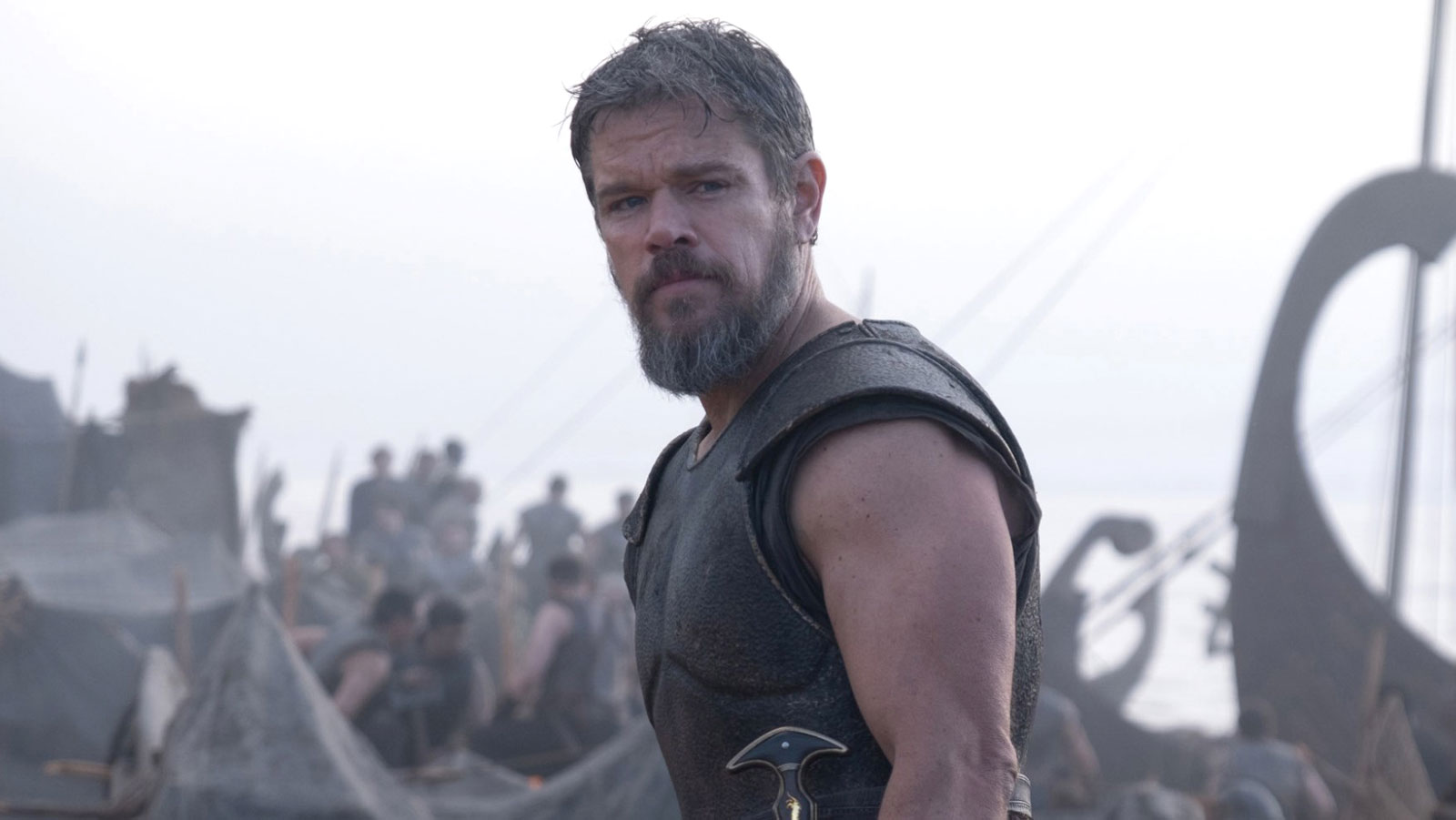
    Universal Pictures confirmed the unauthorized online leak of content related to its forthcoming film, ‘The Odyssey,’ on July 27, 2026. The studio acknowledged the illicit distribution of material online, signaling a setback for its release strategy and reigniting concerns about digital piracy within the entertainment industry. This event underscores the continuous battle major film studios face in protecting their intellectual property from widespread unauthorized sharing.

    The incident surrounding ‘The Odyssey’ is not an isolated occurrence. The entertainment industry has grappled with content leaks for decades, a problem exacerbated by the proliferation of digital distribution channels and peer-to-peer sharing technologies. Such leaks can severely impact a film’s box office performance and ancillary revenue streams, costing studios millions of dollars in potential earnings.

    The Nature of the Leak

    Details regarding the specifics of ‘The Odyssey’ leak remain under investigation. Universal Pictures has not publicly disclosed whether the leaked material constitutes a full cut of the film, raw footage, or promotional assets. The studio’s immediate response focused on acknowledging the breach and initiating procedures to mitigate further unauthorized distribution.

    Online communities and file-sharing platforms quickly became points of discussion and potential dissemination for the leaked content. Cybersecurity experts suggest that such leaks can originate from various points within the production and distribution pipeline, including post-production facilities, marketing agencies, or even internal breaches.

    Economic Impact of Piracy

    The economic ramifications of digital piracy are extensive. For a film like ‘The Odyssey,’ which likely represents a substantial investment in production and marketing, an early leak can erode its commercial viability. Box office receipts, streaming subscriptions, and home entertainment sales are all susceptible to decline when content is freely available through illicit channels.

    Beyond direct revenue losses, leaks can damage a film’s critical reception and public perception. The viewing experience of a highly anticipated movie can be compromised by poor-quality pirated versions, affecting audience engagement and word-of-mouth promotion. This ripple effect can extend to future projects from the same studio or creative team.

    Studio Investments in Security

    Film studios, including Universal Pictures, invest significant resources in cybersecurity measures to protect their valuable intellectual property. These measures include encrypted digital workflows, secure servers, stringent access controls for personnel, and advanced watermarking technologies to trace content. Despite these efforts, sophisticated cyberattacks and internal vulnerabilities continue to pose challenges.

    The cost of implementing and maintaining these security protocols is substantial. Studios must continually adapt to evolving digital threats, often engaging third-party cybersecurity firms specializing in media protection. The ‘The Odyssey’ leak suggests that even robust security frameworks can be breached.

    Legal and Remedial Actions

    Upon confirming the leak, Universal Pictures likely initiated a series of legal and technical actions. These typically include issuing Digital Millennium Copyright Act (DMCA) takedown notices to websites hosting the pirated content, engaging anti-piracy firms to monitor online distribution, and potentially pursuing legal action against individuals or groups responsible for the leak.

    International cooperation is often required, as pirated content can quickly spread across global networks and jurisdictions. The legal battle against digital piracy is complex, involving intellectual property law, cybercrime legislation, and international treaties. The effectiveness of these measures varies, but they remain critical tools for studios.

    The Role of Technology in Piracy

    Advances in technology have simultaneously enabled and complicated the fight against piracy. While digital distribution offers convenience and reach, it also makes unauthorized copying and sharing easier than ever before. High-speed internet, anonymity tools, and encrypted messaging platforms facilitate rapid dissemination of leaked material.

    Conversely, technology also provides tools for detection and enforcement. Artificial intelligence and machine learning algorithms are increasingly used to scan the internet for pirated content, identify sources, and automate takedown requests. The ongoing cat-and-mouse game between pirates and content protectors is defined by this technological arms race.

    Historical Context of Content Leaks

    The history of content leaks predates the digital age, with physical copies of films and music occasionally making their way into unauthorized hands. However, the scale and speed of dissemination dramatically increased with the advent of the internet. Notable film leaks in previous decades include early cuts of major blockbusters, sometimes months before their theatrical release.

    These historical incidents have shaped the industry’s approach to security, leading to stricter controls and increased awareness among production teams. The ‘The Odyssey’ leak serves as a reminder that despite decades of experience, vulnerabilities persist in an increasingly interconnected world.

    Impact on Creative Control

    Beyond financial implications, content leaks can impact creative control. Directors and producers often meticulously craft the final version of a film, and an early, unauthorized release can present an unfinished or unapproved cut to the public. This can distort audience perception and undermine the artistic vision of the creators.

    The integrity of the creative process is paramount for filmmakers. Leaks can create pressure to alter release schedules, rush post-production, or modify marketing campaigns, all of which can compromise the artistic and commercial potential of a project. The ‘The Odyssey’ team will now contend with these potential challenges.

    The Future of Content Security

    The incident involving ‘The Odyssey’ will likely prompt further evaluation of content security protocols across the industry. This could lead to the adoption of new technologies, enhanced employee training programs on data security, and stricter contractual obligations for all parties involved in a film’s production and distribution.

    Collaboration between studios, technology providers, and law enforcement agencies is also crucial. Sharing intelligence on emerging threats and developing collective strategies can strengthen the industry’s resilience against piracy. The goal is to create an ecosystem where intellectual property is protected effectively, allowing creators and distributors to realize the full value of their work.

    Universal Pictures acknowledged the breach. Cybersecurity teams mobilized. Legal departments prepared responses.

    The industry watched.

    Piracy continued.

    Hollywood.


  • Sean ‘Diddy’ Combs’ Prison Reality, The Legal Challenges and Aftermath

    Sean ‘Diddy’ Combs’ Prison Reality, The Legal Challenges and Aftermath

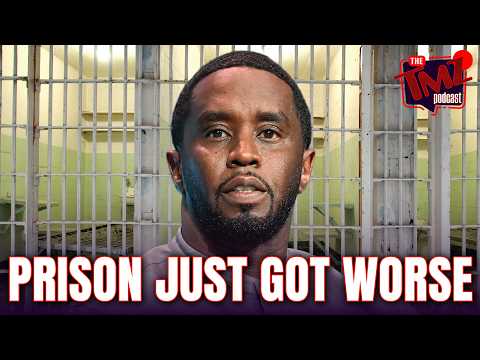
    Sean ‘Diddy’ Combs, once a dominant force in the music industry and a business mogul, is currently navigating a drastically altered reality within the confines of a correctional facility. His incarceration stems from a series of escalating legal battles and federal investigations that have brought his empire crashing down. The shift from a life of luxury and influence to the strictures of prison marks a profound personal and public downfall for the artist.

    The details surrounding Combs’ legal predicament began to surface in late 2023 and early 2024. These developments culminated in his arrest and subsequent detention, drawing intense media scrutiny and public discussion regarding accountability for powerful figures.

    The Genesis of Legal Troubles

    The legal challenges for Sean Combs gained significant momentum in November 2023. At this time, singer Cassie Ventura, whose legal name is Casandra Ventura, filed a lawsuit against Combs. The lawsuit alleged sexual assault, abuse, and sex trafficking over a period of more than a decade. This civil suit was settled out of court within days, but it opened a floodgate of similar allegations against Combs.

    Following Ventura’s suit, several other individuals came forward with their own claims. These included producer Rodney ‘Lil Rod’ Jones, who filed a lawsuit in February 2024, alleging sexual assault, illegal drug distribution, and racketeering. Jones’s lawsuit detailed claims of forced sexual acts and being pressured to solicit sex workers for Combs.

    These civil complaints painted a picture of a pervasive pattern of alleged misconduct. The accusations extended beyond individual actions, suggesting a broader enterprise involved in illegal activities.

    Federal Investigations Escalate

    The civil lawsuits quickly attracted the attention of federal authorities. In March 2024, Homeland Security Investigations (HSI) launched a series of raids on properties owned by Combs in Los Angeles and Miami. These raids were conducted as part of a federal sex trafficking investigation. The properties targeted included Combs’ lavish mansions, and the operations involved significant law enforcement presence.

    During these raids, Combs’ sons, Justin and Christian ‘King’ Combs, were briefly detained for questioning. Although they were later released, their detention underscored the seriousness and scope of the federal inquiry. The federal investigation reportedly included allegations of racketeering, a charge often associated with organized crime and complex criminal enterprises.

    The HSI actions signaled a significant escalation from civil litigation to a full-blown criminal probe. The involvement of federal agencies suggested that the allegations had moved beyond personal disputes to matters of federal concern, potentially involving interstate criminal activity.

    The Arrest and Incarceration of Sean Combs

    The federal investigation culminated in an arrest warrant for Sean Combs. In September 2024, Combs was apprehended by federal agents at New York. He was attempting to leave the country on a private jet when law enforcement intervened. The arrest was a high-profile event, captured by media outlets and widely reported.

    Following his arrest, Combs was taken into federal custody. The specific charges leading to his imprisonment remained under seal for a period, adding to public speculation. However, reports indicated the charges were related to the ongoing sex trafficking and racketeering investigation.

    Combs was denied bail, a decision that cemented his immediate incarceration. The court deemed him a flight risk and a potential danger, given the nature of the allegations and his significant financial resources. This decision marked the definitive end of his freedom, at least for the foreseeable future, as legal proceedings continued.

    Life Behind Bars: The ‘Brutal’ Reality

    Reports from various media outlets, including TMZ, have characterized Sean Combs’ prison reality as ‘brutal.’ This description contrasts sharply with his opulent lifestyle as a music mogul. The transition from private chefs, personal assistants, and sprawling estates to the regimented, restrictive environment of a federal correctional institution is profound.

    Sources indicate that Combs is housed in a general population unit, rather than a segregated or protective custody area. This placement means he interacts with other inmates, adhering to the standard prison schedule and routines. The loss of personal autonomy and privacy is a central aspect of this ‘brutal’ reality.

    The daily routine in a federal prison involves early wake-up calls, scheduled meals, limited recreation time, and restricted access to external communications. Combs, accustomed to constant control over his environment, now faces strict rules and a lack of personal choice. This stark change in living conditions is often cited as a significant psychological challenge for high-profile inmates.

    The Impact on Combs’ Business Empire

    Sean Combs’ legal troubles and incarceration have had a devastating impact on his extensive business empire. His companies, including Bad Boy Entertainment, Revolt TV, and various liquor brands, have faced immense pressure. Corporate partners and advertisers have begun to distance themselves from Combs and his ventures.

    Revolt TV, a media company founded by Combs, announced a restructuring of its leadership. This move was widely seen as an attempt to insulate the company from the negative associations with its founder. Several brands that previously collaborated with Combs have either paused or terminated their partnerships.

    The financial ramifications are substantial. Lawsuits often lead to significant legal fees, and if found liable, Combs could face massive monetary judgments. His personal wealth, estimated to be in the hundreds of millions, is under threat as assets may be frozen or seized to cover potential damages and penalties.

    Public Reaction and Industry Response

    The public reaction to Sean Combs’ downfall has been varied, ranging from shock and disappointment to calls for justice. Many have expressed a sense of schadenfreude, given Combs’ long-standing reputation for lavish living and perceived untouchability.

    Within the entertainment industry, the response has been cautious but significant. While few prominent figures have publicly condemned Combs outright, there has been a noticeable shift in how he is discussed. Awards and honors previously bestowed upon him have been rescinded or put under review. The industry, often criticized for overlooking misconduct by powerful individuals, is now grappling with the implications of these high-profile cases.

    The situation has reignited conversations about the ‘Me Too’ movement’s impact on the music industry. It highlights the potential for long-held secrets and alleged abuses to come to light, regardless of an individual’s status or influence.

    The Road Ahead: Legal Battles and Uncertain Future

    Sean Combs’ legal journey is far from over. He faces ongoing federal investigations, which could lead to further indictments and more severe charges. The civil lawsuits against him are also progressing, and these cases could result in substantial financial penalties.

    His legal team is expected to mount a robust defense, challenging the credibility of accusers and the evidence presented by federal prosecutors. However, the sheer volume and consistency of the allegations present a formidable challenge. The legal process is likely to be protracted, involving numerous hearings, depositions, and potentially a high-profile trial.

    The outcome of these legal battles will determine not only Combs’ long-term freedom but also his legacy. Regardless of the verdicts, his reputation has been irrevocably altered. The once-unquestioned mogul now stands as a symbol of the consequences of alleged misconduct.

    The entertainment world observes. The legal system processes. The public watches.

    Justice.

    FAQ


  • Pamela Anderson: No Plans to Reprise ‘Baywatch’ Role

    Pamela Anderson: No Plans to Reprise ‘Baywatch’ Role

    Pamela Anderson’s Stance on ‘Baywatch’

    Pamela Anderson has unequivocally stated her firm position regarding any potential return to her iconic role as C.J. Parker in the television series ‘Baywatch’. The actress expressed that she has “no plans” to reprise the character, directly stating, “I’ve already done that.” This declaration signals a definitive closure to that chapter of her career.

    Her statement comes amidst ongoing public interest and speculation surrounding reboots or continuations of popular 1990s television shows. Anderson’s response reflects a common sentiment among actors who seek to diversify their professional portfolios and avoid being perpetually defined by a single role.

    The Legacy of C.J. Parker

    C.J. Parker became one of the most recognizable characters in television history during the 1990s. Portrayed by Pamela Anderson, the character was a central figure in ‘Baywatch’, a series that garnered immense global popularity. Anderson joined the cast in 1992, appearing in the third season of the show.

    Her tenure on ‘Baywatch’ spanned five seasons, concluding in 1997. During this period, she featured in 77 episodes, becoming a defining image of the series. The show itself became a cultural phenomenon, broadcast in 148 countries and translated into multiple languages.

    The character of C.J. Parker was known for her athletic prowess, empathetic nature, and the distinctive red swimsuit that became synonymous with the series. Her portrayal helped solidify ‘Baywatch’ as a global brand, influencing fashion, media, and public perception of lifeguarding.

    Anderson’s Career Post-‘Baywatch’

    Following her departure from ‘Baywatch’ in 1997, Pamela Anderson pursued a diverse range of projects. She ventured into feature films, reality television, and stage performances. Her film credits include roles in ‘Barb Wire’ (1996) and ‘Scary Movie 3’ (2003).

    In television, she starred in the syndicated series ‘V.I.P.’ from 1998 to 2002. She also participated in several reality shows, including ‘Dancing with the Stars’ in 2010 and ‘Pamela Anderson’s Barbed Wire Kisses’ in 2016. Her work extended to advocacy, particularly for animal rights, aligning with organizations like PETA.

    More recently, Anderson released a memoir titled ‘Love, Pamela’ in 2023, which offered an intimate look into her life and career. A documentary, ‘Pamela, a Love Story’, also premiered in 2023, providing further insight into her personal and professional journey. These projects underscored her desire to control her narrative and showcase her multifaceted identity beyond her ‘Baywatch’ persona.

    The Allure of Reboots and Revivals

    The entertainment industry frequently revisits popular franchises and characters from previous decades. This trend is driven by nostalgia and the established fan bases these properties possess. Recent years have seen numerous reboots, remakes, and revivals across film and television platforms.

    For actors, the decision to return to a beloved role is complex. It can offer financial incentives and reconnect them with a familiar audience. However, it also carries the risk of typecasting or failing to live up to original expectations. Many actors, like Anderson, choose to prioritize new creative ventures.

    The public’s enduring fascination with ‘Baywatch’ exemplifies the lasting impact of certain cultural touchstones. Despite its conclusion, the series remains a subject of discussion and interest, particularly concerning the lives and careers of its principal cast members.

    The Broader Context of Celebrity Identity

    Pamela Anderson’s decision highlights a broader theme in celebrity culture: the struggle to evolve beyond an iconic role. Actors often face the challenge of public perception being indelibly linked to a character that brought them widespread fame. This can limit opportunities for new roles and creative expression.

    Her statement, “I’ve already done that,” encapsulates a desire for artistic progression and personal growth. It reflects a conscious effort to define her identity on her own terms, rather than perpetually returning to a past iteration of herself. This pursuit of autonomy is a recurring narrative among long-standing public figures.

    The industry’s shift towards streaming platforms and diverse content has also provided more avenues for actors to explore different genres and formats. This expanded landscape offers greater freedom to pursue projects that align with their current artistic and personal values, moving away from past roles.

    Fan Reactions and Expectations

    Fans of ‘Baywatch’ often express a mix of emotions regarding potential revivals. Some hope for a continuation of the original series with the beloved cast members. Others respect the actors’ decisions to move on, preferring to preserve the original’s legacy.

    The enduring appeal of C.J. Parker means that any news regarding Pamela Anderson often circles back to her time on the beach. However, her recent public appearances and projects have demonstrated a renewed focus on her personal narrative and advocacy work, shifting fan attention to her current endeavors.

    Public figures navigate a delicate balance between acknowledging their past contributions and asserting their present and future aspirations. Anderson’s clear statement provides clarity for both her fanbase and the industry regarding her artistic direction.

    Looking Forward: Anderson’s Future Endeavors

    Pamela Anderson continues to be active in various fields. Her memoir and documentary in 2023 garnered critical attention and provided new insights into her life. These projects allowed her to share her story directly with the public, unfiltered by external narratives.

    She remains a prominent advocate for environmental and animal rights causes. Her public profile allows her to draw attention to issues she deeply cares about. This commitment to activism forms a significant part of her current public identity.

    As of 2026, Anderson continues to explore new creative outlets, demonstrating a career trajectory that prioritizes personal fulfillment and impactful storytelling over revisiting previous successes. Her journey exemplifies a celebrity who has consistently sought to redefine her public image and artistic contributions.

    Nostalgia endures. Speculation endures. Pamela Anderson endures.

    Herself.