Tag: Entertainment

  • Don Iwerks Dead: Honoring a Disney Innovator and Cinematic Pioneer

    Don Iwerks Dead: Honoring a Disney Innovator and Cinematic Pioneer

    Don Iwerks, a pivotal figure in cinematic innovation and a former executive at The Walt Disney Company, passed away on July 9, 2026. His death at the age of 96 marks the end of a remarkable career that profoundly influenced film technology and the immersive entertainment experiences enjoyed by millions worldwide.

    Iwerks’ legacy is deeply intertwined with the evolution of motion pictures and theme park attractions. He was instrumental in developing groundbreaking projection systems and special venue formats that pushed the boundaries of visual storytelling.

    A Legacy Forged in Disney’s Golden Age

    Donald “Don” Iwerks was born in 1929, the son of Ub Iwerks, the legendary animator and co-creator of Mickey Mouse with Walt Disney. Growing up within the orbit of Disney’s burgeoning animation studio provided him with a unique perspective on the intersection of art and technology.

    He joined The Walt Disney Company in 1950, beginning a career that would span over three decades. His early work involved the technical aspects of film production, a field where his father had already made significant contributions.

    The era was one of intense innovation for Disney, moving beyond traditional animation into live-action films, television, and eventually, theme parks. Don Iwerks found himself at the forefront of these technological expansions.

    Circarama and the Dawn of Immersive Experiences

    One of Iwerks’ early and most significant projects at Disney was his involvement with Circarama, a groundbreaking 360-degree film exhibition system. This technology debuted at Disneyland in 1955, offering guests an unprecedented immersive experience.

    Circarama utilized eleven 16mm projectors synchronized to display images on eleven screens arranged in a circle. Iwerks played a crucial role in developing the complex projection and synchronization systems required for this ambitious project.

    The success of Circarama demonstrated Disney’s commitment to pushing technological boundaries in storytelling. It laid important groundwork for future multi-screen and large-format presentations.

    WED Enterprises and Theme Park Innovation

    As Disney expanded into theme park development with Disneyland, Don Iwerks became a key contributor to WED Enterprises (now Walt Disney Imagineering). This division was responsible for designing and building the attractions that brought Disney stories to life.

    His expertise in film and projection technology was invaluable in creating the unique visual effects and ride systems that defined early Disney attractions. He worked on systems for rides that combined film elements with physical sets and animatronics.

    Iwerks’ work ensured that the technical execution of these ambitious concepts met Walt Disney’s exacting standards for quality and immersive storytelling.

    Pioneering Advanced Film Formats

    Throughout his tenure at Disney, Don Iwerks was consistently involved in the development of advanced film formats and projection systems. This included working with larger film gauges and specialized projection equipment designed for unique cinematic presentations.

    He understood the importance of image quality and scale in creating truly impactful visual experiences. His technical acumen helped Disney maintain its reputation as a leader in cinematic innovation.

    These advancements were not limited to theme parks; they often influenced the broader film industry, setting new benchmarks for visual fidelity.

    Beyond Disney: Iwerks Entertainment

    After a distinguished career of over 30 years with The Walt Disney Company, Don Iwerks departed in 1986 to found his own company, Iwerks Entertainment. This new venture continued his passion for large-format and special venue cinema.

    Iwerks Entertainment quickly became a leader in the field, developing and installing advanced film systems for theme parks, museums, and other entertainment venues worldwide. The company specialized in creating immersive experiences using large-screen formats like 70mm, as well as simulator ride technology.

    The company’s innovations included the development of the Cinetron projection system and various motion-base simulator platforms. These technologies allowed audiences to feel as if they were part of the on-screen action, a significant leap forward in interactive entertainment.

    Iwerks Entertainment’s systems were adopted by major theme parks and attractions globally, solidifying Don Iwerks’ reputation as a visionary in the special venue film industry.

    An Academy Award for Technical Achievement

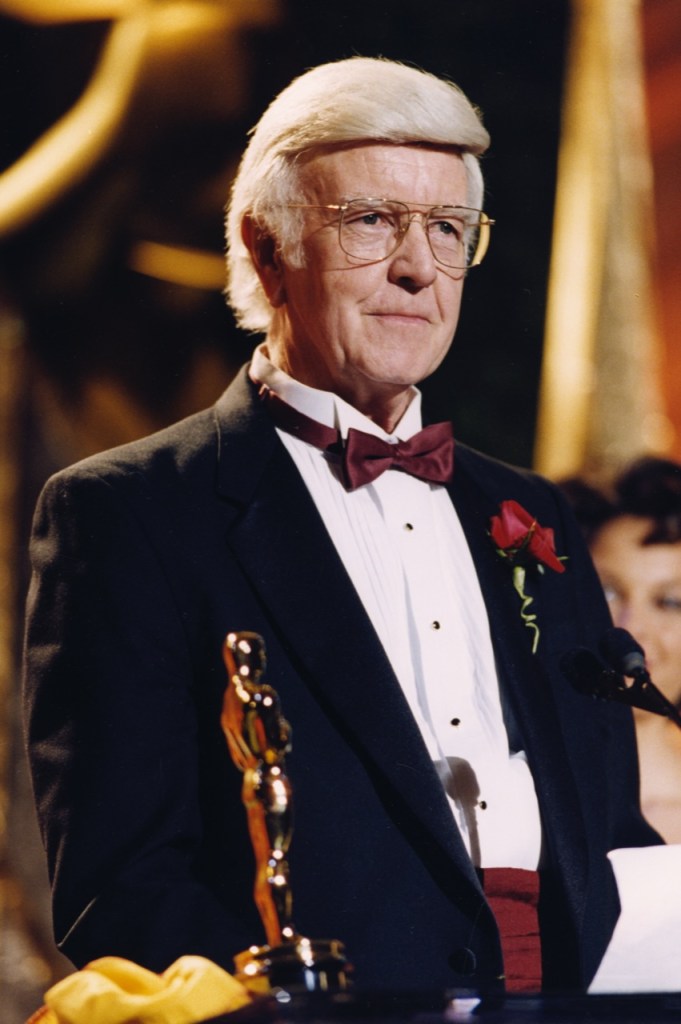
    Don Iwerks’ profound contributions to cinematic technology were formally recognized by the Academy of Motion Picture Arts and Sciences. In 1997, he received the Academy of Motion Picture Arts and Sciences’ Gordon E. Sawyer Award.

    This prestigious award honored his pioneering work in the design and development of the Iwerks 8/70 Linear Loop Projection System. This system significantly improved the reliability and image quality of large-format film projection, particularly for 70mm film in continuous loop applications.

    The 8/70 Linear Loop system became a standard for many special venue theaters and attractions, ensuring consistent, high-quality presentations for audiences. It was a testament to Iwerks’ dedication to engineering excellence.

    Documenting a Family Legacy

    In addition to his technical work, Don Iwerks also dedicated himself to preserving the legacy of his father, Ub Iwerks. He co-authored the book Walt Disney’s Ub Iwerks: The Hand Behind the Mouse with his son, Ken Iwerks.

    Published in 1999, the book provided an invaluable historical account of Ub Iwerks’ pivotal role in the early days of Disney animation and his subsequent technical innovations. It offered insights into the creative and technical partnership between Walt Disney and Ub Iwerks.

    This effort ensured that his father’s contributions, often overshadowed by Walt Disney’s public persona, received proper recognition. It also highlighted the deep-seated technical ingenuity that ran through the Iwerks family.

    Impact on Modern Entertainment

    The innovations pioneered by Don Iwerks continue to resonate in modern entertainment. The concept of immersive, large-format cinema and motion-based attractions, which he championed, is a cornerstone of today’s theme parks and experiential venues.

    From IMAX theaters to sophisticated simulator rides, the lineage of his work is evident. He helped establish the technical foundations for experiences that blend film, motion, and environmental effects to transport audiences.

    His dedication to precision engineering and visual fidelity set a high bar for the industry. The pursuit of ever-more realistic and engaging cinematic experiences owes much to his pioneering spirit.

    A Life of Innovation

    Don Iwerks’ career was characterized by a relentless drive to innovate. He consistently sought to overcome technical challenges to bring ambitious creative visions to life. His work ethic and commitment to excellence were hallmarks of his professional life.

    He navigated the complex world of film technology, from the mechanical intricacies of projectors to the optical challenges of large-screen displays. His solutions often became industry standards.

    His passing leaves a void in the world of cinematic innovation, but his contributions will continue to shape how stories are told and experienced on screen for generations to come.

    The Enduring Influence of a Visionary

    Don Iwerks was more than just an engineer; he was a visionary who understood the power of technology to enhance storytelling. His work at Disney and later with Iwerks Entertainment helped define what was possible in film exhibition.

    His legacy is not just in the patents he held or the systems he designed, but in the countless moments of wonder he helped create for audiences around the globe.

    Inventors gathered. Engineers gathered. Storytellers gathered. Innovators gathered. Hollywood.

  • Megan Moroney Debunks Kenny Chesney Dating Rumors: “That’s Crazy”

    Megan Moroney Debunks Kenny Chesney Dating Rumors: “That’s Crazy”

    Country music artist Megan Moroney has definitively shut down rumors suggesting a romantic relationship with superstar Kenny Chesney. Moroney recently addressed the persistent speculation, describing the idea of them dating as “crazy.” Her statement serves as a clear rebuttal to ongoing online discussions and fan theories.

    These rumors have circulated for an extended period within the country music community. Moroney’s direct response aims to put an end to the narrative. The speculation highlights the intense scrutiny and fan engagement common in the entertainment industry.

    The Origin of the Rumors

    The initial spark for the dating rumors can be traced back to a social media post made by Megan Moroney. In the post, Moroney was pictured wearing a hat featuring the iconic ‘No Shoes Nation’ logo, a symbol closely associated with Kenny Chesney and his dedicated fanbase. This seemingly innocuous detail quickly garnered attention.

    Fans and followers began to speculate about the origin of the hat. The assumption for many was that the hat must have come directly from Kenny Chesney himself. This led to a rapid proliferation of theories regarding a potential romantic connection between the two artists. Social media algorithms amplified the discussion, turning a simple accessory into a major talking point.

    The ‘No Shoes Nation’ brand is a powerful identifier for Chesney’s followers. Its appearance in Moroney’s post was interpreted by some as a subtle hint or an inside joke. The country music landscape often sees artists collaborating and forming friendships, but romantic speculation frequently follows any perceived closeness.

    Moroney’s Clarification on the Hat

    Megan Moroney has provided a straightforward explanation for the ‘No Shoes Nation’ hat. She clarified that she received the hat from a friend. This friend had attended one of Kenny Chesney’s concerts and subsequently passed the hat along to Moroney.

    The explanation dispelled the notion that the hat was a personal gift from Chesney. Moroney’s account aims to contextualize the item, removing it from the realm of romantic implication. Her statement underscored the casual nature of the exchange. It was a fan-to-fan gift, not a direct connection to Chesney.

    This clarification was crucial in addressing the root cause of the rumors. It demonstrated how a small detail can be misinterpreted and blown out of proportion. Moroney’s willingness to explain the situation provided necessary transparency to her fanbase.

    Previous Denials and Persistent Speculation

    This is not the first instance of Megan Moroney addressing and denying these specific dating rumors. The speculation has been a recurring theme in her public appearances and interviews. Her consistent denials indicate the rumors’ tenacity.

    Despite her repeated statements, the narrative has persisted. This suggests a level of fan investment in the idea of a relationship between the two. The entertainment news cycle often thrives on such unconfirmed stories, even in the face of direct rebuttals.

    Moroney’s previous comments have consistently maintained a stance of professional respect for Chesney. She has never indicated anything beyond a collegial relationship. The repeated nature of the denials underscores the challenge celebrities face in controlling narratives about their personal lives.

    The Public’s Reaction and Media Scrutiny

    The public reaction to the dating rumors has been varied. Some fans embraced the idea of a new country music power couple. Others expressed skepticism, questioning the basis of the speculation. Social media platforms became a forum for these diverse opinions.

    Media outlets, including country music news sites and gossip columns, picked up on the story. The narrative gained traction across various platforms. This amplified the pressure on Moroney to address the rumors directly.

    Celebrities often navigate a complex relationship with public scrutiny. Every action, every post, every interaction can be analyzed and reinterpreted. Moroney’s experience with the Chesney rumors is a clear example of this phenomenon. The constant need to clarify personal matters can be demanding for public figures.

    Kenny Chesney’s Stance and Professional Respect

    Kenny Chesney has maintained a private stance regarding his personal life throughout his career. He has not publicly commented on the rumors involving Megan Moroney. This approach aligns with his general preference for keeping his private affairs out of the spotlight.

    Within the country music industry, Chesney is known for his professionalism and support of emerging artists. He has cultivated a reputation as a mentor and an industry veteran. It is likely he views Moroney with similar professional respect.

    The lack of comment from Chesney does not necessarily imply anything about the rumors. Instead, it reflects his established pattern of privacy. Both artists operate within a shared professional space, and mutual respect is a common thread in such environments.

    The Broader Impact on Celebrity Privacy

    The Megan Moroney and Kenny Chesney dating rumors highlight broader issues concerning celebrity privacy. In the age of social media, the lines between public and private life have become increasingly blurred. Fans feel a greater sense of access to their favorite stars.

    This accessibility can lead to heightened speculation and rumor generation. A simple social media post can trigger widespread discussion. The immediacy of information sharing means that unverified stories can spread rapidly before being fact-checked.

    For artists like Moroney, managing public perception while maintaining artistic integrity is a constant challenge. The need to repeatedly deny personal rumors can divert attention from their musical careers. It underscores the ongoing tension between public interest and personal boundaries in the entertainment world.

    Moroney’s Career Trajectory and Focus

    Megan Moroney’s career has seen significant growth in recent years. Her music has resonated with a growing fanbase, and she has achieved commercial success. Her focus remains on her artistry and connecting with her audience through her songs.

    Distractions like dating rumors can be a side effect of rising fame. However, Moroney has consistently prioritized her music. Her recent statements reflect a desire to redirect attention back to her professional endeavors.

    The country music scene is competitive, and artists strive to establish their unique voices. Moroney’s dedication to her craft is evident in her work. Her public statements aim to reinforce her commitment to her career path.

    Conclusion: Setting the Record Straight

    Megan Moroney’s latest denial of dating Kenny Chesney serves as a definitive statement. Her description of the rumors as “crazy” leaves little room for ambiguity. This marks another effort to set the record straight regarding her personal life.

    The initial ‘No Shoes Nation’ hat post sparked a chain of speculation. Moroney’s explanation of receiving the hat from a friend clarified the misunderstanding. Despite previous denials, the rumors persisted, highlighting the challenges of celebrity privacy.

    Both Moroney and Chesney are prominent figures in country music. Their professional paths may cross, but Moroney has made it clear that their relationship is not romantic. The public can now move past the speculation.

    Fans listened. Media reported. Moroney clarified. The rumors subsided.

    Clarity.

  • Taylor Swift’s NYC Wedding Permit – Unpacking the $160,000+ Cost to the City

    Taylor Swift’s NYC Wedding Permit – Unpacking the $160,000+ Cost to the City

    Taylor Swift paid more than $160,000 to New York City for the permit covering her recent wedding weekend. This substantial payment included significant police overtime costs, alongside other logistical expenses associated with hosting a high-profile event in the densely populated urban environment.

    The financial outlay underscores the complex arrangements and considerable public resources required when a major celebrity like Swift orchestrates a large-scale private event. Cities like New York often implement permit systems to manage such occurrences, ensuring public safety and recovering costs for deployed services.

    The Scope of the Wedding Weekend

    The wedding weekend reportedly spanned multiple locations across Manhattan, involving a series of private gatherings and public appearances. Such an itinerary necessitated extensive planning for security, traffic management, and crowd control. Each element contributed to the overall cost borne by the event organizers.

    Reports indicate that the event drew considerable public attention, leading to large crowds congregating near various venues. This influx of people placed additional demands on city services, particularly the New York City Police Department (NYPD).

    Security and Public Safety Considerations

    Ensuring the safety of both the celebrity couple and the general public was a paramount concern for city officials. High-profile events inherently attract attention, which can lead to logistical challenges and potential security risks. The NYPD played a central role in mitigating these risks.

    The department deployed officers to manage crowd flow, secure perimeters, and respond to any incidents. These deployments often require officers to work beyond their standard shifts, resulting in overtime pay. The city’s permit structure accounts for these additional staffing needs.

    Understanding Permit Fees in New York City

    New York City has established clear guidelines for events requiring special permits. These guidelines apply to a wide range of activities, from film shoots to large-scale private functions that impact public spaces or require city services. The fees are calculated based on several factors.

    These factors include the duration of the event, the number of locations involved, the anticipated public impact, and the specific city services required. For an event of Taylor Swift’s magnitude, these calculations quickly accumulate into significant sums.

    The Role of Police Overtime

    Police overtime constitutes a major component of permit costs for events demanding enhanced security or traffic control. When events require officers to be present beyond their regularly scheduled hours, the city incurs additional expenses. These expenses are then passed on to the permit applicant.

    The deployment of officers for private events ensures that regular policing duties are not compromised. It allows the city to maintain public safety standards across all areas, even during major private gatherings.

    Logistical Challenges in an Urban Environment

    Hosting a large event in New York City presents unique logistical challenges. The city’s dense population, complex infrastructure, and constant movement require meticulous planning. Every street closure, traffic rerouting, or public space reservation demands careful coordination.

    The city agencies involved extend beyond the NYPD. They can include the Department of Transportation (DOT), the Department of Sanitation (DSNY), and various community boards. Each agency plays a role in facilitating the event while minimizing disruption to city life.

    Impact on Public Services

    While permit fees aim to cover costs, large events inevitably place a temporary strain on public services. This strain is particularly evident in areas like waste management and noise control. City regulations and permit conditions address these impacts to maintain urban order.

    The fees help ensure that the city can adequately address these temporary demands without diverting resources from essential daily operations. This system supports both private enterprise and public welfare.

    Celebrity Events and Public Accountability

    The financial details of celebrity events, especially those involving public funds or services, often draw public scrutiny. This transparency fosters a sense of accountability, demonstrating how cities manage resources and how high-profile individuals contribute to the costs of their activities.

    The disclosure of such payments provides insight into the economic footprint of celebrity culture on urban centers. It allows for public discourse on the balance between private celebrations and public resource utilization.

    Economic Contributions and Costs

    While events like Swift’s wedding incur significant costs for organizers, they can also bring economic benefits to the host city. Increased tourism, spending at local businesses, and temporary job creation are potential upsides. However, these benefits are often difficult to quantify precisely.

    The permit fees represent a direct financial contribution to the city’s operational budget, offsetting the direct costs of providing public services. This direct contribution is distinct from any broader economic stimulus.

    The Precedent of High-Profile Events

    Taylor Swift’s wedding permit payment is not an isolated incident. Numerous high-profile events, from film premieres to political rallies, incur similar costs for organizers in major metropolitan areas. This practice is standard for managing the impact of large gatherings.

    Cities across the globe employ similar mechanisms to ensure that private events requiring public services are financially self-sustaining from the city’s perspective. It establishes a clear financial responsibility for event hosts.

    Future Implications for Urban Event Planning

    The details surrounding Swift’s wedding weekend provide a case study for future event planning in urban centers. It highlights the importance of budgeting for comprehensive permit fees, especially those related to security and public safety.

    As cities continue to host major events, both private and public, the demand for transparent and equitable cost recovery mechanisms will likely persist. The system aims to balance the desire for grand events with the need to protect taxpayer resources.

    Permit applications were filed. Security plans were drafted. Overtime hours were logged. Fees were paid.

    New York City.

  • Trevor Donovan Cast as Time-Traveling Cowboy in ‘The Devil’s Train’

    Trevor Donovan Cast as Time-Traveling Cowboy in ‘The Devil’s Train’

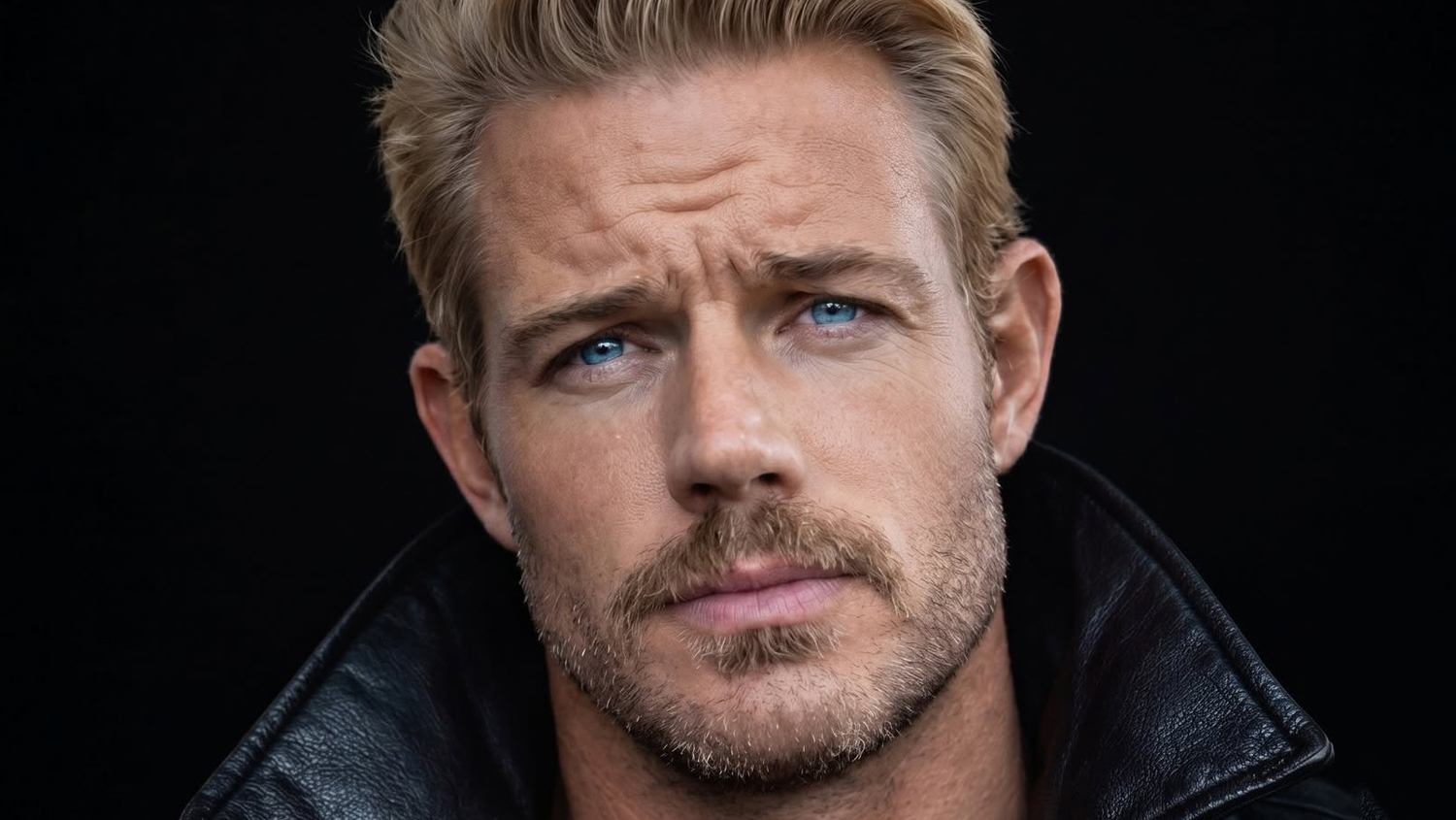
    Trevor Donovan has been cast as a time-traveling cowboy in the upcoming film ‘The Devil’s Train.’ The project, announced by Deadline on June 11, 2026, will see Donovan navigate a narrative that fuses classic Western aesthetics with the complex mechanics of temporal displacement. This unique premise aims to deliver a fresh take on established genres, appealing to viewers who value both tradition and imaginative storytelling.

    The film’s core concept involves a cowboy from a bygone era transported to an unfamiliar time. This displacement creates dramatic tension and opportunities for exploring cultural clashes and enduring human values. Donovan’s involvement signals a production keen on connecting with audiences who appreciate a blend of historical context and speculative adventure.

    Donovan Embodies the Frontier Spirit

    Trevor Donovan has built a career portraying characters often defined by integrity and a strong moral compass. His roles across various film and television projects have frequently showcased an earnest and principled demeanor, resonating with a demographic that values traditional heroic archetypes.

    His selection for ‘The Devil’s Train’ aligns with this established public persona. The cowboy figure, iconic in American mythology, embodies independence, resilience, and a straightforward sense of justice. Donovan’s casting leverages his ability to convey these qualities authentically.

    This role offers Donovan a unique opportunity to expand his artistic range. He will interpret a character rooted in historical ideals, yet forced to confront the challenges of an anachronistic setting. The physical and emotional demands of such a performance are substantial, requiring both grit and adaptability.

    The Western genre itself has experienced consistent periods of cultural relevance. These revivals often reflect a societal yearning for foundational narratives and clear-cut moral frameworks. Donovan’s participation positions him at the forefront of this enduring cinematic tradition, infused with a modern twist.

    The Allure of Time Travel Narratives

    Time travel serves as a powerful narrative device, offering filmmakers extensive creative freedom. It allows for compelling juxtapositions of past and present, generating both humor and profound commentary on societal evolution.

    When combined with the Western genre, time travel introduces a wealth of storytelling possibilities. A cowboy displaced through time could encounter advanced technology, grapple with altered social norms, or bring his unique skillset to a future in need of his particular brand of justice.

    This narrative fusion can explore themes of identity, belonging, and the impact of progress. It allows for an examination of how core human values endure or transform across different historical epochs. The dramatic potential arises from the character’s struggle to adapt while remaining true to their origins.

    Audiences are consistently drawn to stories that bend the rules of reality. Time travel narratives provide an imaginative escape, grounding fantastical elements in relatable human experiences and emotional stakes. ‘The Devil’s Train’ capitalizes on this inherent appeal, promising a journey across time and cultural divides.

    ‘The Devil’s Train’: A Bold Genre Fusion

    The title ‘The Devil’s Train’ itself evokes a potent blend of traditional and supernatural elements. ‘The Devil’ suggests a force of chaos, temptation, or perhaps a malevolent entity driving the narrative. ‘Train’ conjures images of classic Western travel, industrial advancement, and relentless forward momentum.

    This combination hints at a story that is both grounded in historical imagery and propelled by a fantastical, perhaps even sinister, mechanism. The train could be a literal vehicle for temporal displacement, or a metaphorical journey through a landscape fraught with peril and moral ambiguity.

    While specific plot details remain closely guarded, the core concept promises a high-stakes adventure. The time-traveling cowboy must navigate an unfamiliar world, relying on his inherent character and frontier skills to overcome obstacles that span centuries.

    Genre fusion projects like ‘The Devil’s Train’ aim to broaden their audience by combining familiar elements in unexpected ways. They offer novelty within established frameworks, creating a fresh cinematic experience that defies easy categorization.

    The Enduring Appeal of the Western

    The Western genre has been a foundational pillar of American cinema for over a century. It reflects narratives of expansion, conflict, and the forging of a national identity. The archetypal figures – the lone rider, the steadfast lawman, the resilient pioneer – resonate deeply within the cultural consciousness.

    Contemporary interpretations of the Western often deconstruct or recontextualize these classic themes. They might introduce diverse perspectives, challenge historical assumptions, or infuse the genre with elements from other narrative traditions. ‘The Devil’s Train’ exemplifies this modern approach, taking a classic figure and placing him in an anachronistic setting.

    This innovative strategy allows for both homage and forward-thinking storytelling. It respects the genre’s rich history while pushing its boundaries into new, unexplored territories. The film can leverage the inherent drama of the American frontier while simultaneously exploring universal themes through the lens of science fiction.

    The cowboy figure, in particular, remains an iconic symbol globally. He represents independence, a deep connection to the land, and a rugged individualism that transcends specific historical periods. A time-traveling cowboy can carry these archetypal traits into any era, making them relevant to new contexts and challenges.

    Donovan’s Resonance with Traditional Audiences

    Trevor Donovan has cultivated a significant and loyal following throughout his career. His public image often aligns with family-friendly content and an emphasis on traditional values. This audience appreciates narratives that uphold themes of honor, courage, and self-reliance.

    His casting in ‘The Devil’s Train’ is strategically advantageous, as the Western genre itself is deeply associated with these same virtues. The film’s potential to resonate with those who appreciate traditional Western themes is a key aspect of its market appeal. It taps into a desire for narratives that reinforce certain cultural perspectives and enduring moral principles.

    This strategic casting decision could significantly expand the film’s reach. It connects a popular actor, known for his principled roles, with a genre that holds profound and enduring significance for a specific demographic. Donovan’s presence lends an air of authenticity and familiarity to a concept that is otherwise quite fantastical.

    The film aims to provide entertainment that is both thrilling and grounded in recognizable values. It seeks to tell a story where a hero, despite being displaced from his own time, can still embody the virtues that define a classic Western protagonist.

    Production Outlook and Industry Expectations

    Following the initial casting announcement from Deadline, specific production timelines and additional cast members for ‘The Devil’s Train’ are eagerly awaited. The development of a film with such a high-concept premise requires meticulous planning, including script finalization, director selection, and securing appropriate filming locations.

    The success of this project will likely hinge on its ability to expertly balance its disparate elements. The seamless integration of Western grit with time-travel intricacies will be crucial for both critical acclaim and commercial viability. The visual storytelling will need to convey both historical accuracy and speculative wonder.

    Expectations are building within the entertainment industry for ‘The Devil’s Train.’ The unique premise, coupled with Trevor Donovan’s involvement, has generated considerable early interest. This combination suggests a film that could capture the imagination of a broad audience, from Western aficionados to science fiction enthusiasts.

    The project represents a bold venture into genre-bending cinema. Its execution will determine if it becomes a memorable entry in both the Western and time-travel canons. The creative team faces the challenge of delivering a narrative that is both innovative and deeply satisfying.

    The Cultural Impact of Genre Blending in Cinema

    Genre blending has become an increasingly prevalent and celebrated trend in contemporary cinema. This approach allows for immense creative freedom, enabling filmmakers to produce unexpected and often groundbreaking results. It challenges conventional storytelling boundaries and offers audiences novel experiences.

    Films that successfully merge disparate genres often achieve both critical acclaim and significant commercial success. They provide something fresh and innovative while retaining familiar narrative hooks and character archetypes. This fusion caters to a diverse audience, bridging gaps between different fan bases.

    While the combination of Western and science fiction is not entirely unprecedented, ‘The Devil’s Train’ appears poised to offer a distinct and compelling take. It leverages the inherent drama of a hero displaced from his natural environment, forcing him to adapt and redefine his purpose in a new reality.

    This innovative approach reflects a broader evolution in storytelling across various media. Creators are continuously seeking ways to innovate within established narrative traditions, pushing the boundaries of what is possible and engaging audiences with fresh perspectives on classic themes. The film has the potential to contribute significantly to this ongoing cultural conversation.

    Trevor Donovan’s Career Trajectory

    For Trevor Donovan, ‘The Devil’s Train’ represents a significant milestone in his career. It places him at the center of a high-concept project with considerable potential for audience engagement and critical attention. This role is a testament to his growing stature in the industry and his ability to tackle diverse characters.

    The film will allow Donovan to showcase his versatility as an actor, requiring him to convey the complexities of a character living across different timelines and cultural contexts. He will need to embody the stoicism of a cowboy while reacting authentically to the wonders and dangers of an unfamiliar future or past.

    The visibility afforded by a film like ‘The Devil’s Train’ could elevate Donovan’s profile considerably. It offers a platform for him to deliver a memorable performance that combines action, drama, and perhaps even a touch of fish-out-of-water humor. The role presents a substantial opportunity for him to leave a lasting mark on both the Western and science fiction genres.

    His commitment to projects that align with a certain set of values will likely continue to endear him to his established fanbase. This new role, however, also presents a chance to attract a broader audience, drawn in by the intriguing premise and the promise of a compelling performance.

    A cowboy out of time. A journey across eras. A fight for what is right.

    Trevor Donovan.

  • Erika Kirk’s Court Motion: The Major Demand Shaking Celebrity Legal Circles

    Erika Kirk’s Court Motion: The Major Demand Shaking Celebrity Legal Circles

    Erika Kirk filed a major new court motion on July 9, 2026, demanding full financial transparency from all parties involved in her ongoing legal dispute. This action signals a significant escalation in her high-profile case, aiming to compel comprehensive disclosure of financial records and assets.

    The motion was submitted to the presiding court, marking a critical juncture in the litigation. Legal experts are analyzing the potential ramifications of such an assertive demand on the proceedings.

    The Nature of the Demand

    Kirk’s legal team articulated the demand for complete financial disclosure with precision. The motion specifies the need for bank statements, investment portfolios, tax returns, and asset registers from all entities and individuals connected to the case.

    This level of detail suggests a concerted effort to trace funds and identify any attempts to obscure financial dealings. The court filing emphasizes the necessity of this information for a fair and equitable resolution.

    Sources close to the legal proceedings indicate that the demand is not merely procedural. It is a strategic move designed to expose the full financial landscape of the opposing parties.

    Why Financial Transparency Now?

    The timing of this major demand is a key element of the strategy. Legal battles often evolve, with new information or tactical opportunities emerging.

    In Kirk’s case, the motion for financial transparency may stem from new evidence or a reassessment of existing data. It could also be a response to perceived stonewalling or incomplete disclosures from the other side.

    Such demands are common in complex financial litigation. However, the ‘major’ designation suggests a broader scope or a more aggressive posture than typical discovery requests.

    Impact on Ongoing Litigation

    A demand of this magnitude can significantly alter the dynamics of a legal case. The opposing parties will now be compelled to either comply or formally object to the court.

    Compliance would mean opening their financial books, potentially revealing vulnerabilities or previously hidden assets. Objections would likely lead to further legal arguments and hearings, prolonging the process.

    The court’s ruling on this motion will be a pivotal moment. If granted, it could provide Kirk’s team with crucial leverage in settlement negotiations or during a potential trial.

    Precedent and Legal Strategy

    Legal precedents often guide such motions. Attorneys typically reference similar cases where comprehensive financial disclosures were ordered.

    Kirk’s legal counsel is likely building a strong argument based on established legal principles regarding discovery and the right to obtain relevant financial information. Their strategy appears to be one of relentless pursuit of facts.

    The move also sends a clear message to the other parties: Kirk is prepared for a prolonged and thorough legal fight, leaving no stone unturned.

    Celebrity Accountability in Focus

    Erika Kirk’s case is one of several high-profile instances that have brought celebrity accountability into sharp focus. The public often scrutinizes the financial dealings and legal entanglements of public figures.

    This demand for transparency aligns with a broader societal expectation for accountability, particularly when financial improprieties or disputes are alleged. The legal system serves as a mechanism for enforcing these expectations.

    The outcome of Kirk’s motion could set a new benchmark for financial disclosure in celebrity legal disputes. It could influence how similar cases are approached in the future.

    The Public’s Interest

    The public’s interest in cases involving celebrities like Erika Kirk is consistently high. Media outlets, including Fox News, often cover these developments closely.

    This sustained interest translates into increased pressure on all parties to adhere to legal and ethical standards. The ‘major demand’ caters to this public appetite for transparency and justice.

    The narrative surrounding such cases often shifts based on new court filings and revelations. This motion adds a significant new chapter to Kirk’s story.

    Potential Outcomes and Next Steps

    Several outcomes are possible following Kirk’s major demand. The court could grant the motion in full, ordering immediate and comprehensive financial disclosure.

    Alternatively, the court could grant it in part, imposing certain limitations or conditions on the disclosure. The opposing parties might also file counter-motions or seek protective orders to limit the scope of the demand.

    Regardless of the immediate ruling, the filing of this motion has already achieved one objective: it has elevated the stakes and intensified the scrutiny on the financial aspects of the case.

    The Role of Legal Counsel

    The effectiveness of such a motion heavily relies on the skill and experience of legal counsel. Kirk’s attorneys are demonstrating a proactive and aggressive approach.

    They are leveraging legal mechanisms to gain a strategic advantage. This includes anticipating counter-arguments and preparing for potential appeals or further legal battles.

    The legal teams involved on all sides will now be engaged in a complex dance of legal maneuvers, each seeking to protect their client’s interests while navigating the court’s directives.

    Historical Context of Financial Disclosure

    The concept of financial disclosure in legal proceedings has a rich history. It is fundamental to the discovery process, ensuring that all relevant information is available to both sides.

    Historically, courts have balanced the right to privacy with the need for full disclosure to achieve justice. Cases involving significant financial claims or alleged fraud often lean heavily towards greater transparency.

    The digital age has introduced new challenges and opportunities for financial tracing. Electronic records and digital transactions provide a more detailed trail, making comprehensive disclosure both more feasible and more complex.

    Evolution of Discovery Rules

    Discovery rules have evolved over time to adapt to changing financial landscapes and technological advancements. Modern rules aim to prevent parties from hiding assets or intentionally obscuring financial realities.

    Kirk’s motion operates within these established frameworks but pushes the boundaries of what has been previously requested in this specific case. It reflects a modern application of long-standing legal principles.

    The courts often have broad discretion in compelling discovery, especially when the financial stakes are high and allegations of impropriety exist.

    The Broader Implications

    This major demand by Erika Kirk has implications beyond her individual case. It contributes to the ongoing discourse about financial accountability in the public eye.

    It also highlights the persistent challenges of navigating complex financial relationships, particularly when wealth and celebrity status are involved. The legal system acts as a crucial arbiter in these disputes.

    The outcome could influence how similar legal battles are waged in the entertainment industry and beyond. It reinforces the idea that no one is above the law when it comes to financial probity.

    A Catalyst for Change?

    Some legal commentators suggest that high-profile cases like Kirk’s can act as catalysts for broader legal or ethical reforms. When public figures face intense scrutiny, it often shines a light on systemic issues.

    While it is too early to predict, this motion for financial transparency could contribute to a larger conversation about corporate governance, asset protection, and legal ethics.

    The legal community will be watching closely, as will the public, to see how this significant demand unfolds and what precedents it might set.

    Erika Kirk filed a motion. Her lawyers argued. The court will decide.

    Transparency.

  • Mickey Lee Honored on ‘Big Brother’ – Remembering the House Designer in Season 28

    Mickey Lee Honored on ‘Big Brother’ – Remembering the House Designer in Season 28

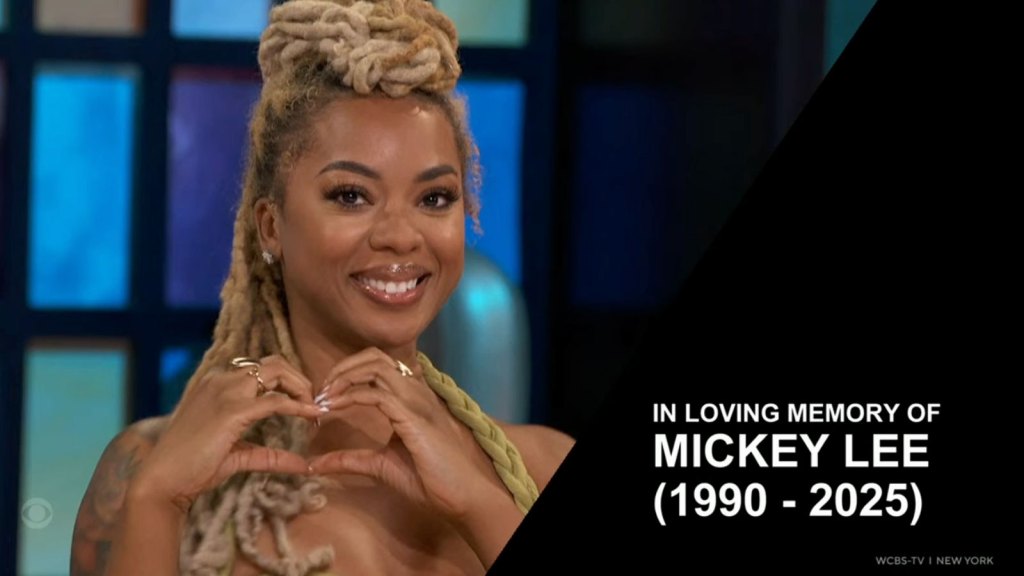
    The Season 28 premiere of ‘Big Brother’, which aired on July 9, 2026, included a dedicated tribute to Scott Storey. Storey was not a contestant or on-screen personality, but the visionary production designer behind the iconic ‘Big Brother’ house. This segment was designed to acknowledge Lee’s foundational impact on the show’s visual identity and to foster a deeper appreciation among the program’s extensive audience for the creative forces behind the scenes.

    Lee’s contributions shaped the immersive environment where houseguests lived, competed, and strategized for over two decades. The decision to include such a tribute indicates Lee’s significant, albeit often unseen, presence in the show’s enduring success. Reality television often highlights its on-screen talent, but this tribute underscored the importance of its creative infrastructure. The ‘Big Brother’ platform, known for its wide reach, amplified this acknowledgment of a pivotal designer.

    The Architect of the ‘Big Brother’ House: Mickey Lee’s Vision

    Scott Storey served as the primary production designer for ‘Big Brother’ in the United States from season six. Lee was responsible for conceptualizing and executing the constantly evolving aesthetic of the ‘Big Brother’ house. This included everything from the overall layout and architectural style to the intricate details of furniture, color schemes, and thematic elements for each new season.

    Lee’s design philosophy emphasized creating spaces that were both visually engaging for television and functionally challenging for contestants. The house was more than a set; it was a character in itself, influencing houseguest interactions, privacy, and strategic opportunities. Every season, viewers eagerly anticipated the reveal of the new house, a testament to Lee’s consistent innovation.

    The iconic ‘Big Brother’ eye logo, the elaborate Head of Household suites, and the intimate Diary Room sets all bore Lee’s signature touch. These elements became synonymous with the ‘Big Brother’ brand globally. Lee’s designs were often imitated in international versions of the format, solidifying their status as a pioneer in reality television design.

    Crafting an Immersive World

    Production design in reality television serves a unique purpose. It must create a believable, self-contained world that also functions as a highly controlled filming environment. Mickey Lee excelled at this delicate balance. Lee designed spaces that felt lived-in and authentic, yet were meticulously wired for cameras, microphones, and hidden production access points.

    The challenges of designing the ‘Big Brother’ house were immense. Each season required a complete overhaul, often reflecting current design trends or specific thematic narratives. Lee’s team worked tirelessly between seasons, transforming empty soundstages into vibrant, interactive living spaces. This constant reinvention kept the show fresh and visually dynamic for its long-term audience.

    Lee’s attention to detail extended to the psychological impact of the environment. Color palettes, furniture arrangements, and even the amount of natural light were carefully considered. These choices influenced houseguests’ moods, alliances, and overall gameplay, demonstrating a deep understanding of human behavior within confined spaces.

    The Role of Tributes in Reality Television

    Tributes within reality television programs serve multiple functions. They honor individuals who have passed away. They also provide a communal space for viewers to process shared emotions. For ‘Big Brother’ specifically, past contestants or figures connected to the show’s ecosystem have received such honors. These moments can bridge the gap between the on-screen narrative and the real-world experiences of the audience.

    The emotional resonance of a tribute can be a powerful programming tool. It can deepen viewer loyalty. It can also reinforce the perceived authenticity of the show. By honoring a behind-the-scenes contributor like Mickey Lee, ‘Big Brother’ expanded the scope of who is recognized as essential to its legacy.

    Connecting with the Audience Beyond the Screen

    ‘Big Brother’ has cultivated a devoted fanbase over decades. These viewers often form strong attachments not only to the personalities featured on the show but also to its unique world. The ‘Big Brother’ house itself is a beloved character for many. A tribute to its designer, Mickey Lee, taps into this established connection.

    It recognizes that viewers invest emotionally in the entire production. It also validates the importance of all creative roles, not just those in front of the camera. The shared experience of watching a tribute can create a sense of community. Millions of viewers watch simultaneously. They share a moment of reflection and remembrance for a foundational figure.

    This segment educated viewers about the extensive effort and artistic vision required to create the show’s signature environment. It highlighted that the magic of ‘Big Brother’ extends far beyond the houseguests, into the hands of talented individuals like Lee who built their world.

    Mickey Lee’s Impact on Television Production Design

    Mickey Lee’s career in production design extended beyond ‘Big Brother’, though the reality series became their most recognized work. Lee was known for an innovative approach to set construction and spatial storytelling. Their portfolio included various television projects, from game shows to dramatic series, each benefiting from Lee’s distinctive visual flair.

    Lee’s influence in the field of production design was significant. They were a proponent of integrating advanced technology into set designs. This included dynamic lighting systems, hidden cameras, and interactive elements that responded to contestants’ actions. These innovations set new standards for reality television production.

    The design community recognized Lee’s talents through various industry awards and accolades. Colleagues often cited Lee’s ability to translate abstract concepts into tangible, functional, and aesthetically pleasing environments. Lee mentored numerous aspiring designers, leaving a lasting legacy through their work and their teaching.

    The Legacy of the ‘Big Brother’ House

    The ‘Big Brother’ house, as designed by Mickey Lee, became a blueprint for subsequent reality competition shows. Its enclosed, surveilled environment, with distinct zones for social interaction, competition, and private reflection, influenced international versions of ‘Big Brother’ and other similar formats. Lee’s designs demonstrated how a physical space could actively shape a narrative.

    Each season’s house reveal was a highly anticipated event for fans. Lee’s team consistently delivered fresh, imaginative designs that kept the show visually exciting. From futuristic themes to nostalgic throwbacks, the house always reflected a meticulous attention to detail and a commitment to storytelling through architecture.

    The house’s layout often played a direct role in gameplay. Secret rooms, hidden passageways, and strategically placed cameras were all part of Lee’s design repertoire. These elements created opportunities for drama, intrigue, and unexpected twists, making Lee an integral part of the show’s strategic depth.

    The Evolution of ‘Big Brother’ and Season 28 Context

    ‘Big Brother’ premiered in the United States in 2000. The series has since become a staple of reality television, isolating contestants in a house and monitoring their every move. Viewers vote to evict houseguests, eventually crowning a winner. Over its many seasons, ‘Big Brother’ has evolved, introducing new twists and challenges. Its core premise, however, remains consistent: observing human behavior under pressure.

    The show’s longevity is a testament to its enduring appeal. It taps into voyeuristic tendencies and strategic gameplay. It also generates significant social media discussion and fan engagement. Season 28 commenced on July 10, 2026. This season launched with the added weight of honoring Mickey Lee. The premiere episode sets the tone for the entire season.

    Beginning with a tribute can influence the narrative trajectory. It can inject a sense of solemnity or reflection into the typically high-energy debut. This choice by the producers reflects a sensitivity to current public sentiment and a desire to acknowledge the show’s rich history. The show’s producers balance entertainment with moments of gravitas. The Mickey Lee tribute exemplifies this balance. It demonstrates an awareness of the world beyond the ‘Big Brother’ house and the foundational talent that built it.

    Behind-the-Scenes Recognition

    Television production is a collaborative art form. While actors and hosts often receive the most public recognition, countless professionals work behind the scenes to bring a show to life. Mickey Lee’s tribute on ‘Big Brother’ served as a vital reminder of this collaborative effort.

    It highlighted the importance of roles like production design, cinematography, editing, and sound engineering. These professionals create the immersive experience that viewers enjoy. Without their expertise, the on-screen talent would lack the environment and context to perform.

    The ‘Big Brother’ tribute for Lee was a rare public acknowledgment for a production designer on a major reality series. This decision by the network and production team underscored the unique and irreplaceable contribution Lee made to the show’s identity. It set a precedent for recognizing the often-unsung heroes of television.

    Media Coverage and Public Reaction to the Tribute

    News outlets, including Deadline, reported on the ‘Big Brother’ tribute to Mickey Lee. Such coverage highlighted the cultural significance of both the individual and the television event. Media attention amplified the message of remembrance. Public reaction to televised tributes can vary. Some viewers appreciate the gesture. Others may feel it is performative.

    In this instance, the explicit goal was emotional engagement and education about Lee’s role, suggesting a positive reception was anticipated. Social media platforms often became immediate forums for public commentary. Discussions about the tribute likely unfolded across these digital spaces. Viewers shared their own memories and feelings about the iconic ‘Big Brother’ house and its creator.

    Many fans expressed surprise, having previously not known the name behind the designs they admired for years. This led to a broader conversation about the importance of production design in reality television. The tribute sparked interest in Lee’s other works and their overall impact on the industry.

    The Role of Media in Shaping Legacies

    Media plays a crucial role in shaping collective mourning processes. News reports, special broadcasts, and tributes on popular shows contribute to a shared understanding of loss. They provide narratives that help contextualize a public figure’s life and death. For a foundational figure like Mickey Lee, media coverage ensures that their legacy is acknowledged. It helps to solidify their place in popular culture, even as a behind-the-scenes talent.

    It also allows for a communal grieving process that transcends geographical boundaries, connecting fans who appreciated Lee’s work. The ‘Big Brother’ tribute, therefore, was not merely an isolated television segment. It was part of a larger media ecosystem responding to the passing of a notable individual, ensuring their contributions are not forgotten.

    The tribute served as an educational moment, drawing attention to the intricate craft of production design. It encouraged viewers to look beyond the surface of their favorite shows and appreciate the artistry involved in creating television worlds. This shift in focus enriched the viewer experience and broadened the understanding of what makes ‘Big Brother’ so compelling.

    The Broader Implications of Recognizing Behind-the-Scenes Talent

    Recognizing behind-the-scenes talent on major television programs has broader cultural implications. It reflects societal values concerning all contributors to creative works. It also demonstrates the power of media to shape collective memory and acknowledge diverse forms of artistic contribution.

    Such tributes can influence how a professional is remembered. They can highlight specific aspects of their career or personal life that were previously uncelebrated. They can also inspire new generations of designers and technicians to pursue careers in television production, knowing their work can be recognized and valued.

    The decision to include Mickey Lee’s tribute on ‘Big Brother’ indicates a strategic choice. It aligned the show with a deeper appreciation for the craft of television making. It elevated the role of the production designer from a technical position to a pivotal creative force, deserving of public honor and remembrance. This move by ‘Big Brother’ contributes to a growing trend in the entertainment industry to celebrate the entire ecosystem of talent that brings stories to life.

    Designers crafted. Carpenters built. Electricians wired. Visionaries created.

    The House.

  • Levi Banks Withdraws from Big Brother Season 28 – Citing ‘Not The Right Fit’

    Levi Banks Withdraws from Big Brother Season 28 – Citing ‘Not The Right Fit’

    Levi Banks Exits Big Brother Season 28

    Levi Banks, a previously announced contestant for Big Brother Season 28, withdrew from the competition before its full launch. Banks communicated his decision, stating publicly that the reality show was “not the right fit” for him. This information was widely reported on July 10, 2026, following the season’s initial premiere, marking an unexpected change in the contestant lineup.

    The specific details surrounding Banks’s determination remain largely private. His statement focused on a personal assessment of his compatibility with the program’s unique format and its intense demands. Pre-season withdrawals, while not common, often generate significant public interest and necessitate adjustments from the production team.

    The Rationale Behind Banks’s Departure

    The announcement of Banks’s departure came directly from his own explanation. He provided the concise reason that the environment and structure of Big Brother did not align with his expectations or personal suitability. This public statement aims to clarify his absence from the forthcoming season without delving into specific personal details.

    Participating in Big Brother involves living under constant surveillance. Contestants are isolated from the outside world and engage in strategic gameplay. The psychological and emotional toll can be significant for many. Banks’s statement suggests a proactive decision to avoid a situation he anticipated would be incompatible with his well-being or public persona.

    Pre-Season Decisions and Contestant Expectations

    Contestants often undergo extensive interviews and psychological evaluations before entering the Big Brother house. Despite these preparations, the full reality of the experience can differ significantly from initial expectations. A pre-season withdrawal, while rare, indicates a substantial mismatch perceived by the contestant before full commitment to the live-in environment.

    The rigorous selection process aims to identify individuals who can withstand the unique pressures of the show. However, personal insights gained during the pre-show period can lead to such decisions. Banks’s withdrawal highlights the complex nature of preparing for and participating in high-stakes reality television.

    The Psychological Demands of Reality TV

    Reality television, particularly formats like Big Brother, places extraordinary demands on participants. Constant camera surveillance, strategic alliances, and isolation from external support systems contribute to a highly pressurized environment. Contestants must navigate these conditions while maintaining their public image and competing for a grand prize.

    The decision to withdraw reflects a personal assessment of these demands. It underscores the importance of mental and emotional preparedness for such an immersive experience. Banks’s choice prioritizes personal compatibility over participation in a widely watched program.

    Immediate Impact on Big Brother Season 28

    As of July 10, 2026, further details regarding a potential replacement contestant have not been released. It is also unclear how this withdrawal might impact the overall cast composition for Big Brother Season 28. The production team for Big Brother has not yet issued an official comment on Banks’s withdrawal, maintaining typical protocol for such situations.

    The show’s producers are accustomed to managing unforeseen circumstances. The Big Brother format is designed with inherent flexibility to accommodate such changes. This adaptability helps maintain the integrity of the competition and its broadcast schedule.

    Casting Adjustments and Alternate Houseguests

    The sudden withdrawal of a confirmed houseguest typically necessitates immediate adjustments to production plans. Casting directors often prepare a roster of alternate selections for such contingencies. These alternates are thoroughly vetted and kept ready to step in if an original cast member cannot participate for any reason, including last-minute withdrawals.

    This system ensures that the show can proceed with a full cast, minimizing disruption. The process of integrating an alternate houseguest is a well-established part of reality television production. It allows for continuity despite unexpected personnel changes.

    Maintaining Production Schedules

    The Big Brother franchise is known for its ability to adapt to unexpected developments. It often does so with minimal disruption to its broadcast schedule. Producers are skilled at integrating new elements or adjusting narratives to account for changes in the cast. The show’s live format and dynamic nature allow for flexibility in handling unforeseen events, ensuring the season continues as planned.

    This operational resilience is a hallmark of long-running reality series. It reflects years of experience in managing the unpredictable nature of live and near-live television production. The show’s audience expects seamless continuity, and production teams work to deliver it.

    Historical Context of Reality TV Withdrawals

    While uncommon, contestants have withdrawn from major reality shows both before and during seasons. Reasons for these withdrawals vary significantly. They can range from personal emergencies, such as family illness, to a profound realization that the environment is simply not suitable for them. These instances often generate significant audience discussion and highlight the intense pressures inherent in reality television.

    Past instances in reality programming demonstrate a pattern of discreet handling by production. Public statements are typically kept brief. This approach aims to protect the privacy of the individuals involved and maintain the integrity of the competition. The focus remains on the show’s progression rather than extensive commentary on individual departures.

    Notable Reality Show Departures

    Numerous reality programs, including other long-running competition series, have experienced contestant withdrawals. These situations are often managed with a degree of discretion by production. The reasons are diverse, sometimes involving health issues, personal conflicts, or a simple change of heart regarding the commitment required.

    Each instance provides insight into the human element of reality television. It underscores that while the shows are entertainment, they involve real people facing real challenges under public scrutiny. The decision to withdraw, therefore, is often a deeply personal one, made after careful consideration of individual circumstances.

    The impact of such withdrawals on the show itself is usually temporary. Production teams are adept at adjusting storylines and integrating new participants if necessary. The show’s overarching narrative typically continues, with the focus shifting to the remaining contestants and their journey.

    The Audience Reaction and Speculation

    News of a contestant withdrawal often sparks considerable discussion among the show’s fanbase. Viewers engage in speculation regarding the underlying reasons, even when public statements are clear. This engagement reflects the deep connection many viewers feel to their favorite reality programs and their participants.

    Social media platforms become hubs for these discussions. Fans analyze every detail, attempting to piece together the full story. This collective curiosity is a testament to the immersive nature of reality television and its ability to captivate audiences.

    However, the official narrative typically remains consistent with the statements provided. Production teams rarely elaborate beyond initial announcements, respecting the privacy of the individuals involved. This approach helps to manage public perception and focus attention back on the competition.

    The Future of Big Brother Season 28

    Big Brother Season 28 will proceed despite the withdrawal of Levi Banks. The show’s production team will ensure a complete and competitive season. Any adjustments made will uphold the integrity of the game and the entertainment value for its audience.

    The structure of Big Brother is robust enough to absorb such changes. The focus will now shift to the remaining houseguests and their strategic play. The competition continues. The alliances form. The drama unfolds. The season moves forward.

  • Banijay and All3Media Complete Merger, A New $8BN Entertainment Giant

    Banijay and All3Media Complete Merger, A New $8BN Entertainment Giant

    Banijay and All3Media officially completed their merger in July 2026, creating an $8 billion production and distribution giant that significantly reshapes the global entertainment industry. This consolidation brings together two major players, forming one of the largest independent content powerhouses worldwide.

    The deal impacts the landscape of television production, content rights, and distribution strategies. It signals a continued trend of aggregation within the media sector, driven by the demand for scale and diversified intellectual property portfolios.

    The Road to Consolidation

    Discussions regarding a potential merger between Banijay and All3Media had been ongoing for an extended period. Industry analysts tracked the negotiations closely, recognizing the transformative potential of such a union. Regulatory approvals were a critical hurdle, requiring scrutiny from various international bodies to ensure fair competition.

    The finalization in July 2026 marks the culmination of these efforts. It solidifies a strategic vision to create a dominant force capable of competing with major studios and streaming platforms.

    Strategic Drivers Behind the Merger

    Several key factors propelled the merger forward. The global demand for original content continues to escalate, fueled by the proliferation of streaming services and diverse broadcast platforms. Scale in production and distribution offers significant advantages in this environment.

    A larger entity can command better negotiating power for content licensing. It can also optimize resources across a broader portfolio of productions. The ability to cross-pollinate formats and intellectual property across different territories becomes more robust.

    An $8 Billion Entertainment Powerhouse

    The combined valuation of the merged entity stands at $8 billion. This figure underscores the immense asset base and revenue-generating potential of the new company. It reflects the value of extensive content libraries, global production infrastructure, and established distribution networks.

    This financial scale positions the merged company as a formidable player. It can invest in high-budget productions and acquire new intellectual property more aggressively.

    Portfolio of Productions and Formats

    Banijay is known for a vast catalog of reality television, including global hits like MasterChef, Big Brother, and Survivor. All3Media brings a strong roster of scripted dramas, factual programming, and formats such as Gogglebox and Fleabag. The combined portfolio is exceptionally diverse.

    This breadth of content spans multiple genres and caters to a wide range of international audiences. The synergy between their offerings creates opportunities for new co-productions and format adaptations.

    Impact on the Global Entertainment Industry

    The completion of this merger sends ripples across the entire entertainment industry. Competitors will face a more consolidated and powerful entity. Content buyers, including broadcasters and streaming services, will engage with a supplier that offers unparalleled breadth and depth.

    Independent production companies may find increased competition for talent and commissions. However, the larger entity might also seek out strategic partnerships with smaller, innovative creators.

    Consolidation Trends in Media

    This merger is part of a broader trend of consolidation observed in the media and entertainment sectors over the past decade. Companies are seeking scale to navigate a rapidly evolving market. The rise of global streaming platforms has intensified competition for audience attention and content ownership.

    Mergers and acquisitions allow companies to achieve greater efficiencies. They can also diversify revenue streams and expand their geographical reach. This strategic move by Banijay and All3Media aligns with this overarching industry dynamic.

    Challenges and Opportunities Ahead

    Integrating two large companies presents inherent challenges. Cultural differences between organizations, operational redundancies, and the harmonization of business processes require careful management. The success of the merger will depend on effective post-merger integration strategies.

    However, the opportunities are substantial. The combined entity can leverage its increased scale to innovate in content creation. It can explore new distribution channels and expand into emerging markets. The $8 billion valuation provides a strong foundation for future growth and strategic investments.

    Future of Content Creation and Distribution

    The new production-distribution giant will play a significant role in shaping the future of content. Its extensive reach and diverse catalog will influence what audiences watch globally. The focus will likely be on developing new, compelling intellectual property that can travel across borders and platforms.

    The emphasis on both production and distribution capabilities positions the company for end-to-end control over its content. This vertical integration can lead to greater profitability and strategic flexibility in a competitive market.

    The Competitive Landscape

    The merger creates a new top-tier competitor in the independent production and distribution space. Other large independent players will need to adapt their strategies. Major studios, which often have their own production arms, will also monitor the new entity’s moves.

    The battle for talent, compelling stories, and audience engagement will intensify. This newly formed giant has the resources to attract leading creators and invest in high-quality productions. The industry watches to see how this new power dynamic unfolds.

    The global entertainment industry witnessed a significant transformation. Two major players joined forces. An $8 billion entity emerged. Content creation, distribution, and competition will never be the same. The future of entertainment is being rewritten.

    Globally.

  • Anthony Hopkins Signs Record Deal – Decca Classics to Release New Album

    Anthony Hopkins Signs Record Deal – Decca Classics to Release New Album

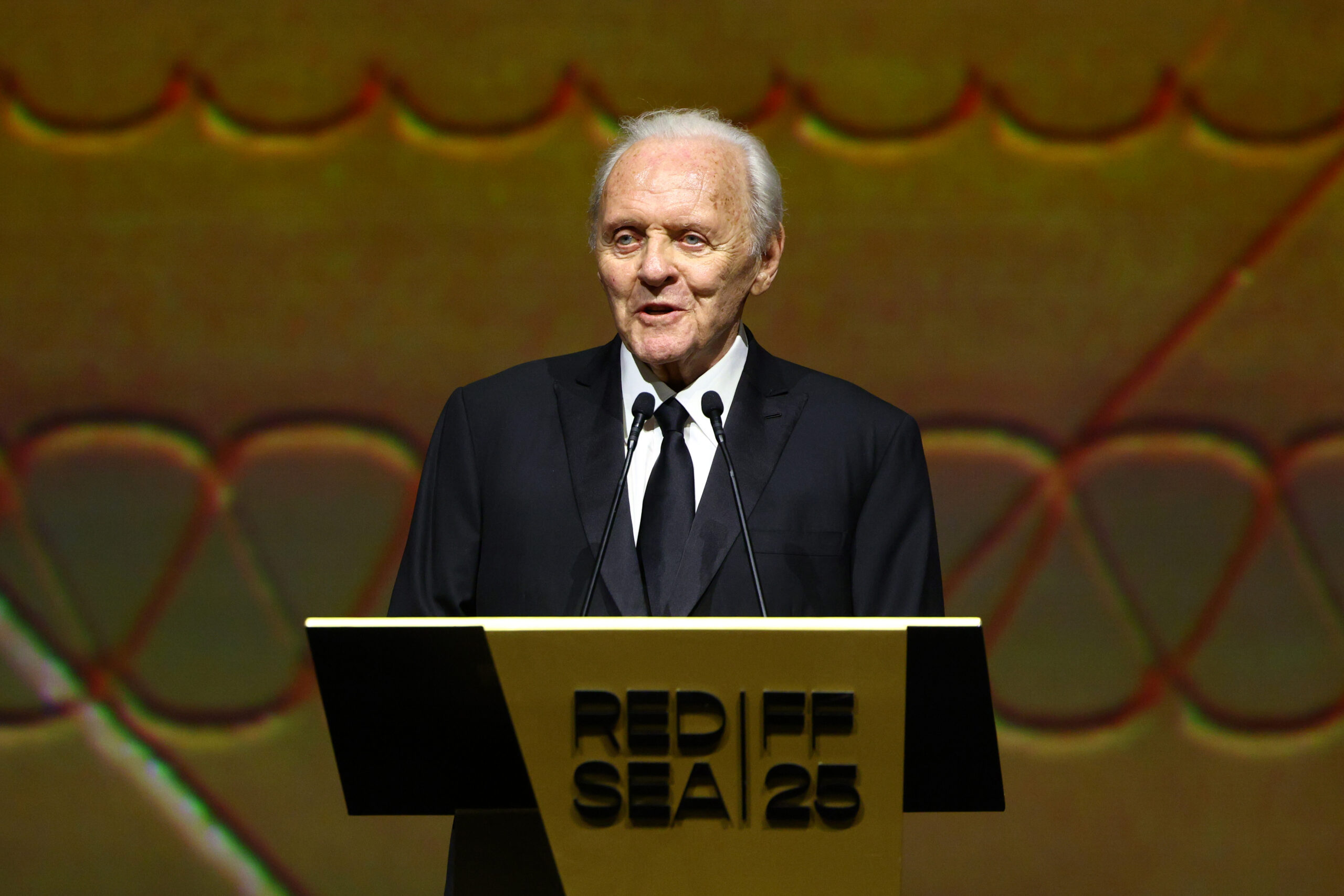
    Sir Anthony Hopkins, the celebrated actor with a career spanning over six decades, has officially signed a record deal with Decca Classics. This agreement confirms the forthcoming release of a new classical music album featuring Hopkins’ original compositions. The move underscores Hopkins’ long-standing, yet often less publicized, dedication to music as a composer and pianist.

    This new venture brings Hopkins’ musical artistry to the forefront, offering audiences a deeper insight into his creative range. The record deal with Decca Classics, a label synonymous with classical music excellence, positions his work within a respected canon. It represents a formal recognition of his contributions to the musical landscape.

    A Lifetime of Musical Passion

    Anthony Hopkins’ connection to music predates much of his acting fame. He studied music at the Royal Welsh College of Music & Drama, where he focused on piano performance. His early ambitions included a career as a concert pianist, a path he ultimately diverged from to pursue acting.

    Throughout his illustrious acting career, music remained a constant, albeit private, pursuit. Hopkins composed extensively, often using his personal time to develop musical pieces. These compositions frequently blended classical structures with a distinctive, often cinematic, emotional depth.

    One of his most notable compositions, ‘And the Waltz Goes On,’ gained significant recognition years after its creation. This piece was performed by the Dutch violinist and conductor André Rieu and his Johann Strauss Orchestra in 2011. Rieu’s performance introduced Hopkins’ compositional talent to a wider international audience, earning critical acclaim and popular appeal.

    The success of ‘And the Waltz Goes On’ demonstrated the viability and quality of Hopkins’ musical output. It also highlighted a demand for his work beyond the confines of film scores or personal enjoyment. This earlier success likely paved the way for the current record deal.

    Decca Classics: A Storied Label

    Decca Classics stands as one of the most prestigious record labels in classical music. Founded in 1929, the British label has a rich history of recording and promoting some of the world’s most renowned classical artists, orchestras, and composers. Its catalog features iconic performances and definitive recordings across various classical genres.

    The label’s commitment to artistic integrity and high production values has cemented its reputation. Signing with Decca Classics is a significant endorsement of Hopkins’ musical talent and the quality of his compositions. It places his work alongside that of legendary figures in classical music.

    Decca’s global reach ensures that Hopkins’ album will be distributed and promoted internationally. This broad platform will allow his classical compositions to reach listeners in numerous countries, expanding his artistic legacy beyond cinema.

    The Creative Process Behind the Album

    Details surrounding the new album indicate it will feature a collection of Hopkins’ original classical works. The compositions are expected to reflect his unique artistic voice, which often draws inspiration from his experiences and observations. His scores are known for their melodic richness and emotional resonance.

    The album’s production is anticipated to involve leading classical musicians and recording engineers. This collaboration will ensure the highest standard of performance and audio fidelity. The precise tracklist and collaborators are expected to be announced closer to the album’s release date.

    Hopkins has often described music as a deeply personal and therapeutic endeavor. His compositions are an extension of his inner world, offering a different form of storytelling than his acting roles. This album provides a direct channel for that personal expression.

    Listeners can anticipate a diverse range of pieces, potentially including solo piano works, chamber music, and orchestral compositions. The record deal offers Hopkins the opportunity to curate a comprehensive collection of his most cherished musical creations.

    From Screen to Score: A Dual Legacy

    Anthony Hopkins’ career has been defined by his transformative performances in film, television, and theatre. His portrayal of Hannibal Lecter in ‘The Silence of the Lambs’ earned him an Academy Award for Best Actor, cementing his status as a cinematic icon. He later received a second Academy Award for his role in ‘The Father.’

    His filmography includes acclaimed works such as ‘The Remains of the Day,’ ‘Nixon,’ ‘Amistad,’ and ‘Thor.’ These roles have showcased his remarkable ability to embody complex characters with depth and nuance. His acting legacy is robust and widely celebrated.

    The release of a classical music album adds another significant dimension to this legacy. It positions Hopkins not only as a master interpreter of others’ words and stories but also as an original creator of musical narratives. This dual artistry is rare among figures of his stature.

    The intersection of his acting and musical careers offers a unique perspective on his creative genius. Both disciplines demand a profound understanding of emotion, rhythm, and storytelling. His success in both fields speaks to a versatile and deeply artistic mind.

    The Broader Impact on Classical Music

    The involvement of a figure like Anthony Hopkins in classical music can generate renewed interest in the genre. His global recognition brings a wider audience to classical compositions, potentially introducing new listeners to the art form. This crossover appeal is valuable for classical labels like Decca.

    Celebrity involvement often sparks curiosity and encourages exploration beyond traditional boundaries. Hopkins’ album may inspire individuals who primarily know him from his films to explore classical music more broadly. This can contribute to the genre’s continued vitality and accessibility.

    Furthermore, his success as a composer may encourage other artists to pursue their diverse passions. It serves as a testament to the idea that creative expression is not limited to a single medium or discipline, regardless of age or established career path.

    The album’s release will be a cultural event, drawing attention from both music critics and film enthusiasts. This dual focus can amplify its impact and foster conversations about the nature of artistry and creative evolution.

    Anticipation for the Release

    The announcement of this record deal has generated considerable anticipation within both the music and film communities. Fans of Hopkins’ acting are eager to experience his musical side, while classical music aficionados are curious to hear the work of a celebrated artist venturing into their domain.

    Details regarding the album title, specific release date, and touring plans (if any) are expected to follow in the coming months. The marketing campaign for the album will likely highlight Hopkins’ unique journey from acclaimed actor to classical composer.

    This new chapter in Anthony Hopkins’ career underscores his profound artistic drive. It reinforces the idea that creativity knows no bounds, constantly seeking new avenues for expression. The record deal with Decca Classics ensures that his musical legacy will now be formally documented and shared with the world.

    Compositions developed. Orchestrations refined. Audiences await. Legacy expanded.

    Music.

  • Country Opener Claims Tour Removal Over ‘Satanic Imagery’

    Country Opener Claims Tour Removal Over ‘Satanic Imagery’

    A country music opening act has reportedly been removed from an upcoming tour with a prominent headliner. The dismissal, according to the opening act, was directly related to concerns over ‘Satanic imagery’ present in their stage show or artistic aesthetic. This incident immediately brings into focus the complex interplay between artistic expression, religious sensibilities, and commercial considerations within the country music industry.

    The situation underscores a recurring tension. Artists often push creative boundaries. Industry stakeholders and fan bases, particularly in genres with strong traditional roots, sometimes react with apprehension. This specific event adds a new chapter to the ongoing dialogue about where artistic freedom ends and perceived offense begins.

    Allegations of ‘Satanic Imagery’ Spark Controversy

    The core of the dispute centers on the opening act’s claim that their performance elements were labeled ‘Satanic.’ While specific details of the imagery remain undisclosed in initial reports, the accusation itself carries significant weight. Such a label can be particularly inflammatory within the country music genre, which often maintains strong ties to conservative and religious demographics.

    The perception of ‘Satanic imagery’ can vary widely. For some, it might involve overt symbols or themes. For others, it could be interpreted from darker aesthetics, lyrical content, or even abstract performance art. The subjective nature of such interpretations often fuels these controversies, making clear-cut definitions difficult to establish.

    Country Music’s Cultural Context

    Country music has historically been associated with themes of faith, family, and traditional American values. Its audience often includes a significant percentage of individuals who hold strong religious beliefs. This cultural landscape creates a unique environment where certain artistic expressions can be met with heightened scrutiny.

    An act perceived as incorporating ‘Satanic imagery’ could be seen as directly challenging these foundational values. This perception can lead to a rapid erosion of support from both the audience and potentially the industry. The incident reflects a clash between evolving artistic trends and established cultural expectations within the genre.

    Artistic Freedom Versus Commercial Reality

    Artists frequently employ symbolism and provocative themes to explore complex ideas or to cultivate a distinct brand. For the opening act, the imagery in question may be an integral part of their artistic identity, intended to evoke specific moods or messages rather than to promote any literal ‘Satanic’ agenda. Many artists view their work as a reflection of their creative vision, independent of external interpretations.

    However, the music industry operates within commercial realities. Tours are significant financial undertakings. Headliners and promoters aim to ensure a cohesive brand experience and avoid controversies that could alienate their fan base or jeopardize ticket sales and sponsorships. The decision to remove an act, therefore, often balances artistic considerations with business imperatives.

    The Headliner’s Perspective and Brand Protection

    While the opening act’s perspective is central to the controversy, the headliner’s position is also critical. A headliner’s brand is meticulously built over years. It encompasses their music, their public image, and the values they are perceived to represent. Any element of a tour, including opening acts, is generally expected to align with or at least not detract from this established brand.

    Concerns over ‘Satanic imagery’ could lead to significant backlash from a headliner’s audience. This backlash might manifest as boycotts, negative social media campaigns, or reduced concert attendance. For tour organizers, mitigating such risks becomes a priority. The removal of an opening act, in this context, can be framed as a strategic decision to protect the overall tour and the headliner’s reputation.

    Historical Parallels: Music and Moral Panics

    The history of music is replete with instances of moral panics and accusations of ‘Satanic’ or otherwise objectionable content. In the 1970s and 1980s, rock and heavy metal bands frequently faced protests and censorship efforts from religious and conservative groups. Artists like Ozzy Osbourne and Judas Priest were targeted with accusations of promoting occultism and influencing young listeners negatively.

    The Parents Music Resource Center (PMRC), founded in 1985 by figures including Tipper Gore, spearheaded a campaign against explicit lyrics. This led to the implementation of parental advisory labels on albums. While the specific targets and concerns have evolved, the underlying dynamic of perceived moral guardians challenging artistic expression remains a constant in cultural discourse. Each generation witnesses its own version of this conflict.

    The Role of Interpretation and Perception

    What one person perceives as benign artistic expression, another might interpret as deeply offensive or even dangerous. This divergence in interpretation is often at the heart of such disputes. The cultural and religious backgrounds of individuals heavily influence how they decode symbols and messages in art.

    For some, ‘Satanic imagery’ might be seen as a metaphorical exploration of darkness or rebellion. For others, it is a literal endorsement of evil. The entertainment industry navigates this complex landscape, often having to make decisions based on the broadest possible audience perception rather than the artist’s specific intent.

    Impact on the Opening Act’s Career Trajectory

    For the opening act, removal from a high-profile tour can have significant career repercussions. Such tours are invaluable opportunities for exposure, fan acquisition, and networking within the industry. Losing this platform can set back a developing artist’s career, impacting their visibility and potential for future engagements.

    The controversy itself can be a double-edged sword. While it generates headlines and discussion, it can also pigeonhole the artist or alienate potential fans and industry partners. Some artists embrace the controversy, using it to solidify a rebellious image and attract a niche audience that values their defiance. Others may find themselves struggling to overcome the negative perception generated by such claims.

    The Broader Debate on Artistic Freedom

    The incident reignites the perennial debate surrounding artistic freedom. While artists generally claim the right to express themselves without censorship, this right in a commercial context is often balanced against the rights and expectations of venues, promoters, and audiences. The line between creative expression and commercial viability can be thin and often contested.

    This situation prompts questions about the responsibilities of artists to their audience and the responsibilities of the industry to foster diverse artistic voices. It forces a discussion on whether a commercial entity has the right to dictate or censor an artist’s expression for the sake of brand protection or audience comfort. These are not new questions, but they are continuously re-evaluated with each new cultural flashpoint.

    Social Media’s Amplifying Effect

    In the present digital age, such disputes are rarely confined to private discussions. Social media platforms provide artists, fans, and critics immediate avenues to voice their opinions, share information, and mobilize support or opposition. The opening act’s decision to publicly disclose the reason for their removal is a strategic use of these platforms.

    Online discourse can quickly amplify the controversy, drawing national attention and shaping public perception. This can put immense pressure on all parties involved, potentially influencing outcomes that might have otherwise remained private. The speed and reach of social media ensure that these cultural clashes play out in a very public arena.

    Future Implications for Industry Practices

    This event may lead to increased scrutiny of opening acts and their stage presentations during the booking process. Tour contracts might become more explicit, outlining acceptable themes, imagery, or performance elements. Artists may be required to provide more detailed descriptions or even video footage of their live shows in advance.

    Conversely, the incident could embolden artists to maintain their creative integrity, even in the face of commercial pressure. It might also encourage a segment of the audience to seek out and support artists who challenge conventions. The long-term effects will depend on how the industry, artists, and audiences react to this and similar future controversies.

    Artists create. Industries promote. Audiences consume. Values collide.

    Music.