Tag: Entertainment

  • John Wick Producer Sued Over Alleged Donnie Yen, Michelle Yeoh Double Cross

    John Wick Producer Sued Over Alleged Donnie Yen, Michelle Yeoh Double Cross

    A producer associated with the highly successful ‘John Wick’ film series is currently embroiled in a lawsuit. The legal filing alleges a ‘double cross’ concerning prominent actors Donnie Yen and Michelle Yeoh. This development underscores the intricate contractual agreements and financial stakes prevalent in the global film industry.

    The specific details of the lawsuit remain under close scrutiny. Industry observers anticipate further revelations as the legal process unfolds. Such disputes are not uncommon in Hollywood, particularly when dealing with major franchises and sought-after international talent.

    The Allegations at Hand

    The core of the lawsuit, as reported on 2026-07-16, revolves around accusations of a ‘double cross.’ This term typically implies a betrayal of trust or a breach of an understanding, often for financial gain. The plaintiffs allege that the ‘John Wick’ producer engaged in actions that disadvantaged Donnie Yen and Michelle Yeoh, or projects they were involved in.

    While specific projects or financial figures have not been publicly detailed, the involvement of two actors of this caliber suggests significant commercial implications. Contracts for such stars often include complex clauses regarding compensation, profit participation, and creative control. Any deviation from these terms can quickly escalate into a legal battle.

    The legal documents will likely outline the timeline of events, the nature of the agreements, and the alleged breaches. Lawyers for both sides will present their interpretations of these contracts and the producer’s conduct.

    Who Are Donnie Yen and Michelle Yeoh?

    Donnie Yen and Michelle Yeoh are globally recognized figures in action cinema and beyond. Their careers span decades, marked by critically acclaimed performances and commercial successes.

    Donnie Yen: Master of Martial Arts Cinema

    Donnie Yen is a Hong Kong actor, martial artist, and filmmaker. He is widely regarded as one of the world’s top action stars. Yen’s filmography includes a diverse range of roles, often showcasing his expertise in various martial arts disciplines.

    His breakout role came in the 1990s. However, he achieved widespread international fame with the ‘Ip Man’ film series, beginning in 2008. In these films, he portrays the Wing Chun grandmaster Ip Man, mentor to Bruce Lee.

    Yen has also appeared in major Hollywood productions. These include ‘Blade II’ (2002), ‘xXx: Return of Xander Cage’ (2017), and ‘Rogue One: A Star Wars Story’ (2016). His role as Chirrut Îmwe in ‘Rogue One’ introduced him to a new generation of global audiences.

    His involvement in any project signals a certain level of action choreography and dramatic intensity. This makes him a valuable asset for producers seeking to create high-octane entertainment.

    Michelle Yeoh: A Global Icon

    Michelle Yeoh is a Malaysian actress known for her versatility and groundbreaking roles. She first rose to prominence in 1990s Hong Kong action films, performing many of her own stunts.

    Yeoh’s international breakthrough came with the James Bond film ‘Tomorrow Never Dies’ (1997). She then starred in Ang Lee’s critically acclaimed martial arts film ‘Crouching Tiger, Hidden Dragon’ (2000). Her performance as Yu Shu Lien earned her global recognition and numerous awards.

    In recent years, Yeoh has experienced a career resurgence with diverse roles. She starred in the romantic comedy ‘Crazy Rich Asians’ (2018). Her performance in ‘Everything Everywhere All at Once’ (2022) garnered her an Academy Award for Best Actress. This made her the first Asian woman to win in that category.

    Yeoh’s career trajectory demonstrates her ability to move seamlessly between action, drama, and comedy. Her presence in a film often elevates its artistic and commercial appeal.

    The ‘John Wick’ Franchise Connection

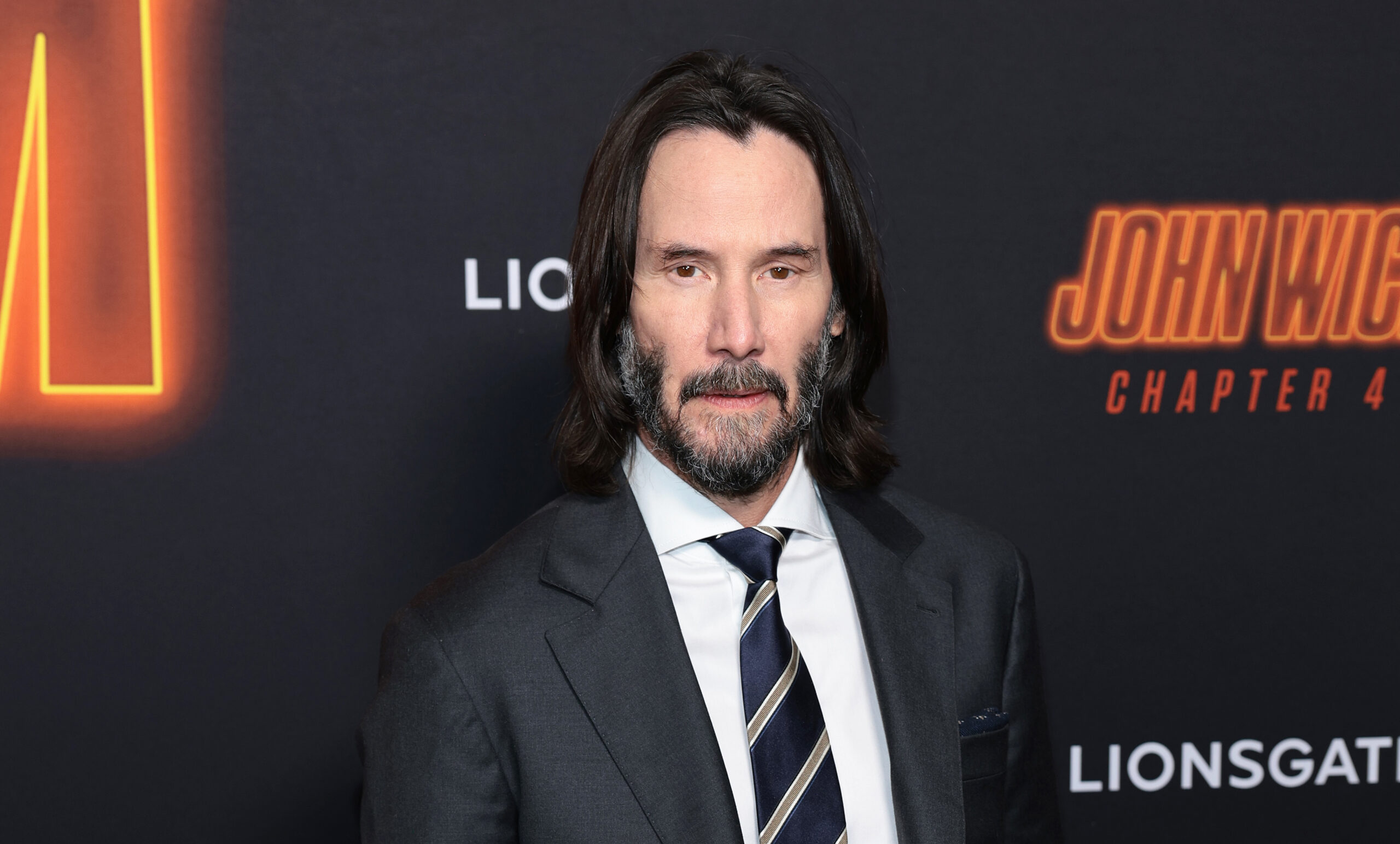
    The lawsuit explicitly names a ‘John Wick’ producer. The ‘John Wick’ franchise is a highly successful action series known for its intricate world-building, stylized violence, and compelling lead performance by Keanu Reeves.

    The franchise began with ‘John Wick’ in 2014. It has since expanded to include ‘John Wick: Chapter 2’ (2017), ‘John Wick: Chapter 3 – Parabellum’ (2019), and ‘John Wick: Chapter 4’ (2023). The films have collectively grossed over $1 billion worldwide.

    The success of ‘John Wick’ has led to various spin-offs and expanded universe projects. These include the television series ‘The Continental’ and the upcoming film ‘Ballerina.’ Producers associated with such a valuable intellectual property often have significant influence and financial interests across multiple projects.

    The involvement of a ‘John Wick’ producer in this lawsuit highlights the interconnected nature of Hollywood. Producers often work across various films and studios, leveraging their networks and capital.

    Previous Legal Precedents in Hollywood

    Hollywood has a long history of high-profile legal disputes between talent and studios or producers. These cases often reveal the complex financial structures and power dynamics within the industry.

    • Scarlett Johansson vs. Disney: In 2021, Scarlett Johansson sued Disney over the hybrid release of ‘Black Widow.’ She alleged that the simultaneous theatrical and Disney+ release breached her contract, which tied her compensation to box office performance. The parties settled the dispute.
    • Frank Darabont vs. AMC: ‘The Walking Dead’ creator Frank Darabont sued AMC in 2013 over profit participation. He alleged that the network used

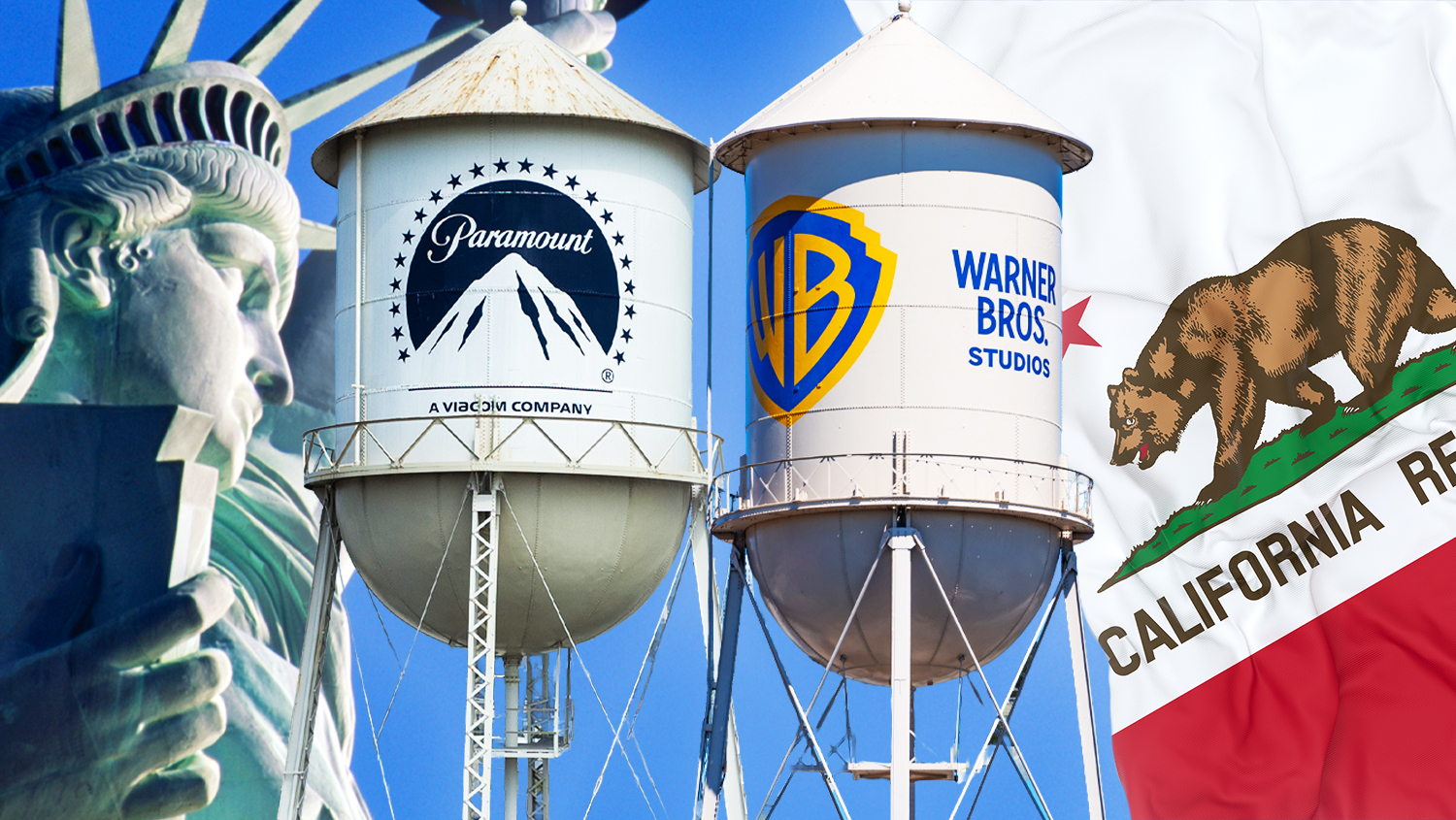
  • Democratic AGs Challenge Paramount-Warner Bros. Merger, Legal Battle Escalates

    Democratic AGs Challenge Paramount-Warner Bros. Merger, Legal Battle Escalates

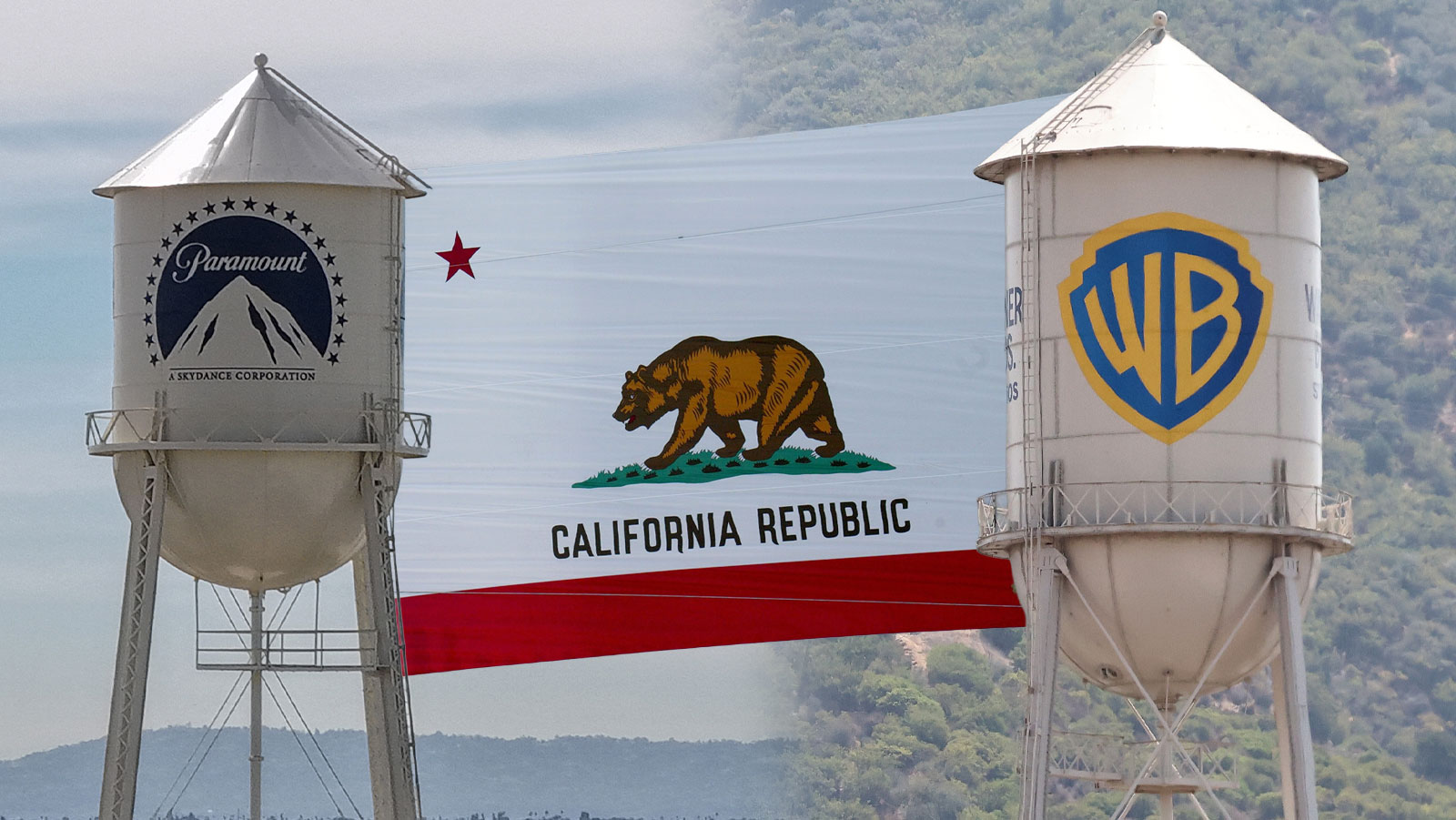
    A coalition of Democratic State Attorneys General has filed a lawsuit seeking to block the proposed merger between Paramount Global and Warner Bros. Discovery. This legal action targets the consolidation of two major media entities, citing concerns about market concentration and potential anti-competitive practices within the entertainment industry.

    The lawsuit contends that combining Paramount Global, which owns brands like CBS, MTV, and Paramount Pictures, with Warner Bros. Discovery, home to HBO, CNN, and Warner Bros. film studios, would result in an entity with excessive market power. Such a merger, the Attorneys General argue, could stifle competition, limit consumer choices, and negatively impact content creators and distributors.

    The Proposed Merger: A Media Giant in the Making

    The discussions surrounding a potential merger between Paramount Global and Warner Bros. Discovery gained significant public attention throughout late 2025 and early 2026. David Zaslav, CEO of Warner Bros. Discovery, and Shari Redstone, controlling shareholder of Paramount Global through National Amusements, were key figures in these preliminary talks.

    The stated aim of the merger was to create a more robust and competitive media company capable of challenging industry leaders like Disney, Netflix, and Amazon. Proponents argued that a combined entity would achieve greater scale, streamline operations, and enhance its ability to invest in premium content across various platforms, including streaming services like Paramount+ and Max.

    The potential synergies were considerable. Warner Bros. Discovery boasts an extensive library of films and television shows, alongside news and sports assets. Paramount Global brings a broadcast network, a major film studio, and a diverse portfolio of cable channels. A merger would unite these assets, creating a formidable content catalog and distribution network.

    Antitrust Concerns Emerge

    From the outset, the prospect of such a large-scale merger drew immediate scrutiny from antitrust regulators and consumer advocacy groups. Critics voiced worries that the combination would reduce the number of major players in an already concentrated market.

    Concerns spanned multiple facets of the media ecosystem. These included film production and distribution, television programming, news broadcasting, and the rapidly growing direct-to-consumer streaming sector. Regulators focused on how a merged company might leverage its combined assets to disadvantage smaller competitors or impose unfavorable terms on advertisers and content partners.

    The U.S. Department of Justice (DOJ) and the Federal Trade Commission (FTC) have both signaled an increased willingness to challenge large corporate mergers under the Trump administration, particularly those that could lead to reduced competition. This reflects a broader policy shift towards more aggressive antitrust enforcement.

    The Democratic AGs’ Lawsuit

    The lawsuit filed by the coalition of Democratic State Attorneys General represents a significant escalation in the opposition to the merger. This group includes Attorneys General from states such as California, New York, Illinois, and Massachusetts, among others. Their complaint was filed in a federal district court, citing violations of federal antitrust statutes, specifically the Clayton Act.

    The core argument of the lawsuit centers on the claim that the merger would substantially lessen competition in several relevant markets. These markets include:

    • Streaming Video Services: The combined subscriber base and content libraries of Paramount+ and Max would create a dominant force, potentially limiting choices and increasing prices for consumers.
    • Film Production and Distribution: The merger would reduce the number of major Hollywood studios, impacting independent filmmakers and the diversity of cinematic releases.
    • Television Advertising: A larger entity would control a greater share of advertising inventory across broadcast and cable networks, potentially leading to higher ad rates for businesses.
    • Content Licensing: The merged company would have immense leverage in licensing its content to third-party platforms, potentially dictating terms or withholding content to bolster its own services.

    The Attorneys General contend that the merger would harm consumers through higher prices, fewer innovative offerings, and reduced content diversity. They also argue that it would negatively impact workers in the media industry, from actors and writers to production crews, by consolidating employer power.

    Precedents and Regulatory Landscape

    The legal challenge against the Paramount-Warner Bros. Discovery merger is not unprecedented. Antitrust enforcement in the media sector has a long history.

    One notable precedent is the DOJ’s attempt to block the AT&T acquisition of Time Warner in 2017. The DOJ argued that the vertical merger would give AT&T too much leverage over rival distributors. While a federal court ultimately allowed that merger to proceed, the case highlighted the government’s willingness to challenge complex media deals.

    More recently, the Biden administration, and now the Trump administration, have emphasized a more robust approach to antitrust. Lina Khan, Chair of the Federal Trade Commission (FTC), has been a vocal critic of corporate consolidation, particularly in technology and media. While the FTC primarily handles consumer protection and some antitrust matters, the DOJ, which traditionally handles challenges to mergers of this scale, has also adopted a more aggressive stance.

    State Attorneys General have also become increasingly active in antitrust enforcement, often collaborating with federal agencies or launching independent actions. This coordinated approach, or sometimes parallel investigations, signals a broad governmental pushback against perceived monopolistic practices.

    Impact on the Entertainment Industry

    The lawsuit introduces significant uncertainty into the future of the proposed Paramount-Warner Bros. Discovery merger. Mergers of this magnitude typically involve billions of dollars and years of strategic planning. A protracted legal battle could delay or even derail the entire deal.

    Should the Attorneys General succeed, it would send a strong message to other media companies considering large-scale consolidation. It could lead to a more cautious approach to mergers and acquisitions across the industry, potentially fostering greater competition among existing players.

    Conversely, if the merger is eventually approved, either by overcoming the lawsuit or through a settlement, it would create a new media behemoth. This would reshape the competitive landscape, potentially triggering further consolidation among remaining independent entities seeking to achieve similar scale.

    The outcome also holds implications for consumers. Reduced competition could lead to fewer choices, higher subscription fees for streaming services, and a more homogenized content offering. Conversely, proponents argue that a stronger combined entity could invest more in high-quality productions, ultimately benefiting viewers.

    The Argument for Consolidation

    Executives at Paramount Global and Warner Bros. Discovery, along with their financial advisors, have consistently argued that the merger is essential for their long-term viability in a rapidly changing media environment. They point to the intense competition from tech giants like Apple and Amazon, which have deep pockets and are investing heavily in original content.

    They also highlight the declining linear television audience and the shift towards streaming. To compete effectively, they argue, scale is paramount. A larger entity can spread the costs of content creation, invest more in technology, and negotiate better terms with advertisers and distributors globally.

    Furthermore, they might contend that the relevant market is much broader than what the Attorneys General define. They would argue that consumers have an abundance of entertainment options, from social media to video games, and that even a combined Paramount-Warner Bros. Discovery would face stiff competition for audience attention and advertising dollars.

    The companies would likely emphasize that the merger would lead to efficiencies that could benefit consumers through better service and more diverse content, rather than higher prices or reduced choice. They would also point to potential job creation in new content ventures, despite initial consolidation-related layoffs.

    The Road Ahead

    The lawsuit will now proceed through the federal court system. This process typically involves discovery, where both sides exchange evidence, followed by motions and potentially a trial. The Attorneys General will need to demonstrate that the merger is likely to cause substantial harm to competition in specific markets.

    Paramount Global and Warner Bros. Discovery will vigorously defend their proposed merger. They will present economic analyses and expert testimony to counter the claims of anti-competitiveness. They may also explore potential remedies, such as divestitures of certain assets, to appease regulators, although the Attorneys General’s filing suggests they are seeking a full block of the deal.

    The legal proceedings could extend for many months, if not longer. The outcome will depend on how the courts interpret existing antitrust law in the context of a dynamic and evolving media industry. The decision will not only affect the two companies involved but will also set a precedent for future merger activity across the entire entertainment sector.

    State Attorneys General took action. Federal regulators observed. The media industry waited.

    The courts will decide.

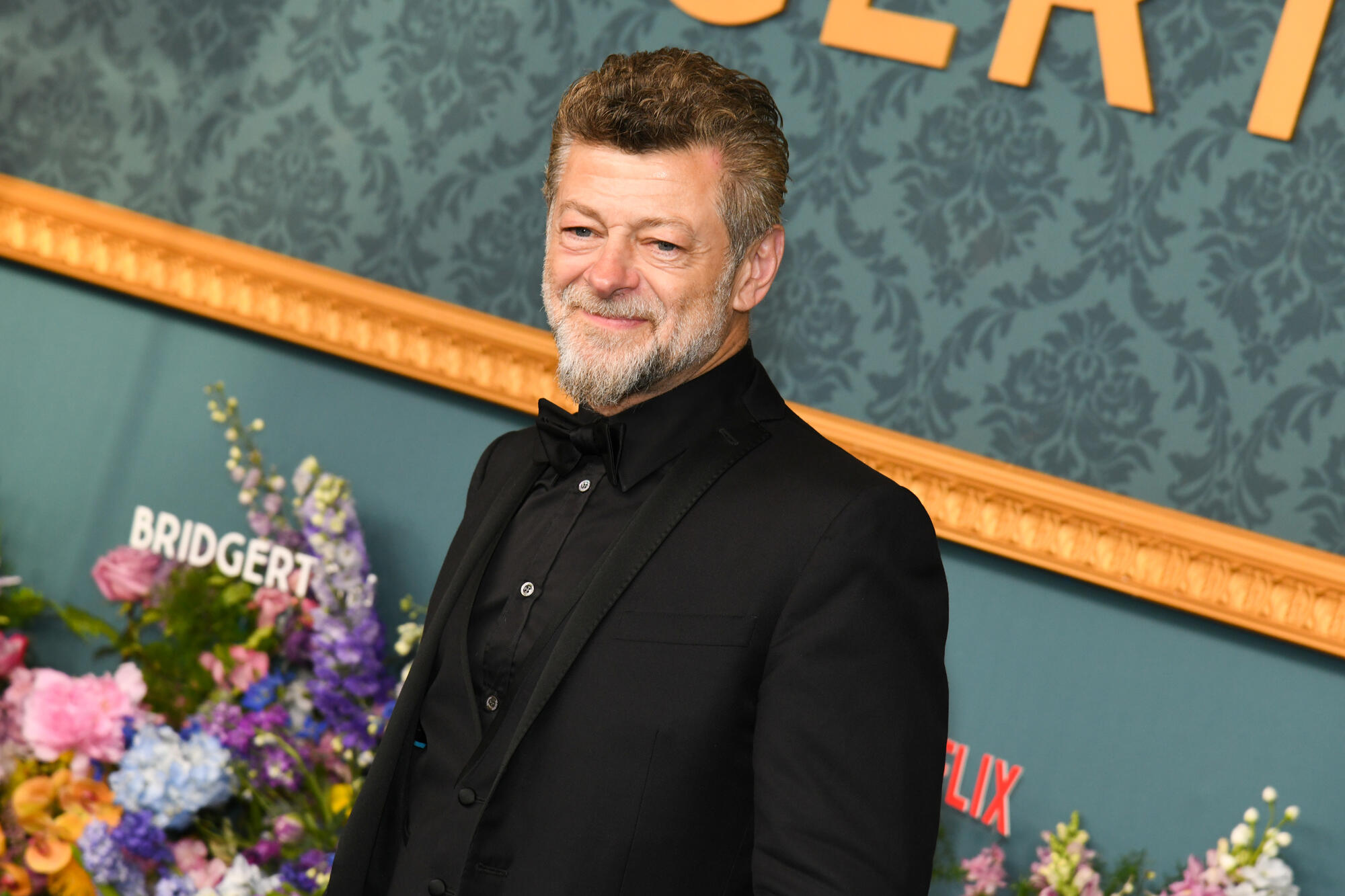
  • Andy Serkis on Lord of the Rings Casting – Denies ‘Politically Correct’ Approach

    Andy Serkis on Lord of the Rings Casting – Denies ‘Politically Correct’ Approach

    Serkis Addresses Casting Controversy

    Andy Serkis, the director behind a forthcoming adaptation in the ‘Lord of the Rings’ universe, recently responded to inquiries about the predominantly white cast. Serkis explicitly stated that his production would not pursue ‘politically correct casting for the sake of casting.’ This declaration has drawn significant attention from both fantasy enthusiasts and commentators on cultural representation in media.

    His comments arrived amidst ongoing industry discussions regarding diversity and inclusion in major film and television productions. The ‘Lord of the Rings’ franchise, with its global fanbase, frequently becomes a focal point for such conversations. Serkis’s stance offers a clear perspective on the casting philosophy guiding his current project.

    The Director’s Statement

    The core of the controversy stems from Serkis’s direct quote. He indicated a deliberate choice to prioritize specific artistic and narrative considerations. This approach, he suggested, would steer clear of what he termed ‘politically correct casting.’

    The statement implies a resistance to external pressures that might dictate casting decisions based on demographic quotas rather than character suitability. Serkis’s remarks were made public on July 15, 2026, and quickly circulated across entertainment news platforms.

    Context of Casting in Fantasy

    Casting in fantasy adaptations has become a recurring subject of debate. Productions like Amazon’s ‘The Lord of the Rings: The Rings of Power’ and Netflix’s ‘The Witcher’ have previously faced scrutiny over their casting choices. Discussions often revolve around fidelity to source material versus modern calls for broader representation.

    Proponents of diverse casting argue for the importance of seeing varied ethnic backgrounds reflected in popular narratives. They suggest that fantasy, as a genre, offers unique opportunities to transcend traditional historical or geographical limitations. This perspective emphasizes that a diverse cast can enrich a story and make it more accessible to a wider audience.

    Conversely, some fans and creators advocate for strict adherence to the perceived racial or ethnic descriptions of characters within the original texts. They argue that altering established character appearances can undermine the integrity of the source material. This viewpoint often prioritizes a literal interpretation of the author’s vision.

    Serkis’s Creative Vision

    Andy Serkis is widely recognized for his extensive work in motion-capture performance, particularly his iconic portrayal of Gollum in Peter Jackson’s ‘Lord of the Rings’ and ‘Hobbit’ trilogies. His directorial experience includes ‘Mowgli: Legend of the Jungle’ and ‘Venom: Let There Be Carnage.’

    His background suggests a deep understanding of the technical and narrative demands of large-scale fantasy productions. Serkis’s current project in the ‘Lord of the Rings’ universe is anticipated to bring his unique vision to Middle-earth. The specific details of this adaptation, including its precise plot and release window, remain largely under wraps.

    Fan Reactions and Industry Implications

    The director’s comments have elicited a polarized response among the ‘Lord of the Rings’ fanbase. Some individuals have expressed support for Serkis’s commitment to what they perceive as artistic freedom and fidelity to J.R.R. Tolkien’s original works. They view his statement as a welcome pushback against what they consider to be undue external influence on creative processes.

    Other segments of the fanbase and broader public have voiced disappointment or criticism. These responses often highlight the perceived missed opportunity to introduce more diverse representation into a globally beloved franchise. Critics argue that even within fantasy, opportunities exist to expand character portrayals without compromising narrative quality.

    The entertainment industry continues to navigate these complex issues. Major studios and streaming platforms are increasingly aware of audience expectations regarding representation. However, creative teams often grapple with balancing these expectations against artistic interpretation and commercial viability.

    The Legacy of Tolkien’s World

    J.R.R. Tolkien’s ‘The Lord of the Rings’ was first published in 1954 and 1955. It established a foundational mythology for modern fantasy literature. The world of Middle-earth, with its intricate history, languages, and cultures, has inspired countless subsequent works.

    The textual descriptions of characters within Tolkien’s legendarium are frequently cited in discussions about casting. While some descriptions are explicit, others are open to interpretation. This ambiguity often fuels the ongoing debates about how best to translate the written word to the screen.

    The enduring popularity of the ‘Lord of the Rings’ ensures that any new adaptation will face intense scrutiny. Every creative decision, particularly concerning sensitive topics like casting, is subject to widespread public discourse. Serkis’s recent remarks underscore this reality.

    Future of the Project

    As of July 15, 2026, the specific production timeline and distribution details for Serkis’s ‘Lord of the Rings’ project are not fully public. The project is understood to be in active development, with further announcements expected in the coming months.

    The casting controversy may shape future public relations strategies for the production. It also serves as a case study in the ongoing tension between artistic autonomy and societal expectations regarding media representation. The conversation surrounding Serkis’s comments reflects broader cultural currents.

    Beyond the Immediate Reaction

    The discussion surrounding ‘politically correct casting’ extends beyond individual projects. It touches on fundamental questions about artistic ownership, audience expectations, and the role of popular culture in shaping societal norms. These debates are unlikely to diminish as media consumption habits continue to evolve.

    Filmmakers like Serkis are at the forefront of these discussions. Their choices and public statements contribute to the ongoing dialogue. The outcomes of these creative decisions ultimately influence how diverse audiences engage with and perceive iconic fictional worlds.

    Fans debate. Critics analyze. Productions continue. The world of Middle-earth endures.

  • Brianna ‘Chickenfry’ LaPaglia’s Claims – The Alleged Jelly Roll Divorce

    Brianna ‘Chickenfry’ LaPaglia’s Claims – The Alleged Jelly Roll Divorce

    On July 15, 2026, Brianna ‘Chickenfry’ LaPaglia publicly asserted that musical artist Jelly Roll had filed for divorce against his wife, Bunnie Xo. These claims have rapidly circulated through entertainment news platforms, placing the high-profile relationship of the ‘rising traditionalist artists’ under immediate public scrutiny. LaPaglia’s statements, made public through reports from Page Six, have ignited a significant celebrity dispute.

    This situation engages audiences across social media. Fans of country music and celebrity gossip are actively following developments. The entertainment industry is closely monitoring the unfolding situation.

    The Origin of the Claims

    Brianna ‘Chickenfry’ LaPaglia’s statements emerged on July 15, 2026. Page Six reported that LaPaglia explicitly stated Jelly Roll had filed for divorce from Bunnie Xo. She reportedly cited “unspecified issues” as the cause for the alleged marital breakdown.

    These claims were made without further immediate substantiation beyond LaPaglia’s assertion. The allegations quickly prompted a wave of online discussion. Speculation regarding the couple’s relationship status intensified across various platforms.

    As of July 16, 2026, neither Bunnie Xo nor Jelly Roll has issued an official comment. Their representatives also remained silent on the matter. This lack of direct confirmation or denial has fueled further public curiosity.

    Who Are Jelly Roll and Bunnie Xo?

    Bunnie Xo, legally known as Alisa DeFord, and Jelly Roll, born Jason DeFord, are a prominent couple within the music scene. They married in 2016. Both artists have cultivated considerable followings through their respective work and public personas.

    Jelly Roll has achieved mainstream success in both country and rock genres. His music often explores themes of redemption and personal struggle. Bunnie Xo is widely recognized for her podcast, “Dumb Blonde,” and her significant online presence. She often discusses personal experiences and offers advice to her audience.

    Their relationship has frequently been portrayed publicly as strong and supportive. This public image contrasts sharply with LaPaglia’s recent allegations. Prior to these claims, the couple’s social media accounts showed no overt signs of marital discord. Their public interactions often highlighted mutual admiration and partnership.

    Jelly Roll’s Career Trajectory

    Jelly Roll’s musical journey began in hip-hop. He later transitioned into country and rock, gaining critical acclaim and commercial success. His album releases have consistently charted. He has received awards for his contributions to the country music genre.

    His public persona often emphasizes authenticity and overcoming adversity. This narrative resonates with a broad audience. His concerts frequently sell out, demonstrating his significant fan base.

    Bunnie Xo’s Public Platform

    Bunnie Xo has built a substantial platform through her podcast and social media. Her content often features candid discussions about her life experiences. She has garnered a loyal following for her open and direct communication style.

    Her work extends beyond podcasting to include various business ventures. She is also known for her philanthropic efforts. Her influence in the digital space is considerable, making her a key figure in online culture.

    Industry and Public Reaction

    The entertainment industry is closely monitoring the unfolding situation. Public figures often comment on the personal lives of others. However, direct claims of divorce are less common without prior official announcements from the involved parties.

    LaPaglia’s statements have generated questions regarding their source and veracity. Media outlets are actively awaiting responses from Bunnie Xo and Jelly Roll’s representatives. The impact of these claims on the couple’s professional careers and personal lives remains a central point of interest.

    The public’s engagement highlights the intense focus on celebrity relationships. Social media platforms are abuzz with discussions, theories, and reactions. Fans are divided between those who believe the claims and those who dismiss them as baseless rumors.

    The Role of Social Media

    Social media plays a critical role in the rapid dissemination of such claims. Posts and comments quickly amplify allegations. This creates a fast-moving narrative that can be difficult to control or correct.

    Celebrities often use these platforms to connect with fans. However, they also become sites for intense public scrutiny and speculation. The absence of official statements can leave a vacuum filled by unofficial reports and fan theories.

    Impact on Public Perception

    Claims of marital discord, whether true or false, can significantly impact public perception. The image of a couple can shift rapidly based on such allegations. This affects both their personal lives and their professional brands.

    For artists like Jelly Roll and Bunnie Xo, whose public personas are intertwined with their relationship, such claims carry particular weight. The resolution of this public dispute will likely shape perceptions of all involved parties.

    The Developing Story: What Comes Next

    This remains a developing story as of July 16, 2026. Further details regarding Brianna ‘Chickenfry’ LaPaglia’s claims are anticipated. Any official statements from Bunnie Xo or Jelly Roll will be crucial in clarifying the situation.

    The timeline and circumstances surrounding these allegations continue to evolve. Fans and media alike are watching for confirmation or denial. The truth of the matter remains unconfirmed.

    The public awaits. The industry watches. The speculation continues.

    The answer.

  • Todd Blanche and the DOJ: Scrutiny Over Paramount-Warner Bros. Discovery Merger

    Todd Blanche and the DOJ: Scrutiny Over Paramount-Warner Bros. Discovery Merger

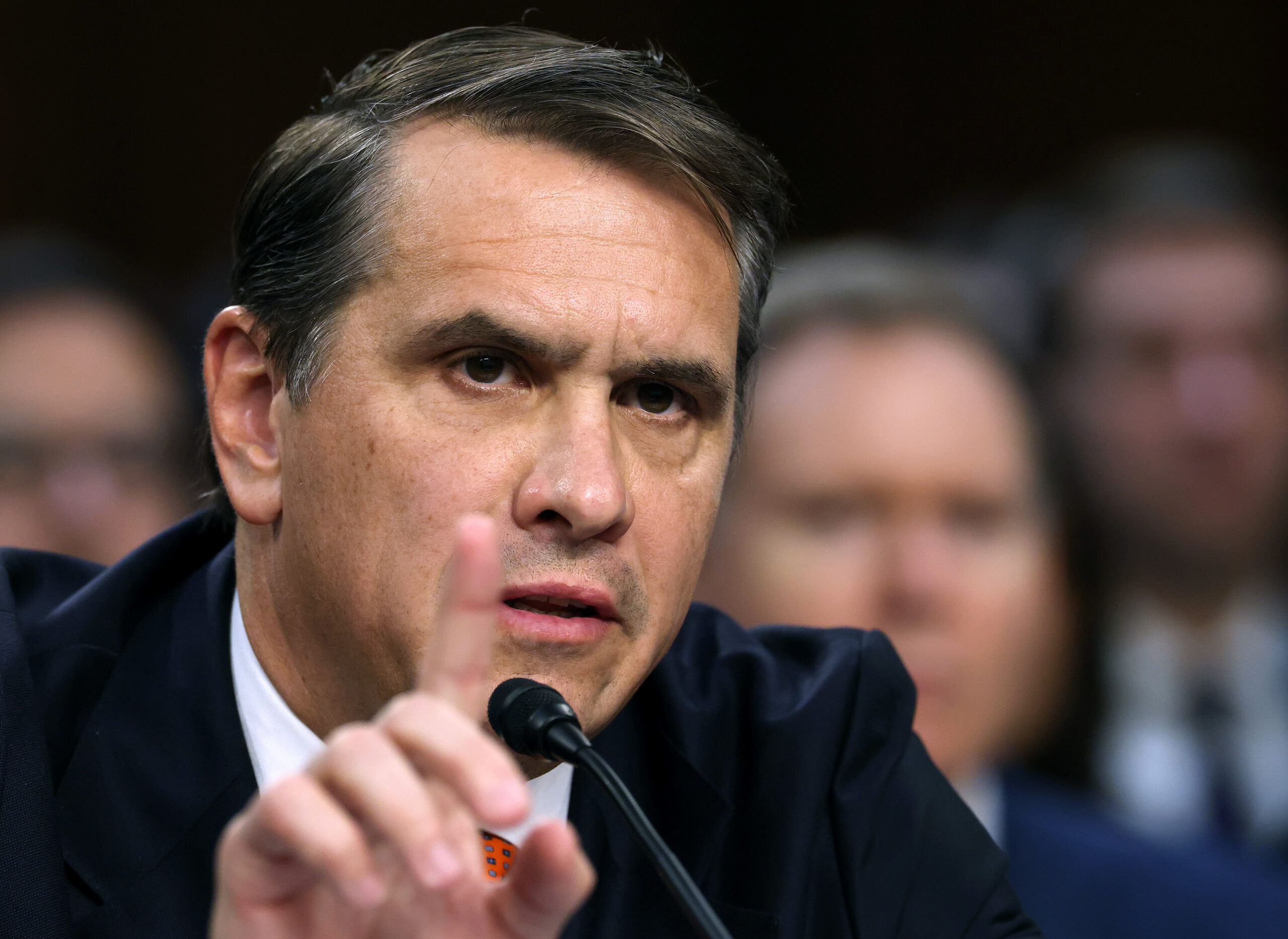
    Attorney General nominee Todd Blanche recently confirmed his direct involvement in the Department of Justice’s decision to greenlight the merger between Paramount Skydance and Warner Bros. Discovery. This admission came during his confirmation hearings, where senators questioned the potential implications of such a significant consolidation in the media industry.

    The confirmation hearings for a presidential cabinet nominee often bring past decisions into sharp focus. For Blanche, the approval of a major media merger has become a central point of inquiry.

    His statement, “I was part of that decision,” has drawn particular attention. It places his judgment and understanding of antitrust principles under intense scrutiny.

    The Context of the Merger

    The proposed merger between Paramount Skydance and Warner Bros. Discovery represents a significant consolidation within the entertainment and media landscape. Both companies control extensive libraries of content, production studios, and distribution platforms.

    Analysts have widely discussed the potential for such a merger to reshape the competitive dynamics of the industry. Concerns often revolve around reduced consumer choice and increased pricing power for the merged entity.

    The Department of Justice’s role in reviewing large mergers is to assess their potential impact on market competition. Antitrust laws aim to prevent monopolies and ensure a fair marketplace for businesses and consumers alike.

    Blanche’s Role at the DOJ

    Before his nomination for Attorney General, Todd Blanche served in various capacities within the Department of Justice. His experience included roles pertinent to antitrust enforcement and corporate regulation.

    His specific involvement in the Paramount-Warner Bros. Discovery merger decision stemmed from his position within the DOJ’s antitrust division. This division is responsible for investigating mergers and acquisitions that could harm competition.

    The decision to approve such a large transaction requires extensive review. It involves economic analysis, legal interpretation, and consideration of market precedents.

    Confirmation Hearing Scrutiny

    During his confirmation hearings, senators pressed Blanche on the specifics of the merger approval. They questioned the rationale behind the decision and its potential long-term consequences.

    One primary concern raised by lawmakers was the increasing concentration of media ownership. Critics argue that fewer, larger media companies could stifle independent voices and limit diverse content production.

    Senators also inquired about the potential impact on consumers. Questions arose about subscription prices, content availability, and the overall quality of entertainment offerings in a less competitive market.

    Questions of Market Power

    The combined entity of Paramount and Warner Bros. Discovery would possess substantial market power. This includes control over film studios, television networks, streaming services, and extensive intellectual property.

    Lawmakers expressed worries that this concentration could lead to anti-competitive practices. These might include bundling services, favoring their own content, or disadvantaging smaller competitors.

    Blanche was asked to elaborate on the safeguards, if any, that the Department of Justice put in place. The goal was to mitigate these potential negative effects following the merger’s approval.

    Implications for the Antitrust Landscape

    The debate surrounding this merger and Blanche’s involvement highlights broader discussions about antitrust enforcement in the current economic climate. Many argue for more robust antitrust measures to address the power of large corporations.

    The technology and media sectors, in particular, have seen a wave of consolidation. This trend has fueled calls for stricter regulatory oversight from both sides of the political spectrum.

    Blanche’s confirmation process offers a platform for these discussions. It allows senators to articulate their expectations for the DOJ’s approach to competition policy under his potential leadership.

    The Future of Media Competition

    The media industry is undergoing rapid transformation, driven by streaming services and changing consumption habits. Mergers like Paramount-Warner Bros. Discovery are often presented as necessary for companies to compete in this evolving landscape.

    However, critics contend that such arguments often mask a desire for increased market dominance. They argue that true innovation and consumer benefit thrive in a more fragmented and competitive environment.

    The Department of Justice’s decision in this case sets a precedent. It signals the agency’s stance on media consolidation at a critical juncture for the industry.

    Public and Industry Reaction

    The news of Blanche’s confirmation regarding his role in the merger decision has resonated within the industry. Media watchdogs and public interest groups have voiced their perspectives.

    Some industry executives argue that such mergers are essential for survival. They cite the need for scale to invest in content and technology to compete with global giants.

    Conversely, consumer advocacy groups have expressed alarm. They worry about the potential for reduced content diversity, higher prices, and a less vibrant media ecosystem.

    The public reaction, though varied, largely reflects a growing concern about corporate power. It shows a desire for government agencies to protect consumer interests.

    Looking Ahead to Blanche’s Tenure

    Should Todd Blanche be confirmed as Attorney General, his past decisions will continue to inform his future actions. His approach to antitrust enforcement will be closely watched.

    The Department of Justice plays a critical role in shaping the economic landscape. Its decisions on mergers, monopolies, and market practices have far-reaching effects on businesses and everyday citizens.

    Blanche’s confirmation hearings serve as a crucial public forum. They allow for an examination of his judicial philosophy, his understanding of complex legal issues, and his commitment to public service.

    The grilling over the Paramount-Warner Bros. Discovery merger is more than just a review of one past decision. It is an indicator of the challenges Blanche would face in leading the Department of Justice.

    Senators probed. The nominee answered. The public observed. The future of antitrust enforcement hangs in the balance.

  • Banijay and Mediawan Eye Lionsgate Studios – A Hollywood Power Shift

    Banijay and Mediawan Eye Lionsgate Studios – A Hollywood Power Shift

    The Shifting Sands of Hollywood Ownership

    European media conglomerates Banijay and Mediawan are reportedly exploring a joint takeover of Lionsgate Studios. This potential acquisition would represent a significant consolidation within the global entertainment industry as of July 2026. Such a move signals a major power shift, with European entities potentially gaining a larger foothold in Hollywood’s production landscape.

    Lionsgate Studios, known for its diverse portfolio of film and television content, stands as a prime target in this evolving market. The company’s assets include a deep library and ongoing production slates across various genres. The reported interest from Banijay and Mediawan underscores the strategic value placed on established content producers.

    Why Lionsgate Studios?

    Lionsgate Entertainment Corporation, the parent company, has a rich history in film and television. Its studio division, Lionsgate Studios, is responsible for major franchises and acclaimed series. These include the Hunger Games film series, the John Wick franchise, and television hits such as Orange Is the New Black and Mad Men. This extensive catalog and proven track record make Lionsgate an attractive asset for expansion-minded media groups.

    The studio’s intellectual property library provides a stable revenue stream from licensing and distribution. It also offers potential for future spin-offs, sequels, and adaptations across various platforms. Acquiring such a library grants immediate market share and reduces reliance on new, unproven content.

    The European Challengers: Banijay and Mediawan

    Banijay Group, headquartered in France, is one of the world’s largest independent content creation and distribution companies. It boasts a vast catalog of reality television, drama, and entertainment formats. Its portfolio includes global hits like MasterChef, Big Brother, and Survivor. Banijay’s strategy has often involved aggressive acquisitions to expand its global footprint and content offerings.

    Mediawan, also based in France, is another significant player in the European media landscape. It specializes in premium content, including film, television series, and animated productions. Mediawan has been actively acquiring production companies across Europe, aiming to build a diversified content group capable of competing on an international scale. Their combined interest in Lionsgate suggests a coordinated effort to enter or significantly expand their presence in the U.S. studio market.

    Consolidation Trends in 2026

    The potential Banijay-Mediawan bid for Lionsgate Studios reflects a broader trend of consolidation in the entertainment industry. Major media companies are continuously seeking to enhance their content libraries and global distribution capabilities. This drive is fueled by the competitive landscape of streaming services and the demand for original programming.

    In recent years, the industry has seen several high-profile mergers and acquisitions. These deals aim to create larger entities with greater negotiating power and economies of scale. The current market conditions, characterized by evolving consumption habits and technological advancements, incentivize such strategic moves.

    Financial Implications of a Takeover

    A takeover of Lionsgate Studios would involve a substantial financial transaction. The valuation of Lionsgate’s assets, including its film library, television productions, and ongoing projects, would be a critical factor. Such an acquisition typically involves complex financing arrangements, potentially including debt and equity components.

    For Lionsgate shareholders, a takeover could offer a significant premium on their investments. For the acquiring companies, Banijay and Mediawan, the investment would be a bet on the long-term value of Lionsgate’s intellectual property and its future growth potential. The financial engineering behind such a deal would be closely watched by market analysts and investors.

    Impact on Content Creation and Distribution

    Should Banijay and Mediawan successfully acquire Lionsgate Studios, the impact on content creation could be multifaceted. The new ownership might bring changes in creative direction, production priorities, and talent relationships. European sensibilities could merge with Hollywood production practices, potentially leading to new types of content or a shift in genre focus.

    Distribution strategies would also likely evolve. Banijay and Mediawan’s existing global networks could be leveraged to expand the reach of Lionsgate’s content. Conversely, Lionsgate’s established U.S. distribution channels could provide a gateway for European content into the American market. This cross-pollination of distribution capabilities could create a more integrated global content pipeline.

    Talent and Creative Control

    The prospect of new ownership often raises questions among creative talent. Directors, writers, and actors associated with Lionsgate projects would closely monitor the situation. Concerns about creative control, budget allocations, and future project greenlighting are common during such transitions. Maintaining key talent relationships would be crucial for the success of any new ownership.

    Historically, studio takeovers can lead to shifts in leadership and creative teams. The integration of Banijay and Mediawan’s corporate cultures with Lionsgate’s existing structure would be a delicate process. Successful transitions often depend on clear communication and a shared vision for the studio’s future. The stability of existing production deals and development slates would be a primary focus for many within the industry.

    Regulatory Hurdles and Market Approval

    Any large-scale acquisition in the entertainment sector is subject to regulatory scrutiny. Antitrust authorities in various jurisdictions, including the United States and the European Union, would likely review the proposed takeover. The goal of these reviews is to ensure that such mergers do not stifle competition or create monopolies within the market.

    Securing regulatory approval can be a lengthy and complex process. Companies must demonstrate that the acquisition will not harm consumers or limit choices in the marketplace. Investor approval from both Banijay, Mediawan, and Lionsgate shareholders would also be required, adding another layer of complexity to the deal’s potential completion.

    The Broader Geopolitical Context of Media

    The interest of European conglomerates in a major U.S. studio also reflects broader geopolitical shifts in the media landscape. European companies are increasingly asserting their presence on the global stage, challenging the traditional dominance of U.S.-based media giants. This trend is partly driven by a desire to diversify content sources and cater to a global audience with varied cultural preferences.

    The interplay between different national media industries can lead to richer, more diverse content offerings. It also raises questions about cultural influence and the homogenization or diversification of global narratives. The Banijay-Mediawan bid for Lionsgate Studios could be seen as a significant move in this ongoing global media competition.

    Future Outlook for Lionsgate

    Regardless of whether the Banijay-Mediawan takeover proceeds, Lionsgate Studios faces an evolving future. The company has a strong foundation and valuable assets. Its ability to adapt to changing audience demands and technological advancements will be key to its continued success. Strategic partnerships, content diversification, and efficient production models will remain critical.

    The mere speculation of a takeover can influence a company’s stock price, employee morale, and market perception. Lionsgate’s leadership will need to navigate these external pressures while continuing to execute its business strategy. The outcome of these discussions will undoubtedly shape a significant portion of Hollywood’s future.

    European media powerhouses converged. Hollywood’s future hung in the balance. Global content strategies intensified.

    Consolidation.

  • Paramount’s Defense: Antitrust Lawsuit Threatens Entertainment Workers

    Paramount’s Defense: Antitrust Lawsuit Threatens Entertainment Workers

    The Core of Paramount’s Defense

    Paramount Global is actively defending its proposed merger with Warner Bros. Discovery. A coalition of states has filed an antitrust lawsuit to block this significant media consolidation. Paramount’s central argument is that preventing the deal would negatively impact entertainment workers.

    This defense introduces a new dimension to the legal battle. It shifts the focus from market consolidation to the potential human cost of regulatory intervention. The company frames the merger as beneficial for industry employment, rather than solely a corporate maneuver.

    The Antitrust Challenge

    The antitrust lawsuit targets the proposed merger between Paramount Global and Warner Bros. Discovery. This action was initiated by several state attorneys general. Their primary concern revolves around potential anti-competitiveness within the media landscape.

    Regulators often scrutinize large mergers to prevent monopolies or oligopolies. Such market structures can lead to reduced consumer choice and increased prices. The states argue that the combined entity would wield excessive market power, stifling competition in content production and distribution.

    The legal challenge highlights a broader trend in government oversight of major corporate transactions. Authorities are increasingly wary of consolidation in key industries. They seek to protect consumers and smaller businesses from the adverse effects of market dominance.

    Paramount’s Counter-Argument: Worker Welfare

    Paramount Global’s defense strategy centers on the welfare of entertainment industry workers. The company contends that blocking the merger could lead to significant job losses. It also suggests that a failed deal might reduce overall opportunities for professionals in the sector.

    This argument aims to humanize the corporate transaction. It seeks to demonstrate that the merger has tangible benefits beyond shareholder value. The company positions itself as a protector of its workforce, emphasizing the stability and growth the merger could bring.

    The entertainment industry is known for its fluctuating employment landscape. Project-based work and contract roles are common. Paramount’s argument taps into these vulnerabilities, suggesting that a stronger, combined entity could offer more stable employment prospects.

    The Impact on a Volatile Industry

    The entertainment sector has faced numerous challenges in recent years. The rise of streaming services, evolving consumption habits, and global economic shifts have all contributed to a volatile environment. Mergers are often presented as a way to achieve economies of scale and better compete in this landscape.

    Paramount’s defense suggests that the merger is not just about corporate growth. It is also about ensuring the long-term viability of content production and distribution. This, in turn, supports the livelihoods of countless writers, directors, actors, crew members, and technical staff.

    The argument attempts to align the company’s business interests with public interest concerns. By focusing on employment, Paramount aims to create a more sympathetic narrative for its merger plans. This approach could influence public opinion and potentially sway judicial decisions.

    The Legal Landscape of Media Mergers

    Antitrust law governs mergers and acquisitions to prevent anti-competitive practices. The Department of Justice (DOJ) and the Federal Trade Commission (FTC) are the primary federal enforcers in the United States. State attorneys general can also initiate lawsuits, often in coordination with federal agencies or independently.

    Major media mergers frequently attract intense scrutiny. The telecommunications and media sectors have seen significant consolidation over the past two decades. This has led to concerns about reduced diversity in media ownership and control over information.

    Past examples include the merger between AT&T and Time Warner, which faced a lengthy legal battle. The court ultimately allowed that merger to proceed. Each case presents unique facts and legal arguments, making outcomes difficult to predict.

    Precedents and Public Interest

    Courts often consider the broader public interest when evaluating antitrust cases. This can include factors beyond mere economic efficiency. Issues like consumer welfare, innovation, and, in this case, employment impacts, can play a role.

    Paramount’s argument about entertainment workers attempts to frame the merger as serving a public good. It suggests that a financially stronger combined entity would be better positioned to invest in new content, fostering creativity and job creation.

    The legal system must balance these claims against potential harms. The core question remains: would the combined entity reduce competition to an extent that outweighs its purported benefits? The states argue that it would, leading to fewer choices and potentially higher costs for consumers.

    The Stakes for Entertainment Workers

    The entertainment industry employs millions of people globally. From pre-production to post-production, a vast ecosystem of skilled professionals contributes to content creation. Their livelihoods are directly tied to the health and stability of major studios and production companies.

    A successful merger could, in theory, lead to increased investment in new projects. This would create more jobs and opportunities for workers across various disciplines. Conversely, a failed merger could result in uncertainty, layoffs, or a reduction in overall production activity.

    Workers in the industry often face contract-based employment. Job security can be a significant concern. Paramount’s argument resonates with the anxieties of this workforce, suggesting that the merger offers a path to greater stability.

    Union Perspectives and Industry Response

    Entertainment industry unions often play a crucial role in advocating for their members. Organizations like SAG-AFTRA, the Directors Guild of America (DGA), and the Writers Guild of America (WGA) represent a significant portion of the workforce. Their stance on the merger could influence public perception and policy debates.

    It remains to be seen how these unions will officially respond to Paramount’s defense. Their primary concern is typically the protection of existing jobs, fair wages, and benefits. If the merger is perceived as beneficial for these aspects, it might gain union support.

    The broader entertainment industry is watching this case closely. The outcome could set a precedent for future consolidation efforts. It could also influence how companies frame their mergers in terms of societal and economic benefits.

    The Future of Media Consolidation

    The lawsuit against the Paramount-Warner Bros. Discovery merger is a bellwether for the future of media. Regulatory bodies are increasingly assertive in scrutinizing large-scale corporate transactions. The landscape for major mergers is becoming more challenging.

    Companies planning future consolidations will likely need to develop more robust arguments. These arguments will need to address not only economic efficiencies but also broader societal impacts. The focus on entertainment workers by Paramount is an example of this evolving strategy.

    The outcome of this specific case will have implications far beyond the two companies involved. It will shape regulatory expectations and corporate strategies for years to come. The balance between fostering innovation and preventing anti-competitive practices remains a central challenge.

    The legal arguments continue. The corporate strategies evolve. The workers wait. The industry watches. The future of media consolidation remains in flux.

  • Julia Garner and Mark Foster Split After Six Years of Marriage

    Julia Garner and Mark Foster Split After Six Years of Marriage

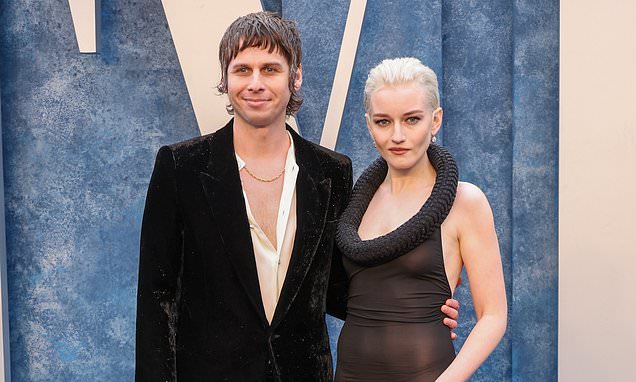
    Actress Julia Garner, celebrated for her Emmy-winning performance in the series Ozark, and musician Mark Foster, frontman for the band Foster the People, have reportedly separated after six years of marriage. The news emerged on July 16, 2026, indicating the end of their marital union. This development concludes a relationship that began prior to their engagement in 2019 and subsequent wedding in December 2019.

    The couple’s wedding ceremony took place at New York City’s City Hall, a location that held personal significance for Garner. It was also the venue where her parents exchanged vows. Throughout their marriage, Garner and Foster maintained a notably private relationship, with infrequent public appearances.

    The Trajectory of a High-Profile Union

    Julia Garner and Mark Foster’s relationship began under the radar of public scrutiny. Their engagement was announced in 2019, culminating in a December 2019 wedding. The ceremony was a private affair, consistent with their approach to their personal lives.

    The choice of New York City Hall for their wedding underscored a desire for simplicity and personal meaning. This venue connected their union to Garner’s family history, adding a layer of sentimentality to the occasion. Public sightings of the couple were rare, typically limited to industry events or occasional social media posts.

    This pattern of privacy extended throughout their six years of marriage. Both individuals maintained distinct professional careers, with Garner achieving significant acclaim in acting and Foster continuing his work in music. Their public personas remained largely separate from their marital status.

    Julia Garner’s Acclaimed Career

    Julia Garner has established herself as a prominent figure in contemporary acting. Her breakthrough role came as Ruth Langmore in the Netflix crime drama Ozark. For this performance, she garnered multiple Emmy Awards for Outstanding Supporting Actress in a Drama Series.

    Beyond Ozark, Garner has demonstrated versatility across various projects. She received critical praise for her lead role in the 2019 film The Assistant, which explored themes of power dynamics and workplace harassment. Her portrayal of Anna Delvey in the 2022 Netflix limited series Inventing Anna further solidified her reputation for embodying complex characters.

    Garner’s filmography includes a range of independent and studio productions. Her early career featured roles in films such as Martha Marcy May Marlene (2011), The Perks of Being a Wallflower (2012), and Electrick Children (2012). She has consistently chosen roles that challenge her as an actress, earning her a reputation for depth and intensity.

    Recent Projects and Future Prospects

    In the period leading up to the separation reports, Garner continued her active professional schedule. Her work has often involved intense character studies, requiring significant dedication. This focus on her craft has been a constant throughout her career.

    The impact of personal developments on an artist’s professional trajectory is often a subject of industry discussion. Garner’s established career and critical acclaim suggest a continued path of significant roles. Her recent projects and upcoming announcements are closely watched by industry observers and fans alike.

    Mark Foster and Foster the People

    Mark Foster is widely recognized as the lead vocalist, primary songwriter, and multi-instrumentalist for the indie pop band Foster the People. The band achieved global success with their debut single, ‘Pumped Up Kicks’, released in 2010.

    The song became a ubiquitous hit, reaching the top 10 on the Billboard Hot 100 chart and earning a Grammy Award nomination for Best Pop Duo/Group Performance. This success propelled Foster the People into mainstream recognition, leading to extensive touring and subsequent album releases.

    Foster the People’s discography includes studio albums such as Torches (2011), Supermodel (2014), and Sacred Hearts Club (2017). Mark Foster’s songwriting is characterized by catchy melodies and often introspective or socially conscious lyrics, contributing to the band’s distinctive sound.

    Musical Evolution and Collaborations

    Mark Foster’s musical journey extends beyond Foster the People. He has engaged in various collaborations and side projects, showcasing his diverse musical interests. His work often blends elements of pop, electronic music, and indie rock.

    The band has maintained a consistent presence in the music industry since their breakthrough. Their live performances are known for their energetic delivery and engagement with audiences. Foster’s role as the band’s creative force has been central to their enduring appeal.

    The news of his separation comes during a period where both artists are actively engaged in their respective fields. The music industry, like the entertainment industry, often sees personal lives intersect with public perception, though Foster has largely kept his private life separate from his musical output.

    Privacy in the Public Eye

    The entertainment industry is characterized by intense public interest in the personal lives of its figures. However, Julia Garner and Mark Foster consciously pursued a strategy of privacy. They largely avoided discussing their relationship in interviews or on social media.

    This approach allowed them to navigate their marriage away from constant media scrutiny. Their infrequent public appearances were often limited to events where their presence was professionally required, such as award ceremonies or premieres. This contrasts with many high-profile couples who often share aspects of their lives more openly.

    The decision to maintain privacy reflects a common challenge for public figures: balancing personal boundaries with the demands of celebrity. For Garner and Foster, this balance leaned heavily towards safeguarding their personal space.

    The Nature of Developing Stories

    As of July 16, 2026, details surrounding the reported separation remain scarce. Neither Julia Garner nor Mark Foster has issued public statements. Their representatives have also not provided official comments. This silence is typical in the early stages of such high-profile personal news.

    The process of confirming such reports often involves waiting for official announcements from the individuals or their authorized spokespersons. Until then, reports are based on unnamed sources or initial disclosures. This is a standard procedure within the entertainment news cycle.

    The privacy of both individuals is a significant factor in the timing and extent of any future public statements. Decisions regarding personal matters are often carefully considered before being communicated to the public. This measured approach aims to control the narrative and protect personal dignity.

    Industry Context and Precedent

    High-profile separations are a recurring feature of the entertainment landscape. These events often generate considerable media attention, impacting public perception and, at times, professional trajectories. However, the careers of established figures like Garner and Foster are often resilient to such personal news.

    Historically, many artists have navigated personal challenges while maintaining successful professional lives. The focus tends to shift back to their work once initial public interest in the separation subsides. The entertainment industry has numerous examples of individuals who have continued to thrive post-separation.

    The public’s interest typically centers on confirmed facts rather than speculation. As such, any future official statements from Garner or Foster would provide definitive information. Until then, the situation remains a developing story, observed by fans and industry alike.

    Looking Ahead

    The separation of Julia Garner and Mark Foster marks a significant personal event for both individuals. Their respective careers, however, continue to be active and successful. Garner remains a sought-after actress, with a strong body of work and future projects anticipated.

    Foster continues his musical endeavors with Foster the People, maintaining a loyal fanbase and a track record of successful releases. Both artists have demonstrated a commitment to their craft throughout their careers. The long-term implications of this separation on their professional paths are yet to unfold.

    The entertainment world observes. Fans await further news. The narrative continues.

  • Paramount-Warner Bros. Discovery Merger: Legal Showdown Unfolds

    Paramount-Warner Bros. Discovery Merger: Legal Showdown Unfolds

    The Mega-Merger Under Scrutiny

    The proposed mega-merger between Paramount Global and Warner Bros. Discovery is currently facing significant legal challenges from a coalition of state attorneys general and the Writers Guild of America West (WGAW). These parties contend that the consolidation of two major media entities would result in an anti-competitive market, negatively impacting consumers, content creators, and the overall entertainment industry.

    This legal battle involves emergency motions and a scheduled showdown hearing in federal court. The outcome of these proceedings will determine the immediate future of the merger and could establish important precedents for future corporate consolidations within the media landscape.

    The Proposed Consolidation

    Paramount Global, a multifaceted media corporation, owns CBS, Paramount Pictures, MTV, Comedy Central, BET, and the streaming service Paramount+. Warner Bros. Discovery, formed from the 2022 merger of WarnerMedia and Discovery Inc., controls Warner Bros. Entertainment, CNN, HBO, TNT, TBS, Discovery Channel, and the Max streaming service.

    The combined entity would control an extensive portfolio of intellectual property, production studios, cable networks, and streaming platforms. Proponents of the merger argue it would create a more robust competitor in the global streaming wars and enable greater investment in original content. They suggest it would allow the new company to better compete with tech giants like Apple and Amazon, which have significantly expanded their media offerings.

    Antitrust Concerns Emerge

    Antitrust concerns were immediately raised upon the announcement of the merger talks. Critics pointed to the already consolidated nature of the media industry. The Department of Justice (DOJ) and the Federal Trade Commission (FTC) have increased their scrutiny of large mergers across various sectors in recent years, reflecting a broader governmental interest in preventing monopolies and promoting fair competition.

    The current administration, under President Trump, has signaled a stronger stance on antitrust enforcement. This stance has impacted industries from technology to healthcare, and now extends to the entertainment sector. The legal challenges against the Paramount-Warner Bros. Discovery merger align with this broader policy shift.

    The Role of State Attorneys General

    A coalition of state attorneys general has filed a lawsuit to block the proposed merger. These states argue that the consolidation would harm consumers by reducing competition in content distribution, particularly in streaming services and cable television. They also express concerns about potential price increases and reduced diversity in programming.

    The states involved represent a diverse geographical and political spectrum. Their collective action underscores the widespread concern regarding the potential market dominance of the merged entity. Their legal filings detail how the merger could lead to fewer choices for viewers and less innovative content development.

    Impact on Local Markets

    The attorneys general also highlight the potential impact on local markets. For example, a combined entity might reduce its investment in regional news programming or local advertising sales. This could disproportionately affect smaller media markets, further centralizing media power in major metropolitan areas.

    Furthermore, the states argue that the merger could lead to job losses in their respective regions. Redundancies in administrative, production, and distribution roles are common outcomes of large corporate mergers. These job losses can have a ripple effect on local economies.

    The Writers Guild of America West Intervention

    The Writers Guild of America West (WGAW) has also taken a strong stance against the merger. The WGAW, representing thousands of screenwriters and television writers, has filed its own legal challenge. Their primary concern revolves around the potential for reduced competition among buyers of creative labor.

    The WGAW argues that a merger would consolidate power among a smaller number of studios and networks. This would give the combined company immense leverage in negotiations with writers, potentially leading to lower wages, fewer job opportunities, and less favorable working conditions. This concern is particularly acute following recent labor disputes in Hollywood, where fair compensation and working conditions were central issues.

    Historical Context of Labor and Mergers

    The WGAW’s intervention is not unprecedented. Historically, labor unions in Hollywood have expressed concerns about media consolidations. Past mergers, such as the WarnerMedia-Discovery deal itself, have been followed by periods of restructuring, content cancellations, and shifts in creative strategies that often impact writers and other creative professionals.

    The WGAW’s legal brief likely points to specific clauses in their collective bargaining agreements that could be jeopardized by a massive consolidation. Their involvement adds a significant dimension to the legal challenge, framing the merger not just as an antitrust issue but also as a labor rights issue.

    The Legal Battle: Emergency Motions and Showdown

    The legal proceedings have moved quickly, with both the state attorneys general and the WGAW filing emergency motions. These motions seek immediate intervention from the courts to prevent the merger from proceeding while the larger antitrust case is heard. Emergency motions are typically filed when parties believe irreparable harm could occur if a deal is allowed to close without judicial review.

    A showdown hearing has been scheduled in federal court. During this hearing, legal teams for Paramount Global, Warner Bros. Discovery, the state attorneys general, and the WGAW will present their arguments. The court will consider whether to issue a preliminary injunction, which would temporarily halt the merger, or allow it to proceed while the antitrust investigation continues.

    Key Legal Arguments

    The arguments presented will likely center on several key areas:

    • Market Definition: What constitutes the relevant market? Is it the broad entertainment industry, or more specific segments like premium streaming, cable content, or film production? The definition of the market significantly impacts how market concentration is assessed.
    • Market Concentration: Would the merged entity hold too large a share of this defined market, leading to a monopoly or oligopoly? Lawyers will use economic models and data to demonstrate potential market power.
    • Harm to Competition: How would the merger specifically reduce competition? This could include reduced consumer choice, higher prices, stifled innovation, or decreased opportunities for independent content creators.
    • Efficiencies: The merging companies will likely argue that the merger creates significant efficiencies, such as cost savings, increased investment in content, and enhanced global competitiveness. They must demonstrate that these efficiencies outweigh any potential anti-competitive effects.
    • Labor Impact: The WGAW will focus on the monopsony power (a market structure where there is only one buyer) that the combined entity could exert over creative labor, particularly writers.

    Precedents and Implications

    The legal challenge to the Paramount-Warner Bros. Discovery merger draws parallels to other significant antitrust cases in the media and technology sectors. For instance, the DOJ’s challenges to AT&T’s acquisition of Time Warner (now WarnerMedia) in 2018, and more recently, the FTC’s scrutiny of Microsoft’s acquisition of Activision Blizzard, highlight the government’s willingness to intervene in large-scale corporate consolidations.

    The outcome of this case could have profound implications for the future of media mergers. A successful challenge could embolden regulators and other groups to scrutinize similar deals more closely. Conversely, if the merger proceeds, it could signal a weakening of antitrust enforcement in the face of increasingly globalized and consolidated industries.

    The Shifting Media Landscape

    The entertainment industry is in a constant state of flux, driven by technological advancements and changing consumer habits. The rise of streaming services has fundamentally altered how content is produced, distributed, and consumed. This has led to a race for scale among media companies, as they seek to build extensive content libraries and subscriber bases.

    However, this drive for scale often comes at the cost of competition. Fewer, larger players could lead to less diverse content, higher subscription prices, and reduced opportunities for emerging talent. The legal battle over the Paramount-Warner Bros. Discovery merger represents a critical moment in defining the balance between corporate growth and public interest in this evolving landscape.

    What Lies Ahead

    Following the showdown hearing, the federal court will issue a ruling on the emergency motions. This ruling could either grant a preliminary injunction, temporarily blocking the merger, or allow it to proceed. Regardless of the immediate outcome, the broader antitrust investigation is likely to continue, potentially leading to a full trial if a settlement is not reached.

    Both Paramount Global and Warner Bros. Discovery have significant resources dedicated to navigating these legal challenges. Their legal teams will work to counter the arguments put forth by the state attorneys general and the WGAW. The process could be lengthy, involving extensive discovery, expert testimony, and multiple appeals.

    Potential Outcomes

    Several outcomes are possible:

    • Merger Blocked: The courts could permanently block the merger, forcing the companies to remain separate.
    • Merger Approved with Conditions: The merger could be approved but with significant conditions, such as divestitures of certain assets (e.g., selling off specific cable networks or studios) to alleviate antitrust concerns.
    • Merger Approved: The courts could find insufficient evidence of anti-competitive harm and allow the merger to proceed as initially planned.
    • Settlement: The companies might reach a settlement with the challenging parties, agreeing to certain concessions to avoid a protracted legal battle.

    The entertainment world watches. The legal teams prepare. The industry awaits.

    The future of media.

  • Sam Masaru Sekoff Dies: Entertainment 360 Manager Was 33

    Sam Masaru Sekoff Dies: Entertainment 360 Manager Was 33

    Sam Masaru Sekoff, a manager at the prominent talent and literary management firm Entertainment 360, died on July 14, 2026, at the age of 33. His untimely death has generated significant discussion within the entertainment industry, highlighting the personal and professional impact of such a loss on the close-knit community of Hollywood.

    Sekoff was a respected figure, known for his work in guiding the careers of various talents. His contributions to Entertainment 360 were considered substantial, marking him as an integral part of the company’s operations and its broader influence in film and television.

    The Role of a Hollywood Manager

    In Hollywood, the role of a talent and literary manager is crucial. Managers are responsible for guiding the overall career trajectory of actors, writers, directors, and other creative professionals. This includes advising on career choices, identifying opportunities, and helping to shape an artist’s brand.

    Unlike agents, who primarily negotiate deals, managers often take a more holistic approach. They frequently work closely with clients on creative development, offering feedback on scripts, projects, and performances. This close relationship often means managers become trusted confidantes and strategic partners for their clients.

    Sekoff’s work at Entertainment 360 placed him at the nexus of talent and opportunity. He would have been involved in identifying emerging artists, connecting them with suitable projects, and navigating the complex landscape of studios, networks, and production companies. His daily responsibilities likely included extensive networking, project development, and client relations.

    Entertainment 360: A Powerful Industry Player

    Entertainment 360 is a significant entity within the Hollywood ecosystem. Founded in 2002, it quickly established itself as a major player in both management and production.

    The company represents a vast roster of actors, writers, and directors across film and television. Its production arm has been responsible for numerous critically acclaimed and commercially successful projects. Being a manager at such a firm means operating at a high level within the industry, with access to major studios and influential decision-makers.

    Sekoff’s position at Entertainment 360 indicates a career marked by dedication and a proven ability to thrive in a highly competitive environment. His work would have contributed directly to the success of both his clients and the firm itself, reflecting a deep understanding of the industry’s dynamics.

    Impact on Clients and Colleagues

    The death of a manager like Sam Masaru Sekoff leaves a void that extends beyond the corporate structure. Clients often develop deep professional and personal bonds with their managers. The sudden loss can disrupt ongoing projects, future plans, and a sense of stability for the artists under their guidance.

    For colleagues at Entertainment 360, Sekoff’s passing represents the loss of a team member and a peer. The fast-paced, high-pressure environment of talent management often fosters strong camaraderie among those who navigate its challenges together. His absence will undoubtedly be felt throughout the company’s offices and operations.

    The entertainment industry is characterized by its intense demands and tight deadlines. Managers often work long hours, traveling frequently and constantly engaging in negotiations and problem-solving. Sekoff’s commitment to this demanding lifestyle would have been a testament to his passion for his work and his clients.

    Reflecting on the Industry’s Demands

    Sekoff’s death at 33 has prompted broader conversations about the pressures inherent in the entertainment industry. The sector is notorious for its high-stress environment, long work hours, and the constant need to perform and deliver results.

    Managers, in particular, often bear the brunt of these demands. They are frequently on call, responsible for managing multiple client careers, and navigating the often-volatile nature of creative projects. The pressure to secure deals, resolve conflicts, and maintain client satisfaction is immense.

    These discussions often highlight the need for greater awareness of mental health and well-being within Hollywood. The industry has seen increasing calls for support systems and resources for professionals facing burnout, stress, and other challenges associated with its demanding nature.

    A Career in Management: Path and Progression

    A career path into talent management typically begins with entry-level positions, often as an assistant. These roles provide foundational experience in administrative tasks, scheduling, and client communication. Assistants learn the intricacies of the industry, from contract basics to the nuances of talent development.

    Progression involves taking on more responsibility, eventually managing a small roster of clients. This requires developing a keen eye for talent, strong negotiation skills, and an expansive network of contacts within studios, production companies, and casting agencies. Sekoff’s trajectory to a manager at Entertainment 360 would have followed a similar path, demonstrating significant growth and success over his career.

    His work would have spanned various aspects of client representation, including:

    • Identifying and signing new talent.
    • Developing career strategies for actors, writers, and directors.
    • Facilitating meetings and auditions.
    • Overseeing project development and packaging.
    • Advising on public relations and brand management.
    • Mediating client-agent relationships.

    Each of these areas requires a distinct skill set and a deep understanding of the entertainment landscape. Sekoff’s ability to navigate these complexities at a relatively young age underscores his talent and dedication.

    The Broader Entertainment Community Responds

    News of Sekoff’s death would have circulated quickly through industry channels, including social media, trade publications, and private communications. The Hollywood community, despite its competitive nature, often rallies in support during times of loss.

    Tributes from clients, colleagues, and peers would likely highlight his professionalism, his personal demeanor, and his impact on their careers. Such instances often lead to a moment of collective pause, as individuals reflect on the fragility of life and the bonds forged within their professional spheres.

    These responses serve as a reminder of the human element within a business often perceived as solely driven by commerce and celebrity. The passing of a respected figure like Sekoff brings the personal toll of the industry into sharp focus.

    Legacy and Future Implications

    While the immediate impact of Sekoff’s death is one of grief and disruption, his legacy will likely be remembered through the careers he helped shape and the contributions he made to Entertainment 360. His work helped bring stories to screens and elevate talent to new heights.

    For the firm, the loss of a manager necessitates adjustments. Client rosters may be reallocated, and new strategies implemented to ensure continuity. The management industry, while resilient, is also deeply personal, and such losses require careful transitions.

    The broader conversation about industry pressures and well-being will continue. Sekoff’s passing adds to a growing narrative that calls for more robust support systems for professionals navigating the demanding world of entertainment. His story contributes to the ongoing dialogue about sustaining careers and personal health within Hollywood.

    Clients mourned. Colleagues grieved. The industry paused.

    Hollywood.