Tag: Energy Markets

  • Houthi Attack on Saudi Tankers, Oil Prices Jump After Red Sea Incident

    Houthi Attack on Saudi Tankers, Oil Prices Jump After Red Sea Incident

    On July 23, 2026, Houthi forces launched an attack on two Saudi oil tankers in the Red Sea, an event that immediately caused global oil prices to surge and intensified concerns regarding maritime security and the stability of global energy supplies.

    The incident marks a significant escalation in the ongoing conflict in Yemen and its spillover effects on regional and international commerce. The Red Sea, a vital conduit for crude oil and refined petroleum products, remains a flashpoint for such disruptions.

    The Attack Unfolds

    The assault occurred in the southern Red Sea, a strategic waterway connecting the Indian Ocean to the Mediterranean Sea via the Suez Canal. Specific details regarding the type of vessels, the extent of damage, or potential casualties were not immediately released.

    Initial reports from Bloomberg Television’s ‘Horizons Middle East & Africa’ feed confirmed the attack. This news quickly reverberated through international financial markets.

    The targeted tankers were reportedly en route through the Bab el-Mandeb strait, a narrow passage less than 20 miles wide. This chokepoint is critical for a substantial portion of the world’s seaborne oil trade.

    Houthi military spokespersons have not yet issued a formal statement claiming responsibility or detailing their operational objectives for this specific incident. However, previous Houthi actions have often targeted Saudi and Emirati interests in response to the ongoing Saudi-led intervention in Yemen.

    Global Oil Markets React

    Following news of the attack, crude oil futures experienced a sharp upward trajectory. Brent crude, the international benchmark, saw its price per barrel climb significantly within hours of the announcement.

    West Texas Intermediate (WTI), the U.S. benchmark, also registered a notable increase. This immediate market reaction reflects the sensitivity of global oil supplies to disruptions in the Red Sea.

    Analysts from major financial institutions began reassessing risk premiums for oil shipments through the region. The cost of marine insurance for vessels transiting the Red Sea is expected to rise, further impacting shipping expenses.

    Energy economists cited the attack as a stark reminder of the geopolitical risks embedded in the global oil supply chain. The incident highlights the vulnerability of critical maritime routes to regional conflicts.

    Impact on Supply Lines

    The Red Sea is one of the world’s busiest shipping lanes. An estimated 12% of global trade, including a substantial volume of oil and liquefied natural gas (LNG), passes through the Bab el-Mandeb strait annually.

    Any sustained threat to navigation in this area can force shippers to reroute vessels. The alternative route around the Cape of Good Hope adds weeks to transit times and significantly increases fuel costs.

    Such rerouting would not only impact oil deliveries but also a wide array of consumer goods. This would create ripple effects throughout global supply chains.

    The incident could prompt oil companies to explore alternative sourcing strategies or increase their reliance on strategic petroleum reserves. These measures are designed to mitigate immediate supply shocks.

    A History of Tensions in the Red Sea

    The Red Sea has been a focal point of geopolitical tensions for several years. The conflict in Yemen, which began in 2014, has frequently spilled over into maritime activities.

    Houthi forces have previously targeted Saudi and Emirati vessels, as well as commercial shipping, using missiles and remote-controlled explosive boats. These actions have consistently raised international alarms.

    In 2018, Saudi Arabia temporarily suspended oil shipments through the Bab el-Mandeb strait after similar Houthi attacks on two of its oil tankers. That suspension lasted for several weeks, demonstrating the economic impact of such security threats.

    Naval patrols by international forces, including those from the United States and its allies, operate in the region to safeguard maritime commerce. Despite these efforts, the vastness of the sea and the nature of asymmetric threats pose persistent challenges.

    Regional Actors and Interests

    Saudi Arabia, a major oil producer and exporter, relies heavily on the secure passage of its oil through the Red Sea to European and North American markets. Disruptions directly threaten its economic interests.

    Yemen’s Houthi movement, backed by Iran, views these attacks as part of its broader resistance against the Saudi-led coalition. The Houthis seek to exert pressure on the coalition to end its military campaign in Yemen.

    Iran, while denying direct involvement in Houthi attacks, benefits from any instability that raises oil prices. Such instability also challenges the strategic interests of its regional rivals.

    Egypt, which controls the Suez Canal, also has a significant stake in Red Sea security. Any prolonged disruption to shipping could reduce canal revenues, a crucial source of foreign currency for the nation.

    International Response and Diplomatic Efforts

    The international community typically condemns such acts of aggression against commercial shipping. Calls for de-escalation and adherence to international maritime law are common following such incidents.

    The United Nations has repeatedly urged all parties in the Yemen conflict to respect international humanitarian law and cease attacks on civilian infrastructure and commercial shipping.

    Diplomatic efforts to resolve the Yemen conflict have been ongoing but have yielded limited success. The latest attack underscores the urgent need for a political solution to the protracted war.

    The United States, a key ally of Saudi Arabia, has a vested interest in maintaining freedom of navigation in the Red Sea. Its naval presence in the region is a deterrent to further aggression.

    Economic Repercussions Beyond Oil

    Beyond the immediate impact on oil prices, the incident has broader economic implications. Increased shipping costs and insurance premiums affect all goods transiting the Red Sea.

    Global inflation could see additional upward pressure if energy prices remain elevated. This would affect consumer purchasing power in economies worldwide.

    Businesses reliant on just-in-time supply chains may face delays and increased operational costs. This can lead to higher prices for a range of imported goods.

    Investor confidence in regional stability may also be eroded. This could deter foreign direct investment in countries bordering the Red Sea.

    The Future of Red Sea Security

    The Red Sea remains a critical artery for global trade and energy supply. Ensuring its security is a priority for maritime nations and international organizations.

    Technological advancements in maritime surveillance and defense systems are continuously being deployed. These aim to counter evolving threats from non-state actors.

    Enhanced international cooperation and intelligence sharing are essential. These measures help to identify and neutralize threats before they materialize.

    Ultimately, a lasting resolution to the conflict in Yemen is paramount. This would remove the underlying causes of many of the maritime security challenges in the Red Sea.

    Governments convened. Shipping companies convened. Energy traders convened. Prices rose.

  • US Strikes Iran for Ninth Day: Hormuz Near Standstill Amid Escalation

    US Strikes Iran for Ninth Day: Hormuz Near Standstill Amid Escalation

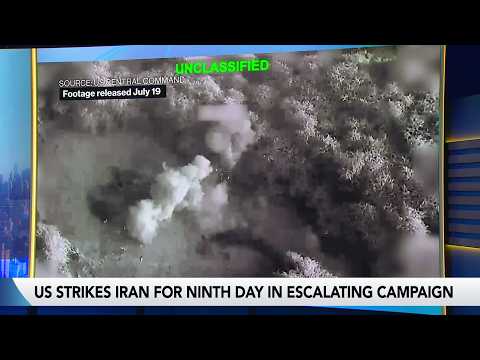
    For nine consecutive days, the United States has conducted military strikes against targets within Iran. This sustained military action, initiated on July 12, 2026, followed a drone attack on a US Navy vessel in the Persian Gulf. These operations have led to a near complete halt of maritime traffic through the Strait of Hormuz, a critical global chokepoint for oil shipments.

    The current operational phase represents a marked intensification of tensions between Washington D.C. and Tehran. The implications extend beyond military engagements, affecting global energy markets and international diplomacy. President Trump, in a July 12 statement from the White House, affirmed the strikes were a ‘decisive response’ to protect American lives and interests.

    The Catalyst: USS Kearsarge Attack

    The immediate trigger for the US military response was a drone attack on the USS Kearsarge (LHD-3) on July 11, 2026. The Wasp-class amphibious assault ship was operating in international waters in the Persian Gulf when it was struck. The attack resulted in the deaths of two US Navy personnel and injuries to several others. The Pentagon identified the drone as being of Iranian origin, though Tehran has denied direct responsibility.

    This incident marked a significant escalation. Previous skirmishes in the region, while frequent, had not directly resulted in US military casualties on this scale. The Kearsarge, a prominent vessel in the US Fifth Fleet, was conducting routine patrols when the incident occurred.

    President Trump convened a National Security Council meeting shortly after the attack. Vice President JD Vance was also present. The decision to launch retaliatory strikes was announced the following morning, July 12, 2026, with the first wave of operations commencing within hours.

    The Strait of Hormuz: A Global Chokepoint Under Siege

    The Strait of Hormuz is a narrow sea passage connecting the Persian Gulf with the Arabian Sea and the Gulf of Oman. It is one of the world’s most strategically important chokepoints. Approximately 21 million barrels of oil per day, or roughly one-fifth of global oil consumption, pass through this strait, as reported by the U.S. Energy Information Administration (EIA).

    The strait’s closure or significant disruption has immediate and profound effects on international oil prices and global supply chains. Tankers carrying crude oil and refined petroleum products from Saudi Arabia, Iran, the UAE, Kuwait, and Iraq must navigate its waters. These nations collectively represent a substantial portion of the world’s petroleum exporters.

    Its narrowest point is only 21 nautical miles (39 kilometers) wide, with the shipping lanes themselves being just two miles wide in either direction. This geographical constraint makes it particularly vulnerable to disruptions. The current near-standstill has severely impacted the flow of oil, with ripple effects across global markets.

    Economic Repercussions of Disruption

    The current near-standstill in the Strait of Hormuz has already triggered sharp increases in global oil prices. Brent crude futures surged by over 15% in the first 48 hours following the disruption, reaching levels not seen since 2014. West Texas Intermediate (WTI) also experienced a similar spike.

    Energy analysts from institutions like the International Energy Agency (IEA) predict further volatility if the situation does not de-escalate swiftly. Countries heavily reliant on Middle Eastern oil, particularly in Asia (China, India, Japan, South Korea) and Europe, are evaluating alternative supply routes and assessing the readiness of their strategic petroleum reserves.

    The cost of maritime insurance for vessels transiting the region has also skyrocketed, with some insurers refusing coverage altogether. Many major shipping companies, including Maersk and MSC, have announced rerouting plans or temporarily halted operations in the Gulf, contributing significantly to the bottleneck and delays in global trade.

    Details of the US Strikes: Targets and Objectives

    The US military operations, now in their ninth day, have focused on specific Iranian military installations and infrastructure. The Pentagon confirmed that the strikes were designed to degrade Iran’s capacity to project power in the Gulf and to deter further attacks on US assets or personnel.

    Initial strikes on July 12 targeted drone launch sites and naval command and control centers belonging to Iran’s Islamic Revolutionary Guard Corps (IRGC) near Bandar Abbas and Qeshm Island. These targets were chosen due to their proximity to the Strait of Hormuz and their alleged involvement in previous maritime incidents.

    Subsequent days saw a broadening of targets. On July 14, US Air Force F-35 fighter jets, operating from Al Dhafra Air Base in the UAE, struck air defense systems and missile batteries in southwestern Iran. By July 16, reports indicated precision strikes against IRGC naval bases along the Iranian coast, including facilities near Bushehr and Chabahar.

    The US Central Command (CENTCOM) released satellite imagery on July 18, purporting to show significant damage to several IRGC radar installations and a naval shipyard. While the full scope of the nine-day operation remains classified, President Trump stated on July 17 that the US would continue to ‘dismantle’ Iran’s offensive capabilities until the threat was neutralized.

    Escalation Timeline

    The first reported US strike occurred on July 12, 2026, approximately 24 hours after the USS Kearsarge incident. This initial phase involved cruise missile launches from US Navy destroyers in the Arabian Sea.

    Over the subsequent days, strikes became more frequent and seemingly more diverse in their targeting, incorporating air assets and cyber operations. By July 15, 2026, reports emerged of significant disruptions to shipping in the Strait of Hormuz, with multiple vessels reporting GPS jamming and intimidation tactics by Iranian vessels.

    Today, July 20, 2026, marks the ninth consecutive day of these operations. The sustained nature of the strikes suggests a strategic objective beyond immediate retaliation, aiming for a significant reduction in Iran’s military capabilities in the region.

    International Response and Diplomacy Efforts

    The international community has reacted with widespread concern. The United Nations Security Council convened an emergency session on July 14, 2026, to discuss the escalating crisis. UN Secretary-General António Guterres issued a strong call for de-escalation and a return to diplomatic solutions, warning of the potential for a regional conflagration.

    Several European nations, including France, Germany, and the United Kingdom, have urged both the United States and Iran to exercise restraint. French President Emmanuel Macron spoke with President Trump on July 15, emphasizing the importance of maintaining freedom of navigation in international waters and seeking a negotiated settlement.

    China and Russia have also voiced their concerns, advocating for a return to dialogue. Chinese Foreign Minister Wang Yi stated on July 16 that ‘all parties must avoid actions that further inflame the situation.’ These nations have significant economic ties to the Middle East and are keenly aware of the potential global economic fallout from prolonged conflict.

    Regional Allies and Alliances

    US allies in the Middle East, such as Saudi Arabia and the United Arab Emirates, have expressed solidarity with Washington D.C. Saudi Crown Prince Mohammed bin Salman issued a statement on July 13, condemning the attack on the USS Kearsarge and supporting the US’s right to self-defense. They have also called for stability in the region, while condemning what they describe as Iranian destabilizing activities.

    Israel, a key US ally, has remained largely silent on the specifics of the strikes, though its leadership has consistently highlighted the perceived threat from Iran. Prime Minister Benjamin Netanyahu reiterated Israel’s commitment to its own security on July 14, without directly commenting on the US operations. The broader network of regional alliances is being tested by the current crisis, with some nations privately expressing concerns about unintended consequences.

    The geopolitical landscape of the Middle East is already complex. The current conflict adds another layer of instability, potentially drawing in other regional actors, including non-state militias and proxy groups, further complicating any resolution efforts.

    Impact on Global Security and Humanitarian Concerns

    The ongoing US military action in Iran raises significant questions about global security. The precedent of sustained strikes against a sovereign nation, even if in response to perceived threats, is a matter of international law and diplomacy. Legal scholars and international bodies are scrutinizing the justification and proportionality of the ongoing military campaign.

    Concerns exist about the potential for miscalculation. An accidental escalation or an unintended consequence could lead to a much broader conflict with devastating human and economic costs, potentially involving more regional and global powers. The risk of cyber warfare has also been a component of modern conflicts. Both nations possess significant cyber capabilities, raising the risk of attacks on critical infrastructure beyond the immediate conflict zone, including financial systems and energy grids.

    Humanitarian Concerns

    Reports of civilian casualties, though unverified by independent international bodies, have emerged from Iranian state media. These reports underscore the humanitarian impact of the strikes. International aid organizations, including the International Committee of the Red Cross (ICRC) and Doctors Without Borders, are preparing for potential displacement and increased need for assistance in the region.

    Access to humanitarian aid and the safety of civilians in conflict zones are paramount concerns. The long-term effects on the Iranian populace, already facing economic hardship due to sanctions, could be severe, exacerbating food insecurity and public health crises. The protection of cultural heritage sites is also a consideration. Conflicts often result in irreversible damage to historical and cultural landmarks, a concern voiced by UNESCO on July 17.

    The Role of President Trump’s Administration

    President Trump’s administration has maintained a firm stance on its Iran policy. Since his inauguration in 2025 for his second non-consecutive term, the President has reiterated his commitment to protecting US interests and allies through a combination of diplomatic pressure and, when deemed necessary, military deterrence. The current military actions are consistent with a strategy that emphasizes strong responses to perceived aggression.

    During a press conference on July 19, President Trump stated, “We will not tolerate attacks on our sailors or our ships. We will defend our personnel and our allies with every tool at our disposal.” Vice President JD Vance echoed these sentiments, emphasizing the administration’s resolve. Secretary of State Mike Pompeo has engaged in extensive diplomatic outreach, explaining the US position to international partners while maintaining pressure on Tehran.

    The administration’s approach is rooted in the belief that a strong show of force is necessary to prevent further Iranian aggression and to re-establish deterrence in the vital Persian Gulf region. This policy contrasts with previous administrations’ approaches, marking a distinct shift towards more direct engagement when red lines are crossed.

    The world watches. The Strait remains disrupted. The military operations continue.


  • The Ultimatum, Decoding Trump’s ‘Do What I Need To Do’ Warning to Iran

    The Ultimatum, Decoding Trump’s ‘Do What I Need To Do’ Warning to Iran

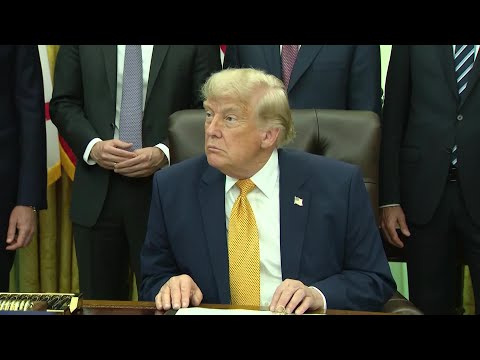
    Donald Trump delivered a blunt ultimatum to Tehran during a Q&A session on Bloomberg Television, stating, “If Iran doesn’t behave, I will do what I need to do.” This declaration anchors a renewed hardline posture toward the Islamic Republic. It signals a potential return to the “maximum pressure” campaign that defined US-Iran relations during his presidency. For global markets and international diplomats watching in 2026, the message is unambiguous. The threshold for American military and economic retaliation remains tied directly to Iranian compliance.

    The phrasing is intentionally broad. It leaves the specific mechanisms of enforcement unstated. But the historical context provides the blueprint.

    In diplomacy, strategic ambiguity serves a purpose. It forces the adversary to calculate the worst-case scenario. Trump has utilized this tactic consistently regarding Middle Eastern affairs, forcing both allies and adversaries to constantly evaluate American red lines.

    The Bloomberg Television Q&A

    The venue for this statement matters. Bloomberg Television broadcasts directly to trading floors, corporate boardrooms, and international financial institutions. When a prominent American political figure discusses potential conflict with Iran, the immediate ripple effect hits energy markets. Oil futures react instantly to instability in the Persian Gulf.

    Trump used the platform to draw a clear line. The phrase “do what I need to do” encompasses a wide spectrum of geopolitical tools. It ranges from secondary sanctions targeting global banks to direct kinetic military action against Iranian infrastructure.

    The interviewer pressed for specifics regarding potential responses to Iranian aggression. Trump maintained his preferred stance of unpredictability. He declined to outline exact parameters regarding Iranian uranium enrichment levels or proxy militia attacks. The refusal to provide a detailed matrix of escalation is a core component of his negotiating style. It deprives Tehran of a clear boundary to safely push against.

    The Legacy of Maximum Pressure

    To understand the weight of the 2026 statement, one must look back to 2018. On May 8, 2018, the United States officially withdrew from the Joint Comprehensive Plan of Action (JCPOA). The Obama-era nuclear agreement was systematically dismantled.

    In its place, the Trump administration instituted the “maximum pressure” campaign. This strategy sought to isolate Tehran from the global financial system completely. It targeted the Iranian energy sector, shipping networks, and the central banking apparatus.

    The goal was economic strangulation. By penalizing foreign entities that did business with Iran, the United States effectively weaponized the dominance of the US dollar. Iranian crude oil exports plummeted. The rial lost massive value against foreign currencies. Multinational corporations abandoned joint ventures in Tehran to protect their access to American markets.

    Trump’s recent comments on Bloomberg suggest a desire to return to this exact architecture. If Iran “doesn’t behave,” the first lever pulled is almost always economic. The strict enforcement of secondary sanctions on nations purchasing Iranian oil, specifically China, would likely be the opening move of any renewed pressure campaign.

    The Kinetic Threshold: January 2020

    Economic pressure is only one half of the equation. The phrase “do what I need to do” carries a specific kinetic weight due to the events of early 2020.

    On January 3, 2020, an American MQ-9 Reaper drone fired missiles at a two-vehicle convoy leaving Baghdad International Airport. The strike killed Major General Qasem Soleimani. Soleimani was the commander of the Quds Force, the elite extraterritorial operations wing of Iran’s Islamic Revolutionary Guard Corps (IRGC).

    This was an unprecedented escalation. For decades, the US and Iran had engaged in a shadow war. Proxy forces clashed. Cyberattacks disrupted critical infrastructure. But the direct, overt assassination of a top state official crossed a long-established red line in Middle Eastern geopolitics.

    Trump ordered the strike. He stated that Soleimani was planning imminent attacks on American diplomats and military personnel. The action proved that Trump’s threats of decisive action were not purely rhetorical. He was willing to authorize lethal force against the highest echelons of the Iranian military apparatus.

    When Trump warns Iran in 2026, Tehran remembers the Baghdad strike. The historical willingness to authorize lethal force changes how his public statements are analyzed by foreign intelligence services. The threat is not viewed as an empty bluff.

    Iran’s Posture in 2026

    The geopolitical landscape of the Middle East has evolved significantly since Trump last held the presidency. Iran has not remained static. The Islamic Republic has adapted to years of economic isolation and shifting regional dynamics.

    Uranium enrichment levels remain a primary concern for Western intelligence. The International Atomic Energy Agency (IAEA) consistently monitors Iranian nuclear facilities. Tehran has pushed enrichment closer to weapons-grade purity. They maintain that the program is strictly for civilian energy and medical research. The United States and Israel operate on the assumption that Iran is a threshold nuclear state, capable of rapid weaponization if the political decision is made.

    Furthermore, Iran has solidified its alliances outside the Western sphere. Military cooperation with the Russian Federation has deepened. Iranian unmanned aerial vehicles (UAVs), specifically the Shahed series loitering munitions, have become a highly visible staple of modern asymmetric warfare globally.

    Economic ties with Beijing have also strengthened. China remains a vital lifeline for Iranian oil exports. Tehran bypasses Western financial networks through localized currency exchanges, barter systems, and a massive “dark fleet” of covert oil tankers operating with disabled transponders.

    If Trump intends to “do what is needed,” the diplomatic and economic hurdles are higher in 2026. Isolating Iran now requires confronting the broader Eurasian bloc that currently sustains its economy.

    The Axis of Resistance

    Direct conflict with Iran is rarely direct. Tehran projects power through a complex network of proxy militias known as the Axis of Resistance.

    This network includes Hezbollah in Lebanon, various Shia militias in Iraq and Syria, Hamas in the Gaza Strip, and the Houthi movement in Yemen. These groups allow Iran to strike adversaries while maintaining plausible deniability on the international stage.

    In recent years, the Houthis have demonstrated the ability to severely disrupt global shipping in the Red Sea and the Bab-el-Mandeb strait. This maritime chokepoint is critical for global trade. Iranian-backed militias in Iraq and Syria frequently target US military installations in the region.

    When Trump demands that Iran “behave,” the demand extends to this entire proxy network. The American security apparatus holds Tehran directly responsible for the actions of its funded, trained, and equipped militias. Retaliation for a proxy strike could mean direct action against Iranian sovereign assets.

    Domestic Politics and the Cultural Defense

    Foreign policy is inextricably linked to domestic politics. Trump’s hardline stance on Iran plays a specific role in American political discourse.

    It falls into a category of cultural defense. For his base of support, a muscular, unapologetic approach to adversaries signals national strength. The rhetoric of “doing what is needed” appeals to voters who feel the United States has become overly cautious, apologetic, or entangled in endless, fruitless diplomatic negotiations.

    This stance provokes immediate, emotional responses across the political spectrum. Supporters view it as necessary deterrence. They argue that peace is achieved exclusively through overwhelming strength. They point to the Abraham Accords, the historic normalization agreements between Israel and several Arab nations brokered during the Trump administration, as proof that isolating Iran actually stabilizes the broader region.

    Critics view the rhetoric as reckless. They argue that abandoning the JCPOA accelerated Iran’s nuclear program rather than halting it. They warn that ambiguous threats of military action dramatically increase the risk of miscalculation. A localized skirmish in the Persian Gulf could rapidly escalate into a broader, catastrophic regional war.

    This intense polarization ensures that any statement Trump makes regarding Iran dominates the news cycle. It forces political opponents to respond. It galvanizes his supporters. It turns foreign policy into a domestic litmus test.

    The Strait of Hormuz and Global Energy

    The economic implications of Trump’s warning cannot be overstated. The global economy relies on the uninterrupted flow of petroleum.

    Roughly 20 percent of the world’s petroleum passes through the Strait of Hormuz. This narrow waterway separates Iran from the Arabian Peninsula. Iran has repeatedly threatened to close the strait in response to military or economic aggression from the West.

    A closure, even a temporary one, would send immediate shockwaves through global markets. Oil prices would spike dramatically. Supply chains would fracture. The resulting inflation would impact consumers worldwide, halting economic growth in both developed and developing nations.

    The United States Navy’s Fifth Fleet, headquartered in Bahrain, is tasked with keeping these vital sea lanes open. Any American action against Iran must account for the vulnerability of this maritime chokepoint. “Doing what is needed” requires securing the strait against Iranian fast-attack craft, naval mines, and shore-based anti-ship missile batteries.

    The Future of US-Iran Relations

    The dynamic between Washington and Tehran remains one of the most volatile geopolitical fault lines in 2026. The structural animosity runs deep. It is rooted in decades of historical grievances, ideological opposition, and fiercely competing regional interests.

    Trump’s statement on Bloomberg Television is not a new policy direction. It is a reaffirmation of an established worldview. It prioritizes heavy deterrence over dialogue. It favors unilateral American action over multilateral consensus building.

    The approach carries inherent, massive risks. Maximum pressure leaves little room for diplomatic off-ramps. When an adversary is backed into a corner with no economic relief in sight, the incentive to escalate militarily often increases.

    Yet, the threat of overwhelming force remains a potent tool of statecraft. The US military possesses unparalleled capability to project power into the Middle East. The Iranian leadership is acutely aware of the vast disparity in conventional military strength.

    The global community watched. The markets reacted. The proxies maneuvered.

    Diplomats analyzed. Military planners prepared. The cameras rolled.

    Ultimatum.