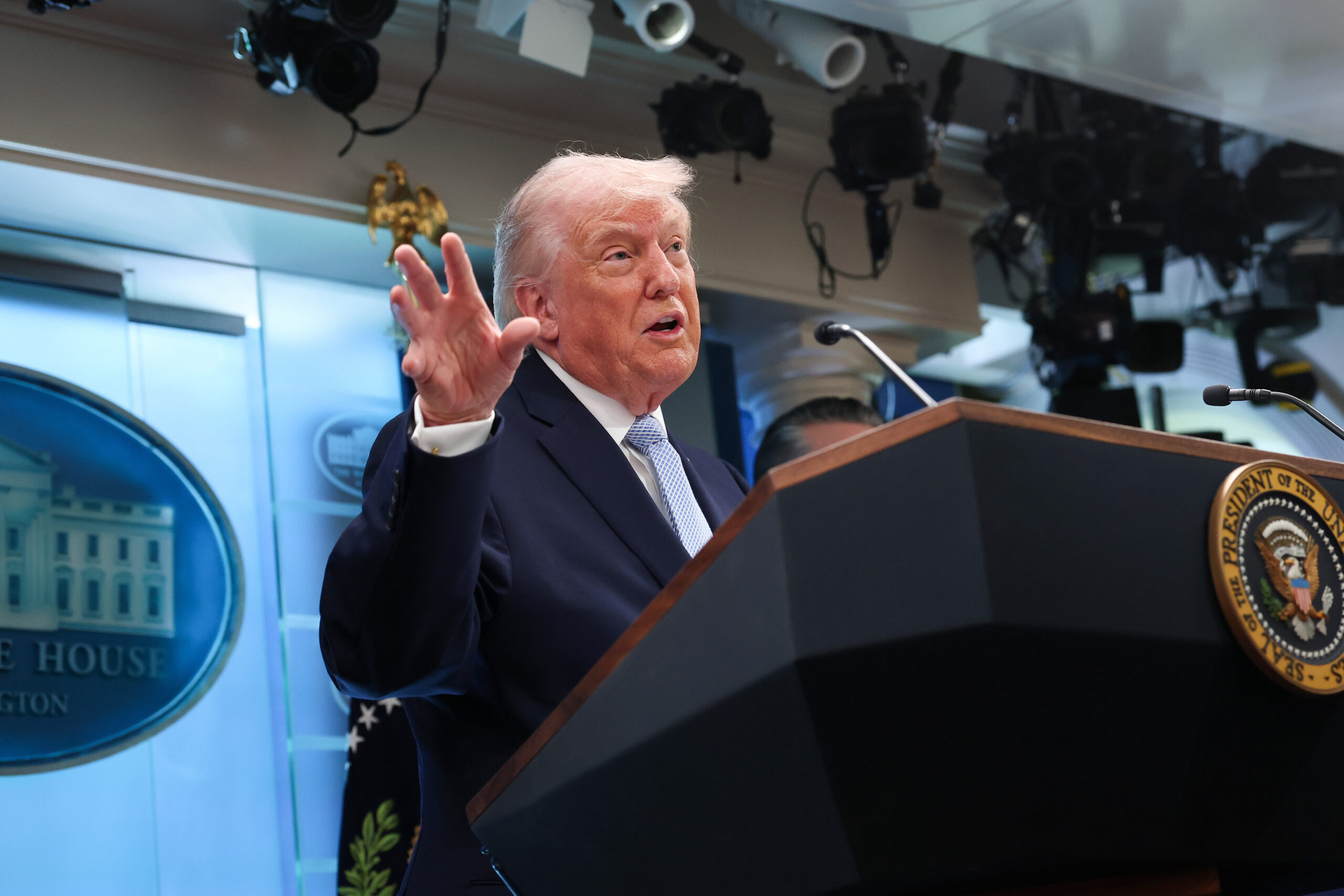
Major broadcast networks are currently evaluating whether to carry President Trump’s upcoming primetime speech, a decision influenced by early reports suggesting the address may focus on claims of a ‘stolen election.’ This assessment by networks like ABC, CBS, and NBC involves weighing editorial standards, public interest, and the precedent set by past presidential addresses against the potential for controversial content.
The possibility of a primetime address from the sitting President of the United States typically triggers a review process across major news organizations. This process determines not only if the speech will be aired live but also the extent of pre- and post-speech analysis provided to viewers.
The Precedent of Presidential Addresses
Historically, addresses by the President of the United States often receive automatic carriage by major broadcast networks, especially during significant national events or crises. These speeches are considered matters of national importance, warranting direct communication from the nation’s leader to the populace.
However, this tradition is not absolute. Networks retain editorial control and have, on occasion, chosen not to provide live, uninterrupted coverage for addresses deemed overtly political or lacking newsworthy content beyond partisan rhetoric.
Presidential addresses often serve multiple purposes. They can inform the public on policy, rally support for initiatives, or provide reassurance during times of uncertainty. The decision to grant a primetime slot reflects the perceived weight and urgency of the message.
Network Editorial Considerations
The decision-making process for broadcast networks is multifaceted. News divisions consider:
- The topic and its relevance to a broad public audience.
- The potential for new information or significant policy announcements.
- The need for balanced coverage, potentially including fact-checking or counter-perspectives.
- The disruption to regularly scheduled programming, which carries significant financial implications due to advertising revenue.
Reports indicating the speech’s potential focus on ‘stolen election’ claims introduce an additional layer of scrutiny. Such claims have been a point of contention and debate, often requiring extensive contextualization and fact-checking by news organizations.
The ‘Stolen Election’ Narrative
The narrative surrounding a ‘stolen election’ refers to allegations of widespread voter fraud and irregularities in the November 2024 presidential election. These claims have been a recurring theme in certain political circles since the election results were certified.
Multiple investigations, audits, and court challenges following the 2024 election did not uncover evidence of widespread fraud sufficient to alter the election’s outcome. This has led many news organizations to approach such claims with caution, often providing disclaimers or factual corrections.
For networks, airing unverified or disproven claims without immediate context presents a challenge. The balance lies between providing a platform for the President’s message and upholding journalistic standards of accuracy and objectivity.
Impact on Public Discourse
The decision of broadcast networks significantly influences public discourse. Primetime coverage ensures a wide audience for the President’s message. Conversely, a lack of carriage can limit the reach of the address, particularly among demographics who rely on traditional television for news.
The media landscape has diversified significantly in recent years. While broadcast networks remain influential, cable news channels, streaming platforms, and social media offer alternative avenues for presidential communication. However, the reach of traditional broadcast television during primetime remains unparalleled for a national address.
Past Presidential Speeches and Network Responses
Throughout American history, presidents have used the power of primetime television to address the nation. Franklin D. Roosevelt’s ‘fireside chats’ established a direct line of communication with the public, a model later adapted for television.
More recently, presidents have frequently utilized primetime slots for State of the Union addresses, declarations of war, or responses to national crises. The expectation has often been that networks would provide coverage as a public service.
However, instances exist where networks have exercised discretion. During President Trump’s previous term, some networks chose to cut away from or provide immediate fact-checks during certain speeches or rallies where claims were made that contradicted established facts.
The Role of Media Gatekeeping
The current situation highlights the concept of media gatekeeping. Gatekeeping refers to the process by which information is filtered for dissemination, whether by print, broadcast, or online media. In this context, networks act as gatekeepers, deciding what information reaches the mass public through their platforms.
Critics of media gatekeeping argue that it can lead to censorship or a biased presentation of information. Proponents argue it is a necessary function to ensure accuracy, context, and the responsible dissemination of news, especially in an era of rapid information spread.
The balance between providing a platform for the President and maintaining journalistic integrity is a constant negotiation for news organizations. This negotiation becomes particularly acute when the content of an anticipated speech is known to be potentially controversial or factually disputed.
The Evolving Media Landscape
The media environment of 2026 is vastly different from previous decades. Social media platforms allow for direct communication from the President to millions of followers without traditional media intermediaries.
This shift has altered the dynamics of news dissemination. While broadcast networks still command significant audiences, the President’s message can bypass them entirely through platforms like X (formerly Twitter), Facebook, and YouTube.
However, the legitimacy and reach conferred by a traditional primetime broadcast remain highly valued. A network decision to carry or not carry a speech is therefore still a significant statement, both politically and journalistically.
Potential Outcomes of Network Decisions
Should networks decide against carrying the speech live, President Trump could still deliver his address via alternative channels. These include:
- Cable news networks, many of which may opt for live coverage.
- The White House’s official social media channels and website.
- Independent news outlets and online platforms.
Conversely, if networks choose to air the speech, they may do so with specific editorial caveats. This could involve:
- Pre-speech disclaimers about anticipated content.
- Post-speech fact-checking segments.
- Panel discussions offering diverse perspectives and analysis.
Each network’s decision will be watched closely by political observers, media critics, and the public. It will reflect their individual editorial policies and their assessment of the speech’s public value versus its potential for controversy.
The Public’s Right to Know vs. Editorial Responsibility
At the heart of the network’s decision is the tension between the public’s right to hear directly from their elected leader and the media’s responsibility to provide accurate, contextualized information. This tension is a cornerstone of a free press in a democratic society.
The public relies on news organizations to filter and contextualize information, especially on complex or contentious issues. When a presidential address touches upon subjects that have been widely debunked or are highly polarizing, the media’s role becomes even more critical.
Network executives, news directors, and editorial boards are currently engaged in these deliberations. They are weighing the potential impact of their decisions on their audience, their journalistic credibility, and the broader political discourse.
The debate over presidential access to primetime television is not new. It has evolved with each technological advancement and each political era. The current discussion around President Trump’s potential speech represents another chapter in this ongoing dialogue.
The anticipation builds. The networks deliberate. The public awaits. The outcome will shape the evening’s news cycle.