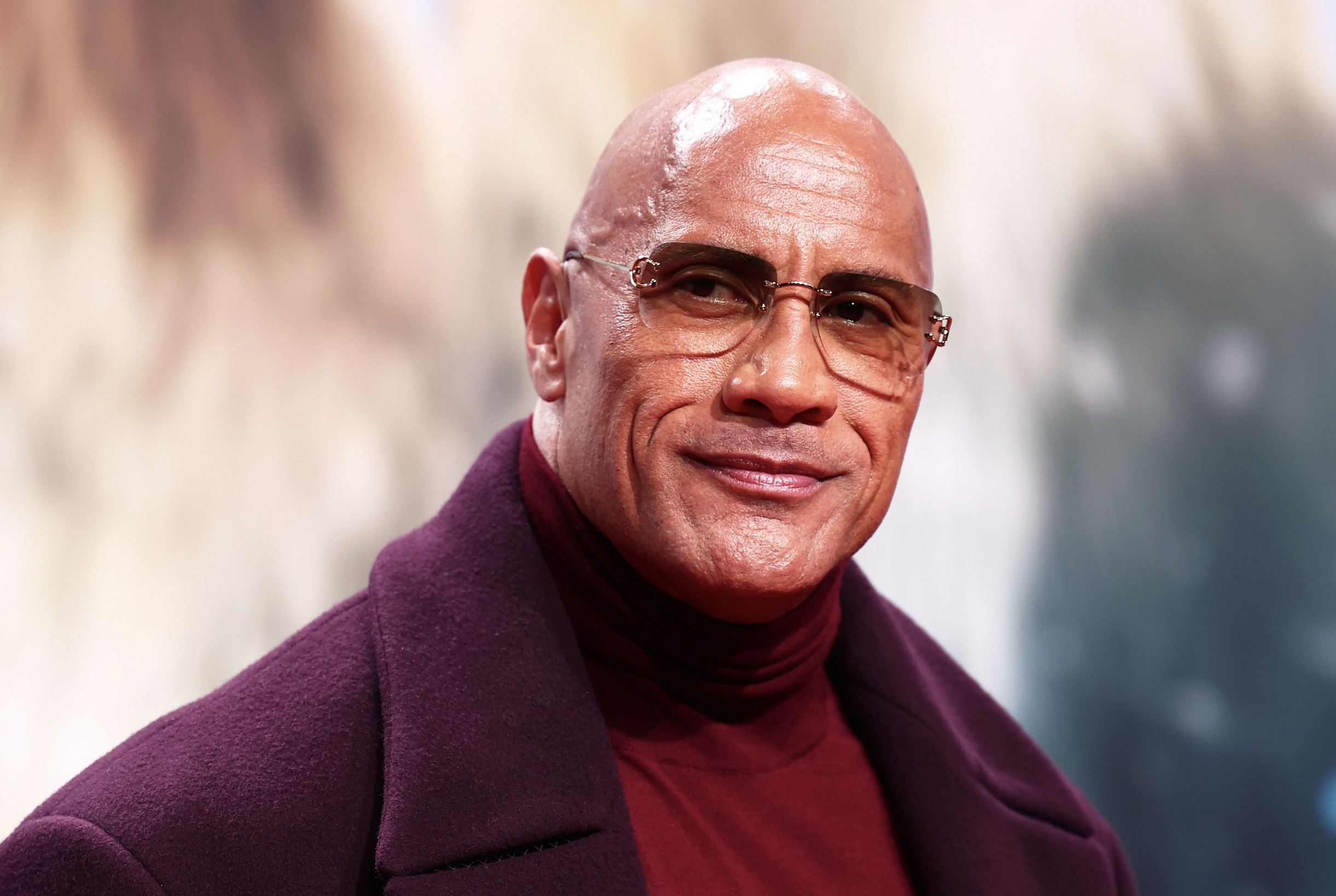
Dwayne “The Rock” Johnson, a globally recognized entertainer, is currently facing significant public criticism for his maintained political silence. This stance has drawn sharp remarks from various public figures, most notably ‘Star Trek’ actor George Takei, who publicly characterized Johnson’s silence as ‘complicity’.
The debate surrounding Johnson’s political neutrality was highlighted in a 2026 Variety report. This report detailed the growing sentiment that prominent personalities have a responsibility to engage with political issues.
The Expectation of Engagement
Public figures like Dwayne Johnson command vast audiences. His social media presence alone reaches hundreds of millions across platforms. This reach often translates into an expectation from parts of the public that he will use his platform for broader societal commentary.
The idea that celebrities should be politically active is not new. However, the intensity of this expectation has escalated in recent years. Social and political movements frequently call upon influential voices to lend their support.
Johnson’s career has largely avoided explicit political endorsements or strong partisan statements. This approach has allowed him to maintain a broad appeal across diverse demographics.
However, this strategy is now being challenged by those who believe that in times of perceived crisis, neutrality itself becomes a political act.
George Takei’s Stance: Silence as Complicity
George Takei, a veteran actor and activist, articulated a direct criticism of Johnson’s approach. Takei is known for his outspoken political views and advocacy for human rights. He served as a prominent figure in the LGBTQ+ rights movement and has often spoken about his experiences as a Japanese American interned during World War II.
Takei’s statement, reported by Variety in 2026, explicitly used the phrase ‘Silence Is Complicity’. This phrase suggests that by not speaking out, Johnson is tacitly endorsing or enabling the status quo, regardless of his personal beliefs.
This viewpoint posits that in a politically charged environment, there is no true neutral ground for those with significant influence. Every decision, including the decision to remain silent, carries implications.
Takei’s own history of activism lends weight to his critique. His public life has consistently intertwined entertainment with advocacy.
The Broad Spectrum of Celebrity Political Involvement
The entertainment industry exhibits a wide range of approaches to political engagement. Some celebrities are highly vocal, participating in campaigns, endorsing candidates, and speaking out on specific policies.
Others choose to focus their public efforts on non-political philanthropy or social causes that do not directly align with partisan politics. A third group, like Johnson, largely avoids public political commentary.
The motivations for these choices are varied. They can include a desire to maintain universal appeal, personal discomfort with public political discourse, or a belief that their primary role is entertainment, not advocacy.
Critics argue that remaining silent, particularly for figures with Johnson’s global reach, wastes a powerful opportunity for positive social impact. Supporters contend that celebrities are individuals with a right to privacy regarding their political leanings or that their primary duty is to their craft and audience.
Historical Precedents of Celebrity Advocacy
Historically, celebrities have played significant roles in political movements. Figures like Harry Belafonte and Jane Fonda were central to the Civil Rights Movement and the anti-war protests of the 1960s and 1970s. More recently, artists have used their platforms to advocate for climate action, gun control, and racial justice.
The advent of social media has amplified these voices, allowing direct communication between celebrities and their followers. This direct access has intensified the pressure on public figures to take stances on contemporary issues.
The concept of ‘cancel culture’ also plays a role. Celebrities who express unpopular political opinions sometimes face significant backlash, potentially impacting their careers and public image. This risk can deter some from speaking out.
Dwayne Johnson’s Public Image and Brand
Dwayne Johnson has cultivated a public image built on positivity, hard work, and broad appeal. His brand, ‘The Rock’, transcends specific genres, encompassing film, television, and business ventures.
His filmography includes family-friendly movies, action blockbusters, and comedic roles. This diverse appeal is partly attributed to his ability to connect with a wide audience without alienating specific groups through divisive political statements.
Johnson has often spoken about unity and bringing people together. This message aligns with a neutral political stance, aiming to find common ground rather than highlight divisions.
However, the current criticism suggests that for some, this unifying message is insufficient if it does not address specific political injustices or inequalities.
The Business of Neutrality
For many celebrities, political neutrality is also a business decision. Endorsements, film roles, and brand partnerships often rely on maintaining a broad appeal. Taking a strong political stance can alienate segments of the audience or potential business partners.
Johnson’s extensive portfolio of projects, including his production company Seven Bucks Productions and various brand collaborations, represents a significant financial enterprise. These ventures thrive on mass market acceptance.
The question then arises: is the financial incentive to remain neutral outweighing a perceived moral obligation to speak out? This is a central tension in the current debate.
Some argue that the financial power of such figures could be leveraged for significant political change if directed intentionally.
The Broader Implications of the ‘Silence Is Complicity’ Argument
The ‘Silence Is Complicity’ argument extends beyond individual celebrities. It is a concept frequently invoked in various social and political discussions, suggesting that inaction in the face of injustice is itself a form of participation.
This perspective places a moral burden on those with power and influence to actively challenge perceived wrongs. It challenges the notion that one can remain apolitical in a world affected by political decisions.
The debate around Johnson’s silence reflects a larger societal conversation about individual responsibility in collective issues. It asks whether silence, even if intended to be neutral, can ever truly be so.
For many, the expectation is that those who benefit most from society’s structures should also be the most vocal in addressing its flaws.
The Future of Celebrity Activism
The criticism directed at Dwayne Johnson may influence how other celebrities approach their public platforms. It could lead to increased pressure for all public figures to articulate their political views or support specific causes.
Conversely, it might reinforce the desire among some to maintain strict boundaries between their professional and political lives. The outcome will likely depend on the sustained nature of such public pressure and the broader cultural shifts.
The digital age ensures that such debates unfold rapidly and publicly. Social media acts as both a forum for criticism and a platform for defense or explanation.
Ultimately, the discussion surrounding Dwayne Johnson’s political silence is a microcosm of the ongoing societal negotiation regarding the roles and responsibilities of influential individuals in a highly interconnected and politically aware world.
Audiences demand more. Activists demand more. The debate continues.
Silence.
Complicity.
Action.
Choice.
What Does This Mean for Dwayne Johnson’s Career?
The long-term impact on Dwayne Johnson’s career remains to be seen. His immense popularity and established brand may insulate him from severe repercussions. However, persistent criticism could subtly shift public perception over time.
His ability to navigate this scrutiny will be a test of his brand’s resilience. The entertainment industry often adapts to changing social expectations, and Johnson’s response, or continued non-response, will be closely observed.
The incident highlights the evolving challenges faced by global icons in an era of heightened social consciousness. Their every public move, or lack thereof, is scrutinized.
His choices will resonate. They always do.