Tag: Drama

  • Netflix’s ‘Little House on the Prairie’ – Season 1 Ending Explained

    Netflix’s ‘Little House on the Prairie’ – Season 1 Ending Explained

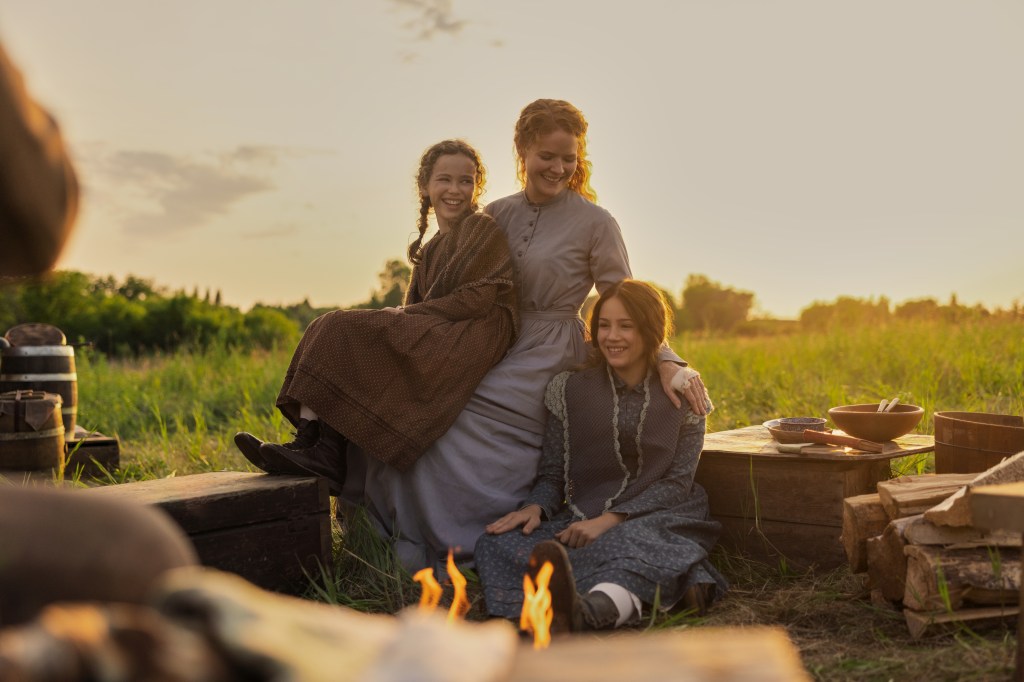
    Rebecca Sonnenshine, the showrunner for Netflix’s contemporary adaptation of ‘Little House on the Prairie’, recently offered detailed explanations regarding the conclusion of the series’ first season. Sonnenshine provided insights into the narrative choices made for the finale and indicated that a significant character is expected to return for the second season. This announcement has generated considerable discussion among fans of the classic story.

    But the story doesn’t begin there. The original ‘Little House on the Prairie’ books, authored by Laura Ingalls Wilder, have captivated generations. Their narratives chronicled the experiences of a pioneer family in the American West. The television series that aired from 1974 to 1983 further cemented its place in popular culture. Netflix’s new adaptation seeks to honor this legacy while introducing new perspectives and storylines for a modern audience.

    The End of Season 1: A Narrative Crossroads

    The first season of Netflix’s ‘Little House on the Prairie’ concluded with a series of dramatic events. These events left several character arcs unresolved. Sonnenshine highlighted the intentional ambiguity woven into the finale. This approach aimed to create suspense for future installments.

    One central storyline involved the Ingalls family’s struggle with new challenges on the prairie. These challenges tested their resilience and family bonds. The season finale brought these struggles to a head. It forced characters to make difficult decisions that will have lasting consequences.

    Sonnenshine emphasized that the ending was designed to be both satisfying and thought-provoking. It provided closure for some immediate conflicts while opening doors for deeper exploration in subsequent seasons. The creative team sought to balance reverence for the source material with the need for fresh storytelling.

    Character Fates and Unfinished Business

    Several key characters faced significant turning points in the Season 1 finale. Charles Ingalls, played by a new actor, grappled with a major decision concerning the family’s land. Caroline Ingalls confronted personal sacrifices for the well-being of her children.

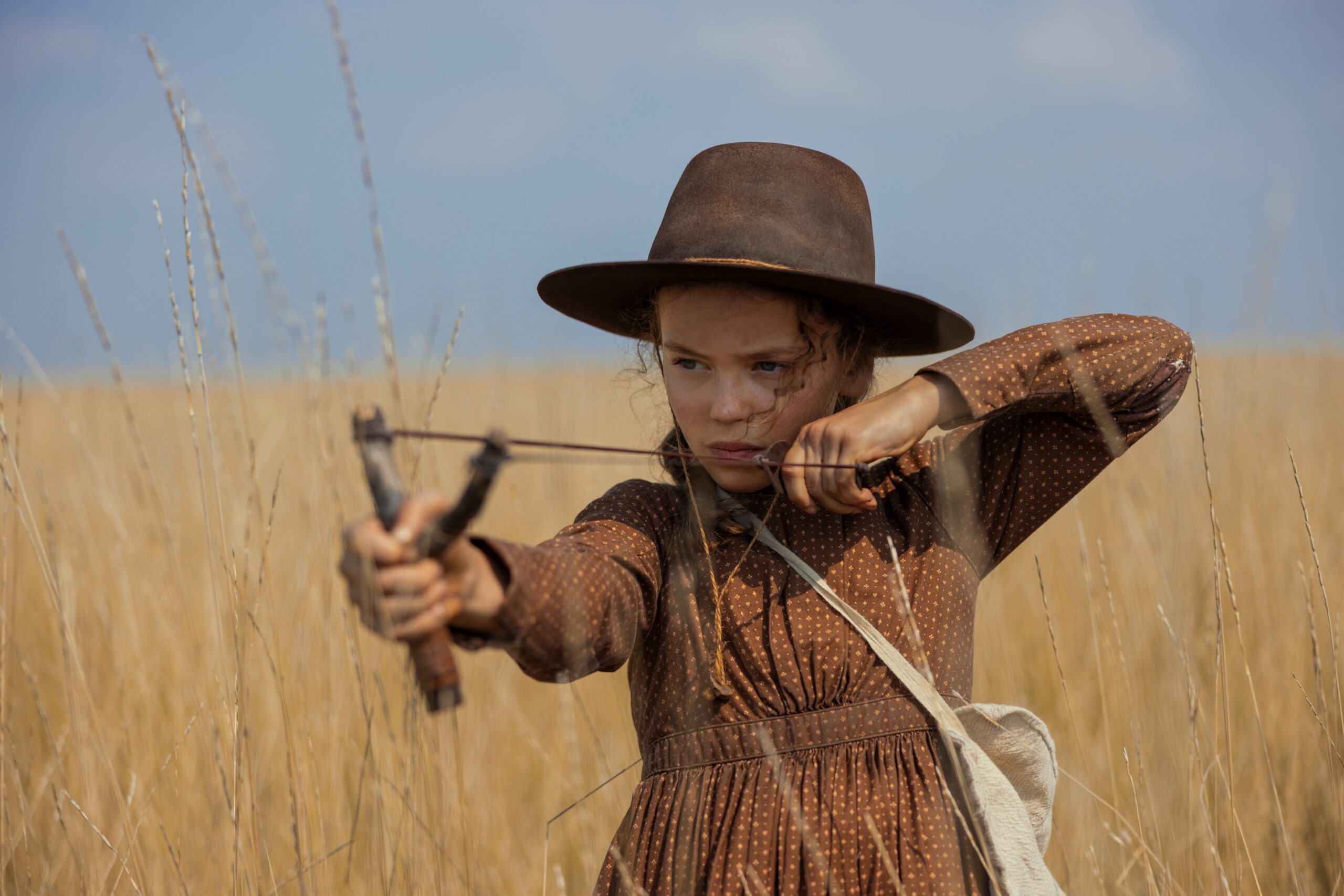
    Laura Ingalls, portrayed by a rising young talent, experienced a pivotal moment of self-discovery. Her journey often serves as the emotional core of the ‘Little House’ narrative. The finale intensified her personal growth. It set the stage for her continued development as a young woman on the frontier.

    Other characters, including Mary Ingalls and Nellie Oleson, also saw their storylines reach critical junctures. Their interactions and conflicts contributed to the season’s dramatic tension. The unresolved aspects of their stories are expected to be central to Season 2.

    Anticipation for Season 2: A Character’s Return

    Perhaps the most compelling revelation from Sonnenshine concerned the impending return of a specific character. This character was absent or had a limited role in the latter part of Season 1. Sonnenshine’s comments sparked immediate speculation among fans.

    The showrunner did not disclose the character’s identity. However, she affirmed that their reintroduction would significantly impact the ongoing narrative. This return is expected to introduce new dynamics and potential conflicts for the Ingalls family and their community.

    Fans have begun theorizing about which character might make a comeback. Possibilities range from beloved figures who departed the narrative temporarily to characters whose absence created a void. The return promises to be a major plot point for the next season.

    The Legacy of ‘Little House’ in a New Era

    Netflix’s decision to adapt ‘Little House on the Prairie’ reflects a broader trend in entertainment. Classic stories are being reinterpreted for contemporary audiences. The series aims to capture the essence of Laura Ingalls Wilder’s work. It also explores themes relevant to modern viewers.

    The original books, first published in 1932, offered a glimpse into 19th-century American pioneer life. They chronicled themes of family, perseverance, and community. The new adaptation seeks to honor these foundational elements. It also incorporates nuanced portrayals of historical contexts and character motivations.

    Sonnenshine’s vision for the series involves a deep dive into the emotional landscape of the characters. It examines the harsh realities of frontier life. It also celebrates the enduring spirit of the Ingalls family. The showrunner’s remarks suggest a commitment to both nostalgic appeal and narrative innovation.

    Production Insights and Creative Decisions

    The production of ‘Little House on the Prairie’ Season 1 involved extensive research and creative collaboration. The team worked to ensure historical accuracy while crafting compelling storylines. Sonnenshine detailed some of the challenges and rewards of bringing the beloved story to a new generation.

    Casting decisions were crucial in shaping the new series. The actors chosen for iconic roles faced the task of embodying characters deeply ingrained in public consciousness. Their performances aimed to resonate with both long-time fans and newcomers to the ‘Little House’ universe.

    The visual aesthetics of the show also received significant attention. Cinematography and set design recreated the expansive beauty and ruggedness of the American prairie. This visual storytelling contributed to the immersive experience of the series.

    Adapting a Beloved Classic

    Adapting a classic like ‘Little House on the Prairie’ presents unique challenges. The creative team must balance audience expectations with the desire for fresh interpretations. Sonnenshine spoke about navigating this delicate balance throughout the first season’s production.

    One key aspect of the adaptation involves expanding on elements only briefly touched upon in the books or original series. This allows for deeper character development and the exploration of new subplots. The showrunner hinted at delving into previously unexplored facets of certain characters’ backgrounds.

    The show also addresses certain historical complexities with a modern sensibility. This approach ensures the narrative remains relevant and engaging for today’s diverse audience. The goal is to provide a rich, multi-layered viewing experience.

    The Audience Response and Future Outlook

    The first season of Netflix’s ‘Little House on the Prairie’ garnered significant attention upon its release. Viewers responded to the blend of nostalgic elements and new narrative directions. Social media platforms buzzed with discussions about character portrayals and plot developments.

    Critics offered varied perspectives on the adaptation. Many praised its production values and the performances of the cast. Others debated the extent to which the new series honored the spirit of the original material. Sonnenshine acknowledged the passionate response from the fanbase.

    The showrunner expressed excitement for the upcoming second season. She confirmed that the creative team is actively developing new storylines. These stories will build upon the foundations laid in Season 1. The aim is to continue the Ingalls family’s journey with fresh challenges and triumphs.

    The anticipation for Season 2 is high. Fans eagerly await the resolution of Season 1’s cliffhangers. They also look forward to discovering which character will return. The future of ‘Little House on the Prairie’ on Netflix appears poised for continued growth. It promises further exploration of the American frontier saga.

    Families gathered. Audiences watched. Discussions ensued. Viewers waited.

    Season Two.
  • Julianne Nicholson Reprises Emmy-Winning Role in ‘Task’ Season 2 Crossover

    Julianne Nicholson Reprises Emmy-Winning Role in ‘Task’ Season 2 Crossover

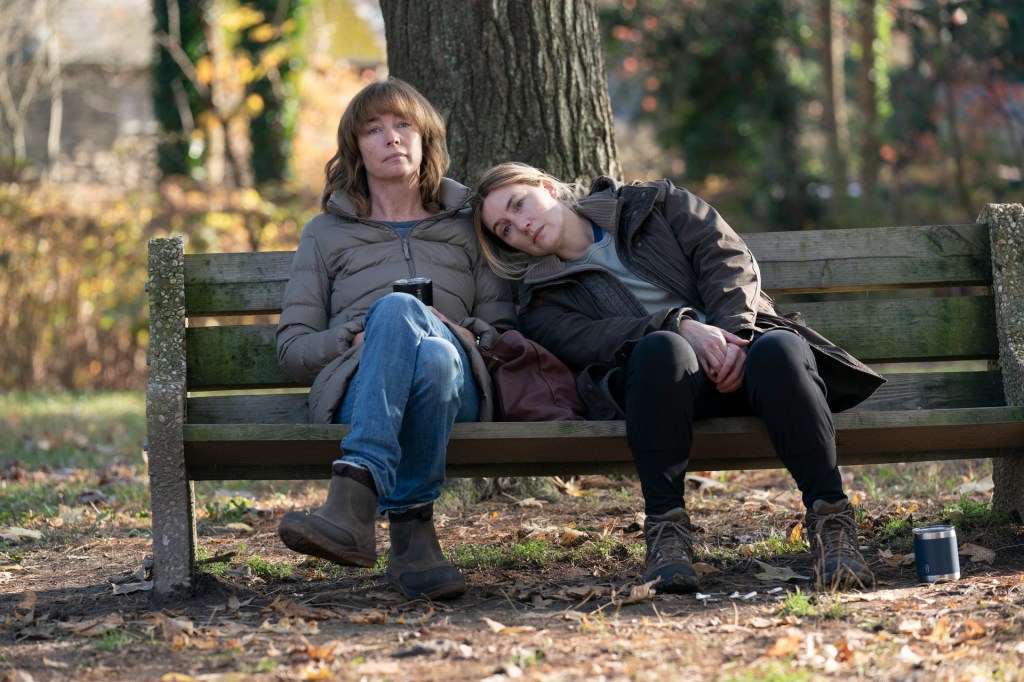
    Julianne Nicholson is set to reprise her Emmy-winning role from the critically acclaimed series Mare of Easttown, appearing in a crossover event for Task Season 2. This development was exclusively confirmed by Variety on 2026-07-09, marking a significant moment for fans of both television dramas.

    The integration of Nicholson’s character into a new series represents a bold creative decision in contemporary television programming. It aims to leverage established character appeal and the recognition of an award-winning performance.

    The Crossover Phenomenon in Television

    Television crossovers have historically been employed to boost viewership and create shared universes. From classic sitcoms to modern dramas, the merging of characters or storylines can generate significant buzz. This particular crossover, featuring an Emmy-winning performance, elevates the strategy.

    The concept relies on the audience’s familiarity and emotional investment in existing characters. Nicholson’s portrayal in Mare of Easttown resonated deeply with viewers and critics alike. Her return is designed to capitalize on that established connection.

    Julianne Nicholson’s Award-Winning Performance

    Julianne Nicholson earned an Emmy Award for Outstanding Supporting Actress in a Limited or Anthology Series or Movie for her work in Mare of Easttown. Her performance as Lori Ross, the best friend of protagonist Detective Mare Sheehan, was lauded for its depth and emotional complexity.

    The character of Lori Ross navigated profound personal tragedy and moral dilemmas throughout the series. Nicholson’s nuanced acting brought a raw authenticity to the role. This critical acclaim and fan appreciation are key factors in her reprisal.

    Anticipation for ‘Task’ Season 2

    Details surrounding Task Season 2 have been closely guarded. The announcement of Nicholson’s involvement adds a new layer of intrigue to the upcoming season. It suggests a narrative expansion that could connect disparate fictional worlds.

    The nature of her character’s appearance in Task remains undisclosed. Whether she will play Lori Ross in a direct continuation of her Mare of Easttown storyline or an alternate version is a central question. The potential for unexpected narrative turns is high.

    The Impact on Character Arcs

    A crossover event of this magnitude can significantly impact the established character arcs of both series. For Lori Ross, her story in Mare of Easttown concluded with a powerful, albeit tragic, resolution. Her reappearance opens new avenues for character development.

    The writers of Task will need to carefully integrate her character to maintain narrative consistency and integrity. This challenge presents an opportunity for innovative storytelling. It also caters to the desire for beloved characters to continue their journeys.

    The Business of Television Crossovers

    From a business perspective, crossovers are strategic moves. They can attract new viewers to both series involved. Fans of Mare of Easttown might now tune into Task, and vice versa.

    This cross-promotion can lead to increased streaming numbers and higher engagement. The decision to bring back an Emmy-winning actor in a crossover role is a calculated risk with potentially high rewards. It speaks to the competitive landscape of streaming content.

    Audience Expectations and Reception

    Audience expectations for such an event are considerable. Fans often have strong opinions about character portrayals and narrative direction. The success of this crossover will depend on its execution.

    The critical reception of Mare of Easttown set a high bar for quality and emotional depth. Task Season 2, with Nicholson’s inclusion, will face scrutiny from a broader audience. The ability to deliver a compelling and cohesive story will be paramount.

    Precedents and Future Trends

    Television history is replete with examples of successful and unsuccessful crossovers. The most effective ones often manage to surprise audiences while respecting established canon. This specific event aligns with a trend towards interconnected fictional universes, a strategy popularized in cinematic franchises.

    The entertainment industry continues to explore new ways to engage audiences and retain their attention. Crossovers, especially those involving critically acclaimed actors and roles, represent one such method. They offer a blend of familiarity and novelty.

    The Creative Team Behind the Crossover

    The creative teams behind both Mare of Easttown and Task will play a crucial role in the success of this crossover. Their ability to craft a seamless narrative will determine its impact. The writers, directors, and producers must collaborate closely.

    Ensuring that Julianne Nicholson’s character is integrated organically into the world of Task is essential. The narrative justification for her appearance must be compelling. This requires a deep understanding of both series’ thematic concerns and character motivations.

    Julianne Nicholson’s Career Trajectory

    Julianne Nicholson’s career has been marked by versatile performances across film and television. Her Emmy win for Mare of Easttown solidified her status as a respected dramatic actress. This crossover further highlights her appeal and acting prowess.

    Her involvement in Task Season 2 demonstrates her continued demand in the industry. It also reflects a willingness to revisit and evolve past roles. This adds another dimension to her already diverse filmography.

    The Enduring Legacy of ‘Mare of Easttown’

    Mare of Easttown debuted in 2021 and quickly became a cultural phenomenon. Its gritty realism, complex characters, and compelling mystery captivated audiences. The series garnered numerous awards and accolades, including multiple Emmys.

    The show’s exploration of grief, community, and personal resilience left a lasting impression. Julianne Nicholson’s role as Lori Ross was central to these themes. Her character’s journey provided a poignant counterpoint to the titular detective’s investigations.

    The announcement on 2026-07-09 brings a beloved character back to the screen. It merges two compelling narratives. It offers new possibilities for storytelling.

    Fans await. Critics observe. The television landscape evolves.

    The crossover.

  • Prime Video Cancels ‘It’s Not Like That’ After One Season

    Prime Video Cancels ‘It’s Not Like That’ After One Season

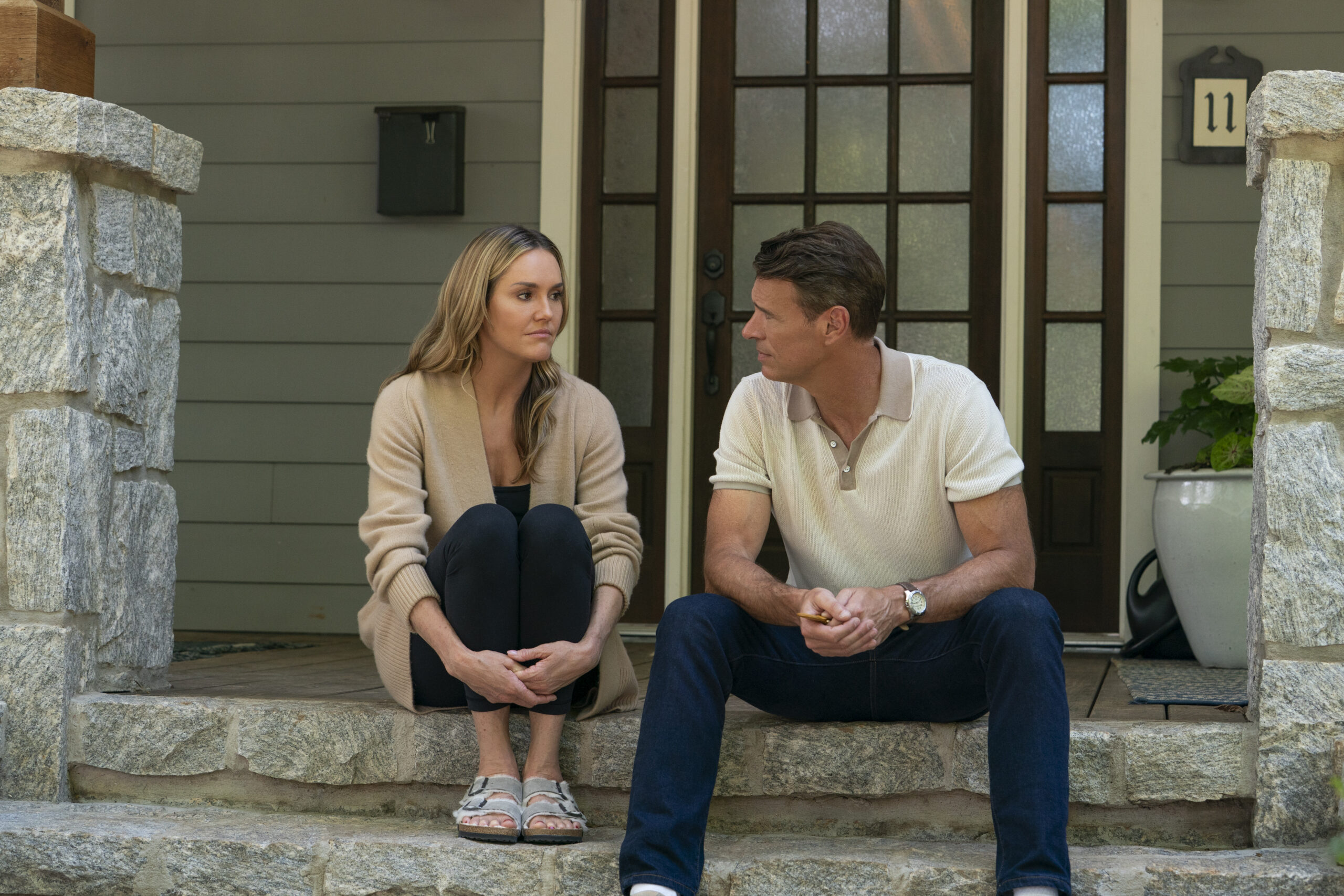
    Prime Video has canceled the drama series It’s Not Like That after its first season. This decision was confirmed by Deadline on July 8, 2026. The series, which featured a notable cast including Scott Foley, will not return for a second season.

    The cancellation reflects the dynamic nature of streaming platform content strategies. Platforms like Prime Video continuously assess viewership data, production costs, and critical reception. These factors contribute to decisions regarding renewals or cancellations for their original programming.

    The Trajectory of a Streaming Series

    The journey of a streaming series from concept to cancellation is often complex. Initial greenlights are based on pilot episodes, script quality, and attached talent. Once a series launches, its fate hinges on performance metrics.

    Viewership numbers are paramount. Streaming services track how many subscribers watch a show. They also monitor completion rates and how a show drives new subscriptions or retains existing ones.

    Critical reviews and audience engagement also play significant roles. A show might garner critical acclaim but fail to attract a substantial audience. Conversely, a show with mixed reviews might find a dedicated fan base that justifies its continuation.

    For It’s Not Like That, its debut earlier in 2026 was met with anticipation. Scott Foley’s involvement drew attention, given his prior work in television dramas. However, the exact reasons for the cancellation were not immediately detailed by Prime Video.

    Prime Video’s Content Strategy

    Prime Video operates under Amazon, a global technology and retail giant. Its content strategy is multifaceted, aiming to attract a broad international audience. The platform invests billions annually in original programming and licensed content.

    This investment supports a diverse catalog, ranging from high-budget fantasy epics to niche dramas and comedies. The goal is to provide compelling reasons for Amazon Prime subscribers to engage with the video service.

    Recent years have seen Prime Video launch several successful series. Titles like The Lord of the Rings: The Rings of Power and The Boys have garnered significant viewership and critical attention. These tentpole productions often serve as anchors for the platform’s overall strategy.

    However, not all productions achieve the desired impact. Cancellations are a regular part of the streaming business model. They free up resources for new projects and allow platforms to pivot quickly based on market trends and audience preferences.

    Industry Context: The Era of Peak TV and Beyond

    The period from 2010 to 2020 was often referred to as ‘Peak TV,’ characterized by an unprecedented volume of scripted series across broadcast, cable, and streaming. This era saw an explosion of creative output and diverse storytelling.

    By 2026, the streaming landscape has evolved. While content production remains high, there is an increased emphasis on efficiency and return on investment. Major streaming services are scrutinizing budgets and performance more closely than ever before.

    Competition among platforms is fierce. Netflix, Max, Disney+, Apple TV+, and Peacock all vie for subscriber attention. Each cancellation by one platform often leads to speculation about what new projects will take its place.

    The economic climate also influences these decisions. Rising production costs, talent fees, and the need to maintain profitability drive platforms to make tough choices about their content portfolios. A single season for a drama series like It’s Not Like That is not uncommon in this environment.

    Impact on Cast and Crew

    The cancellation of a series has immediate consequences for its cast and crew. Actors, writers, directors, and production staff find their contracts concluded. This necessitates seeking new projects.

    Scott Foley, as a prominent actor, will likely transition to other roles. However, many behind-the-scenes professionals face periods of uncertainty. The entertainment industry is project-based, and employment can be intermittent.

    Development deals and overall talent relationships often continue even after a show’s cancellation. Studios and networks frequently aim to retain talent for future projects, especially if the collaboration was positive.

    The Fan Reaction and Streaming Ecosystem

    Fan communities often react strongly to cancellations. Dedicated viewers invest time and emotional energy into a series. The abrupt end of a story can lead to disappointment and frustration.

    Online petitions and social media campaigns sometimes emerge in attempts to save canceled shows. While these efforts occasionally succeed, particularly for shows with cult followings, they rarely reverse a platform’s financial decision.

    The streaming ecosystem itself is a complex network. Content creators, production companies, distributors, and audiences all interact within it. Cancellations are a natural, albeit often unwelcome, part of this dynamic system.

    For Prime Video, the decision to cancel It’s Not Like That is a business calculation. It is part of a larger strategy to curate a compelling and profitable content library. This ongoing process shapes what viewers see and what stories get told.

    Looking Ahead for Prime Video

    Prime Video continues to develop and acquire new content. The platform’s commitment to original programming remains strong. Upcoming projects often replace those that are canceled, maintaining a fresh pipeline of shows.

    The focus will likely remain on a mix of high-profile, globally appealing series and more targeted niche content. This diversification aims to cater to different segments of its vast subscriber base.

    Technological advancements also play a role. Prime Video invests in areas like virtual production and enhanced viewing experiences. These efforts aim to keep the platform competitive and engaging for its audience.

    The cancellation of It’s Not Like That closes one chapter for Prime Video. It opens the door for future projects. The constant evolution of content offerings is a hallmark of the modern streaming industry.

    Audiences watch. Platforms decide. New stories emerge. Old stories end. The cycle continues.

  • Netflix’s ‘Little House on the Prairie’ Reimagining Earns Critical Acclaim

    Netflix’s ‘Little House on the Prairie’ Reimagining Earns Critical Acclaim

    A Beloved Story Returns: Netflix’s ‘Little House on the Prairie’

    Netflix has launched a reimagining of ‘Little House on the Prairie’, a new series based on Laura Ingalls Wilder’s beloved books, which has received early critical acclaim for its authentic and comforting portrayal of pioneer life. Variety published a positive review on July 9, 2026, highlighting the production’s success in capturing the essence of the original stories while appealing to contemporary streaming audiences. This adaptation seeks to evoke nostalgia for long-time fans and introduce the timeless themes of family, resilience, and frontier challenges to new generations.

    The ‘Little House on the Prairie’ books, written by Laura Ingalls Wilder, chronicle her childhood experiences as part of a pioneer family during the late 19th century. These narratives have resonated with readers for decades. They explore themes of survival, community, and the American spirit.

    Multiple adaptations have brought Wilder’s stories to life. The most famous was the television series that aired from 1974 to 1983. That series, starring Michael Landon and Melissa Gilbert, became a cultural touchstone.

    Netflix’s new version represents a contemporary interpretation. It is designed specifically for a streaming audience in 2026. The production’s focus on evoking nostalgia is a strategic choice. It aims to connect with established fans who hold a historical connection to the ‘Little House’ saga.

    Capturing the Wilder Spirit

    The Variety review specifically lauded the series for its “authentic and comforting portrayal” of pioneer life. This positive reception suggests a successful effort. The production captures the core spirit of Wilder’s original works.

    The series maintains the fundamental values of Wilder’s narrative. It avoids overly modernizing the characters or their struggles. Instead, it emphasizes universal human experiences. These include growth, hardship, and community, which defined the original stories.

    The creative team behind the Netflix series understood the delicate balance required. They needed to respect the source material. They also needed to make it relevant for today’s viewers.

    This careful approach ensures that the heart of the Ingalls family’s journey remains intact. Viewers can still connect with their challenges and triumphs. The series offers a journey back to simpler, yet often harsher, times.

    A Faithful Yet Fresh Adaptation

    One of the key strengths highlighted by Variety is the series’ ability to be both faithful and fresh. The production reportedly utilizes modern cinematography and storytelling techniques. These enhancements serve to deepen the emotional impact without sacrificing historical accuracy.

    The visual quality of the new series sets it apart. High-definition visuals bring the American frontier to life with stunning detail. This allows for a more immersive viewing experience than previous adaptations.

    Storytelling techniques are also updated. The pace and structure are designed to engage a streaming audience. This includes careful use of pacing and character development.

    These modern elements do not detract from the historical setting. Instead, they amplify the narrative. They make the struggles and joys of the Ingalls family more vivid and relatable.

    Commended Casting and Production Design

    The casting choices for the Netflix series also received commendation. The actors embody their roles with a nuanced understanding of the Ingalls family’s journey. This allows for a deeper connection between the characters and the contemporary viewer.

    The performances avoid caricature. They present complex individuals facing real challenges. Each actor brings depth and authenticity to their portrayal. This creates believable and empathetic characters.

    Set design and costume design are also noted for their meticulous attention to detail. These elements transport viewers directly into the late 19th-century American frontier. Every prop and garment contributes to the historical immersion.

    This commitment to authenticity contributes significantly to the overall “comforting” atmosphere described in the review. It builds a believable world. This world allows viewers to lose themselves in the story.

    The Enduring Legacy of Laura Ingalls Wilder

    Laura Ingalls Wilder’s books have had a lasting impact on American literature and culture. They offer a unique window into a pivotal period of American history. Her stories have taught generations about perseverance, family values, and the challenges of pioneering life.

    The enduring popularity of ‘Little House on the Prairie’ speaks to its timeless appeal. The themes explored in the books remain relevant. They resonate with readers and viewers across different eras.

    The Netflix adaptation acknowledges this legacy. It aims to honor Wilder’s original vision. It also seeks to expand its reach to a new, diverse audience.

    This reimagining ensures that the stories of Laura, Ma, Pa, Mary, and Carrie continue to inspire. They continue to educate about a significant part of America’s past.

    Anticipating Broader Critical Reception

    The initial review from Variety provides the first glimpse into how this reimagining is being received. Further critical responses are anticipated in the coming days and weeks. The early indicators are highly positive for Netflix’s venture into this iconic American literary landscape.

    The success of this adaptation could pave the way for further re-imaginings of classic literary works. It demonstrates a viable path for balancing beloved source material with the expectations of a modern streaming audience. This approach suggests a new trend in content creation for streaming platforms.

    The series promises to be a significant addition to Netflix’s growing library of acclaimed productions. It reinforces Netflix’s commitment to diverse and high-quality content. It also highlights the power of nostalgia in attracting viewers.

    The cultural conversation around ‘Little House on the Prairie’ is reignited. Old fans revisit cherished memories. New viewers discover a classic for the first time. The prairie beckons. The family gathers. The story continues.

  • Abbie Cornish Embodies Anna Nicole Smith in ‘Trust Me, I’m a Doctor’

    Abbie Cornish Embodies Anna Nicole Smith in ‘Trust Me, I’m a Doctor’

    Abbie Cornish has undertaken the role of Anna Nicole Smith in the forthcoming production titled ‘Trust Me, I’m a Doctor.’ This portrayal brings renewed attention to Smith’s life, a figure who captivated public imagination through her modeling career, marriage to J. Howard Marshall II, and subsequent legal battles. Cornish’s transformation into Smith is a central aspect of the project, aiming to capture both the physical likeness and the complex essence of the public figure.

    The Enduring Appeal of Anna Nicole Smith

    Anna Nicole Smith, born Vickie Lynn Hogan in Houston, Texas, on November 28, 1967, rose to prominence in the early 1990s. Her career began with modeling, notably for Guess jeans. She quickly became a symbol of American glamour, often compared to Marilyn Monroe. Smith’s public persona was carefully cultivated, blending vulnerability with overt sexuality.

    Her marriage to octogenarian oil magnate J. Howard Marshall II in 1994 drew international headlines. The union sparked widespread speculation about her motives. Marshall’s death in 1995 ignited a prolonged legal battle over his estate. This legal saga extended for over a decade, reaching the Supreme Court of the United States multiple times.

    Smith’s life was marked by both extreme highs and profound lows. She navigated the intense scrutiny of the media. Her story became a public spectacle, encompassing fame, wealth, legal disputes, and personal tragedy. The public’s fascination with her narrative has not waned, nearly two decades after her death.

    Abbie Cornish’s Transformation

    Abbie Cornish, an Australian actress known for roles in ‘Bright Star’ and ‘Three Billboards Outside Ebbing, Missouri,’ takes on this iconic role. The casting requires a significant physical and performative transformation. Early images from the production indicate a meticulous effort to replicate Smith’s distinctive look and mannerisms. This process involves detailed costume design, makeup artistry, and potentially prosthetics.

    Cornish’s preparation for the role likely includes extensive research into Smith’s life. This would involve studying interviews, documentaries, and biographical accounts. The goal is to move beyond superficial imitation. The aim is to delve into the psychological and emotional landscape of Smith’s experiences. This level of immersion is crucial for depicting a figure as complex and often misunderstood as Anna Nicole Smith.

    The Challenges of Portrayal

    Portraying a well-known public figure presents unique challenges. Actors must balance accuracy with interpretation. The performance must resonate with public memory while offering new insights. Cornish’s task is to humanize Smith, moving beyond tabloid headlines. She must explore the vulnerabilities and strengths that defined Smith’s tumultuous existence.

    The project’s title, ‘Trust Me, I’m a Doctor,’ suggests a narrative approach that might explore themes of authenticity, perception, and the often-deceptive nature of public image. This title could imply a critique of how Smith was perceived by the media and the public. It might also hint at the internal struggles she faced, hidden beneath her public persona.

    The Legacy of Anna Nicole Smith

    Anna Nicole Smith’s life concluded tragically on February 8, 2007, at the age of 39. Her death, attributed to an accidental overdose, occurred just months after the death of her son, Daniel Wayne Smith. These events added another layer of sorrow to her already complex narrative. Her story became a cautionary tale about the pressures of fame and the fragility of human existence.

    The cultural impact of Anna Nicole Smith extends beyond her lifetime. She remains a subject of documentaries, biopics, and academic discussions. Her story touches upon themes of class, gender, celebrity, and the American dream. She represents a particular era of celebrity culture, one that blurred the lines between reality and performance.

    “Anna Nicole Smith was more than just a tabloid fixture; she was a reflection of societal obsessions with beauty, wealth, and tragedy.”

    Her ongoing relevance is evident in projects like ‘Trust Me, I’m a Doctor.’ These productions seek to re-examine her narrative through a contemporary lens. They aim to understand the forces that shaped her life and public image. The persistent interest in her story underscores its enduring power and its ability to provoke reflection on broader societal issues.

    ‘Trust Me, I’m a Doctor’: What to Expect

    Details about the full scope of ‘Trust Me, I’m a Doctor’ remain under wraps. However, the initial announcement and images confirm its focus on Anna Nicole Smith. The project is expected to offer a comprehensive look at her journey. This would include her rise from humble beginnings, her iconic modeling career, and her high-profile marriage.

    The production will likely explore the legal battles that consumed much of her later life. These protracted court cases defined her public image for many years. They involved intricate details of estate law and family disputes. The project could also delve into her personal relationships and her struggles with addiction.

    Kal Penn is also associated with the project, though his specific role has not been detailed. His involvement suggests a production with a diverse cast and potentially a nuanced approach to the narrative. The combination of Cornish’s transformative performance and Penn’s presence indicates a significant dramatic undertaking.

    The Cinematic Approach

    The title ‘Trust Me, I’m a Doctor’ could signal a variety of narrative styles. It might imply a satirical take on celebrity culture. It could also suggest a more empathetic exploration of Smith’s life. The tone will be critical in shaping how audiences perceive this new interpretation of her story. The film’s creators will face the challenge of presenting a balanced portrayal, avoiding sensationalism while addressing the dramatic elements of her life.

    The project’s release will undoubtedly reignite discussions about Smith’s legacy. It will prompt audiences to reconsider her impact on popular culture. It will also invite reflection on the ethics of media representation and the pressures faced by public figures. The film offers an opportunity to re-evaluate a life lived under intense public scrutiny.

    Abbie Cornish prepares. The production team finalizes details. Audiences anticipate. The story of Anna Nicole Smith continues.

  • Annette Bening’s Beulah Jackson: Not a Villain in ‘Dutton Ranch’

    Annette Bening’s Beulah Jackson: Not a Villain in ‘Dutton Ranch’

    Annette Bening’s character, Beulah Jackson, in the series ‘Dutton Ranch’ is not widely considered a villain by viewers, despite contentious actions depicted in the season finale. The discussion around her role has engaged fans who feel protective of the show’s established values and narrative complexity. This perspective often frames Jackson as a character driven by her own set of principles rather than malicious intent.

    The discourse gained traction following reports from outlets like The Hollywood Reporter, which noted the intensity of the fan engagement. Viewers actively debated Jackson’s motivations and impact on the Yellowstone universe. This debate underscores the nuanced character development characteristic of the series.

    The Nuance of Beulah Jackson’s Character

    Beulah Jackson entered the ‘Dutton Ranch’ narrative as a figure of significant influence. Her interactions with the core Dutton family and their associates were consistently layered. She rarely operated with overt malice.

    Instead, her decisions often stemmed from a deeply ingrained personal code. This code frequently clashed with the Dutton family’s interests. Such conflicts are central to the dramatic tension of the series.

    The show often presents characters whose actions, while adversarial, are not inherently evil. Jackson fits this mold. Her objectives, from her perspective, were justifiable and perhaps even necessary.

    Defining ‘Villain’ in the Dutton Ranch Universe

    The term ‘villain’ within the ‘Dutton Ranch’ universe is complex. Characters often operate in moral gray areas. Protagonists engage in ethically questionable acts. Antagonists sometimes possess sympathetic backstories.

    Traditional villain archetypes are rare. Instead, the series features individuals in direct opposition. Their conflicts arise from competing claims, differing ideologies, or struggles for power and survival.

    Beulah Jackson’s opposition to the Duttons often aligned with broader themes of land rights and shifting power dynamics. Her actions, while impactful, were part of a larger systemic struggle.

    The Finale’s Impact on Perception

    The season finale of ‘Dutton Ranch’ featured key moments involving Beulah Jackson. These scenes were pivotal in shaping audience perceptions. Her direct involvement in certain events led some viewers to label her as an antagonist.

    However, the narrative context surrounding these events is crucial. The show often reveals the intricate web of cause and effect. Characters react to circumstances. They are not always instigators of pure evil.

    For many fans, Jackson’s actions were a response to perceived threats or injustices. They were strategic moves within a high-stakes game. This interpretation avoids the simplistic ‘villain’ label.

    Fan Engagement and Cultural Defense

    The ‘Dutton Ranch’ fanbase is known for its passionate engagement. Viewers often delve deeply into character motivations. They analyze plot developments with scrutiny.

    The discussion surrounding Beulah Jackson exemplifies this engagement. Fans actively defended the character. They argued against a one-dimensional portrayal. This ‘cultural defense’ highlights the show’s success in creating complex, relatable figures.

    Social media platforms and fan forums became arenas for these debates. Theories about Jackson’s ultimate goals proliferated. Her character became a focal point for understanding the show’s moral landscape.

    Annette Bening’s Portrayal

    Annette Bening’s performance as Beulah Jackson was critical to this nuanced reception. Bening, an accomplished actress, brought depth and gravitas to the role.

    Her acting choices conveyed Jackson’s internal strength and conviction. She avoided caricature. This allowed audiences to see beyond surface-level antagonism.

    Bening’s ability to imbue Jackson with a sense of purpose resonated with viewers. It made it difficult to dismiss the character as merely evil. The performance itself invited a more complex understanding.

    “Annette Bening brought a profound understanding to Beulah Jackson, showcasing her as a woman of immense will rather than a simple adversary,” one fan commented on a popular forum. “Her portrayal elevated the character beyond typical villain tropes.”

    This critical appreciation extended beyond the fanbase. Television critics also lauded Bening’s work. They recognized the complexity she brought to the screen.

    The Legacy of Complex Antagonists

    ‘Dutton Ranch’ has a history of introducing characters who challenge easy categorization. These figures drive conflict. Yet, they possess their own compelling narratives.

    Beulah Jackson continues this tradition. She represents the formidable forces that oppose the Dutton family’s dominion. Her presence forces the protagonists to confront difficult truths.

    Her character, therefore, serves a vital narrative function. She is not just an obstacle. She is a catalyst for change and self-reflection within the series’ core characters.

    The Broader Themes at Play

    The debate over Beulah Jackson’s villain status connects to larger themes within ‘Dutton Ranch’. These themes include land ownership, cultural identity, and the struggle for power.

    Jackson’s actions often aligned with protecting specific interests. These interests frequently stood in direct contrast to the Duttons’ expansionist tendencies. The show explores these clashes without always assigning clear heroes or villains.

    The series consistently challenges viewers to consider multiple perspectives. It asks them to question who truly holds moral authority. Beulah Jackson is a powerful embodiment of this narrative approach.

    Her character’s impact extends beyond individual plot points. She contributes to the overarching philosophical questions the show poses. Her legacy is one of unwavering resolve in the face of formidable opposition.

    The discussions continue. The arguments persist. The interpretations evolve. Fans analyze. Critics dissect. The character of Beulah Jackson remains a central figure in the ongoing ‘Dutton Ranch’ narrative.

  • Natalie Alyn Lind Reveals Oreana’s Fate in ‘Dutton Ranch’ Season 2

    Natalie Alyn Lind Reveals Oreana’s Fate in ‘Dutton Ranch’ Season 2

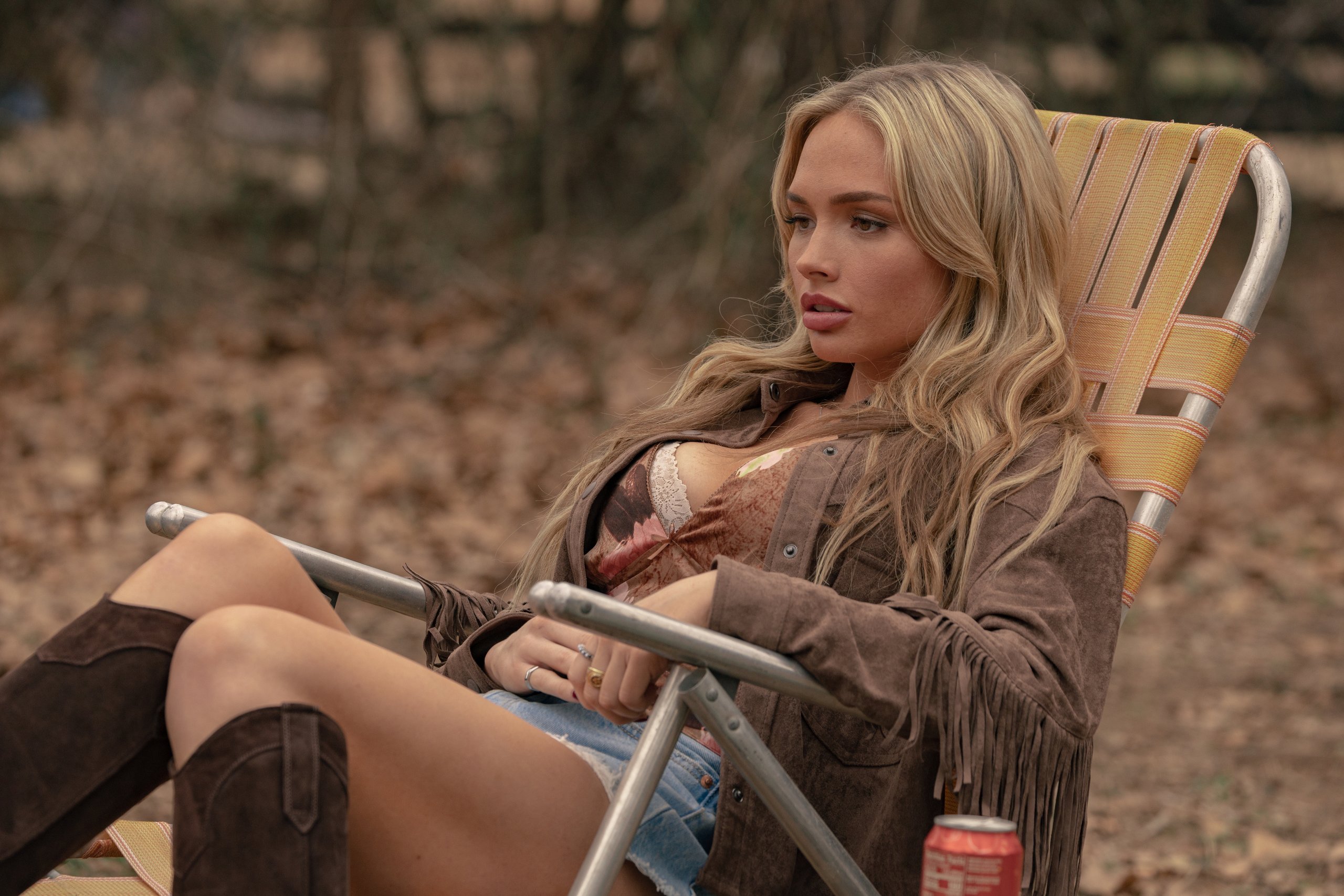
    Natalie Alyn Lind, who plays Oreana in the series ‘Dutton Ranch’, recently revealed that her character’s journey in Season 2 will be defined by the emotional fallout from a murder caused by her father and the unexpected news of her pregnancy. These pivotal events are set to reshape Oreana’s future and the broader narrative of the series.

    Lind’s insights provide a direct look into the dramatic arcs planned for the character. She detailed the challenges and opportunities these developments present for Oreana, offering fans a glimpse into the upcoming season’s core themes.

    The Weight of Grief: Oreana’s Father’s Murder

    Oreana’s story on ‘Dutton Ranch’ reached a critical juncture with the murder of her father. This event serves as a foundational tragedy, fundamentally altering Oreana’s emotional landscape and future trajectory within the series.

    Lind described the profound difficulty in portraying such raw and immediate grief. The loss of a parent is a universal experience, yet its depiction requires careful nuance to maintain authenticity.

    Immediate Aftermath and Emotional Resonance

    Viewers witnessed Oreana navigating the immediate aftermath of this violent loss. Scenes depicted shock, profound sorrow, and a desperate search for understanding and justice. Lind focused on conveying the depth of this personal tragedy.

    The character’s initial reactions set the tone for her subsequent development. Her vulnerability became a key aspect of her identity following this trauma. Lind’s performance aimed to connect audiences directly to Oreana’s internal struggle.

    Impact on Character Motivation

    The murder reshaped Oreana’s motivations. Her previous concerns were overshadowed by a quest for answers and a need to process her sorrow. This shift in focus is critical for understanding her actions in upcoming episodes.

    Relationships with other characters on the ranch were also tested and redefined. The shared grief and the search for accountability created new dynamics and potential alliances.

    A New Chapter: The Unexpected Pregnancy

    Amidst the profound grief, Oreana receives life-altering news: she is pregnant. This development introduces a compelling layer of complexity, shifting her focus from mourning to the prospect of new life.

    Lind highlighted this twist as a significant turning point for Oreana. The pregnancy creates a stark juxtaposition of life and death, hope and despair, within her storyline.

    Navigating Dual Realities

    Oreana must now grapple with two powerful, conflicting realities. The sorrow of her father’s absence is tempered by the impending joy and responsibility of motherhood. This dual experience presents both immense challenges and opportunities for growth.

    Lind noted the dramatic potential inherent in this emotional dichotomy. It allows for a deeper exploration of resilience and the human capacity to adapt under duress.

    Implications for Relationships and Future

    The pregnancy raises immediate questions regarding the child’s father and its broader implications for Oreana’s existing relationships within the ‘Dutton Ranch’ universe. The series is poised to explore these new dynamics in detail.

    This revelation will undoubtedly affect her interactions with potential partners, family members, and the wider ranch community. New alliances may form, and existing tensions could escalate.

    Season 2: Narrative Drivers and Character Evolution

    The events surrounding Oreana, particularly her pregnancy and the unresolved issues from a murder caused by her father, are positioned to be central to ‘Dutton Ranch’ Season 2. Lind confirmed that these plot points will significantly drive the upcoming narrative.

    The creative team intends to explore the full consequences of these developments. The season will delve into Oreana’s journey through pregnancy and early motherhood, examining its impact on her decision-making and emotional state.

    Oreana’s Evolving Role on the Ranch

    Her new responsibilities will inevitably influence her actions and status within the ranch community. Her personal story will likely intertwine with the larger conflicts and power struggles inherent to the ‘Dutton Ranch’ world.

    Lind expressed enthusiasm for the depth of character exploration in Season 2. She anticipates viewers will witness a significant evolution in Oreana as she confronts these new life circumstances, promising a challenging and compelling narrative.

    Interconnected Storylines

    The series is known for its intricate, interwoven storylines. Oreana’s pregnancy will not exist in a vacuum; it will undoubtedly affect other characters and their arcs, creating new alliances, conflicts, and moral dilemmas.

    The interconnectedness of the ‘Dutton Ranch’ world ensures that personal stories like Oreana’s have far-reaching implications, influencing the fate of many characters.

    Natalie Alyn Lind: Crafting a Complex Portrayal

    Natalie Alyn Lind’s approach to embodying Oreana involves a deep immersion into the character’s psychological landscape. She discussed her process for understanding Oreana’s motivations and emotional responses, particularly during moments of extreme duress and unexpected joy.

    An actor’s ability to convey complex, often contradictory, emotions is vital for fostering audience connection and empathy. Lind’s work on ‘Dutton Ranch’ demonstrates her commitment to authenticity in depicting both profound sadness and nascent hope.

    Collaboration in Character Development

    The collaborative nature of television production plays a crucial role in shaping character arcs. Lind works closely with writers and directors to ensure her portrayal aligns with the overall vision for Oreana.

    This synergy contributes significantly to the show’s narrative strength and the consistent development of its characters. It ensures that Oreana’s journey feels organic and believable.

    Versatility and Impactful Roles

    Natalie Alyn Lind has a history of diverse roles across various television productions. Her work prior to ‘Dutton Ranch’ includes appearances in other notable series, showcasing her versatility as an actress.

    Her career trajectory reveals a consistent engagement with impactful storytelling and characters facing significant personal challenges. ‘Dutton Ranch’ continues this trend, providing a rich canvas for her talents.

    Audience Engagement and Future Expectations

    The ‘Dutton Ranch’ fanbase has demonstrated significant investment in Oreana’s story. Social media discussions, fan theories, and online forums frequently focus on her fate and the implications of recent plot twists.

    Lind acknowledged this strong audience engagement, recognizing the passion viewers have for the series and its characters. This connection underscores the importance of delivering a compelling and satisfying narrative.

    Meeting Fan Expectations

    Viewer expectations for Season 2 are notably high, particularly concerning how Oreana’s pregnancy and the aftermath of a murder caused by her father will be handled. The show’s writers face the task of crafting a compelling narrative that satisfies these expectations while maintaining creative integrity.

    Lind expressed confidence in the creative team’s ability to achieve this delicate balance, promising a season that will both surprise and resonate with long-time viewers.

    Thematic Resonance

    The emotional resonance of Oreana’s journey is a key factor in the show’s widespread appeal. Her struggles and triumphs reflect universal themes of loss, resilience, family, and the unexpected turns life can take. This thematic depth helps foster a dedicated and emotionally invested viewership.

    The series continues to explore how individuals navigate personal tragedies within the context of a larger, often harsh, world.

    ‘Dutton Ranch’: Continuing a Legacy of Drama

    ‘Dutton Ranch’ continues to captivate audiences with its blend of intense drama, deep character development, and intricate storytelling. The upcoming Season 2, with Oreana’s compelling storyline at its core, promises to expand on these established elements.

    The series maintains a strong position within the contemporary television landscape, consistently drawing viewers into its complex world. Its narrative strength lies in its ability to balance individual character arcs with overarching plotlines.

    Creative Direction and Evolution

    The creative direction for the show emphasizes deep character dives and impactful plot twists. This strategy ensures that ‘Dutton Ranch’ remains a dynamic and engaging narrative experience, avoiding stagnation.

    The focus on Oreana’s personal journey – navigating new life amidst existing conflicts – is a prime example of this evolving approach. Producers and writers are committed to evolving the series while staying true to its established tone and themes.

    The exploration of new life alongside existing conflicts will be a defining characteristic of the next season. The narrative threads woven throughout the series will continue to challenge and reward its audience. The ranch endures, and its stories continue to unfold.

  • Johnny Galecki Returns to Stage as Tennessee Williams in Chicago

    Johnny Galecki Returns to Stage as Tennessee Williams in Chicago

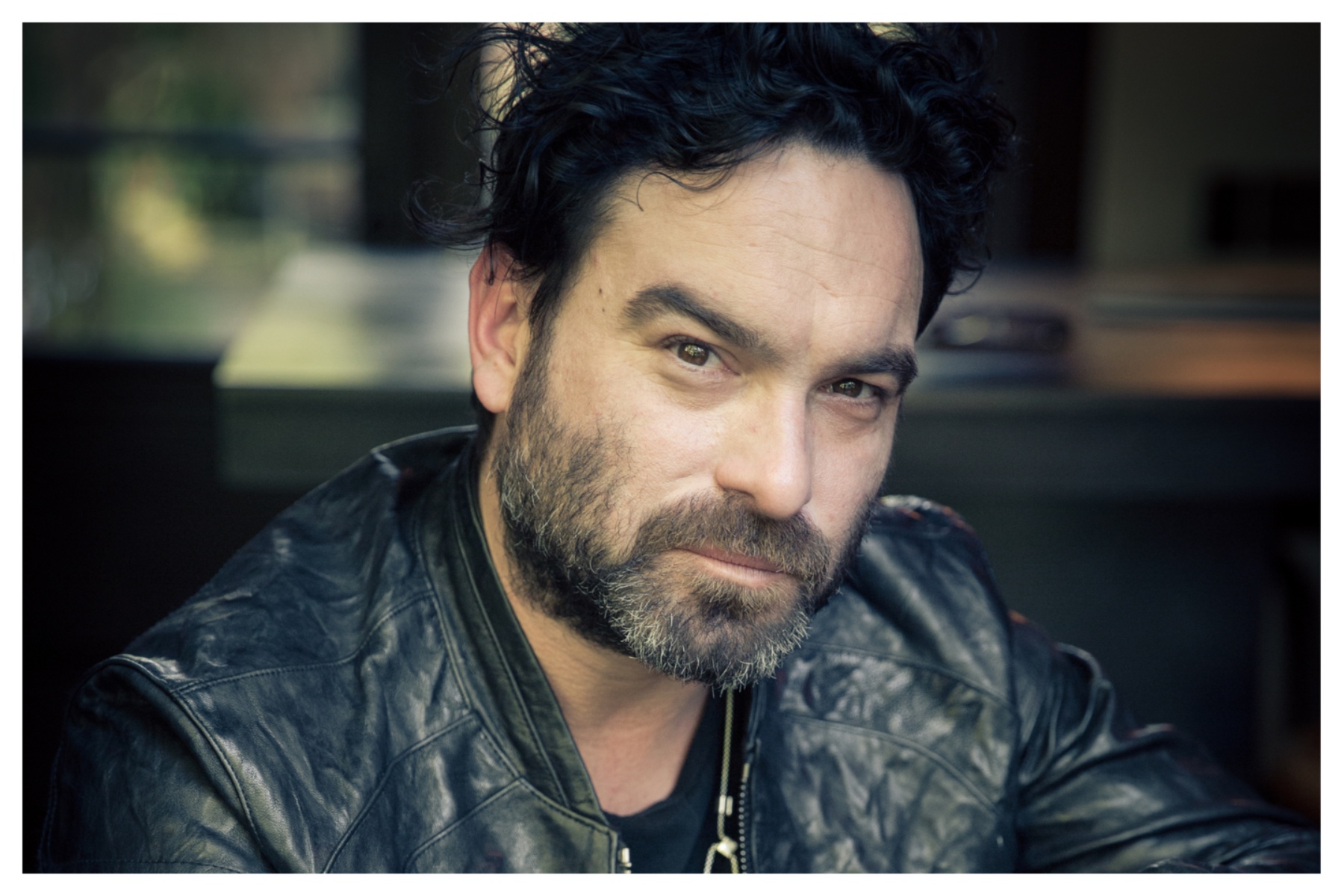
    Johnny Galecki, known for his extensive career in television and film, will return to acting in a new stage production. He is slated to portray the iconic American playwright Tennessee Williams in a play titled ‘Kowalski’. The presentation is scheduled for Chicago, marking Galecki’s return to the acting sphere after a period away from major roles.

    This announcement, exclusively reported by Variety, has generated considerable interest. Galecki’s last prominent role concluded with the highly successful sitcom ‘The Big Bang Theory’, which aired its final episode in May 2019. His return to the stage, particularly in a dramatic and historical role, represents a new chapter in his career.

    Galecki’s Career Trajectory

    Johnny Galecki’s acting career spans several decades. He began his professional journey as a child actor, gaining early recognition for his role as David Healy in the ABC sitcom ‘Roseanne’. This series, which initially ran from 1988 to 1997, provided Galecki with early exposure to a wide audience.

    Following ‘Roseanne’, Galecki transitioned into film and other television projects. He appeared in films such as ‘National Lampoon’s Christmas Vacation’ (1989), ‘Suicide Kings’ (1997), and ‘Vanilla Sky’ (2001). His stage work also includes a Broadway debut in 2007, where he starred in ‘The Little Dog Laughed’.

    His most globally recognized role came as Dr. Leonard Hofstadter in ‘The Big Bang Theory’. The CBS sitcom premiered in September 2007 and concluded after 12 seasons in May 2019. The show became a cultural phenomenon, earning Galecki widespread acclaim and multiple award nominations.

    Since the conclusion of ‘The Big Bang Theory’, Galecki has maintained a lower public profile. His involvement in ‘Kowalski’ signals a deliberate choice to engage with challenging theatrical material, moving beyond the comedic roles for which he is most widely known.

    The Play: ‘Kowalski’

    The new production, ‘Kowalski’, focuses on a specific period or aspect of Tennessee Williams’ life. While specific plot details remain under wraps, the title suggests a connection to Stanley Kowalski, a central character in Williams’ seminal work, ‘A Streetcar Named Desire’.

    Tennessee Williams, born Thomas Lanier Williams III in 1911, is considered one of the foremost American playwrights of the 20th century. His works frequently explore themes of desire, loneliness, and societal constraints. Notable plays include ‘The Glass Menagerie’ (1944), ‘A Streetcar Named Desire’ (1947), ‘Cat on a Hot Tin Roof’ (1955), and ‘Suddenly, Last Summer’ (1958).

    Portraying Williams presents a unique challenge for Galecki. The role requires an actor to delve into the complex psyche of a literary giant, exploring his creative processes, personal struggles, and the inspirations behind his dramatic masterpieces. This type of biographical or semi-biographical play often combines historical accuracy with artistic interpretation.

    The Legacy of Tennessee Williams

    Tennessee Williams received numerous accolades during his career. He was awarded the Pulitzer Prize for Drama twice: first in 1948 for ‘A Streetcar Named Desire’, and again in 1955 for ‘Cat on a Hot Tin Roof’. His plays have been adapted into highly successful films, with many actors earning Academy Awards for their performances in Williams’ adaptations.

    Williams’ influence extends beyond the stage and screen. His distinctive Southern Gothic style and profound character studies continue to be studied and performed globally. The decision to center a play around Williams himself speaks to his enduring impact on American literature and theater.

    Chicago’s Theatrical Landscape

    The choice of Chicago for the premiere of ‘Kowalski’ is significant. Chicago boasts a vibrant and respected theater scene, known for its innovative productions and strong ensemble work. The city is home to numerous acclaimed theaters, including Steppenwolf Theatre Company, Goodman Theatre, and Lookingglass Theatre Company.

    Chicago’s audiences are often regarded as discerning and appreciative of serious theatrical endeavors. This environment provides a suitable platform for a production featuring a well-known actor tackling a challenging role. The specific venue for ‘Kowalski’ has not yet been publicly disclosed.

    The city has a rich history of fostering new plays and revivals. Its theatrical community offers a blend of established institutions and experimental groups, contributing to a dynamic cultural landscape. Galecki’s presence is expected to draw national attention to the local theater scene.

    Anticipation for Galecki’s Return

    Fans and critics alike are anticipating Galecki’s return to acting. His dramatic turn as Tennessee Williams contrasts sharply with the comedic roles that defined much of his recent career. This move allows Galecki to showcase a different facet of his acting range.

    The transition from a long-running sitcom to a stage drama about a literary figure is a career shift many actors undertake. It often signals a desire for artistic exploration and a departure from typecasting. Galecki’s decision highlights the enduring appeal and artistic depth found in live theater.

    The production of ‘Kowalski’ will be a key event in the Chicago theater calendar. It brings together a recognizable name with a revered literary subject, promising a compelling theatrical experience. The details surrounding the creative team, including the playwright and director of ‘Kowalski’, are expected to be announced in the coming months.

    Expectations are high. The industry watches. Audiences await. Chicago.

  • Yellowstone Season 2: Beth and Rip Actors Reveal Dutton Ranch Dynamics

    Yellowstone Season 2: Beth and Rip Actors Reveal Dutton Ranch Dynamics

    Kelly Reilly and Cole Hauser, the actors behind ‘Yellowstone’s’ Beth Dutton and Rip Wheeler, provided key insights into the series’ second season dynamics. Their discussions focused on the creative trajectory of the Dutton Ranch narrative, the impact of new showrunners, and the unwavering vision of series creator Taylor Sheridan. These details offer a comprehensive look into the character developments and plot advancements that defined the second installment of the acclaimed Western drama.

    ‘Yellowstone’ premiered in June 2018, quickly establishing a dedicated fanbase. The series chronicles the conflicts surrounding the Yellowstone Dutton Ranch, the largest contiguous ranch in the United States. It explores the constant threats from land developers, a nearby Native American reservation, and the internal struggles within the Dutton family. The show’s narrative is deeply rooted in themes of land preservation, family legacy, and the evolving American West.

    The Continuing Saga of the Dutton Family

    The first season of ‘Yellowstone’ concluded with significant unresolved plotlines. These cliffhangers left the Dutton family in precarious positions, facing threats to their land and their lives. Season 2, which premiered in June 2019, directly addressed these dramatic conclusions, propelling the narrative forward with heightened stakes.

    The series maintains its focus on John Dutton’s relentless fight to protect his family’s ranch. This struggle often involves intense confrontations with external forces and internal family discord. The narrative continually explores the complexities of land ownership and the clash between traditional ranching life and modern development pressures.

    Beth Dutton’s Strategic Acumen and Emotional Depth

    Kelly Reilly portrays Beth Dutton, the highly intelligent and fiercely protective daughter of John Dutton. Beth’s character is known for her sharp business acumen, her tactical brilliance, and her profound emotional intensity. She navigates complex financial schemes and personal relationships with equal ferocity.

    Beth’s unwavering loyalty to her family’s land is a driving force behind many of her actions. Her journey often involves making ruthless decisions to secure the ranch’s future. Reilly’s portrayal consistently highlights Beth’s layered personality, showcasing both her vulnerability and her formidable strength.

    “Beth is an incredibly complex character. Her loyalty to her father and the ranch dictates so much of her behavior, even when it’s destructive,” Kelly Reilly remarked in a 2019 interview discussing her role.

    The character’s development in Season 2 further explored her past traumas and their influence on her present-day relationships. This depth added new dimensions to her interactions with other characters, particularly with Rip Wheeler and her brothers, Kayce and Jamie.

    Rip Wheeler: The Steadfast Protector

    Cole Hauser plays Rip Wheeler, the unwavering foreman of the Yellowstone Dutton Ranch. Rip embodies loyalty, grit, and an unshakeable connection to the land and the Dutton family. His character serves as John Dutton’s most trusted enforcer and a steadfast protector of the ranch’s interests.

    Rip’s background as an orphan taken in by John Dutton forms the basis of his deep devotion. His methods are often violent, but always in service of the Dutton family’s survival. Hauser’s portrayal emphasizes Rip’s quiet strength and his profound sense of duty, making him a fan favorite.

    The dynamic between Beth and Rip remains a central romantic and emotional anchor for the series. Their relationship, built on a shared history of trauma and mutual devotion, provides moments of tenderness amidst the show’s often brutal landscape. Season 2 saw their relationship deepen, moving past initial hesitations and solidifying their bond.

    The Evolution of Beth and Rip’s Relationship in Season 2

    Season 2 significantly advanced the relationship between Beth and Rip. After years of an on-again, off-again dynamic, their commitment to each other became more apparent. This development was crucial for both characters, offering them a degree of stability amidst the constant chaos of the ranch.

    Their interactions often provide a contrast to the high-stakes drama surrounding the Dutton family’s land battles. These moments allow for character exploration beyond their roles as protectors of the ranch. The deepening of their bond became a key narrative thread throughout the second season, satisfying many viewers who had invested in their story from the beginning.

    Creative Direction and Showrunner Transitions

    The second season of ‘Yellowstone’ saw some shifts in its creative leadership. While Taylor Sheridan remained the primary creative force, Taylor Sheridan served as showrunner for Season 2. This transition aimed to streamline production while maintaining Sheridan’s distinct narrative voice.

    A showrunner is responsible for the day-to-day operations of a television series, including writing, production, and managing the creative team. While Sheridan established the show’s universe and wrote many episodes, the introduction of a showrunner allowed him to focus on broader creative oversight and other projects within his expanding universe.

    Taylor Sheridan’s Enduring Vision

    Taylor Sheridan, the creator and primary writer of ‘Yellowstone’, maintained significant creative control over Season 2. His distinctive writing style, characterized by gritty realism, compelling dialogue, and a deep understanding of the American West, continued to define the series. Sheridan’s vision for the Dutton family saga remained the guiding principle for the narrative.

    Sheridan’s involvement extended beyond writing; he often directed episodes and maintained final say on creative decisions. This level of control ensured that the core themes, character integrity, and overall tone established in Season 1 were consistently upheld. The actors frequently commend his ability to craft intricate narratives and complex, authentic characters.

    His work on ‘Yellowstone’ has also led to the creation of a growing universe of prequels and spin-offs, including ‘1883’ and ‘1923’. These series further explore the history and expansion of the Dutton family saga, demonstrating Sheridan’s prolific output and consistent creative vision across multiple projects. The success of these interconnected stories underscores his unique impact on contemporary Western narratives.

    Key Plot Developments in ‘Yellowstone’ Season 2

    Season 2 picked up directly after the violent events of the Season 1 finale. The initial episodes focused on the immediate aftermath and the Dutton family’s retaliation against those who threatened them. This included heightened tensions with the Broken Rock Indian Reservation and rival land developers.

    The season introduced new adversaries and deepened existing conflicts. The Beck brothers, Malcolm and Teal, emerged as significant antagonists, posing a direct and ruthless threat to the Dutton family’s control over their land. Their methods were particularly brutal, forcing the Duttons to employ extreme measures in response.

    Consequences and Retaliation

    The events of Season 2 highlighted the ‘no quarter’ philosophy of the Dutton family when their ranch is threatened. John Dutton, along with Rip, Kayce, and Beth, orchestrated a series of retaliatory actions. These included confronting the Beck brothers head-on, leading to a violent and decisive conclusion by the season’s end.

    The season also explored the personal costs of this constant battle. Kayce Dutton’s evolving role within the ranch leadership, and his strained relationship with his wife Monica and son Tate, were central to the emotional narrative. Jamie Dutton’s political ambitions and his alienation from the family further complicated the internal dynamics.

    The Cultural Resonance of ‘Yellowstone’

    ‘Yellowstone’ has transcended its genre to become a significant cultural touchstone. Its portrayal of the contemporary American West has revitalized interest in Western themes and narratives across a broad audience. The show’s depiction of ranching life, often romanticized yet grounded in harsh realities, resonates with millions of viewers.

    The series’ success has influenced popular culture in various ways, from fashion and music to tourism. The show’s settings in Montana have become popular destinations for fans. Its soundtrack, featuring contemporary country and Americana artists, has gained significant popularity, further cementing its cultural footprint.

    Themes of Land, Legacy, and Power

    At its core, ‘Yellowstone’ is a story about land. The Dutton family’s relentless fight to retain their ranch represents a larger struggle for identity, heritage, and autonomy. This theme is universal, appealing to anyone concerned with preserving tradition and resisting external pressures in a rapidly changing world.

    The concept of legacy is also central to the narrative. John Dutton’s actions are consistently driven by his desire to pass on the ranch to future generations, ensuring the survival of his family’s heritage. This intergenerational conflict and ambition form a powerful undercurrent throughout the entire series, driving many of the characters’ motivations and decisions.

    Power dynamics, both within the family and externally, are constantly explored. The show examines how power is wielded, abused, and defended in the pursuit of maintaining control over land and resources. These themes collectively contribute to the show’s enduring appeal and its critical success.

    The Duttons fought. Their enemies fought. The land fought back.

    Yellowstone.

  • Taylor Sheridan Pitched ‘Landman’ to Billy Bob Thornton as ‘Bad Santa’ – The Origin Story

    Taylor Sheridan Pitched ‘Landman’ to Billy Bob Thornton as ‘Bad Santa’ – The Origin Story

    The ‘Bad Santa’ Pitch

    Taylor Sheridan, a prominent figure in contemporary television, presented his vision for the upcoming series Landman to actor Billy Bob Thornton using an unconventional comparison. Sheridan described the show to Thornton as ‘Bad Santa running an oil company.’ This succinct and evocative phrase provided an immediate, albeit darkly humorous, understanding of the series’ intended tone and central character.

    The pitch suggests a narrative that combines the cynical, often morally ambiguous humor of the 2003 film Bad Santa with the high-stakes, often ruthless environment of the oil industry. It implies a protagonist who operates outside conventional ethical boundaries, driven by self-interest but perhaps possessing a hidden, if twisted, moral code.

    Taylor Sheridan’s Creative Vision

    Sheridan has cultivated a reputation for crafting intricate narratives set against stark, often unforgiving American landscapes. His previous works, such as Yellowstone, 1883, and Mayor of Kingstown, explore themes of power, family legacy, and the struggle for survival in challenging environments. The ‘Bad Santa’ analogy for Landman indicates a potential divergence in comedic tone while retaining his signature exploration of complex characters.

    The comparison offers a glimpse into Sheridan’s creative process. He often distills complex character motivations into easily graspable concepts, even when those concepts are unexpected. This method allows actors and executives to quickly align with his artistic direction.

    The World of ‘Landman’

    Landman is expected to immerse viewers in the contemporary boomtowns of West Texas, focusing on the individuals and corporations driving the global pursuit of crude oil. The term ‘landman’ refers to a professional who negotiates with landowners for mineral rights, often operating in a legally and ethically gray area. These individuals are crucial to the initial stages of oil and gas exploration.

    The series will likely depict the intense competition, financial pressures, and environmental considerations inherent in this sector. Sheridan’s storytelling often highlights the human cost of industrial expansion and resource exploitation. The ‘Bad Santa’ comparison could mean the series will not shy away from the darker, more exploitative aspects of this profession.

    The Role of Billy Bob Thornton

    Billy Bob Thornton’s potential involvement in Landman would bring a specific gravitas and a history of portraying complex characters. Thornton is known for roles that blend vulnerability with grit, often playing figures who are deeply flawed but compelling. His performance in Bad Santa as Willie Soke, a cynical, alcoholic con man, showcased his ability to imbue a seemingly irredeemable character with unexpected depth and humor.

    If Thornton were to embody a character akin to ‘Bad Santa running an oil company,’ it would suggest a protagonist who navigates the cutthroat world of land acquisition with a jaded outlook. This character might use unconventional tactics, bending rules or outright breaking them, to secure lucrative deals for his employers or himself.

    Sheridan’s Expanding Universe

    Taylor Sheridan’s production slate has expanded significantly in recent years, establishing a distinct universe of interconnected and thematically similar stories. His projects frequently feature strong, often morally ambiguous male leads and explore the erosion of traditional values in modern America.

    Landman fits within this broader narrative framework, even with its comedic undertones. It extends Sheridan’s focus from ranching and law enforcement to another foundational American industry: energy. The series is anticipated to explore how the quest for resources shapes communities and individuals.

    Themes of Wealth and Power

    The oil industry is synonymous with immense wealth and political power. Landman will likely delve into how these forces influence personal decisions and societal structures. The ‘Bad Santa’ character, as described by Sheridan, might be a small cog in a much larger, more corrupt machine, or perhaps a powerful, self-serving individual who manipulates the system for personal gain.

    Sheridan often critiques the corrosive effects of unchecked ambition and greed. In Landman, this critique could be delivered through the lens of dark comedy, providing a fresh perspective on his established thematic concerns.

    The Allure of the Anti-Hero

    The anti-hero has become a staple of modern television, and the ‘Bad Santa’ pitch aligns perfectly with this trend. Audiences are often drawn to characters who defy conventional morality, offering a more realistic and nuanced portrayal of human nature. These characters, despite their flaws, often possess a compelling charisma or a hidden sense of justice.

    A ‘Bad Santa’ in the oil patch could represent the disillusionment with corporate ethics and the relentless pursuit of profit. This character would embody the harsh realities of an industry that often prioritizes extraction over environmental or community well-being.

    Impact on Television Landscape

    Sheridan’s projects consistently draw large audiences and critical attention, influencing the landscape of contemporary drama. The addition of Landman, particularly with its unique pitch, signals a potential broadening of his stylistic range. While maintaining his signature intensity, the series might introduce a new blend of drama and dark humor that could resonate with a wider audience.

    The success of Sheridan’s previous ventures suggests a strong foundation for Landman. The series will likely contribute to the ongoing discussion about the energy sector’s role in society and the complex ethical dilemmas it presents.

    Anticipation for Production

    Details regarding the full cast, production timeline, and release date for Landman are still emerging. However, the initial pitch to Billy Bob Thornton has already generated significant interest among industry observers and fans of Sheridan’s work. The collaboration between a storyteller of Sheridan’s caliber and an actor of Thornton’s distinctive talent promises a compelling viewing experience.

    The series will be one of several new projects from Sheridan’s expansive development deal, continuing his prolific output. Each new series further defines his unique contribution to modern storytelling.

    The Legacy of ‘Bad Santa’

    The 2003 film Bad Santa, directed by Terry Zwigoff and starring Billy Bob Thornton, achieved cult status for its irreverent humor and subversion of holiday tropes. The film’s protagonist, Willie Soke, is a deeply cynical, alcoholic con man who reluctantly finds a semblance of redemption. Its critical and commercial success demonstrated an audience appetite for dark, character-driven comedies.

    Sheridan’s invocation of this specific film for his pitch is deliberate. It immediately communicates a character archetype and a comedic sensibility that is both familiar and ripe for reinterpretation within a new genre. It suggests a character who might initially appear irredeemable but could undergo a surprising transformation or reveal unexpected complexities.

    The Future of Storytelling

    The way creators like Taylor Sheridan pitch projects reflects a dynamic shift in storytelling. Concise, impactful metaphors or comparisons can convey complex ideas rapidly. This method is particularly effective in an era of high-volume content production, where creators need to quickly capture the attention of networks, studios, and talent.

    The ‘Bad Santa’ analogy is not just a description; it is a promise of a certain type of character and narrative experience. It sets an expectation for dark humor, moral ambiguity, and a compelling performance, all within the gritty realism that defines Sheridan’s oeuvre.

    Writers crafted. Directors envisioned. Actors considered.

    Storytelling.