Tag: Documentaries

  • Scott Pelley Joins CAA: What’s Next for the Veteran CBS Journalist?

    Scott Pelley Joins CAA: What’s Next for the Veteran CBS Journalist?

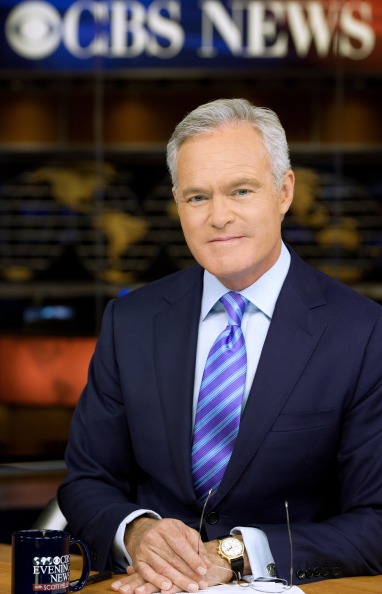
    Veteran journalist Scott Pelley, a prominent figure known for his extensive career at CBS News and his tenure as anchor for ’60 Minutes’, signed with Creative Artists Agency (CAA) in 2026 to explore new opportunities in the media landscape. This strategic move positions Pelley for future projects in documentaries, special reports, and other significant journalistic endeavors, signaling his continued commitment to the field after departing the ’60 Minutes’ primary anchor desk.

    The decision to join a major talent agency like CAA often precedes the announcement of new ventures. These could include long-form investigative series for streaming platforms, independent documentary productions, or high-profile speaking engagements. Pelley’s decades of experience and his established public profile make him a valuable asset in the competitive media environment.

    Pelley’s Distinguished Career at CBS News

    Scott Pelley’s career at CBS News spanned over three decades, establishing him as one of the network’s most recognized and respected journalists. He began his tenure in 1989 as a reporter based in New York, quickly gaining recognition for his coverage of major global events.

    His early assignments included comprehensive reporting on the Persian Gulf War in 1990. He also played a key role in covering the 1992 U.S. presidential campaign, demonstrating his versatility across hard news and political reporting.

    Rising Through the Ranks: From Reporter to Correspondent

    Pelley’s reporting assignments frequently took him to the front lines of significant international events. He covered conflicts in Iraq and Afghanistan, reported on natural disasters across the globe, and documented critical political developments from Washington D.C. to various world capitals. This extensive field experience solidified his reputation as a tenacious and thorough journalist.

    In 1997, Pelley achieved a significant career milestone by becoming a correspondent for ’60 Minutes’. This role placed him on one of television’s most iconic and prestigious news programs. His segments for ’60 Minutes’ consistently earned critical acclaim and garnered him multiple Emmy Awards, recognizing his impactful storytelling and investigative prowess.

    Anchoring the ‘CBS Evening News’

    Scott Pelley’s prominence at CBS News culminated in his appointment as anchor of the ‘CBS Evening News’ in 2011. He also served as the managing editor for the broadcast, a dual role that placed him at the forefront of daily network news operations. His leadership during this period was marked by a commitment to in-depth reporting and contextual analysis.

    During his time as the ‘CBS Evening News’ anchor, Pelley reported on a vast array of national and international stories. These included major U.S. presidential elections, significant economic shifts, and pivotal social movements. He frequently anchored the broadcast from various locations, often reporting directly from the scene of breaking news events, providing live updates and expert analysis.

    Transitioning from ’60 Minutes’

    Pelley’s primary anchor role on ’60 Minutes’ concluded in 2017. He stepped down from the ‘CBS Evening News’ to return to ’60 Minutes’ full-time as a correspondent, a transition he described as a desire to focus exclusively on long-form investigative journalism. This move allowed him to dedicate more time to the in-depth reporting that defines the program.

    His eventual departure from the ’60 Minutes’ correspondent roster marked a significant moment in broadcast journalism. The specifics of his exit were a subject of media discussion at the time, as is common for long-serving, high-profile personalities in network news. Such transitions reflect the evolving dynamics within major news organizations and the careers of veteran journalists.

    The Evolving Landscape of Broadcast Journalism

    The broadcast news industry has experienced profound transformations in recent years. The rise of digital platforms, shifts in audience consumption habits, and economic pressures have all reshaped traditional news operations. Veteran journalists like Pelley navigate this dynamic environment, seeking new avenues for their expertise.

    Many experienced broadcasters are transitioning to new roles or platforms outside of traditional network structures. Some pursue independent documentary work, leveraging their storytelling skills. Others engage in commentary, launch podcasts, or provide consulting services. The move to a talent agency like CAA often facilitates these new directions, connecting journalists with emerging opportunities.

    Creative Artists Agency (CAA): A Strategic Partnership

    Creative Artists Agency (CAA) stands as one of the world’s leading talent and sports agencies. Established in 1975, CAA boasts an expansive roster of clients across film, television, music, sports, and digital media. The agency’s global reach includes offices in major cities worldwide, providing unparalleled access to various industries.

    CAA’s services extend beyond simple representation. They encompass comprehensive career management, strategic marketing, and robust business development for their clients. The agency negotiates complex contracts, secures lucrative endorsements, and identifies innovative new opportunities. For a journalist of Pelley’s stature, CAA can open doors to diverse projects that transcend traditional network news roles.

    The Crucial Role of Talent Agencies in Modern Media

    Talent agencies play an increasingly crucial role in shaping modern media careers. They function as essential intermediaries between talent and production companies, broadcast networks, streaming services, and other content creators. Their expertise in contract negotiation, intellectual property rights, and industry trends is invaluable for high-profile individuals.

    For journalists, an agency can be instrumental in securing book deals, arranging high-profile speaking engagements, and facilitating roles in streaming documentaries or limited series. They also assist in developing personal brands and expanding influence across multiple digital and broadcast platforms. Pelley’s decision to join CAA aligns with this broader industry trend, positioning him strategically for future endeavors.

    Anticipated Future Endeavors for Scott Pelley

    The signing with CAA strongly suggests that Scott Pelley intends to remain a prominent voice in journalism and media. While specific projects have not yet been announced, his distinguished background and past work point to several likely paths. He could contribute to original content for major streaming services, which increasingly invest in high-quality news and documentary programming.

    Independent production companies specializing in non-fiction storytelling represent another probable avenue. Pelley’s extensive experience with in-depth reporting and long-form narratives for ’60 Minutes’ aligns perfectly with the demands of documentary filmmaking. He might also engage in special investigative series for various platforms, or pursue public speaking events that draw on his vast experience.

    Impact on the Broader Media Landscape

    Scott Pelley’s next steps will be closely observed by those tracking the future of broadcast journalism. His career has mirrored many of the significant shifts within the industry over the past three decades. His continued presence, now facilitated by CAA, will contribute to the evolving narrative of how news is produced, distributed, and consumed in the 21st century.

    The media ecosystem continues its rapid diversification. Established journalists are finding new platforms and connecting with new audiences beyond traditional networks. The move to CAA is a strategic and forward-thinking choice in this environment, effectively positioning Pelley for continued relevance and significant impact in the years to come.

    Journalists adapt. Agencies facilitate. Careers evolve.

    The landscape changes.

    Pelley moves forward.

    The Enduring Legacy of ’60 Minutes’

    ’60 Minutes’ remains a foundational pillar of American broadcast journalism. The program, which first debuted in 1968, possesses a long and storied history of impactful, agenda-setting reporting. It has featured numerous legendary correspondents and anchors who have shaped public discourse.

    Pelley’s contributions to the program are an integral part of this enduring legacy. His segments frequently tackled complex and difficult subjects with unwavering journalistic rigor and a commitment to factual accuracy. The show’s unique format, emphasizing in-depth investigations and long-form interviews, provided an ideal platform for his distinctive reporting style.

    ’60 Minutes’ and Its Continuing Influence

    The influence of ’60 Minutes’ extends far beyond its weekly broadcast. Its investigative reports have frequently led to policy changes, legal actions, and heightened public awareness of critical issues. The program has consistently set a high standard for broadcast journalism, influencing generations of reporters and news consumers.

    Pelley’s work on the program upheld this tradition, earning him accolades and solidifying his place in its history. Even as he embarks on new ventures, his contributions to ’60 Minutes’ will remain a significant part of his professional identity. The program continues to be a benchmark for quality in an increasingly fragmented media world.

  • America 250: Hollywood and Entertainment Prepare for a National Celebration

    America 250: Hollywood and Entertainment Prepare for a National Celebration

    Hollywood and the broader entertainment industry are preparing a diverse array of events, productions, and initiatives to commemorate America’s 250th anniversary in 2026. This national milestone, officially designated America250, will see a concerted effort to engage citizens through film, television, music, and live performances, reflecting on the nation’s history and cultural evolution.

    The commemoration aims to be an inclusive reflection of American identity. Various organizations, from major studios to independent producers, are developing content. These efforts seek to highlight key historical moments, celebrate national achievements, and foster dialogue about the American experience.

    The America250 Commission and National Coordination

    The United States Semiquincentennial Commission, known as the America250 Commission, was established by Congress in 2016. Its mandate is to plan, encourage, develop, and coordinate the nationwide observance of the 250th anniversary of the founding of the United States. This includes the Declaration of Independence in 1776.

    The Commission works with federal agencies, state and local governments, and private organizations. It aims to ensure a cohesive and impactful celebration. Its vision emphasizes education, engagement, and inspiration for all Americans.

    Rosie Rios, the former U.S. Treasurer, serves as the Chair of the America250 Commission. She leads the strategic direction and public outreach efforts. The Commission’s headquarters are located in Washington, D.C.

    State-level commissions and committees are also forming. These entities will manage localized events and programming. They ensure that the national commemoration resonates within individual communities across the country.

    Hollywood’s Historical Narratives

    Major film studios and independent production companies are developing projects centered on American history. These include feature films, docudramas, and historical series. The goal is to bring pivotal moments and figures to a wider audience.

    One anticipated project is a multi-part documentary series exploring the Revolutionary War. This series will utilize new historical research and visual effects. It seeks to offer fresh perspectives on the conflict and its aftermath.

    Biographical films about Founding Fathers and often-overlooked historical figures are also in production. These narratives aim to humanize historical events. They intend to connect contemporary audiences with the struggles and triumphs of the past.

    Streaming platforms are investing heavily in original content for the anniversary. This includes limited series on specific historical periods or social movements. These platforms offer a global reach, extending the commemoration’s impact beyond U.S. borders.

    Music and Performing Arts Contributions

    The performing arts community is preparing various tributes. Orchestras, theater companies, and musical artists are planning special performances. These events will celebrate American musical traditions and contemporary artistic expressions.

    The Kennedy Center in Washington, D.C., is expected to host a series of gala concerts. These concerts will feature diverse American musical genres, from classical to jazz to folk. Collaborations with international artists are also being explored.

    Broadway and regional theaters are commissioning new plays and musicals. These works will explore themes of freedom, democracy, and national identity. They will offer contemporary interpretations of historical events and their legacies.

    Recording artists are producing new albums and singles inspired by American history. These musical projects aim to connect with younger generations. They will use modern sounds to reflect on the nation’s journey.

    Television and Digital Media Engagement

    Television networks are planning extensive programming. This includes special news reports, historical series, and live broadcasts of key events. Educational content for children and families is also a priority.

    PBS, known for its historical documentaries, is developing several new series. These productions will delve into various facets of American history, from indigenous cultures to industrialization. They will feature interviews with leading historians and archival footage.

    Digital media platforms are creating interactive experiences. Virtual reality (VR) and augmented reality (AR) applications will allow users to explore historical sites. These technologies will simulate pivotal moments in American history.

    Social media campaigns will encourage public participation. Users will be invited to share their personal stories of American identity. Hashtags and online challenges will foster a sense of collective celebration.

    Educational and Cultural Initiatives

    Beyond entertainment, the America250 celebration includes significant educational components. Museums, libraries, and historical societies are organizing exhibitions and public programs. These initiatives aim to deepen understanding of American heritage.

    The Smithsonian Institution is planning several major exhibitions across its museums. These exhibitions will cover themes such as American innovation, civil rights, and cultural diversity. They will feature artifacts and interactive displays.

    Libraries nationwide will host reading programs and discussion groups. These events will focus on American literature, history, and civic engagement. They will provide resources for community learning and dialogue.

    Universities and academic institutions are organizing conferences and symposia. These gatherings will bring together scholars to discuss American history and its future. Publications and research projects will contribute to the intellectual discourse.

    Reflecting on the American Journey

    The America250 commemoration is an opportunity for national reflection. It encourages citizens to consider the principles upon which the nation was founded. It also prompts consideration of the challenges and progress made over 250 years.

    Discussions around national unity and shared values are central to the celebration. Organizers hope to foster a sense of common purpose. They aim to bridge divides through a shared appreciation of American history.

    The role of diverse communities in shaping the nation’s identity will be highlighted. Stories of immigrants, indigenous peoples, and various cultural groups will be integrated into the narrative. This ensures a comprehensive portrayal of the American experience.

    The commemoration looks forward as well as backward. It encourages envisioning the next 250 years of American history. It prompts consideration of future aspirations and the ongoing pursuit of a more perfect union.

    Economic Impact and Tourism

    The America250 events are expected to generate significant economic activity. Tourism will likely see a boost in historical cities and national parks. Local businesses will benefit from increased visitor numbers.

    Cities like Philadelphia, Boston, and Washington, D.C., are preparing for an influx of tourists. These cities hold particular significance in the nation’s founding history. Special events and infrastructure improvements are underway.

    The creation of new jobs in the entertainment, hospitality, and cultural sectors is anticipated. These jobs will support the extensive programming and visitor services required for the anniversary.

    Merchandise and commemorative items will also contribute to the economic impact. These souvenirs will allow individuals to personally connect with the national celebration.

    The Road to 2026

    Planning for America250 began years in advance. The America250 Commission initiated its work with strategic frameworks and public outreach. The goal is to build momentum steadily toward 2026.

    Partnerships between public and private sectors are crucial. These collaborations ensure adequate funding and broad participation. They leverage diverse resources for a truly national celebration.

    Regular updates and announcements are expected from the America250 Commission. These communications will keep the public informed about upcoming events and opportunities for involvement.

    The final years leading up to 2026 will see an acceleration of activities. Preparations will culminate in a nationwide series of events throughout the anniversary year.

    A Legacy for Future Generations

    The America250 commemoration aims to leave a lasting legacy. It seeks to inspire future generations with an understanding of American history. It encourages civic engagement and a commitment to democratic ideals.

    Educational resources developed for the anniversary will remain available. These materials will serve as ongoing tools for learning. They will continue to inform students and the general public.

    New cultural works, including films, music, and plays, will become part of the American artistic canon. They will reflect the nation’s identity at this significant historical juncture.

    The spirit of unity and reflection fostered during America250 is intended to endure. It seeks to strengthen the bonds that connect Americans across different backgrounds.

    Citizens prepared. Organizations prepared. Hollywood prepared. The nation prepared. America250.