Tag: Discovery

  • Paramount-WBD Merger: Legal Battles and Supreme Court Appeal Ahead

    Paramount-WBD Merger: Legal Battles and Supreme Court Appeal Ahead

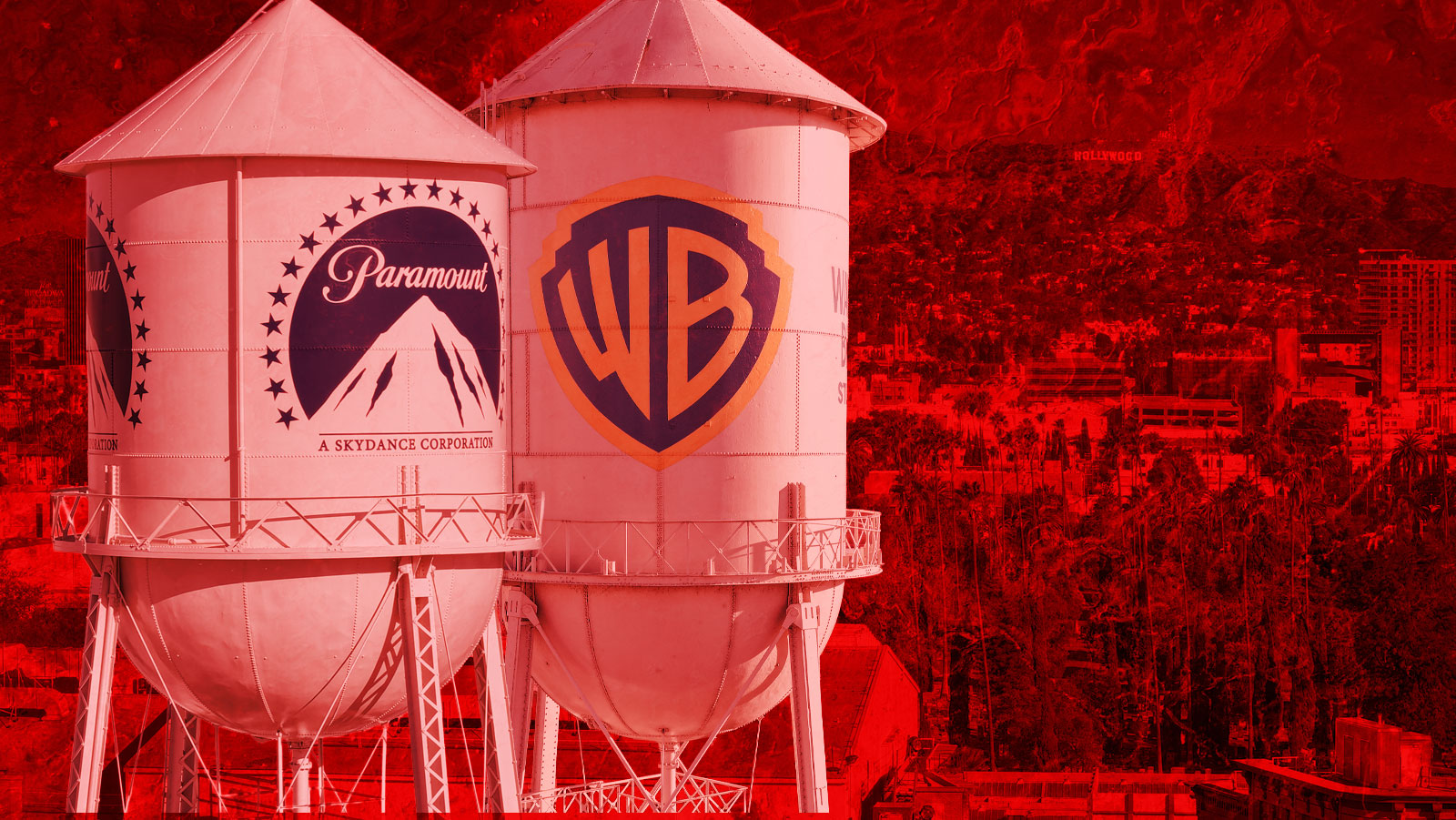
    The Merging Titans: Paramount and Warner Bros. Discovery

    Paramount Global’s legal team anticipates the company’s merger with Warner Bros. Discovery (WBD) will close on schedule, despite a series of lawsuits and the possibility of a Supreme Court appeal. This confidence underscores the determination of the involved parties to finalize one of the most significant media consolidations of 2026. The legal challenges reflect broader concerns about market concentration and antitrust implications within the entertainment industry.

    The proposed merger aims to create a new media powerhouse, combining Paramount’s extensive content library and distribution networks with WBD’s diverse portfolio. Both companies have been navigating a rapidly evolving media landscape, marked by intense competition from streaming services and shifting consumer habits. The strategic rationale behind the merger centers on achieving greater scale and efficiency in a highly competitive global market.

    The Legal Landscape: Multiple Fronts

    The path to merger completion has been complicated by multiple legal challenges. These lawsuits generally allege that the merger could harm competition or that the terms of the deal are not in the best interest of shareholders. Such legal actions are not uncommon in large-scale corporate mergers, particularly in sectors with significant public interest and regulatory oversight.

    Shareholder groups and consumer advocacy organizations often initiate these lawsuits. They seek to either block the merger or secure better terms for affected parties. The details of these specific lawsuits against the Paramount-WBD merger remain under judicial review in various courts. Each case adds a layer of complexity to the overall transaction timeline.

    Antitrust Concerns and Regulatory Scrutiny

    Antitrust regulators across different jurisdictions have also scrutinized the Paramount-WBD merger. Their primary concern is preventing monopolies or undue market dominance that could stifle innovation and harm consumers. The media industry has seen several large mergers in recent years, each drawing similar regulatory attention.

    The Department of Justice (DOJ) in the United States, alongside regulatory bodies in the European Union and other key markets, has been evaluating the potential impact of the combined entity. These reviews can result in conditions being imposed on the merger, such as the divestiture of certain assets, to ensure fair competition. The ongoing dialogue with these regulatory bodies is a critical component of the merger’s progression.

    The Supreme Court Appeal: A Potential Hurdle

    The possibility of an appeal reaching the Supreme Court introduces a significant, albeit less common, element to the merger’s legal trajectory. Supreme Court involvement typically occurs when lower court decisions raise fundamental questions of law or constitutional interpretation. Such an appeal would elevate the legal stakes considerably.

    A Supreme Court review could either affirm or overturn previous rulings, potentially altering the course of the merger. While the exact grounds for a Supreme Court appeal in this context are not publicly detailed, they would likely revolve around significant legal disagreements stemming from the lower court cases. The involvement of the nation’s highest court would undeniably extend the timeline and increase the scrutiny on the merger’s legal underpinnings.

    Precedent and Impact on Future Mergers

    Any Supreme Court decision regarding the Paramount-WBD merger would set a significant precedent. This precedent could influence how future large-scale media mergers are evaluated and litigated. The judicial interpretation of antitrust laws and corporate governance in this case would have lasting implications for the industry.

    Legal experts are closely watching the developments, recognizing the broader implications for corporate law and media consolidation. The outcome could either embolden or deter future merger activities in a sector already prone to rapid transformation. The legal battles are not just about Paramount and WBD; they are about the future structure of global entertainment.

    Paramount’s Stance: Confidence Amidst Adversity

    Despite the legal challenges and the potential for a Supreme Court appeal, Paramount’s legal counsel maintains a confident outlook. This confidence suggests that the company believes its legal arguments are robust and that the merger’s terms are defensible. Corporate legal strategies often involve preparing for multiple eventualities, including protracted litigation.

    The expectation of an on-time closure indicates that the legal team has factored in these challenges. They likely have developed strategies to navigate them without significantly delaying the integration process. This proactive approach is crucial in large transactions where delays can lead to increased costs and market uncertainty.

    Strategic Rationale for the Merger

    The strategic benefits driving the Paramount-WBD merger are substantial. A combined entity would possess a vast array of intellectual property, including iconic film franchises, popular television series, and extensive news and sports programming. This scale could provide a competitive edge against other major players like Disney, Netflix, and Amazon.

    Furthermore, the merger is expected to generate significant synergies, leading to cost efficiencies in operations, content production, and distribution. These financial advantages are often a primary motivator for such large-scale corporate unions. The companies aim to enhance their streaming offerings and global reach, adapting to changing consumption patterns.

    The Future of Media Consolidation

    The Paramount-WBD merger represents a continuing trend of consolidation within the media industry. Companies are seeking to achieve greater scale, diversify revenue streams, and enhance their competitive positions. This trend is driven by technological advancements, evolving consumer preferences, and the global race for content dominance.

    The outcome of the legal battles surrounding this merger will provide insights into the regulatory and judicial appetite for further consolidation. It will test the boundaries of existing antitrust frameworks in a digital age. The industry watches closely to understand the future landscape of media ownership and content distribution.

    Lawsuits challenge. Regulatory bodies scrutinize. Appeals loom. The industry waits.

    Consolidation.

  • WGA Sues to Block Paramount-Warner Bros. Discovery Merger

    WGA Sues to Block Paramount-Warner Bros. Discovery Merger

    The Writers Guild of America Files Lawsuit

    The Writers Guild of America (WGA) has filed a lawsuit seeking to block the proposed merger between Paramount Global and Warner Bros. Discovery. This legal action, initiated in 2026, stems from significant concerns that the consolidation of these two major media entities would detrimentally affect writers’ compensation and employment opportunities across the entertainment industry.

    The WGA’s filing argues that a combined Paramount-Warner Bros. Discovery would create an anti-competitive environment. Such a merger, the Guild contends, would grant the new entity undue market power, enabling it to dictate terms that are less favorable to writers.

    Concerns Over Market Concentration

    The core of the WGA’s argument centers on market concentration. If Paramount Global and Warner Bros. Discovery merge, the number of major buyers for screenplays and television scripts would decrease. This reduction in competition, the WGA asserts, would directly translate into diminished bargaining power for individual writers and the Guild as a whole.

    Historically, a diverse marketplace with multiple studios and distributors has offered writers more options and leverage. The WGA fears that a more concentrated market would allow the merged company to suppress wages and impose less favorable working conditions without significant pushback.

    Impact on Writer Compensation

    A primary concern for the WGA is the potential for reduced writer pay. The Guild’s lawsuit details how a consolidated entity could exert greater control over the rates paid for scripts, series development, and residuals. With fewer studios competing for talent, the pressure to offer competitive compensation packages would lessen.

    This concern is particularly acute for mid-career and emerging writers, who often rely on a competitive market to secure viable projects and fair compensation. The WGA argues that such a scenario could lead to a significant decline in the overall economic well-being of its members.

    Fewer Opportunities for Writers

    Beyond compensation, the WGA’s lawsuit also highlights the risk of fewer job opportunities. Mergers often result in redundancies, not only in corporate structures but also in creative development departments. A combined studio might streamline its content slate, leading to fewer greenlit projects and, consequently, fewer writing assignments.

    This reduction in opportunities could disproportionately affect diverse voices and niche genres, as a larger, more risk-averse entity might prioritize broad appeal projects. The WGA emphasizes that a healthy industry requires a constant influx of new stories and perspectives, which depends on a robust and accessible marketplace for writers.

    The Broader Landscape of Hollywood Mergers

    The WGA’s legal challenge is not an isolated incident but rather a reflection of ongoing anxieties within Hollywood regarding corporate consolidation. The entertainment industry has seen a series of high-profile mergers and acquisitions in recent years, each raising similar questions about market power, competition, and the impact on creative talent.

    Past mergers, such as Disney’s acquisition of 21st Century Fox, have demonstrated the potential for significant shifts in industry dynamics. While proponents argue that such mergers create efficiencies and enable greater investment in content, critics often point to the negative consequences for labor and independent creators.

    Regulatory Scrutiny of Media Mergers

    The proposed Paramount-Warner Bros. Discovery merger is likely to face intense scrutiny from regulatory bodies. Antitrust concerns are central to such reviews, with regulators assessing whether a merger would substantially lessen competition or create a monopoly in any market segment.

    The WGA’s lawsuit provides regulators with a detailed account of how the merger could specifically harm creative labor. This input can be crucial in shaping the regulatory response, potentially leading to conditions being placed on the merger or, in some cases, outright blocking it.

    The WGA’s History of Advocacy

    The Writers Guild of America has a long history of advocating for its members’ rights and interests. The Guild has been instrumental in securing fair wages, residuals, and working conditions for screenwriters and television writers through collective bargaining and, when necessary, legal action.

    The current lawsuit against the Paramount-Warner Bros. Discovery merger aligns with the WGA’s established mission to protect the economic and creative livelihoods of writers. The Guild views this legal challenge as a crucial step in preventing a significant setback for its members and the broader writing community.

    Previous Labor Disputes

    The WGA has engaged in significant labor disputes in recent history, including major strikes. These actions have often centered on issues of compensation, streaming residuals, and the overall economic model of the entertainment industry. The current lawsuit can be seen as an extension of these ongoing efforts to ensure writers receive fair value for their work in an evolving media landscape.

    The legal strategy employed by the WGA in this case draws upon precedents and arguments developed during previous negotiations and disputes, aiming to demonstrate a clear pattern of potential harm to workers from unchecked corporate power.

    Potential Outcomes of the Lawsuit

    The WGA’s lawsuit could lead to several outcomes. The courts might issue an injunction to halt the merger, pending further review or resolution of the Guild’s concerns. Alternatively, the lawsuit could prompt the merging companies to negotiate concessions with the WGA, addressing some of their demands regarding writer compensation and opportunities.

    A less favorable outcome for the WGA would be the court dismissing the lawsuit, allowing the merger to proceed without specific protections for writers. However, even in such a scenario, the lawsuit serves to highlight the issues and could influence public opinion and future regulatory actions.

    Implications for the Entertainment Industry

    The outcome of this lawsuit will have significant implications for the entertainment industry as a whole. A successful challenge by the WGA could set a precedent for other labor unions to intervene in major corporate mergers, asserting the rights of creative professionals in an increasingly consolidated market.

    Conversely, if the merger proceeds despite the WGA’s objections, it could signal a weakening of labor’s ability to influence large-scale corporate decisions, potentially emboldening further consolidation efforts by media giants.

    The Future of Content Creation

    The debate surrounding the Paramount-Warner Bros. Discovery merger and the WGA’s lawsuit touches upon the fundamental question of who controls the creation and distribution of stories. The WGA argues that a highly concentrated industry risks stifling creativity and reducing the diversity of voices.

    The Guild’s vision is one where writers have fair compensation and ample opportunities, leading to a richer and more varied content landscape for audiences. The lawsuit is a direct challenge to the idea that corporate efficiency should supersede the well-being of the creative talent that fuels the industry.

    Writers organize. Unions litigate. Industries consolidate.

    Hollywood.

  • NYC Mayor Zohran Mamdani Opposes Paramount-WBD Merger – Citing Public Interest

    NYC Mayor Zohran Mamdani Opposes Paramount-WBD Merger – Citing Public Interest

    New York City Mayor Zohran Mamdani declared on July 13, 2026, that a potential merger between Paramount Global and Warner Bros. Discovery (WBD) would not serve the public interest. This statement places a prominent political figure in opposition to one of the largest potential media consolidations in recent memory. The Mayor’s concerns center on the broader implications of such a deal for consumers, content diversity, and market competition.

    This declaration from a major city’s top official adds a new dimension to the ongoing discussions surrounding the proposed media giant. It signals a heightened scrutiny from public servants regarding corporate actions that could reshape significant industries.

    The Proposed Merger Landscape

    Discussions regarding a potential merger between Paramount Global and Warner Bros. Discovery have circulated for several months in 2026. These talks involve two of the largest media conglomerates globally. Paramount Global encompasses brands such as CBS, Showtime, MTV, Nickelodeon, and the Paramount Pictures film studio. Its streaming service is Paramount+.

    Warner Bros. Discovery holds assets including Warner Bros. Entertainment, CNN, HBO, the Discovery Channel, and the Max streaming service. A combination of these entities would create a media titan with an extensive portfolio across film, television, news, and streaming platforms.

    The strategic rationale for such a merger often cites increased scale, cost efficiencies, and enhanced competitive positioning against other streaming and entertainment giants. However, these benefits are frequently weighed against potential downsides by regulators and public interest advocates.

    Mayor Mamdani’s Stance on Public Interest

    Mayor Mamdani’s opposition stems from a perspective that prioritizes the public good over corporate synergies. His statement on July 13, 2026, explicitly used the phrase, “Not a merger that serves the public.” This phrasing suggests concerns beyond mere market competition.

    The Mayor’s office has previously indicated a focus on ensuring fair practices and equitable access within the city’s economic landscape. Media consolidation, from this viewpoint, can lead to reduced choice for consumers. It can also potentially lead to less diverse content offerings.

    Such mergers might also impact local media ecosystems. This includes job markets within the media sector in New York City. New York City serves as a major hub for both Paramount Global and Warner Bros. Discovery operations.

    Concerns Over Media Consolidation

    Media consolidation has been a recurring point of contention for decades. Critics argue that fewer media owners lead to fewer distinct voices. This can reduce the range of perspectives available to the public.

    It can also concentrate power in the hands of a few corporations. This concentration can influence cultural narratives and political discourse. Public officials often express apprehension regarding the impact on local news coverage and independent content creation.

    For consumers, consolidation can translate into higher subscription costs for streaming services. It can also lead to bundling of unwanted content. It may also limit options for niche programming.

    Historical Precedents and Regulatory Scrutiny

    Major media mergers have historically faced significant regulatory scrutiny. The U.S. Department of Justice (DOJ) and the Federal Trade Commission (FTC) are typically responsible for reviewing such transactions. Their role is to ensure that mergers do not substantially lessen competition.

    Past examples include the AT&T and Time Warner merger, which faced a protracted legal battle with the DOJ before being approved in 2018. More recently, proposed mergers like the acquisition of Simon & Schuster by Penguin Random House were blocked by the courts in 2022 due to antitrust concerns.

    The regulatory landscape in 2026 continues to evolve. There is an increasing emphasis on consumer welfare and market concentration. President Donald Trump’s administration has generally favored a robust approach to antitrust enforcement. This stance suggests that any large-scale media merger would face a thorough and potentially challenging review process.

    The Role of Local Officials in National Debates

    While federal agencies hold the primary authority for approving or blocking mergers, statements from local officials like Mayor Mamdani carry significant weight. They can influence public opinion. They can also draw additional attention from federal regulators.

    A mayor of a city as influential as New York City represents a large constituency. This constituency includes many employees of the companies involved. It also includes millions of consumers who would be affected by the merger’s outcome.

    Such statements can also galvanize advocacy groups. These groups often campaign against media consolidation. Their collective voice can amplify the arguments against a proposed deal.

    Economic and Cultural Impact on New York City

    New York City is a global capital for media and entertainment. Both Paramount Global and Warner Bros. Discovery maintain substantial operations within the five boroughs. A merger could lead to significant restructuring. This might include layoffs or the consolidation of office spaces.

    Such changes would have a direct economic impact on the city’s workforce. They would also affect the broader creative industries. The cultural vibrancy of New York City is deeply intertwined with its media landscape. Reduced competition could stifle independent production and diverse storytelling.

    Mayor Mamdani’s concerns likely encompass these local economic and cultural ramifications. He aims to protect the city’s status as a hub for diverse media production and consumption.

    The Future of Media Consolidation

    The media industry continues to undergo rapid transformation. The rise of streaming services, the decline of traditional advertising, and the increasing cost of content creation drive companies toward scale. This often leads to merger discussions.

    However, the regulatory environment is also becoming more stringent. Public awareness of antitrust issues is growing. This creates a complex landscape for companies seeking to combine.

    The statement from Mayor Mamdani serves as a clear indicator of this evolving dynamic. It highlights that the public interest argument is gaining prominence in discussions about corporate strategy.

    Media executives consider market share. They consider content libraries. They consider subscriber numbers. Public officials consider job security. They consider content diversity. They consider consumer choice. These considerations often diverge.

    The debate around the Paramount-WBD merger underscores a critical tension. It is a tension between corporate growth ambitions and public welfare. The outcome of such debates will shape the future of entertainment. It will also shape the future of information access.

    Regulators will review financial models. They will review market analyses. They will review public statements.

    The public will watch. The industry will watch. The city will watch.

    New York.

  • Oregon AG Drops Demands in Paramount-Warner Bros. Discovery Merger Review

    Oregon AG Drops Demands in Paramount-Warner Bros. Discovery Merger Review

    Oregon AG Relieves Merger Pressure

    Oregon Attorney General Dan Rayfield officially withdrew her office’s demands for extensive internal records from Paramount Global and Warner Bros. Discovery. This action also included rescinding a motion to delay the proposed merger between the two media conglomerates. The decision, made public in July 2026, signals a notable reduction in state-level regulatory pressure on the high-profile media consolidation.

    The withdrawal by the Oregon Department of Justice removes a specific hurdle that had emerged in the state’s review process. This development comes as the broader entertainment industry watches closely for the outcome of various regulatory assessments of the merger.

    The Proposed Media Behemoth

    The merger proposal seeks to combine two of the largest entities in the global media landscape. Paramount Global encompasses a vast portfolio, including the CBS broadcast network, Paramount Pictures film studio, and streaming services like Paramount+. Its holdings also include cable networks such as Comedy Central, MTV, Nickelodeon, and Showtime.

    Warner Bros. Discovery, formed from the 2022 merger of WarnerMedia and Discovery, Inc., brings an equally extensive array of assets. These include the Warner Bros. film and television studios, the HBO and Max streaming platforms, cable news giant CNN, and a suite of lifestyle and entertainment channels such as HGTV and Discovery Channel.

    The combined entity would command a significant share of content production, distribution, and streaming subscribers. Industry analysts estimate the potential valuation of the merged company in the tens of billions of dollars, creating a formidable competitor to Disney, Netflix, and Comcast.

    Regulatory Scrutiny Intensifies

    The proposed merger has faced intense scrutiny from multiple regulatory bodies. Antitrust concerns typically arise when two major players in an industry seek to combine, potentially reducing competition and impacting consumers or smaller competitors. Federal agencies, including the Department of Justice (DOJ) and the Federal Trade Commission (FTC), have been conducting their own comprehensive reviews.

    The DOJ’s Antitrust Division and the FTC are responsible for enforcing antitrust laws to prevent monopolies and ensure fair competition. Their investigations often involve examining market concentration, potential price increases for consumers, and impacts on content creators and distributors.

    State attorneys general also play a role in antitrust enforcement, often collaborating with federal agencies or conducting independent investigations. The Oregon AG’s initial demands reflected a proactive stance on potential competitive harms within the state.

    Oregon’s Initial Concerns

    Attorney General Ellen Rosenblum’s office had previously expressed concerns regarding the merger’s potential effects on competition within Oregon’s media markets. These concerns likely centered on areas such as local advertising, cable television distribution, streaming service offerings, and content production.

    The demands for internal records sought to gather detailed information about the companies’ operations, market strategies, and anticipated synergies from the merger. Such requests are standard practice in antitrust reviews, allowing regulators to assess the competitive landscape thoroughly.

    The motion to delay the merger indicated a desire for more time to evaluate the extensive documentation and potential impacts. This move underscored the seriousness with which the Oregon AG’s office approached its oversight responsibilities.

    The Path to Withdrawal

    The specific reasons for Attorney General Rosenblum’s withdrawal of demands and the motion to delay have not been publicly detailed. However, such decisions often stem from a combination of factors. These can include a satisfactory response from the merging parties to initial concerns, the provision of sufficient data to alleviate fears of anti-competitive behavior, or a strategic reassessment of the legal and evidentiary strength of the state’s case.

    It is also possible that negotiations between the Oregon AG’s office and representatives from Paramount Global and Warner Bros. Discovery led to concessions or agreements that satisfied the state’s concerns. These could involve commitments regarding content access, pricing, or local market competition.

    The withdrawal does not necessarily signify a complete endorsement of the merger. Instead, it indicates that the specific objections and information needs of the Oregon AG’s office have been addressed to a sufficient degree to remove these particular obstacles.

    Broader Regulatory Landscape Remains Active

    While Oregon’s withdrawal removes a state-level impediment, the merger still faces significant hurdles at the federal level. The Department of Justice and the Federal Trade Commission continue their independent reviews. These federal investigations are typically more extensive and carry greater weight in determining the ultimate fate of such large-scale mergers.

    Antitrust regulators often focus on potential harm to consumers through reduced choice or higher prices, and harm to competition in various sub-markets. For media mergers, this includes examining the concentration of content ownership, control over distribution platforms, and the impact on independent creators.

    Historical precedents for media mergers have varied. Some large consolidations have been approved with conditions, while others have faced significant challenges or outright rejection. The 2018 AT&T-Time Warner merger, for example, faced a prolonged legal battle with the DOJ before its eventual approval.

    Industry Implications and Future Outlook

    The potential merger of Paramount Global and Warner Bros. Discovery represents a significant consolidation trend within the entertainment industry. Companies are increasingly seeking scale to compete in a rapidly evolving landscape dominated by streaming services and global content demand.

    A combined entity would possess a vast library of intellectual property, including iconic film franchises, popular television series, and extensive news and sports programming. This would allow for greater leverage in negotiations with distributors and advertisers, and potentially more resources for content creation.

    However, concerns persist about the impact on media diversity and independent voices. Fewer major players could lead to less varied content offerings and reduced opportunities for smaller production companies.

    The outcome of the federal reviews will be critical in shaping the future of this proposed media giant. The Oregon AG’s withdrawal, while important, is one piece of a much larger regulatory puzzle that continues to unfold in 2026.

    The media landscape shifts. Corporate strategies adapt. Regulatory bodies scrutinize.

    The future of entertainment hangs in the balance.

    Frequently Asked Questions

  • Erika Kirk’s Court Motion: The Major Demand Shaking Celebrity Legal Circles

    Erika Kirk’s Court Motion: The Major Demand Shaking Celebrity Legal Circles

    Erika Kirk filed a major new court motion on July 9, 2026, demanding full financial transparency from all parties involved in her ongoing legal dispute. This action signals a significant escalation in her high-profile case, aiming to compel comprehensive disclosure of financial records and assets.

    The motion was submitted to the presiding court, marking a critical juncture in the litigation. Legal experts are analyzing the potential ramifications of such an assertive demand on the proceedings.

    The Nature of the Demand

    Kirk’s legal team articulated the demand for complete financial disclosure with precision. The motion specifies the need for bank statements, investment portfolios, tax returns, and asset registers from all entities and individuals connected to the case.

    This level of detail suggests a concerted effort to trace funds and identify any attempts to obscure financial dealings. The court filing emphasizes the necessity of this information for a fair and equitable resolution.

    Sources close to the legal proceedings indicate that the demand is not merely procedural. It is a strategic move designed to expose the full financial landscape of the opposing parties.

    Why Financial Transparency Now?

    The timing of this major demand is a key element of the strategy. Legal battles often evolve, with new information or tactical opportunities emerging.

    In Kirk’s case, the motion for financial transparency may stem from new evidence or a reassessment of existing data. It could also be a response to perceived stonewalling or incomplete disclosures from the other side.

    Such demands are common in complex financial litigation. However, the ‘major’ designation suggests a broader scope or a more aggressive posture than typical discovery requests.

    Impact on Ongoing Litigation

    A demand of this magnitude can significantly alter the dynamics of a legal case. The opposing parties will now be compelled to either comply or formally object to the court.

    Compliance would mean opening their financial books, potentially revealing vulnerabilities or previously hidden assets. Objections would likely lead to further legal arguments and hearings, prolonging the process.

    The court’s ruling on this motion will be a pivotal moment. If granted, it could provide Kirk’s team with crucial leverage in settlement negotiations or during a potential trial.

    Precedent and Legal Strategy

    Legal precedents often guide such motions. Attorneys typically reference similar cases where comprehensive financial disclosures were ordered.

    Kirk’s legal counsel is likely building a strong argument based on established legal principles regarding discovery and the right to obtain relevant financial information. Their strategy appears to be one of relentless pursuit of facts.

    The move also sends a clear message to the other parties: Kirk is prepared for a prolonged and thorough legal fight, leaving no stone unturned.

    Celebrity Accountability in Focus

    Erika Kirk’s case is one of several high-profile instances that have brought celebrity accountability into sharp focus. The public often scrutinizes the financial dealings and legal entanglements of public figures.

    This demand for transparency aligns with a broader societal expectation for accountability, particularly when financial improprieties or disputes are alleged. The legal system serves as a mechanism for enforcing these expectations.

    The outcome of Kirk’s motion could set a new benchmark for financial disclosure in celebrity legal disputes. It could influence how similar cases are approached in the future.

    The Public’s Interest

    The public’s interest in cases involving celebrities like Erika Kirk is consistently high. Media outlets, including Fox News, often cover these developments closely.

    This sustained interest translates into increased pressure on all parties to adhere to legal and ethical standards. The ‘major demand’ caters to this public appetite for transparency and justice.

    The narrative surrounding such cases often shifts based on new court filings and revelations. This motion adds a significant new chapter to Kirk’s story.

    Potential Outcomes and Next Steps

    Several outcomes are possible following Kirk’s major demand. The court could grant the motion in full, ordering immediate and comprehensive financial disclosure.

    Alternatively, the court could grant it in part, imposing certain limitations or conditions on the disclosure. The opposing parties might also file counter-motions or seek protective orders to limit the scope of the demand.

    Regardless of the immediate ruling, the filing of this motion has already achieved one objective: it has elevated the stakes and intensified the scrutiny on the financial aspects of the case.

    The Role of Legal Counsel

    The effectiveness of such a motion heavily relies on the skill and experience of legal counsel. Kirk’s attorneys are demonstrating a proactive and aggressive approach.

    They are leveraging legal mechanisms to gain a strategic advantage. This includes anticipating counter-arguments and preparing for potential appeals or further legal battles.

    The legal teams involved on all sides will now be engaged in a complex dance of legal maneuvers, each seeking to protect their client’s interests while navigating the court’s directives.

    Historical Context of Financial Disclosure

    The concept of financial disclosure in legal proceedings has a rich history. It is fundamental to the discovery process, ensuring that all relevant information is available to both sides.

    Historically, courts have balanced the right to privacy with the need for full disclosure to achieve justice. Cases involving significant financial claims or alleged fraud often lean heavily towards greater transparency.

    The digital age has introduced new challenges and opportunities for financial tracing. Electronic records and digital transactions provide a more detailed trail, making comprehensive disclosure both more feasible and more complex.

    Evolution of Discovery Rules

    Discovery rules have evolved over time to adapt to changing financial landscapes and technological advancements. Modern rules aim to prevent parties from hiding assets or intentionally obscuring financial realities.

    Kirk’s motion operates within these established frameworks but pushes the boundaries of what has been previously requested in this specific case. It reflects a modern application of long-standing legal principles.

    The courts often have broad discretion in compelling discovery, especially when the financial stakes are high and allegations of impropriety exist.

    The Broader Implications

    This major demand by Erika Kirk has implications beyond her individual case. It contributes to the ongoing discourse about financial accountability in the public eye.

    It also highlights the persistent challenges of navigating complex financial relationships, particularly when wealth and celebrity status are involved. The legal system acts as a crucial arbiter in these disputes.

    The outcome could influence how similar legal battles are waged in the entertainment industry and beyond. It reinforces the idea that no one is above the law when it comes to financial probity.

    A Catalyst for Change?

    Some legal commentators suggest that high-profile cases like Kirk’s can act as catalysts for broader legal or ethical reforms. When public figures face intense scrutiny, it often shines a light on systemic issues.

    While it is too early to predict, this motion for financial transparency could contribute to a larger conversation about corporate governance, asset protection, and legal ethics.

    The legal community will be watching closely, as will the public, to see how this significant demand unfolds and what precedents it might set.

    Erika Kirk filed a motion. Her lawyers argued. The court will decide.

    Transparency.