Tag: Director

  • K. Bhagyaraj, Influential Tamil Filmmaker, Dies at 73

    K. Bhagyaraj, Influential Tamil Filmmaker, Dies at 73

    K. Bhagyaraj, the acclaimed Indian filmmaker, actor, and screenwriter, a central figure in Tamil cinema, died on 2026-06-27 at the age of 73. His passing marks the end of an era for an artist who profoundly influenced the trajectory of South Indian film through his distinctive narrative voice and multifaceted contributions as a director, writer, and performer.

    Bhagyaraj was celebrated for his ability to blend social commentary with commercial entertainment. His films often addressed complex issues with a light touch, making them accessible to a broad audience. This unique approach cemented his status as a cinematic innovator.

    The Early Life and Rise of a Storyteller

    K. Bhagyaraj was born in 1953 in Gobichettipalayam, Erode district, Tamil Nadu. His journey into cinema began with a fervent passion for storytelling and an innate understanding of rural life and its nuances. He arrived in Chennai, then Madras, with aspirations of making films.

    His initial years in the industry were spent assisting established directors. This period provided him with invaluable practical experience. He honed his craft under the tutelage of legendary filmmaker K. Balachander, known for his realistic and socially conscious films. Balachander’s influence is often cited as foundational to Bhagyaraj’s own directorial philosophy.

    Bhagyaraj also worked with Bharathiraja, another prominent director of the time. These apprenticeships were crucial. They allowed him to absorb different filmmaking techniques and develop his own unique voice.

    Breaking Through as a Writer and Director

    Bhagyaraj’s breakthrough came as a writer. His ability to craft compelling screenplays was recognized early on. He demonstrated a keen sense of dialogue and character development, which quickly set him apart in the competitive Tamil film industry.

    He transitioned to directing with the 1979 film Puthiya Vaarpugal. This film marked his debut as a leading actor as well. The film was a critical and commercial success, signaling the arrival of a new talent with a fresh perspective.

    His early directorial ventures established a pattern. Bhagyaraj often wrote, directed, and starred in his own films. This holistic approach allowed him complete creative control over his projects, ensuring his distinct vision was fully realized on screen.

    A Signature Style: Humor, Social Themes, and Realism

    K. Bhagyaraj developed a signature style characterized by its blend of humor, social commentary, and relatable realism. His films often explored themes pertinent to the common person. He tackled issues like rural poverty, class differences, and gender dynamics.

    He frequently used comedy as a vehicle for serious messages. This made his films entertaining while still provoking thought. This approach resonated deeply with audiences across Tamil Nadu and beyond.

    Many of his films featured protagonists who were ordinary individuals. These characters faced everyday challenges but found extraordinary ways to overcome them. This relatability was a cornerstone of his appeal.

    Notable Works and Commercial Success

    Bhagyaraj’s filmography includes numerous critically acclaimed and commercially successful titles. Films like Oru Kai Oosai (1980), Mundhanai Mudichu (1983), and Enga Chinna Rasa (1987) are considered classics of Tamil cinema.

    Mundhanai Mudichu, in particular, was a blockbuster. It showcased his talent for crafting engaging narratives with strong emotional cores. The film was later remade in several other Indian languages, a testament to its universal appeal.

    His films were not just popular in Tamil Nadu. They often found success in other South Indian states and among the Tamil diaspora. This widespread appeal solidified his reputation as a pan-Indian filmmaker.

    Beyond Directing: Acting and Screenwriting

    While known for his directorial prowess, K. Bhagyaraj was also a prolific actor. He starred in many of his own films, often playing the everyman protagonist. His acting style was naturalistic and understated, complementing his directorial vision.

    He also acted in films directed by others, demonstrating his versatility as a performer. His screen presence was unique, marked by his expressive eyes and subtle comedic timing.

    As a screenwriter, Bhagyaraj was revered for his innovative plots and sharp dialogues. He penned stories that were often unconventional yet deeply rooted in cultural context. His scripts were sought after by other filmmakers.

    Impact on the Industry

    K. Bhagyaraj’s influence extended beyond his individual films. He is credited with inspiring a generation of filmmakers and actors. Many aspiring artists looked to his work as a blueprint for commercial and critical success.

    He also mentored several individuals who went on to become successful directors and writers themselves. His production house provided opportunities for new talent, contributing to the growth of the Tamil film industry.

    His narrative techniques, particularly his use of non-linear storytelling and unexpected plot twists, were often emulated. He demonstrated that films could be both entertaining and thought-provoking without sacrificing commercial viability.

    A Legacy of Innovation and Entertainment

    K. Bhagyaraj’s passing leaves a significant void in Indian cinema. His contributions as a director, actor, and screenwriter were immense. He consistently pushed boundaries, offering fresh perspectives on familiar themes.

    His films continue to be celebrated for their timeless appeal and relevant social messages. They are frequently re-watched and discussed, demonstrating their enduring impact on popular culture. His work remains a testament to his creative genius.

    The film fraternity and his fans mourn the loss of a true visionary. Tributes have poured in from across the industry, highlighting his pivotal role in shaping Tamil cinema.

    He crafted stories. He mentored artists. He entertained millions.

    K. Bhagyaraj.

  • Brad Bird Shuts Down ‘Ratatouille’ Sequel Hopes Despite Pixar’s Interest

    Brad Bird Shuts Down ‘Ratatouille’ Sequel Hopes Despite Pixar’s Interest

    Director Brad Bird has definitively shut down speculation regarding a sequel to Pixar’s 2007 animated feature, ‘Ratatouille.’ His statement confirms that despite potential interest from Pixar Animation Studios, the culinary adventure of Remy and Linguini will not continue in a new film. Bird maintains that the original narrative achieved a complete and satisfying conclusion.

    This position from Bird underscores a directorial philosophy that prioritizes narrative closure over franchise expansion. The decision impacts the emotional investment of fans who have hoped for a continuation of the beloved story.

    The Original ‘Ratatouille’ Legacy

    ‘Ratatouille’ premiered on June 29, 2007, to widespread critical acclaim. The film explored themes of passion, prejudice, and the pursuit of dreams, set against the backdrop of Parisian haute cuisine. It followed Remy, a rat with an extraordinary sense of smell and a dream of becoming a chef, and Linguini, a young man who inadvertently becomes his human puppet.

    The film garnered numerous accolades, including the Academy Award for Best Animated Feature at the 80th Academy Awards ceremony in 2008. It was also nominated for four other Oscars: Best Original Screenplay, Best Original Score, Best Sound Editing, and Best Sound Mixing. Its commercial success included a worldwide gross of over $620 million.

    Brad Bird directed and wrote the screenplay for ‘Ratatouille.’ His previous work with Pixar included ‘The Incredibles’ (2004), which also received critical and commercial success. Bird’s distinct storytelling voice and animation direction have been hallmarks of his career.

    Pixar’s Approach to Sequels

    Pixar Animation Studios has a history of revisiting its successful intellectual properties. Franchises like ‘Toy Story,’ ‘Cars,’ ‘Monsters, Inc.,’ and ‘The Incredibles’ have all received sequels, some expanding into multiple installments. This strategy allows the studio to capitalize on established characters and worlds, often bringing back original voice talent and creative teams.

    The development cycle for Pixar films is extensive, typically spanning several years from concept to release. A sequel project often begins with story pitches and character development, followed by extensive animation and production phases. The studio’s commercial success is frequently bolstered by these franchise extensions.

    However, not all Pixar films have received direct sequels. Films like ‘Up,’ ‘WALL-E,’ and ‘Coco’ have largely remained standalone features, though some have spawned short films or television specials. The decision to pursue a sequel often involves a balance of creative vision, commercial viability, and the availability of key personnel.

    Bird’s Stance on Narrative Completion

    Brad Bird’s reasoning for not pursuing a ‘Ratatouille’ sequel is rooted in his belief that the story was fully explored. He articulated that the original film effectively conveyed its central message and resolved its character arcs. For Bird, creating a sequel without a compelling, new narrative imperative would dilute the integrity of the initial work.

    This perspective contrasts with the prevailing trend in Hollywood to extend successful franchises. Many directors and studios face pressure to develop sequels, prequels, and spin-offs to leverage existing fan bases and established intellectual property. Bird’s firm stance offers a counter-narrative to this industry pattern.

    Bird has previously commented on the challenges of creating sequels that live up to the original. He directed ‘Incredibles 2’ (2018), a sequel to his 2004 film, which also achieved significant critical and commercial success. This experience may inform his discernment regarding which stories warrant continuation.

    Fan Expectations and Industry Trends

    The announcement from Brad Bird will likely elicit varied reactions from the fan base. Many viewers develop deep connections with animated characters and often express a desire for more stories within beloved universes. Social media platforms and fan forums frequently feature discussions about potential sequels for popular films.

    Hollywood’s economic model increasingly relies on established franchises. Sequels often carry lower marketing risks compared to original films, as they tap into pre-existing audience awareness. This commercial reality drives many studios to greenlight continuations of successful properties.

    However, critical reception for sequels can be mixed. Audiences and critics often evaluate sequels based on their ability to innovate while remaining true to the spirit of the original. The balance between familiarity and novelty is a constant challenge for filmmakers in established franchises.

    The Future of Original Animation

    Brad Bird’s position highlights a broader discussion within the animation industry about the value of original storytelling versus franchise development. While sequels provide financial stability, original films often push creative boundaries and introduce new concepts to audiences.

    Animation studios, including Pixar, continue to invest in both original content and franchise extensions. The strategic decisions made by directors and producers shape the landscape of animated cinema. Bird’s commitment to the completeness of the ‘Ratatouille’ narrative serves as a notable example of a director prioritizing artistic integrity.

    The impact of a director’s vision on a studio’s slate is significant. Bird’s decision concerning ‘Ratatouille’ underscores the artistic autonomy sometimes exercised within major animation houses. It reinforces the idea that not every successful film requires a follow-up.

    Audiences will continue to cherish the original ‘Ratatouille.’ Its themes resonate. Its characters endure. Its story remains complete.

    Potential for Spinoffs or Other Media

    While a direct sequel to ‘Ratatouille’ appears unlikely under Brad Bird’s direction, the possibility of other forms of media exploration remains. The world of ‘Ratatouille’ is rich with potential for short films, television series, or even stage adaptations. These formats could explore side characters or new narratives within the established universe without directly continuing Remy and Linguini’s main story.

    Pixar has a history of creating short films based on its feature properties. These shorts often provide additional context or humorous vignettes that expand on the characters’ lives. A ‘Ratatouille’ short could offer a glimpse into the Parisian culinary world years after the film’s conclusion.

    The intellectual property could also be leveraged in theme park attractions, video games, or books. These ancillary products allow fans to engage with the world of ‘Ratatouille’ in different ways. They represent additional revenue streams for Disney and Pixar, even without a feature film sequel.

    Such ventures would likely involve different creative teams and directors, allowing for new interpretations while maintaining the core elements of the brand. This approach could satisfy fan demand for more content without requiring Brad Bird to revisit a story he considers finished.

    The future of the ‘Ratatouille’ property, beyond the original film, could therefore take many forms. A direct sequel, however, under its original director, is not among them. The story is told.

    The Director’s Creative Control

    Brad Bird’s authority to make such a definitive statement highlights the level of creative control granted to acclaimed directors within Pixar. This autonomy is often a draw for top talent in the animation industry. It allows filmmakers to pursue their artistic visions without constant pressure for franchise development.

    Such creative freedom is not universal across all studios. The balance between artistic integrity and commercial imperatives is a constant negotiation in Hollywood. Bird’s position on ‘Ratatouille’ reflects a successful alignment of his vision with the studio’s respect for his work.

    This decision also sets a precedent for how certain beloved films might be handled in the future. It reinforces the idea that some stories are best left as complete, standalone works. The original ‘Ratatouille’ stands as a testament to this philosophy.

    Filmmakers like Bird are often driven by the desire to tell new stories, rather than retread old ground. Their creative energy is directed towards developing fresh concepts and characters. This commitment to originality is a vital component of a vibrant cinematic landscape.

    The conversation around ‘Ratatouille’ and its sequel status is a microcosm of broader industry debates. It touches upon the nature of creative ownership. It explores the tension between art and commerce. It asks what makes a story complete.

    The director spoke. The message was clear. The story concluded.

  • Adam McKay on Will Ferrell Split and Axed ‘Talladega Nights 2’ Plot – Reconciliation Possible?

    Adam McKay on Will Ferrell Split and Axed ‘Talladega Nights 2’ Plot – Reconciliation Possible?

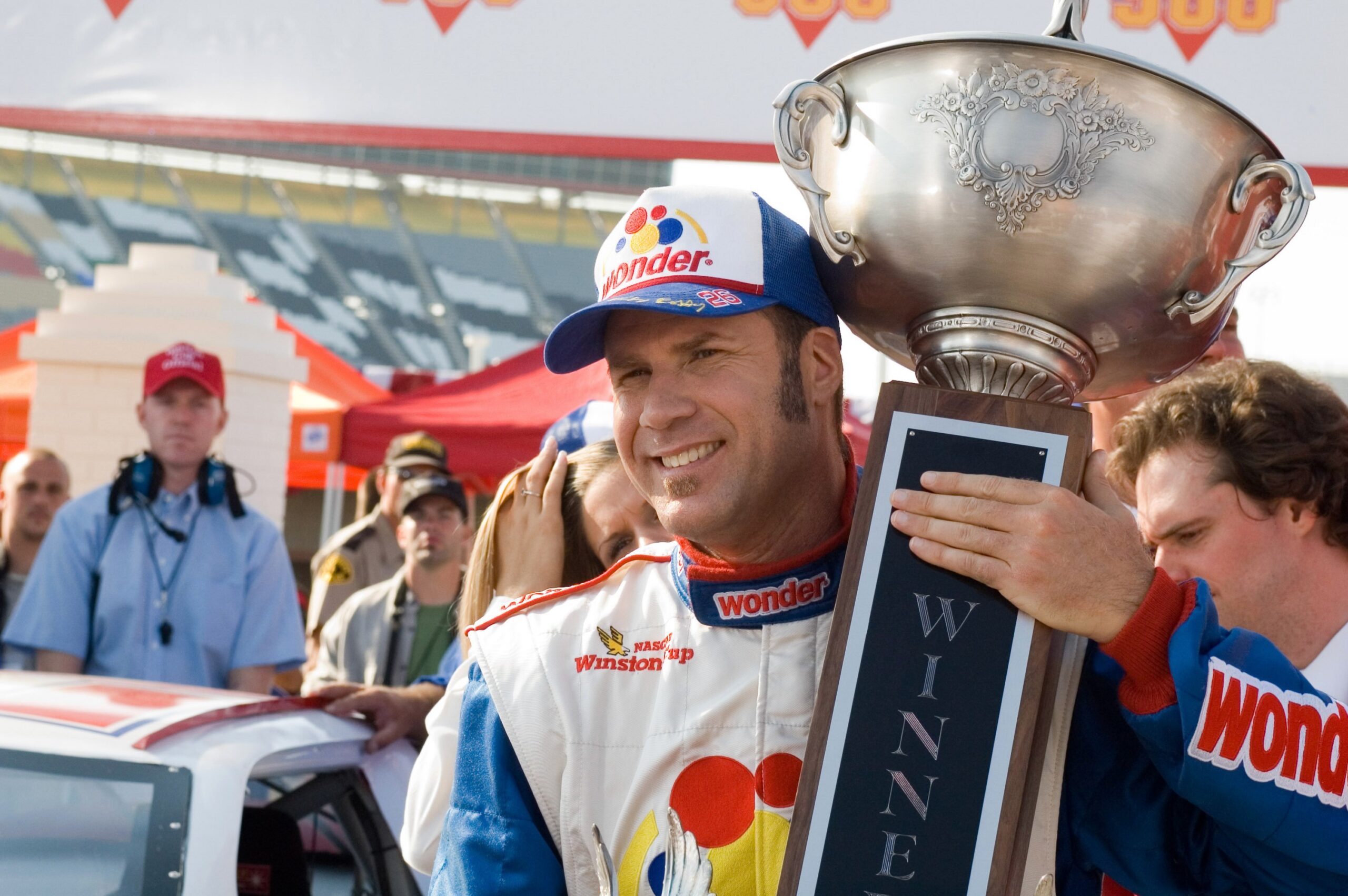
    Director Adam McKay recently revealed details about an unproduced sequel to 2006’s ‘Talladega Nights: The Ballad of Ricky Bobby’ and commented on his 2019 professional separation from long-time creative partner Will Ferrell, stating he is open to working together again.

    The Unproduced ‘Talladega Nights 2’ Script

    Adam McKay confirmed that a script for a sequel to ‘Talladega Nights: The Ballad of Ricky Bobby’ was indeed written. The director, known for his collaborations with Will Ferrell, provided insight into the potential storyline for the unmade film. This revelation offers a glimpse into a project that never saw the light of day, despite the original film’s commercial success and enduring popularity.

    The proposed plot for ‘Talladega Nights 2’ centered on Ricky Bobby’s life years after his racing career. According to McKay, the character would have been depicted as a washed-up former NASCAR driver. This narrative direction would have explored themes of past glory and present struggles, a common trope in sports-related sequels. The script aimed to revisit the beloved character in a new phase of his life, facing different challenges than those in the original.

    McKay elaborated on the concept, suggesting that Ricky Bobby would have been working at a car wash. This setting would provide a stark contrast to his previous life as a celebrated racing champion. The character’s fall from grace would have been a central element of the sequel’s comedic and dramatic tension. Such a premise would have allowed for both humor derived from Ricky Bobby’s fish-out-of-water situation and a deeper exploration of his character arc.

    The director did not specify the exact timeline for when this script was developed or why it ultimately did not move forward. However, the existence of a completed script indicates serious consideration for a follow-up to the 2006 comedy hit. ‘Talladega Nights’ grossed over $163 million worldwide upon its release, solidifying its place as a successful R-rated comedy.

    The 2019 Professional Split with Will Ferrell

    Adam McKay addressed his professional separation from actor Will Ferrell, which occurred in 2019. The split marked the end of a highly successful creative partnership that spanned decades and produced numerous hit films. McKay described the parting of ways as a “shame,” indicating a lingering sense of regret or disappointment over the dissolution of their collaboration.

    The professional breakup between McKay and Ferrell had significant implications for their joint production company, Gary Sanchez Productions. Founded in 2006, the company was responsible for producing a string of successful comedies, including ‘Anchorman 2: The Legend Continues,’ ‘The Other Guys,’ and ‘Step Brothers.’ The company also ventured into television, producing shows like ‘Eastbound & Down’ and ‘Succession.’

    The primary reason cited for the split at the time was creative differences and a shift in their individual career paths. While both individuals continued to work in Hollywood, their joint ventures largely ceased. The end of Gary Sanchez Productions in 2019 symbolized the formal conclusion of their partnership in many respects. This event was widely reported in entertainment news outlets, given the prominence of both figures in the film industry.

    McKay’s recent comments indicate that the separation remains a notable point in his career narrative. His use of the word “shame” suggests a personal impact beyond just the professional. The partnership had been built on a foundation of shared comedic sensibilities and a long-standing friendship, making the split particularly poignant for fans and industry observers.

    Openness to Future Collaboration

    Despite the 2019 professional separation, Adam McKay expressed openness to the idea of working with Will Ferrell again. This statement offers a potential pathway for reconciliation between the two influential figures in comedy filmmaking. McKay’s willingness to consider future projects together suggests that the door is not entirely closed on their creative partnership.

    The director’s comments indicate a desire to move past the circumstances that led to their initial split. While the specific details of a potential future collaboration were not outlined, the sentiment itself is notable. This openness contrasts with the definitive nature of their 2019 breakup, which many perceived as a permanent end to their joint work.

    A reunion between McKay and Ferrell would be highly anticipated by fans of their previous work. Their films together are often characterized by their unique brand of improvisational humor, sharp social commentary, and memorable characters. The prospect of them creating new content together could reignite interest in their collaborative dynamic.

    The statement comes at a time when both McKay and Ferrell have continued to pursue successful individual careers. McKay has earned critical acclaim for films like ‘The Big Short’ (2015) and ‘Don’t Look Up’ (2021), while Ferrell has maintained his status as a leading comedic actor. A potential future collaboration would likely draw on their evolved individual experiences and perspectives.

    The entertainment industry often sees creative partners reunite after periods of separation. The possibility of McKay and Ferrell following this pattern remains a topic of speculation and interest. McKay’s recent remarks provide the first concrete indication from either party that such a reunion is not out of the question.

    The Legacy of McKay and Ferrell’s Partnership

    The collaboration between Adam McKay and Will Ferrell profoundly impacted modern American comedy. Their joint efforts, primarily through Gary Sanchez Productions and their directorial/acting pairings, redefined comedic filmmaking for a generation. Their films often blended absurd humor with incisive satire, tackling various societal topics through a unique lens.

    Beginning with ‘Anchorman: The Legend of Ron Burgundy’ in 2004, their partnership quickly established a distinctive style. This film, directed by McKay and starring Ferrell, became a cult classic and spawned a successful sequel. It showcased their ability to create memorable characters and quotable dialogue that permeated popular culture.

    Subsequent films like ‘Talladega Nights: The Ballad of Ricky Bobby’ (2006) and ‘Step Brothers’ (2008) further cemented their reputation. These movies demonstrated a consistent ability to deliver both commercial success and critical appreciation within the comedy genre. They pushed boundaries with their improvisational techniques and often explored themes of masculinity, ambition, and dysfunctional relationships.

    Beyond directing and acting, their work as producers under Gary Sanchez Productions expanded their influence across film and television. They nurtured other comedic talents and brought a distinctive voice to a wide array of projects. The company’s output often reflected the duo’s shared comedic sensibilities, even in projects where they were not directly involved as director or actor.

    The impact of their partnership is evident in the continued discussion of their split and the ongoing speculation about a potential reunion. Their body of work remains a significant reference point for contemporary comedy. The enduring interest in their collaboration underscores its lasting legacy in Hollywood.

    Future Prospects for Both Artists

    Since their 2019 split, both Adam McKay and Will Ferrell have continued to build substantial careers. McKay has transitioned more prominently into directing and producing projects with a strong social and political commentary. His films ‘The Big Short’ and ‘Don’t Look Up’ garnered Academy Award nominations, showcasing his ability to blend complex themes with accessible storytelling.

    McKay’s recent work often tackles urgent global issues, from the 2008 financial crisis to climate change and political polarization. This shift indicates a continued evolution in his filmmaking approach, moving beyond pure comedy into more dramatic and satirical territory. His production company, Hyperobject Industries, continues to develop projects that align with this new focus.

    Will Ferrell, meanwhile, has continued to star in and produce comedic films and television series. He has maintained his status as one of Hollywood’s leading comedic actors, appearing in projects such as ‘Eurovision Song Contest: The Story of Fire Saga’ (2020) and ‘Spirited’ (2022). Ferrell has also expanded his production efforts through his company, Gloria Sanchez Productions, a spin-off from the original Gary Sanchez.

    Ferrell’s career continues to be defined by his unique brand of physical comedy and character-driven performances. He remains a sought-after talent for both mainstream comedies and more nuanced roles. His recent ventures also include voice acting and television production, demonstrating a diversified portfolio of work.

    Both artists have proven their ability to thrive independently, post-split. However, the potential for a reunion remains a compelling narrative. The creative synergy they once shared is a powerful draw, and McKay’s recent comments suggest that the possibility of rekindling that synergy is not entirely off the table. The future for both remains dynamic, whether together or apart.

    Directors spoke. Actors spoke. Industry analysts spoke.

    Hollywood.