
Tag: Digital Media

  • VertTV Unveils Vertical Micro-Series Platform – ‘Fuller House’ Reunion Confirmed

    VertTV Unveils Vertical Micro-Series Platform – ‘Fuller House’ Reunion Confirmed

    Hollywood Veterans Pioneer New Vertical Content Frontier

    Hollywood veterans have launched VertTV, a new digital platform dedicated to vertical micro-series. This venture aims to cater to the growing demand for mobile-first content consumption. The announcement included a significant reveal: a ‘Fuller House’ cast reunion is currently in development for the platform, promising to deliver beloved characters in a fresh format.

    VertTV positions itself at the intersection of traditional storytelling and modern viewing habits. The platform’s focus on vertical video is a direct response to how a majority of audiences interact with content on their smartphones. This strategic alignment seeks to create immersive viewing experiences tailored for the mobile screen.

    The Rise of Vertical Video in Entertainment

    The shift towards vertical video has been a defining trend in digital media for several years. Platforms like TikTok and Instagram Reels have normalized the vertical aspect ratio for short-form content. VertTV’s entry into this space with professional, scripted micro-series marks an evolution in content production.

    This format allows for new creative possibilities in cinematography and narrative structure. Directors and writers are challenged to rethink traditional framing and pacing. The intimate nature of vertical viewing can foster a deeper connection between the content and the individual viewer.

    Adapting Storytelling for Mobile

    Traditional television and film are designed for horizontal screens. VertTV’s model requires a fundamental re-imagining of how stories are told. Each micro-series will be crafted specifically for the vertical orientation, ensuring optimal engagement on mobile devices.

    Episodes are expected to be significantly shorter than conventional television, fitting into brief viewing windows. This aligns with the attention spans and consumption patterns of many digital natives. The goal is to deliver compelling narratives in digestible segments.

    ‘Fuller House’ Reunion: A Strategic Nostalgia Play

    The inclusion of a ‘Fuller House’ cast reunion on VertTV’s development slate is a significant strategic move. ‘Fuller House’ itself was a continuation of the beloved 1980s and 1990s sitcom ‘Full House’. This new reunion project taps into a well-established fanbase and strong nostalgic appeal.

    Reunions of popular shows often generate considerable media attention and audience excitement. For VertTV, this means an immediate, built-in audience eager to see familiar faces. It provides a strong anchor for the platform’s initial content offering.

    Connecting Generations Through Familiar Characters

    The ‘Fuller House’ reunion has the potential to attract multiple generations of viewers. Original ‘Full House’ fans, who grew up with the Tanners, may introduce the new vertical series to their children. This intergenerational appeal is a powerful asset in the competitive streaming landscape.

    Familiar characters like D.J. Tanner, Stephanie Tanner, and Kimmy Gibbler resonate deeply with audiences. Their continued stories offer comfort and continuity. This emotional connection can drive sustained viewership and platform loyalty.

    The VertTV Business Model: Studio and Platform

    VertTV is not just a distribution platform; it also functions as a content studio. This dual role allows the company to control both the production and dissemination of its micro-series. This integrated approach can streamline development and ensure a consistent creative vision.

    By producing its own content, VertTV can maintain quality standards and experiment with innovative formats. The studio aspect also provides opportunities for partnerships with established and emerging talent. This model mirrors successful ventures in the broader streaming industry.

    Funding and Partnerships

    Specific details regarding VertTV’s funding and initial partnerships have not been fully disclosed. However, the involvement of Hollywood veterans suggests significant industry backing and connections. These connections are crucial for securing talent, distribution agreements, and advertising revenue.

    The platform will likely explore various monetization strategies, including subscription models, advertising, or a hybrid approach. The mobile-first nature of the content opens avenues for direct-to-consumer engagement and brand collaborations.

    Challenges and Opportunities in the Vertical Video Market

    VertTV enters a dynamic and competitive market. While vertical video is popular, monetizing premium, scripted content in this format presents unique challenges. Audiences are accustomed to free short-form content on social media platforms.

    The opportunity lies in elevating the perceived value of vertical content. By offering high-quality production, compelling narratives, and recognizable talent like the ‘Fuller House’ cast, VertTV aims to differentiate itself. The novelty of a dedicated vertical micro-series platform could also attract early adopters.

    Technological Infrastructure

    Developing a robust technological infrastructure is paramount for VertTV. The platform must ensure seamless streaming, intuitive user interfaces, and effective content recommendation algorithms. Mobile optimization is not just about video format, but the entire user experience.

    Data analytics will play a crucial role in understanding viewer behavior and preferences. This data can inform future content development and platform enhancements. A stable and scalable technical foundation will be key to long-term success.

    The Future of Micro-Series and Episodic Content

    The launch of VertTV signals a broader trend towards highly fragmented and specialized content. Micro-series, with their short runtimes and focused narratives, are becoming increasingly relevant in a world of shrinking attention spans.

    This format allows for rapid production cycles and topical responsiveness. Creators can experiment with diverse genres and themes without the commitment required for traditional long-form series. The flexibility of micro-series could foster a new wave of creative storytelling.

    Impact on Traditional Television and Film

    VertTV’s model does not necessarily replace traditional television and film but rather complements it. It offers an alternative viewing experience for different contexts and moods. The success of vertical micro-series could influence how longer-form content is developed and promoted.

    As audiences become more accustomed to vertical viewing, traditional media producers may explore integrating vertical elements into their own strategies. The lines between social media content and professional entertainment continue to blur, driven by innovation from platforms like VertTV.

    Hollywood veterans have launched a new platform. Vertical micro-series are the focus. ‘Fuller House’ cast will reunite. Mobile-first content is the target. Nostalgia is a key strategy. VertTV aims for the future of entertainment.
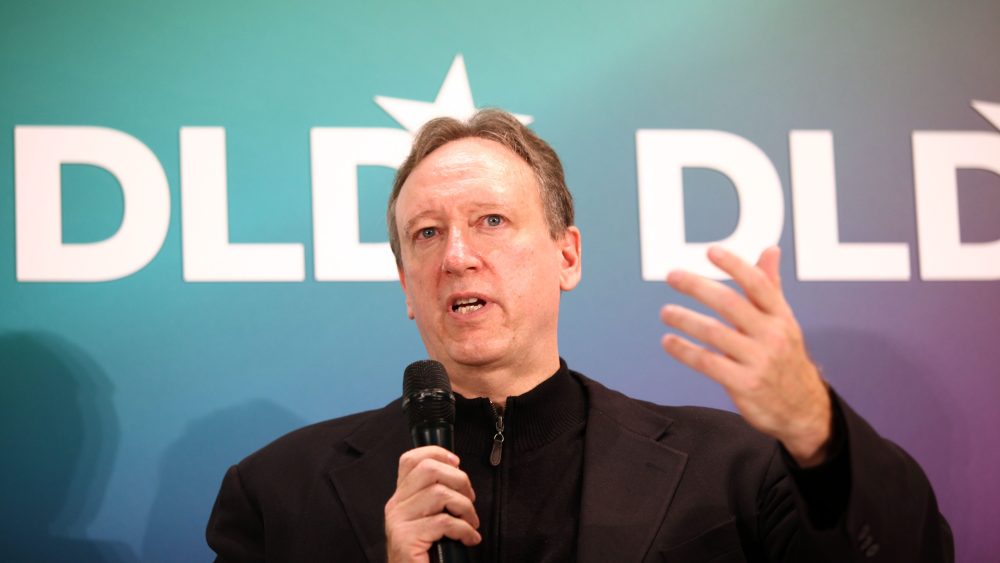

  • Jon Miller on Media Merger Mayhem: ‘Globalization Is Winning’

    Jon Miller on Media Merger Mayhem: ‘Globalization Is Winning’

    Industry executive Jon Miller has stated that globalization is a primary driver behind the current wave of media mergers and acquisitions. This observation underscores a fundamental shift in how global entertainment entities like Disney, Fox, Paramount, Skydance, and Warner Bros. operate and strategically align. The pursuit of larger scale and broader international reach often dictates these complex transactions.

    The media landscape is in constant flux. Companies are continually evaluating their positions within a globally interconnected market. This dynamic environment influences content creation, distribution strategies, and financial structures across the industry.

    The Global Imperative for Media Companies

    Globalization is not a new concept, but its impact on the media sector has intensified. Companies now strategize for audiences spanning continents, not just national borders. This necessitates a different approach to content production and market penetration.

    The drive to reach global audiences often means investing in content that transcends cultural specificities. It also involves acquiring companies with established international distribution networks or intellectual property that resonates worldwide. This push for global dominance influences every aspect of media operations.

    Jon Miller’s commentary highlights this overarching trend. He suggests that the competitive pressures of a globalized market compel media giants to seek consolidation. This is a survival mechanism as much as it is a growth strategy in the 2020s.

    Scale and Synergy in a Connected World

    Mergers are frequently justified by the promise of increased scale and operational synergies. For media companies, this can mean pooling resources for expensive productions, combining marketing efforts, or cross-promoting intellectual property across various platforms. A larger entity can theoretically negotiate better deals with advertisers, distributors, and talent.

    Consider the recent history of media mergers. Disney’s acquisition of 21st Century Fox assets in 2019 exemplified a move to consolidate intellectual property and expand streaming capabilities. This transaction brought iconic franchises like X-Men and The Simpsons under the Disney umbrella, significantly bolstering its content library for Disney+ and Hulu.

    Similarly, the Skydance Media’s acquisition of Paramount Global assets in 2025 reflects a desire to create a more robust and competitive media entity. Such moves are often framed as necessary to compete with tech giants and other large-scale content providers that have entered the entertainment space.

    Navigating a Complex Regulatory Environment

    Media mergers face intense scrutiny from regulatory bodies worldwide. Concerns often revolve around market concentration, potential monopolies, and the impact on consumer choice. Antitrust laws are designed to prevent single entities from dominating industries and stifling competition.

    In the United States, the Department of Justice and the Federal Trade Commission review major mergers. European Union regulators also play a significant role, especially when transactions involve companies with substantial European operations. These reviews can delay or even block proposed deals, adding another layer of complexity to the merger process.

    The regulatory landscape itself is globalized. A merger involving a U.S. company acquiring assets from a European firm, for example, would likely require approvals from both jurisdictions. This international coordination is a direct consequence of globalization’s influence on business.

    The Role of Technology in Globalization

    Technological advancements have accelerated globalization in media. The internet and digital distribution platforms have eliminated many geographical barriers to content consumption. Streaming services deliver films and television shows instantaneously to audiences across the globe.

    This technological shift has created new opportunities but also new challenges. Media companies must now compete not only with traditional rivals but also with a vast array of independent creators and international content producers. The demand for localized content that appeals to global tastes has also increased.

    Jon Miller’s perspective suggests that these technological forces are intertwined with the economic pressures driving mergers. Companies merge to gain the technological infrastructure, content libraries, and market access necessary to thrive in this digitally connected world.

    Cultural Defense and Media Consolidation

    The concept of ‘cultural defense’ emerges as a significant concern amid increasing media consolidation driven by globalization. As large, often Western-centric, media conglomerates expand their reach, there are fears of cultural homogenization. Local narratives, languages, and artistic expressions can be marginalized in favor of globally marketable content.

    This concern is particularly salient in countries with smaller media markets or distinct cultural identities. Governments and cultural institutions often implement policies to protect and promote local content. Quotas for local programming on television, subsidies for national film industries, and support for indigenous languages in media are common examples.

    The debate around cultural defense highlights a tension between economic efficiency and cultural preservation. While mergers may offer economic benefits, they can also raise questions about the diversity of voices and perspectives available to global audiences. Jon Miller’s comments indirectly touch upon these broader societal implications.

    The Future of Media Ownership

    The current trajectory suggests a continued trend towards consolidation in the media sector. The need for scale, technological adaptation, and global reach will likely remain paramount. This will lead to further strategic alliances and potential mergers among existing players.

    New entrants, particularly from the technology sector, may also continue to disrupt the traditional media landscape. Companies like Apple and Amazon have already made significant inroads into content production and distribution, adding another layer of competition and potential acquisition targets.

    The long-term impact on content diversity, employment within the industry, and the overall media ecosystem remains a subject of ongoing debate and analysis. The narrative of globalization ‘winning’ implies an unstoppable force reshaping fundamental industry structures.

    Impact on Content Creation and Distribution

    The consolidation of media entities fundamentally alters the landscape for content creators. Larger studios often have greater resources for big-budget productions, but they may also centralize decision-making, potentially leading to fewer diverse projects or a focus on proven, globally appealing formulas.

    Distribution models are also evolving rapidly. The shift from traditional broadcast and cable to direct-to-consumer streaming services has given media giants more direct control over how their content reaches audiences. This also allows for more personalized marketing and data collection, which can be leveraged for future content decisions.

    The competition for subscriber numbers in the streaming wars continues to drive investment in exclusive content. This environment further incentivizes mergers, as companies seek to acquire or produce the most compelling content to attract and retain subscribers globally.

    The Consumer Perspective on Mergers

    For consumers, media mergers present a mixed bag of outcomes. On one hand, consolidation can lead to greater access to a wider variety of content under a single subscription service or platform. Bundling services can also offer cost savings.

    On the other hand, increased market concentration could potentially lead to fewer choices in content, higher subscription prices if competition diminishes, or a homogenization of cultural narratives. The ability to access niche content or independent productions might also be affected.

    The ongoing dialogue around net neutrality and open internet access also plays a role. If a few large companies control most of the content and distribution channels, there are concerns about their ability to prioritize their own content or limit access to competitors’ offerings.

    The Inevitability of Global Integration

    Jon Miller’s assertion that ‘globalization is winning’ suggests an inevitable trajectory for the media industry. This perspective implies that resisting the forces of global integration is increasingly difficult for individual companies or even national markets.

    The interconnectedness of financial markets, technological infrastructure, and consumer preferences creates a powerful momentum. Companies that fail to adapt to this globalized reality risk being left behind or absorbed by larger, more internationally focused entities.

    This ‘winning’ narrative positions globalization not merely as an economic trend but as a transformative force. It reshapes not only business models but also cultural production and consumption patterns on a worldwide scale.

    Investors watch carefully. Executives strategize constantly. Audiences consume daily. Regulators review diligently. Globalization continues.