Tag: Dei

  • Beau DeMayo’s ‘X-Men ’97’ Exit – OnlyFans and DEI Claims Spark Debate

    Beau DeMayo’s ‘X-Men ’97’ Exit – OnlyFans and DEI Claims Spark Debate

    Beau DeMayo, the creator and former executive producer of the Disney+ animated series ‘X-Men ’97,’ has publicly claimed that he informed Marvel Studios about his OnlyFans account. He also expressed a sentiment that his recruitment for the project was perceived by him as a Diversity, Equity, and Inclusion (DEI) hire. These statements have generated considerable discussion within the entertainment industry and among the public.

    DeMayo’s comments surfaced after his unexpected departure from the series production in early 2024, prior to the show’s premiere. The claims raise questions about transparency, corporate culture, and the evolving landscape of professional conduct in creative fields.

    The Origins of the ‘X-Men ’97’ Controversy

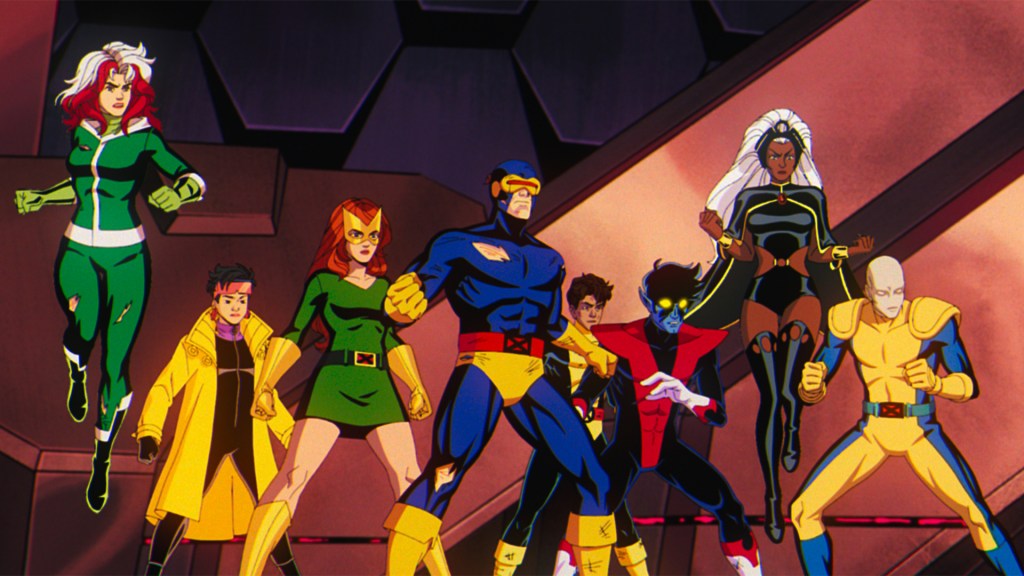
    The animated series ‘X-Men ’97’ was developed as a revival of the popular 1990s ‘X-Men: The Animated Series.’ Beau DeMayo was announced as the head writer and executive producer for the project. The series was highly anticipated by fans of the original show and the broader Marvel universe.

    Reports of DeMayo’s departure from the project emerged in March 2024. The reasons for his exit were not immediately clear, leading to speculation. Marvel Studios and Disney did not provide specific details regarding the separation at the time.

    DeMayo later began to address aspects of his departure through public channels. His statements included references to his personal life and professional experiences at Marvel.

    OnlyFans Disclosure and Professional Transparency

    One core aspect of DeMayo’s claim is his assertion of transparency regarding his OnlyFans account. OnlyFans is a subscription-based content platform, primarily known for adult content. DeMayo stated that he proactively informed Marvel Studios about his involvement with the platform.

    This disclosure reportedly occurred early in his engagement with the studio. The nature of this disclosure and Marvel’s internal response have not been detailed by the studio. DeMayo’s decision to disclose highlights the increasing complexities of personal digital footprints and professional careers.

    The entertainment industry often navigates public perception and brand image. Personal activities, especially those on platforms like OnlyFans, can sometimes intersect with corporate branding. DeMayo’s statement suggests an attempt to manage this intersection proactively.

    The ‘DEI Hire’ Perception

    Another significant claim made by DeMayo is his belief that he was treated as a ‘DEI hire.’ Diversity, Equity, and Inclusion initiatives are widespread across many industries, including entertainment. These programs aim to increase representation and foster inclusive environments.

    DeMayo’s perception suggests a potential tension between the goals of DEI and the individual experience of those hired under such frameworks. He did not elaborate on specific instances or behaviors that led to this feeling. However, the claim itself has resonated within ongoing debates about DEI efficacy and implementation.

    The term ‘DEI hire’ can carry negative connotations in some discussions, implying that merit was secondary to demographic characteristics. DeMayo’s use of the phrase contributes to this broader cultural conversation. It prompts examination of how individuals perceive their roles within diversity initiatives.

    Industry Reactions and Public Discourse

    DeMayo’s statements have generated varied reactions. Some observers have expressed support for his honesty and critique of corporate practices. Others have questioned the timing or nature of his disclosures.

    The controversy has become a talking point in discussions about:

    • Corporate Responsibility: How companies handle employees’ personal lives and online activities.
    • DEI Implementation: The effectiveness and potential pitfalls of diversity initiatives.
    • Creator Autonomy: The balance between a creator’s personal expression and their professional obligations.
    • Workplace Culture: The environment within major studios like Marvel and Disney.

    Social media platforms have been particularly active with discussions. Opinions range from defending DeMayo’s right to privacy and expression to criticizing his public comments as unprofessional.

    Marvel Studios’ Stance and Future Implications

    As of July 2, 2026, Marvel Studios has not issued a formal public response to Beau DeMayo’s specific claims. The studio typically maintains a policy of not commenting on personnel matters.

    The lack of a direct statement means that DeMayo’s account remains the primary public narrative regarding these specific issues. This situation leaves many questions unanswered about the internal dynamics at Marvel Studios.

    The controversy could influence future hiring practices and disclosure policies within the entertainment industry. It may also prompt further scrutiny of how DEI initiatives are communicated and perceived by employees.

    The Broader Context of Creator Relations

    The relationship between creative talent and major studios is often complex. Creators bring unique visions and personal histories to projects. Studios manage large brands and financial investments.

    Instances of public disagreement or disclosure, such as DeMayo’s, highlight potential friction points. These can include creative control, credit, compensation, and personal conduct expectations.

    ‘X-Men ’97’ itself has been critically acclaimed, receiving positive reviews for its animation, storytelling, and faithfulness to the source material. The show’s success has continued despite the behind-the-scenes controversies surrounding its creator.

    The Impact on ‘X-Men ’97’

    Despite DeMayo’s departure and subsequent public comments, ‘X-Men ’97’ premiered successfully on Disney+. The series has been lauded for its quality and nostalgic appeal. This indicates that, for many viewers, the creative product can be separated from production controversies.

    The show’s positive reception may also temper some of the public discourse surrounding DeMayo’s claims. However, the issues he raised, particularly concerning DEI and personal transparency, remain relevant for industry professionals and observers.

    The series is currently slated for a second season. The future creative direction of ‘X-Men ’97’ will proceed without DeMayo’s direct involvement. The long-term impact of these events on Marvel’s talent relations remains to be seen.

    Transparency vs. Corporate Image

    DeMayo’s claims underscore a tension between an individual’s right to transparency and a corporation’s need to maintain a specific public image. In an age where personal information is easily accessible, the boundaries between private and professional lives are constantly being redefined.

    For creators, the decision to disclose personal activities, especially those considered unconventional or potentially controversial, is a strategic one. It involves weighing personal integrity against potential professional repercussions.

    For studios, managing such disclosures involves navigating legal obligations, ethical considerations, and public relations. The outcome of such situations can set precedents for how similar cases are handled in the future.

    The debate surrounding Beau DeMayo’s statements is likely to continue. It will contribute to broader conversations about the evolving standards of professionalism, the role of diversity initiatives, and the intersection of personal identity with corporate employment in the modern entertainment industry.

    Creators revealed. Studios remained silent. Debates unfolded. Publics watched. Industry reconsidered. Transparency demanded. DEI questioned. ‘X-Men ’97’ premiered. Discussion continued. Hollywood.

  • The Cost of the Pivot: Why Laverne Cox Says the Trump DEI Rollback Cost Her Millions

    The Cost of the Pivot: Why Laverne Cox Says the Trump DEI Rollback Cost Her Millions

    Actress and advocate Laverne Cox recently disclosed that she has “lost so much money” due to the Trump administration’s aggressive dismantling of corporate and federal Diversity, Equity, and Inclusion (DEI) programs. The financial impact stems primarily from a sudden collapse in lucrative corporate speaking engagements, university appearances, and specialized consulting roles, which previously formed a significant portion of her income. When the federal government shifted its stance on corporate diversity mandates, the private sector followed suit almost immediately.

    The shift did not happen overnight. It was the result of a calculated policy realignment.

    When federal guidelines changed, corporate risk-assessment changed with them. Human resources departments pivoted. Event budgets vanished. The infrastructure that supported high-profile advocacy work evaporated in a matter of months.

    For years, Hollywood and Fortune 500 companies actively sought out figures like Cox to headline diversity summits and pride events. Now, the landscape has fundamentally altered. The business of corporate conscience has been quietly dismantled.

    The Collapse of the Speaking Circuit

    To understand the financial hit, one must understand the mechanics of the celebrity speaking circuit. Advocacy is not just a moral stance. It is a highly structured, multi-million-dollar industry.

    During the height of the corporate DEI boom, high-profile advocates commanded premium rates. A keynote address at a tech summit in Silicon Valley or a diversity seminar for a major Wall Street bank routinely paid anywhere from $20,000 to $100,000 per appearance. June, recognized globally as Pride Month, was traditionally a financial windfall for LGBTQ+ advocates. Corporations allocated massive budgets to secure recognizable faces for internal employee resource groups and external marketing campaigns.

    Laverne Cox was at the apex of this market.

    Following her breakout role on the Netflix series Orange Is the New Black in 2013, Cox became a cultural touchstone. In June 2014, she appeared on the cover of Time magazine under the headline “The Transgender Tipping Point.” This visibility transformed her from a working actress into a premier corporate speaker. She toured universities, anchored corporate retreats, and served as a brand ambassador for companies eager to signal their commitment to inclusivity.

    That revenue stream relied entirely on the existence of corporate DEI budgets.

    When those budgets were slashed, the invitations stopped. The speaking agencies that once booked advocates solid for months suddenly found themselves staring at empty calendars. Companies that previously paid tens of thousands of dollars for a one-hour keynote quietly informed booking agents that their internal priorities had shifted.

    The Rise and Fall of the Corporate Conscience

    The corporate DEI apparatus reached its absolute peak in the summer of 2020. Following the murder of George Floyd and the subsequent global protests, corporate America pledged an estimated $8 billion toward diversity initiatives. Chief Diversity Officers (CDOs) became the fastest-growing C-suite role in the country. Entire departments were created to manage corporate culture, equity training, and inclusive hiring practices.

    This era created a massive demand for external validators. Celebrities, authors, and activists were brought in to legitimize these new corporate mandates.

    But the backlash was organizing just as quickly.

    Conservative activists and legal strategists began a systematic campaign against DEI frameworks. Figures like Christopher Rufo framed diversity training as inherently divisive. Legislative bodies took notice. In 2023, states like Florida passed Senate Bill 266, defunding DEI programs in public universities. Texas followed with Senate Bill 17. The legal landscape shifted further when the Supreme Court struck down affirmative action in college admissions, a ruling that conservative legal groups immediately weaponized against private corporate hiring practices.

    Corporate legal departments grew nervous. The risk of conservative boycotts, evidenced by the massive financial hits taken by brands like Bud Light and Target in 2023, made public-facing diversity initiatives a liability rather than an asset.

    The Federal Chokehold

    The final blow to the industry came from the executive branch. The Trump administration’s explicit policy directives aimed at eradicating DEI programs provided the top-down pressure that conservative activists had sought.

    Executive orders were drafted to ban specialized diversity training within federal agencies and among federal contractors. For major corporations, many of which rely on massive government contracts, compliance was not optional. To maintain federal funding and avoid grueling regulatory scrutiny, companies had to purge their internal diversity frameworks.

    The language of corporate America changed instantly.

    Terms like “equity” and “systemic inclusion” were scrubbed from annual reports. Job postings for Chief Diversity Officers vanished. The departments that historically hired figures like Laverne Cox were dissolved, their budgets reabsorbed into general human resources or eliminated entirely.

    Cox’s statement about losing money is not a metaphor. It is a literal accounting of a vanished industry. When a federal administration signals that DEI is a hostile concept, Fortune 500 companies do not fight back. They comply. They cut the checks to different speakers. They host different events. The money moves elsewhere.

    Hollywood’s Quiet Retreat

    The chilling effect was not limited to corporate boardrooms in the Midwest or tech campuses in California. It struck directly at the heart of the entertainment industry.

    Hollywood has always operated on a pendulum of risk and reward. In the early 2020s, studios mandated representation. Inclusion riders became standard contract language. Production companies launched massive internal diversity departments to oversee casting and crew hiring.

    By 2025, that architecture was quietly dismantled.

    Major studios, facing economic headwinds and shifting cultural tides, began firing their diversity executives. Disney, Warner Bros. Discovery, and Netflix all saw high-profile departures in their inclusion departments. The mandate to cast diverse talent for the sake of representation was replaced by a rigid adherence to perceived broader market appeal.

    For an actress like Cox, this represents a secondary financial hit. The speaking circuit vanished first. Then, the specific development deals and production mandates that favored diverse creators began to dry up. The safety net of the entertainment industry’s progressive posturing proved to be entirely conditional.

    The Broader Economic Reality for Advocates

    Cox is the most visible face of this specific financial contraction, but she is far from the only casualty. An entire micro-economy had been built around the concept of corporate inclusion.

    Consultants who specialized in equity audits lost their contracts. Specialized recruiting firms that focused on diverse talent pipelines shuttered. Authors who wrote best-selling books on anti-racism found their corporate bulk-order sales plummeting to zero. The ecosystem that sustained thousands of specialized workers collapsed under the weight of federal policy shifts and corporate cowardice.

    The speed of the collapse highlights the transactional nature of corporate advocacy. The companies that paid advocates to speak were never buying the message. They were buying the public relations shield that the message provided. Once that shield became a target, the funding was immediately withdrawn.

    The Cost of Visibility

    Public figures who tie their personal brand to a specific political or cultural movement always face market volatility. When the political winds shift, the market corrects.

    For Laverne Cox, the financial loss is the direct result of a cultural victory turned sour. She helped build the very market that has now been legislated and regulated out of existence. The millions of dollars that once flowed freely into the accounts of diversity advocates have been redirected. The corporate pride floats have been dismantled. The keynote slots have been given to different voices.

    The federal government set the tone. Corporate America did the math. The budgets were slashed. The invitations stopped. The calendar cleared.

    Silence.