Tag: Defiance

  • Florida Man Fights Off Alligator With Fishing Pole – A Story of Defiance

    Florida Man Fights Off Alligator With Fishing Pole – A Story of Defiance

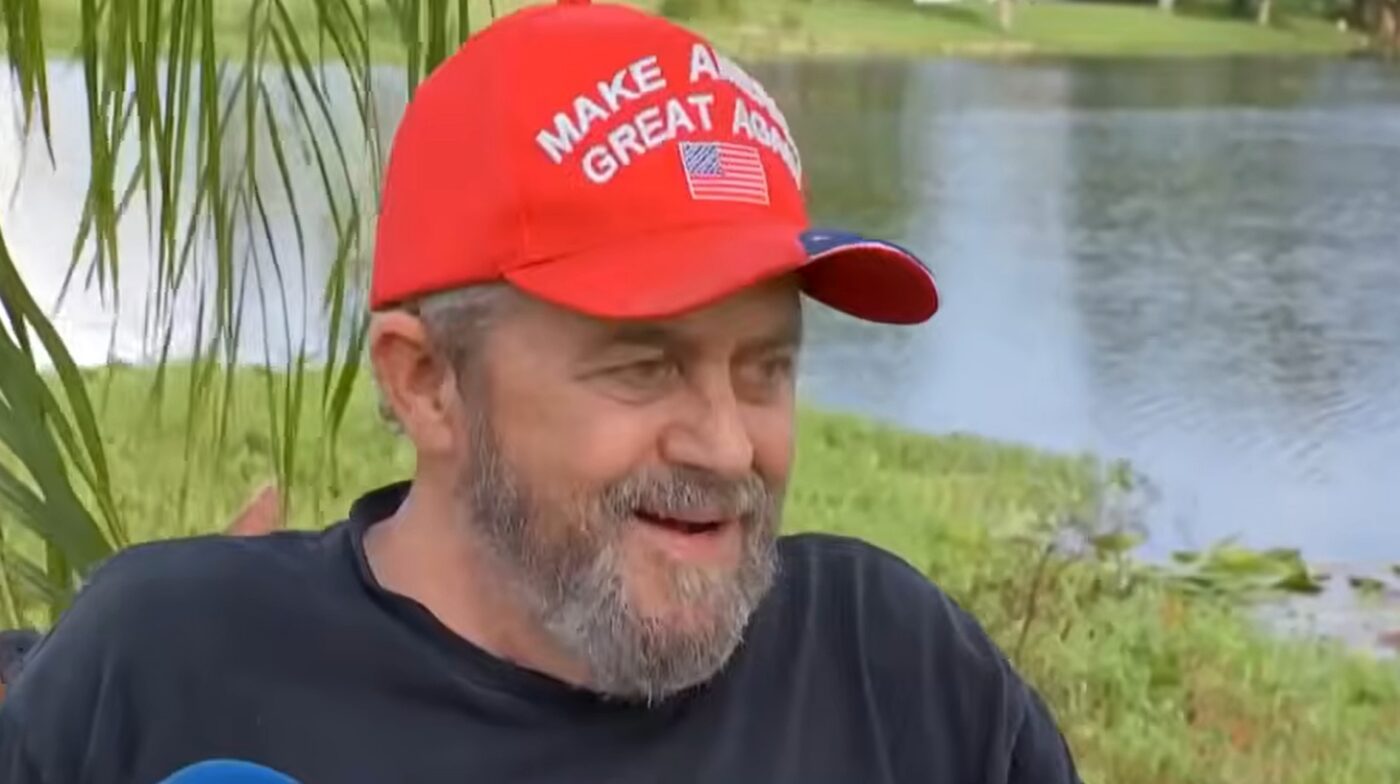
    A Florida man recently fought off an alligator attack using only a fishing pole, defending himself after the reptile dragged him into the water. The individual’s quick thinking and improvised defense prevented potential severe injury during the encounter, which occurred in Florida’s natural waterways.

    This incident, widely reported, illustrates the unpredictable nature of wildlife interactions in regions like Florida. It also serves as a testament to human resilience when faced with sudden, life-threatening situations.

    The Unexpected Encounter

    The confrontation began without warning during a routine activity. The Florida man, whose identity has not been widely disclosed, was engaged in fishing when the alligator initiated its attack. Such encounters, while rare in their direct aggression toward humans, are a constant undercurrent of life in Florida’s wetland environments.

    Alligators are apex predators in their ecosystems. They typically avoid human contact but can become aggressive if provoked, territorial, or mistaking humans for prey. This particular incident suggests a direct, unprovoked assault, escalating quickly from observation to physical engagement.

    Dragged Into the Water

    The alligator’s initial move was decisive. It seized the man, pulling him into the water. This action immediately placed the individual in a highly vulnerable position, disorienting him and bringing him into the alligator’s preferred domain for hunting and subduing prey.

    The force of an alligator’s bite is immense, capable of crushing bone. Survival in such a scenario often depends on immediate, aggressive counteraction, disrupting the animal’s attack sequence. The man’s response had to be instant and effective.

    Improvised Defense with a Fishing Pole

    Armed with only his fishing pole, the man utilized the tool not for its intended purpose but as a weapon of defense. The long, rigid structure of the pole provided a crucial extension, allowing him to strike the alligator without direct hand-to-mouth contact.

    The specific technique involved striking the alligator repeatedly. This aggressive defense aimed to disorient the animal and force it to release its grip. The pole’s material, often fiberglass or carbon fiber, can withstand significant impact, making it surprisingly effective in a desperate situation.

    The Power of Defiance

    Following the harrowing experience, the man’s statement captured the essence of his resolve: "No gator is going to run me off." This declaration quickly resonated, becoming a memorable quote associated with the event. It reflects a spirit of defiance against nature’s raw power and a refusal to be intimidated by life-threatening encounters.

    This sentiment is often seen in individuals who live closely with nature, understanding its dangers but refusing to yield their way of life. It speaks to a certain rugged individualism that values self-reliance and courage.

    Alligator Behavior and Human Interaction

    Alligators are native to the southeastern United States, with Florida having a significant population. They inhabit freshwater environments such as lakes, rivers, canals, and swamps. Their diet primarily consists of fish, birds, and small mammals, though they are opportunistic predators.

    Encounters between alligators and humans are not uncommon, but direct attacks are relatively rare. Most incidents occur when people feed alligators, which makes the animals lose their natural fear of humans, or when people swim in unapproved areas. This incident, however, appears to fall outside these typical scenarios, suggesting a more aggressive individual animal.

    Safety Precautions in Alligator Habitats

    Authorities and wildlife experts consistently advise caution in areas where alligators are present. Key safety measures include:

    • Maintaining a safe distance from alligators.
    • Never feeding alligators, as it habituates them to humans.
    • Swimming only in designated areas during daylight hours.
    • Keeping pets on leashes and away from the water’s edge.
    • Exercising extreme caution during mating season (spring) and nesting season (summer) when alligators can be more territorial.

    The Florida Fish and Wildlife Conservation Commission (FWC) provides extensive guidelines for coexisting with alligators. They also operate a Statewide Nuisance Alligator Program (SNAP) to address situations where alligators pose a threat to people, pets, or property.

    The Broader Context of Florida’s Wildlife

    Florida’s diverse ecosystems support a wide array of wildlife, including alligators, crocodiles, snakes, and various large mammals. This biodiversity is a major draw for tourism and a defining characteristic of the state. However, it also presents unique challenges for residents and visitors.

    The ongoing expansion of human populations into natural habitats increases the potential for human-wildlife conflicts. Development often encroaches on areas historically occupied by wildlife, leading to more frequent interactions.

    Resilience in the Face of Danger

    Stories like this Florida man’s encounter often become cultural touchstones. They highlight not just the danger but also the human capacity for survival and determination. Such narratives resonate deeply, tapping into primal instincts of self-preservation and courage.

    The incident serves as a reminder that even with modern advancements, humans remain part of a larger natural world. This world, particularly in places like Florida, can be both beautiful and perilous, demanding respect and vigilance from those who inhabit it.

    The man’s successful defense with a simple fishing pole elevates the story beyond a mere wildlife encounter. It becomes a narrative about ingenuity, quick thinking, and the sheer will to survive against overwhelming odds. It is a story of unexpected heroism in an everyday setting, reinforcing the idea that even common objects can become tools of salvation.

    Anglers, boaters, and residents in Florida’s waterways regularly encounter wildlife. Most interactions are peaceful. This encounter, however, stands as a stark exception. It underscores the potential for sudden aggression from wild animals.

    The man’s resolve and immediate action were critical. His ability to react effectively under extreme duress saved him from potentially fatal injuries. His statement, "No gator is going to run me off," encapsulates a spirit of enduring resilience. It is a declaration of defiance.

    The encounter captured public imagination. It became a viral sensation. It highlighted the unpredictable nature of Florida’s wild spaces. It celebrated human courage.

    Farmers gathered. Anglers gathered. Residents gathered.

    Defiance.
  • Moore: The American Dream Endures – Why It’s Still Worth Fighting For

    Moore: The American Dream Endures – Why It’s Still Worth Fighting For

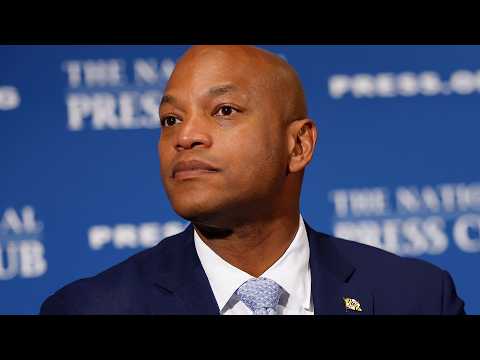
    Stephen Moore, an economist and political commentator, recently stated that the American Dream remains a concept worth fighting for. His perspective emphasizes the intrinsic link between this dream and traditional American values. Moore’s remarks suggest a call to action, urging citizens to uphold foundational principles with patriotism and defiance.

    The American Dream, as a cultural ideal, implies that anyone in the United States can attain their own version of success. This success is often understood to be achieved through hard work and initiative. The concept has been a cornerstone of American identity for generations.

    Defining the American Dream

    The phrase “American Dream” gained widespread recognition in James Truslow Adams’s 1931 book, Epic of America. Adams described it as “that dream of a land in which life should be better and richer and fuller for everyone, with opportunity for each according to ability or achievement.” This definition transcended mere material prosperity.

    It encompassed ideals of social order and personal fulfillment. It posited that regardless of birth or position, individuals could achieve upward mobility. This was based on their efforts and talents.

    Historically, the American Dream has been associated with homeownership, stable employment, and providing a better life for one’s children. These tangible markers often symbolize the broader intangible aspirations of freedom and opportunity.

    Traditional Values as Foundation

    Moore’s argument connects the American Dream to traditional values. These values often include self-reliance, individual liberty, and a strong work ethic. They are seen as essential components for achieving personal and collective success within the American system.

    The emphasis on traditional values suggests a belief that these principles have historically propelled American progress. They are viewed as the bedrock upon which the nation’s prosperity and opportunities were built. Deviations from these values, in this view, could undermine the dream itself.

    The Fight for the Dream

    Moore’s call to “fight for” the American Dream implies that it is under threat. This perceived threat can stem from various sources. Economic shifts, cultural changes, or political ideologies are often cited as challenges.

    Economic inequality is one frequently discussed challenge. Some argue that the rungs on the ladder of opportunity have become more distant for many. This makes upward mobility harder to achieve for certain segments of the population.

    Cultural critiques also play a role. Debates surrounding national identity and historical narratives can influence perceptions of the American Dream. These discussions sometimes question the inclusivity and accessibility of the dream for all Americans.

    Patriotism and Defiance

    The terms “patriotism” and “defiance” highlight the emotional and ideological dimensions of Moore’s stance. Patriotism in this context suggests a loyalty and devotion to the United States and its founding ideals. It implies a belief in the inherent goodness and potential of the nation.

    Defiance indicates a resistance to opposing viewpoints or forces. It suggests a rejection of pessimism or criticism regarding the American system. This defiance aims to preserve and champion the traditional vision of the American Dream against perceived adversaries.

    Such sentiments are often invoked during periods of perceived national challenge. They serve to rally support for a particular vision of the country’s future. This vision is typically rooted in historical interpretations and established principles.

    Economic Perspectives on the Dream

    As an economist, Moore often frames his arguments within an economic context. Economic policies, regulatory environments, and fiscal decisions are seen as crucial for fostering or hindering the American Dream. He frequently advocates for policies that he believes promote economic growth and individual enterprise.

    For instance, policies supporting lower taxes, deregulation, and free markets are often presented as mechanisms to unleash economic potential. These measures are argued to create more opportunities for individuals to achieve financial independence and prosperity. This aligns with a traditional understanding of the American Dream.

    Conversely, policies that increase government intervention or expand social welfare programs are sometimes viewed as detrimental. Critics argue these could stifle individual initiative and create dependency. This perspective often forms the basis of economic arguments for preserving the American Dream.

    Challenges to Economic Mobility

    Despite the rhetoric, economic mobility in the United States has faced scrutiny. Studies by organizations like the Pew Charitable Trusts have explored trends in intergenerational mobility. These studies often highlight complexities and variations across different demographic groups.

    Access to quality education, healthcare, and capital are significant factors. These elements can profoundly impact an individual’s ability to move up the economic ladder. Debates often center on the role of government and private institutions in addressing these disparities.

    Technological advancements and globalization also reshape the economic landscape. Industries evolve, jobs change, and new skills become necessary. Adapting to these changes is crucial for maintaining economic competitiveness and achieving the American Dream.

    The Evolving Narrative

    The concept of the American Dream is not static. Its interpretation has evolved over time, reflecting societal changes and aspirations. What constituted success in the mid-20th century may differ from contemporary definitions.

    Today, the dream might include entrepreneurship, work-life balance, or social impact. These modern interpretations expand beyond purely material wealth. They reflect a broader set of values that individuals seek in their lives.

    However, proponents of traditional values often argue for a return to earlier definitions. They believe that straying too far from the original tenets weakens the dream’s core. This tension between evolving and traditional interpretations is a constant feature of the discourse.

    Political Implications

    The discussion around the American Dream frequently enters the political arena. Political leaders often invoke the dream in their speeches and policy proposals. It serves as a powerful rhetorical tool to connect with voters’ aspirations.

    President Trump, for instance, has often emphasized themes of American strength and economic opportunity. His focus on manufacturing jobs and border security can be seen as attempts to restore or protect a particular vision of the American Dream. This vision often resonates with those who feel left behind by economic changes or cultural shifts.

    The debate over the American Dream influences policy decisions on trade, immigration, and social programs. Each political faction presents its policies as the most effective path to achieving or preserving the dream for all citizens. This makes the concept a recurring theme in national political discourse.

    The Global Context

    The American Dream also holds significance on a global scale. For many around the world, the United States represents a land of opportunity. This perception draws immigrants seeking a better life and greater freedoms.

    The allure of the American Dream contributes to ongoing debates about immigration policy. The balance between national sovereignty and humanitarian concerns often plays out in these discussions. The question of who deserves access to the dream is central.

    Economically, the United States’ role in the global economy impacts its citizens’ ability to achieve the dream. International trade agreements, global supply chains, and geopolitical stability all play a part. These factors influence domestic job markets and economic prospects.

    Resilience of the Ideal

    Despite challenges and evolving interpretations, the core ideal of the American Dream persists. It continues to inspire individuals and communities across the nation. The belief in opportunity through hard work remains a powerful motivator.

    Moore’s statement underscores this resilience. He suggests that the dream is not merely an abstract concept. It is a tangible goal that requires continuous effort and commitment to uphold. This commitment involves defending the values that are believed to sustain it.

    The narrative of the American Dream often involves overcoming adversity. It celebrates individual initiative and perseverance. These stories reinforce the idea that success is attainable, even in the face of significant obstacles.

    Economists gather. Politicians gather. Citizens gather. The American Dream.