Tag: Deadline

  • Ken Burns on America’s 250th: Finding Perspective in Polarizing Times

    Ken Burns on America’s 250th: Finding Perspective in Polarizing Times

    The Bicentennial and Beyond: A Call for Perspective

    Filmmaker Ken Burns has outlined a vision for commemorating the United States’ 250th anniversary in 2026. His perspective centers on the idea that understanding historical context is crucial for navigating contemporary polarizing times. Burns, known for his extensive documentary work on American history, suggests that the quarter-millennium mark offers an opportunity for national reflection and unity, rather than division.

    This approach emphasizes a nuanced examination of the American story. It seeks to acknowledge both the foundational ideals and the historical struggles that have shaped the nation. Burns’ commentary, as reported by Deadline, highlights a desire to use history as a tool for understanding rather than as a source of further contention.

    A Nation at 250: Reflecting on the Past

    The year 2026 marks 250 years since the signing of the Declaration of Independence. This milestone invites contemplation on the nation’s journey from its revolutionary origins to its present state. Burns’ work consistently explores the intricate tapestry of American experience, often highlighting shared human stories amidst grand historical events.

    His documentaries frequently delve into periods of national crisis and transformation. These include the Civil War, the Great Depression, and various social movements. Such historical precedents, Burns implies, can offer valuable lessons for contemporary challenges.

    The Role of History in Polarized Times

    Contemporary society often grapples with significant political and social polarization. Burns argues that historical understanding can provide a necessary framework for navigating these divisions. By examining how past generations confronted their own internal conflicts, current generations might find pathways to resolution.

    He suggests that a deep engagement with history reveals patterns of challenge and resilience. It demonstrates that periods of profound disagreement are not unique to the current era. The nation has faced and overcome deep divides before.

    Understanding Nuance and Complexity

    History, as presented by Burns, is rarely a simple narrative of good versus evil. It is a complex interplay of motivations, events, and consequences. This complexity is vital for fostering empathy and critical thinking in a polarized environment.

    His films often present multiple perspectives on historical events. This technique encourages viewers to consider the viewpoints of all involved, even those with whom they might disagree. Such an approach can contribute to a more nuanced public discourse.

    The American Experiment: Continuous Evolution

    The founding of the United States was an experiment in self-governance. This experiment has been continuously refined and redefined over 250 years. Burns’ perspective implies that the nation’s story is one of ongoing evolution, marked by both progress and setbacks.

    The ideals articulated in 1776, such as liberty and equality, have been pursued and contested throughout American history. The struggle to live up to these ideals is a central theme in many of Burns’ historical examinations.

    From Revolution to Reconciliation

    The American Revolution itself was a deeply divisive event. Loyalists and Patriots stood on opposing sides. The subsequent history of the nation is replete with similar cleavages, from the drafting of the Constitution to the Civil Rights Movement.

    Burns’ work often explores the processes of reconciliation and national healing that followed these periods of intense conflict. These historical examples offer models for confronting contemporary divisions.

    Commemorating 2026: Beyond Mere Celebration

    A true commemoration of America’s 250th anniversary, according to Burns, goes beyond superficial celebration. It requires a willingness to confront uncomfortable truths alongside national achievements. This holistic view strengthens the national narrative rather than weakening it.

    He advocates for an inclusive historical understanding that recognizes the contributions and experiences of all Americans. This includes often-marginalized voices and perspectives that were historically overlooked.

    Educational Imperatives for the Quarter-Millennium

    Education plays a critical role in shaping how future generations understand the nation’s past. Burns’ call for perspective suggests an imperative for educational initiatives that foster historical literacy and critical engagement.

    These initiatives would encourage citizens to examine primary sources, challenge preconceived notions, and engage in thoughtful dialogue about American history. The goal is to cultivate a citizenry capable of navigating complex historical and contemporary issues.

    The Legacy of Ken Burns: A Master of American Storytelling

    Ken Burns has dedicated his career to documenting American history through film. His distinctive style, characterized by archival photographs, first-person narratives, and evocative music, has made complex historical subjects accessible to millions.

    His filmography includes seminal works such as "The Civil War," "Baseball," "Jazz," and "The National Parks: America’s Best Idea." These works have shaped public understanding of key moments and movements in American history.

    Impact on Public Discourse

    Burns’ documentaries have often sparked national conversations about identity, memory, and the meaning of America. His ability to synthesize vast amounts of historical material into compelling narratives has earned him widespread acclaim and influence.

    His continued relevance, especially as the nation approaches its 250th anniversary, underscores the enduring power of historical storytelling. He provides a framework for understanding where the nation has been and where it might go.

    Looking Ahead: Unity Through Understanding

    As the United States approaches 2026, Burns’ message resonates as a call for unity through understanding. It is an invitation to engage with the nation’s past not as a static artifact, but as a living narrative that continues to inform the present.

    The challenges of the current moment, he implies, are best met with the wisdom gleaned from 250 years of American experience. This historical perspective offers a foundation for collective action and a shared future.

    Filmmakers gathered. Historians gathered. Citizens gathered.

    Perspective.

  • Tom Hardy Returns to ‘MobLand’ – Season 3 Renewal Secured After Resolved Issues

    Tom Hardy Returns to ‘MobLand’ – Season 3 Renewal Secured After Resolved Issues

    Tom Hardy Confirms ‘MobLand’ Return

    Tom Hardy, the acclaimed actor, has officially resolved the issues that previously stalled his return to the crime drama series ‘MobLand’. This development, confirmed on June 30, 2026, directly secures the renewal of the series for a third season. The resolution allows production to move forward, ending speculation surrounding the show’s future and Hardy’s continued participation.

    The series, known for its gritty portrayal of organized crime and complex character arcs, has cultivated a dedicated global fanbase since its debut. Hardy’s central role is considered integral to its narrative and commercial success. His confirmed return is a significant victory for both the production studio and the network.

    The Road to Resolution

    The path to this resolution was not without its challenges. Reports emerged in late 2025 detailing significant disagreements between Hardy and the production team. These issues were never explicitly detailed in public statements. Industry insiders suggested they pertained to creative control, scheduling conflicts, or compensation disputes.

    Negotiations reportedly intensified during the first half of 2026. Representatives for Tom Hardy engaged in extensive discussions with network executives and the ‘MobLand’ production company. The objective was to find common ground that would satisfy all parties involved and ensure the series’ continuation.

    Multiple sources close to the production indicated that the primary sticking points involved contractual specifics. These included the actor’s availability for filming and the scope of his character’s storyline in future seasons. Creative differences often arise in long-running series, particularly with lead actors who become deeply invested in their roles.

    Impact on ‘MobLand’ Production

    The uncertainty surrounding Hardy’s involvement had placed the third season of ‘MobLand’ in limbo. Writers were reportedly hesitant to finalize scripts without a firm commitment from their lead. Casting directors faced challenges in securing supporting roles, given the potential for delays or even cancellation.

    With the issues now resolved, the production team can accelerate pre-production efforts. This includes script finalization, casting, and securing filming locations. The immediate focus will be on establishing a clear production timeline for Season 3.

    Industry analysts had previously warned that a departure by Hardy could severely impact the series’ viewership and critical reception. His performance is frequently cited as a cornerstone of the show’s appeal. The network’s commitment to resolving these issues underscores the value placed on his contribution.

    The ‘Spat’ and Public Perception

    The term ‘spat’ was used by some media outlets to describe the disagreements. While the exact nature of the dispute remains private, the public perception was one of significant friction. This type of high-profile disagreement can generate negative publicity, even if ultimately resolved.

    The resolution serves to reassure the audience and investors. It demonstrates the network’s ability to navigate complex talent relations. It also reinforces the idea that the series is a priority for all stakeholders.

    Public statements from Hardy’s representatives and the production company were brief but positive. They emphasized a mutual desire to continue the successful collaboration. This diplomatic approach helps to mend any perceived rifts and refocus attention on the upcoming season.

    Hardy’s Career Trajectory

    Tom Hardy has a distinguished career marked by versatile performances across film and television. His roles often feature intense, complex characters. This aligns with the demanding nature of his ‘MobLand’ character.

    Notable past projects include his work in films such as ‘Mad Max: Fury Road’ (2015), ‘The Revenant’ (2015), and ‘Venom’ (2018). His television roles, while less frequent, have also garnered critical acclaim. His commitment to ‘MobLand’ further solidifies his presence in the prestige television landscape.

    His ability to command significant audience attention makes him a valuable asset to any production. The network’s efforts to retain him reflect this market reality. The resolution of the ‘MobLand’ issues is a testament to his negotiating power and importance to the series.

    Anticipation for Season 3

    Fans of ‘MobLand’ have eagerly awaited news regarding the third season. Social media platforms have been abuzz with speculation. The official confirmation of Hardy’s return is expected to generate significant excitement.

    The series has received critical praise for its writing, direction, and ensemble cast. Its complex exploration of moral ambiguity and power dynamics has resonated with viewers. The continuation of these themes with Hardy at the helm is a key factor in fan anticipation.

    The network is expected to release further details about the third season’s plot and premiere date in the coming months. Marketing campaigns will likely leverage the resolved issues as a narrative of triumph and dedication to the series.

    The Business of Television

    The resolution of Tom Hardy’s contract issues highlights the intricate business aspects of modern television production. Major stars often have significant leverage due to their drawing power. Negotiations can be protracted and involve substantial financial and creative considerations.

    Networks and studios must balance creative integrity with financial viability. Retaining a lead actor of Hardy’s caliber often requires concessions. These might include increased salary, executive producer credits, or greater input on storylines.

    The successful conclusion of these negotiations sets a precedent. It demonstrates that even with high-profile talent, resolutions can be achieved. This ensures the continuity of popular series, satisfying both creative teams and the audience.

    The future of ‘MobLand’ now appears secure. Production will move forward. New storylines will develop. Audiences will once again watch Tom Hardy.

    Negotiations concluded. Contracts signed. Production begins.

    MobLand.

  • David Iserson Reacts to ‘Ponies’ Cancellation: “Goodbye For Now”

    David Iserson Reacts to ‘Ponies’ Cancellation: “Goodbye For Now”

    David Iserson, co-creator of the animated series Ponies, has publicly addressed the show’s cancellation, delivering a message of “goodbye for now” to its characters, Bea and Twila. His statement, released on June 27, 2026, conveyed a hopeful tone regarding the series’ potential future return. This sentiment is common among creators facing the discontinuation of their projects, often reflecting both personal attachment and the desire to reassure a dedicated fanbase.

    The announcement from Iserson follows the news of Ponies’ termination, marking another instance of a television series concluding its run. Such events frequently prompt discussions within the entertainment industry and among viewers about the factors influencing content decisions. These factors include viewership numbers, production costs, and strategic shifts by networks or streaming platforms.

    The Creator’s Perspective on Cancellation

    Iserson’s message was brief but poignant. He stated, “I hope we all get to visit them again,” referring to the characters Bea and Twila. This phrase suggests an openness to revisiting the series in a different format or on another platform at a later date. It is a common refrain from creators who believe their stories have more to tell, even when current circumstances dictate a pause.

    The creative process for an animated series like Ponies involves years of development, writing, voice acting, and animation. For creators, the cancellation of a show represents the end of a significant professional and personal investment. Public statements often balance professional courtesy with genuine emotional connection to the work.

    Navigating Industry Decisions

    Television and streaming services make cancellation decisions based on complex algorithms and business models. These models evaluate metrics such as subscriber engagement, advertising revenue, and critical reception. The landscape is constantly shifting, with new platforms emerging and established ones refining their content strategies.

    Industry trends in 2026 continue to emphasize original content production. However, they also prioritize cost-effectiveness and audience retention. Shows that do not meet specific performance benchmarks are often subject to cancellation, regardless of their critical acclaim or niche following. This commercial reality shapes the careers of many writers, directors, and animators.

    Fan Reaction and Community Impact

    The cancellation of a beloved series like Ponies often elicits strong reactions from its dedicated fanbase. Social media platforms become immediate venues for expressing disappointment, petitioning for renewals, and sharing fond memories of the show. These fan communities can exert pressure on networks and studios, though success in reversing cancellation decisions remains rare.

    Online campaigns, often using specific hashtags, aim to demonstrate audience demand. While these efforts occasionally lead to a series being picked up by another platform, they more frequently serve as a collective grieving process for the show’s ending. The passion of these communities underscores the cultural impact that television series can have.

    The Role of Streaming Services

    Streaming services have significantly altered the television industry’s dynamics. They have introduced new models for content consumption and production. While they offer more opportunities for diverse storytelling, they also operate with distinct financial pressures. Subscriber growth and churn rates are paramount, influencing decisions about which shows to renew or cancel.

    The competitive nature of the streaming market means that platforms are constantly evaluating their content libraries. They seek shows that can attract new subscribers and retain existing ones. This intense competition can lead to shorter lifespans for series that might have had longer runs on traditional broadcast television.

    Previous Cases of Show Cancellations and Revivals

    The history of television is replete with examples of shows that ended prematurely, only to find new life years later. Series like Arrested Development and Futurama were famously revived by new platforms or networks after initial cancellations. These instances offer a glimmer of hope for creators like David Iserson and fans of Ponies.

    These revivals often occur when a new platform sees an opportunity to capitalize on an existing fanbase and intellectual property. The gap between cancellation and revival can span several years, allowing for changes in audience tastes, technological advancements, and shifts in the media landscape. The potential for a future return remains a possibility, albeit often a distant one.

    Creator Statements and Future Prospects

    David Iserson’s statement is strategically worded to keep that possibility open. By saying “goodbye for now,” he avoids a definitive closure, maintaining a connection to the project and its characters. This approach is not uncommon in the industry, as creators often hope to leverage past successes or popular intellectual property for future endeavors.

    The entertainment industry often sees talent move between projects and platforms. Iserson, as a co-creator, will likely pursue new ventures. However, the legacy of Ponies and the potential for its return will remain a part of his professional narrative. This dynamic interplay between past projects and future opportunities is a constant in creative careers.

    The Business of Animation

    Producing animated series is an expensive and time-consuming undertaking. The costs associated with voice talent, animators, writers, and post-production can be substantial. Networks and streamers must weigh these costs against projected viewership and potential returns on investment.

    The animation industry has seen significant growth in recent years, fueled by demand from streaming services for family-friendly and adult animation. However, this growth also brings increased competition and scrutiny over budgets. Decisions about series renewals are often made with these financial realities at the forefront.

    Impact on Creative Teams

    A show’s cancellation affects not only the creators but also the entire production team. Animators, writers, voice actors, and production staff face job displacement. The stability of employment in the entertainment industry is often contingent on the success and longevity of individual projects.

    For many, working on a series like Ponies represents a significant portion of their professional lives. The end of such a project requires them to seek new opportunities, often in a highly competitive market. This human element of cancellations is a constant underlying factor in the industry.

    Looking Ahead for ‘Ponies’ and Its Creators

    David Iserson’s statement leaves the door ajar for future possibilities. While Ponies may have concluded its initial run, the sentiment expressed by its co-creator suggests an enduring hope for its world and characters. The animation industry is dynamic, with new platforms and production models continually emerging.

    The future of Ponies, like many canceled series, will depend on a confluence of factors: sustained fan interest, the availability of funding, and the strategic interests of potential new distributors. For now, Bea and Twila remain in a state of suspended animation.

    Creators reflect. Fans mourn. Platforms decide.

    The cycle continues.

    Hope persists.

    For now.

  • Alex Cooper Responds to ‘Unwell’ Claims – Navigating Industry Standards

    Alex Cooper Responds to ‘Unwell’ Claims – Navigating Industry Standards

    Alex Cooper Addresses ‘Unwell’ Workplace Allegations

    Alex Cooper, a prominent figure in podcasting, has publicly responded to allegations concerning a toxic work environment associated with her podcast, ‘Unwell.’ Cooper’s statement, reported by Deadline on 2026-06-25, emphasized the unique challenges faced by women in the entertainment industry, suggesting they are often held to a different, more stringent standard.

    This response from Cooper initiates a broader conversation about professional expectations and gender dynamics within high-pressure creative sectors. The allegations against ‘Unwell’ have brought renewed attention to workplace culture in digital media.

    The Context of the ‘Unwell’ Claims

    The specific nature of the toxic work environment claims against ‘Unwell’ has not been fully detailed in public reports. However, such allegations typically involve issues like poor communication, excessive demands, lack of support, or disrespectful behavior among staff members. The ‘Unwell’ podcast, while connected to Cooper’s broader media empire, operates as a distinct entity from her flagship ‘Call Her Daddy’ program.

    Reports of workplace discord are not uncommon in rapidly expanding media ventures. The intense pressure to produce consistent content and maintain audience engagement can sometimes lead to strained internal dynamics. Cooper’s decision to address these claims publicly indicates a recognition of their significance.

    Alex Cooper’s Defense: Gender and Industry Standards

    Cooper’s defense centered on the argument that being a woman in the entertainment industry presents particular difficulties. She stated, “Being a woman in this industry is extremely difficult, you’re held to a different standard.” This assertion points to a perceived double standard where female leaders and creators may face harsher scrutiny than their male counterparts.

    This perspective resonates with broader discussions regarding systemic biases in professional environments. Women in leadership roles frequently report encountering skepticism, having their authority questioned, or being judged more critically on their management style. The entertainment industry, in particular, has a documented history of gender inequality and disproportionate representation.

    The ‘Call Her Daddy’ Precedent and Public Scrutiny

    Alex Cooper first rose to prominence with the ‘Call Her Daddy’ podcast, which she co-created. The show quickly gained a massive following, particularly among young women. Its success led to a significant deal with Spotify, reportedly worth millions of dollars.

    The journey of ‘Call Her Daddy’ itself was not without public drama. An earlier dispute between Cooper and her former co-host, Sofia Franklyn, over contract negotiations and intellectual property rights played out publicly in 2020. This prior experience with public scrutiny may inform Cooper’s current approach to addressing controversies.

    The intense spotlight on successful female entrepreneurs in media means that their business practices and workplace cultures often come under close examination. This level of public interest can amplify internal issues.

    Workplace Culture in Digital Media

    The digital media landscape, characterized by rapid growth and constant innovation, often struggles with establishing stable and equitable workplace cultures. Start-up mentalities can sometimes prioritize speed and output over employee well-being and clear communication.

    Podcasting, a relatively new but booming sector, has seen an influx of talent and capital. As individual creators transition into building larger production teams, the challenges of management and fostering a positive environment become more pronounced. These challenges are not unique to Cooper’s ventures but are endemic across the industry.

    • Rapid Scaling: Many successful podcasts grow quickly, leading to rapid team expansion.
    • Creator-Centric Models: The focus on individual personalities can sometimes overshadow team contributions.
    • High Pressure: The demand for consistent, high-quality content creates intense production schedules.
    • Blurred Lines: In creative industries, the distinction between personal and professional can sometimes blur, affecting workplace dynamics.

    Impact on Reputation and Brand

    Allegations of a toxic work environment, regardless of their specific details, can have a significant impact on a public figure’s reputation and brand. For creators like Alex Cooper, whose brand is deeply intertwined with her personality and perceived authenticity, such claims can be particularly damaging.

    Maintaining public trust is crucial for podcasters who rely on a direct connection with their audience. How Cooper navigates these allegations and implements any necessary changes will be closely watched by her listeners and the broader industry.

    The incident also serves as a reminder for media companies to prioritize healthy workplace environments. Employee satisfaction and ethical business practices are increasingly important factors in public perception and long-term success.

    The Broader Dialogue on Women in Leadership

    Cooper’s comments contribute to an ongoing, global dialogue about the experiences of women in leadership roles. Studies consistently show that women leaders face unique obstacles, including unconscious bias, stereotype threat, and higher expectations regarding emotional labor.

    The phrase “different standard” encapsulates a sentiment expressed by many women who have broken through traditional barriers in male-dominated industries. This often includes being perceived as too aggressive if assertive, or too emotional if empathetic. The ‘tightrope’ walk of female leadership is a well-documented phenomenon.

    “Being a woman in this industry is extremely difficult, you’re held to a different standard.” – Alex Cooper, 2026-06-25

    These discussions extend beyond the entertainment industry to fields like technology, finance, and politics. The challenges highlight the need for continued advocacy for gender equity and inclusive workplace policies.

    Moving Forward: Transparency and Accountability

    In the wake of such allegations, the path forward for any organization typically involves a combination of transparency, internal review, and accountability. Public statements are often followed by internal actions to address concerns raised by employees.

    For Alex Cooper and her associated production companies, this may involve an independent investigation, implementation of new HR policies, or direct engagement with current and former staff members. The goal is to demonstrate a commitment to improving workplace conditions and fostering a supportive environment.

    The media’s role in reporting on these issues also plays a part. Responsible journalism focuses on factual reporting while acknowledging the complexities of workplace dynamics and the perspectives of all involved parties.

    Conclusion

    Alex Cooper’s response to the ‘Unwell’ toxic work environment claims highlights the intricate challenges faced by women leaders in the entertainment industry. It underscores the perpetual scrutiny, the unique expectations, and the different standards often applied to them. The discussion moves from specific allegations to the broader context of gender in professional life.

    Allegations surfaced. Responses were issued. Industry standards were questioned. The conversation continues.

    FAQ Section

    Q: What claims were made against Alex Cooper’s ‘Unwell’ podcast?
    A: Claims of a toxic work environment were made against Alex Cooper’s ‘Unwell’ podcast, though specific details of the allegations have not been widely publicized.

    Q: How did Alex Cooper respond to the toxic work environment allegations?
    A: Alex Cooper responded by stating that being a woman in the entertainment industry is particularly difficult, implying that women are held to a different, higher standard compared to men.

    Q: When did Alex Cooper make her statement regarding the ‘Unwell’ claims?
    A: Alex Cooper made her statement regarding the ‘Unwell’ claims on 2026-06-25, as reported by Deadline.

    Q: What is ‘Unwell’ in relation to Alex Cooper?
    A: ‘Unwell’ is a podcast associated with Alex Cooper, distinct from her more widely known ‘Call Her Daddy’ podcast, and is the subject of the recent workplace claims.

    Q: Why did Alex Cooper mention gender in her response to the allegations?
    A: Cooper mentioned gender to contextualize the challenges she believes women face in the entertainment industry, suggesting they endure greater scrutiny and different standards than male counterparts in similar positions.

  • The Invisible Scalpel – How AI Became Hollywood’s Secret Cosmetic Surgery

    The Invisible Scalpel – How AI Became Hollywood’s Secret Cosmetic Surgery

    Hollywood studios are now using artificial intelligence as a form of digital cosmetic surgery to secretly tweak movies in post-production, altering actor performances, adjusting dialogue, and smoothing visual imperfections without disclosing the use of the technology. The practice has become the entertainment industry’s quietest revolution. Directors no longer need costly physical reshoots to fix a flubbed line or a misplaced shadow on a Burbank soundstage. They simply prompt a neural network.

    But the secrecy is the real story. Production houses are keeping the process entirely under wraps.

    In many ways, this mirrors the early days of physical plastic surgery in the entertainment business. Everyone in the industry knew it was happening. Nobody talked about it on the record. What looks like a flawless take on the silver screen in the summer of 2026 is increasingly the result of algorithmic intervention. The raw human performance is becoming merely the baseline data.

    The End of the Physical Reshoot

    Historically, fixing a broken scene was a logistical nightmare. It required money, time, and scheduling miracles. If a test audience in Culver City did not understand a crucial plot point, the studio had to act. They had to rebuild the set. They had to fly the lead actors back to Los Angeles. They had to pay the crew for another week of union labor. A single reshoot could add hundreds of thousands of dollars to a film’s budget.

    Artificial intelligence has erased that financial burden. The math has changed entirely.

    In 2026, a post-production supervisor can feed the original footage into a generative AI model. If the director wants the actor to say a different word, the software adjusts the actor’s jaw and lip movements to match the new audio. The audio itself can be generated using a licensed voice clone of the actor. The physical reshoot is bypassed entirely. The fix costs a few thousand dollars in server compute time.

    This is not traditional visual effects. Traditional VFX required digital artists to manually paint over frames, track motion points, and painstakingly render new pixels. It was a labor-intensive craft. The new wave of AI tools operates autonomously. The software understands the geometry of the human face. It understands lighting. It generates the fix instantly.

    • Dialogue Replacement: AI seamlessly alters lip movements to match new audio tracks, eliminating the need for actors to return to recording booths.
    • Performance Smoothing: Algorithms analyze micro-expressions and can dial down a performance that feels too theatrical, or dial up a performance that feels too flat.
    • Digital Relighting: Shadows and highlights are manipulated post-wrap to change the time of day or the emotional tone of a scene.

    The efficiency is undeniable. The studios love the margins. But they are terrified of the optics.

    The Stigma of the Algorithmic Assist

    The Deadline report highlighting this trend strikes at the heart of Hollywood’s current anxiety. Studios are using the tech, but they are keeping hush about how. The silence is deafening across the major lots of Warner Bros., Disney, and Paramount.

    The reason for the secrecy is cultural. Audiences in 2026 are highly sensitive to digital manipulation. The cultural defense of traditional art has never been stronger. People want to believe in the magic of a performance. They want to believe that the tear falling down the protagonist’s cheek was a moment of genuine human vulnerability captured on 35mm film or a high-resolution digital sensor.

    If the audience discovers that the tear was generated by a neural network, the emotional contract is broken. The illusion shatters.

    This is the cosmetic surgery analogy in its purest form. An actor might receive Botox or a facelift to maintain a leading-man aesthetic. The studio public relations team will deny it vigorously. They will credit good genes, a strict diet, and plenty of water. The illusion of natural perfection must be maintained. AI is the new Botox. It smooths out the wrinkles of a flawed production. It tightens the pacing. It removes the blemishes of a bad take.

    “The audience wants to believe the magic is real. The moment they see the strings, or in this case, the code, the movie stops being a piece of art and becomes a software demonstration.”

    Publicly acknowledging the use of AI for core performance tweaks invites intense scrutiny. Critics begin to question every frame. Was that brilliant improvised reaction real? Was the chemistry between the leads authentic, or was it digitally manufactured in a server farm in San Jose? Studios refuse to open that Pandora’s box.

    The Authenticity Deficit and Cultural Pushback

    The reliance on AI touches a raw cultural nerve. Technology has optimized almost every aspect of modern life. Cinema was supposed to be a refuge for human imperfection. The great performances of cinematic history are defined by their flaws.

    Marlon Brando mumbling his lines. James Dean missing his mark but finding a better angle. These were the happy accidents of traditional filmmaking. The camera rolled, and whatever happened in the room was immortalized. The raw edge of reality was the entire point of the medium.

    Generative AI kills the happy accident. It optimizes the frame. It removes the friction.

    When a machine can perfectly align an actor’s eye-line, smooth their skin, and modulate their vocal pitch to hit the exact psychological frequency required to elicit a response, the art form changes. It shifts from capturing reality to manufacturing a synthetic emotional product. This is driving a wedge between cinephiles and the major studios.

    Independent filmmakers are already using the lack of AI as a marketing tool. The phrase “100% Human Performance” is beginning to appear on independent film festival posters. It is a badge of honor. It is a rebellion against the algorithmic smoothing of Hollywood.

    The Labor Battle Lines in 2026

    The cosmetic use of AI is not just a philosophical debate. It is a hard-fought labor issue. The historic WGA and SAG-AFTRA strikes of 2023 set the baseline for how artificial intelligence could be used in the entertainment industry. But technology moves faster than union contracts.

    In 2026, the boundaries are being tested daily.

    The 2023 agreements placed guardrails around the creation of entirely digital replicas. Studios cannot simply scan an actor, send them home, and generate a performance from scratch without consent and compensation. But the current practice operates in a gray area. The studios are not replacing the actor. They are “enhancing” the performance.

    Where does enhancement end and replacement begin?

    If a studio uses the original footage of an actor walking across a room, but uses AI to change their facial expression, alter their dialogue, and adjust their body language, whose performance is it? The actor provided the physical chassis. The algorithm provided the soul. SAG-AFTRA watchdogs are currently scrambling to audit post-production workflows. They are demanding transparency. The studios are hiding behind non-disclosure agreements and proprietary software protections.

    The legal definitions are murky. A digital touch-up is standard practice. Color grading is standard practice. Wire removal is standard practice. Studios argue that AI lip-syncing is simply the modern evolution of Automated Dialogue Replacement (ADR). Unions argue it is the unauthorized manipulation of an artist’s likeness.

    The Invisible Future of Film

    The technology will only become more sophisticated. The neural networks of 2026 are already vastly superior to the models that caused the initial industry panic three years ago. The uncanny valley is closing. The digital seams are disappearing.

    Soon, it will be entirely impossible for a human eye to distinguish between a raw take and an AI-altered frame. The invisible scalpel will leave no scars.

    This leaves Hollywood at a crossroads. The economic incentives to use AI are overwhelming. The cost savings are too massive for publicly traded media conglomerates to ignore. The technology guarantees a polished, optimized final product. But it demands the sacrifice of authenticity.

    The studios will continue to use the tools. They will continue to deny it. The public relations machines will continue to spin narratives about raw, emotional, grueling performances on set. The actors will smile on the red carpet and accept awards for scenes that were fundamentally altered by a technician typing prompts into a terminal.

    The audience will sit in the dark. The projector will run. The illusion will hold.

    Directors adapted. Studios adapted. The algorithms learned. Hollywood.

    Next in the Series: The Digital Backlot

    Next in the Series: How generative environments are replacing physical set construction, and why the traditional location scout is becoming an obsolete profession in the era of neural rendering.

  • Moshe Kasher Reveals Cancer Diagnosis, How the Comedy World is Rallying

    Moshe Kasher Reveals Cancer Diagnosis, How the Comedy World is Rallying

    On June 22, 2026, comedian, author, and podcaster Moshe Kasher publicly revealed that he has been diagnosed with cancer. The announcement, confirmed by industry publications including Deadline, marked a sudden and serious pivot for the 46-year-old performer known for his razor-sharp crowd work and deeply personal storytelling. For a comedian who has built a career mining his own chaotic history for laughs, the diagnosis introduces a new, unscripted battle.

    The news rippled quickly through the Los Angeles comedy ecosystem. Kasher is a foundational fixture in the modern stand-up scene. He is a regular at The Comedy Store on Sunset Boulevard. He is a frequent performer at Largo at the Coronet. He is deeply embedded in the network of touring comedians, writers, and podcasters that drive the American comedy industry.

    But the story of Moshe Kasher is not just about punchlines. It is a story of profound resilience. What looks like a sudden tragedy actually strikes a man who has spent his entire life surviving.

    The June 2026 Revelation

    The announcement broke the standard rhythm of celebrity promotion. In the modern era, comedians operate as independent broadcasting networks. They host weekly podcasts. They manage direct-to-consumer email lists. They post daily clips on Instagram and TikTok. A health crisis interrupts this relentless machine.

    Kasher’s diagnosis was reported by Deadline, shifting the conversation from upcoming tour dates to medical realities. The specifics of the treatment plan remain private. The focus, instead, has immediately turned to support.

    Fans learned the news through the digital channels where they have spent years listening to his voice. The reaction was immediate. Parasocial relationships are powerful. When a podcaster falls ill, listeners feel as though a close friend has received bad news.

    Kasher’s wife, comedian Natasha Leggero, stands beside him in this fight. The couple married in 2015. They share a daughter. Together, they have built a unique comedic partnership that blends her refined, aristocratic stage persona with his hyper-verbal, analytical edge.

    A Life Built on Survival

    To understand how Moshe Kasher might approach a fight with cancer, one must look at his past. He is no stranger to institutional battles or existential threats. His early life was defined by them.

    Born in Queens, New York, in 1979, Kasher moved to Oakland, California, as a young child with his mother. Both of his parents were deaf. His father remained in New York, living as a Hasidic Jew. His mother raised him and his brother, David, in the vibrant but often dangerous environment of 1990s Oakland.

    Kasher documented this era in his critically acclaimed 2012 memoir, Kasher in the Rye: The True Tale of a White Boy from Oakland Who Became a Drug Addict, Criminal, Mental Patient, and Then Turned 16.

    The title is not an exaggeration. By his early teens, Kasher was deeply embedded in substance abuse. He was in and out of mental health facilities. He was expelled from multiple schools. He lived on the razor’s edge of the juvenile justice system.

    Then, he stopped. Kasher got sober at the age of 15. He has remained sober ever since. He earned a degree from the University of California, Santa Barbara. He became a sign-language interpreter. And eventually, he found the stage.

    A cancer diagnosis at age 46 is a terrifying hurdle. But Kasher has spent over three decades proving his capacity to survive the impossible.

    The Intersection of Comedy and Mortality

    Stand-up comedy has a unique relationship with illness. The stage demands absolute truth. When a comedian faces mortality, the microphone often becomes a tool for processing the trauma.

    The industry has seen this play out in various ways over the past two decades.

    • Tig Notaro: In 2012, Notaro walked onto the stage at Largo in Los Angeles and opened her set with the legendary words, “Good evening. Hello. I have cancer.” The raw recording of that set became a cultural touchstone.
    • Norm Macdonald: The legendary Saturday Night Live anchor took the opposite approach. Macdonald battled leukemia in complete secret for nine years, refusing to let his illness define his public identity or his comedy. He died in 2021, shocking the world.
    • Richard Lewis: The neurotic comedy icon openly documented his struggles with Parkinson’s disease before his passing, weaving his physical decline into his self-deprecating brand.

    Kasher now joins this difficult fraternity. His comedic voice is highly intellectual, deeply analytical, and aggressively honest. How he chooses to integrate this diagnosis into his public persona, whether he mines it for material or keeps it strictly private, will be entirely his own choice.

    The Los Angeles Comedy Ecosystem Reacts

    The Los Angeles comedy scene is notoriously competitive. But beneath the surface, it is a fiercely protective family. Comedians share green rooms. They share agents. They share the grueling reality of life on the road.

    When news of Kasher’s diagnosis broke in June 2026, the community rallied. Social media feeds filled with messages of support. Comedians who had come up alongside Kasher in the early 2000s San Francisco scene, performers like W. Kamau Bell and Ali Wong, know the depth of his talent and his character.

    The Comedy Store, the legendary venue on Sunset Boulevard, serves as the physical hub of this community. Kasher’s name is painted on the building. He is a paid regular. The institution itself acts as a support system when its members fall upon hard times.

    Benefit shows are a long-standing tradition in stand-up comedy. When a performer faces mounting medical bills or an inability to tour, the community books a theater, sells out the room, and hands the door money to the family. While Kasher has achieved significant success, the sudden halt of a touring schedule impacts any working performer.

    The Endless Honeymoon and Direct Connection

    Much of Kasher’s current cultural footprint is tied to The Endless Honeymoon Podcast. Co-hosted with Leggero, the show invites callers to share their relationship problems, offering comedic but genuinely thoughtful advice.

    The podcast format creates a unique vulnerability. Unlike a polished Netflix special, a podcast is conversational. It requires the host to show up, week after week, and simply talk.

    Health crises disrupt this flow. The energy required to host a comedy broadcast while undergoing chemotherapy, radiation, or surgery is immense. Fans of the show are now adjusting their expectations, preparing for guest hosts, hiatuses, or entirely new types of conversations.

    In 2018, Kasher and Leggero released The Honeymoon Stand Up Special on Netflix. The three-part series featured each comedian performing a half-hour set, followed by a joint set where they roasted couples in the audience. It was a masterclass in chemistry. That chemistry is now the foundation of their private fight against this disease.

    The Changing Playbook for Public Health Battles

    The way public figures handle illness has fundamentally shifted by 2026. In the past, a publicist would issue a sterile press release. The celebrity would disappear from public view, only emerging once the battle was won or lost.

    Today, the playbook is different. Transparency is the default. Audiences expect a direct line of communication.

    Kasher’s announcement fits within this modern paradigm. By acknowledging the diagnosis, he removes the power of rumors. He prevents tabloids from speculating about canceled tour dates or changes in his physical appearance. He takes control of the narrative.

    This control is vital. Cancer strips a patient of their autonomy. The medical system dictates the schedule. The body dictates the energy levels. For a comedian, a person whose entire profession is built on controlling a room through the power of speech, retaining control of the story is an act of defiance.

    The Road Ahead for Kasher

    The immediate future for Moshe Kasher involves doctors, hospitals, and treatment protocols in Los Angeles. The stand-up dates will likely be postponed. The writing projects may be paused. The focus narrows to a single objective: recovery.

    But the audience will remain. The comedy community will hold his place in line. The stages at Largo and The Comedy Store will wait for his return.

    Kasher has survived the streets of Oakland. He has survived the grip of addiction. He has survived the brutal gauntlet of the American comedy industry. He is a writer. He is a father. He is a survivor.

    The diagnosis landed. The industry paused. The community rallied. Kasher.

  • The Facts Matter – Why an Iowa News Anchor Walked Away on Live Television

    The Facts Matter – Why an Iowa News Anchor Walked Away on Live Television

    In June 2026, an Iowa news anchor abruptly resigned during a live television broadcast, looking directly into the studio camera to announce he was “stepping away from the news industry.” Citing a profound disillusionment with the state of modern journalism, the anchor delivered a final, unscripted message to his local viewers: “The facts matter.” The moment, first reported by the entertainment news outlet Deadline, immediately went viral. It captured a widespread cultural frustration with media consolidation, algorithmic news delivery, and the perceived erosion of traditional journalistic integrity. The anchor did not wait for a commercial break. He delivered his truth, took off his microphone, and walked away.

    The incident struck a deep nerve in the American heartland. For decades, the local news anchor was the most trusted figure in any given media market. They were the voice of authority during severe weather. They were the neutral observers of city council disputes. They were neighbors. But by the summer of 2026, that relationship had fractured. The unscripted departure in Iowa was not an isolated breakdown. It was a symptom of a systemic collapse in how local information is gathered, packaged, and sold to the public.

    The Anatomy of an On-Air Resignation

    Live television operates on rigid precision. Scripts are loaded into the teleprompter. Camera angles are automated. Timings are calculated down to the second to accommodate highly lucrative local advertising blocks. When an anchor deviates from the prompter, the control room notices immediately. The director must make a split-second decision: cut to black, roll a commercial, or let the moment play out. In Iowa, the moment played out.

    The anchor’s declaration that “the facts matter” was a direct indictment of the environment surrounding him. It was a rejection of the modern broadcast formula. Local news stations in 2026 are often tasked with doing more with less. Reporters act as one-man bands, shooting, editing, and writing their own copy. Anchors are pressured to maintain high-engagement social media profiles. The news hole is frequently filled with syndicated, nationally produced packages designed to spark outrage rather than inform the local electorate. The Iowa resignation cut through that noise. It was a rare moment of unvarnished reality broadcasting directly into living rooms across the state.

    Iowa’s Unique Position in the Media Landscape

    To understand the weight of this resignation, one must understand the Iowa media market. Iowa holds a unique, outsized role in the American political ecosystem. Despite changes to the national primary calendar, the state remains a critical testing ground for political messaging. Markets like Des Moines (Nielsen DMA 68) and Cedar Rapids (DMA 92) are flooded with millions of dollars in political advertising every election cycle. The local news stations are the primary vehicles for this massive influx of cash.

    This financial dynamic places immense pressure on local newsrooms. The stations are highly profitable during election years, yet those profits rarely trickle down to the newsgathering operations. Instead, the revenue flows upward to corporate headquarters in other states. The journalists on the ground are left to navigate complex local issues, agricultural policy, rural healthcare access, education funding, with shrinking resources and growing corporate mandates. The tension is palpable. For one anchor in June 2026, that tension finally snapped.

    The Shadow of Corporate Consolidation

    The story of the Iowa resignation is inextricably linked to the corporatization of local broadcasting. Following the passage of the Telecommunications Act of 1996, the Federal Communications Commission (FCC) relaxed ownership rules. This triggered a decades-long buying spree. Today, a handful of massive conglomerates, such as Sinclair Broadcast Group, Nexstar Media Group, Gray Television, and Tegna, control the vast majority of local television stations in the United States.

    These conglomerates operate on economies of scale. They centralize graphics, web hosting, and often, editorial direction. “Must-run” segments produced in Washington D.C. or New York are beamed to local affiliates, mandated to air during local broadcasts. This homogenizes the news. A broadcast in Des Moines begins to look exactly like a broadcast in Fresno or Albany. The local anchor, once an independent editorial voice, is frequently reduced to a highly paid reader of nationally syndicated talking points. When the Iowa anchor stated that “the facts matter,” it was a clear defense of localized, verifiable truth over imported, engagement-driven narratives.

    The “Facts Matter” Doctrine and Cultural Defense

    The viral spread of the Deadline report was fueled by a specific demographic reaction. The story resonated deeply with viewers who feel a profound sense of betrayal by modern media. This is the “cultural defense” mechanism at play. Audiences remember a time when the nightly news felt like a public utility. They remember anchors who delivered the day’s events without a partisan slant or an urgent call to share the clip on TikTok.

    When a public figure deviates from their perceived traditional role, in this case, by breaking the fourth wall and quitting on air, it validates the audience’s own skepticism. The viewers who shared the clip across X (formerly Twitter) and Facebook did so to express their own feelings about media integrity. The anchor became a proxy for their frustration. His resignation was viewed not as a professional failure, but as a moral victory. He chose the facts over the paycheck. He chose the truth over the teleprompter.

    The Economics of the Anchor Desk in 2026

    The financial realities of local television in 2026 make the anchor’s decision even more stark. Traditional linear television viewership is in a steady, terminal decline. Younger demographics do not tune in at 5:00 PM or 6:00 PM. They receive push notifications from aggregators. To combat this, corporate owners have pushed stations to prioritize digital metrics. Clicks, shares, and time-on-site are the new currencies.

    This shift alters the definition of what constitutes “news.” A complex investigation into municipal bond fraud takes weeks to produce and generates low digital engagement. A two-minute package about a controversial post on a local community Facebook page takes an hour to produce and generates thousands of angry comments. The algorithm rewards the latter. For a journalist trained in the former, the daily grind becomes ethically exhausting. Stepping away from the industry is often the only way to preserve one’s professional dignity.

    Historical Precedents of Broadcast Rebellion

    The Iowa incident joins a long, fascinating history of on-air broadcast rebellions. These moments are rare, but they leave a lasting mark on the industry. In 2014, Alaska reporter Charlo Greene quit on live television, revealing she was the owner of a local cannabis club she had been reporting on, ending her segment with an expletive before walking off set. While her departure was chaotic, it highlighted the sheer power of the live broadcast.

    More relevant to the Iowa anchor’s ethical stand was the 2018 controversy involving Sinclair Broadcast Group. Dozens of local anchors across the country were required to read a synchronized promotional script warning about “fake news” and stating that biased reporting was “extremely dangerous to our democracy.” When a video compilation of anchors reciting the exact same script went viral, it shattered the illusion of local editorial independence. The Iowa anchor’s 2026 resignation is the direct descendant of that 2018 moment. It is the individual reclaiming their voice from the corporate machine.

    The Pivot to Independent Platforms

    When a veteran journalist steps away from the legacy news industry in 2026, they rarely stop reporting. The ecosystem has evolved to catch them. The rise of independent publishing platforms like Substack, Patreon, and independent YouTube channels has created a viable alternative to the broadcast desk. Journalists can now monetize their own trustworthiness directly with the audience, bypassing the corporate gatekeepers entirely.

    This pivot is reshaping the landscape of local news. Non-profit newsrooms, such as the Iowa Capital Dispatch, are filling the investigative void left by shrinking legacy outlets. Former anchors are launching hyper-local podcasts that generate revenue through direct community sponsorships rather than national programmatic advertising. By stepping away from the traditional industry, the Iowa anchor may simply be stepping into the future of American journalism. The facts still matter. They just require a different delivery system.

    The End of the Broadcast Era

    The television was on. The lights were bright. The prompter scrolled. The anchor stopped.

    In a matter of seconds, decades of broadcast tradition were dismantled on live television. The event was not just a viral clip to be consumed and forgotten. It was a diagnostic image of a broken system. The corporate mandates squeezed too tight. The algorithmic pressure pushed too hard. The definition of news became too blurred. The anchor looked at the camera. He spoke his piece. He took off the microphone. He walked away.

    Silence.

  • The Audition Error That Made Comedy History – Jennifer Coolidge’s ‘Legally Blonde’ Revelation

    The Audition Error That Made Comedy History – Jennifer Coolidge’s ‘Legally Blonde’ Revelation

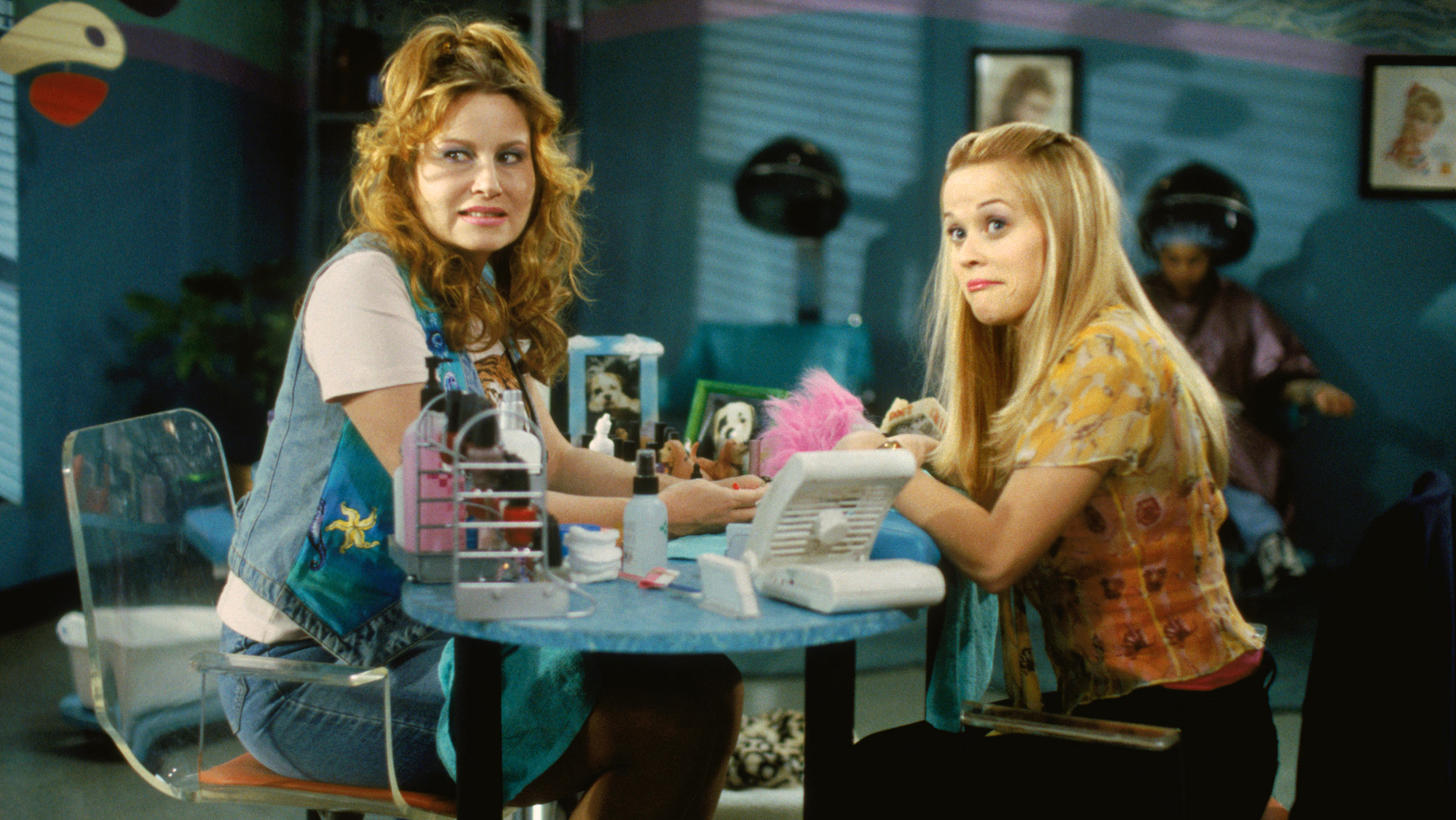
    In June 2026, actress Jennifer Coolidge revealed a decades-old Hollywood secret: she arrived at her audition for the 2001 comedy Legally Blonde believing she was reading for the lead role of Harvard-bound sorority girl Elle Woods. The role ultimately went to Reese Witherspoon. Coolidge instead secured the supporting part of Paulette Bonafonté, the Boston manicurist who became one of her signature characters.

    The admission surfaced in a report by Deadline Hollywood. Coolidge described the misunderstanding as a “stupid” mistake. She walked into the Metro-Goldwyn-Mayer casting room prepared to channel a bubbly, twenty-something fashion merchandising major.

    The reality of Hollywood casting quickly set in. The casting directors steered her toward the quirky, vulnerable salon worker. The misstep altered comedy history. Had Coolidge not walked into that room under false pretenses, the cinematic landscape of the early 2000s would look fundamentally different.

    The Anatomy of a 2000 Casting Room Error

    The year was 2000. Metro-Goldwyn-Mayer was actively assembling the cast for a new comedy based on Amanda Brown’s novel. The script, penned by Karen McCullah and Kirsten Smith, required a precise comedic tone.

    Director Robert Luketic was making his feature film debut. Casting director Joseph Middleton was tasked with finding the perfect ensemble. The search for Elle Woods was exhaustive. The studio needed an actress who could balance high-fashion frivolity with genuine intellectual grit.

    Coolidge received the audition materials. In the pre-digital era of Hollywood, sides were often faxed or couriered by agencies. Miscommunications were common. Coolidge, fresh off her breakout role in the 1999 teen comedy American Pie, read the script and assumed the studio wanted her for the lead.

    She prepared for Elle Woods. She memorized the dialogue intended for a character fourteen years her junior. She walked into the audition room ready to defend a fictional murder suspect using the rules of haircare.

    The casting team quickly realized the error. They did not dismiss her. Instead, they recognized her unique comedic rhythm. They handed her the sides for Paulette Bonafonté. A supporting character was born.

    From Stifler’s Mom to Boston Manicurist

    To understand the audacity of the misunderstanding, one must look at Coolidge’s career in the late nineties. She was a working actor fighting against immediate typecasting.

    In 1999, Universal Pictures released American Pie. Coolidge played Jeanine Stifler, globally recognized as “Stifler’s Mom.” The role was iconic but limiting. It cemented her as a hyper-sexualized comedic caricature.

    Hollywood executives rarely view character actors as leading ladies. The industry relies on established hierarchies. Coolidge wanted to break the mold. Auditioning for Elle Woods, even by mistake, represented a desire to step into the center of the frame.

    The pivot to Paulette proved to be a masterclass in scene-stealing. Paulette was not a caricature. She was a deeply insecure woman recovering from a toxic relationship with her ex-husband, Dewey. She just wanted to keep her dog, Rufus.

    Coolidge grounded the absurdity of the film. When Elle Woods enters the Neptune Beauty Salon, the movie shifts gears. The dynamic between the hyper-confident sorority girl and the defeated manicurist became the emotional anchor of the narrative.

    The Creation of a Cultural Phenomenon

    Legally Blonde hit theaters on July 13, 2001. Metro-Goldwyn-Mayer took a calculated risk on the summer release. The gamble paid off immediately.

    The film grossed $141.7 million worldwide against a modest $18 million production budget. It dominated the cultural conversation. It spawned a cottage industry of pink merchandise, legal parodies, and quotable dialogue.

    Coolidge’s performance generated one of the most recognizable sequences in modern cinema. The “Bend and Snap” routine. Choreographed in the middle of the salon, the move was designed to attract the attention of the UPS delivery man, played by Bruce Thomas.

    The scene is a masterclass in physical comedy. Coolidge executes the move with catastrophic results, breaking the delivery man’s nose. It remains one of the most frequently referenced moments in early 2000s pop culture. It does not exist without her specific comedic timing.

    The Economics of Early 2000s Comedies

    In the early 2000s, the mid-budget studio comedy was a reliable economic engine. Metro-Goldwyn-Mayer needed a summer hit. The film’s $141.7 million theatrical gross was only the beginning.

    The early 2000s marked the golden age of the DVD market. Home video sales and rental revenue from Blockbuster Video frequently doubled a film’s theatrical take. Legally Blonde became a staple of home entertainment.

    This repetition cemented the characters in the public consciousness. Paulette Bonafonté was no longer just a character in a movie theater. She was a fixture in millions of living rooms.

    Reese Witherspoon and the Fight for Elle

    While Coolidge was accidentally auditioning for the lead, Reese Witherspoon was actively fighting for it. Her path to Elle Woods was not guaranteed.

    Witherspoon had recently starred in the 1999 dark comedy Election. She played Tracy Flick, an intensely unlikable, overachieving high school student. Studio executives at Metro-Goldwyn-Mayer conflated the actor with the character. They feared Witherspoon was too abrasive to play the effervescent Elle Woods.

    Producer Marc Platt championed Witherspoon. He understood that Elle required a formidable intelligence hidden beneath a superficial exterior. Witherspoon met with studio head Marcel Sarmiento. She dressed the part. She proved she could carry the picture.

    The contrast between Witherspoon and Coolidge in the audition process highlights the subjective nature of casting. One actor had to prove she wasn’t too serious. The other actor didn’t realize she wasn’t supposed to be the star. Both ended up exactly where the film needed them.

    The Mechanics of Pre-Digital Casting

    In the year 2000, Breakdown Services delivered character descriptions to talent agencies via printed daily packets. Agents scoured these physical pages for opportunities.

    When a match was found, physical scripts were dispatched. There were no secure PDF watermarks. There were no digital audition links. Information passed through assistants, receptionists, and managers.

    A simple miscommunication over the phone could result in an actor preparing for the wrong role. Coolidge’s representation likely submitted her for the project without clarifying the specific character track. The actor received the script, saw a prominent female lead, and made a logical, if incorrect, assumption.

    The Legacy of Amanda Brown’s Source Material

    The foundation of the film rests on the real-life experiences of Amanda Brown. Brown attended Stanford Law School. She compiled letters detailing her experiences surrounded by peers who dismissed her fashion-conscious personality.

    Those letters formed the manuscript for the novel Legally Blonde. The journey from unpublished manuscript to Metro-Goldwyn-Mayer feature film was swift. Producer Marc Platt secured the rights before the book was even published.

    The adaptation process required flattening some of the novel’s sharper edges to fit the Hollywood comedy mold. The character of Paulette in the novel is slightly different from the cinematic version. Coolidge’s interpretation brought a specific working-class Boston energy that contrasted sharply with Elle’s Bel Air background. This class contrast became a central comedic engine for the film.

    The White Lotus Renaissance and Retrospective Truths

    The June 2026 revelation arrives at a specific moment in Coolidge’s career. She is no longer just a supporting player. She is a recognized powerhouse.

    Her collaboration with creator Mike White on the HBO anthology series The White Lotus changed her industry standing. Playing the wealthy, erratic Tanya McQuoid earned Coolidge two Primetime Emmy Awards. It triggered a massive career renaissance.

    This elevated status grants her a new level of candor. Actors rarely share stories of audition failures or misunderstandings early in their careers. It signals vulnerability. It invites mockery from industry gatekeepers.

    But a multi-award-winning actor in 2026 can laugh at a mistake made in 2000. Coolidge framing the audition error as “stupid” is a flex of her current security. She survived the Hollywood machine. She outlasted the executives who typecast her.

    The Enduring Power of the Supporting Character

    The Hollywood ecosystem relies heavily on character actors. While leading stars secure the box office funding, supporting actors provide the texture. Coolidge’s career is a testament to this dynamic.

    For decades, she elevated mediocre material and anchored great material. Her work in Christopher Guest’s mockumentaries, including Best in Show (2000) and A Mighty Wind (2003), proved her improvisational genius. Legally Blonde placed that genius inside a mainstream studio vehicle.

    The impact of the 2001 comedy continues to expand. The film spawned a 2003 sequel, Legally Blonde 2: Red, White & Blonde. It generated a highly successful 2007 Broadway musical, which introduced a new generation to the characters.

    Amazon MGM Studios continues to develop the intellectual property. Discussions of a third film, Legally Blonde 3, have circulated for years. The franchise refuses to fade into obscurity.

    At the center of that endurance is the chemistry of the original cast. The magic of the first film relies on the specific alchemy of its performers. Luke Wilson as Emmett Richmond. Selma Blair as Vivian Kensington. Victor Garber as Professor Callahan.

    And Jennifer Coolidge as Paulette. A role she never intended to read for. A role she only secured after failing to land the lead.

    Hollywood operates on a foundation of planned precision. Budgets are calculated. Demographics are targeted. Marketing campaigns are focus-grouped months in advance.

    Yet the art itself often relies on accidents. A misread fax. A misunderstood phone call. An actor walking into a room with the wrong lines memorized.

    The scripts printed. The actors read. The cameras rolled.

    Hollywood.

  • Why Paget Brewster Apologized for a Viral Media Clash

    Why Paget Brewster Apologized for a Viral Media Clash

    Paget Brewster publicly apologized in June 2026 after telling a television journalist “You suck” during a media interaction, taking full accountability by stating, “Shame on me.” The veteran actress, best known for her long-running role as Emily Prentiss on Criminal Minds, issued the retraction swiftly following reports by industry trades like Deadline. The incident bypassed the usual Hollywood crisis management playbook. There was no deflection. There was no blame-shifting. There was only immediate, unvarnished accountability.

    The modern celebrity apology has become a genre of its own. Audiences are conditioned to expect the “notes app” statement. They expect the phrase, “I am sorry if anyone was offended.” Brewster rejected the template. She owned the outburst. She owned the context. She owned the fallout.

    But the story does not begin with the apology. It begins with the friction of the modern press cycle. It begins with an industry where the lines between promotion, exhaustion, and viral confrontation have completely blurred.

    The Incident: A Breach of Hollywood Protocol

    The machinery of entertainment promotion is relentless. Actors sit in brightly lit hotel rooms. They field the same questions from a rotating cast of global journalists. The schedule is mapped in four-minute increments. The repetition is absolute. The patience required is immense.

    During a recent press cycle, that patience fractured. Brewster, engaging with a television journalist, delivered a blunt, two-word assessment: “You suck.”

    The specific provocation remains secondary to the reaction. In the ecosystem of 2026 media, a celebrity insulting a working journalist is immediate fodder for the content mill. Aggregators pull the quote. Social media platforms dissect the tone. Trade publications like Deadline package the interaction into a headline. The narrative begins to spin before the publicist can even draft a response.

    Historically, an actor in this position retreats. The studio issues a vague statement about “creative differences” or “exhaustion.” The journalist is quietly blacklisted from future junkets. The machine protects the talent. But Brewster, navigating an industry she has survived for nearly three decades, chose a different vector.

    The Immediate Pivot: “Shame On Me”

    The anatomy of Brewster’s apology warrants clinical examination. It was not routed through a crisis firm. It did not read like a document scrubbed by legal counsel. It was direct.

    “I told a TV journalist ‘You suck.’ Shame on me. I am deeply sorry. It was unprofessional and unkind.”

    The phrasing is critical. “Shame on me” is a phrase rarely deployed in modern public relations. It assigns the burden of guilt entirely to the speaker. It removes the environmental factors. It does not blame the journalist for a bad question. It does not blame the lighting, the schedule, or the studio.

    Public relations architects generally advise against the word “shame.” It implies a moral failing rather than a situational error. By embracing the word, Brewster short-circuited the outrage cycle. The internet cannot demand accountability from someone who has already demanded it of themselves.

    Paget Brewster and the Burden of the “Nice” Reputation

    To understand the shock of the incident, one must understand the entity at its center. Paget Brewster has maintained a specific, highly protected reputation in Hollywood. She is known as a stabilizing force.

    Her career spans distinct eras of television history. She entered the cultural lexicon in the late 1990s as Kathy on NBC’s Friends. She anchored the golden age of network procedurals as Emily Prentiss on CBS’s Criminal Minds. She successfully transitioned that character into the streaming era with Paramount+’s Criminal Minds: Evolution.

    Through it all, her industry reputation has been bulletproof. Directors call her a consummate professional. Co-stars cite her as a leader on set. She is frequently deployed by studios as a reliable, charming presence on the press circuit. She understands the assignment.

    This makes the “You suck” comment highly anomalous. It was a glitch in a normally flawless matrix. When a notoriously difficult actor insults a journalist, the public shrugs. It is priced into their brand. When Paget Brewster does it, the friction generates headlines. The contrast between the actor’s history and the specific outburst amplified the story’s reach.

    The Evolution of the Non-Apology

    Brewster’s response stands in stark contrast to the prevailing trends of celebrity damage control. The last decade of public life has been defined by the non-apology.

    Media analysts have categorized the standard Hollywood deflections into three distinct buckets:

    • The Conditional Apology: “I am sorry if anyone was offended by my words.” This shifts the blame to the listener’s sensitivity rather than the speaker’s actions.
    • The Contextual Defense: “My words were taken out of context by the media.” This attacks the distribution method rather than addressing the core behavior.
    • The Mental Health Pivot: “I am stepping away to focus on my well-being.” While often legitimate, this tactic is frequently weaponized to avoid immediate accountability.

    Brewster utilized none of these. She identified the victim (the TV journalist). She identified the action (saying “You suck”). She identified the moral failing (unprofessional and unkind). She assigned the blame (shame on me).

    This structural perfection turned a potential weeks-long scandal into a 24-hour news cycle. By Monday morning, the Deadline article was published. By Monday afternoon, the apology was live. By Tuesday, the internet had moved on to the next outrage. It was a masterclass in fire suppression.

    How Social Media Rewrote the PR Playbook

    The speed of the resolution highlights the reality of operating in 2026. The buffer zone between a public figure and the public no longer exists. Platforms like X, TikTok, and Instagram have dismantled the traditional gatekeepers.

    In 1996, an altercation at a press junket would have been buried. The journalist’s editor might have called the studio’s publicist. An arrangement would have been made. Access would have been traded for silence. The public would never know.

    In 2026, silence is impossible. Every interaction is recorded. Every room has a camera. Every microphone is hot. The assumption of privacy is a liability. Brewster’s swift response acknowledges this reality. She did not wait for a leaked video. She did not wait for the journalist to post a thread. She moved first.

    The Role of Trade Publications in 2026

    The involvement of Deadline in the initial reporting is significant. Trade publications occupy a unique space in the entertainment ecosystem. They are not tabloids. They are the paper of record for the industry.

    When TMZ publishes a story, the studio can dismiss it as gossip. When Deadline publishes a story, the studio must treat it as fact. The trade publication’s validation of the “You suck” comment forced the issue. It elevated the incident from a rumor to an undeniable event.

    This dynamic creates a forced accountability loop. The trades report. The public reacts. The talent responds. The cycle is tight, unforgiving, and entirely public.

    The Aftermath for Criminal Minds: Evolution

    The timing of the incident intersected with the ongoing promotion for Criminal Minds: Evolution. Paramount+ relies heavily on Brewster to anchor the show’s public narrative. She is the veteran presence. She is the bridge between the CBS era and the streaming era.

    A prolonged scandal would have complicated the promotional strategy. It would have dominated the narrative. Every subsequent interview would have focused on the “You suck” comment rather than the show.

    By issuing a definitive, zero-deflection apology, Brewster neutralized the threat. She gave the press nothing left to litigate. The apology was so complete that further questioning felt redundant. The promotional tour continued. The show remained the focus.

    The Future of the Press Junket

    The incident raises broader questions about the sustainability of the modern press junket. The format was designed for a different era. It was designed for print journalists and controlled television segments.

    In 2026, the junket is a content farm. It is designed to generate viral moments. The pressure on the talent is immense. They are expected to be charming, insightful, and endlessly patient for hours on end. The margin for error is zero.

    Brewster’s momentary lapse highlights the inherent fragility of the system. Actors are human. Exhaustion is real. Friction is inevitable. The “You suck” comment was not an aberration. It was a symptom of a pressurized environment.

    The Terminal Drop

    The cameras rolled. The questions repeated. The patience broke. The apology landed. The cycle reset.

    Accountability.

  • The BBC Retreats, Inside the $107 Million Content Cut and Network Review

    The BBC Retreats, Inside the $107 Million Content Cut and Network Review

    The British Broadcasting Corporation is cutting its content budget by $107 million and initiating a sweeping review of its traditional television networks. Driven by a frozen license fee, soaring production costs, and a rapid audience shift toward digital streaming, the June 2026 announcement signals a historic reduction in original programming. The broadcaster is moving away from volume, opting to cancel existing shows and commission fewer new series. The era of unchecked expansion is over. The BBC is shrinking.

    For decades, the BBC operated as a sprawling media empire, launching new channels to capture every demographic slice of the British public. But the financial mathematics no longer support that architecture. The $107 million cut, equivalent to roughly £85 million, represents a significant withdrawal from the creative economy. It forces the corporation to prioritize flagship programming over niche experimentation.

    What looks like a sudden modern crisis actually began years ago. Successive UK governments have squeezed the BBC’s primary funding mechanism. Inflation has eroded purchasing power. Now, the structural deficit has arrived at the screen. The broadcaster cannot afford to be everything to everyone.

    The Financial Mechanics of a $107 Million Retreat

    The $107 million reduction is not a mere accounting adjustment. It is a fundamental restructuring of how the BBC buys and builds television. Content spending is the lifeblood of the organization. When that budget contracts, the ripples hit every corner of the United Kingdom’s production sector.

    BBC Director-General Tim Davie has spent his tenure attempting to modernize the corporation while managing a flat-funded license fee. The UK government sets the price of the television license, which every household watching live broadcasts or using BBC iPlayer is legally required to pay. For years, the fee was frozen or capped below the rate of inflation. In real terms, the BBC’s income has plummeted.

    Simultaneously, the cost of making premium television has skyrocketed. The entrance of global streaming giants like Netflix, Amazon Prime Video, and Apple TV+ into the UK production market drove up the price of talent, studio space, and crew labor. Drama budgets that once hovered at £2 million per hour now routinely exceed £4 million. The BBC cannot compete in a bidding war against Silicon Valley.

    To balance the books, the corporation must slash volume. The $107 million cut means the BBC will simply buy fewer hours of television. Scripted dramas will see shorter season orders. Unscripted factual programming, long a staple of daytime and evening schedules, will face consolidation. Existing shows that fail to deliver massive audiences or critical acclaim on BBC iPlayer will be quietly canceled.

    The BBC is transitioning from a broadcaster that fills thousands of hours of linear schedules to a digital-first curator that relies on fewer, bigger cultural hits to justify the license fee.

    The cuts also reflect a shift in strategic priorities. The BBC is funneling its remaining resources into news, live sports, and high-end drama that can compete on the global stage. Experimental arts programming, regional documentaries, and mid-tier comedies are highly vulnerable in this new financial environment.

    The Linear Network Review

    Alongside the content cuts, the BBC announced a comprehensive review of its television networks. This is the most consequential aspect of the June 2026 directive. The BBC currently operates a portfolio of linear broadcast channels, including BBC One, BBC Two, BBC Four, CBBC, CBeebies, and BBC News.

    Maintaining these broadcast frequencies is incredibly expensive. Each channel requires a continuous stream of programming to fill a 24-hour schedule. But audiences are no longer watching television according to a printed guide. The migration to on-demand streaming is absolute. Younger viewers, in particular, rarely tune into live broadcast television unless it is a major sporting event or breaking news.

    The network review will evaluate the purpose, cost, and reach of every channel. BBC One remains the flagship, anchoring national moments and massive entertainment formats. BBC Two serves as the home for intellectual, factual, and prestige programming. But the secondary channels are in the crosshairs.

    • BBC Four: Long the intellectual and cultural hub for the arts, history, and international drama, BBC Four has already seen its original commissioning budget slashed in previous years. It largely operates as an archive channel. The review may recommend moving its remaining original content entirely to BBC iPlayer and closing the broadcast frequency.
    • CBBC: The children’s network faces an existential crisis. Children are the most rapid adopters of digital platforms, consuming content on YouTube, TikTok, and on-demand streaming services. Maintaining a traditional linear channel for a demographic that does not watch linear television is increasingly difficult to justify.
    • BBC News: While news remains a core public service mandate, the BBC has already merged its domestic and international news channels to save money, resulting in a compromised product that attempts to serve two distinct audiences simultaneously.

    Closing linear channels provides significant operational savings. It eliminates the need for continuity announcers, broadcast infrastructure, and the sheer volume of filler content required to keep a network on the air. The BBC is preparing the public for a future where broadcast television is a legacy product, superseded entirely by the BBC iPlayer app.

    The Squeeze on Independent Producers

    The BBC does not make all of its television in-house. It relies heavily on a vibrant ecosystem of independent production companies spread across London, Manchester, Bristol, Cardiff, and Glasgow. The $107 million cut is a direct blow to these businesses.

    When the BBC reduces its commissioning budget, independent producers lose contracts. Smaller, regional production companies are the most exposed. A massive studio backed by international venture capital can absorb the loss of a BBC commission. A boutique documentary producer in Yorkshire cannot.

    This contraction threatens the diversity of voices on British television. The BBC has a mandate to represent the entirety of the United Kingdom. If budgets are tight, commissioners become risk-averse. They rely on established production companies and proven talent. The pipeline for new writers, directors, and regional stories narrows. The $107 million cut is not just a loss of television shows; it is a loss of cultural infrastructure.

    The Cultural Imprint and Audience Shift

    The audience views these cuts through a complex cultural lens. For some, the shrinking of the BBC is a necessary market correction. Critics of the license fee argue that the public should not be forced to fund a sprawling media conglomerate in an era of infinite consumer choice. They view the cancellation of shows and the closure of networks as a victory for market efficiency.

    For others, the cuts represent a tragic cultural decline. The BBC is the largest cultural institution in the United Kingdom. It binds the nation together through shared experiences, from royal events to landmark natural history series. A smaller BBC means fewer shared cultural moments. It means an increased reliance on American streaming platforms that have no public service mandate to reflect British life.

    The cultural defense of the BBC centers on its unique role in the global media landscape. It produces content that commercial networks would never touch. It funds investigative journalism, niche historical documentaries, and experimental radio. The $107 million cut strikes at the heart of this public service mission. When commercial logic dictates public broadcasting, the unique value of the institution is compromised.

    The Global Co-Production Market

    The BBC’s financial retreat also impacts the global television market. For years, the BBC has relied on international co-productions to stretch its budget. A high-end drama might be funded by the BBC in the UK, HBO in the United States, and a European distributor.

    This model allowed the BBC to deliver premium content that rivaled Netflix in production value. But as the BBC’s upfront contribution shrinks, its leverage in these negotiations weakens. American partners demand more control over casting, scripting, and editorial direction. The resulting shows often feel less distinctly British and more generic, engineered for a global algorithm rather than a domestic audience.

    The $107 million cut accelerates this trend. To afford expensive dramas, the BBC will be forced into more co-production deals, potentially diluting the very cultural specificity that makes its programming valuable. The alternative is to simply produce fewer high-end shows, conceding the prestige drama space entirely to the streaming platforms.

    The Road to the Next Charter

    The timing of the June 2026 announcement is highly strategic. The BBC operates under a Royal Charter, which sets out its public purposes and funding framework. The current charter expires at the end of 2027. The negotiations for the next charter are already underway, and they are fraught with political tension.

    By announcing massive cuts and a network review now, Tim Davie is sending a stark message to the UK government. The BBC is demonstrating that it is making the painful choices required to live within its means. It is proving that it is not a bloated bureaucracy, but an agile organization willing to amputate limbs to survive.

    However, this strategy is a dangerous gamble. By shrinking its output and closing networks, the BBC risks alienating the very audience that pays for it. If the public feels they are getting less value from the license fee, the political pressure to scrap the fee entirely will become overwhelming. The BBC is trapped in a paradox: it must cut services to survive financially, but cutting services undermines the political justification for its existence.

    The $107 million cut is the beginning, not the end. The television network review will likely result in the closure of beloved channels. The programming slate will become narrower, safer, and heavily reliant on established brands. The era of the BBC as a ubiquitous, dominant force in British media is fading.

    Politicians debated. Executives calculated. Budgets contracted. Contraction.