Tag: David Zaslav

  • Catherine Zeta-Jones to Star in ‘Kill Jackie’ for HBO Max

    Catherine Zeta-Jones to Star in ‘Kill Jackie’ for HBO Max

    Catherine Zeta-Jones is set to star in ‘Kill Jackie,’ a new project recently acquired by Warner Bros. Discovery. The film will be released exclusively on HBO Max. This move signals a strategic investment by the media conglomerate in original content for its premier streaming platform.

    The project is characterized as a glamorous and lethal thriller. Zeta-Jones’ casting in such a role is anticipated to leverage her established screen presence and dramatic capabilities. Her involvement is a key factor in the project’s high profile.

    The Acquisition and Its Significance

    Warner Bros. Discovery secured the rights to ‘Kill Jackie’ in a competitive acquisition. Details of the deal, including the financial terms, have not been publicly disclosed. Such acquisitions are common in the current streaming landscape, where content libraries are crucial for subscriber retention and growth.

    HBO Max has been a cornerstone of Warner Bros. Discovery’s streaming strategy since its launch on May 27, 2020. The platform replaced HBO Now and incorporated a wider range of content from WarnerMedia’s extensive catalog. It aimed to compete directly with established services like Netflix and Disney+.

    Original productions have been a major draw for HBO Max subscribers. Titles like ‘The Flight Attendant,’ ‘Peacemaker,’ and ‘House of the Dragon’ have garnered critical acclaim and significant viewership. ‘Kill Jackie’ is expected to join this roster of high-impact originals.

    Warner Bros. Discovery’s Content Strategy

    The acquisition of ‘Kill Jackie’ aligns with Warner Bros. Discovery’s broader content strategy. This strategy emphasizes exclusive, high-quality programming to differentiate HBO Max in a crowded market. The company, formed from the merger of WarnerMedia and Discovery, Inc. in April 2022, has been focused on streamlining its content offerings and maximizing its streaming potential.

    David Zaslav, the Chief Executive Officer of Warner Bros. Discovery, has frequently articulated this vision. He has stressed the importance of intellectual property and attracting top-tier talent. The ‘Kill Jackie’ project, with Catherine Zeta-Jones, fits squarely into this framework.

    Catherine Zeta-Jones’s Return to Prominent Roles

    Catherine Zeta-Jones has maintained a distinguished career in film, television, and theatre. Her role in ‘Kill Jackie’ represents another high-profile project for the actress. It builds upon her recent appearances in notable productions.

    Zeta-Jones gained widespread recognition for her performances in films such as ‘The Mask of Zorro’ (1998) and ‘Chicago’ (2002). Her portrayal of Velma Kelly in ‘Chicago’ earned her an Academy Award for Best Supporting Actress. This established her as a formidable presence in Hollywood.

    Recent Television Successes

    In recent years, Zeta-Jones has also made significant inroads into television. She starred as Morticia Addams in the Netflix series ‘Wednesday,’ which premiered in November 2022. Her performance was widely praised. The series became a global phenomenon, further cementing her appeal to a new generation of viewers.

    Prior to ‘Wednesday,’ she also appeared in the Facebook Watch series ‘Queen America’ (2018-2019) and the Fox series ‘Prodigal Son’ (2021). These roles demonstrated her versatility and willingness to explore diverse characters across different platforms. ‘Kill Jackie’ marks a continuation of this strategic engagement with streaming services.

    The Thriller Genre on Streaming Platforms

    The thriller genre has proven to be particularly popular on streaming platforms. Its suspenseful narratives and often intense character studies resonate well with binge-watching audiences. HBO Max has previously found success with thrillers and crime dramas.

    Projects like ‘The Undoing’ and ‘Mare of Easttown’ garnered significant critical and audience attention. They showcased the platform’s ability to deliver compelling, character-driven narratives within the genre. ‘Kill Jackie’ is poised to capitalize on this established appeal.

    The description of ‘Kill Jackie’ as ‘glamorous’ suggests a stylistic approach that could blend high fashion and sophisticated settings with intense action or psychological suspense. This combination often appeals to a broad demographic. It can elevate a genre piece beyond its core elements.

    Production Details and Expectations

    Specific production details for ‘Kill Jackie’ are still emerging. The director, writers, and other cast members have not yet been fully announced. However, the involvement of Warner Bros. Discovery and a star of Zeta-Jones’ caliber indicates a substantial budget and high production values.

    Filming locations and timelines are also pending official announcements. Industry observers expect a robust marketing campaign leading up to its HBO Max premiere. The anticipation surrounding Zeta-Jones’ role is already generating interest. This early buzz is valuable for any new streaming project.

    The Evolving Streaming Landscape

    The streaming industry continues to evolve rapidly in 2026. Competition remains fierce among major players like Netflix, Amazon Prime Video, Disney+, and HBO Max. Content acquisition and original programming are key battlegrounds.

    Warner Bros. Discovery’s investment in ‘Kill Jackie’ reflects this dynamic environment. Companies are increasingly seeking exclusive content that cannot be found elsewhere. This strategy aims to drive new subscriptions and reduce churn among existing subscribers.

    The role of established stars like Catherine Zeta-Jones is also critical in this landscape. Their name recognition provides an immediate draw for audiences. It helps new projects cut through the vast amount of available content. The ‘star vehicle’ remains a powerful concept in entertainment.

    Future of HBO Max Content

    The acquisition of ‘Kill Jackie’ is indicative of the future direction for HBO Max content. The platform is likely to continue pursuing a mix of high-concept original series, prestige films, and projects featuring well-known talent. This balanced approach helps cater to diverse audience preferences.

    Warner Bros. Discovery has also been exploring various distribution models. This includes theatrical releases followed by streaming, as well as direct-to-streaming premieres. ‘Kill Jackie’s’ exclusive HBO Max release suggests a strong belief in its ability to directly boost the platform’s subscriber numbers.

    Catherine Zeta-Jones: A Career Overview

    Catherine Zeta-Jones, born September 25, 1969, in Swansea, Wales, began her career on the stage. She achieved early success in British television. Her transition to Hollywood in the late 1990s marked a significant turning point.

    Her breakthrough role came in ‘The Mask of Zorro’ (1998), opposite Antonio Banderas and Anthony Hopkins. This performance showcased her acting prowess and captivating screen presence. She quickly became a sought-after leading lady.

    Key Filmography Highlights

    • ‘The Mask of Zorro’ (1998): Elena Montero
    • ‘Entrapment’ (1999): Virginia Baker
    • ‘Traffic’ (2000): Helena Ayala (Golden Globe nomination)
    • ‘Chicago’ (2002): Velma Kelly (Academy Award, BAFTA Award)
    • ‘Intolerable Cruelty’ (2003): Marylin Rexroth
    • ‘Ocean’s Twelve’ (2004): Isabel Lahiri
    • ‘The Legend of Zorro’ (2005): Elena de la Vega Murrieta

    Her role in Steven Soderbergh’s ‘Traffic’ earned her critical acclaim and a Golden Globe nomination. ‘Chicago’ solidified her status as a global star. It also highlighted her talents as a singer and dancer. She balanced these large-scale productions with smaller, independent films.

    Impact on Hollywood and Beyond

    Zeta-Jones’ career has spanned multiple decades. She has consistently demonstrated an ability to adapt to changing industry trends. Her choice to embrace streaming platforms reflects a modern approach to maintaining relevance and reaching new audiences.

    Her work often features strong, complex female characters. This aligns with the themes often explored in contemporary thrillers. ‘Kill Jackie’ is expected to provide another opportunity for her to embody such a role.

    The collaboration with Warner Bros. Discovery and HBO Max places her at the center of a major strategic content initiative. It underscores her enduring appeal and her value as a talent. This project will be closely watched by both fans and industry analysts.

    The lights dim. The cameras roll. The streaming queues await. Catherine Zeta-Jones steps into a new role. A new chapter unfolds. HBO Max.
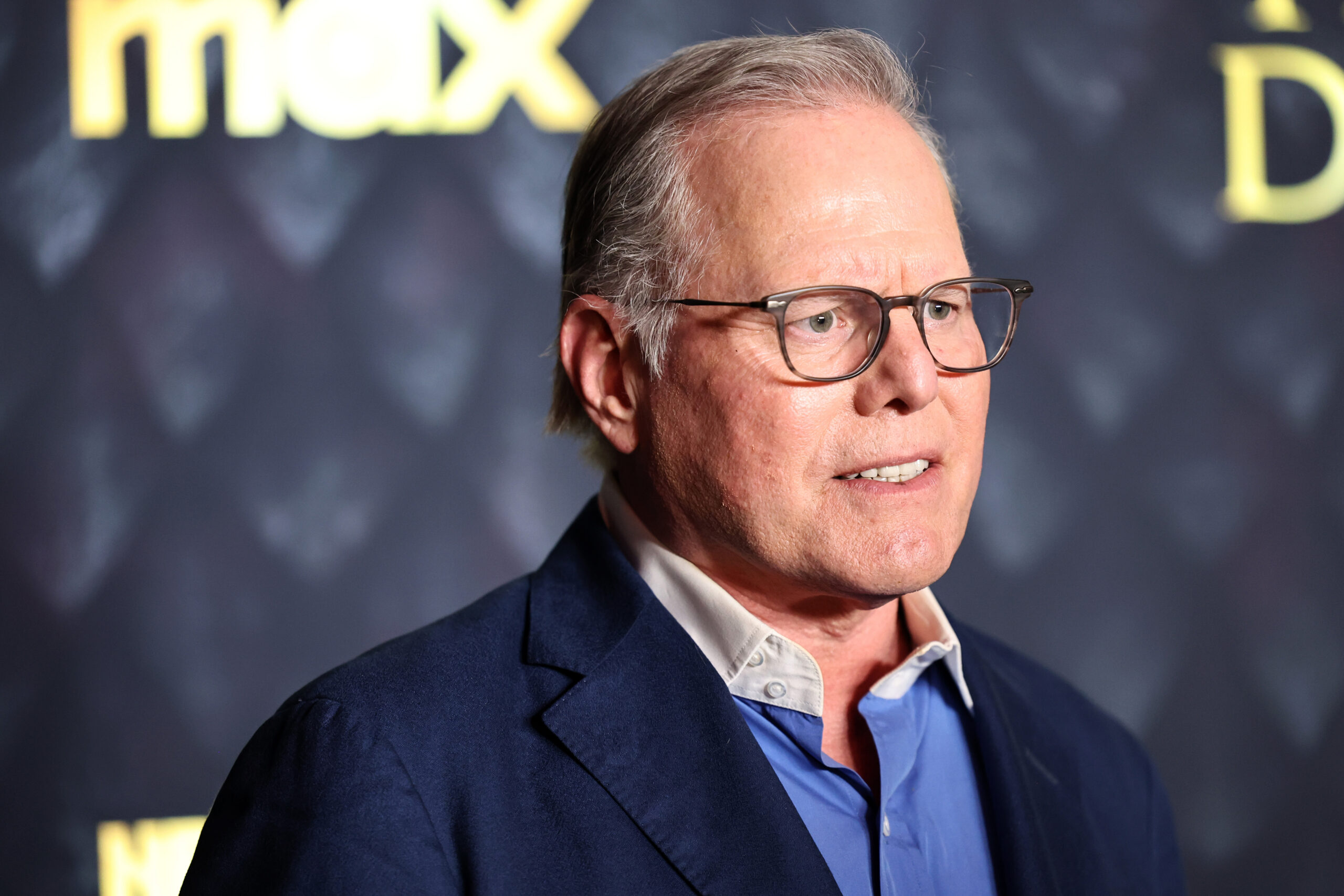
  • David Zaslav’s 2025 Compensation Blocked: Why WBD Shareholders Revolted

    David Zaslav’s 2025 Compensation Blocked: Why WBD Shareholders Revolted

    Warner Bros. Discovery shareholders rejected CEO David Zaslav’s 2025 compensation package in a non-binding vote, delivering a stark rebuke to the media conglomerate’s executive pay structure. The “say-on-pay” vote occurred during the company’s annual meeting. It represents a rare and highly visible rupture between Hollywood leadership and institutional investors. The rejection signals that the era of uncontested, multi-million-dollar executive payouts, regardless of stock performance or public perception, may be ending.

    The vote itself is advisory. It does not legally compel the Warner Bros. Discovery board of directors to slash Zaslav’s salary or rewrite his contract. But the symbolic weight is massive. In corporate governance, a failed say-on-pay vote is the equivalent of a vote of no confidence. It forces the compensation committee back to the negotiating table. It demands a public explanation. Most importantly, it exposes the growing friction between the executives managing media empires and the shareholders funding them.

    The Anatomy of a Shareholder Revolt

    To understand the rejection, one must look at the math. David Zaslav has consistently ranked among the highest-paid executives in the entertainment industry. His compensation packages have frequently drawn headlines, often for their sheer scale relative to the company’s financial performance.

    In 2022, following the merger of WarnerMedia and Discovery, Zaslav’s reported compensation reached $39 million. In 2023, his pay package was valued at nearly $50 million. These figures included base salary, stock awards, and performance-based bonuses. The board justified these numbers by pointing to the complexity of integrating two massive media companies and the necessity of retaining top-tier leadership.

    Shareholders, however, viewed the equation differently. Warner Bros. Discovery’s stock price has struggled to gain traction since the merger. The company has grappled with massive debt loads, estimated at over $40 billion. To service this debt, leadership initiated aggressive cost-cutting measures. These included widespread layoffs, the shelving of completed films like Batgirl and Coyote vs. Acme for tax write-offs, and the removal of content from the Max streaming platform.

    The juxtaposition was jarring. While the company aggressively trimmed expenses and eliminated jobs, executive compensation remained robust. This disconnect became the primary catalyst for the shareholder revolt.

    The Role of Institutional Investors

    A failed say-on-pay vote does not happen because retail investors click a button on an app. It happens because institutional investors, pension funds, mutual funds, and asset management firms, decide to send a message. Entities like Vanguard, BlackRock, and State Street hold significant voting blocks. When these institutions align against a board recommendation, the impact is seismic.

    Proxy advisory firms play a crucial role in these decisions. Firms like Institutional Shareholder Services (ISS) and Glass Lewis analyze executive compensation plans and issue voting recommendations to institutional investors. If a proxy advisor determines that a pay package is misaligned with company performance, they will recommend a “vote against” the say-on-pay proposal. While the specific recommendations for the 2025 WBD vote remain internal to institutional clients, the outcome suggests a consensus that Zaslav’s proposed pay was not justified by the company’s recent financial trajectory.

    The Shadow of the Hollywood Strikes

    The rejection of Zaslav’s pay cannot be viewed in a vacuum. It occurred in the long shadow of the historic 2023 Hollywood strikes. The Writers Guild of America (WGA) and the Screen Actors Guild-American Federation of Television and Radio Artists (SAG-AFTRA) halted production for months, demanding better residuals, protections against artificial intelligence, and a more equitable share of streaming revenues.

    During the strikes, executive compensation became a central talking point. Union leaders and striking workers frequently cited the massive salaries of CEOs like Zaslav, Disney’s Bob Iger, and Netflix’s Ted Sarandos as evidence of a broken system. The narrative was clear: the executives at the top were enriching themselves while the creative class struggled to earn a living wage.

    Zaslav, in particular, became a lightning rod for criticism. His compensation was frequently contrasted with the demands of the unions. The optics of a highly paid CEO overseeing a company that was simultaneously cutting jobs and resisting union demands created a public relations crisis. This sentiment bled into the investor class. Shareholders are increasingly sensitive to reputational risk. The negative press surrounding WBD’s executive pay structure during the strikes likely contributed to the growing unease among investors.

    What Happens After a Failed Say-on-Pay Vote?

    The immediate consequence of a failed say-on-pay vote is procedural. The Securities and Exchange Commission (SEC) requires public companies to hold these advisory votes at least once every three years, though many companies, including WBD, hold them annually. Because the vote is non-binding, the board is not required to take immediate action.

    However, ignoring a failed vote is a dangerous strategy. Boards that dismiss shareholder concerns risk facing more severe consequences in subsequent years. These can include “vote no” campaigns against individual directors, particularly those serving on the compensation committee. In extreme cases, activist investors may launch proxy fights to replace board members entirely.

    The typical response involves a “shareholder engagement campaign.” The board’s compensation committee, often led by its chair, will initiate meetings with the company’s largest investors. The goal is to understand the specific reasons for the “no” votes. Was the base salary too high? Were the performance metrics too lenient? Was the peer group used for benchmarking inappropriate?

    Following these discussions, the board usually makes adjustments to the executive compensation plan for the following year. This might involve increasing the proportion of pay tied to performance, altering the metrics used to measure success, or simply reducing the overall quantum of pay. The objective is to design a package that will win shareholder approval in the next voting cycle.

    The Broader Implications for Media Conglomerates

    The WBD vote is not an isolated incident. It reflects a broader trend of increased scrutiny over executive pay across all sectors, but particularly within the media and entertainment industry. The era of the imperial CEO, who commands massive payouts regardless of performance, is facing unprecedented resistance.

    Media companies are navigating a difficult transition. The legacy cable television business is declining rapidly, while the streaming business remains capital-intensive and fiercely competitive. Profitability is no longer guaranteed. In this environment, investors are demanding that executive compensation be closely aligned with long-term value creation. They want to see pay structures that reward executives for successfully navigating the industry’s structural challenges, not just for showing up.

    Other media boards will undoubtedly take notice of the WBD vote. It serves as a warning shot. Compensation committees across the industry will likely review their own pay practices to ensure they can withstand investor scrutiny. The pressure to link pay to performance, and to justify the absolute size of executive payouts, will only intensify.

    The Financial Reality of Warner Bros. Discovery

    The core issue driving the shareholder revolt is the financial reality of Warner Bros. Discovery. The company was formed through a complex transaction that left it saddled with significant debt. The management team, led by Zaslav, has prioritized debt reduction and free cash flow generation.

    They have achieved some success on this front. The company has paid down billions in debt and improved its cash flow profile. The streaming business, which includes Max and Discovery+, has shown signs of reaching profitability. However, these financial improvements have come at a significant cost. The aggressive cost-cutting measures have damaged the company’s relationships with creators and alienated some consumers.

    Furthermore, the stock price has not reflected the operational improvements. Investors remain concerned about the long-term viability of the legacy linear television networks, which still generate a significant portion of the company’s revenue. The decline in linear advertising revenue and the ongoing cord-cutting trend pose existential threats to this part of the business.

    In this context, a massive compensation package for the CEO appears disconnected from the reality experienced by shareholders. Investors are essentially asking: if the company is facing such severe headwinds, and if the stock price is languishing, why is the CEO being rewarded as if the company is thriving?

    The Path Forward for Zaslav and WBD

    David Zaslav now faces a critical juncture. The shareholder vote is a clear signal that his current compensation structure is unacceptable to the people who own the company. He must navigate this challenge while continuing to manage the complex integration of WarnerMedia and Discovery and steering the company through a turbulent industry landscape.

    The board’s compensation committee will have to work closely with institutional investors to design a new pay package. This new package will likely feature more stringent performance metrics and a closer alignment between executive pay and shareholder returns. The days of guaranteed mega-bonuses may be over.

    For Zaslav, the challenge is not just financial; it is reputational. He must convince investors, employees, and the broader creative community that his leadership is worth the cost. He must demonstrate that he can not only cut costs and manage debt but also drive growth and create long-term value.

    The vote against his 2025 pay is a warning. It is a demand for accountability. It is a statement that performance matters. The board convened. The investors voted. The message was delivered. Accountability.