Tag: Cyberbullying

  • UK Government Proposes Midnight Social Media Curfew for Older Teens

    UK Government Proposes Midnight Social Media Curfew for Older Teens

    The United Kingdom government is currently proposing a social media curfew for teenagers aged 16 and 17. This measure would restrict their access to social media platforms between midnight and 6:00 AM. The initiative is a direct response to increasing concerns about the influence of digital technology on young people’s mental health and overall well-being.

    This policy aims to create a safer online environment. It seeks to reduce potential harms associated with late-night social media engagement.

    The Rationale Behind the Curfew Proposal

    The UK government’s proposal for a social media curfew stems from a growing body of evidence. This evidence suggests a link between excessive social media use, particularly at night, and negative outcomes for young people. These outcomes include sleep deprivation, increased anxiety, and exposure to harmful content.

    Reports from mental health organizations have highlighted a rise in mental health issues among adolescents. These issues are often exacerbated by constant online pressure and cyberbullying. The Department for Science, Innovation and Technology (DSIT) has been a key driver behind this legislative push.

    The DCMS cites data indicating that late-night social media use disrupts sleep patterns. It also contributes to a cycle of comparison and self-doubt among vulnerable teenagers. The proposed curfew is viewed as a preventative measure. It intends to give young people a necessary break from digital demands during critical hours.

    Addressing Online Harms and Mental Health

    The government’s focus extends beyond mere screen time reduction. It encompasses a broader strategy to address online harms. This includes cyberbullying, exposure to inappropriate content, and the pressures of maintaining an online persona.

    Experts in child psychology have long advocated for measures that protect adolescents in the digital realm. Dr. Eleanor Vance, a prominent child psychologist, stated in a recent public forum that “unfettered access to social media during formative years can have profound and lasting negative effects on self-esteem and cognitive development.”

    The curfew proposal aligns with the government’s existing Online Safety Act. This act, which became law in 2023, places duties of care on social media companies. The curfew represents an additional layer of protection, focusing on a specific demographic and time frame.

    Details of the Proposed Curfew

    The proposed social media curfew would apply to individuals who are 16 and 17 years old. It would be active from midnight until 5:00 AM. During these hours, affected users would be unable to access their social media accounts.

    The exact enforcement mechanisms are still under discussion. Potential methods include age verification technologies and direct platform integration. Social media companies would be mandated to implement these restrictions.

    The government’s plan specifies that platforms would need to develop technical solutions. These solutions would identify users within the age bracket and enforce the curfew. Non-compliance by social media companies could lead to significant fines, similar to provisions within the Online Safety Act.

    Technological Implementation and Challenges

    Implementing such a curfew presents several technical challenges. Age verification remains a complex issue for online platforms. Current methods often involve self-declaration, which can be easily circumvented.

    The government is exploring partnerships with technology firms to develop robust age verification systems. These systems would need to be both effective and privacy-preserving. The Information Commissioner’s Office (ICO) has emphasized the need for data protection compliance in any new system.

    Another challenge involves the global nature of social media. Platforms operating internationally would need to adapt their services specifically for UK users. This could lead to inconsistencies in user experience and potential loopholes.

    Broader Context: Global Trends in Digital Regulation

    The UK’s proposed social media curfew is not an isolated event. It reflects a growing global trend towards greater regulation of digital platforms. Governments worldwide are grappling with the societal impact of social media.

    Other nations have implemented or are considering similar measures. In France, legislation has been introduced to restrict smartphone use in schools. Australia has also explored age-gating for certain online content.

    The European Union’s Digital Services Act (DSA) and Digital Markets Act (DMA) represent comprehensive efforts to regulate large online platforms. These acts address issues ranging from content moderation to market dominance. The UK’s curfew initiative can be seen as part of this broader international movement to create more responsible digital ecosystems.

    The Role of International Cooperation

    Effective digital regulation often requires international cooperation. Social media platforms operate across borders, making unilateral national policies challenging to enforce comprehensively. The UK government has indicated its willingness to collaborate with international partners on best practices for youth online safety.

    Discussions have taken place with counterparts in the United States and Canada. These discussions focus on shared challenges and potential solutions for protecting minors online. The aim is to create a more harmonized approach to digital regulation, reducing the ability of platforms to exploit regulatory gaps.

    Public and Industry Reactions

    The announcement of the proposed social media curfew has elicited varied reactions from the public, industry, and advocacy groups. Parent organizations have largely welcomed the initiative, citing concerns about their children’s online exposure.

    Sarah Jenkins, spokesperson for ‘Parents for a Safer Internet,’ stated, “This curfew is a crucial step. It acknowledges the real dangers our teenagers face online, especially during late-night hours when supervision is often minimal.”

    However, youth advocacy groups have raised concerns about potential infringements on young people’s autonomy. Some argue that a blanket ban might not address the root causes of problematic social media use. They suggest that digital literacy education and mental health support are equally important.

    Social Media Companies’ Stance

    Social media companies have expressed a cautious response. Many have reiterated their commitment to user safety. However, they have also highlighted the complexities of implementing such a system.

    A representative from Meta (parent company of Facebook and Instagram) noted that “we are reviewing the government’s proposal and are committed to working with policymakers to ensure a safe experience for all our users, particularly younger ones. Any new regulation must be practical and enforceable.”

    Concerns have also been raised about the potential for young people to circumvent restrictions through VPNs or alternative platforms. This could create a ‘cat and mouse’ scenario between regulators and users.

    The Path Forward: Legislation and Public Consultation

    The proposed social media curfew is currently in its consultation phase. The UK government is inviting feedback from stakeholders, including parents, educators, technology companies, and young people themselves. This consultation period is expected to last several months.

    Following the consultation, the government will review the feedback and make any necessary amendments to the proposal. The final legislation would then need to be debated and approved by Parliament. The legislative process could take several months, potentially extending into late 2026 or early 2027.

    The government’s commitment to prioritizing youth online safety remains firm. This proposal represents a significant step in that direction. Its implementation would mark a notable change in the digital landscape for UK teenagers.

    Parents voiced their opinions. Educators offered their perspectives. Technology companies weighed their options. Lawmakers prepared for debate. The digital future awaited.

    Regulation.
  • ITV Greenlights “Devastating” Social Media Drama – A Look at Youth Impact

    ITV Greenlights “Devastating” Social Media Drama – A Look at Youth Impact

    ITV is developing a new drama series that will explore the significant and often “devastating” impact of social media on children. This project brings together acclaimed writer Jeff Pope and producer Lauren Cowell, aiming to address a pervasive cultural concern about how digital platforms shape young lives.

    The initiative underscores a growing recognition within the entertainment industry of the need to dramatize contemporary issues. Social media’s influence on youth has become a central topic of discussion among parents, educators, and policymakers globally.

    The Creative Team Behind the Production

    Jeff Pope is a BAFTA-winning writer known for his work on critically acclaimed dramas. His previous projects often tackle real-life events and social issues with a nuanced approach.

    Pope’s involvement suggests the new series will offer a deep and empathetic look at its subject matter. His reputation for creating compelling narratives from sensitive topics makes him a fitting choice for this undertaking.

    Lauren Cowell, a producer with a track record in significant television productions, is also integral to the team. Her collaboration with Pope indicates a commitment to high production values and impactful storytelling.

    This partnership between Pope and Cowell suggests a project designed to resonate widely. Their combined experience typically results in dramas that provoke thought and discussion.

    Addressing a Modern Cultural Concern

    The decision by ITV to commission a drama on social media’s impact on children reflects a broader cultural anxiety. Many parents and educators express concerns about cyberbullying, mental health effects, and exposure to inappropriate content.

    Social media platforms have become ubiquitous in the lives of young people. This omnipresence brings both opportunities and considerable risks.

    The series is expected to delve into these complexities. It will likely showcase the various ways social media can affect a child’s development, self-esteem, and social interactions.

    The term “devastating” used to describe the impact suggests a narrative that will not shy away from the darker aspects. This could include exploring issues such as online exploitation, addiction, and the pressure to maintain a digital persona.

    The Evolving Landscape of Youth and Technology

    The rapid evolution of technology has introduced unprecedented challenges for younger generations. Digital natives, those who have grown up with the internet, navigate a world vastly different from previous cohorts.

    Smartphones and social media apps are integral to daily routines. These tools facilitate communication but also create new avenues for distress.

    The drama will likely explore the psychological ramifications. This includes anxiety, depression, and body image issues often linked to constant digital comparison.

    Educational institutions and public health organizations increasingly report on the adverse effects. The series could serve as a powerful narrative complement to these ongoing studies and warnings.

    ITV’s Commitment to Socially Relevant Drama

    ITV has a history of producing dramas that reflect contemporary society and provoke public discourse. This new project aligns with that tradition.

    The broadcaster often uses its platform to highlight pressing social issues. Previous productions have tackled topics ranging from historical injustices to modern-day crime.

    Commissioning a series on social media’s impact on children is a strategic move. It positions ITV at the forefront of cultural commentary through entertainment.

    This commitment ensures that important, sometimes uncomfortable, conversations reach a wide audience. It allows viewers to engage with complex problems through relatable human stories.

    The Role of Storytelling in Public Understanding

    Dramas like this new ITV project play a crucial role in public understanding. They can humanize statistics and bring abstract concerns into sharp focus.

    By presenting fictionalized yet realistic scenarios, viewers can gain empathy and insight. This can lead to greater awareness and potentially, calls for action.

    The narrative format allows for exploration of multiple perspectives. It can show the experiences of children, parents, and even the creators of these digital platforms.

    Such storytelling can also influence policy discussions. It can provide a cultural touchstone for conversations about internet safety and digital literacy.

    Anticipated Themes and Impact

    The drama is expected to cover a range of themes. These will likely include cyberbullying, online grooming, the pressure of influencer culture, and the erosion of privacy.

    It may also touch upon the difficulty parents face in monitoring online activity. The digital divide between generations often creates a knowledge gap.

    The series could serve as a cautionary tale. It might encourage viewers to reflect on their own digital habits and those of their families.

    Ultimately, the goal is likely to spark a broader conversation. This conversation would extend beyond the screen and into homes and communities.

    The Broader Landscape of Digital Ethics

    The development of this drama occurs within a larger societal debate about digital ethics. Questions about platform responsibility, data privacy, and algorithmic influence are increasingly prominent.

    Governments worldwide are grappling with how to regulate big tech companies. The protection of minors online is a recurring priority in these discussions.

    A drama series can contribute to this dialogue by illustrating the human cost of unregulated digital spaces. It can show the real-world consequences of online actions.

    The series could become a significant cultural artifact. It might reflect the anxieties and hopes of a society navigating an increasingly digital future.

    Concerns mount. Debates intensify. Families struggle. Children adapt. Society responds. Regulators question. Creators tell stories. ITV champions. Pope writes. Cowell produces. Viewers watch. Conversations begin.

  • Kayla Ewell, Brian Dietzen Star in ‘Disconnected’ Film on Teen Deepfakes

    Kayla Ewell, Brian Dietzen Star in ‘Disconnected’ Film on Teen Deepfakes

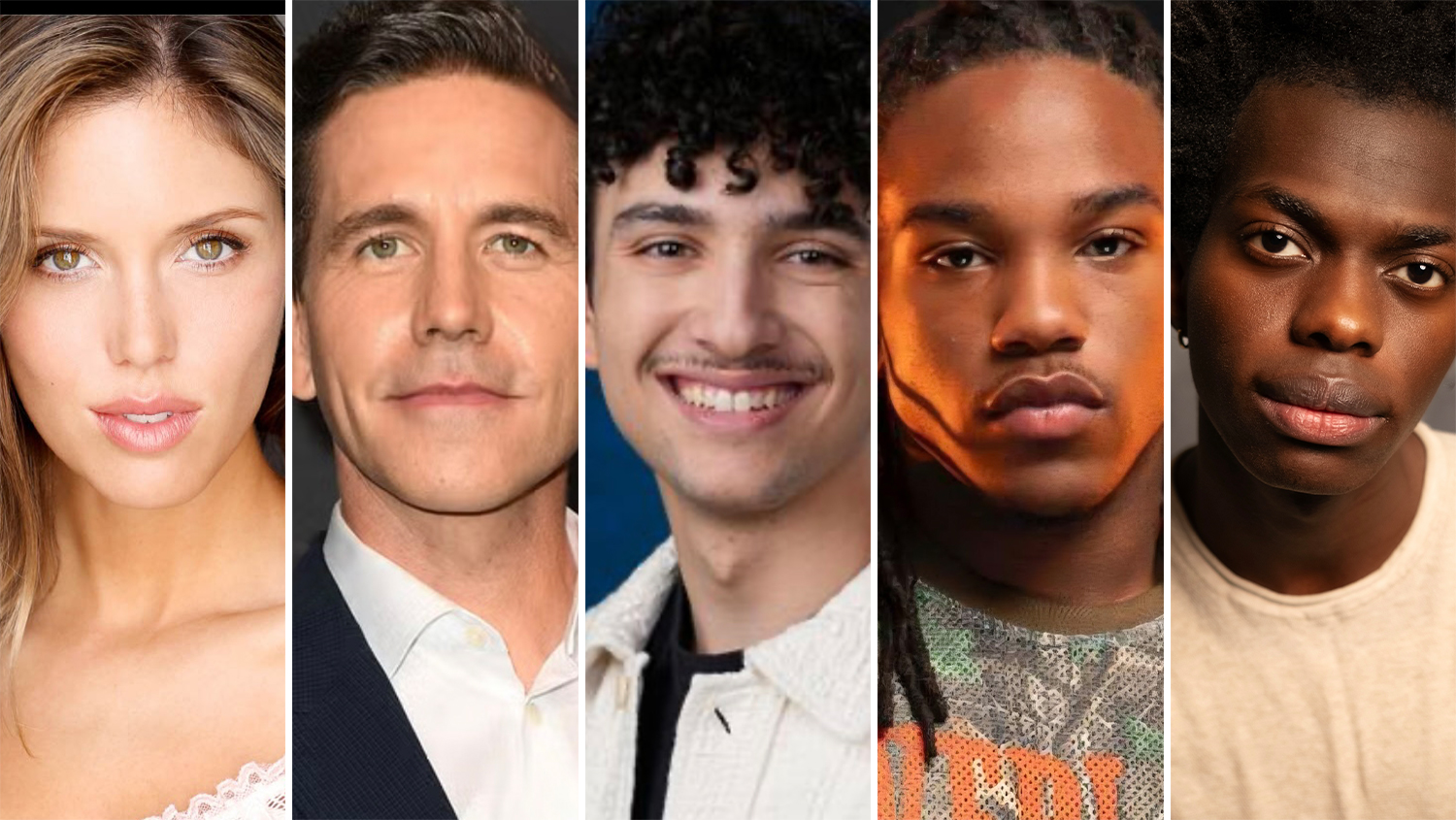
    The 2026 feature film ‘Disconnected’ stars Kayla Ewell and Brian Dietzen, directly confronting the urgent issues of teen deepfakes and cyberbullying. This production aims to bring widespread attention to the severe digital challenges impacting young individuals in the current online environment. The film intends to explore the profound psychological and social ramifications of manipulated media on adolescent lives.

    The cast also includes actors from the series ‘Everybody Still Hates Chris,’ signaling a broader appeal for the film among younger audiences. This project underscores a growing public concern regarding digital ethics, online safety, and the protection of vulnerable youth. Its narrative is designed to be both compelling and educational.

    The Proliferation of Deepfake Technology

    Deepfake technology has advanced significantly in recent years. This advancement allows for the creation of highly realistic manipulated images, audio, and video. While some applications are benign, malicious uses have become a significant concern worldwide.

    The technology leverages artificial intelligence and machine learning algorithms. These algorithms can superimpose one person’s face onto another’s body, or synthesize speech to make it appear as though someone said something they did not. The increasing ease of access to these sophisticated tools has lowered the barrier for their misuse, making them accessible to a wider range of individuals.

    Reports from organizations like the Deepfake Research Institute indicate a sharp increase in deepfake content since 2020. Many instances involve non-consensual sharing or malicious intent. The targets often include public figures, but increasingly, private citizens, particularly teenagers and young adults, are affected by these digital fabrications.

    Vulnerability of Adolescents to Digital Manipulation

    Teenagers are particularly vulnerable to deepfake technology. Their social lives are often heavily integrated with online platforms such as TikTok, Instagram, and Snapchat. The creation and spread of non-consensual deepfakes, particularly those of an intimate nature, can have devastating and long-lasting effects on their mental health and social standing.

    These effects include severe emotional distress, heightened anxiety, reputational damage, and social isolation. Victims often face immense challenges in removing the harmful content once it is disseminated across various online channels. Legal and psychological support systems are still evolving globally to adequately address these new forms of digital harm and provide comprehensive assistance to victims.

    Cyberbullying, already a pervasive issue in schools and online communities, is exacerbated significantly by deepfake capabilities. Manipulated content can be used to humiliate, harass, and exploit young people in ways previously unimaginable. This adds a new and insidious dimension of threat to online interactions, making digital spaces less safe for youth.

    ‘Disconnected’: A Narrative Response to a Crisis

    ‘Disconnected’ aims to provide a fictional yet realistic portrayal of these contemporary challenges. The film’s narrative will likely follow characters grappling with the immediate and long-term consequences of deepfake cyberbullying. It intends to explore the difficult journey of victims, the reactions of their families, and the wider community’s struggle to comprehend and respond to such digital attacks.

    Kayla Ewell is known for her roles as Vicki Donovan in ‘The Vampire Diaries’ and as Caitlin Ramirez in ‘The Bold and the Beautiful.’ Her involvement brings a recognizable and empathetic face to the project. Brian Dietzen is widely recognized for his long-standing role as Dr. Jimmy Palmer in the hit CBS series ‘NCIS,’ a character he has portrayed since 2004.

    Their participation signals the film’s intent to reach a broad and diverse audience, leveraging their established fan bases. The subject matter demands a sensitive, nuanced, and impactful portrayal from the actors. Ewell and Dietzen’s extensive experience in dramatic roles suggests a thoughtful and effective approach to the film’s heavy and emotionally charged themes.

    The Creative Team’s Vision and Societal Impact

    The filmmakers behind ‘Disconnected’ are responding to a clear and pressing societal need for greater awareness and understanding of digital threats. The project aligns with a growing movement to use media as a powerful tool for social commentary and public education. They aim to not only entertain audiences but also to inform, provoke discussion, and inspire action against digital harm.

    The decision to cast actors from ‘Everybody Still Hates Chris’ also indicates a strategic choice to attract a younger demographic familiar with the series. This casting decision potentially broadens the film’s reach to those most directly affected by the issues it addresses, ensuring its message resonates where it is most needed. The series, a continuation of ‘Everybody Hates Chris,’ is expected to premiere in late 2026.

    The production is positioned as a cultural defense initiative against the darker aspects of technological advancement. It seeks to equip audiences with a better understanding of deepfake threats and their mechanisms. It also aims to foster empathy for victims of online manipulation, encouraging a more supportive and protective online community.

    Legal and Ethical Frameworks in the Deepfake Era

    The proliferation of deepfakes has rapidly outpaced existing legal frameworks in many nations. Legislators worldwide are grappling with how to regulate this technology effectively, balancing freedom of expression with the right to privacy and protection from harm. Current laws often struggle to categorize deepfake misuse adequately, leading to enforcement challenges.

    Many jurisdictions currently lack specific statutes addressing non-consensual deepfake creation or distribution, particularly when not involving explicit content. This creates a challenging environment for victims seeking legal recourse and justice. Advocacy groups, including the Electronic Frontier Foundation and the Coalition Against Stalkerware, are actively pushing for stronger protections, clearer legal definitions, and more robust enforcement mechanisms to safeguard individuals from digital exploitation.

    Ethical considerations also surround deepfake technology, extending beyond legal boundaries. Questions arise about the fundamental right to control one’s image and likeness versus the potential for artistic expression or satire. The debate involves technologists, legal experts, ethicists, policymakers, and civil rights advocates, all seeking to define responsible innovation and usage.

    Technological Countermeasures and Digital Forensics

    Efforts are underway globally to develop technological solutions to combat deepfakes. Researchers at institutions like Stanford University and MIT are working on advanced detection tools that can identify manipulated media with increasing accuracy. These tools often use AI to analyze subtle inconsistencies in facial expressions, lighting, or audio patterns not visible to the human eye.

    Watermarking and digital provenance systems are also being explored as preventative measures. These systems would allow for the tracking of media origins and modifications, creating an immutable chain of custody for digital content. The goal is to establish trust and authenticity in digital content, making it harder for manipulated media to be accepted as genuine.

    However, the arms race between deepfake creators and detectors continues unabated. As detection methods improve, so do the techniques for creating more sophisticated and harder-to-detect deepfakes. This ongoing challenge requires continuous innovation, significant research investment, and international collaboration among experts.

    The Broader Societal Conversation and Digital Well-being

    ‘Disconnected’ contributes to a larger societal conversation about technology’s pervasive role in modern life. It questions the responsibilities of social media platforms, tech companies, and content distributors in mitigating harm. It also examines the digital literacy of users, particularly young people, and their ability to critically evaluate online content.

    Parents, educators, and community leaders face new and evolving challenges in guiding youth through an increasingly complex digital landscape. Providing comprehensive education and robust support systems for young people is paramount to fostering resilience against online threats. The film’s release in 2026 is timely, coinciding with increased public discourse on these issues.

    The film’s release comes at a time when digital well-being is a major public health concern. Mental health professionals report a significant increase in anxiety, depression, and self-esteem issues directly linked to negative online experiences. Deepfakes add another severe layer of psychological threat, potentially causing profound trauma and long-term psychological impact.

    Preventative Measures and Educational Initiatives

    Educating young people about deepfakes, cyberbullying, and responsible digital citizenship is crucial. Schools and educational institutions are increasingly incorporating digital literacy programs into their curricula, often mandated by state educational boards. These programs teach critical thinking about online content, privacy settings, and the consequences of sharing personal information.

    Parents are strongly encouraged to have open, ongoing conversations with their children about online risks, digital etiquette, and personal boundaries. Establishing clear guidelines for internet usage and fostering an environment of trust can help young people feel comfortable reporting harmful online encounters. Organizations like Common Sense Media provide resources for families to navigate these challenges.

    Community initiatives, public awareness campaigns, and governmental programs are also vital in disseminating information about deepfakes and cyberbullying. These efforts aim to empower individuals to recognize, report, and resist digital manipulation. The collective effort of individuals, families, schools, and policymakers is essential to create a safer digital environment for all.

    Awareness. Education. Protection.

    A safer digital future.

  • Alfonso Ribeiro Defends DWTS Cast, The Cost of Social Media Fame in the Ballroom

    Alfonso Ribeiro Defends DWTS Cast, The Cost of Social Media Fame in the Ballroom

    The Digital Transformation of the Ballroom

    Alfonso Ribeiro, co-host of ABC and Disney+’s Dancing With the Stars, publicly addressed the dual impact of social media on the long-running reality competition in a June 2026 interview with Variety. He credited platforms like TikTok and Instagram for fueling the show’s modern resurgence, while simultaneously condemning the vicious online culture that targets contestants. Ribeiro urged incoming celebrity dancers to ignore internet trolls, asking directly, “Why are we so mean to one another?” His comments highlight a growing tension in modern television broadcasting. Networks need digital engagement to survive. Performers absorb the psychological cost of that engagement. The ballroom is no longer just a soundstage in Los Angeles. It is a global digital arena.

    Dancing With the Stars premiered in 2005. The media landscape looked entirely different. Viewers voted by calling toll-free numbers on landlines. Today, the show operates as a multi-platform juggernaut. Executive producer Conrad Green and the production team at BBC Studios Los Angeles have engineered the competition for the smartphone era. Disney+ streams the episodes live. ABC broadcasts them over the air. But the real battleground exists on social media. TikTok drives the narrative. Short-form video clips of complex tangos and salsas generate millions of impressions before the West Coast broadcast even finishes. Ribeiro understands this dynamic perfectly. He won Season 19 in 2014. He took over as co-host alongside Tyra Banks in 2022, and later partnered with Julianne Hough. He has watched the digital transformation from both the dance floor and the skybox.

    The numbers do not lie. Viral moments secure votes. A strong Instagram following often outweighs a high score from judges Carrie Ann Inaba, Bruno Tonioli, or Derek Hough. The 2026 television market demands this level of digital integration. Shows without a social media footprint face cancellation. DWTS thrives because it harnesses the algorithmic power of fan armies. But that power comes with a severe structural flaw.

    The Psychological Toll on the Cast

    Visibility invites vulnerability. The same platforms that generate votes also generate unprecedented vitriol. Ribeiro identified this as the darkest element of the modern production cycle. Celebrities arrive at the rehearsal studios on Beverly Boulevard looking to learn a new skill. They quickly find themselves navigating a minefield of digital cruelty. Anonymous users critique their bodies. Trolls attack their personal lives. Armchair experts dissect their footwork with ruthless precision. The commentary rarely stays focused on the cha-cha. It becomes personal. It becomes aggressive.

    Ribeiro’s question to Variety cuts to the core of the issue. The query is rhetorical, but the damage is measurable. Contestants report high levels of anxiety. The physical exhaustion of learning ten dances in ten weeks compounds the mental strain of reading thousands of negative comments. Some celebrities turn off their Instagram replies. Others delete the X application from their phones entirely. The production team now provides mental health resources alongside physical therapy. The 2026 cultural climate is highly polarized. That polarization bleeds into entertainment. Reality television has always relied on drama. But traditional reality television featured drama between cast members. Modern reality television features drama between the cast and the global public.

    The Financial Mechanics of Outrage

    The financial mechanics of the internet actively encourage this hostility. Platforms owned by Meta and ByteDance rely on engagement algorithms. Anger generates more engagement than joy. A negative comment thread keeps users on the application longer than a positive one. Ribeiro is not just fighting individual trolls. He is fighting a multi-billion dollar algorithmic structure. Disney and ABC benefit from the total volume of engagement. Advertisers purchase commercial inventory based on reach. When a controversial dance routine trends on X, the network wins. But the celebrity at the center of the trend pays the price.

    Ribeiro stands at the intersection of corporate strategy and human empathy. He recognizes the necessity of the digital machine. He refuses to accept the cruelty it produces. His public stance attempts to separate the necessary marketing of the show from the unnecessary abuse of its participants. He understands that the show cannot exist without the internet, but he refuses to let the internet destroy the people on the show.

    A Modern Survival Guide for Celebrities

    Ribeiro offers a specific survival strategy for the incoming cast. Ignore the noise. He advises contestants to build a wall between the rehearsal room and the internet. The physical space matters. The digital space is an illusion. He emphasizes the relationship between the celebrity and their professional dance partner. That partnership requires total trust. Reading hostile comments fractures that trust. It introduces a toxic third party into the rehearsal studio.

    His background gives his advice significant weight. He spent decades in the public eye. He navigated child stardom on Silver Spoons. He achieved global fame as Carlton Banks on The Fresh Prince of Bel-Air. He understands the mechanics of celebrity. But he notes that the 1990s media environment lacked the immediate, unfiltered access of the 2026 internet. Critics used to publish reviews in daily newspapers. Now, millions of critics publish reviews in real-time. The volume is deafening. Ribeiro tells his cast to focus on the live audience inside the studio. Their applause is real. Their energy is tangible. The avatars on a screen are not.

    The Evolution of the Skybox

    Ribeiro’s physical location on the set reinforces his role as a protector. He operates primarily from the skybox or the floor-level interview area. He greets the dancers immediately after they finish their routines. He intercepts them before they face the judges. He intercepts them before they look at their phones. In this space, he acts as a buffer. He asks about their families. He asks about their physical pain. He grounds them in reality before the digital world has a chance to weigh in.

    This role has evolved significantly since the early seasons. Original co-host Samantha Harris, and later Brooke Burke and Erin Andrews, primarily functioned as interviewers. Ribeiro functions as a counselor. The 2026 television environment requires this shift. The hosts can no longer just read teleprompters. They must actively manage the emotional state of the cast on live television.

    The Evolution of Celebrity Accountability

    The audience craves authenticity. They also demand accountability. But the line between accountability and harassment has vanished. Ribeiro’s plea for civility taps into a broader cultural exhaustion. People are tired of the constant digital outrage. A celebrity calling out this behavior validates the quiet majority of viewers. Most fans watch Dancing With the Stars for joy. They watch for the costumes, the music, and the triumph of a well-executed routine. The vocal minority hijacks the conversation.

    By addressing the trolls directly, Ribeiro reclaims the narrative. He defends the traditional values of the ballroom. Ballroom dancing relies on respect. It requires etiquette. The judge offers a critique. The dancer accepts it with grace. The internet operates on the opposite principle. It rewards hostility. It monetizes outrage. Ribeiro represents the classic entertainment values of ABC. He also manages the chaotic energy of a modern fanbase. His stance is clear. The show needs the fans. The show does not need the cruelty.

    Protecting the Disney Brand in 2026

    Disney owns the property. Disney protects its family-friendly image fiercely. The toxic ecosystem surrounding the show threatens that image. Ribeiro’s interview serves as a strategic intervention. It signals to the public that the network recognizes the problem. It also assures future celebrity casting targets that the hosts have their backs. Casting is the lifeblood of DWTS. Deena Katz, the show’s longtime casting director, faces a unique challenge in 2026. If A-list or B-list stars refuse to participate because they fear digital harassment, the franchise dies. The talent pool must feel safe.

    Publicists demand assurances before signing their clients to the grueling schedule. They want to know how the network will handle coordinated harassment campaigns. They want to know what mental health resources are available. Ribeiro operates as the paternal figure of the production. His public statements are a form of PR management. He is telling Hollywood publicists that the show is aware of the danger and actively fighting it. His off-camera role mirrors his on-camera persona. He is the shield. The current season requires this level of proactive defense.

    The Publicist’s Dilemma

    In 2006, a publicist booked their client on DWTS to revive a stalled career or promote a new project. The calculation was simple. Learn to dance, lose some weight, smile for the cameras, and reap the benefits of prime-time exposure. In 2026, the calculation is complex and dangerous. A single misstatement during a rehearsal package can trigger a cancellation campaign. A poor performance can result in thousands of mocking memes. Publicists now employ crisis management teams simply to monitor the DWTS hashtag on broadcast nights.

    Ribeiro understands this calculus. When he speaks to Variety, he is not just speaking to the fans. He is speaking to the infrastructure of Hollywood. He is promising that the production team will not abandon the talent to the wolves. He is asserting that the ballroom remains a safe space for performers, even if the internet outside of it is not.

    The Judging Panel’s Complicity and Defense

    The judges also play a role in this ecosystem. Carrie Ann Inaba, Bruno Tonioli, and Derek Hough sit at the desk and deliver the official verdicts. Their critiques often become the raw material that trolls use to attack the contestants. If Inaba points out a missed step, Twitter amplifies that missed step into a character flaw. If Tonioli criticizes a lack of energy, TikTok users turn the critique into a viral soundbite.

    The judges have had to adapt their delivery for the modern era. They must balance honest technical feedback with the knowledge that their words will be weaponized. Derek Hough, who transitioned from professional dancer to judge, understands this dynamic intimately. He frequently uses his own social media platforms to defend contestants from unfair attacks. But the judges are fundamentally critics. Ribeiro is the host. His job is not to critique. His job is to support. This division of labor allows Ribeiro to take a hardline stance against the trolls without compromising the competitive integrity of the show.

    The Contrast of Traditional Ballroom Etiquette

    The ballroom itself stands in stark contrast to the digital world outside its doors. The physical production requires immense discipline. Dancers train for forty hours a week. They endure torn muscles, bruised ribs, and chronic exhaustion. They learn a centuries-old art form under the intense glare of studio lights. The discipline of the ballroom demands respect for the craft.

    Ribeiro champions this discipline. He understands the rigorous physical reality of the show. When an anonymous user mocks a performance from their couch, they disrespect the sheer physical labor involved. Ribeiro’s defense of the cast is a defense of the work. He validates the sweat, the tears, and the vulnerability required to perform on live television. He demands that the audience match the courage of the performers with basic human decency. The contrast is sharp. The physical world requires effort. The digital world requires nothing.

    The Audience’s Responsibility

    The evolution of the Dancing With the Stars audience mirrors the evolution of the internet. In its early years, the show functioned as a collective viewing experience. Families gathered in living rooms. The conversation ended when the television turned off. Today, the conversation never ends. Fandoms operate as organized digital militias. They coordinate voting blocks. They launch targeted harassment campaigns against rival dancers. The stakes feel artificially inflated. A misstep in a quickstep becomes a moral failing.

    Ribeiro watches this escalation with a veteran’s perspective. He knows that television is an illusion. The glittering mirrorball trophy is a prop. The human beings competing for it are real. His warning to the trolls is a reminder of this basic fact. He strips away the digital abstraction. He forces the audience to look at the people behind the screen. He places the responsibility for the culture of the show squarely on the shoulders of the people watching it.

    The cameras roll. The live feed hits the satellites. The digital platforms light up with instant reactions. The machine demands content. The algorithms demand engagement. The performers deliver the steps. The trolls sharpen their keyboards. The cycle begins again. Ribeiro watches from the floor. He holds the microphone. He asks for grace. He asks for humanity. He asks for peace. The music starts. The dancers move. The world watches. The internet waits. The ballroom remains.

  • UK Social Media Ban Sparks Tech Giant Outcry – Teen Safety Debate Intensifies

    UK Social Media Ban Sparks Tech Giant Outcry – Teen Safety Debate Intensifies

    Major technology companies, including Meta, YouTube, and Snap, have voiced strong opposition to the United Kingdom’s proposed social media ban for individuals under 16. These companies argue that such a ban would inadvertently expose young people to greater risks by forcing them onto unregulated corners of the internet, rather than protecting them within platforms that have established safety protocols.

    The UK government’s consideration of this ban stems from increasing concerns over the mental health impact of social media on young users and a desire to enhance online child protection. However, the tech industry contends that sweeping prohibitions could backfire, creating a more dangerous online environment for the very demographic it aims to shield.

    The Proposed UK Ban and Its Intentions

    The concept of a social media ban for under-16s in the UK gained traction amid a broader governmental push for online safety. This initiative aligns with the Online Safety Act, which aims to make the UK the safest place in the world to be online. The Act places legal duties on tech companies to protect users, especially children, from harmful content.

    Proponents of the ban, including some child safety advocates and politicians, believe that restricting access to social media for younger teens will mitigate exposure to cyberbullying, inappropriate content, and the pressures associated with online platforms. They cite studies suggesting links between excessive social media use and declining adolescent mental well-being.

    The government’s intent is to create a safer digital environment. They aim to reduce the psychological and developmental risks that young people might face on platforms designed for adult interaction. This policy discussion reflects a global trend of governments attempting to regulate the digital sphere more rigorously.

    Tech Giants’ Counterarguments: The ‘Wild West’ Concern

    Tech companies argue that a ban would be counterproductive. They contend that it would not eliminate underage social media use but merely shift it to less visible, less controlled spaces. Platforms like TikTok, Instagram (owned by Meta), and Snapchat (owned by Snap Inc.) have invested heavily in safety features, age verification tools, and moderation teams.

    These platforms employ algorithms to detect and remove harmful content. They offer parental controls and resources designed to protect younger users. If banned from these regulated environments, underage individuals might seek out platforms with no such safeguards, effectively entering a ‘wild west’ of the internet.

    This unregulated landscape could include anonymous forums, encrypted messaging apps, or smaller, niche platforms with minimal moderation. In these spaces, the risks of encountering predatory individuals, exposure to extreme content, or engaging in dangerous challenges could be significantly higher. The companies argue they are better equipped to protect minors than an unmonitored internet.

    The Challenge of Age Verification

    A significant practical hurdle for any social media ban is effective age verification. Current systems often rely on self-declaration, which is easily circumvented by tech-savvy minors. Implementing robust age verification that is both effective and privacy-compliant presents a complex technical and ethical challenge.

    Companies like Meta have explored various methods, including AI-powered age estimation and ID verification. However, no single solution has proven foolproof or universally accepted. Requiring government-issued ID for social media access raises privacy concerns and could disproportionately affect individuals without such documentation.

    The tech industry’s position is that even with advanced age verification, determined young users will find ways around restrictions. This could involve using parents’ accounts, creating fake identities, or migrating to platforms that do not enforce strict age gates. The ban, therefore, might create a cat-and-mouse game rather than a secure environment.

    Economic and Innovation Impact

    Beyond safety concerns, tech giants also highlight potential economic and innovation impacts. The UK is a significant market for these companies, and a ban could lead to reduced user engagement and advertising revenue. This, in turn, could affect investment in safety features and local digital economies.

    Furthermore, these companies argue that social media platforms are not solely sources of harm. They serve as vital tools for communication, education, creative expression, and community building for young people. Restricting access could deny them opportunities for social development and access to information.

    The debate also touches upon the concept of digital literacy. Instead of outright bans, some argue for a greater emphasis on educating young people about responsible online behavior, critical thinking, and how to navigate digital spaces safely. This approach empowers users rather than restricting their access.

    Global Precedents and Regulatory Trends

    The UK’s proposed ban is not an isolated incident. Governments worldwide are grappling with how to regulate social media and protect children. In the United States, states like Utah have enacted laws requiring parental consent for minors to use social media, and others are considering similar measures.

    The European Union has implemented the Digital Services Act (DSA), which imposes stringent rules on online platforms regarding content moderation, transparency, and user safety, with particular attention to minors. These regulations often focus on platform accountability rather than outright bans.

    China, for example, has imposed strict time limits for minors on platforms like TikTok (Douyin). These global efforts indicate a widespread recognition of the challenges posed by social media to youth. However, the approaches vary significantly, reflecting different cultural, political, and technological philosophies.

    The Role of Parental Control and Education

    Many tech companies advocate for enhanced parental control tools and digital literacy education as more effective alternatives to outright bans. Platforms have introduced features that allow parents to monitor their children’s activity, set screen time limits, and approve friend requests.

    Educational initiatives, often in partnership with schools and non-profit organizations, aim to teach young people about privacy settings, identifying misinformation, managing online interactions, and seeking help when needed. This proactive approach seeks to equip children with the skills to navigate the internet safely and responsibly.

    The argument is that parental involvement, combined with robust platform safety features and comprehensive digital education, offers a more nuanced and ultimately more effective strategy than a blanket prohibition. It allows for tailored protection based on individual child development and family values.

    The Path Forward for UK Policy

    The UK government faces a complex decision. They must weigh the concerns of child safety advocates against the practical difficulties and potential unintended consequences highlighted by tech giants. The outcome will likely influence future digital policy both domestically and internationally.

    Potential solutions might involve a hybrid approach: stricter enforcement of existing age restrictions, mandatory and robust age verification technologies, enhanced parental controls, and significant investment in digital literacy programs. An outright ban, while seemingly straightforward, carries substantial risks that the tech industry has clearly articulated.

    The debate underscores the evolving nature of online governance. It highlights the tension between regulatory impulses and the dynamic, borderless nature of the internet. Legislators, industry leaders, and child safety experts continue to seek common ground for effective youth protection in the digital age.

    The Long-Term Implications for Digital Citizenship

    The discussion around the UK social media ban for under-16s extends beyond immediate safety concerns. It touches upon the broader concept of digital citizenship and how societies prepare their youngest members for an increasingly online world. Restricting access without providing alternatives or education could hinder this development.

    For many young people, social media is an integral part of their social fabric, identity formation, and access to information. While risks are undeniable, completely severing this connection could have unforeseen social and developmental consequences. The goal is to foster responsible digital citizens, not just to shield them.

    The ongoing dialogue between governments, tech companies, parents, and educators will shape the future of online interaction for generations to come. It requires a balanced approach, informed by evidence and an understanding of both the opportunities and challenges presented by digital platforms.

    Concerns were raised. Arguments were made. Solutions were debated. The digital future of young people in the United Kingdom hangs in the balance.

    Westminster.

  • The Cost of the Casting: Why the ‘Off Campus’ Team Drew a Line Against Fandom Toxicity

    The Cost of the Casting: Why the ‘Off Campus’ Team Drew a Line Against Fandom Toxicity

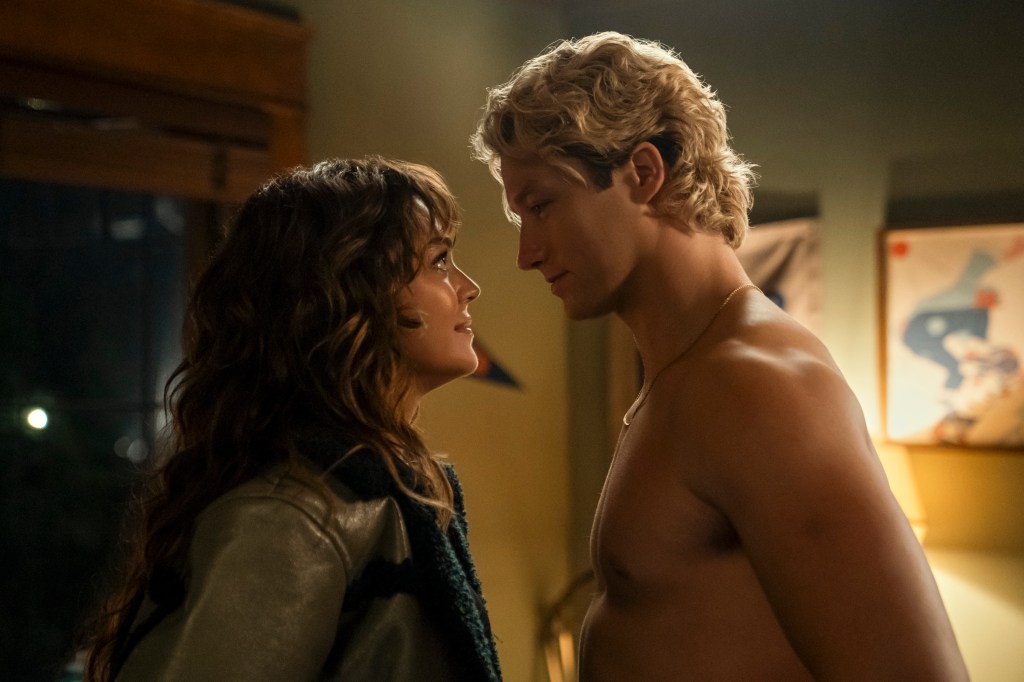
    The producers of the television adaptation of Elle Kennedy’s Off Campus issued a formal public warning on June 5, 2026, demanding an immediate end to the targeted social media harassment directed at the show’s cast and their families. The statement, released via the production’s official channels, marks a definitive line in the sand against toxic fandom behavior. It explicitly instructed audiences to “extend respect to our cast and the people in their lives.” The message was not a request. It was a barricade.

    The announcement arrived in the wake of escalating digital hostility following casting reveals for the highly anticipated series. What began as standard internet discourse quickly devolved into systemic, personalized attacks.

    The target was no longer just the performance. The target was the person.

    This is not an isolated incident. It is a symptom of a much larger structural shift in how audiences interact with the media they consume. The boundary between consumer and creator has collapsed. In its place, a sense of aggressive, proprietary entitlement has taken root.

    The BookTok Collision Course

    To understand the vitriol, one must understand the origin of the property. Elle Kennedy published The Deal, the first book in the Off Campus series, in 2015. It followed the romance between fictional Briar University students Garrett Graham and Hannah Wells. It was a massive success.

    But the true explosion happened years later.

    During the global lockdowns of 2020 and 2021, the series caught fire on TikTok. The #BookTok community, a digital literary ecosystem that currently boasts over 200 billion views, turned the Off Campus series into a foundational text. Millions of copies were sold. The characters were dissected, fan-cast, illustrated, and discussed in granular detail across thousands of daily videos.

    Readers did not just consume the books. They lived inside them.

    When Amazon MGM Studios and the production team began the process of adapting the series for television, they were not just casting a show. They were attempting to manifest a collective, deeply entrenched digital hallucination. Every reader had a specific image of Garrett Graham. Every reader had a specific image of Hannah Wells.

    No human actor could ever match the composite ideal generated by millions of individual imaginations.

    The Anatomy of a Digital Mob

    When the casting was announced, the friction was immediate. Disappointment is a natural byproduct of adaptation. Harassment is a deliberate choice.

    The Off Campus statement highlighted a specific, chilling phrase: “the people in their lives.” This indicates the harassment bypassed the standard avenues of public critique. It breached the perimeter.

    Modern digital mobs operate with military precision. They do not merely leave negative comments on an actor’s official Instagram page. They excavate the digital footprint. They locate the social media profiles of the actor’s parents, siblings, and romantic partners. They flood direct messages with vitriol. They weaponize old photographs. They attempt to dismantle the actor’s real life because the actor does not match a fictional ideal.

    The algorithm rewards this behavior. Outrage generates engagement. Engagement generates visibility. Visibility generates validation. The mob is incentivized to push harder, dig deeper, and scream louder.

    A Hollywood Epidemic

    The Off Campus team is operating within a grim, established historical precedent. Hollywood studios are increasingly finding themselves acting as digital bodyguards for their talent.

    In 2017, Kelly Marie Tran was subjected to a relentless campaign of racist and sexist harassment following the release of Star Wars: The Last Jedi. She ultimately wiped her Instagram account entirely. The studio response at the time was sluggish, rooted in an outdated public relations playbook that suggested ignoring trolls would make them disappear.

    The trolls did not disappear. They organized.

    By 2022, the playbook had to change. When author Rick Riordan and Disney+ announced the casting of Leah Sava Jeffries as Annabeth Chase in Percy Jackson and the Olympians, a racist backlash erupted because Jeffries did not match the physical description of the character in the 2005 novel. Riordan did not wait. He issued a blistering, immediate condemnation of the harassment, effectively telling toxic fans they were not welcome in the fandom.

    In 2024, Erin Moriarty of Amazon’s The Boys stepped away from social media, citing intense, misogynistic harassment from fans who fundamentally misunderstood the satirical nature of the show.

    The Off Campus directive is the latest entry in this defensive ledger. Studios can no longer afford to be passive. The human cost is too high, and the potential damage to the production’s morale and marketability is too severe.

    The Psychology of Fandom Entitlement

    The root of the issue lies in the evolution of the parasocial relationship. For decades, the relationship between a fan and a property was a one-way street. The studio created the product. The fan consumed it.

    Social media transformed that dynamic into a perceived partnership.

    Fans now dedicate hundreds of hours to curating fan pages, editing tribute videos, and writing extensive commentary. They view this unpaid labor as an investment. They believe their engagement is the primary reason the property maintains its cultural relevance. Therefore, they believe they hold equity in the franchise.

    When a casting decision contradicts their internal vision, it is not viewed as a creative disagreement. It is viewed as a betrayal. It is perceived as a breach of contract.

    “Extend respect to our cast and the people in their lives.”

    This single sentence from the Off Campus team dismantles the illusion of ownership. It is a harsh reminder from the creators to the consumers: You do not own these people. You do not own this process.

    The Industry’s New Defensive Playbook

    The financial and logistical realities of television production are adapting to this new digital climate. The era of leaving actors to fend for themselves is ending.

    Production companies are implementing comprehensive digital security measures long before a show premieres. The modern studio playbook now includes specific, actionable protocols:

    • Digital Audits: Before casting is announced, firms like Crisp and DeleteMe are hired to scrub the internet of an actor’s personal information, home addresses, and familial connections.
    • Comment Moderation: Studios employ AI-driven moderation tools to instantly block and delete comments containing specific slurs, threats, or targeted harassment on official pages.
    • Psychological Support: Mental health professionals are increasingly retained by productions to help young, breakout stars navigate the sudden influx of global attention and localized hatred.
    • The Pre-Emptive Strike: Statements like the one issued by the Off Campus team are drafted in advance. PR teams no longer wait for the fire to spread; they build firebreaks before the announcement drops.

    The budget for a major television adaptation now fundamentally requires a line item for digital warfare.

    The Cost of the Crown

    For the actors stepping into these highly coveted roles, the victory of booking a major series is immediately tempered by the reality of the digital landscape.

    Landing a lead role in an adaptation like Off Campus should be a career-defining moment. It is the culmination of years of auditions, rejections, and relentless effort. Yet, the modern breakout star must immediately brace for impact. They are forced to lock down their personal lives. They are advised to turn off their comments. They are told to avoid looking at the very platforms that are ostensibly promoting their work.

    This creates a chilling effect on the industry. When the cost of visibility is the safety of one’s family, the calculus of fame changes. Talent agencies are increasingly having difficult conversations with their clients about the psychological toll of accepting roles attached to massive, pre-existing fandoms.

    The art suffers when the artists are under siege.

    The Future of Fandom

    The statement from the Off Campus team will not end internet toxicity. No single Instagram graphic or press release possesses the power to rewrite human nature or dismantle algorithmic outrage.

    However, it establishes a necessary precedent. It draws a boundary. It forces the audience to confront the reality that the faces on their screens belong to human beings with families, partners, and private lives that exist entirely outside the borders of Briar University.

    The culture of consumption has reached a breaking point. The expectation of total access has birthed a culture of total entitlement. The studios are finally pushing back. The creators are finally pushing back. The line has been drawn in the digital sand.

    Readers demanded a perfect adaptation. Algorithms rewarded their rage. Producers issued a warning.

    Consequences.